
Aging Rhinoplasty: Is Now the Right Time for a Nose Job?
Facelifts, necklifts, and injectable fillers are usually the first things that come to mind when people think of anti-aging procedures. They offer great treatments to achieve a youthful facial appearance. But many people overlook the benefits of an aging rhinoplasty treatment, despite the fact that a nose job can take years off a person's face.
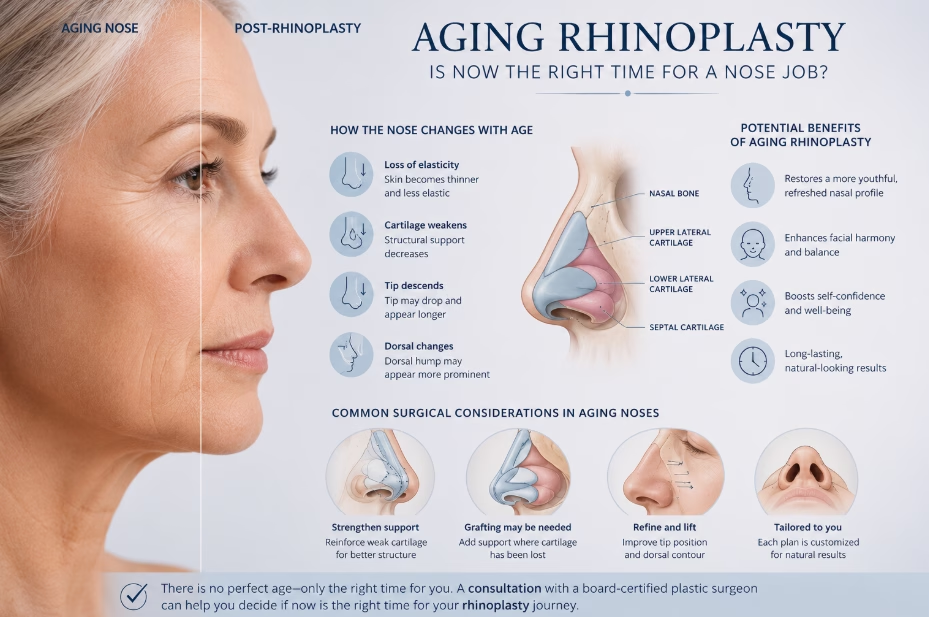
What most people don't realize is that the nose is one of the few facial features that keeps changing with age. While the rest of the face gets attention through injectables or lifts, the nose quietly shifts, and those changes can make the entire face look older than it needs to.
What Is an Aging Rhinoplasty?
Rhinoplasty surgery can improve facial harmony and correct nasal asymmetry. Nose surgery also enables a patient to achieve a nose that complements the cheeks, chin, and other facial features. However, a nose job cannot stop the natural aging process.
The size and shape of the nose can change as a person gets older. Common changes that can affect facial appearance include:
- Drooping nasal tip
- Thinning of the nasal skin
- Softening of the nasal cartilage
These changes are natural, but they can impact an individual's facial appearance. If left unaddressed, they can cause the nose to look disproportionate to other facial features and lead to an asymmetrical overall look.
With a nose lift procedure, a patient can correct these issues before they become more pronounced. The treatment can even be performed alongside other facial rejuvenation options to address fine lines, age spots, and other visible signs of aging at the same time.
Dr. Azizzadeh describes this shift clearly: "One of the most recent trends that we are seeing is something called a nose lift, or in medical terminology, we call it aging rhinoplasty." He explains that the same forces behind facial sagging, changes in skin, bone volume, and cartilage, can affect the nose too. In some patients, the nose appears longer or droopier over time as a result of these combined changes.
Nose Lift vs. Standard Rhinoplasty: What's the Difference?
A nose lift for aging patients and a standard rhinoplasty are not the same procedure. This matters more than most people think. An aging rhinoplasty addresses changes that developed gradually over decades. A standard rhinoplasty performed on someone in their twenties is about reshaping the nose for aesthetic or functional goals from the start, and the surgical approach is entirely different.
As Dr. Azizzadeh puts it: "With a younger patient who's in their teens or 20s or 30s coming in for a rhinoplasty, it is a very, very different approach and operation compared to the nose lift." A younger patient typically wants to reshape the nose for cosmetic reasons. An older patient is correcting what time has done to a nose that may have been perfectly proportioned before.
| Feature | Aging Rhinoplasty (Nose Lift) | Standard Rhinoplasty |
| Primary goal | Correct age-related nasal drooping | Reshape or resize the nose |
| Ideal patient | Adults 40+ bothered by a drooping or elongated tip | Teens and younger adults seeking cosmetic change |
| Bone work required? | Rarely | Often yes |
| Typical recovery | Generally shorter | Varies by complexity |
| Anti-aging benefit | Can take up to 5 years off the face | Indirect; improves facial harmony |
| Often combined with | Deep plane facelift, fillers | Septoplasty, chin augmentation |
The nose lift is a focused procedure, not a full cosmetic overhaul. Most of the work involves repositioning the nasal tip to restore the proportion and facial balance the patient had before aging altered it.
 Can a Nose Lift Really Make You Look Younger?
The short answer is yes, and the results can be meaningful. According to Dr. Azizzadeh, repositioning the nasal tip alone, without the full bone work involved in a standard rhinoplasty, can make a patient look up to five years younger. When combined with a deep plane facelift or other facial rejuvenation procedures, the overall effect is even more significant.
The reason is straightforward. The nose sits at the center of the face. When the tip droops, it creates a visual imbalance that ages the entire facial structure. Correcting that one feature in proportion with the rest of the face can refresh the overall appearance without looking like you've had work done.
What Is the Ideal Age for a Nose Job?
There is no such thing as a "perfect" age for nose surgery. Rather, there are several factors to consider when determining if someone is a good candidate for a nose job, including their age and medical history.
Nose surgery can be performed as early as 15 or 16 years old for girls and 16 to 17 years old for boys. Rhinoplasty over 40 is common as well, and there are patients who pursue it after 55.
The more important question is not when but whether this is the right procedure for you at this stage of your life. For patients bothered by a drooping tip or an elongated nose that has shifted gradually over time, a targeted nose lift can be a highly effective option.
Is a Nose Lift Right for You?
For anyone considering nose surgery, partnering with a board-certified facial plastic surgeon is essential. That's how a patient gets a thorough evaluation and a clear picture of what the procedure can and can't do for them.
A board-certified surgeon will assess your nose and your goals. If you're a good candidate, they can build a custom treatment plan. If not, they can offer alternatives that may serve you better.
Good candidates for this type of procedure are generally in good overall health, have realistic expectations, and are bothered by specific nasal changes that have developed with age. The procedure works best when the nasal tip has drooped or the nose looks disproportionately long relative to other facial features. A thorough consultation is the only way to know for certain.
Find the Right Rhinoplasty Surgeon
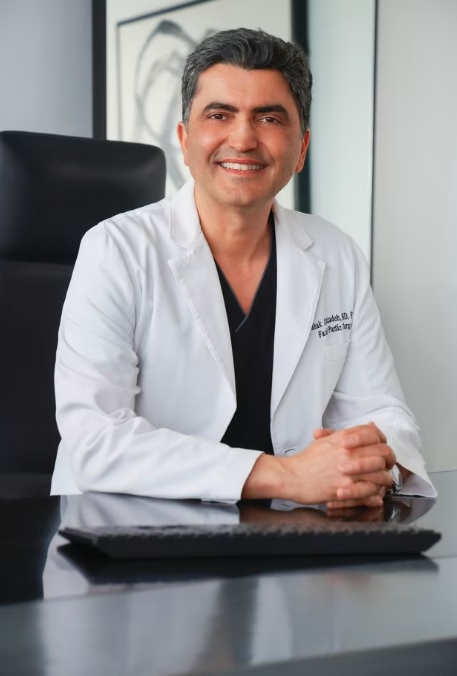 Dr. Babak Azizzadeh is a dual board-certified facial plastic and reconstructive surgeon. He has performed many primary nose jobs and revision rhinoplasty procedures over the years. Dr. Azizzadeh uses his surgical expertise and knowledge of the aging face to educate patients about nose jobs and other cosmetic procedures.
Dr. Azizzadeh meets with each patient first to understand their goals. If he confirms they're a good candidate for nose surgery, he develops a treatment plan tailored to them.
He can explain exactly how a rhinoplasty procedure can improve facial appearance and make a patient look more youthful. He also shares before and after photos so patients have a realistic sense of what to expect. If a patient decides to move forward, Dr. Azizzadeh prepares them for every aspect of the process.
Dr. Babak Azizzadeh, a Beverly Hills facial plastic and reconstructive surgeon, is recognized for his expertise in rhinoplasty and facial rejuvenation. His approach combines surgical precision with a deep understanding of how the face changes over time, allowing him to deliver results that look natural. Patients seek him out specifically for his ability to restore facial proportion and harmony.
 What to Expect During a Rhinoplasty
Dr. Azizzadeh's main goal for rhinoplasty surgery is to restore harmony to the face, making a patient's features appear younger and more balanced.
During the procedure, he reshapes and resizes the nose as needed. He addresses skin laxity and cartilage elongation that can make someone look older than they are, and can adjust the tip of the nose specifically to restore proportion.
Following surgery, Dr. Azizzadeh provides detailed recovery instructions and schedules follow-up appointments to track progress. He stays accessible for any questions throughout recovery and works to help each patient achieve the best possible result.
 How Does a Rhinoplasty Hold Up Over Time?
Whether rhinoplasties age well depends largely on the surgical technique. Reductive procedures can look beautiful early on but may show structural changes around the rhinoplasty after 10 years mark or more significantly rhinoplasty after 20 years.
Potential rhinoplasty side effects long term, such as a drooping tip or pinched look, often appear 20 years after plastic surgery if the nasal foundation wasn't reinforced.
Conversely, techniques that preserve and reinforce the nasal framework age much more gracefully, maintaining shape and proportion for decades. Choosing a surgeon who prioritizes structural support is essential for lasting results.
Schedule a Consultation with Dr. Azizzadeh
Whether you're considering an aging rhinoplasty for the first time or revisiting the idea after years of watching your nose change, the best place to start is a consultation with a qualified facial plastic surgeon. Dr. Azizzadeh offers in-person consultations in Beverly Hills and virtual consultations via Zoom to help patients determine if a nose job can help them reach their facial rejuvenation goals. To learn more or request a consultation, contact us online or call 310-657-2203.
Frequently Asked Questions
Does rhinoplasty last forever?
While structural changes are permanent, the face ages around them. Whether do nose jobs age well and how long does rhinoplasty last depends on technique; reductive procedures may show rhinoplasty side effects long term after 10 or 20 years after plastic surgery, whereas reinforcing the framework helps an aging rhinoplasty (main) look natural as what happens to rhinoplasty when you get old.
Do nose jobs age well?
It depends on the technique. Reductive rhinoplasties that remove bone and cartilage can look great initially, but may show structural changes over 10 to 20 years. Procedures that reinforce the nasal framework tend to do much better. Whether rhinoplasties age well comes down to the foundation the surgeon built during the original operation.
What happens to rhinoplasty when you get old?
The nose continues changing even after surgery. A drooping tip can become more pronounced, skin grows thinner, and cartilage loses some of its firmness. If the original procedure removed significant structural support, these age-related shifts tend to be more visible. A well-structured rhinoplasty is designed to account for how the nose will change over decades.
How long does rhinoplasty last?
The structural changes made during rhinoplasty are permanent. How long the cosmetic result looks the way you intended is a different question. Results can hold beautifully for decades with the right technique, or show signs of change within 10 to 15 years if the procedure was purely reductive. Lifestyle, genetics, and the surgeon's approach all play a role.
What is the difference between an aging rhinoplasty and a standard rhinoplasty?
A nose lift for aging patients targets specific age-related changes, mainly a drooping or elongated tip, without necessarily involving bone work. A standard rhinoplasty performed on someone in their teens or twenties is a broader reshaping procedure with different goals and a different surgical approach entirely.
Can a rhinoplasty make me look younger?
Yes. Dr. Azizzadeh notes that repositioning a drooping nasal tip alone can take up to five years off a person's appearance, even before factoring in additional procedures like a deep plane facelift. For the right patient, it's one of the more impactful anti-aging options available.
What is revision rhinoplasty?
Revision rhinoplasty is a corrective procedure performed on a nose that has already had surgery. It addresses cosmetic concerns, long-term structural changes, or functional issues that developed after the initial procedure. It requires a surgeon with advanced expertise, as the anatomy is more complex the second time around.


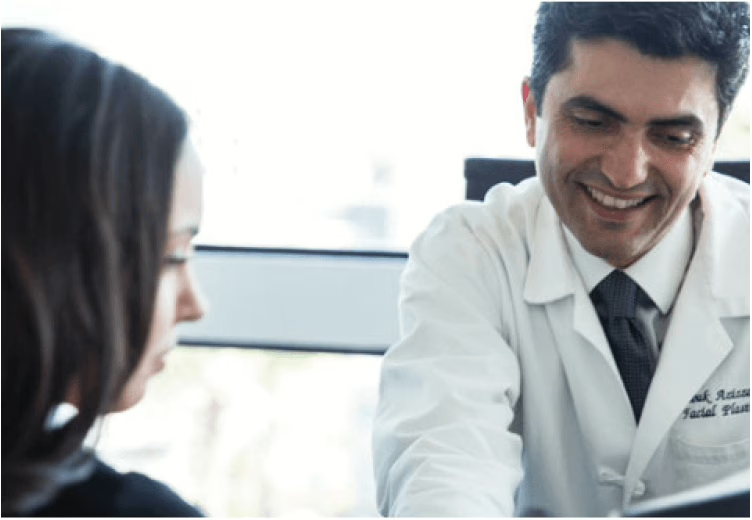
How to Choose a Rhinoplasty Surgeon: 5 Things You Need to Consider
Many rhinoplasty surgeons are available across the United States. Each of these surgeons can perform a nose job. But, results can vary based on the surgeon.
Ultimately, the decision to undergo a rhinoplasty is a momentous one, and it needs to be taken seriously. And, finding a professional, qualified, and trustworthy rhinoplasty surgeon is a must.
How to Find a Rhinoplasty Surgeon
An online search can provide a great starting point to find a great rhinoplasty surgeon. The search takes only a few seconds to complete and provides the websites and contact information for dozens of rhinoplasty surgeons close to home.
Along with an online search, it helps to check out reviews of rhinoplasty surgeons. These reviews can provide insights into what it is like to work with a nose job surgeon.
Look for nose job surgeons who have earned awards from RealSelf and other organizations that honor members of the plastic surgery community. These surgeons have been recognized for their ability to consistently deliver outstanding nose job results.
How to Find a Good Nose Job Doctor
For those who are trying to figure out how to choose a rhinoplasty surgeon that meets their expectations, help is available. Now, let's look at five factors to consider when selecting a surgeon to perform your rhinoplasty.
1. Board Certification
Ask prospective surgeons if they are board-certified. If a surgeon has earned board certification, he or she has received extensive training in their specialty and passed stringent exams. Therefore, this surgeon is qualified to practice medicine in one or more areas.
The American Board of Facial Plastic & Reconstructive Surgery and American Board of Otolaryngology-Head & Neck Surgery are two of the leading providers of board certification for nose surgeons. By partnering with a rhinoplasty surgeon who possesses certifications from both of these organizations, a patient can feel good about their surgeon's ability to administer treatment with precision and care.
2. Before and After Photos
Nose job before and after photos give patients a glimpse into a rhinoplasty surgeon's ability to deliver the optimal treatment results. The photos show how a surgeon can perform a nose job that allows a patient to resize or reshape their nose and enhance their facial appearance. They also highlight how a surgeon can help a patient achieve a nose that complements their eyes, cheeks, and other facial features.
3. Clear Communication
The best nose surgeon will meet with a patient before a rhinoplasty. He or she will listen to what their patient has to say about nose surgery and respond to any concerns regarding treatment. Also, the surgeon will learn about a patient's nose job treatment goals.
Furthermore, a nose surgeon should ask their patient questions about their medical history and discuss which rhinoplasty options can deliver their patient's desired results. The surgeon should also discuss all aspects of rhinoplasty surgery, so their patient can establish realistic expectations about postoperative care, recovery time, and potential risks, among other things. The bottom line: if a nose surgeon does not make their patient feel comfortable with a rhinoplasty, this patient should search for another surgeon.
4. The Office
A nose surgeon's office itself should have a professional, friendly staff that treats a patient with respect and courtesy. The office should also have an ambiance that puts patients at ease.
Choose a nose surgeon that operates an accredited facility, too. In addition, verify that a nose surgeon's office is affiliated with a high-quality aftercare provider that is easily accessible.
5. Personalized Care
It is important to find a nose surgeon who treats each patient on a personal level. This surgeon avoids a “one-size-fits-all” approach to rhinoplasty surgery. Instead, he or she allocates the time, energy, and resources necessary to provide their patient with personalized care.
The Bottom Line on How to Choose a Rhinoplasty Surgeon
Research is key when it comes to choosing a rhinoplasty surgeon. The more an individual learns about a surgeon, the more likely it becomes that he or she can make an informed decision on whether this surgeon is the right choice for treatment.
Reach out to a nose job surgeon to learn from him or her, too. This allows an individual to get expert insights into nose surgery and how a surgeon approaches treatment. If the individual decides to move forward with treatment, he or she can feel confident in their surgeon's ability to deliver the best results.
Learn More About Nose Surgery
Dr. Babak Azizzadeh of the CENTER for Advanced Facial Plastic Surgery is a top choice for nose surgery in Beverly Hills. He is world-renowned for his facial plastic surgery and head and neck surgery expertise.
By meeting with Dr. Azizzadeh, a patient can learn about his holistic approach to nose surgery. Dr. Azizzadeh will share insights into nose surgery and determine if his patient is a good candidate for treatment. From here, Dr. Azizzadeh will work closely with his patient to ensure he or she is satisfied with their rhinoplasty.
Dr. Azizzadeh offers in-person consultations in Beverly Hills and virtual consultations via Zoom to people who are considering rhinoplasty surgery. To learn more or request a consultation, please contact us online or call us today at 310-683-4085.
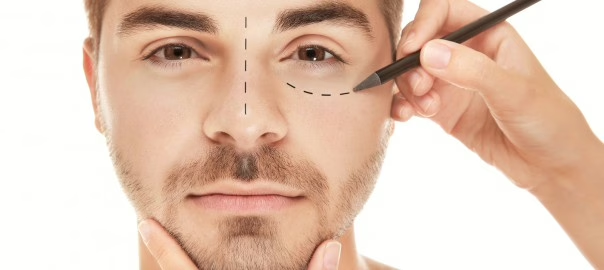
What to Expect During Revision Rhinoplasty Recovery
A revision rhinoplasty is a complex facial plastic surgery procedure. It involves reshaping a patient's nose to enhance their cosmetic appearance after a prior rhinoplasty failed to deliver the desired results. This procedure can also be completed to improve a patient's nasal function if it was damaged during a prior nose job.
For patients who are considering a revision rhinoplasty, choosing a double board-certified facial plastic and reconstructive surgeon like Dr. Babak Azizzadeh is essential. Dr. Azizzadeh is an experienced and highly trained facial plastic and reconstructive surgeon who strives to provide his patients with the best-possible revision nose job results. He also explains revision rhinoplasty recovery in detail before he administers treatment.
Revision Rhinoplasty Recovery Timeline
Like a traditional nose job, the recovery timeline for a revision nose surgery varies. It typically takes at least one year before a patient can see the full results of a revision nose surgery. However, there can be instances when the complete results of treatment take up to two years before they become visible.
Dr. Azizzadeh can provide an estimated revision rhinoplasty recovery timeline. Before Dr. Azizzadeh performs a revision nose job, he meets with a patient to determine their eligibility for treatment. If Dr. Azizzadeh finds a patient is a good candidate for a revision procedure, he prepares a treatment plan. Dr. Azizzadeh then discusses the surgery with his patient and explains the recovery process.
A revision nose job patient receives instructions to prepare for a revision nose surgery in the days, weeks, and months following treatment. For instance, Dr. Azizzadeh recommends that a revision nose job patient keep their head elevated as much as possible in the days after surgery. This can help alleviate post-surgery pain and swelling.
The revision nose job recovery process can be difficult. Fortunately, Dr. Azizzadeh remains accessible during this time. He requests follow-up appointments with revision nose job patients and encourages them to come forward with any concerns or questions.
As revision rhinoplasty recovery progresses, a patient's facial appearance should gradually improve. If a revision nose job is successful, the patient's nose will appear proportional to the eyes, cheeks, and other facial features.
Revision Rhinoplasty FAQs
Many patients have questions about revision nose jobs — and for good reason. Dr. Azizzadeh answers some of the most common questions surrounding revision nose surgery and the recovery process associated with it.
How long does it take to complete a revision rhinoplasty?
Revision rhinoplasty is an outpatient procedure that commonly takes between 1.5 and 4 hours to complete. However, Dr. Azizzadeh may require additional time to perform the procedure based on the surgery’s complexity.
Can I return home the same day as my revision rhinoplasty procedure?
In most cases, a patient can return home the same day that their surgery is performed. This patient will need a friend or family member to drive him or her to and from the surgery center. It is also important to have someone to stay with the patient for the first 24 hours following surgery.
What happens after a revision rhinoplasty?
The recovery period typically lasts one to two weeks, and a patient will need to stay home from work for seven to 10 days following surgery. A splint can be placed on a patient’s nose after the procedure, and this splint will be removed approximately one week later. The majority of revision rhinoplasty patients do not require nasal packing.
Patients can expect to experience swelling, pressure and pain/discomfort in the first few days after surgery. Dr. Azizzadeh will prescribe his patients an oral pain medication to help manage postoperative pain.
Breathing through the nose sometimes can be difficult for revision rhinoplasty patients in the first couple of days following surgery. The patient should be able to breathe very clearly within two weeks of the surgery.
A patient should be able to return to light activities within 48 hours of treatment, such as walking around the house. He or she should try to avoid any activities that can cause the nose to bleed, such as bending over, heavy lifting, and/or blowing the nose for approximately three weeks. Furthermore, medications such as Advil and Motrin should not be used for two weeks following the surgery, as they may interfere with a patient’s recovery.
Swelling and bruising are common after the procedure, but these symptoms usually disappear within a few days of treatment. Revision rhinoplasty patients must keep their head elevated while resting, relaxing, or sleeping for at least one to two weeks following surgery to minimize bruising or swelling.
Meanwhile, patients typically require at least 10 to 14 days for revision rhinoplasty recovery. These patients may also be eligible to return to work or school approximately one week following surgery.
Dr. Azizzadeh teaches patients about what to expect in the days after surgery. He offers a personalized post-surgery treatment plan to each patient. Plus, Dr. Azizzadeh keeps in contact with a patient after surgery to ensure that their revision rhinoplasty recovery is successful.
Many of Dr. Azizzadeh’s patients choose to recover at Pearl Recovery Retreat & Wellness in Beverly Hills in the days following nose surgery. Pearl is a luxurious aftercare facility where patients have a dedicated team of nurses looking after them 24/7.
Is it possible to avoid revision rhinoplasty swelling?
Swelling cannot always be avoided in the days after a revision nose job. But, Dr. Azizzadeh can prescribe pain medication to help patients manage pain during the revision rhinoplasty recovery period. Dr. Azizzadeh also encourages his patients to get in touch if they experience severe swelling or other serious complications after a revision nose surgery.
Is a revision rhinoplasty more expensive than a primary rhinoplasty?
Revision rhinoplasty can require more effort to complete than a primary nose job procedure. As such, a revision nose job generally takes longer to perform than a primary nose surgery. It also tends to be more expensive than a traditional nose surgery.
The cost of surgery varies based on the location of a surgical practice, the surgeon performing the procedure, and other factors. Prior to performing a procedure, Dr. Azizzadeh discusses the cost of treatment with a patient. He can also educate his patient about revision nose job financing options.
Is revision rhinoplasty surgery common?
Revision rhinoplasty is a relatively common procedure. Some experts estimate that approximately 15% of all rhinoplasty procedures require a revision. Additionally, there are many reasons why a person can undergo a revision rhinoplasty, and these include:
-
- Sinus problems
- Birth defects
- Nasal collapse and/or deformity
- Sleep apnea and/or snoring
- Deviated septum
- Drooping nasal tip
- Crooked nose
- Dorsal hump on the nasal bridge
For those who are considering revision rhinoplasty, consult with Dr. Azizzadeh. During a consultation, Dr. Azizzadeh learns about his patient and finds out why this individual is considering a second nose surgery. Dr. Azizzadeh then helps his patient determine if he or she is a good candidate for surgery.
Does a revision rhinoplasty hurt more than a primary rhinoplasty?
Revision rhinoplasty patients often report that a second nose job is less painful than a primary nose surgery. Furthermore, revision surgery sometimes has a shorter recovery period and results in less post-treatment bruising and swelling in comparison to a primary nose job. In certain instances, Dr. Azizzadeh can prescribe an oral medication to help his patient manage their postoperative pain, too.
How often is a revision rhinoplasty needed?
Ideally, an initial rhinoplasty procedure delivers a patient's desired results. If a patient is not satisfied with their nose surgery results, however, revision rhinoplasty may be necessary.
Dr. Azizzadeh recommends rhinoplasty patients wait at least one year after their initial treatment before they consider a revision nose surgery procedure. This enables a patient’s nose to fully heal following their initial surgery. If a patient is not satisfied with their nose surgery results one year after treatment, he or she can pursue a revision procedure.
Does revision rhinoplasty surgery work?
The success of a revision nose surgery often depends on the surgeon performing the procedure. If a patient has the right surgeon at their disposal, he or she may be better equipped than ever before to achieve the optimal results of treatment.
Dr. Azizzadeh is a world-renowned facial plastic and reconstructive surgeon who possesses a deep understanding of the nose and its associated structures. He has performed both primary and revision rhinoplasty procedures and takes a holistic approach to each type of nose surgery. By doing so, Dr. Azizzadeh can help a patient reshape the nose and achieve a balanced and natural-looking facial appearance.
Does a revision nose job take longer to heal than a primary rhinoplasty?
It often takes at least one year for a revision rhinoplasty patient to fully heal after surgery. In some instances, revision rhinoplasty recovery can extend beyond one year before all swelling dissipates. Comparatively, it generally takes about one to two years for a patient to recover from a primary nose job procedure.
Each patient is different, and some rhinoplasty patients heal faster than others. Ultimately, it is important for a patient to schedule regular follow-up appointments with Dr. Azizzadeh. These appointments enable Dr. Azizzadeh to analyze his patient’s nose and ensure that their recovery stays on schedule. If Dr. Azizzadeh identifies any potential problems during the recovery period, he can work with a patient to address such issues.
Is a revision rhinoplasty worthwhile?
For patients who want to reshape their nose and revitalize their facial appearance following an initial nose surgery, a revision rhinoplasty is ideal. By consulting with Dr. Azizzadeh, a patient can learn about the benefits of this procedure. Also, a patient can use a consultation to determine if a revision nose job is the right facial rejuvenation treatment based on their personal needs.
Schedule a Revision Rhinoplasty Consultation with Dr. Azizzadeh Today
Dr. Azizzadeh is available to discuss revision nose surgery and other facial rejuvenation treatment options. To learn more about revision rhinoplasty surgery, please contact us at 310-657-2203 to schedule a consultation with Dr. Azizzadeh.
Why You Should Travel to Beverly Hills This Summer for Your Rhinoplasty
For those who want to reap the benefits of a summertime rhinoplasty, there may be no better choice than a visit to the CENTER for Advanced Facial Plastic Surgery in Beverly Hills. Here, Dr. Babak Azizzadeh can teach an individual about nose surgery and develop a personalized treatment plan to help him or her achieve the best-possible facial rejuvenation results.
Summertime Nose Job in Beverly Hills: Here's What You Need to Know
Dr. Azizzadeh is more than just a standard Beverly Hills nose surgeon. Unlike most nose surgeons in Beverly Hills, Dr. Azizzadeh is world-renowned for his industry expertise. Dr. Azizzadeh has extensive experience with facial plastic and reconstructive surgery and head and neck surgery. And, Dr. Azizzadeh can use his knowledge and insights to determine if an individual is a good candidate for a nose job or another facial rejuvenation procedure in the summertime.
Dr. Azizzadeh may recommend a summertime rhinoplasty procedure for several reasons, including:
- Vacation: Summertime is sometimes a slow period for business professionals, which makes it an ideal time to take a vacation. Meanwhile, Dr. Azizzadeh is happy to perform a summertime rhinoplasty for these professionals, and by doing so, ensure they won’t have to miss work during the busiest times of the year.
- College Prep: Dr. Azizzadeh offers teenage rhinoplasty procedures for soon-to-be college students. These procedures enable a teen to address wide nostrils, a large nasal hump and other facial flaws before an individual begins his or her college career.
- Long-Lasting Results: Dr. Azizzadeh allocates the necessary time to understand the correlation between a patient’s nose and their chin, cheeks, and other facial features. Then, he crafts a custom rhinoplasty treatment plan designed to deliver facial rejuvenation results that extend beyond summertime.
Whereas a traditional Beverly Hills nose surgeon may take a one-size-fits-all approach to rhinoplasty surgery, Dr. Azizzadeh understands each nose job procedure is unique. No two rhinoplasty patients are exactly the same, and as such, Dr. Azizzadeh creates a personalized surgical rhinoplasty plan for each patient. That way, Dr. Azizzadeh ensures a patient – regardless of facial symmetry – can achieve a beautiful and natural-looking nose that brings harmony to their face.
What to Expect During a Summertime Nose Job in Beverly Hills Treatment Consultation with Dr. Azizzadeh
Dr. Azizzadeh recognizes that a nose job won't necessarily help every patient achieve their facial rejuvenation treatment goals. So, he requests a consultation before he performs a surgical or non-surgical facial rejuvenation procedure. An out-of-town patient can book Beverly Hills travel accommodations to meet with Dr. Azizzadeh in person for their consultation. Or, a patient can schedule a virtual appointment.
A facial rejuvenation treatment consultation provides a learning opportunity for Dr. Azizzadeh and his patient. Dr. Azizzadeh reviews his patient's medical history and their facial appearance. He also learns about his patient's facial rejuvenation treatment goals. For the patient, he or she can ask Dr. Azizzadeh about a nose job and other facial rejuvenation procedures. The patient can gain insights into different facial rejuvenation treatment options and find out if one or more can deliver the optimal results.
If Dr. Azizzadeh discovers a nose job is a safe and effective treatment option for his patient, he develops a surgery plan. On the other hand, Dr. Azizzadeh may recommend non-surgical treatments that can help a patient enhance their facial appearance without going under the knife. There may be times when Dr. Azizzadeh recommends a nose surgery be performed in combination with a facelift or other facial rejuvenation treatments as well.
How Does Dr. Azizzadeh Approach Surgical Rhinoplasty?
Dr. Azizzadeh teaches each patient about surgical rhinoplasty and helps him or her establish realistic treatment expectations. Additionally, he educates patients about the different types of nose surgery, including:
-
- Teen Rhinoplasty: Nose surgery available to girls as early as 15 or 16 years old and boys as early as 16 or 17 years old.
- African American Rhinoplasty: Nose surgery tailored to the unique facial characteristics of African American patients.
- Asian Rhinoplasty: Nose surgery that accounts for the ethnic characteristics of Asians.
- Middle Eastern Rhinoplasty: Nose surgery used to address the nasal defects of Middle Eastern patients.
- Hispanic Rhinoplasty: Nose surgery that helps Hispanic patients reshape the nose without putting their ethnic facial features in jeopardy.
- Revision Rhinoplasty: Nose surgery used to correct problems caused by a prior surgical rhinoplasty.
- Nasal Reconstruction: Nose surgery used to treat skin cancer, accidents, nasal collapse or trauma to the nose.
The right nose surgery varies based on the individual, their facial rejuvenation treatment goals, and other factors. To determine which rhinoplasty surgery can deliver the optimal results, Dr. Azizzadeh conducts an in-depth patient evaluation. He first learns about a patient and finds out why he or she is considering rhinoplasty. He also reviews a patient’s medical history and may request assorted tests. Dr. Azizzadeh even uses the Vectra 3D imaging system to visualize the results of a rhinoplasty treatment and show a patient what he or she will look like after surgery.
If Dr. Azizzadeh determines a patient is a good candidate for surgical rhinoplasty, he crafts a treatment plan for this individual. Dr. Azizzadeh works closely with a patient and provides instructions to help him or her prepare for surgery. Then, on the day of surgery, Dr. Azizzadeh uses advanced surgical techniques to minimize risk and help a patient achieve their desired facial rejuvenation results. After a rhinoplasty surgery is completed, he keeps in touch with a patient, too. He requests follow-up appointments and does everything possible to ensure a patient’s rhinoplasty recovery stays on track.
When Will the Full Results of a Rhinoplasty Procedure Become Visible?
After a summertime rhinoplasty in Beverly Hills, a patient should expect to see the full results of treatment the following summer. Generally, the results of a rhinoplasty can appear within one year of surgery. At this time, the patient can enjoy a natural-looking and functional nose.
Dr. Azizzadeh offers tips and recommendations to help a nose surgery patient avoid complications during the recovery process. He monitors his patient's recovery in the weeks and months after surgery. Plus, Dr. Azizzadeh remains accessible to nose job patients. If a rhinoplasty patient has concerns or questions after treatment, Dr. Azzizadeh is happy to respond to them.
Considering Summertime Nose Job in Beverly Hills Treatment Options? Meet with Dr. Azizzadeh
Summertime rhinoplasty can be ideal, particularly for those who choose Dr. Azizzadeh for nose surgery. To date, Dr. Azizzadeh has helped many celebrities, executives, global dignitaries and other physicians improve the appearance of the nose, and he is available to help patients in Beverly Hills do the same. To find out more about rhinoplasty surgery, please contact us online or call us today at 310-657-2203 to schedule a consultation.
The Difference Between Open and Closed Rhinoplasty
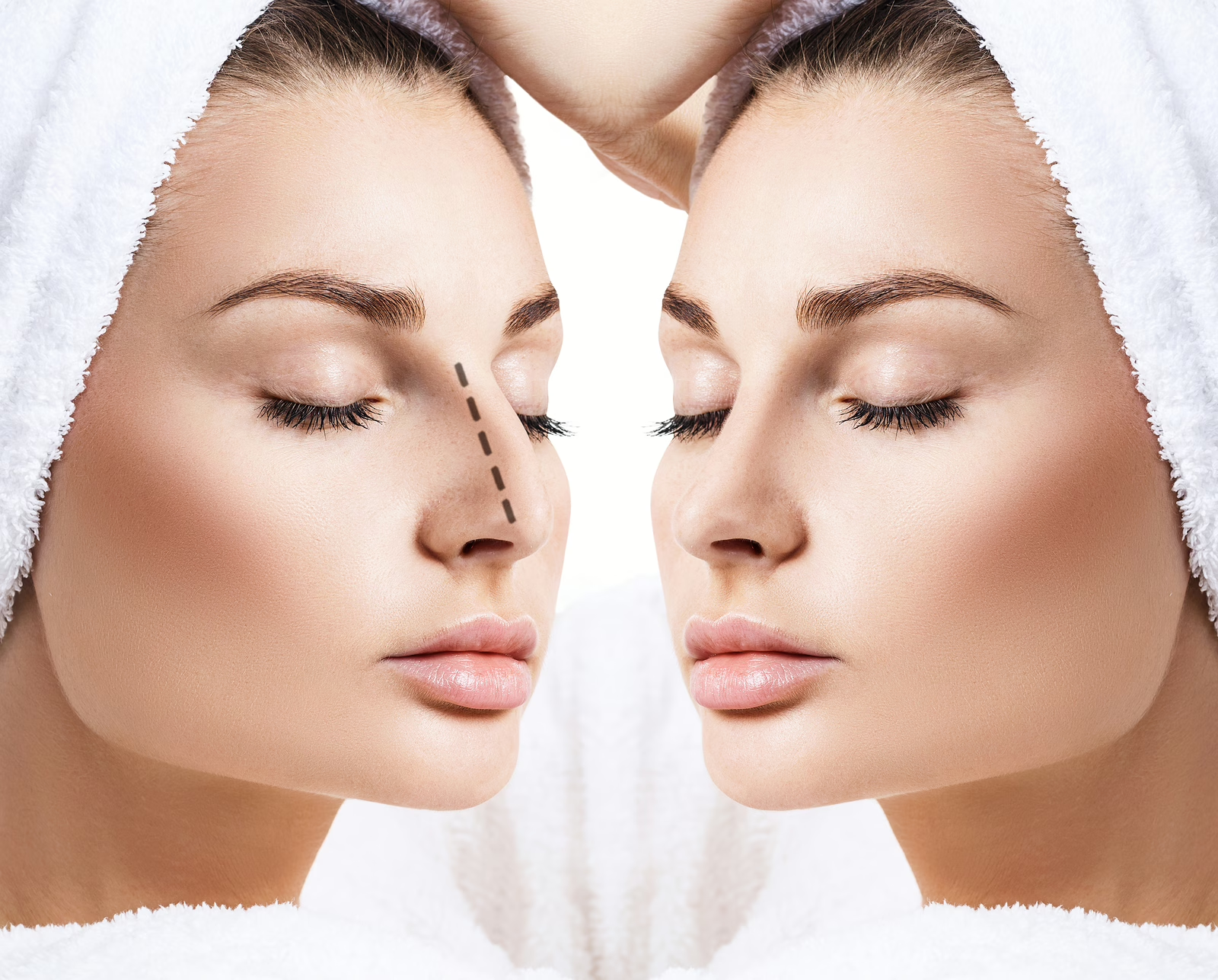
Open rhinoplasty and closed rhinoplasty are surgical procedures used to correct nasal asymmetry and enhance the nasal proportions. To better understand the two different approaches of open rhinoplasty and closed rhinoplasty, let’s take a closer look at both nose surgery procedures.

Share this Image On Your Site
What Is a Closed Rhinoplasty?
During a closed rhinoplasty procedure, the incisions are hidden inside a patient's nose. A closed rhinoplasty involves modifications performed inside the nostrils. As such, a closed rhinoplasty is generally recommended for rhinoplasty patients who require nasal bridge modifications.
Which Is Better: Open Rhinoplasty or Closed Rhinoplasty Surgery?
Open rhinoplasty and closed rhinoplasty surgery are different, but one is not superior to the other. Fortunately, Dr. Babak Azizzadeh of the CENTER for Advanced Facial Plastic Surgery in Los Angeles helps each rhinoplasty patient determine whether an open or closed surgical approach can deliver the optimal treatment results.
Dr. Azizzadeh takes a holistic approach to rhinoplasty surgery. He understands no two patients' noses are identical, and each rhinoplasty procedure varies based on an individual's desired results. Therefore, Dr. Azizzadeh first performs a comprehensive patient analysis to determine if an individual qualifies for rhinoplasty. If a patient is a good candidate for rhinoplasty, Dr. Azizzadeh then decides if open rhinoplasty or closed rhinoplasty surgery can help a nose job patient achieve a balanced, beautiful and natural-looking facial appearance.
During a rhinoplasty consultation, Dr. Azizzadeh learns about a patient and his or her treatment goals. Additionally, he uses the Aging Arc, a visualization tool that allows a patient to see how his or her nose will look after a rhinoplasty procedure.
If Dr. Azizzadeh determines rhinoplasty surgery helps a patient achieve facial harmony, he crafts a personalized treatment strategy. Dr. Azizzadeh then outlines all aspects of a rhinoplasty treatment plan, and he explains whether open rhinoplasty or closed rhinoplasty surgery will help a patient accomplish the best-possible results.
Ultimately, Dr. Azizzadeh may recommend rhinoplasty surgery to improve the facial aesthetic or enhance the nasal function. He also performs nose surgery for patients who display one or more of the aforementioned characteristics:
- Bulbous or short, upturned nasal tip
- Hanging columella (bridge of tissues that separates the nostrils at the nasal base)
- Nose that is too wide or narrow
- Flaring or wide nostrils
- Dorsal hump (hump on nose)
- Nasal bridge that is too high or low
- Crooked, droopy, long or upturned nose
- Asymmetrical or under-projected nose
- Disproportionate nostrils
- Alar pinching
Dr. Azizzadeh administers several types of rhinoplasty surgeries, too. These procedures include:
- Male Rhinoplasty: Allows men to reshape the nose and treat structural defects of the nose.
- Ethnic Rhinoplasty: Helps a patient correct nasal problems and enhance the facial appearance without sacrificing his or her distinct ethnic facial features.
- Revision Rhinoplasty: Addresses aesthetic and/or functional problems of the nose that affect a patient following an initial nose surgery.
- Teenage Rhinoplasty: Enables girls as early as 15 or 16 years old or boys as early as 16 or 17 years old to achieve a nose that perfectly complements their facial features.
Rhinoplasty FAQ
How long does a closed rhinoplasty take to heal?
The full results of a closed rhinoplasty become visible within approximately one to two years of treatment because it takes this long for all of the swelling to go away completely. However, downtime after a closed or open rhinoplasty generally lasts about two weeks. A nose splint is typically removed within five to six days of a closed rhinoplasty procedure. At this point, post-rhinoplasty bruising and swelling is usually minimal, too.
Dr. Azizzadeh outlines the recovery process for open and closed rhinoplasty surgeries prior to treatment. That way, patients understand exactly what to expect following nose surgery. Plus, Dr. Azizzadeh provides ongoing support in the weeks and months following rhinoplasty surgery to ensure a patient's nose heals properly.
What is scarless rhinoplasty?
A scarless rhinoplasty involves the use of incisions inside of a patient's nose. It is just another name for a closed rhinoplasty. It is sometimes used to address a bulbous nasal tip, wide nasal bones, a dorsal hump and other nasal defects. Conversely, scarless nose surgery is typically not recommended for those who require extensive nose revision or reconstruction.
Dr. Azizzadeh performs both open and scarless rhinoplasty procedures. To determine if a patient qualifies for rhinoplasty surgery, Dr. Azizzadeh first conducts an evaluation. If Dr. Azizzadeh believes a patient is a good candidate for a nose job, he then offers a personalized open or scarless rhinoplasty treatment recommendation.
What is the fastest way to recover from a nose job?
Dr. Azizzadeh understands there is no quick-fix solution to speed up nose job recovery. To ensure seamless recovery, Dr. Azizzadeh provides detailed postoperative instructions to his patients. He also requests follow-up appointments to track his patients' post-rhinoplasty surgery progress.
The initial nose job recovery period usually lasts about one to two weeks, and Dr. Azizzadeh meets with a patient several times during this period. Dr. Azizzadeh next requests follow-up appointments every three months for the first year after rhinoplasty surgery. Then, Dr. Azizzadeh requests annual nose job follow-up appointments.
At what age can you get an open or closed rhinoplasty?
An individual's nasal anatomy must be fully developed before he or she can qualify for open or closed rhinoplasty surgery. Meanwhile, the ideal age for open or closed rhinoplasty surgery varies based on the patient. In some instances, Dr. Azizzadeh recommends nose surgery for girls as early as 15 or 16 years old. Or, Dr. Azizzadeh sometimes recommends nose surgery for boys as early as 16 or 17 years old.
Does an open or closed rhinoplasty last forever?
Open or closed rhinoplasty results are intended to last forever, but several factors dictate how long a patient can enjoy the results of his or her nose surgery. For example, if a facial plastic and reconstructive surgeon removes too much tissue during a nose surgery, nasal drooping or collapse may eventually occur. Also, the natural aging process often impacts the results of rhinoplasty surgery over time.
What are the different types of nose jobs?
The different types of nose jobs include:
- Teen Rhinoplasty: Reshapes the nose and restores the nasal function; this type of nose job is designed exclusively for teens.
- Ethnic Rhinoplasty: Enhances a patient's facial appearance without forcing this individual to sacrifice his or her ethnic facial characteristics.
- African American Rhinoplasty: Addresses the unique facial features of African Americans.
- Asian Rhinoplasty: Accounts for the distinct facial features of non-Caucasian patients.
- Revision Rhinoplasty: Corrects nasal defects or poor results following a prior nose job.
Dr. Azizzadeh teaches patients about different types of nose jobs. He is happy to respond to patients' concerns or questions about various nose surgeries as well.
What is open septorhinoplasty?
Open septorhinoplasty is a nose surgery used to treat a deviated septum. It also helps improve airflow in the nose and enhance the facial appearance.
Dr. Azizzadeh generally recommends open septorhinoplasty if a patient's nose is blocked due to crooked or damaged nasal bones. During an open septorhinoplasty, Dr. Azizzadeh operates on the nasal bone and cartilage. He makes an incision into the nasal mucosa (lining inside the nose) and removes it from the nasal bone and cartilage. Dr. Azizzadeh next removes portions of the nasal bone and cartilage that are bent. He then puts the remaining nasal bone and cartilage into a straight position.
Can you shower after a closed rhinoplasty?
Dr. Azizzadeh recommends taking sponge baths instead of showers for the first few days after a closed rhinoplasty procedure. It takes about 48 hours for surgical incisions to close following rhinoplasty surgery. If a patient showers too soon after rhinoplasty surgery, this individual risks re-opening his or her surgical incisions. In this scenario, a patient could suffer an infection.
Closed rhinoplasty surgery patients should avoid cleaning around the incision area for the first few days after treatment. Dr. Azizzadeh typically advises a patient when he or she can begin to take showers. At this time, Dr. Azizzadeh will also provide guidelines to help a nose surgery patient minimize his or her risk of infection.
Schedule a Rhinoplasty Treatment Consultation with Dr. Azizzadeh Today
Dr. Azizzadeh is happy to meet with a patient and help him or her decide if open rhinoplasty or closed rhinoplasty surgery is the right choice. To find out more, please contact us today at 310-657-2203 to schedule a rhinoplasty surgery consultation with Dr. Azizzadeh.
Sources:
https://facialplasticsbh.com/blog/the-difference-between-open-and-closed-rhinoplasty/
https://facialplasticsbh.com/nose/primary-rhinoplasty/
https://www.allure.com/story/rhinoplasty-everything-you-need-to-know
https://www.newbeauty.com/hottopic/blogpost/515-does-a-nose-job-last-a-lifetime/
https://www.pcofiowa.com/files/3114/5314/8599/Open_Septorhino_Post_Op.pdf
https://www.ramsayhealth.co.uk/cosmetic-surgery/septorhinoplasty

Is Revision Rhinoplasty Risky?
Undergoing a nose job takes careful planning and preparation. However, there are times when, despite the planning and the prep, you don’t end up with the desired result. Whether your nose didn’t heal the way it should or your breathing was obstructed, there occasionally can be unpredictable issues that may lead you to seek out a second surgery, which is called revision rhinoplasty.
An initial rhinoplasty has its own risk factors, and so does a revision rhinoplasty procedure. Possible complications of a second (or third or fourth) procedure can include a temporary loss of smell, skin discoloration or bruising, swelling or scarring, breathing problems, or risk of infection or further problems. Because of these potential issues, and to ensure the second operation is done to your satisfaction, it’s very important to choose the best plastic surgeon.
How to Choose the Right Doctor for Revision Rhinoplasty
If you are considering a revision rhinoplasty, you’ll want to seek out a highly-qualified surgeon who understands the procedure and what it entails. Working with a surgeon you trust and who is extremely qualified can reduce the risks that can come with the procedure.
First, look for a surgeon who is board certified, which means he or she has passed rigorous training standards and exams to specialize in the field of plastic surgery. Your surgeon should also be someone you can communicate openly with. Not only should your surgeon understand the technical aspects of your revision rhinoplasty, but he or she should also take the time to listen to you, in order to understand why you are personally dissatisfied with the original procedure and what you want to change.
For a successful end result, your surgeon should also recognize the importance of treating each procedure uniquely. Rhinoplasty is not a one-size-fits-all operation—you want the nose that fits your face, not someone else’s. Your surgeon should evaluate your case thoroughly and come up with an option customized for you and your needs, which helps ensure a beautiful, natural-looking nose. That evaluation should include a complete medical history and a review of your previous procedure.
The surgeon should also educate you on the procedure—the risks involved in your particular case, the reasons behind the techniques that will be used during surgery, and what you can expect during the post-operative phase of recovery. You should be able to clearly understand the details of the operation as well as the instructions for the care and healing of your nose in the weeks after the surgery. Ideally, after-care will include follow-up appointments with the doctor to check on your progress and make sure your recovery is on track. You may prefer to work with a surgeon who is affiliated with after-care treatment centers that offer trained nurses, a comfortable and serene environment, and transportation to doctor’s appointments. This kind of personalized care also helps to reduce any risks of something going wrong.
Revision rhinoplasty is a delicate procedure that can pose certain risks. However, doing your homework and choosing a qualified, respected surgeon can help reduce risks and give you the peace of mind that the surgery will result in the perfect nose for you.
Why Rhinoplasty Is Becoming More Popular Among Men
Rhinoplasty is one of the most popular facial plastic surgeries, and it is easy to understand why. Nose surgery enables an individual to reshape the nose, leading to a more balanced and symmetrical facial appearance. Also, rhinoplasty helps correct structural and functional issues in the nose, enabling a person to restore the nasal function.
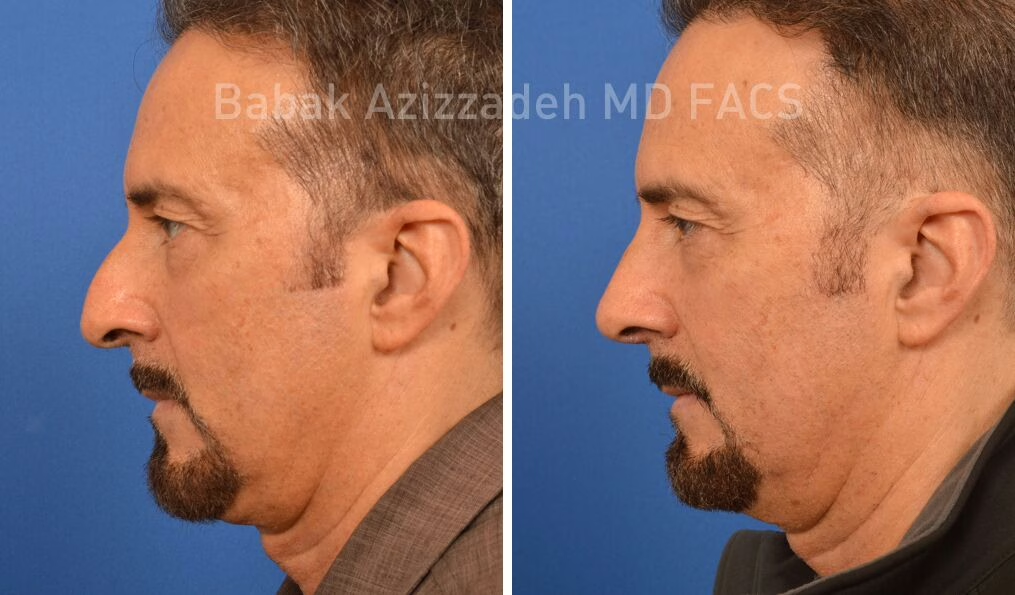
Male rhinoplasty also is gaining popularity. This procedure is designed specifically for men and allows them to enhance the facial aesthetic and address structural defects in the nose.
In 2016, nose reshaping ranked first among the top cosmetic surgical procedures for men in the United States, according to the American Society of Plastic Surgeons (ASPS). Additionally, 55,000 male rhinoplasty treatments were performed in 2016, up 3% year over year, ASPS reported. The aforementioned statistics show that men are becoming more aware of rhinoplasty and its benefits. If this trend continues, more men may undergo nose surgeries in the years to come.
What Are the Benefits of Male Rhinoplasty?
Male rhinoplasty is a comprehensive facial surgery designed to help men enhance their facial appearance and resolve breathing issues, such as a deviated septum and other structural problems in the nose. The procedure offers many benefits, including:
- Enhanced Nose Symmetry: Each male rhinoplasty is tailored to a patient. As such, the procedure ensures a patient can achieve a nose that matches his face.
- Repair of Structural Defects in the Nose: Male nose surgery has been shown to provide long-lasting repair of structural defects in the nose.
- Increased Self-Confidence: With a natural-looking and symmetric nose, a patient can improve his facial appearance and boost his self-confidence.
Dr. Babak Azizzadeh of The CENTER for Advanced Facial Plastic Surgery is a world-renowned facial plastic and reconstructive surgeon with many years of experience. He has performed male rhinoplasty procedures on dozens of patients, ensuring these individuals can reap the benefits of an enhanced facial appearance and improved nasal function.
Unlike many traditional facial plastic surgeons, Dr. Azizzadeh understands the needs of one patient may vary from those of another. To help a patient achieve the best-possible male nose surgery results, Dr. Azizzadeh dedicates the necessary time and resources to educate a patient. That way, each patient can learn about male rhinoplasty and determine whether the surgery is the right treatment based on his individual needs.
Are You a Candidate for Male Rhinoplasty?
Ultimately, the decision to undergo male nose surgery can be a difficult one to make. Dr. Azizzadeh typically recommends male rhinoplasty for men who display one or more of the following characteristics:
- Alar pinching
- Asymmetrical, crooked, droopy, long or under-projected nose
- Bulbous nose tip
- Disproportionate nostrils
- Dorsal hump (hump on nose)
- Hanging columella (skin and cartilage bridge between the nostrils)
- Nasal bridge that is too high or too low
- Nose that is too wide or too narrow
- Short, upturned nose
- Wide or flaring nostrils
Before conducting a male rhinoplasty procedure, Dr. Azizzadeh will perform an extensive patient evaluation. At this time, Dr. Azizzadeh will examine several aspects of the patient's facial appearance, including:
- Breathing system
- Frontal appearance of the nose
- Nasal tip and base
- Relationship between the nose and lips
- Relationship between the nose and cheeks, chin, forehead and eyebrows
To learn more about male rhinoplasty, please call us at 310-657-2203 to schedule a consultation.
Rhinoplasty Recovery: What to Expect
There’s an overwhelming amount of information available regarding rhinoplasty procedures; in particular how to select the best surgeon, what questions to ask during your consultation, and the most important things to consider when deciding to proceed with surgery. It’s not as common, however to find a clear, concise, and accurate compilation of information about rhinoplasty recovery. Rhinoplasty specialist, Dr. Azizzadeh has put together a go-to guide on what to expect for recovery if you are considering a rhinoplasty. Dr. Azizzadeh is a world leader in the fields of primary, revision, and ethnic rhinoplasty. After his training at Harvard, he has gone on to author five best-selling textbooks including the definitive rhinoplasty textbook entitled Master Techniques in Rhinoplasty. Dr. Azizzadeh is double board certified in both facial plastic surgery and otolaryngology which gives him an extremely high level of expertise with both the aesthetics and function of the nose.
The First Week After Rhinoplasty:
Your nose will be going through a lot in the first week after a rhinoplasty. It will have sutures in place and will most likely be covered with a cast. In the immediate few days following surgery, there might be extra drainage coming from the nose that can turn into hard crust if left untreated. Dr. Azizzadeh recommends that his patients clean their incision lines and nostrils once a day with hydrogen peroxide to remove any crusty residue and keep everything clean. Dr. Azizzadeh also prescribes his rhinoplasty patients an antibiotic ointment that should be applied to the incisions and the nostrils twice daily (morning and night). It’s recommended to use a humidifier during the first week to ensure that the inside of the nose doesn’t get too dry. Patients can shower during the first week, as long as they are careful not to get their cast wet. A small piece of plastic can be used as a great shield to keep water away. For the first 72 hours after surgery, Dr. Azizzadeh suggests that patients use a cold compress. Frozen peas work great because they conform to the shape of the nose, and can be re-frozen for later use. Starting 3 days after surgery, warm compresses can be used in any areas where bruising is present. It’s important to sleep on your back with extra pillows during the first one to two weeks after surgery to help reduce any swelling. Dr. Azizzadeh sees his rhinoplasty patients for post-op appointments one day and one week after their surgery. The cast and sutures are usually removed 6-8 days after the rhinoplasty was performed. This is a very exciting appointment for patients who have been patiently waiting all week to see their results. It’s important to keep in mind that patient’s noses are still very swollen, and there’s still a lot of healing that needs to take place after the cast and sutures are removed.
The First Month After Rhinoplasty:
After the cast and suture removal, most patients are ready to begin slowly returning to their normal routines. A lot of people choose to return to work within the first couple of weeks after surgery, but it’s important to be aware of your physical activity. Your body needs to put any extra energy it has into healing, so if your job is physically demanding, it may be necessary to take extra time to recover before going back to work. A common question that Dr. Azizzadeh encounters is “How soon can I start exercising?”. Although it’s extremely hard if you are used to an active lifestyle, you need to wait three weeks to a month before resuming any exercise; Dr. Azizzadeh will give you clearance once he feels you are ready. When you start back up, no matter how anxiously you’ve been waiting, it’s important to start out slow, and listen to your body. If something doesn’t feel right, be sure to stop. Be extra careful with any exercise that requires being upside-down, like yoga or aerial fitness. If you are into weight lifting, it’s important to note that it’s not recommended lifting any more than 10 pounds for the first four weeks following surgery. Dr. Azizzadeh reminds his patients to start using sun protection on the incisions regularly. It’s also important to see your surgeon for a one month follow up appointment so they can check on your healing.
The First Year After Rhinoplasty:
Your nose has been going through two transformations; one that you can see when you look in the mirror, and another on the inside. External swelling usually subsides first, but swelling on the inside of your nose can take anywhere from one to two years to completely resolve. This isn’t to say that your nose will look swollen this whole time. You should notice changes each month throughout the first year as your nose takes time to completely settle. Dr. Azizzadeh always reminds his patients that their nose is still healing, long after the external swelling goes down. You want to make sure to visit your surgeon one year after a rhinoplasty procedure for a follow up appointment. Aside from checking on your nose they can also show you before and after photographs throughout the first year so you can see your progression first hand.
Trust Your Nose to an Expert!
There’s a lot to learn when considering having a rhinoplasty. It’s important to educate yourself on the recovery process to ensure that you plan the procedure at a time that easily fits into your life, and you know just what to expect. For more information on what to expect from a rhinoplasty, or to schedule a consultation, contact rhinoplasty specialist Dr. Azizzadeh at The CENTER for Advanced Facial Plastic Surgery in the heart of Beverly Hills.
Revision Rhinoplasty
Making the decision to proceed with a rhinoplasty is a big step; one that most likely requires a lot of time, research, and financial planning. Try to imagine the excitement involved in anticipating your final result. Unfortunately sometimes a primary rhinoplasty doesn’t produce the aesthetic or functional result desired by the patient. So, what should you do if you are unhappy with your rhinoplasty? Seek out a board certified facial plastics surgeon, like Dr. Babak Azizzadeh, who has extensive experience performing revision rhinoplasty procedures.
Dr. Azizzadeh, Beverly Hills rhinoplasty specialist has helped countless patients who find themselves in this situation. Dr. Azizzadeh is a Harvard-trained specialist in nasal and facial plastic surgery. He is double board certified in both facial plastic surgery and otolaryngology which results in an extremely high level of expertise with both the aesthetics and function of the nose. He has been recognized as a Top Doctor by the US News and World Report for rhinoplasty and is the author of five best-selling books including the definitive rhinoplasty textbook Master Techniques in Rhinoplasty.
What Is a Primary Rhinoplasty?
A primary rhinoplasty is a surgical procedure used to reshape the nose. It helps a person correct nasal asymmetry, enhance the nasal proportions and achieve facial harmony. Additionally, primary rhinoplasty surgery may be used to improve the nasal function.
The goal of a primary rhinoplasty surgery is to help a patient achieve a nose that complements his or her eyes, cheeks, chin and other facial features. Following a nose job procedure, a rhinoplasty patient can enjoy a nose that leads to a balanced facial appearance, resulting in increased self-confidence.
What Is a Revision Rhinoplasty?
A revision rhinoplasty surgery is performed if an initial nose surgery fails to help a patient achieve his or her desired rhinoplasty results. In some cases, revision nose surgery is performed to treat aesthetic and/or functional nose problems that occur after a primary rhinoplasty. Or, a revision rhinoplasty may be used to correct primary rhinoplasty results that do not meet a patient's expectations.
A Closer Look at Revision Rhinoplasty
Patients that are unhappy with the results of their primary rhinoplasty are usually grappling with a lot of different emotions. Expectations are high, and after hoping to love their nose post-surgery, the disappointment that comes with an unsatisfactory result can be even more devastating. This is when many people try to find a doctor to perform a revision rhinoplasty. Revision is the term used to describe secondary procedures. Research shows that rhinoplasty has the highest revision rate out of all cosmetic procedures with the national average being 15-20%. Many patients who seek revisions state that they knew something was wrong right when the cast was taken off their nose. This creates a sense of urgency to get it fixed as soon as possible. However, patients must wait 12 – 24 months before having a revision.
Although it’s extremely hard to be patient, it’s important to give your nose the appropriate amount of time to heal after the primary surgery. While from the outside, your nose will look much less swollen 7-10 days after surgery, there is swelling that needs to go down on the inside that can take up to a year or two to resolve. Dr. Azizzadeh recommends waiting at least a full year after the first surgery before getting a revision to make sure that the internal swelling is completely gone. This helps to ensure that the nose will be at baseline when the second surgery is performed and won’t continue to heal and change after the revision has taken place.
Who Should Perform Revision Rhinoplasty?
Patients who are in need of a revision rhinoplasty face a difficult decision: go back to their original surgeon or find a new doctor. If you continue to have a great relationship with your original surgeon and they have expertise in rhinoplasty then it would be wise to continue your care under them. Occasionally, the trust between the patient and doctor who performed the primary rhinoplasty is hindered. If you decide to look for a new doctor there are a few important things to be aware of. It’s always important to ask about the doctor’s credentials and find out how often they preform revisions. You want to go to an expert, someone who truly specializes in revisions, as they are some of the most complex plastic surgery procedures. Expertise with this procedure is key in ensuring that the patient gets the best possible outcome and do not experience any further complications. Ask to see before and after pictures of other revision surgery’s that the doctor has performed, and if possible ask to speak to a patient who has had a revision. This can be a great way to get questions answered from the patient perspective. Finally, trust your instincts. If you are questioning your decision to go with a specific surgeon for your revision, you probably want to consult with other doctors. You’ve already been though a lot with your primary rhinoplasty so you want to be confident with your choice when it comes to your revision rhinoplasty surgeon.
Is a Revision Rhinoplasty Surgery More Expensive Than a Primary Rhinoplasty Surgery?
Revision rhinoplasty tends to be more complex than primary nose surgery. As such, a revision nose job generally requires more time to perform than a primary rhinoplasty, and it may be more expensive than a traditional nose surgery.
Dr. Azizzadeh outlines the costs of revision nose surgery prior to treatment. He is happy to explain all revision rhinoplasty treatment costs and respond to a patient's treatment concerns or questions. That way, a revision rhinoplasty patient can make an informed treatment decision.
How Can I Fix My Rhinoplasty?
Revision rhinoplasty often provides a viable option to correct a primary rhinoplasty surgery that did not deliver the optimal results. Dr. Azizzadeh takes a holistic approach to revision rhinoplasty surgery, and by doing so, works with a patient to develop a personalized treatment plan. Once this treatment plan is in place, Dr. Azizzadeh helps a revision rhinoplasty patient achieve a balanced and natural-looking nose that complements his or her facial features.
What Do I Do If I'm Unhappy with My Rhinoplasty?
There is no reason to settle for inferior rhinoplasty surgery results. If a patient is not satisfied with his or her rhinoplasty results, it is important to consult with the nose job surgeon who performed the procedure. At this time, a patient and surgeon can explore revision rhinoplasty surgery.
Will My Nose Keep Changing After Rhinoplasty Surgery?
The nose will gradually change in the weeks and months following rhinoplasty surgery. Full rhinoplasty surgery results become visible within about two years after treatment. Meanwhile, during the nose job recovery period, a patient should expect the nose to change. Once rhinoplasty recovery is complete, a patient can achieve a nose that brings harmony to his or her face.
Dr. Azizzadeh helps a patient establish realistic expectations for rhinoplasty surgery. Although some patients expect immediate nose surgery results, it is crucial to remember that recovery usually requires an extended period of time to complete. Therefore, Dr. Azizzadeh works directly with a nose job patient to help him or her maintain focus throughout the recovery cycle. And if a patient is concerned about nose changes during the rhinoplasty recovery cycle, Dr. Azizzadeh is happy to provide support.
Will My Nose Change as I Heal After Rhinoplasty Surgery
The nose changes during the rhinoplasty recovery period. Furthermore, a patient must follow a surgeon's postoperative treatment recommendations to ensure his or her rhinoplasty surgery recovery stays on course.
Dr. Azizzadeh provides each rhinoplasty patient with comprehensive instructions to help the nose heal properly after surgery. He also requests follow-up appointments to monitor a patient's recovery progress. Of course, if a patient has concerns or questions at any point during the rhinoplasty recovery cycle, Dr. Azizzadeh is available to respond to them.
Set Up a Nose Job Surgery Consultation with Dr. Azizzadeh Today
If you are considering a revision rhinoplasty, trust your nose to facial specialist surgeon Dr. Babak Azizzadeh. For more information contact The CENTER for Advanced Facial Plastic Surgery.