


Facial Reanimation
Facial reanimation procedures aim to restore facial movement and symmetry for individuals affected by facial paralysis.
What is Facial Reanimation?
Facial reanimation procedures aim to restore smile function, blinking and symmetry affected by facial paralysis. Whether caused by conditions like Bell’s palsy, Ramsay Hunt syndrome, acoustic neuroma, congenital disorders, moebius syndrome, parotid tumors, lyme disease or facial nerve trauma, paralysis can profoundly affect both facial expression and emotional well-being. Depending on the cause of paralysis, one may develop either “flaccid paralysis” resulting in a complete loss of movement or “synkinesis” which causes smile dysfunction, cramping and uncoordinated facial movement. Because facial expressions are central to communication, losing the ability to smile, blink, or convey emotions can deeply impact self-esteem, social interactions, and overall quality of life. The inability to express emotions naturally can lead to feelings of isolation, anxiety, and depression, significantly affecting both personal and professional relationships.
Facial reanimation procedures requires an exceptional level of expertise, as these techniques are complex and highly individualized. Your surgeon must be skilled in a range of advanced approaches, including nerve grafting, selective neurolysis, muscle modifications (DAO resection, temporalis tendon transfer, and gracilis muscle transfer to restore functional movement. The procedures are various tools but what procedures and how they are executed is critical in one’s outcome. Proficiency in aesthetic procedures, including deep plane facelifts, blepharoplasty, fat grafting and brow lift techniques, as well as in the use of botulinum toxin and fillers are also critical. This blend of reconstructive and aesthetic expertise is essential to achieving both functional restoration and natural-looking results in facial reanimation.
What Concerns Does Facial Reanimation Surgery Address?
- Difficulty Smiling or Expressing Emotions
- Inability to Close the Eye Fully
- Asymmetry and Drooping
- Speech Difficulties
- Synkinesis (disorganized nerve regeneration)
- Drooling and Biting of Lips and Gums
- Psychological Impact and Self-Esteem Issues
- Eye Protection and Corneal Health Impaired blinking increases the risk of corneal damage)
- Managing Pain, Discomfort and Spasms
The Dr. Azizzadeh Difference
Dr. Azizzadeh is one of the foremost authorities in facial reanimation. He has pioneered life-changing procedures such as selective neurolysis and developed a groundbreaking technique to help children with Moebius syndrome the ability to smile naturally. Choosing Dr. Azizzadeh for facial reanimation offers access to an unparalleled depth of expertise, innovation, and compassionate care.
Dr. Azizzadeh understands the profound impact facial paralysis can have on your life. As a master surgeon, he crafts personalized facial reanimation plans, and adapts every step of the journey to restore not only your smile but also your confidence and sense of self. Dr Azizzadeh’s commitment goes beyond achieving balanced function and aesthetics, He works tirelessly to ensure the safest, most transformative results so you can reclaim the expressions that make you uniquely you.
As a leading facial nerve surgeon, he routinely publishes cutting-edge articles on facial reanimation techniques and is frequently invited as a keynote speaker to plastic surgery conferences globally. He was recently the Chair of the 13th International Facial Nerve Symposium and currently serves as the President of the prestigious Sir Charles Bell Society, a professional organization dedicated to advancing the understanding and treatment of facial nerve disorders. Deeply committed to advocacy, Dr. Azizzadeh also founded the Facial Paralysis & Bell’s Palsy Foundation, a nonprofit providing community support to those impacted by facial nerve disorders, and has spoken at the Moebius Syndrome Foundation meeting to help advance treatment and awareness.
Dr. Azizzadeh’s approach is characterized by empathy; he views each patient holistically, aiming to restore not just function but confidence and emotional well-being. Driven by a commitment to achieving life-changing results, Dr. Azizzadeh combines surgical excellence with a compassionate understanding of his patients’ journeys, making him a trusted choice for facial reanimation.
Dr. A's Insider Tips
“Don’t be afraid of surgery if you’ve had facial palsy for more than a year. Facial paralysis is a significant neurologic injury that often requires a highly customized, multimodality treatment plan to achieve the best possible outcomes. “
Facial Reanimation
Non-Surgical Alternatives
For patients seeking symptom management or pre- or post-surgical support, the following non-surgical treatments can enhance facial symmetry and comfort:
Botulinum Toxin Injections
Relax overactive muscles to reduce tension, spasms, and unwanted facial movements. Can also be used in a targeted manner on the unaffected side to create facial and eyelid symmetry.
Dermal Fillers
Restore volume and balance asymmetry caused by muscle loss or hollowing.
Neuromuscular Retraining & Physical Therapy
Refine muscle coordination through targeted exercises and biofeedback techniques.
Soft Tissue Mobilization
Relax muscle cramping and release scar tissue to enhance natural movement.
Non-Surgical Eye Care
Use hydrating eye drops, moisture goggles, or PROSE lenses to protect and lubricate the eye, preventing corneal damage.
Psychosocial Support & Stress Management
Psychotherapy, guided meditation, and mindfulness techniques help patients navigate the emotional challenges that often accompany facial paralysis, fostering resilience and confidence.
While these therapies provide valuable relief and improvement, comprehensive reanimation — often blending surgical and non-surgical techniques — remains the gold standard for achieving both lasting functional restoration and aesthetic harmony.
Gallery


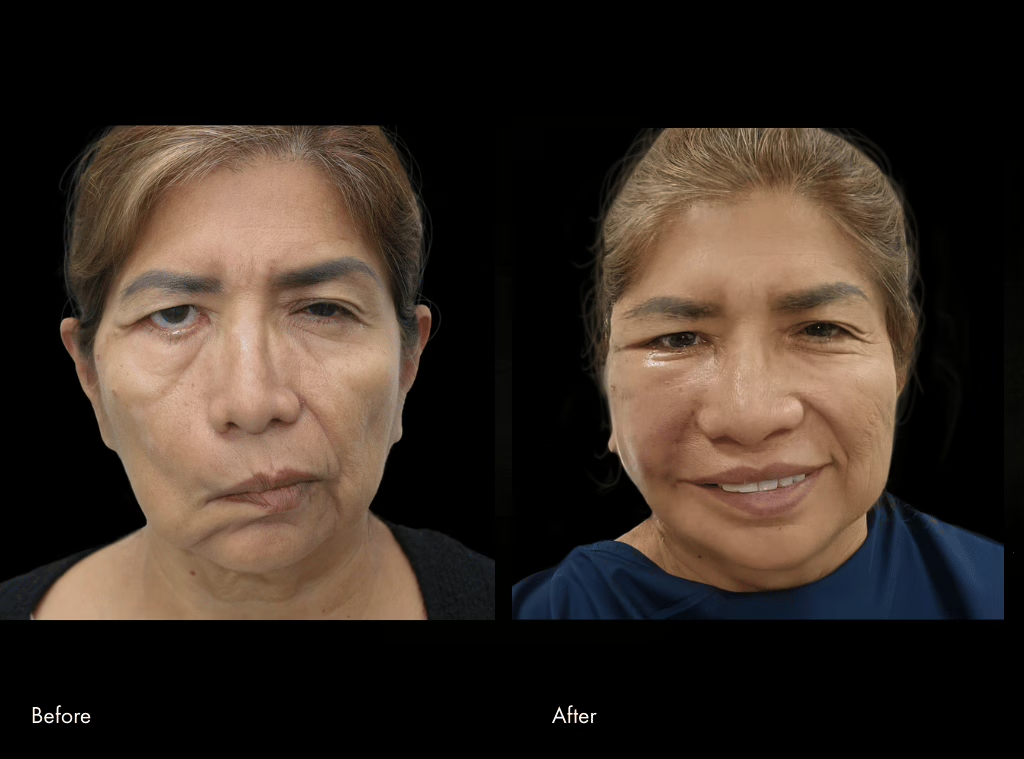
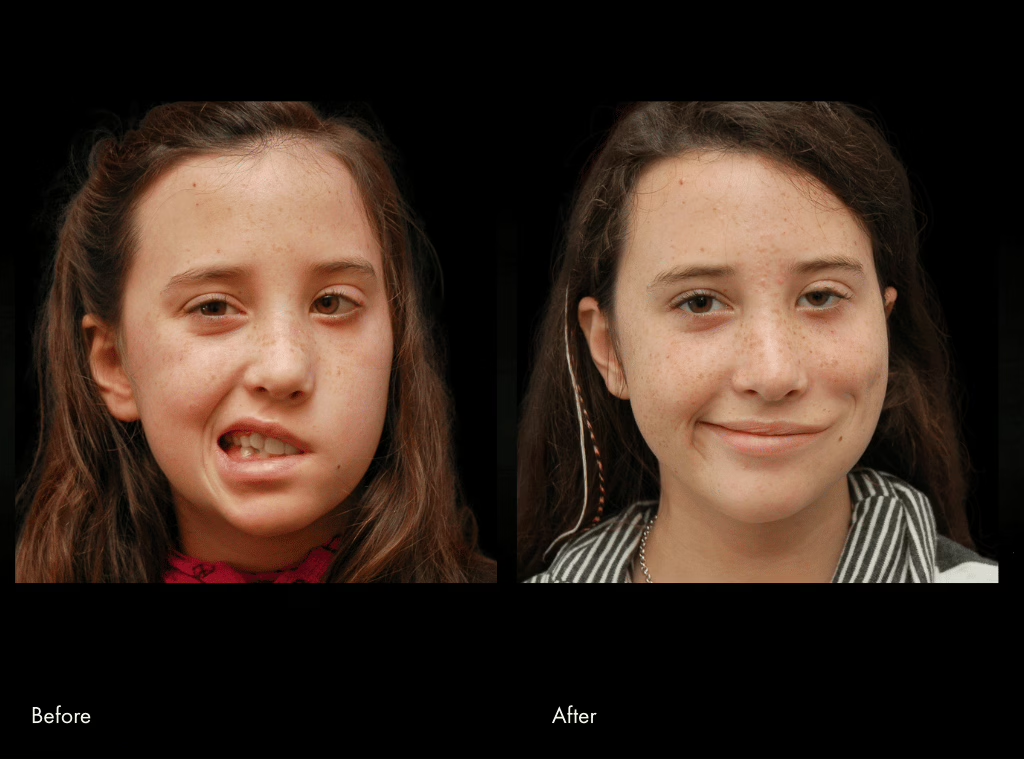
FAQ
It’s normal to have questions before a procedure. If you have additional questions or concerns, book a consultation today.
Facial paralysis is a condition that impairs a person’s ability to move the muscles on one or both sides of their face due to issues affecting the facial nerve—a specialized nerve responsible for facial movements. This nerve originates in the brain, travels through a complex pathway in the skull, and branches out to different areas of the face, controlling expressions like smiling, frowning, blinking, and eye closure.
Facial paralysis occurs when the facial nerve’s function is disrupted along its pathway. For instance, a stroke affecting the brain may impact how signals are transmitted to the face, typically causing weakness on one side. Other causes may directly damage the nerve within the skull or face, often leading to more extensive paralysis on one side.
Bell’s palsy, the most common cause of facial paralysis, often results in a sudden onset of symptoms that typically resolve within months. Other infectious causes include Ramsay Hunt Syndrome (linked to the varicella-zoster virus), ear infections, mastoiditis, and Lyme disease, which can all damage the facial nerve. Tumors, both benign and malignant, such as acoustic neuromas, meningiomas, facial nerve tumors, hemangiomas, cholesteatoma, or parotid gland tumors, may compress or infiltrate the facial nerve, leading to paralysis. Trauma, like temporal bone fractures or birth injuries, can also cause nerve damage. Additionally, strokes affecting specific brain regions and congenital conditions, such as Moebius syndrome—a rare disorder marked by facial paralysis from birth—require specialized treatment approaches.
In some cases, as the facial nerve heals, it may regrow incorrectly, causing synkinesis—a condition where attempting one facial movement, such as smiling, unintentionally triggers another, like eye closure. Unlike complete paralysis, synkinesis can be particularly challenging for patients. Treatment for facial paralysis depends on the underlying cause and may involve medications, physical therapy, specialized exercises, or surgical interventions. Understanding the complexity of facial paralysis is essential to delivering tailored care and support for those affected by this condition.
When considering facial reanimation, your consultation with Dr. Azizzadeh is a crucial first step that can be conducted in person or via Zoom for your convenience. During this comprehensive evaluation, Dr. Azizzadeh will thoroughly review your medical history, including the onset, duration, and cause of your facial paralysis—whether from Bell’s palsy, congenital paralysis, or other conditions. He will assess your ability to perform various facial movements and expressions to understand the extent and nature of your paralysis, gaining insight into your unique needs and goals for facial reanimation.
The goal of your consultation is to develop a tailored, effective treatment strategy. Your journey may begin with non-surgical options such as botulinum toxin (Botox®, Daxxify®, and others), fillers, and neuromuscular retraining. Dr. Azizzadeh may also recommend early surgical interventions to help you achieve optimal results more efficiently. Over the past two decades, he has worked with numerous patients who initially felt hopeless after being advised to “start slow” without exploring surgical options. His experience shows that patients who adopt a comprehensive, individualized treatment approach—including both surgical and non-surgical therapies—often achieve the most meaningful functional and aesthetic improvements. In this process, your surgeon’s expertise, three-dimensional and artistic eye, and ability to create a natural, emotionally expressive smile and facial harmony are more critical than any single procedure. Achieving optimal results requires hundreds of nuanced decisions made from the initial consultation through surgery and postoperative care, all focused on restoring spontaneous expression and seamless facial movement. A proactive, personalized plan guided by a skilled surgeon offers the highest chance for restored facial function and quality of life.
Throughout every stage of your treatment, Dr. Azizzadeh will remain deeply involved, carefully monitoring your progress and making necessary adjustments. His commitment is to help you achieve the best possible outcomes, restoring natural movement, confidence, and quality of life through expert care and personalized support.
The timing of facial reanimation surgery is a critical factor in achieving optimal outcomes and varies significantly based on the underlying cause of your paralysis. Before discussing specific timing, one essential step is to ensure you follow up with a facial nerve specialist if you’ve been diagnosed with “Bell’s palsy” by a primary care physician or ER doctor and your face has not recovered within two months. Bell’s palsy is one of the most frequently misdiagnosed conditions, and not all cases of facial paralysis stem from this diagnosis. A specialist evaluation is crucial to confirm or refine the diagnosis, conduct any necessary imaging or workup, and guide an appropriate treatment plan.
The timing of surgical intervention depends largely on the cause of your paralysis. In cases of Ramsay Hunt Syndrome, Bell’s palsy and lyme disease, it is generally recommended to wait up to 12 months before considering surgical options such as selective neurolysis. This waiting period allows for potential natural nerve regeneration, avoiding unnecessary surgical intervention if your symptoms resolve on their own. Conversely, other causes of facial paralysis, such as trauma or tumors impacting the facial nerve, may require more immediate attention to prevent further muscle atrophy and long-term functional loss. Advanced techniques like masseteric-facial nerve transfer and hypoglossal-facial nerve transfer are particularly effective for restoring movement in cases of irreversible paralysis, such as those following acoustic neuroma surgery or severe traumatic injury. These procedures work by reestablishing neural input to viable but denervated facial muscles, helping patients regain facial tone, movement, and natural expression. Ideally, such interventions are performed as early as possible, typically around six months post-onset, but even if you have had facial paralysis for many years, you may still be a candidate for cutting-edge procedures. It is never too late to seek an evaluation from a facial nerve expert to explore your options.
For children born with facial paralysis, including those with Moebius syndrome—a congenital condition characterized by facial nerve paralysis and often affecting eye movement—we generally aim to proceed with facial reanimation surgery as soon as it is feasible. Typically, annual evaluations are conducted to assess their development and readiness, with potential surgical intervention beginning as early as 3-5 years old, depending on the child’s specific needs and condition severity. Early intervention, especially for complex cases like Moebius, is critical, as multi-stage procedures may be necessary to achieve optimal outcomes. Performing surgery at a young age helps facilitate quicker integration into social environments, promoting better emotional, social, and developmental well-being, as it can significantly enhance facial expression and overall confidence.
The decision to undergo facial reanimation surgery involves a comprehensive assessment of multiple factors, including your overall health, the extent and duration of your paralysis, and its impact on your quality of life. An early evaluation by a specialist is crucial to determine the cause, assess the potential for spontaneous recovery, and create a personalized treatment plan that maximizes your chances for a successful outcome.
While facial reanimation surgery may lead to significant improvements in your facial function and symmetry, complete restoration to pre-paralysis function is not always possible. The extent of your improvement depends on several key factors, including your unique circumstances and the expertise of your surgeon. Your surgeon’s skill, experience, and approach are among the most pivotal determinants of success. Different surgeons have varying levels of proficiency and success rates due to differences in their training, hands-on experience, and familiarity with the intricate anatomy of the facial nerve and reanimation techniques. Some surgeons may lack sufficient experience, which can impact their ability to achieve optimal results. Choosing a surgeon who can critically assess your specific case, customize a treatment plan, and adapt surgical methods accordingly is vital to achieving the best possible outcome.
Equally important is your surgeon’s capacity for meticulous planning and decision-making throughout the process. Effective facial reanimation often involves complex considerations, such as determining the optimal timing for procedures, and selecting the most appropriate procedures. Even if the right surgery is decided upon, your surgeon will face hundreds of intraoperative factors that require critical assessment and precise adjustments to achieve the best possible outcomes. Your surgeon’s depth of critical thinking, experience, and ability to adapt in real time to these challenges are crucial to maximizing your chances of achieving the best results with the least amount of risk. Furthermore, even if the surgery is performed perfectly, there are healing and other factors that may influence the final result, potentially leading to less-than-ideal outcomes. Individual factors such as the underlying cause of your paralysis, the duration of your condition before treatment, and your unique healing capacity play a significant role.
Recovery from facial reanimation surgery is a gradual process that varies significantly among patients and the type of procedure. The initial healing phase, which includes reducing swelling and bruising, typically spans 2-3 weeks. During this time, patients are advised to follow specific post-operative care instructions to ensure optimal healing and minimize complications.
However, full recovery and realizing optimal results often extend well beyond this initial period. Nerve regeneration and muscle adaptation are crucial factors in the recovery process, which can take several months to a year or more. Patients may experience gradual improvements in facial movement and symmetry during this time. Some may have continued improvement for up to five years post-surgery, emphasizing the importance of ongoing therapy and follow-up care.
The use of electrical stimulation (E-STIM) with TENS machines is generally discouraged for nerve recovery after conditions like Bell’s palsy, Ramsay Hunt syndrome (RHS), Lyme disease, or any other facial nerve damage expected to regenerate on its own by most facial nerve experts. The primary concern is that electrical stimulation can lead to aberrant nerve regeneration or synkinesis, resulting in misdirected nerve growth and involuntary facial movements. While some studies have examined the potential benefits of electrical stimulation, the evidence remains inconclusive. Systematic reviews have shown mixed outcomes, with some studies indicating trends toward earlier recovery but lacking robust statistical significance. The potential benefits, such as preventing muscle atrophy and promoting tissue healing, must be weighed against the significant risk of interfering with the natural nerve regeneration process. As a result, most experts advocate for a conservative approach, allowing for spontaneous recovery, particularly in the early stages of facial nerve damage.
For patients seeking alternative therapies, acupuncture without electrical stimulation is considered a safer option. Traditional acupuncture aims to promote natural healing and support nerve regeneration without the risks associated with electrical stimulation. Some studies have shown encouraging results, indicating that acupuncture may improve facial nerve function and reduce recovery time in patients with facial nerve damage. However, it is essential to ensure that acupuncture is performed by a qualified practitioner and used as part of a comprehensive treatment plan, which may also include physical therapy, medications, and other conservative interventions as recommended by facial nerve specialists.
Selective neurolysis, also known as modified selective neurectomy or denervation, is a groundbreaking surgical technique pioneered by Dr. Babak Azizzadeh for treating post-facial paralysis synkinesis. This condition often develops as a complication of Bell’s palsy, Ramsay Hunt syndrome, or other causes of facial nerve injury, where the facial muscles become “miswired” during the healing process, leading to involuntary muscle contractions and facial asymmetry. Dr. Azizzadeh’s innovative approach involves selectively identifying and modifying specific nerve branches responsible for the abnormal muscle movements, effectively “rewiring” the facial nerve network to restore more natural facial expressions.
What makes selective neurolysis unique is its ability to provide patients with a more natural and aesthetically pleasing smile while reducing facial tension and improving overall facial symmetry. This outpatient procedure offers a relatively quick recovery time and can significantly enhance a patient’s quality of life and psychosocial well-being. Unlike traditional treatments such as gracilis muscle transfer that may result in an unnatural appearance or bulkiness, selective neurolysis aims to restore spontaneous, dynamic facial movements that closely resemble the patient’s pre-paralysis expressions. Furthermore, the procedure can be combined with other treatments such as botulinum toxin injections, depressor anguli oris (DAO) muscle resection, and physical therapy to optimize outcomes[4]. In some cases, Dr. Azizzadeh may also perform a deep plane facelift in conjunction with selective neurolysis to achieve symmetrical facial repositioning, further enhancing the overall aesthetic result.
The gracilis muscle transfer is a sophisticated technique to restore facial movement and expression in individuals with long-term, complete facial paralysis. It is particularly beneficial for patients with conditions in which there are no active smile muscles, such as Moebius syndrome and other congenital facial paralysis, as well as those affected by trauma, parotid cancer, or surgeries for acoustic neuromas and other brain tumors.
Gracilis functional muscle transfer involves transplanting a small portion of the gracilis muscle from the inner thigh to the paralyzed side of the face, serving as a substitute for non-functional facial muscles that have lost their activity due to prolonged paralysis. The surgery is performed under general anesthesia, utilizing a modified facelift incision on the affected side of the face and a small incision on the inner thigh to harvest the gracilis muscle along with its blood vessels and nerve.
Once harvested, the muscle is transplanted to the face and connected to blood vessels to maintain its viability and to a nerve source for motor function. The transplanted muscle can be connected to different nerve sources, including the masseteric nerve for quicker reanimation, a cross-facial nerve graft from the healthy side of the face, or a combination of both in a dual innervation technique for optimal results. Dr. Azizzadeh recently developed an innovative approach enabling individuals with Moebius syndrome to achieve a natural, authentic smile by harnessing their own facial nerves. This breakthrough eliminates the need to “force” a smile by biting down, representing a transformative advancement for patients seeking genuine facial expressions.
Gracilis muscle transfer offers significant benefits, restoring the ability to smile and make facial expressions without causing a notable loss of function in the thigh where the muscle is harvested. Dr. Azizzadeh’s approach emphasizes performing gracilis muscle transfer at the earliest appropriate opportunity to expedite the facial reanimation process. For children, this can begin as early as age 3 or 4, which is crucial for their psychosocial development and integration. It allows them to socialize more naturally with peers and engage in school activities with confidence. For adults, early intervention helps them quickly return to their daily lives, including work, family responsibilities, and social interactions, enhancing both their functional and emotional well-being.
Dr. Azizzadeh can perform gracilis muscle transfer as an outpatient procedure at an ambulatory surgery center with private aftercare or at Cedars-Sinai Medical Center, where it typically involves a 1-3 day hospital stay. The initial recovery period typically ranges from five to twelve days, depending on the extent of swelling and bruising. While the donor site on the leg may be sore and tender for a few days, patients can generally walk during this time. Long-term recovery time varies, with muscle movement typically appearing 12-24 months post-surgery. Physical therapy is crucial in retraining the transplanted muscle and optimizing facial function. Recent advancements in the field include using a “multivector” gracilis flap design, which aims to more closely simulate the natural biomechanics of facial muscles for a more complete smile restoration. This procedure is technically very complex, and only a select few surgeons possess the expertise to not only activate the muscle for a natural, inconspicuous smile but also achieve aesthetic and symmetrical results. Additional challenges, such as fullness and asymmetrical laugh lines, may necessitate follow-up touch-up surgeries. Moreover, the procedure, often involving nerve grafts that precede it, can require several years to achieve final, refined outcomes.
Despite all its challenges, gracilis muscle transfer surgery offers hope to patients with long-term facial paralysis who have no muscle activity. This procedure can profoundly enhance your quality of life by restoring both the functional and emotional aspects of facial expression.
Orthodromic temporalis tendon transfer and Labbé temporalis myoplasty are dynamic facial reanimation techniques for restoring smile function in patients with complete and long-standing facial paralysis. The temporalis muscle, normally used for chewing, is repurposed to recreate the smile movement and statically support the mouth to reduce drooling and functional issues. During the procedure, the temporalis tendon is transferred to the corner of the mouth, allowing patients to achieve a smile-like movement when they clench their jaw.
Although the gracilis muscle transfer is one of Dr. Azizzadeh’s primary choices for complete facial paralysis, the orthodontic temporalis tendon transfer offers several advantages. Unlike gracilis muscle transfer, which may take 12-24 months for movement to be realized, temporalis tendon transfer can provide noticeable improvements shortly after surgery. It does not require microsurgical techniques for nerve and blood vessel anastomosis, making it a quicker and less complex operation. Patients also typically experience a short downtime. Additionally, this technique can be used in various cases of facial paralysis, including those caused by trauma, tumors, or congenital conditions. In cases where radiation therapy may have been used or may be required (such as parotid cancer), the orthodontic temporalis approach bypassed the area and allows a safer surgical tissue healing. Dr. Azizzadeh is publishing his unique approach entitled “Orthodromic Reshaping Temporalis Tendon Transfer” which updates this procedure to create a more aesthetic outcome for children and adults with facial paralysis.
For children with Mobius syndrome, performing orthodromic temporalis tendon transfer enables early integration into social environments, supporting natural interactions and school engagement. For adults, it helps them regain confidence and return to their daily lives, including professional and social settings. This is especially important in individuals who have major head and neck cancer and radiation who may otherwise be unable to undergo gracilis muscle transfer. The procedure can be performed under general anesthesia, and recovery typically involves swelling and bruising, with gradual improvement over several months as patients undergo physical therapy to retrain the muscle’s new function.
While effective, orthodromic temporalis tendon transfer may not provide as emotional movement as gracilis muscle transfer, especially if a residual facial nerve or cross-facial nerve graft can be utilized. Patients also need to learn to activate their smile by clenching their jaw, which can feel unnatural initially. Despite these limitations, orthodromic temporalis tendon transfer remains a valuable option in the facial reanimation toolkit, offering significant improvements in facial symmetry, expression, and quality of life for many patients with facial paralysis.
Masseteric facial nerve transfer and hypoglossal-facial nerve transfer are advanced techniques for restoring facial movement in patients with irreversible, complete facial paralysis. These procedures are especially effective when the facial muscles remain viable but have lost their nerve supply, as they aim to reestablish neural input and revive muscle function, allowing patients to regain facial tone, movement and expression. These procedures are most commonly utilized following acoustic neuroma surgery or traumatic injury when direct reconnection of the facial nerve ends is not possible. In such cases, Dr. Azizzadeh employs these nerve transfer techniques to restore facial movement and function by reinnervating the affected facial muscles.
Masseteric facial nerve transfer involves redirecting the nerve that controls the masseter muscle, which is responsible for chewing, to the facial nerve. This surgery is performed through a small incision in front of the ear, where the masseteric nerve is identified and connected to the branches of the facial nerve that control the smile muscles. This technique offers several advantages, including the potential for a strong, natural-appearing smile, a relatively quick and straightforward procedure, and results often seen within 6-12 months post-surgery. You will need to bite down to activate your smile; over time, a small percentage of individuals can develop a more spontaneous smile through cerebral adaptation. Dr. Azizzadeh often combines this procedure with other procedures, such as a static sling, to improve immediate support and tone of the face while waiting for the nerves to start activating.
Hypoglossal facial nerve transfer involves connecting part of the hypoglossal nerve, which controls tongue movement, to the facial nerve. There are several ways of connecting the hypoglossal nerve to the facial nerve, and each surgeon has their unique approach. Regardless, the surgery requires an incision behind the ear and in the upper neck. Key aspects of this technique include its ability to enhance facial tone more effectively than masseteric facial nerve transfer, achieve symmetry at rest without the need for static procedures, and provide improved functionality to the lower face and lips. The results from this procedure typically take approximately 12 months to fully manifest. While it may not produce as pronounced a smile as the masseteric facial nerve transfer on its own, when combined with a cross-facial nerve graft, it presents a significant opportunity to achieve a spontaneous and authentic smile—an outcome particularly valued by Dr. Azizzadeh. In a small percentage of cases, it may affect tongue function, though modern techniques aim to minimize this impact. This procedure is not recommended when additional cranial nerves beyond the facial nerve are affected, as it may compromise swallowing function; in such cases, a masseteric-facial nerve transfer is generally preferred.
In some cases, Dr. Azizzadeh may use masseteric and hypoglossal nerve transfers, known as dual nerve transfers. This combined approach aims to leverage the strengths of each technique: the masseteric nerve transfer provides a strong smile, while the hypoglossal nerve transfer enhances facial tone and symmetry at rest. The decision to combine these techniques and cross-face nerve grafts depends on various factors, including the cause and duration of paralysis, the patient’s age and overall health, and specific goals for reanimation. Dr. Azizzadeh emphasizes tailoring treatment to each patient’s unique needs, often combining multiple techniques to achieve optimal outcomes in both function and aesthetics.
Ensuring anesthesia safety during facial reanimation procedures is one of our top priorities. Whether using local or general anesthesia, the focus is on creating a safe, comfortable experience tailored to each patient’s medical needs and the specific surgical plan. Safety begins with a thorough preoperative evaluation, where we assess your overall health, medical history, and any underlying conditions that could impact anesthesia. This comprehensive assessment often involves collaboration with your primary care physician or specialists if needed, ensuring that we understand any risk factors and can mitigate them effectively.
For complex or extensive facial reanimation surgeries, general anesthesia is often used. This ensures that you are comfortable and pain-free throughout the procedure. We work closely with an experienced anesthesiologist at Cedars-Sinai Medical Center or an ambulatory surgery center who carefully monitors vital signs, oxygen levels, heart rate, and blood pressure, using state-of-the-art equipment to ensure your safety from the start of the procedure through recovery. Preoperative optimization—including managing medications, addressing any respiratory or cardiac concerns, and ensuring you are in optimal condition for surgery—further reduces potential risks.
For less invasive procedures such as DAO/buccinator muscle modification, local anesthesia with sedation may be appropriate. This approach numbs the surgical area while keeping you relaxed, sometimes involving intravenous (IV) sedation to alleviate anxiety and discomfort. The choice of anesthesia is always individualized based on the complexity of the procedure, your medical profile, and your comfort level.
Intraoperatively, our anesthesia team remains vigilant, continuously adjusting anesthesia levels and ensuring your safety. Postoperatively, we employ careful monitoring and tailored pain management strategies to facilitate a smooth recovery and minimize any potential complications. Our approach prioritizes safety at every stage, from preoperative preparation to postoperative care, to ensure that you have the best possible experience and outcomes during your facial reanimation journey.
Insurance coverage for reconstructive surgery can be highly complex, often varying based on the specific procedure, its medical necessity, and the patient’s insurance policy terms. Many insurers require detailed documentation and preauthorization to determine if a procedure qualifies as reconstructive, addressing functional impairments, rather than being categorized as cosmetic. Navigating these requirements often involves coordination among the patient, surgeon, and insurance provider to secure proper approval and reduce unexpected costs. Certain PPO insurance plans may cover facial reanimation procedures when deemed medically necessary, such as when facial paralysis severely impacts essential functions like eating, drinking, speaking, or eyelid closure to protect the eye. However, coverage can vary widely across insurance providers and individual plans. A gap exception allows patients with PPO insurance to access care from a specialist outside of their insurance network when an in-network provider is unavailable to meet their specific medical needs. In such cases, insurers may offer a letter of agreement, enabling the patient to receive treatment from an expert physician who is not contracted with the insurer. This arrangement ensures that the patient can obtain necessary care from a highly qualified provider, typically under terms that are mutually agreed upon by the insurer and the out-of-network physician. It is a valuable option for patients seeking specialized or highly skilled treatment that may not be available within their existing network. Dr. Azizzadeh works with select PPO insurance as an out-of-network provider on a case-by-case basis to facilitate coverage. Patients are strongly encouraged to collaborate closely with our team and insurance company to understand their specific coverage options. In situations where insurance coverage is limited or unavailable, detailed out-of-pocket costs and financing options are provided to ensure patients have the information necessary to make informed decisions.
Facial reanimation surgery knows no age limits and can be performed on patients ranging from young children to adults, with each case uniquely tailored to restore symmetry, smile and facial/eyelid function – as long as you or your child are in good general health. Dr. Azizzadeh’s mission is to help children as early as feasible, providing them with the ability to experience a fulfilling childhood, integrate socially, and thrive in school with confidence. For young patients, timely intervention can significantly impact their emotional well-being, social interactions, and self-esteem as they grow.
The timing of surgery and choice of technique depend on multiple factors, including the cause of paralysis, the patient’s overall health, and specific facial anatomy. For congenital conditions like Moebius syndrome, early intervention can optimize facial development and build vital connections during critical developmental years. In cases of acquired paralysis in adults, the approach may depend on the underlying cause and potential for spontaneous recovery. Advances in surgical techniques now offer a broader range of options for different age groups, allowing for customized approaches that address each patient’s long-term needs and unique facial dynamics. Dr. Azizzadeh’s approach ensures that every patient receives a comprehensive evaluation and a personalized plan, with the goal of achieving not just improved facial movement, but a better, more confident life.
While the majority of patients undergoing facial reanimation surgery achieve excellent results, it is important to recognize that all surgical procedures carry inherent risks, and facial reanimation is no exception. Complications can include infection, bleeding, scarring, asymmetry, or less-than-expected improvement in facial movement. There is also a very small, but real, possibility of worsening your facial nerve function, particularly when delicate structures are being repaired, reanimated, or grafted. This underscores the importance of choosing a surgeon who not only possesses exceptional technical skill but also takes a patient-centered approach, prioritizing your health, safety, and long-term outcomes.
Dr. Azizzadeh brings over two decades of experience and has performed thousands of facial reanimation procedures, making him a trusted leader in this highly specialized field. His deep understanding of facial anatomy, coupled with an unwavering commitment to achieving optimal results, allows him to customize each surgery to the unique needs of his patients. The intricacy of facial reanimation means that even the smallest details can have a significant impact on your final result, from precise nerve grafting and muscle transfers to individualized adjustments during surgery. Dr. Azizzadeh’s meticulous planning, personalized surgical strategies, and careful monitoring throughout the recovery process ensure that your care is handled with the utmost expertise and precision.
Ultimately, choosing the right surgeon is essential to ensuring the best possible outcome for you. The expertise, judgment, and dedication provided by a specialist like Dr. Azizzadeh are pivotal in navigating the complexities of facial reanimation surgery, minimizing risks, and delivering natural, life-changing results. With Dr. Azizzadeh, you can feel confident that your safety, health, and personal goals for restored facial movement and expression are at the forefront of every step of your treatment journey.
Absolutely! Dr. Azizzadeh’s approach to facial reanimation goes beyond restoring function—he combines his advanced expertise in reanimation with an exceptional aesthetic eye to achieve optimal symmetry, beautiful smile and natural results tailored to your unique needs. Facial reanimation procedures can be seamlessly integrated with other facial surgeries, creating more harmonious and transformative outcomes for you. By combining these procedures, Dr. Azizzadeh can address functional concerns while enhancing your overall facial aesthetics and youthfulness, and maximizing rejuvenation.
Common combinations may include facial reanimation techniques alongside brow lifts, eyelid surgery (blepharoplasty), fat grafting or deep plane facelifts, all thoughtfully designed to meet your specific goals and fit your unique facial structure. During your comprehensive pre-operative assessment, Dr. Azizzadeh considers factors such as your age, facial anatomy, and desired outcomes to craft a personalized treatment plan that delivers both functional restoration and aesthetic enhancement. This holistic approach often leads to higher satisfaction, as it emphasizes achieving natural balance and symmetry. Dr. Azizzadeh carefully weighs the benefits and potential risks of combining procedures to ensure you receive a safe, thoughtful, and customized surgical experience. His ability to blend meticulous technical skill with an artistic eye makes him uniquely qualified to provide you with outstanding, life-changing results.
When determining whether DAO resection (depressor anguli oris myectomy) or selective neurolysis is a better option for treating synkinesis, Dr. Azizzadeh’s preference is generally selective neurolysis due to its more comprehensive and profound impact. In his hands, selective neurolysis offers meaningful improvement in smile symmetry, reduction of synkinesis, and relief of tension in key areas such as the platysma and dental show, revealing both upper and lower teeth more naturally. Unlike isolated DAO resection, selective neurolysis addresses the broader issue of disorganized facial nerve regeneration, which impacts multiple muscles. This disorganization can lead to synkinesis involving not just the depressor anguli oris (DAO) but also the buccinator, mentalis, platysma, and orbicularis muscles, each playing a role in disrupting the smile and facial balance.
It is important to note that the success of these procedures is highly surgeon-dependent. The expertise and decision-making of the surgeon play a critical role, particularly when determining which nerves to deactivate and making numerous nuanced intraoperative decisions. In some cases, Dr. Azizzadeh combines both procedures in one surgical session to maximize results for patients. For those who have already undergone selective neurolysis, he may perform DAO resection as an in-office procedure under local anesthesia to further augment the benefits of botulinum toxin treatment. This targeted approach helps refine the smile, reduce residual tension, and enhance the overall aesthetic outcome. Furthermore, Dr. Azizzadeh has modified his DAO resection technique to incorporate adjustments to the buccinator muscle, enhancing the procedure’s effectiveness by addressing a broader range of contributing muscles.
The decision on which approach to use, or whether to combine both, is highly individualized and depends on the patient’s unique anatomy, degree of synkinesis, and overall goals. Dr. Azizzadeh’s expertise and comprehensive understanding of facial muscle dynamics allow him to craft a personalized treatment plan that offers the most meaningful and lasting improvements, ensuring that each patient’s smile is not only functional but also beautifully natural and expressive.
Moebius syndrome is a rare neurological condition characterized by congenital facial paralysis and the inability to move the eyes laterally. It results from underdevelopment or absence of the sixth and seventh cranial nerves, which control facial expression and eye movement. Children with Moebius syndrome often face challenges with facial movements, including smiling, frowning, and blinking, as well as potential issues with speech, feeding, and eye protection. The syndrome can significantly impact social interactions and quality of life due to the inability to display facial expressions, making effective treatment approaches essential for improving both functionality and self-confidence.
One of the best ways to help a child with Moebius syndrome smile involves innovative surgical approaches, such as those pioneered by Dr. Babak Azizzadeh. Dr. Azizzadeh specializes in using residual facial nerve branches to restore dynamic motion, offering children a more natural, spontaneous smile. By incorporating this approach, he maximizes the patient’s own neurological and muscular function, enhancing the outcome of procedures like gracilis muscle transfers. This method has significantly advanced the field, moving beyond static or less responsive reconstructive techniques to create more expressive results.
Dr. Azizzadeh has also been a leader in developing and refining “bilateral orthodromic reshaping temporalis tendon transfer,” a game-changing technique for children with bilateral facial paralysis. This procedure reshapes and redirects muscle activation, leveraging the temporalis tendon to provide enhanced movement and improved symmetry. Through these advanced surgical innovations and customized treatment plans, Dr. Azizzadeh offers children with Moebius syndrome transformative opportunities to regain facial movement and achieve a more confident, natural smile.
Acoustic neuroma, or vestibular schwannoma, is a benign tumor that arises from the Schwann cells of the vestibulocochlear nerve within the internal auditory canal, located at the junction where the facial nerve enters the bone behind the ear. While acoustic neuromas can lead to facial paralysis through direct compression of the facial nerve, facial palsy most commonly occurs as a complication of the surgical removal of the tumor. The risk of facial nerve dysfunction during and after surgery correlates strongly with the size and location of the tumor—the larger the tumor, the higher the risk of facial nerve damage due to increased complexity in separating it from the facial nerve.
There are a variety of different surgical approaches including translabyrinthine and retrosigmoid. Since each patient’s circumstances are unique, the choice of approach depends on factors such as tumor size, location, hearing status, patient health, and surgical expertise. Multidisciplinary collaboration among neurosurgeons, neurotologists, and facial nerve specialists is crucial to optimize surgical outcomes, minimize complications, and ensure effective rehabilitation if facial nerve function is affected.
The onset of facial paralysis due to acoustic neuroma is typically slow and progressive, although in some cases it may present with sudden weakness or bouts of facial spasms. It’s important to note that facial weakness is not usually an initial symptom of acoustic neuroma and often occurs when the tumor has grown large enough to significantly impact the facial nerve. In cases, where facial paralysis results from surgical intervention to remove the tumor,
Guillain-Barré Syndrome (GBS) is a rare but serious autoimmune disorder in which the body’s immune system mistakenly attacks the peripheral nervous system, including the nerves that control muscle movement and sensation. While the exact cause of Guillain-Barré Syndrome remains unclear, it often follows infections such as respiratory illnesses, gastrointestinal infections (commonly caused by Campylobacter jejuni bacteria), or, less frequently, viral infections like cytomegalovirus (CMV) and Epstein-Barr virus (EBV). This immune response damages the protective covering (myelin sheath) surrounding the nerves or, in some cases, the nerve fibers themselves, leading to impaired nerve signal transmission.
Facial paralysis in Guillain-Barré Syndrome occurs when the immune attack targets the facial nerves, resulting in inflammation and demyelination. This can lead to weakness or paralysis of one or both sides of the face, making it difficult to close the eyes, smile, or make other facial expressions. Facial nerve involvement is common in GBS, occurring in approximately 50% of cases, and can often be mistaken for other causes of facial paralysis, such as Bell’s palsy. However, unlike isolated facial nerve palsies, GBS-related facial paralysis is usually accompanied by other neurological symptoms, such as muscle weakness, numbness, tingling in the extremities, loss of reflexes, and, in severe cases, respiratory difficulties due to involvement of the nerves controlling breathing.
The diagnosis of GBS is typically made based on clinical symptoms, electromyography (EMG) findings, and cerebrospinal fluid analysis, which often shows an increased protein concentration without an elevated white blood cell count. Treatment for Guillain-Barré Syndrome focuses on halting the autoimmune attack through therapies such as intravenous immunoglobulin (IVIG) or plasmapheresis (plasma exchange), which help to reduce immune system activity. Supportive care, including physical therapy and, if needed, respiratory support, is critical to managing symptoms and aiding recovery.
Facial paralysis resulting from GBS generally improves over time as the immune response is controlled and nerve function gradually recovers. However, recovery can be slow, taking weeks to months, and may require rehabilitative therapies to restore strength and function to the affected facial muscles. Synkinesis may occur on one or both sides of the face, often requiring multidisciplinary care involving facial nerve experts, neurologists, and rehabilitation specialists to optimize outcomes and address any residual functional or cosmetic concerns.
Bell’s palsy and facial paralysis caused by Lyme disease share similarities in presentation, as both conditions can result in sudden-onset facial weakness or paralysis. Bell’s palsy is characterized by idiopathic inflammation of the facial nerve, often thought to be triggered by viral infections, leading to a rapid onset of unilateral facial paralysis without other systemic symptoms. On the other hand, facial paralysis from Lyme disease occurs as part of a systemic infection caused by the bacterium Borrelia burgdorferi, transmitted through tick bites. Unlike Bell’s palsy, Lyme disease typically presents with other symptoms such as fatigue, fever, headaches, joint pain, and, in many cases, a distinctive rash known as erythema migrans (a “bull’s-eye” rash).
The differentiation between Bell’s palsy and Lyme disease-related facial paralysis requires a detailed clinical history and appropriate diagnostic testing. Lyme disease testing includes serologic tests like the enzyme-linked immunosorbent assay (ELISA) and Western blot to confirm the presence of antibodies against Borrelia burgdorferi. This is particularly important in areas where Lyme disease is endemic or when a tick bite history or systemic symptoms are present. In contrast, Bell’s palsy is typically diagnosed clinically after ruling out other causes, as no specific diagnostic test confirms it. If Lyme disease is identified, treatment involves antibiotics, such as doxycycline or amoxicillin, to eradicate the underlying infection, unlike Bell’s palsy, which is treated primarily with high-dose corticosteroids to reduce nerve inflammation, sometimes combined with antiviral medications.
For both conditions, electrical stimulation (e-stim) is discouraged during recovery, as it may hinder natural nerve healing and contribute to complications like synkinesis. In cases where facial function does not recover after initial treatment, it is vital to consult with a facial nerve specialist within a few months to explore further evaluation and tailored management strategies. Persistent facial paralysis, whether due to Bell’s palsy or Lyme disease, may require multimodal therapy involving treatments like botulinum toxin injections, neuromuscular retraining physical therapy, and potentially surgical interventions such as selective neurolysis to improve facial symmetry and function. This comprehensive approach ensures the best possible outcomes for long-term facial restoration and quality of life.
Bell’s palsy and Ramsay Hunt syndrome are two distinct conditions that lead to facial paralysis but differ in their underlying causes and presentation. Bell’s palsy is thought to be caused by inflammation of the facial nerve, often triggered by a herpes simplex virus, leading to sudden onset facial weakness or paralysis on one side. In contrast, Ramsay Hunt syndrome results from the reactivation of the varicella-zoster virus (the virus responsible for chickenpox and shingles) in the facial nerve near the ear. This condition not only causes facial paralysis but is often accompanied by a painful rash around the ear, hearing loss, and sometimes dizziness. Both conditions require immediate and aggressive treatment to maximize recovery. Treatment usually involves high-dose corticosteroids to reduce inflammation and antiviral medication (such as valacyclovir). Early intervention, ideally within hours of symptom onset, is crucial for improving the chances of a full recovery.
Electrical stimulation (e-stim) is generally discouraged for both Bell’s palsy and Ramsay Hunt syndrome as it may interfere with the natural recovery of the facial nerve and contribute to unwanted complications, such as synkinesis—abnormal, involuntary facial movements during intentional movements. Misdiagnosis is a common concern; what appears to be Bell’s palsy or Ramsay Hunt syndrome can, in rare cases, be a symptom of tumors, such as facial nerve tumors, skin cancer or parotid gland cancers, impacting the facial nerve. If facial function does not show signs of improvement within two months, it is critical to see a facial nerve specialist for further evaluation. This may involve additional imaging, such as MRI, and other diagnostics to ensure an accurate diagnosis and appropriate management.
For patients who do not fully recover, long-term management focuses on minimizing the complications of synkinesis and optimizing facial function. This often involves multimodal therapy that can include selective neurolysis (a surgical procedure to selectively deactivate misfiring nerve branches), botulinum toxin injections to reduce overactive muscles, neuromuscular retraining physical therapy (NMR- PT) to retrain facial muscles, and even psychotherapy to address the emotional and psychological toll of facial paralysis. Typically, these treatments are initiated around 12 months after the onset of paralysis to allow for natural nerve recovery, if possible. The treatment approach for persistent Bell’s palsy or Ramsay Hunt syndrome-related paralysis is largely the same and must be highly individualized, involving a combination of non-surgical and, if appropriate, surgical interventions tailored to each patient’s specific needs.
The success rate of facial reanimation surgery is multifaceted. It focuses on restoring a natural, emotional, and authentic smile, improving facial function and symmetry, and enhancing overall quality of life. While specific success rates can vary based on individual factors, many patients experience meaningful improvements in these areas following surgery. However, perhaps the most important determinants of success are your surgeon’s expertise, the technique employed, and the numerous intricate decisions made before, during, and after the operation.
Key factors influencing outcomes include the cause and duration of your paralysis, the specific surgical approach used, and your commitment to post-operative care and rehabilitation. Success extends beyond physical outcomes to encompass patient satisfaction and improved social interactions, underscoring the profound impact of facial reanimation. The duration of facial palsy also correlates with postoperative smiling function, emphasizing the importance of timely intervention. The improvements are often gradual, with continued progress for up to five years post-surgery. This complex journey requires a skilled surgeon’s guidance, precision, and a comprehensive approach to achieve the best possible outcomes.
Gold weights, platinum weights, and eyelid springs are commonly used solutions to help individuals with facial paralysis who struggle with closing their eyelids completely (lagophthalmos). Gold and platinum weights are small, implantable devices placed within the upper eyelid, providing a passive gravitational pull to help the eyelid close more fully during relaxation. The primary difference between the two is density: platinum is denser than gold, so a platinum weight can be smaller and thinner than a gold weight of the same mass. This often makes platinum a preferred option for those prioritizing a more discreet appearance. Additionally, platinum’s hypoallergenic properties make it a safer choice for patients with sensitivities to gold alloys. Both weights are effective in reducing dryness, corneal exposure, and eye irritation, offering a straightforward surgical option with relatively low risk.
Eyelid springs, by contrast, provide a more dynamic approach to eyelid closure. This device consists of a coiled wire implanted in the eyelid, creating active tension that allows the eyelid to mimic more natural movement, such as blinking. Unlike the passive gravitational force of weights, the spring offers muscle-like closure, which can yield more dynamic and aesthetically pleasing results. However, the procedure for an eyelid spring is more complex and carries a higher risk of mechanical complications, potential discomfort, or surgical revision over time.
The best option depends on individual needs, anatomy, and goals. Gold and platinum weights are generally preferred for their simpler implantation and predictable results, while eyelid springs may be ideal for patients who want more natural, active eyelid movement despite the higher surgical complexity. Detailed consultation with a specialized surgeon is crucial to select the most appropriate treatment for optimal eye protection and comfort.
Managing dry eyes caused by facial paralysis requires a comprehensive, tailored approach under the guidance of an ophthalmologist or optometrist. The primary goal is to maintain adequate lubrication and protect the ocular surface. Frequent application of preservative-free artificial tears throughout the day—typically every two hours—and the use of lubricating ointments at night are often recommended for maintaining moisture and preventing dryness. In more severe cases, advanced options such as PROSE (Prosthetic Replacement of the Ocular Surface Ecosystem) lenses may be considered. These custom-designed prosthetic devices create a fluid reservoir that continuously bathes the eye’s surface, providing essential lubrication and protection for individuals unable to blink or fully close their eyes due to facial nerve damage.
When conservative measures prove insufficient, surgical interventions may become necessary. Options include placing gold or platinum weights in the upper eyelid, which use gravity to assist in eye closure, particularly during sleep. This technique helps restore a more natural blinking function and provides critical protection for the cornea. Other surgical solutions may involve tarsorrhaphy, a procedure that partially sutures the eyelids together to reduce exposure, or lower eyelid surgeries aimed at improving eyelid position and function. Working closely with your eye care specialist is vital to determine the most effective treatment plan. They will assess the severity of your condition and recommend a personalized combination of conservative therapies and, if needed, surgical interventions to effectively manage and protect your eyes from complications related to dryness and exposure.
PROSE (Prosthetic Replacement of the Ocular Surface Ecosystem) is a specialized medical treatment that can be particularly beneficial for individuals with facial paralysis who experience severe dry eyes, lagophthalmos (inability to close the eyes fully), or synkinesis. The treatment involves the use of custom-designed prosthetic devices that are transparent domes, about the size of a nickel, made of gas-permeable plastic. These devices are placed on the eye, resting on the sclera (the white part of the eye) while vaulting over the cornea, creating a protective barrier between the damaged ocular surface and the environment.
For patients with facial paralysis-related eye issues, PROSE devices can be particularly effective. They create a fluid reservoir filled with preservative-free saline that continuously bathes the ocular surface, providing much-needed lubrication and protection13. This is especially crucial for those who cannot blink properly or close their eyes fully due to facial nerve damage. The devices not only help in healing the ocular surface and reducing pain but can also improve vision by masking irregularities in the corneal shape caused by exposure keratopathy12. Additionally, PROSE treatment is comprehensive, combining the expertise of specially trained optometrists (PROSE Fellows) with advanced scleral device technology, offering a more tailored approach than traditional scleral lenses for complex cases of ocular surface disease resulting from facial paralysis
Synkinesis is a condition you may experience following facial nerve injury, most commonly due to Bell’s palsy, Ramsay Hunt Syndrome, or other forms of facial paralysis. It occurs when regenerating nerve fibers reconnect incorrectly, leading to involuntary and uncoordinated muscle movements, such as smiling causing your eyelid to close. You may also notice facial tightness, and research led by Dr. Babak Azizzadeh has shown that a significant percentage of patients develop associated neck pain. Managing synkinesis can be challenging, but a personalized, multifaceted treatment approach offers the best chance for meaningful improvement and symptom relief.
Dr. Babak Azizzadeh, a globally recognized expert in the treatment of synkinesis and facial palsy, focuses on a customized, multimodal plan tailored to address both your physical and emotional challenges. Non-invasive treatments, such as botulinum toxin (Botox) injections, can help reduce your involuntary muscle contractions and enhance facial symmetry. Soft tissue mobilization and specialized physiotherapy techniques, including neuromuscular retraining, work to alleviate muscle tension and retrain your facial muscles for more natural, coordinated movements. This comprehensive approach aims to restore your functionality, improve your appearance, and enhance your overall well-being. For subtle cases, these non-invasive therapies often provide significant improvement, and Dr. Azizzadeh emphasizes that consistent, individualized therapy can yield the best results.
For more complex cases, Dr. Azizzadeh may recommend a comprehensive treatment plan integrating multiple modalities, including a groundbreaking surgical approach known as selective neurolysis. This procedure, pioneered by Dr. Azizzadeh, targets and deactivates the misdirected nerves responsible for your synkinesis, alleviating involuntary movements and restoring more coordinated facial expressions. By selectively releasing or modifying nerve connections, this surgery can significantly enhance your facial balance and symmetry, offering transformative results for those with severe synkinesis.
Dr. Azizzadeh’s innovative work in selective neurolysis has set a new standard in the field, providing you with a unique, highly specialized option for achieving lasting improvements. Additionally, psychotherapy may be recommended to help address the emotional and social impacts of synkinesis, allowing you to build resilience and regain confidence. With a tailored, integrated approach, Dr. Azizzadeh empowers you to achieve the best possible functional and aesthetic outcomes, ultimately restoring your quality of life and sense of self.
Stress itself does not directly cause Bell’s palsy, which is a sudden, temporary weakness or paralysis of the facial muscles usually affecting one side of the face. However, stress can play a significant indirect role in the onset of the condition. Bell’s palsy is often triggered by viral infections, with herpes simplex virus (HSV) being a common suspect. Stress has a well-documented effect on the immune system, potentially weakening its defenses and creating an environment where dormant viral infections can reactivate. When the immune system is compromised due to chronic stress, the body may have a harder time keeping viruses under control, increasing the likelihood that they can trigger inflammation or infection of the facial nerve.
Stress-induced immune suppression may also lead to inflammation around the facial nerve within the narrow bony canal of the skull (known as the fallopian canal), causing swelling and nerve compression. This can disrupt the normal signaling of the facial nerve, resulting in the sudden onset of facial weakness or paralysis characteristic of Bell’s palsy. While stress is not the root cause of Bell’s palsy, it can act as a contributing factor that increases vulnerability to the triggers associated with this condition.
Managing stress and promoting overall wellness can help reduce susceptibility to viral reactivation and, subsequently, conditions like Bell’s palsy. Techniques such as regular exercise, a balanced diet, adequate sleep, meditation, and mindfulness practices can boost immune function and create a more resilient system, potentially lowering the risk of developing conditions tied to immune and viral activity. Consulting with healthcare professionals for personalized stress management strategies is also beneficial for individuals prone to or recovering from conditions like Bell’s palsy. In cases where Bell’s palsy does occur, reducing stress and engaging in supportive therapies, such as physical therapy and facial exercises, can help facilitate recovery and improve outcomes.
Preparation
For the best results and swiftest recovery, we recommend the following leading up to your procedure.
Preparation for facial reanimation surgery involves essential phases to ensure optimal outcomes and recovery. It is important to remember that each individual is managed differently, and every surgeon may have their own specific protocol. Be sure to consult with Dr. Azizzadeh and his team to receive a personalized preparation and care plan tailored to your unique needs.
You should stop smoking, vaping, and using any nicotine products. If applicable, begin any recommended skin care preparation. This is the time to schedule a pre-operative medical appointment with your primary care physician. Focus on optimizing your health through a balanced diet, proper hydration, and regular exercise. Make arrangements for time off work and plan for your post-operative care, which may include enlisting a caregiver to assist during your recovery.
Obtain pre-operative medical clearance and complete any required tests, which may include blood tests (such as a complete blood count and coagulation profile), an electrocardiogram (EKG) if you are over 50 or have a cardiac history, and a chest X-ray if indicated. You should also stop taking aspirin, anti-inflammatory medications, and certain herbal supplements. If applicable, consider scheduling any hair styling appointments, as it may not be possible to do so for several weeks post-surgery.
Attend a pre-operative consultation with your surgeon to review the surgical plan, expected outcomes, and potential risks and complications specific to facial reanimation surgery. You will sign informed consent forms and receive detailed pre- and post-operative instructions. Ensure you have all necessary post-operative supplies, such as ice packs, gauze, and prescribed medications. Prepare a recovery area at home with comfortable pillows for elevation and arrange for a responsible adult to drive you home and stay with you for the first 24-72 hours following surgery.
On the night before surgery, do not eat or drink after midnight if general anesthesia is planned. Practice relaxation techniques to reduce anxiety and aim for a restful night’s sleep. If prescribed, take anti-nausea medication, such as Emend, 1-2 hours before bedtime. On the morning of surgery, shower with antibacterial soap as instructed, refrain from applying makeup, lotions, or skin products, and wear loose, comfortable clothing that buttons or zips in the front. Take any prescribed pre-operative medications as directed and arrive at the surgical facility at the designated time, typically 1 to 1.5 hours before your procedure.
Approaching facial reanimation surgery with a positive mindset can significantly enhance your experience and outcomes. It is completely natural to feel nervous before surgery, but maintaining a positive outlook and visualizing a successful result can be immensely helpful. Cultivating a strong mindset through positive thinking, relaxation exercises, and visualizing your desired outcome can reduce anxiety and enhance your readiness for surgery. Studies have shown that mental exercises such as guided imagery, meditation, and mindfulness practices can alleviate stress, promote better recovery, and improve patient satisfaction after surgery. Engaging in these practices will help you feel more in control and prepared for your journey. Be sure to discuss any mental preparation techniques that work best for you with Dr. Azizzadeh and his team as part of your personalized care plan.
By following these evidence-based preparation phases, you can optimize your readiness for facial reanimation surgery, potentially enhancing your surgical outcomes and recovery experience. Always consult with Dr. Azizzadeh and his team for a personalized approach to your care.
Recovery
Recovery from facial reanimation surgery typically involves four phases, with the overall timeline varying from person to person. Some individuals may recover quickly, while others may require a longer period to fully heal.
During this initial phase, swelling and bruising are most noticeable but will begin to subside. You should rest but also take short walks in shaded areas outdoors to help you recover more quickly. You can usually start resuming daily activities, work, and errands towards the end of this period.
You will start looking presentable and can attend social events. However, some redness at the incision sites may still be visible. You can return to normal exercise and physical activity three weeks after surgery.
Most soft tissue healing occurs during this time. Swelling continues to decrease, and your face will look more natural. Numbness around the ear and face will normalize. Depending on your procedure, physiotherapy and neuromuscular retraining may be started.
Nerve and muscle rehabilitation often takes 1-2 years to fully realize. The incisions will fully heal within 12-18 months, resulting in thin, nearly invisible scars. Treatments such as scar gels, lasers, and sometimes steroid injections may be used during this time to make the incisions undetectable.
Aftercare for facial reanimation surgery is crucial for optimal healing and results, including closely following your surgeon’s instructions, maintaining cleanliness of the surgical area, managing swelling, and attending follow-up appointments. Every surgeon has their own protocol, so it’s important to discuss specific aftercare recommendations with your doctor to ensure a safe and effective recovery.
Pain Management: For most patients, pain is manageable with over-the-counter acetaminophen (Tylenol). You will also be prescribed pain medications to manage any breakthrough pain. It is important not to exceed 3 grams of Tylenol in a 24-hour period due to the risk of liver complications. Be aware that prescription medications like Percocet, Vicodin, Tylenol #3 (Tylenol with codeine), and Norco contain acetaminophen, making this dosage limit critical. Avoid ibuprofen and other non-steroidal anti-inflammatory drugs (NSAIDs) as they can increase the risk of bleeding and bruising. If you experience severe pain, contact your surgeon immediately.
Medications and Supplements: To ensure optimal healing and reduce the risk of complications, avoid blood thinners and certain medications for 2 weeks before and 2 weeks after surgery. These include Aspirin, NSAIDs (such as ibuprofen, Advil, and Naprosyn), fish oil, herbal supplements, and vitamins. Additionally, refrain from smoking, vaping, all nicotine products, cannabis/marijuana, and illicit drugs during this period. Only caveat – if you have undergone gracilis muscle transfer, Dr. Azizzadeh may prescribe baby aspirin to reduce the risk of clotting of the small vessels connected in surgery.
Swelling and Bruising: In the first 72 hours after surgery, use cold compresses for 20 minutes per hour while awake to reduce swelling and bruising. If you have undergone gracilis muscle transfer, Dr. Azizzadeh may NOT recommend cold compresses for muscle perfusion enhancement (please check with him). After this initial period, switch to warm compresses applied for 20 minutes, three times a day, to help alleviate bruising and promote healing. Additionally, you will be given arnica and bromelain to help reduce swelling and bruising. Arnica is a natural remedy known for its anti-inflammatory properties, and bromelain, an enzyme found in pineapples, helps decrease swelling and bruising. At the time of surgery, you will also receive a dose of steroids to minimize swelling. In some cases, a short course of steroids may be prescribed after surgery to manage excessive swelling. This regimen helps manage discomfort and accelerates the recovery process.
Nausea and Diet: With modern anesthesia methods and our special protocol, post-operative nausea is much less common and very manageable. During surgery, your anesthesiologist will administer intravenous anti-nausea medications and specialized anesthetics that limit gastrointestinal issues. Additionally, you will be prescribed Emend™ to take three hours before surgery to prevent nausea and Ondansetron (Zofran®) for breakthrough discomfort. Avoid complex or heavy foods 24 to 48 hours after surgery. Consume clear liquids and bland, easy-to-digest foods such as broth, plain toast, or crackers. Gradually reintroduce solid foods to ease digestion and minimize discomfort. Hydration is crucial in the post-operative period. If submandibular gland modifications are performed, follow a bland diet, avoid spices, and opt for soft foods to minimize discomfort and swelling in the neck area.
Incision Care: In the first week, gently clean your facelift and neck incisions with half water and half hydrogen peroxide once a day for the first 7 days. After cleaning, apply an antibiotic ointment, such as Neosporin or Mupirocin, over all incisions three times daily to prevent infection and promote healing. After the first week, discontinue hydrogen peroxide and antibiotic ointment. Steri-strips or silicone gel will be recommended to support further healing. For areas with crusting, applying Vaseline can keep the skin moist. Minor irregularities behind the ear are normal and may be treated with massage, scar gel or, occasionally, steroid injections.
Hair Management: In the initial phase after facial reanimation surgery, we recommend wearing your hair down to help conceal any healing incisions. It is advisable to color your hair a few days before the surgery, and you may resume hair coloring three weeks post-surgery. Final healing can take a few weeks to several months, but you can comfortably wear your hair back in a ponytail if desired during this period. For men, special attention is given to maintaining a natural look, particularly around the sideburns and beard area. Incisions are carefully placed to ensure sideburns blend seamlessly with the natural hairline, allowing for normal shaving and grooming practices without noticeable scarring. This meticulous approach ensures a masculine and natural appearance post-surgery.
Additional Support: We often recommend comprehensive post-surgical aftercare with skilled nurses, ensuring you receive the highest level of attention and support during your recovery. These facilities help you have smooth and stress-free post-operative period, allowing for optimal healing and peace of mind. Additionally, incorporating hyperbaric oxygen therapy (HBOT) as part of your post-operative care can further enhance your recovery. Hyperbaric oxygen therapy delivers concentrated oxygen in a pressurized chamber, promoting accelerated healing by increasing oxygen supply to tissues, reducing swelling and inflammation, and improving collagen synthesis. Research has shown that HBOT can aid in reducing post-operative complications, enhancing wound healing, and minimizing scarring, making it a beneficial option for many patients undergoing facial and neck procedures. Be sure to discuss with Dr. Azizzadeh and his team whether hyperbaric oxygen therapy is appropriate for your specific post-operative care plan.
Post-Surgery Warning signs: After a facial reanimation procedure, it is crucial to watch for any signs that may require urgent medical attention. Contact your doctor immediately if you experience sudden or worsening facial swelling, intense pain that isn’t relieved by prescribed medications, fever, redness, or discharge from the surgical site, which may indicate infection. Other warning signs include difficulty breathing, changes in vision, weakness or increased numbness in the face, or any sudden changes in muscle function or asymmetry. Promptly addressing these issues with your healthcare provider is vital to ensure a safe and effective recovery.
Healing can vary from person to person, and some individuals may experience a longer recovery period.