
Buccal Fat Pad Removal: What Is It?
Buccal fat pad removal, also referred to as cheek fat removal or buccal lipectomy, involves the removal of excess fat pads from the cheeks, With this procedure, an individual can improve his or her facial contours and reduce the appearance of chubby cheeks.
Buccal fat pad removal is an intricate procedure, and it must be performed by a highly skilled and experienced facial plastic and reconstructive surgeon. Fortunately, Dr. Babak Azizzadeh of the CENTER for Advanced Facial Plastic Surgery simplifies buccal fat pad removal. He devotes the necessary time and resources to assess buccal fat pad removal candidates and develops a personalized treatment plan for each patient. Dr. Azizzadeh also teaches buccal fat pad removal patients about treatment, and he works closely with them to help them achieve the best surgery results.
What Is Buccal Fat Pad Removal? Here's What You Need to Know
Buccal fat pad removal is intended for individuals who want to thin their cheeks. If an individual feels his or her cheeks are too full or chubby, buccal fat pad removal may be an ideal option to treat this issue.
During buccal fat pad removal, a buccal fat pad is removed from a patient's cheek hollow area. The size of a buccal fat pad varies based on the patient. Meanwhile, buccal fat removal surgery is performed from inside the mouth, ensuring a patient won't have to worry about visible scars after treatment.
There are many reasons why people undergo buccal fat pad removal, such as:
- Improve cheek definition
- Enhance facial shape and contours
- Increase self-confidence
The benefits of buccal fat pad removal can be significant, too. Key benefits of buccal fat removal surgery include:
- Permanent Results: The results of buccal fat pad removal will usually remain intact for the duration of a patient's life, even if he or she gains weight.
- Fast Treatment: A typical buccal fat removal surgery requires 30 to 60 minutes to complete. It is sometimes performed in combination with other facial rejuvenation procedures; in these instances, the overall surgery time is extended.
- Limited Downtime: A patient only needs only a few days to recover after buccal fat pad removal before he or she returns to work or school or resumes other everyday activities.
Of course, there are various factors to consider before undergoing buccal fat pad removal as well. These factors include:
- Facial Appearance: The size of a person's cheeks is not always related to his or her buccal pads. In some instances, a person's cheek size is affected by fat deposits or over-developed muscle in the jaw.
- Recovery Time: It may take a patient at least a few months before he or she sees the full results of treatment.
- Surgery Risks: The risks associated with buccal fat pad removal include bleeding, infection and numbness.
For people who are considering buccal fat pad removal, it helps to meet with Dr. Azizzadeh. A buccal fat pad removal consultation with Dr. Azizzadeh allows an individual to learn about the procedure and receive expert responses to his or her concerns and questions. Plus, the consultation enables Dr. Azizzadeh to determine if an individual is a good candidate for buccal fat pad removal or other facial rejuvenation procedures.
Are You a Good Candidate for Buccal Fat Pad Removal?
Buccal fat pad removal helps people who are dealing with jowling and excess cheek fat that shifts the skin downward. It may also benefit individuals who want to create a slimmer, more sculpted lower portion of the face.
Dr. Azizzadeh wants each of his patients to enjoy a balanced, natural-looking facial appearance, and he conducts an assessment to determine if buccal fat pad removal can help a patient achieve this goal. During the assessment, Dr. Azizzadeh reviews a patient's medical history and identifies any medical conditions that may disqualify him or her from buccal fat pad removal. He finds out why a patient is considering buccal fat pad removal to ensure the surgery aligns with this individual's facial rejuvenation treatment goals, too.
If Dr. Azizzadeh finds that buccal fat pad removal is the best facial rejuvenation treatment for an individual, he then crafts a custom surgical plan. Dr. Azizzadeh performs a personalized buccal fat pad removal to help his patient simultaneously enhance his or her facial appearance and minimize the risk of complications. Also, Dr. Azizzadeh provides tips and recommendations to help his patient streamline the buccal fat pad recovery process.
Buccal fat pad removal patients sometimes experience swelling in the initial days after surgery. Dr. Azizzadeh recommends a patient keep his or her head elevated following buccal fat pad removal. He may also recommend the use of ice packs or pain medication to help buccal fat pad removal patients alleviate post-surgery pain and discomfort.
It may take up to six months before a patient experiences the full results of buccal fat pad removal. Dr. Azizzadeh monitors his patients' progress in the months after buccal fat pad removal as well. This allows Dr. Azizzadeh to help buccal fat pad patients maximize their surgery results.
Schedule a Buccal Fat Pad Removal Consultation with Dr. Azizzadeh Today
Dr. Azizzadeh is happy to provide insights into buccal fat pad removal, how the procedure is performed and its benefits. In doing so, Dr. Azizzadeh helps individuals make informed decisions about buccal fat pad removal. To learn more about buccal fat pad removal or schedule a consultation with Dr. Azizzadeh, please call us today at 310-657-2203.


Top 5 Misconceptions About Cosmetic Surgery
Cosmetic surgery is complex, and misconceptions persist about how it is performed, its impact and more. Misconceptions about cosmetic surgery often make it difficult for people to understand the benefits of this type of surgery. Worst of all, these misconceptions sometimes prevent people from using cosmetic surgery to achieve a balanced, natural-looking facial appearance.
There is no need for cosmetic surgery misconceptions to linger. At the CENTER for Advanced Facial Plastic Surgery, we want to help men and women make informed decisions about cosmetic surgery. To accomplish our goal, let's look at the top five misconceptions about cosmetic surgery:
1. Cosmetic surgery is only for the wealthy.
Cosmetic surgery costs vary, but options are generally available to all patients, regardless of budget. The cost of plastic surgery varies based on the type of procedure, the surgeon conducting the procedure, the surgical center where the procedure is performed and other factors. If cosmetic surgery is deemed medically necessary, it may be covered by an insurance provider, too.
As an expert facial plastic and reconstructive surgeon, Dr. Babak Azizzadeh tries to make cosmetic surgery accessible to all patients in need of treatment. Thus, the Center works with carecredit.com to help patients cover their cosmetic surgery costs. Our surgical coordinator can discuss these financing options with patients and work with them to ensure that they can achieve their cosmetic rejuvenation treatment goals without breaking their budgets.
2. Cosmetic surgery and plastic surgery are identical.
Cosmetic surgery and plastic surgery may seem similar, but there are notable differences between the two. Cosmetic surgery involves enhancing a person's appearance via surgical and medical techniques, and it can be performed on the head, neck and body. Comparatively, plastic surgery is used to treat facial and body issues that occur due to birth disorders, burns, disease and other trauma. Plastic surgery is also a form of reconstructive surgery.
For people who are considering cosmetic or plastic surgery, it is important to understand the differences between cosmetic and plastic surgeons. By choosing a surgeon who knows how to perform a desired cosmetic or plastic surgery, an individual can put himself or herself in position to achieve the best treatment results.
3. The cosmetic surgery recovery process is long and arduous.
The cosmetic surgery recovery process varies depending on the type of procedure, surgical technique, anesthesia and other factors. With certain cosmetic surgeries, patients can achieve their desired results within days of treatment. Or, with other cosmetic surgeries, the full results become visible up to one year after treatment.
As a Harvard-trained and dual board-certified facial plastic and reconstructive surgeon, Dr. Azizzadeh understands the ins and outs of cosmetic surgery. Dr. Azizzadeh also prioritizes patient education, and he teaches his patients about all aspects of cosmetic surgery. In doing so, Dr. Azizzadeh helps his patients establish realistic expectations for the recovery process.
4. A person should not undergo cosmetic surgery until later in life.
There is no "ideal age" for cosmetic surgery. Every cosmetic surgery patient is different, and the decision to undergo cosmetic surgery depends on one’s individual journey. Therefore, in some instances, patients may undergo cosmetic surgery in their 20s or 30s. In other cases, patients may choose cosmetic surgery after the age of 40.
Dr. Azizzadeh performs an extensive patient evaluation to determine if a person is a good candidate for cosmetic surgery. He reviews a patient's medical history, finds out why an individual is considering cosmetic surgery and analyzes the risks and benefits of treatment. If the risks of a cosmetic procedure outweigh its benefits, Dr. Azizzadeh offers alternative treatment options. On the other hand, if Dr. Azizzadeh believes an individual is a good candidate for cosmetic surgery, he develops a personalized treatment plan for him or her.
5. Cosmetic surgery is only intended for people who are concerned with how they look.
Research indicates that cosmetic surgery can help improve a person's appearance, as well as boost his or her self-esteem. It may also help a person enjoy a positive outlook in his or her daily life, which may lead to new professional and personal growth opportunities.
Dr. Azizzadeh takes a holistic approach to cosmetic surgery. He works closely with each of his patients to develop a custom treatment plan that delivers exceptional results. That way, Dr. Azizzadeh's cosmetic surgery patients can benefit from a rejuvenated facial appearance.
The Bottom Line on the Misconceptions About Cosmetic Surgery
Misconceptions about cosmetic surgery are prevalent, but Dr. Azizzadeh is happy to address them. Dr. Azizzadeh is a world-renowned facial plastic and reconstructive surgeon with many years of experience, and he has performed a wide range of cosmetic surgery procedures to help patients enhance the face. Additionally, Dr. Azizzadeh offers cosmetic surgeries that are tailored to his patients.
Dr. Azizzadeh is available to respond to any concerns or questions about cosmetic surgery. To schedule a cosmetic surgery consultation with Dr. Azizzadeh, please call us today at 310-657-2203.

The Difference Between Buccal Fat Pad Removal and Cheek Liposuction: Which One Is Right For Me?
Buccal fat pad removal and cheek liposuction are facial rejuvenation procedures designed to treat "chubby" cheeks and enhance facial symmetry. Each procedure has its pros and cons, and in some instances, people struggle to differentiate one from the other. Now, let's examine buccal fat pad removal and cheek liposuction, the differences between the two and how each procedure helps an individual achieve a balanced, natural-looking facial appearance.
What Is Buccal Fat Pad Removal?
Buccal fat pad removal, also referred to as cheek fat removal or buccal lipectomy, is used to eliminate excess fat pads from the cheeks. It treats full, round or chubby cheeks that otherwise cause an asymmetrical facial appearance.
A buccal fat pad removal procedure is performed inside of a patient's mouth; this means a patient won't have to worry about post-treatment scarring. During the procedure, a specific amount of a patient's buccal fat pad is removed. This ensures a patient can achieve a harmonious facial appearance.
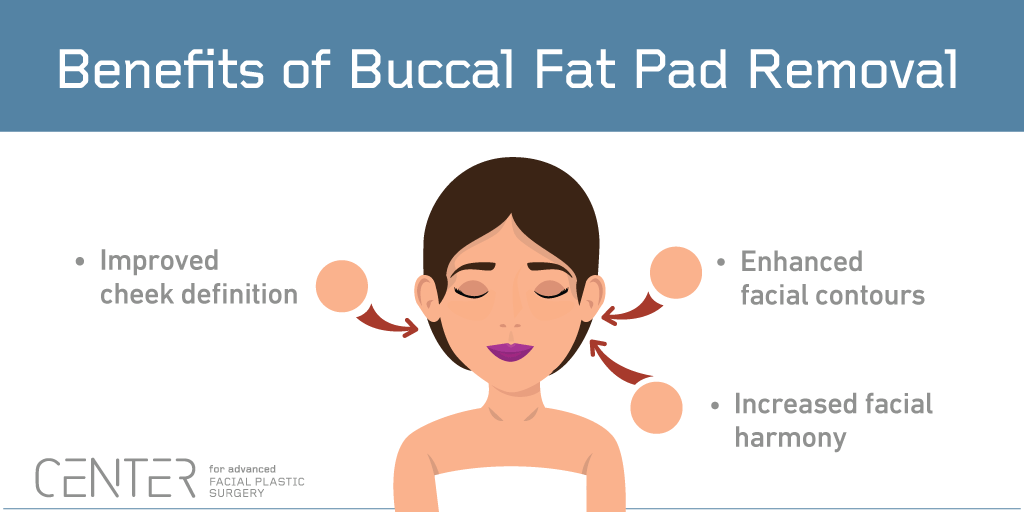
Buccal fat pad removal offers many benefits, such as:
- Improved cheek definition
- Enhanced facial contours
- Increased facial harmony
Sometimes, buccal fat pad removal is performed in combination with other facial rejuvenation procedures, including:
- Facelift: Minimizes the appearance of visible signs of aging in the face and neck.
- Blepharoplasty: Corrects under-eye bags, as well as drooping upper eyelids.
- Mid-Facelift: Treats visible signs of aging in the cheeks and lower eyelids.
- Neck Lift: Addresses visible signs of aging in the neck and jawline.
- Chin Augmentation: Involves the placement of a small implant in the front of the chin bone.
Buccal lipectomy is a safe, effective facial rejuvenation procedure, but it is not right for everyone. The ideal candidates for buccal fat pad removal likely deal with one or more of the following cheek issues:
- Chubby or puffy cheeks
- Convex cheek appearance
- Prominent high cheekbones
- Sunken cheeks under the cheekbones
A facial plastic and reconstructive surgeon dedicates significant time and resources to minimize complications during buccal fat pad removal. However, there are risks associated with buccal lipectomy, and these risks include:
- Infection
- Bleeding
- Numbness
- Pain
- Fluid accumulation
The buccal fat pad removal recovery period may last up to 10 days. During this time, a patient may need to maintain a soft or semi-liquid diet so tissues in the mouth can fully recover.
Buccal lipectomy patients sometimes experience facial swelling after surgery, but this usually disappears on its own within about three weeks of treatment. Once the swelling stops, a patient's cheeks will look thinner and more contoured.
The full results of buccal fat pad removal become visible within a few months of treatment. Meanwhile, a facial plastic and reconstructive surgeon requests follow-up appointments to track a buccal lipectomy patient's progress after treatment.
What Is Cheek Liposuction?
Cheek liposuction involves the removal of fatty tissue from the cheeks. It is sometimes performed on individuals dealing with chubby cheeks that do not improve with diet and exercise.
During a cheek liposuction procedure, excess fat is removed from a patient's cheeks via a cannula and a vacuum device. Cheek liposuction is often performed as an outpatient procedure under general or local anesthesia or intravenous sedation. The procedure usually lasts about 30 to 60 minutes, and only a few ounces of fat are removed during a typical cheek liposuction treatment. Cheek liposuction ultimately helps improve facial contours, resulting in a slimmer facial appearance.
Swelling, soreness and burning sometimes occur after cheek liposuction. These symptoms are temporary and disappear shortly after treatment. Also, full recovery from cheek liposuction may require about a month.
Cheek liposuction is intended for people who have good skin elasticity. Otherwise, individuals may need to pursue buccal fat pad removal or other procedures to achieve their desired facial rejuvenation treatment results.

Which Facial Rejuvenation Treatment Should You Choose: Buccal Fat Pad Removal or Cheek Liposuction?
Buccal fat pad removal and cheek liposuction are similar, but it is important to note the differences between these facial rejuvenation treatments. Whereas buccal fat pad removal eliminates excess fat pads from the cheeks via surgery, a cheek liposuction procedure requires a cannula and vacuum device to address chubby cheeks.
Deciding between buccal fat pad removal and cheek liposuction often requires expert guidance. By meeting with a facial plastic and reconstructive surgeon like Dr. Babak Azizzadeh, an individual can learn about different facial rejuvenation treatments and select one that matches his or her expectations.
Dr. Azizzadeh takes a holistic approach to facial rejuvenation treatments. If a person is considering buccal fat pad removal or cheek liposuction treatments, Dr. Azizzadeh first requests a consultation. Dr. Azizzadeh then evaluates a patient and reviews his or her medical history. Finally, Dr. Azizzadeh provides a personalized facial rejuvenation treatment recommendation so a patient can accomplish his or her desired results, as quickly as possible.
For those who are evaluating buccal fat pad removal, cheek liposuction or other facial rejuvenation procedures, Dr. Azizzadeh is happy to provide expert insights into these treatments. To learn more about different facial rejuvenation treatment options, please contact us today at 310-657-2203 to schedule a consultation with Dr. Azizzadeh.