Thinking about getting a nose job? It’s a big decision, and one of the first things you’ll hear about is the difference between open and closed rhinoplasty. Basically, it comes down to how the surgeon gets to the parts of your nose they need to work on. This guide will help you understand what makes them different, so you can have a better chat with your doctor about what’s right for you. Comparing open and closed rhinoplasty is key to making an informed choice.
Key Takeaways
- The surgeon lifts the skin between your nostrils with a tiny cut in open rhinoplasty to see the nasal bones and cartilage. This is useful for difficult alterations or surgery repairs.
- All cuts in closed rhinoplasty stay inside the nostrils. For minor modifications like bump smoothing, it leaves no scar.
- Both procedures can produce fantastic outcomes, but open rhinoplasty provides superior visibility and control for precise tip work and larger difficulties.
- Due to no exterior incisions, closed rhinoplasty may take less time and produce less edema. The surgeon’s view is narrower.
- The best nose surgery method depends on your goals, how complicated the surgery is, and your surgeon’s recommendation based on your anatomy.
Understanding The Fundamental Differences


When you’re considering rhinoplasty, you’ll quickly learn there are two main ways surgeons approach the procedure: open and closed. Each method has its own way of getting to the structures inside your nose, and this difference really shapes how the surgery is done and what results you can expect. It’s not just about a small cut versus no external cut; it’s about how the surgeon sees and works with the delicate anatomy of your nose.
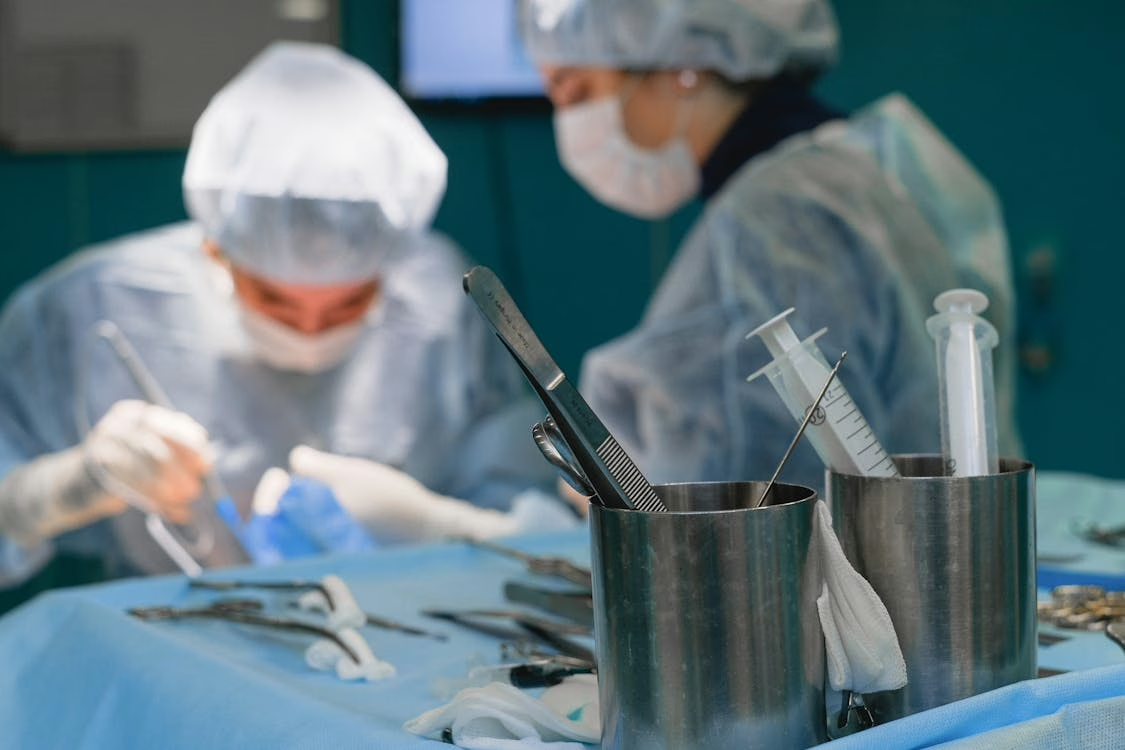
Open rhinoplasty involves a columella incision, providing direct access to cartilage and bone, offering superior visibility for complex cases. In contrast, closed rhinoplasty makes incisions within the nostrils, leading to limited visibility and reliance on touch. This distinction affects the ability to visualize nasal anatomy and manipulate structures effectively.
Evaluating Aesthetic Outcomes and Refinements
The open technique allows for better visualization, especially for intricate adjustments like correcting tip asymmetry, facilitating precise graft and suture placement. Conversely, the closed technique hides incisions inside the nostrils, preventing visible scars, making it appealing to many patients. Although the open approach leaves a small scar at the columella, it typically fades well, which is an important consideration during the decision-making process.
Here’s a quick look at how they stack up for specific refinements:
- Complex Tip Refinements: Open rhinoplasty often preferred for its direct access and control.
- Asymmetry Correction: Open approach can offer superior precision.
- Dorsal Hump Reduction: Both techniques can be effective, but the surgeon’s preference and the specific hump’s nature play a role.
- Scarring: Closed technique has no external scars; open technique has a small external scar.
It’s essential to consider the surgeon’s skill as a key element in the aesthetic outcome of rhinoplasty. Experienced surgeons can advise on the best approach based on individual nasal anatomy and desired results. The choice between open and closed rhinoplasty hinges on the complexity of changes you seek and your preference regarding scarring. The open method offers greater precision and predictability for intricate modifications, while the closed technique is preferable for minor adjustments if avoiding external scars is a priority. Understanding both aesthetic and functional outcomes is advised.
Functional Considerations and Patient Experience
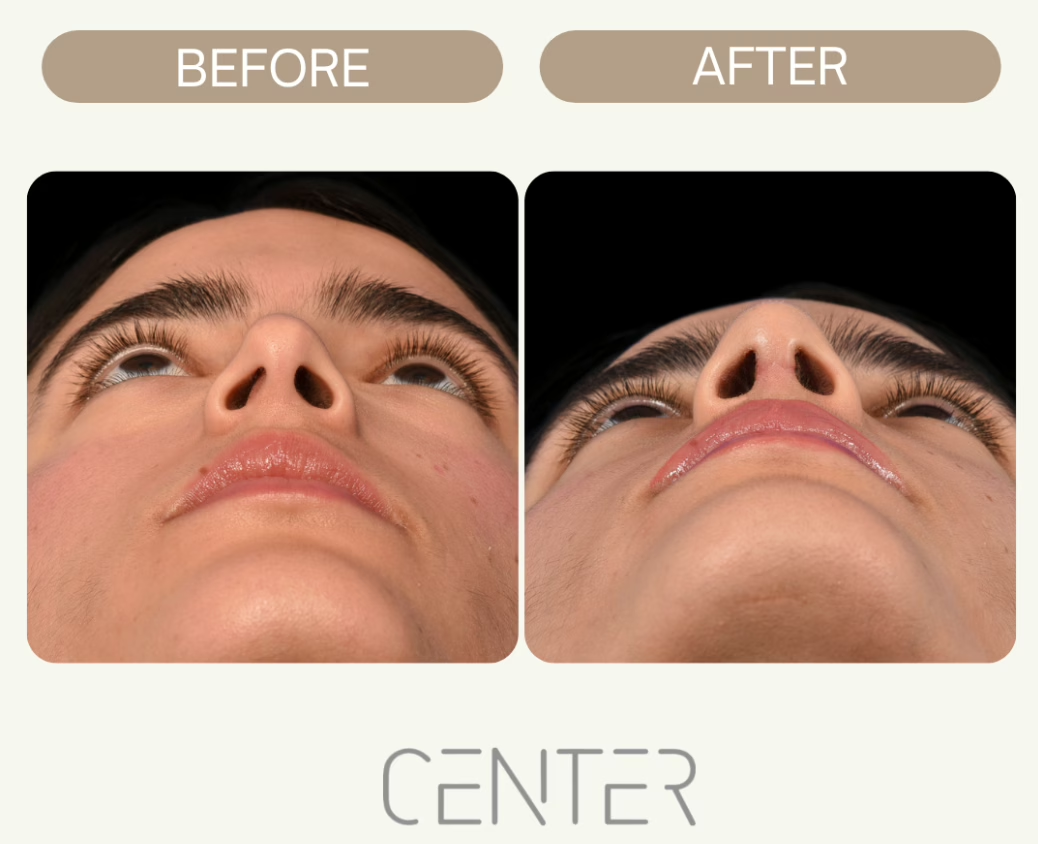
Functional results and overall patient satisfaction are equally as significant as aesthetic enhancements when contemplating rhinoplasty. Surgery can affect respiration, sensation, and long-term happiness in addition to changing the nose’s shape. As nerves heal, some numbness is normal, and when done correctly, both open and closed procedures can provide significant functional advantages. Your anatomy, the purpose of the surgery, and a careful conversation with your surgeon will ultimately determine the best course of action.
Key Points:
- Temporary numbness, especially in the nasal tip, can occur with both open and closed rhinoplasty and typically resolves over time.
- Rhinoplasty can improve breathing, particularly in cases involving a deviated septum or nasal valve collapse.
- Research shows both techniques can achieve comparable functional improvements, often measured using tools like the NOSE scale.
- Patient satisfaction is generally high with either approach when expectations and surgical plans are aligned.
- The choice between open and closed rhinoplasty depends on individual goals, anatomy, and surgeon expertise.
Cost-Effectiveness and Resource Allocation
When you’re considering rhinoplasty, it’s natural to think about the financial aspect. Both open and closed techniques have different implications for operating room time and the overall cost of your procedure. Understanding these differences can help you make a more informed decision.
Operating Room Time and Procedure Duration
Generally, closed rhinoplasty tends to be a bit quicker in the operating room. Because the surgeon works through the nostrils without an external incision, there’s less dissection and therefore, less time spent directly manipulating tissues. Open rhinoplasty, with its columellar incision, requires more meticulous dissection and often takes a little longer. This difference in time can translate to variations in facility fees.
- Closed Rhinoplasty: Typically shorter procedure duration.
- Open Rhinoplasty: Often requires more operating time due to external dissection.
Cost Implications of Grafting and Complex Maneuvers
Cost implications of rhinoplasty involving cartilage grafts, harvested from the septum, ear, or rib, increase surgery complexity due to the time required for graft shaping. While both open and closed approaches can be used, the open technique may facilitate more accurate graft placement, potentially lowering revision rates. The average cost for reconstructive rhinoplasty in the U.S. is around $7,669, with a range of $6,074 to $13,955.
 Resource Utilization in Open Versus Closed Procedures
In considering resource utilization between open and closed rhinoplasty, it’s essential to evaluate not only the surgeon’s time but also the complexity of cases requiring specific instruments and planning. Although closed rhinoplasty may appear simpler, open rhinoplasty allows for better visualization, which can facilitate certain steps, particularly in complex cases. Ultimately, the choice should prioritize achieving aesthetic and functional goals efficiently while minimizing future corrective surgeries. The surgeon’s expertise plays a crucial role in determining the best approach tailored to individual needs, highlighting the importance of discussing these factors during the planning process.
When thinking about treatments, it’s smart to consider how much value you get for your money and how resources are used. We help you make wise choices to get the best results without wasting time or money. Want to learn more about getting the most out of your cosmetic procedures? Visit our website today!
The Path You Choose
Deciding between open and closed rhinoplasty isn’t about picking the ‘best’ one overall. It’s really about figuring out what works for you and your specific nose. Think of it like this: sometimes you need a wide-open view to see everything clearly, especially for big changes or fixing tricky issues. That’s where the open approach shines, giving your surgeon a really good look at what they’re doing. But if your goals are more about subtle tweaks, the closed method might be just the ticket. It keeps everything hidden inside, which can mean a bit less fuss with healing and no external scar to worry about. Ultimately, the most important step is chatting with your surgeon. They’ll look at your nose, listen to what you want, and guide you toward the technique that’s most likely to get you the results you’re hoping for. It’s a personal choice, and the right surgeon will help you make it with confidence.
Curious about real patient experiences? Explore verified reviews for Dr. Babak Azizzadeh on Google and RealSelf.