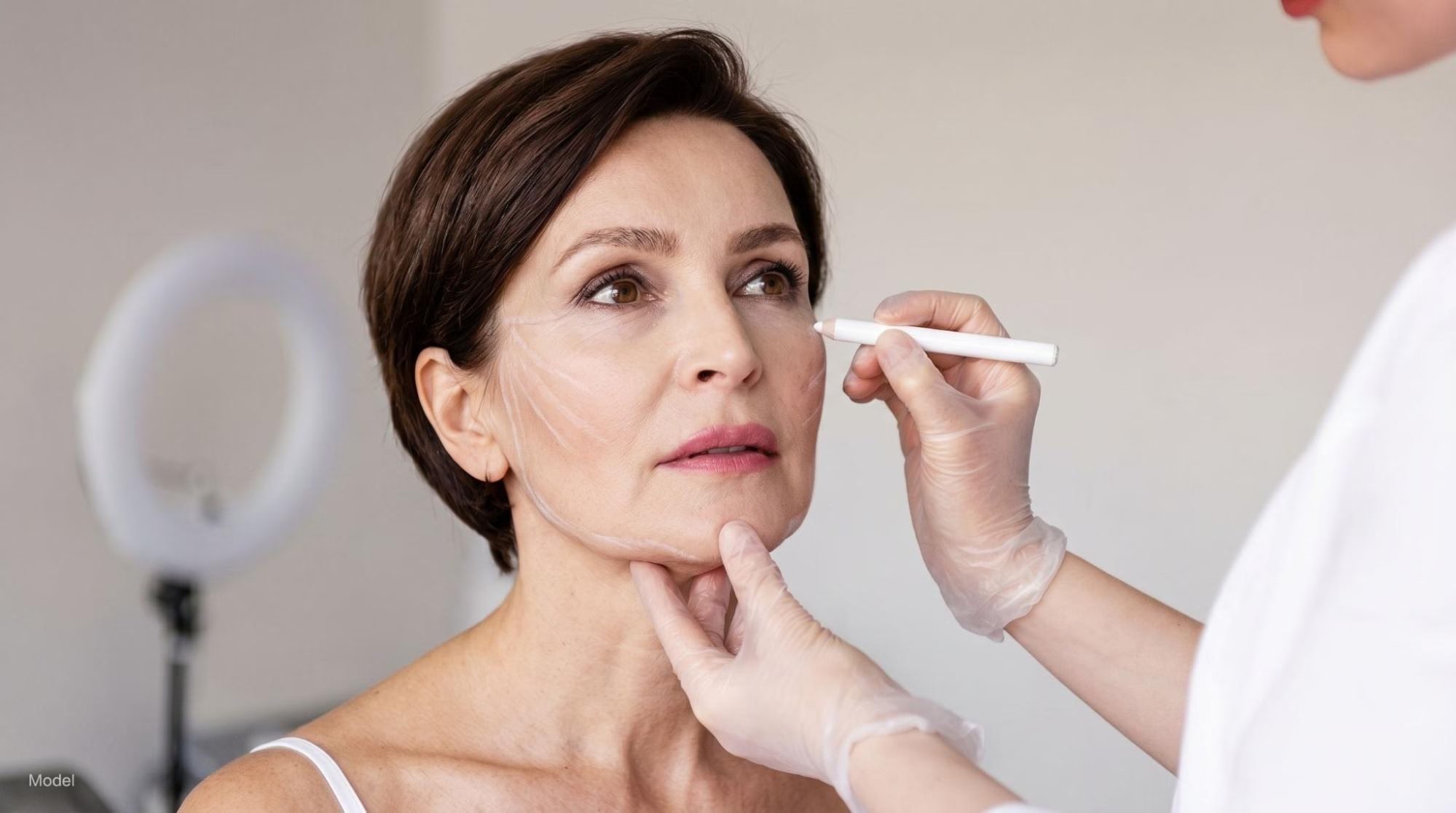
The Biggest Facelift Trends of 2026
By 2026, facelift surgery has evolved significantly. Advanced techniques and shifting expectations now prioritize natural, "well-rested" results over dramatic transformations, ensuring no visible signs of surgery. That's what's driving the biggest facelift trends 2026 has brought to the surface, and it's reshaping how surgeons plan, and how patients choose, a new facelift procedure.
Key Takeaways
- The deep plane facelift is the most in-demand surgical technique of 2026, known for its longevity and natural appearance.
- More patients in their 40s are seeking facelift surgery earlier to get ahead of significant aging.
- Combination procedures pairing facelifts with fat grafting or neck lifts are increasingly standard practice.
- Natural-looking results are the top priority, with overdone or pulled outcomes now widely considered outdated.
- Choosing a board-certified facial plastic surgeon with specialized expertise is the most important factor in achieving a successful outcome.
Trend 1: The Deep Plane Facelift Takes the Lead
The deep plane facelift is the most dominant technique in 2026. Instead of pulling skin, it lifts and repositions deeper muscle and connective tissue layers, resulting in a longer-lasting, more natural look that avoids the tight, windswept appearance of older methods. The deep plane facelift technique is technically demanding, but in the right hands, it precisely addresses sagging in the midface, jowls, and neck. Patients are requesting it by name in 2026.
Dr. Babak Azizzadeh, MD, FACS is one of the foremost experts in deep plane facelift surgery, with decades of experience refining the technique for patients seeking results that look authentic and hold up over time. His practice, The CENTER for Advanced Facial Plastic Surgery in Beverly Hills, draws patients from across the country and internationally who are specifically seeking this level of surgical expertise.
Related: Dr. Azizzadeh on 2026 Plastic Surgery Trends
Trend 2: Patients Are Getting Facelifts Earlier
The typical facelift patient has gotten younger. In 2026, more people in their early to mid-40s are scheduling consultations before laxity and volume loss become severe. This strategic choice pays off: when there is less to correct, the procedure is more targeted, recovery is smoother, and the outcome is a natural refresh rather than a dramatic transformation.
Understanding the different types of facelifts available is why earlier intervention is beneficial. Younger candidates may need a less extensive procedure, while those with more advanced aging might require a comprehensive lift. Getting evaluated early ensures more options.
If you've been thinking about a facelift but aren't sure whether now is the right time, booking a consultation with Dr. Azizzadeh is a practical first step to understanding what approach fits your goals and your timeline.
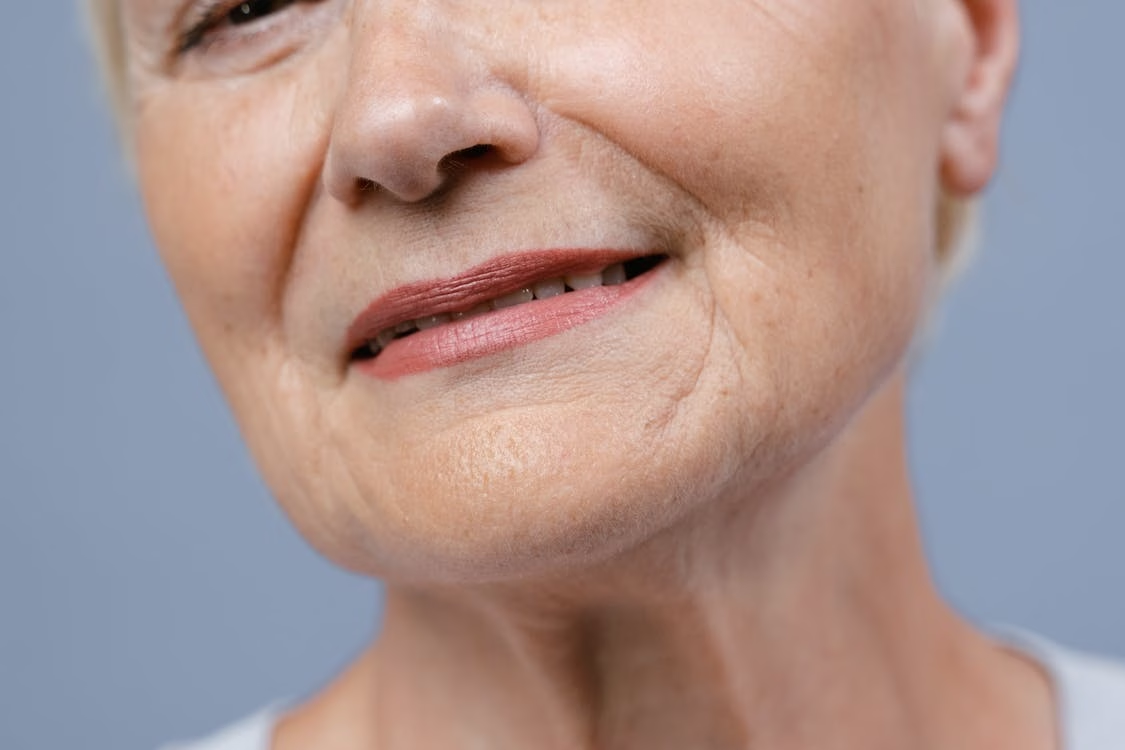 Trend 3: Natural Results Are Non-Negotiable
Patients in 2026 reject the "overdone" look, demanding refreshed and proportionate results. Achieving natural looking facelift results requires surgeons to treat the face as a whole, balancing lift, volume, and proportion. Fat grafting is now integral, using the patient's own fat to restore lost volume, which creates a softer, genuinely rejuvenated effect when combined with a facelift.
Related: Facelift For Nasolabial Folds: 3 Tips of 2026
Trend 4: Combination Procedures Are the New Standard
In 2026, combination procedures have become the standard for achieving cohesive, balanced results. Facelifts are now routinely paired with neck lifts, brow lifts, eyelid surgery, or fat grafting to ensure harmony across the face and neck.
Choosing between a mini facelift vs full facelift depends on your anatomy; the best plan is the one tailored to your specific needs. To explore which combination approach might work best for your goals, get in touch with the team at The CENTER for Advanced Facial Plastic Surgery for a personalized evaluation.
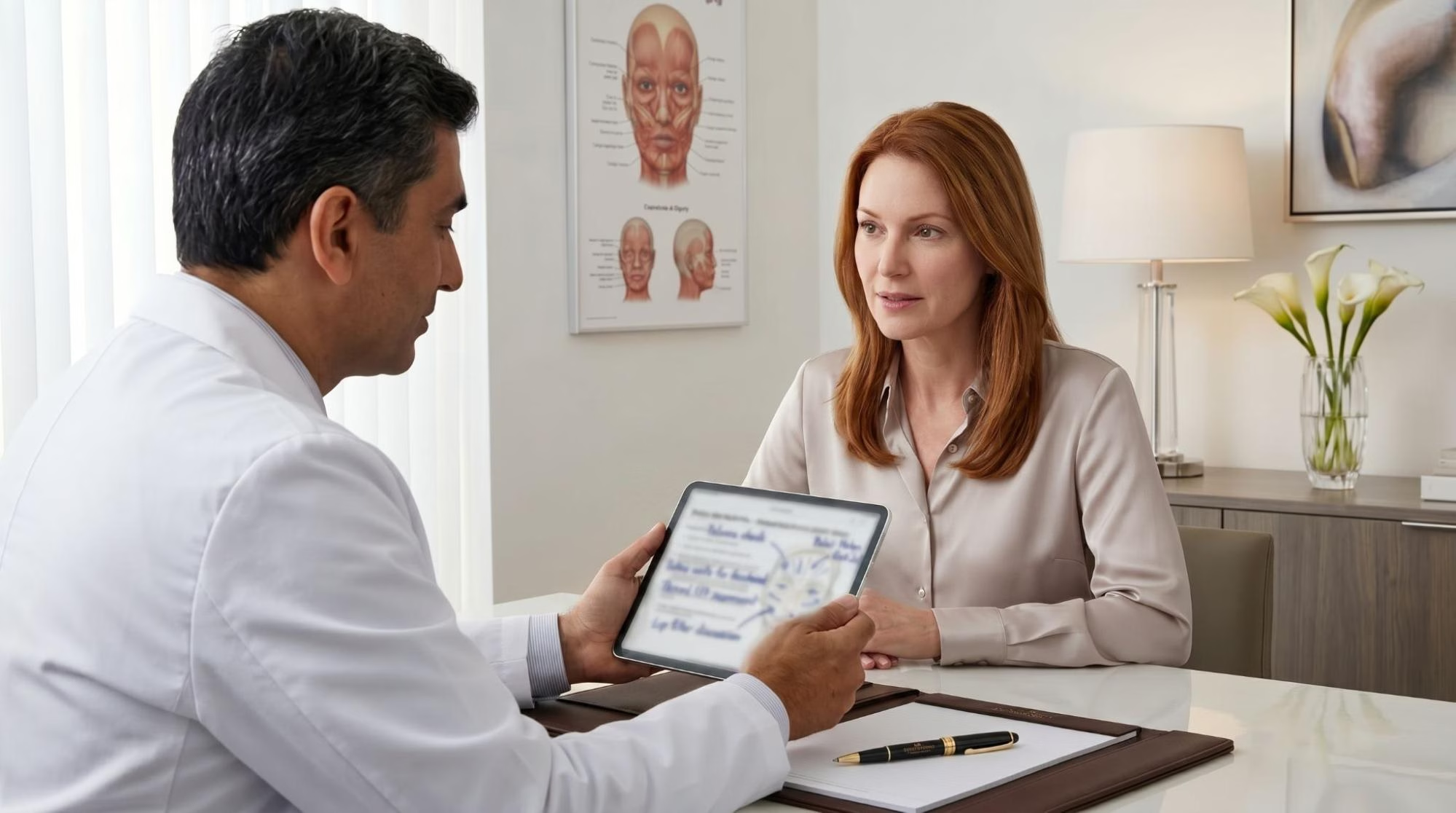 Trend 5: Faster Recovery, Better Planning
Facelift recovery has improved significantly, making patients more comfortable moving forward with a new facelift procedure. Modern techniques have shortened downtime, with many returning to routines within two weeks.
In 2026, proactive planning is standard. Informed candidates who prepare for every stage of healing achieve better outcomes, recognizing that recovery is a vital part of the surgical process.
Dr. Babak Azizzadeh is a dual board-certified facial plastic and reconstructive surgeon recognized by The New York Times, CNN, and Oprah for his surgical outcomes. At The CENTER for Advanced Facial Plastic Surgery, every patient receives a recovery plan tailored to their procedure and health profile, with the support of a team that specializes exclusively in facial plastic surgery.
Frequently Asked Questions
What is the most popular new facelift procedure in 2026?
The deep plane facelift is the most requested surgical option in 2026. It works at a deeper structural level than traditional techniques, producing results that look natural, move naturally, and tend to last longer.
Is 40 too young to get a facelift?
No. More patients in their early to mid-40s are pursuing facelift surgery in 2026, often before significant aging has set in. Earlier intervention typically allows for a more precise, less extensive procedure with a smoother recovery.
What makes facelift results look natural?
Natural results come from lifting and repositioning tissue at the structural level rather than simply pulling skin tight. Fat grafting, proper volume restoration, and a surgeon who treats the face as a whole rather than in isolated sections all contribute to a result that looks authentic.
Can a facelift be combined with other procedures?
Yes, and combination procedures are increasingly common. Facelifts are frequently paired with neck lifts, brow lifts, eyelid surgery, or fat grafting to address the face comprehensively in a single session. A consultation determines which combination is appropriate for your anatomy and goals.
How long does facelift recovery take in 2026?
Most patients return to light activities within two weeks, though full recovery and final results take longer to settle. Advances in surgical technique and post-operative care have made the recovery process more manageable and predictable than it was in previous years.
What These Trends Mean for You
The biggest facelift trends of 2026 emphasize precise, natural, and long-lasting results, which modern surgical techniques are capable of delivering. Whether you are considering a new facelift procedure or revision work, the critical first step is a thorough consultation with a surgeon who understands your goals.
The CENTER for Advanced Facial Plastic Surgery, led by Dr. Babak Azizzadeh, MD, FACS, offers advanced facelift techniques for lasting, natural facial rejuvenation. The practice, dedicated exclusively to facial procedures, provides expert and personalized care.


Why Does My Face Always Look Tired?
If you frequently wonder, "why do I always look tired?" or "why do I look so tired all the time?" despite resting well, the answer is rarely sleep-related. A tired-looking face is usually structural, driven by dehydration, volume loss, fat pad migration, and natural aging. Pinpointing these underlying causes is the essential first step toward an effective resolution.
Key Takeaways
- Dehydration causes the skin to sink and dry out, making even young people look fatigued.
- The under-eye area is the most visible driver of a tired-looking face.
- Facial volume loss shifts fat downward and creates shadows that read as exhaustion.
- Lower blepharoplasty and dermal fillers are among the most effective treatments for a persistently tired appearance.
- A personalized consultation helps identify the specific cause and the right solution.
The Under-Eye Area Is Usually Where It Starts
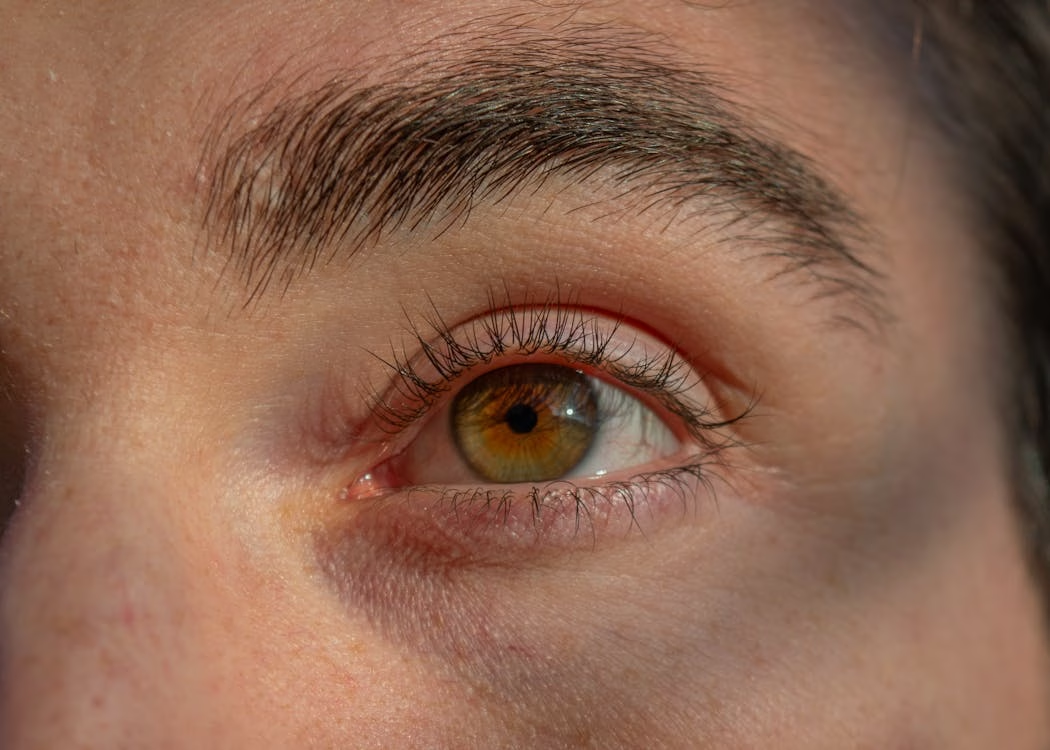
Small changes in the under-eye zone have an outsized impact on how rested or worn down someone looks. Dark circles under the eyes, hollowness, and puffiness each create their own version of fatigue, and many people have more than one of these happening at the same time.
Dr. Babak Azizzadeh, a dual board-certified facial plastic surgeon in Beverly Hills, explains it this way: "When we have hollowness, bags under the eyes or perceived bags under the eyes, it looks like you're tired. And that's what a lot of people come in with. They're not quite sure why they look tired, but when we point out the little nuances, it makes a huge difference."
Dr. Azizzadeh leads The CENTER for Advanced Facial Plastic Surgery in Beverly Hills and Los Angeles. Recognized by The New York Times, CNN, and Oprah, he brings a combination of surgical precision and an eye for natural balance to every procedure.
Related: Dark Circles Under Eyes Causes and Treatment
Dehydration Does More Damage Than You Think
 Most people don't link dehydration to their tired face, but Dr. Azizzadeh names it as the most simple and direct cause. "When people are not hydrated, the skin dries out and gets sunken in. And the most common area that it really impacts is under the eyes. People, even young 20 or 30-year-olds, can look like they have bags under the eye when they're not hydrated."
Consistent hydration genuinely affects how full and refreshed the skin looks, especially in that under-eye zone. If you've been searching for how to not look tired and keep asking yourself why do I look tired all the time, hydration is the first box to check.
Facial Volume Loss and the Look of Fatigue
Facial volume loss often causes a tired face. As fat pads shift, shadows form that lead many to ask, "why do I look so tired?" If you feel my face looks old and tired or my eyes look tired and old, fillers can help. This treatment restores volume to address a tired looking face naturally.
At The CENTER for Advanced Facial Plastic Surgery, Dr. Babak Azizzadeh frequently evaluates patients who feel they look tired, stressed, or older than they feel. During a consultation, he can determine whether the issue is related to volume loss, under-eye bags, skin laxity, or a combination of factors. Depending on your needs, treatment may range from non-surgical facial rejuvenation to advanced surgical procedures designed to restore a naturally refreshed appearance.
Related: What Causes Bags Under the Eyes and How to Get Rid of Them
When Under Eye Bags Are the Problem
Lower blepharoplasty is one of the most effective procedures for patients whose tired appearance is caused by under-eye bags rather than simple volume loss. The procedure works by repositioning or removing excess fat beneath the eyes, creating a smoother transition between the lower eyelid and cheek.
Dr. Azizzadeh performs lower blepharoplasty using advanced techniques that prioritize natural-looking results while preserving the unique character of each patient's face. For many patients, this procedure can dramatically reduce the appearance of fatigue and help them look more rested and youthful without appearing overdone.
Sleep Still Matters, and So Does Skin Health
Lack of sleep worsens a tired look. While sleep deprivation effects on facial appearance are real, lifestyle changes alone won't solve the structural reasons for a tired face.For those asking what can i do about a tired looking face, non surgical facial rejuvenation offers ways to address the issue without surgery.
You don't have to guess at what's causing your tired face. Booking a consultation at Facial Plastics BH puts a real, personalized plan in your hands based on your specific anatomy and concerns.
 Frequently Asked Questions
Why does my face look tired even when I sleep enough?
Sleep cannot correct structural issues like under-eye hollowing or volume loss. If you consistently look tired, the cause is likely anatomical, answering why do i look tired.
Can dehydration really make me look that tired?
Yes. Dehydration causes skin to dry and sink, creating the appearance of under-eye bags even in younger patients. Consistent hydration is the simplest way to reduce a tired look.
What is lower blepharoplasty?
It's a surgical procedure that corrects under-eye bags by repositioning or removing fat pockets through an inner eyelid incision, leaving no visible external scarring. It is highly effective for persistent puffiness that does not respond to fillers.
How do I know if I need surgery or just fillers?
That depends on the cause and severity. Mild volume loss often responds well to fillers. More significant fat pad displacement or skin laxity typically requires a surgical approach for lasting results. A consultation with a facial plastic surgeon will clarify the best path for your tired looking face.
Are there non-surgical options for a tired-looking face?
Yes. Botox, dermal fillers, laser skin resurfacing, and other non-surgical treatments can improve signs of fatigue without surgery or significant downtime. The best approach depends on whether your tired appearance is caused by volume loss, skin quality changes, facial asymmetry, or under-eye hollowing.
Many patients are surprised to learn that a customized non-surgical treatment plan can create a noticeably more refreshed appearance while preserving natural facial movement. A consultation with an experienced facial plastic surgeon can help determine which options may be most effective for your specific concerns.
A Rested Face Is More Within Reach Than You Think
A tired-looking face is caused by structural issues like dehydration, facial volume loss, or fat pad migration. The facial aging process doesn't have to define how you present to the world. If you keep asking yourself why do I look tired despite a good lifestyle, the cause is structural, and a qualified facial plastic surgeon can pinpoint the issue and offer achievable solutions.

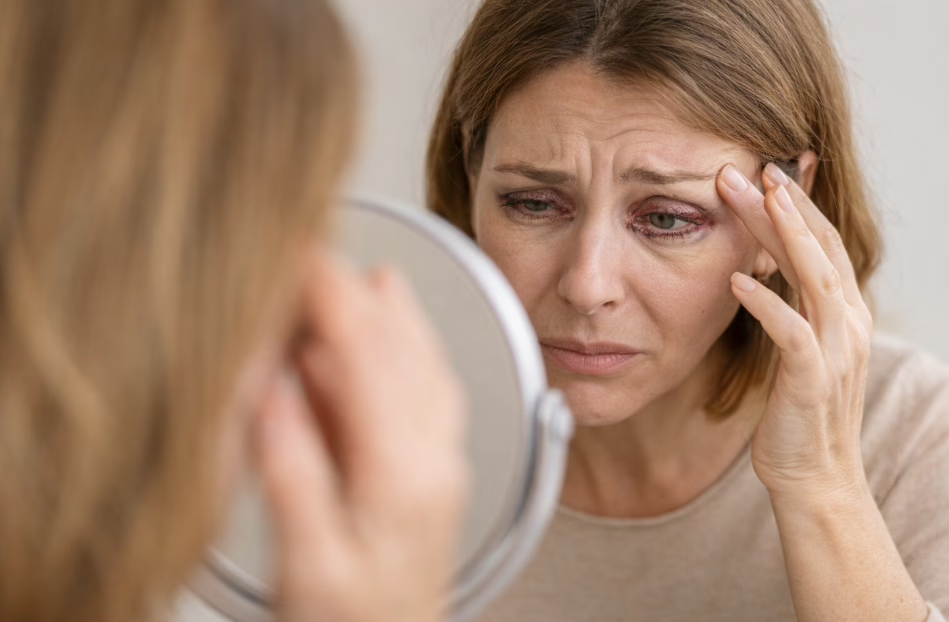
Botched Upper Eyelid Surgery: What To Do
Upper eyelid surgery, or blepharoplasty, typically yields refreshing results when performed with precision. However, poor outcomes cause functional issues, discomfort, and aesthetic distress. If your procedure has led to these complications, concrete steps are available to address them.
Key Takeaways
- Botched upper eyelid surgery can result from over-removal of skin or fat, poor technique, or inadequate surgical planning.
- Common complications include inability to fully close the eyes, hollowness, asymmetry, and irregular scarring.
- Revision blepharoplasty is highly specialized and requires a surgeon with specific experience in secondary eyelid cases.
- Dr. Azizzadeh emphasizes conservative tissue removal, especially for men, to avoid dramatic and hard-to-reverse changes.
- Seeking a qualified second opinion early is always appropriate when results feel functionally or aesthetically wrong.
What Can Go Wrong With Upper Eyelid Surgery
Upper eyelid anatomy comprises skin, muscle, fat, and the levator mechanism. Imprecise surgery causes complications: over-resecting skin can impede eye closure and cause irritation, while excessive fat removal results in a hollow, aged appearance. Additionally, poorly positioned incisions can leave visible scars or unnatural creases.
Dr. Azizzadeh warns that aggressive tissue removal can cause irreversible hollowing and recommends conservative techniques, especially for men. Poor outcomes often occur when surgeons ignore the periorbital area's three-dimensional structure or view the eyelids in isolation from the rest of the face.
Untreated ptosis also leads to sagging if the levator muscle isn't corrected. Asymmetry frequently results from failing to account for unique anatomical differences. These issues are typically due to inadequate planning rather than rare chance.
If your results don't look or feel right, schedule a consultation with Dr. Azizzadeh to get an honest evaluation of what's happening and what revision options are available.
https://facialplasticsbh.com/juvederm-vs-botox-which-is-better/
What To Do If Your Results Are Not What You Expected
While results often stabilize within 3 to 6 months, functional issues like incomplete eye closure or severe asymmetry require immediate attention. If you lose confidence in your surgeon, consult a revision blepharoplasty specialist for an objective assessment and to discuss corrective options.
Patients considering complex revision procedures often find it helpful to review the top 5 things to consider when choosing a rhinoplasty surgeon, since those same criteria apply when selecting someone to manage a revision.
Maintain a detailed record of your outcomes. Regular, well-lit photos provide vital context for a consulting surgeon. Additionally, preserve your original surgical plan and all consultation or post-op records. Comprehensive documentation allows revision specialists to more effectively plan your corrective treatment.
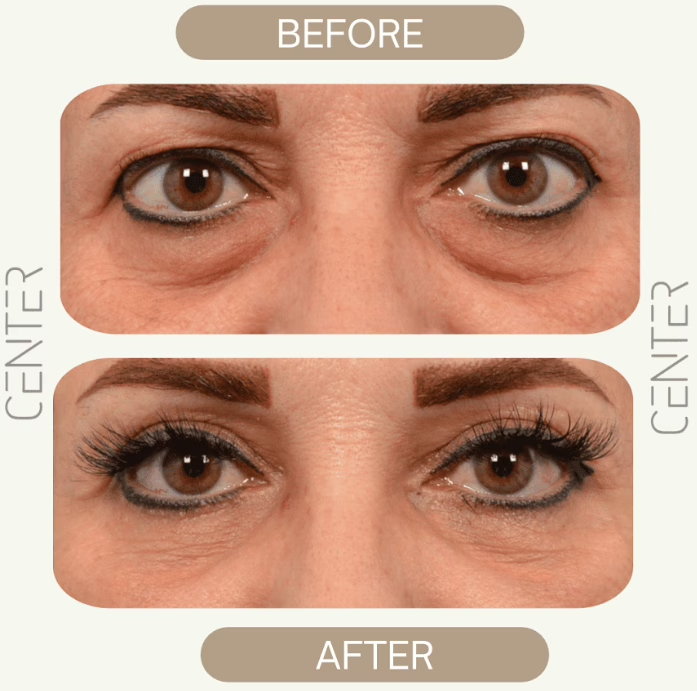
https://facialplasticsbh.com/using-botox-for-neck-wrinkles/
What Revision Surgery Involves
Revision blepharoplasty is more complex than the original procedure due to scar tissue and limited skin, often requiring fat grafting or scar revision to restore function and aesthetics. Surgeons who perform rhinoplasty apply similar structural thinking to eyelid revisions, considering how the brows and midface influence results. Whether opting for awake plastic surgery or traditional methods, specialized techniques informed by local anesthesia in rhinoplasty ensure a highly individualized approach to corrective treatment.
Dr. Babak Azizzadeh is a dual board-certified facial plastic and reconstructive surgeon based in Beverly Hills, recognized for his expertise in revision procedures and complex periorbital cases. His approach centers on restoring both function and natural appearance, with attention to how the eyelids relate to the surrounding facial structures. Patients from around the world seek his evaluation after outcomes that didn't meet expectations.
To take the next step toward correction, contact the CENTER for Advanced Facial Plastic Surgery and request a personalized evaluation with Dr. Azizzadeh's team.
Choosing the Right Surgeon for Your Revision
Vetting for revision surgery must be rigorous. Choose a fellowship-trained facial plastic surgeon with a proven track record in secondary blepharoplasty who provides an honest assessment of potential outcomes.Reviewing before-and-after cases in the gallery nose and other procedure galleries gives you a real sense of a surgeon's aesthetic sensibility and consistency.
It's also worth discussing anesthesia options upfront. Available rhinoplasty anesthesia options vary by case complexity, and the same is true for blepharoplasty revision. What's appropriate for your procedure depends on factors your surgeon will walk you through during consultation. For those planning recovery, ensuring a smooth rhinoplasty recovery offers a useful framework for understanding what thoughtful post-op care looks like. And as dr azizzadeh featured in ny post on awake plastic surgery trend illustrates, how a surgeon communicates publicly about procedures is often a reliable signal of how they approach patient care.

Frequently Asked Questions
How do I know if my eyelid surgery results are abnormal or just part of healing?
Normal healing involves swelling, bruising, and some irregularity that improves over several weeks. Results typically stabilize around 3 to 6 months post-op. If you can't fully close your eyes, experience persistent dryness, or notice asymmetry that isn't improving, those signs warrant a specialist consultation, not just patience.
Can botched upper eyelid surgery be corrected?
In many cases, yes. Revision blepharoplasty can address hollowness from fat over-removal, poor scar placement, asymmetry, and incomplete lid closure. Success depends on what occurred in the original surgery, how much tissue remains, and the skill of the revision surgeon.
When is the right time to consider a revision?
Surgeons typically advise allowing about 6 to 12 months for healing to fully settle before pursuing corrective surgery. In cases where there are functional concerns, such as difficulty closing the eyes, earlier treatment may be necessary to prevent damage to the cornea. That said, scheduling a consultation can be done at any stage.
Is revision blepharoplasty riskier than the original procedure?
It's more complex. Scar tissue and reduced available skin make the procedure more technically demanding. This is why revision cases specifically require a surgeon with experience in secondary blepharoplasty, not just high general cosmetic volume.
Do I have to go back to my original surgeon for a revision?
No. You have every right to seek a second opinion, and in many cases it's the right move. A qualified revision specialist will evaluate your results objectively and advise you on what's correctable and what realistic outcomes look like.
Before choosing a surgeon, reading real patient feedback matters. View verified reviews for Dr. Azizzadeh on Google and RealSelf.
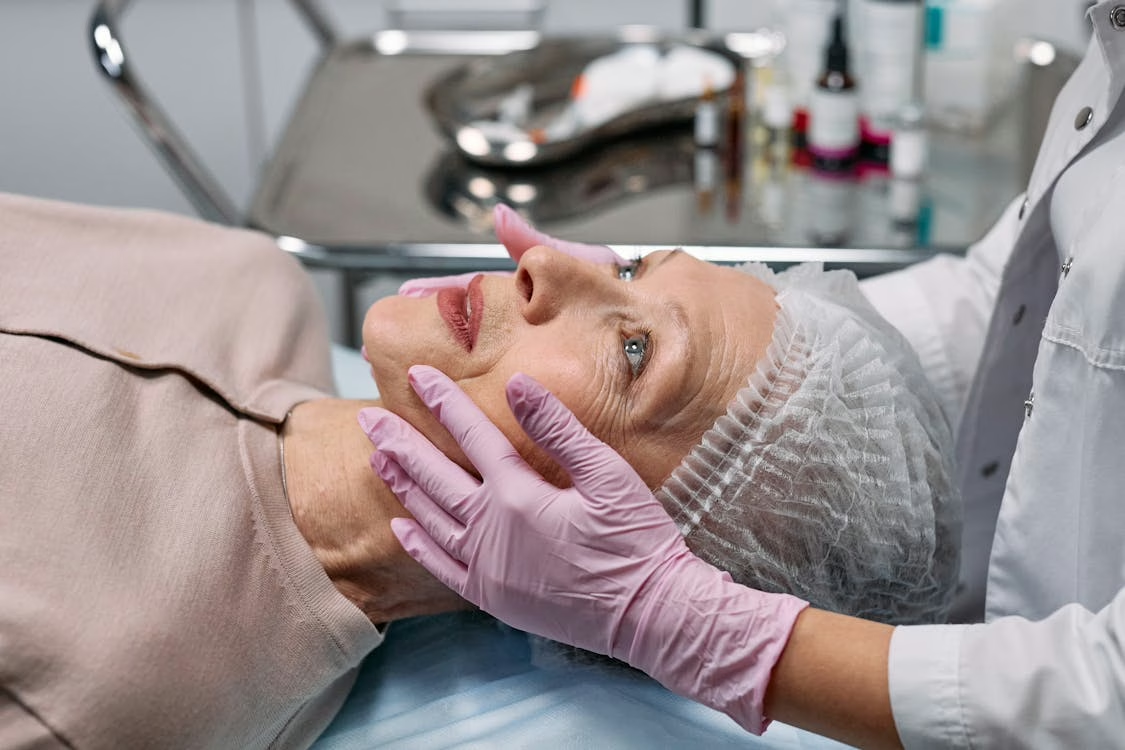
Awake Plastic Surgery - What is It?
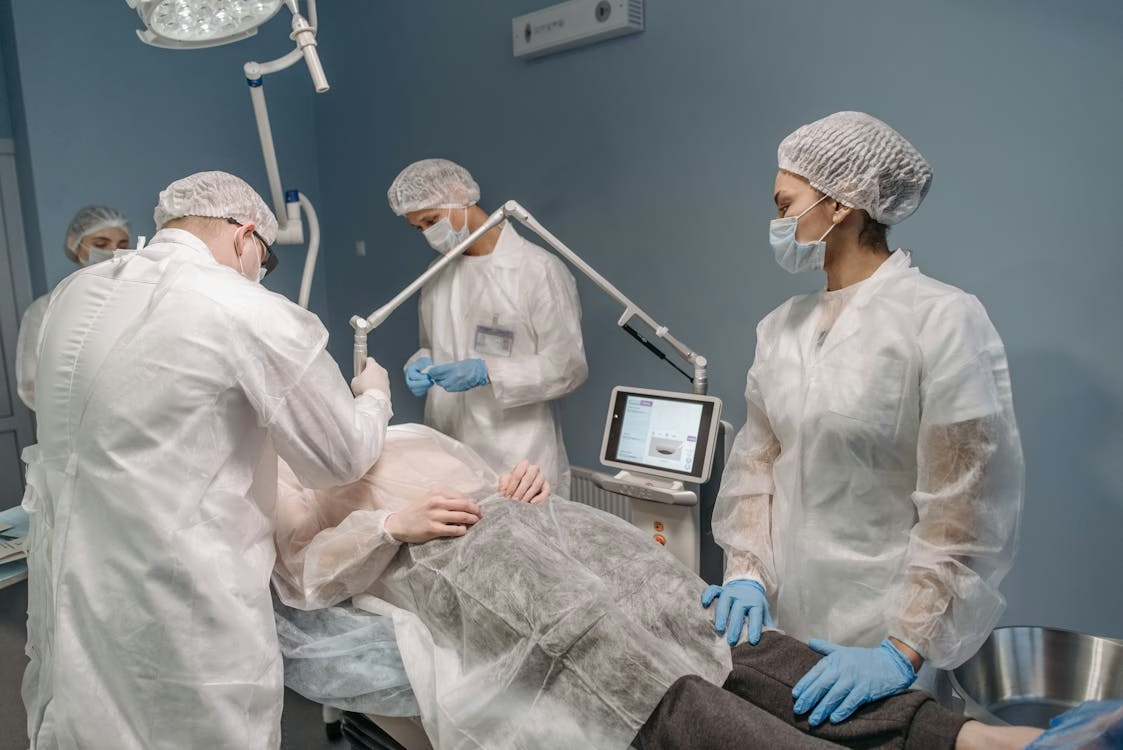
Surgical procedures have long been associated with general anesthesia, but a growing number of patients are asking about a different approach. Awake plastic surgery, which uses local anesthesia and light sedation instead of putting you fully under, is gaining real traction in the world of facial aesthetics. It's not a new concept, but interest in it has surged recently, and for good reason.
Key Takeaways
- Awake plastic surgery uses local anesthesia and sedation, allowing patients to remain conscious during the procedure.
- It can reduce the risks, cost, and recovery time associated with general anesthesia.
- Not every procedure or patient is a good candidate, and surgeon expertise is critical.
- Dr. Azizzadeh notes that excessive local anesthetic can interfere with facial nerve monitoring during complex surgeries.
- A thorough consultation with a board-certified facial plastic surgeon is essential before deciding on an anesthesia approach.
What Does 'Awake' Actually Mean in Surgery?
"Awake" surgery involves staying conscious under sedation with the area numbed by local anesthesia. Patients may feel pressure or vibration but no pain, often using oral sedatives for comfort.
Unlike general anesthesia, which requires full unconsciousness and intubation, the awake approach avoids risks like nausea and respiratory issues. It typically offers a shorter recovery period compared to standard general anesthesia used for extensive procedures.
https://facialplasticsbh.com/juvederm-vs-botox-which-is-better/
Why Patients Are Choosing This Approach
Safety is a primary driver for awake procedures. Local anesthesia helps patients with cardiovascular concerns or high BMI avoid the inherent risks of general anesthesia.
Recovery is faster and lacks the nausea or grogginess of being fully under, often allowing for same-day discharge. Furthermore, removing the need for an anesthesiologist and specialized equipment lowers overall costs.
The approach also provides the advantage of real-time feedback. Because patients are conscious, they can communicate and adjust their positioning, enabling the surgeon to achieve greater precision. This is particularly relevant in rhinoplasty anesthesia options, where a patient's response can inform subtle intraoperative decisions.
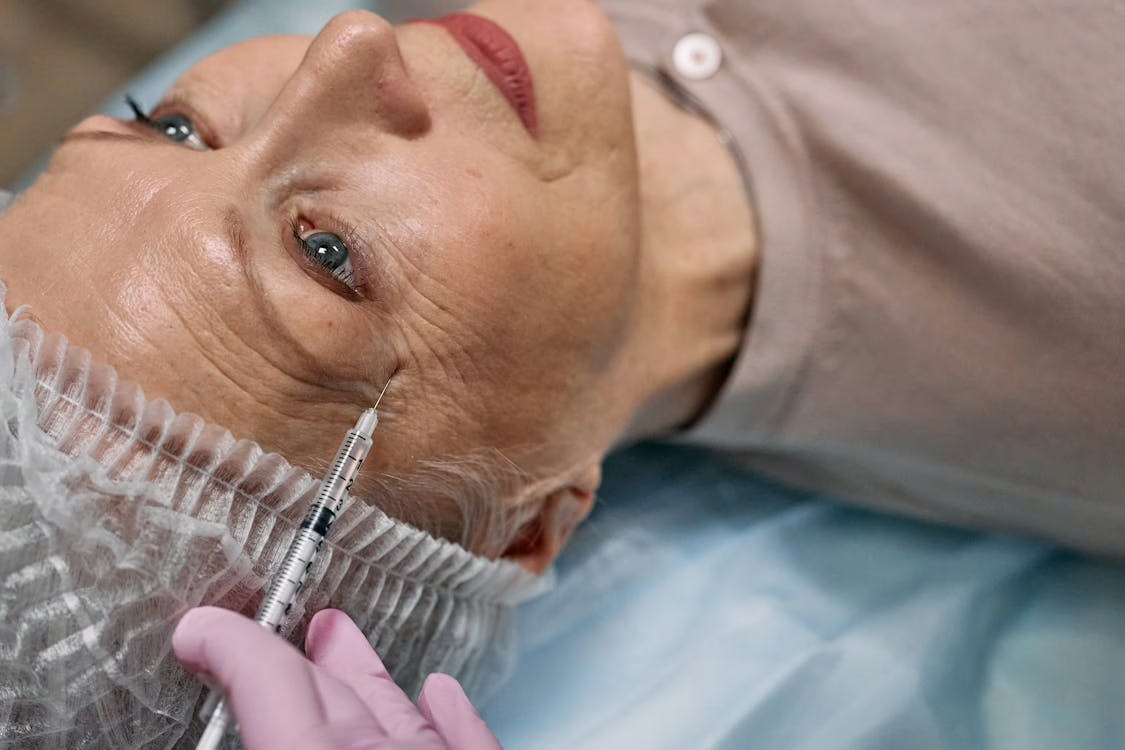
Dr. Azizzadeh's Perspective on Awake Procedures
As this approach has grown in popularity, board-certified facial plastic surgeons have taken a nuanced stance. Dr. Babak Azizzadeh was recently quoted in the dr azizzadeh featured in ny post on awake plastic surgery trend, weighing in on the growing trend with a key clinical point that doesn't always make it into popular coverage.
Dr. Azizzadeh cautions that excessive lidocaine can hinder real-time facial nerve monitoring, which is vital during complex surgeries to preserve movement and expression. While treatments like fat grafting and lip lifts often have excellent outcomes under local anesthesia, more intricate procedures require careful, individualized assessment.
Based in Beverly Hills, Dr. Babak Azizzadeh is a dual board-certified surgeon renowned for his work in deep plane facelifts and facial reanimation. His safety-first, patient-centered approach has been featured on CNN and in The New York Times.
If you'd like to understand which anesthesia approach is right for your specific goals, book a virtual consultation with Dr. Azizzadeh to discuss your options in detail.
 Which Procedures Can Be Done Awake?
Patient selection is crucial, as the awake approach suits smaller, targeted treatments. Effective procedures under local anesthesia include lip lifts, facial fat grafting, blepharoplasty, and specific nose refinements. The local anesthesia in rhinoplasty has been studied and is considered viable in carefully selected patients, particularly when the scope of the procedure is limited.
Extensive procedures, such as full facelifts or deep structural surgeries, still typically necessitate general anesthesia. These complex cases require total muscle relaxation and immobility, which are difficult to maintain while a patient is awake. For procedures like rhinoplasty, the appropriate anesthesia type depends heavily on the complexity of the planned work, not just patient preference.

https://facialplasticsbh.com/using-botox-for-neck-wrinkles/
Who Might Not Be a Good Candidate?
Awake surgery is not universal. Patients with high anxiety, needle phobias, or sensitivity to clinical sounds and sensations may find the experience distressing. The awareness of the procedure and surgical sounds can be difficult for some to manage, even with sedation.
Additionally, those on regular anxiety medication may require sedation levels inappropriate for an awake setting. A pre-operative consultation is essential to evaluate these factors before deciding on the approach.
What to Expect During an Awake Procedure
Understanding the awake experience helps set realistic expectations. Once local anesthesia numbs the area, you may feel pressure but minimal pain. Many practices use music and quiet conversation to maintain a calm environment.
The procedure often feels brief, and without general anesthesia, recovery is smoother. Most patients remain alert afterward and can return home with a companion without needing extended monitoring.
You can also explore the gallery nose to see real patient outcomes from procedures performed at the CENTER for Advanced Facial Plastic Surgery.
Choosing the Right Surgeon Is the Most Important Step
However you feel about the anesthesia question, it's secondary to the more important decision: who is performing your surgery. The surgeon's training, experience with facial anatomy, and ability to anticipate and prevent complications are what determine your outcome, regardless of whether you're awake or not.
Understanding the the top 5 things to consider when choosing a rhinoplasty surgeon is a useful starting point if you're evaluating surgeons. And if recovery is on your mind, reading about ensuring a smooth rhinoplasty recovery gives you a clear picture of what to expect after the procedure.
Ready to talk through your specific situation? Reach out to our team through the contact page and someone will follow up to help you schedule your consultation with Dr. Azizzadeh.
The Bottom Line
Awake plastic surgery is a practical option for those seeking cosmetic results without general anesthesia. Its success depends on proper patient selection and a surgeon who understands its limits. Ultimately, the best choice depends on your health history and surgical goals rather than just the anesthesia type.
Dr. Azizzadeh at the CENTER for Advanced Facial Plastic Surgery personalizes every plan, ensuring anesthesia is part of a comprehensive, safe clinical strategy.

Frequently Asked Questions About Awake Plastic Surgery
Is awake plastic surgery safe?
Yes, when patients are carefully selected and the surgeon is skilled in local anesthesia, awake procedures are very safe. Success depends on ensuring both the patient and the procedure are appropriate for this method.
Will I feel pain during an awake procedure?
You shouldn't feel pain, as the area is numbed with local anesthetic before starting. While you might feel pressure or movement, actual pain would indicate inadequate anesthesia, which your surgical team carefully monitors and manages.
Can rhinoplasty be performed while I'm awake?
Yes, for limited work. Local anesthesia can suffice for minor refinements, but comprehensive nasal restructuring usually requires general anesthesia to ensure surgical precision and patient comfort. Dr. Azizzadeh will determine the best approach based on your goals during a consultation.
How long does awake surgery take compared to general anesthesia procedures?
The procedure itself may take slightly longer with an awake patient, since the surgeon is also managing the patient's comfort and experience. However, total time in the facility is often shorter because you skip the extended recovery from general anesthesia.
How do I know if I'm a candidate for awake plastic surgery?
The best way to find out is through a direct consultation with a board-certified facial plastic surgeon. Factors like your health history, the complexity of the desired procedure, and your comfort with being conscious during surgery all play a role in that decision.
Does awake surgery cost less than surgery with general anesthesia?
Yes. Removing the anesthesiologist and specialized monitoring equipment often lowers total costs. While savings vary by procedure and facility, reduced expense is a commonly cited benefit of the awake approach.
Curious about real patient experiences? Explore verified reviews for Dr. Babak Azizzadeh on Google and RealSelf.
Blepharoplasty Cost Breakdown
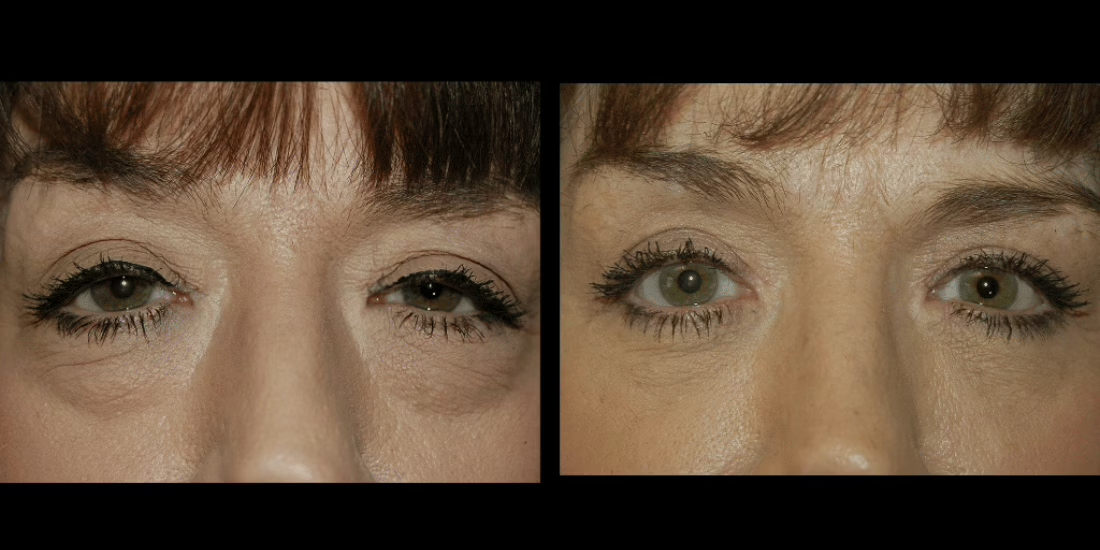
Blepharoplasty is a complex facial procedure with variable pricing. Unlike surgeries with fixed costs, the total investment depends on factors unique to each patient and practice. Because eyelid surgery requires a precise evaluation, online quotes are often inaccurate. A formal consultation is necessary to provide a reliable price estimate based on your specific needs.
Key Takeaways
- Blepharoplasty pricing varies widely based on surgeon specialty, facility type, and the complexity of the procedure.
- Anesthesia and operating room fees are not included in a surgeon's base fee and can significantly add to the total.
- A facial plastic surgeon who specializes exclusively in the face may charge more, reflecting a higher level of focused expertise.
- For men, choosing the right surgeon is especially important to avoid results that appear unnatural or feminized.
- A personalized consultation is the only reliable way to get an accurate cost estimate for your specific anatomy and goals.
Why There's No Standard Price for Blepharoplasty
The surgeon's fee is just one piece of the puzzle. When patients ask about eyelid surgery cost, they often don't realize how many additional components factor into the final number.
Total investment includes anesthesia, operating room fees, labs, medications, and follow-up care. Because some facilities bundle these while others bill separately, patients with similar procedures often receive different final totals.
Costs also vary by facility type, from hospital suites to in-office rooms. However, safety and clinical support should prioritize price when choosing a surgical location.
Related: Botox Before Blepharoplasty
Facial Plastic Surgeon vs. General Plastic Surgeon: What's the Difference?
Specialization greatly affects surgical results. While general plastic surgeons work on the entire body, facial plastic surgeons focus solely on the head and neck, offering a deeper understanding of facial proportions for more natural-looking outcomes.
Eyelid surgery demands extreme precision regarding symmetry and muscle function. Consequently, facial specialists often charge more, reflecting the specialized training and experience required to ensure reliable results in this delicate area.
You can browse a range of surgical procedures to understand the scope of what facial plastic surgery encompasses and where blepharoplasty fits within that landscape.
If you'd like to speak with a specialist about your eyelid concerns, schedule a consultation at The CENTER for Advanced Facial Plastic Surgery to get a thorough evaluation and a clear sense of what your procedure would involve.
 Why Getting It Right Matters
Precision is vital for eye surgery, as errors like asymmetry or a hollow look are highly visible. Success requires a surgeon with specialized expertise in this delicate area. For men, specific anatomical factors like brow bone structure must be addressed to prevent feminized results and achieve a natural, rested appearance.
Looking at real patient outcomes is one of the best ways to evaluate a surgeon's aesthetic sensibility. The gallery eyes section on the practice's website gives prospective patients a clear view of the kinds of results that are achievable and the level of attention to detail that goes into each case.
Related: Asian Eyelid Surgery Beverly Hills



What Affects the Overall Investment
Rather than quoting a number that may not apply to your situation, it's more useful to understand the variables that shape the total cost:
1. Upper vs. Lower vs. Both
Upper blepharoplasty removes skin, while lower targets bags. Treating both increases complexity and cost.
2. Anesthesia Type and Fees
Anesthesia type affects costs and is typically billed separately from the surgeon's fee as a significant expense.
3. Operating Room and Facility Fees
Fees for facilities like hospitals or private centers vary based on equipment and duration. Dual-lid procedures usually take longer.
4. Surgeon's Expertise and Geographic Location
Fees reflect expertise and location. According to facial plastic surgery statistics, national averages often omit total practice costs.
5. Pre- and Post-Operative Care
Care includes labs and follow-ups. Clarify if these are bundled or itemized during your consultation.
 The Role of a Consultation
An in-person evaluation is essential for an accurate estimate. A surgeon must assess your anatomy, skin quality, tissue, and facial balance to create a tailored plan. This consultation is the foundation for a result that meets your specific goals and concerns, ensuring the outcome fits you perfectly.
Understanding blepharoplasty recovery is also a meaningful part of the conversation. Recovery timelines, activity restrictions, and the expected progression of healing all factor into how patients plan for the procedure and what kind of support they'll need during the process.
Dr. Babak Azizzadeh is a Beverly Hills-based, dual board-certified facial plastic surgeon. His specialized expertise and exclusive focus on facial anatomy ensure nuanced, long-term results. He prioritizes individualized care, taking time to understand each patient's goals before recommending a procedure.
To start the conversation about what blepharoplasty can realistically address for you, reach out to The CENTER for Advanced Facial Plastic Surgery and request a personalized consultation with Dr. Azizzadeh.
Choosing the Right Surgeon for Your Eyes
Eyelid surgery leaves little room for error, making the choice of an experienced, fellowship-trained facial plastic surgeon vital. Prioritize a specialist with a history of natural-looking results over cost or convenience.
There are many options when it comes to eyelid surgery, from traditional incisional approaches to laser-assisted techniques.
Selecting the best approach requires a physical exam. Avoid choosing a specific method beforehand; instead, let your surgeon's assessment of your anatomy and goals determine the technique.
 Final Thoughts
Blepharoplasty costs vary based on surgeon expertise, facility fees, and procedure complexity. Because online quotes often only cover surgeon fees, they serve only as a general guide. A personal consultation is the only way to receive an accurate estimate tailored to your unique anatomy.
Frequently Asked Questions
Why are firm online prices unavailable?
Accurate quotes require in-person evaluations because costs vary based on anesthesia, facility fees, and surgical scope. Online figures often exclude these essential components.
How do upper and lower blepharoplasty differ?
Upper blepharoplasty treats hooded lids by removing excess tissue above the eye, while lower blepharoplasty targets bags and puffiness below. Combining both increases the procedure's scope and investment.
Is a facial plastic surgeon more expensive?
Yes. Their specialized fellowship training in facial anatomy often commands higher fees, which many patients prioritize for precise, high-visibility results.
Does the quote include anesthesia?
Generally no. Anesthesia is typically billed separately. Always request a full breakdown including facility and pre/post-operative costs.
What are the risks of poor execution?
Incorrect technique can cause asymmetry, hollow appearances, or unnatural results. For men, poor planning can lead to feminized features, making expert surgeon selection critical.
Am I a candidate?
Candidacy is determined during a consultation where the surgeon evaluates your skin laxity, anatomy, and goals to recommend a tailored approach.
See why patients across the U.S. choose Dr. Azizzadeh for natural, high-end results. Read reviews on Google and RealSelf.
How Do You Fix a Bad Facelift?
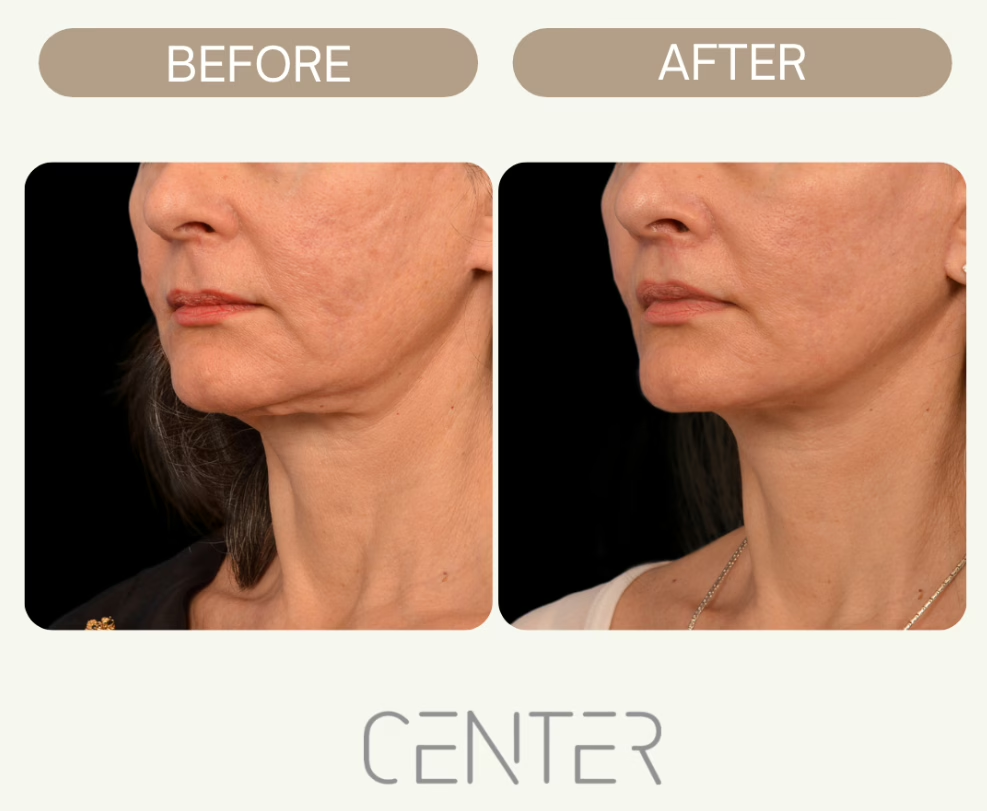
A facelift is designed to restore a more youthful and refreshed facial appearance. However, when results do not meet expectations, patients may feel concerned about visible irregularities or unnatural changes in their facial features. Issues such as overly tight skin, asymmetry, visible scarring, or changes in the hairline can make a facelift appear less natural than intended.
Fortunately, modern facial plastic surgery offers solutions. Revision procedures can correct many of these concerns and help restore balance and harmony to the face. This guide explains how unsatisfactory facelift results occur and what options are available to address them.
Key Takeaways
- A bad facelift may result in tight skin, unnatural facial contours, visible scars, or asymmetry.
- Revision facelift surgery can correct many cosmetic or structural issues caused by a previous procedure.
- Not every concern requires a full surgical revision; some problems can be improved with targeted treatments.
- Recovery from revision surgery may take longer due to previous surgical changes.
- Choosing a facial plastic surgeon with extensive experience in revision procedures is essential for achieving natural-looking results.
Understanding Facelift Revision Surgery
Revision facelift surgery is a specialized procedure performed to correct or improve the results of a previous facelift. While most facelift surgeries produce positive outcomes, complications or aesthetic concerns can occasionally occur. A revision procedure focuses on restoring natural facial proportions and addressing the issues that developed after the original surgery. Because the tissues have already been altered once, revision procedures often require advanced surgical planning and a detailed understanding of facial anatomy.
Rather than repeating the same approach as the first surgery, revision facelift techniques are customized to correct specific concerns while maintaining a natural and balanced appearance.
Why Facelift Results Sometimes Go Wrong
There are several reasons why a facelift may not produce the desired outcome. In some cases, the issue may be related to surgical technique. Removing or tightening too much skin, for example, can create an overly pulled appearance that looks unnatural.
Other factors may involve the healing process. Scar tissue formation, poor skin elasticity, or uneven healing can lead to visible asymmetry or irregular contours. In some situations, patients may also experience dissatisfaction simply because the results do not align with their expectations.
Understanding the underlying cause of the issue is the first step in determining the most appropriate corrective treatment.
Common Signs of an Unsatisfactory Facelift
A facelift that requires revision may present several noticeable issues.
Common signs include:
- An overly tight or “wind-swept” facial appearance
- Visible or poorly placed scars
- Distortion of the earlobes or hairline
- Facial asymmetry
- Excess skin that was not adequately addressed
When these issues occur, a carefully planned revision procedure can often restore a more natural and balanced look.
Who May Benefit from Revision Facelift Surgery?
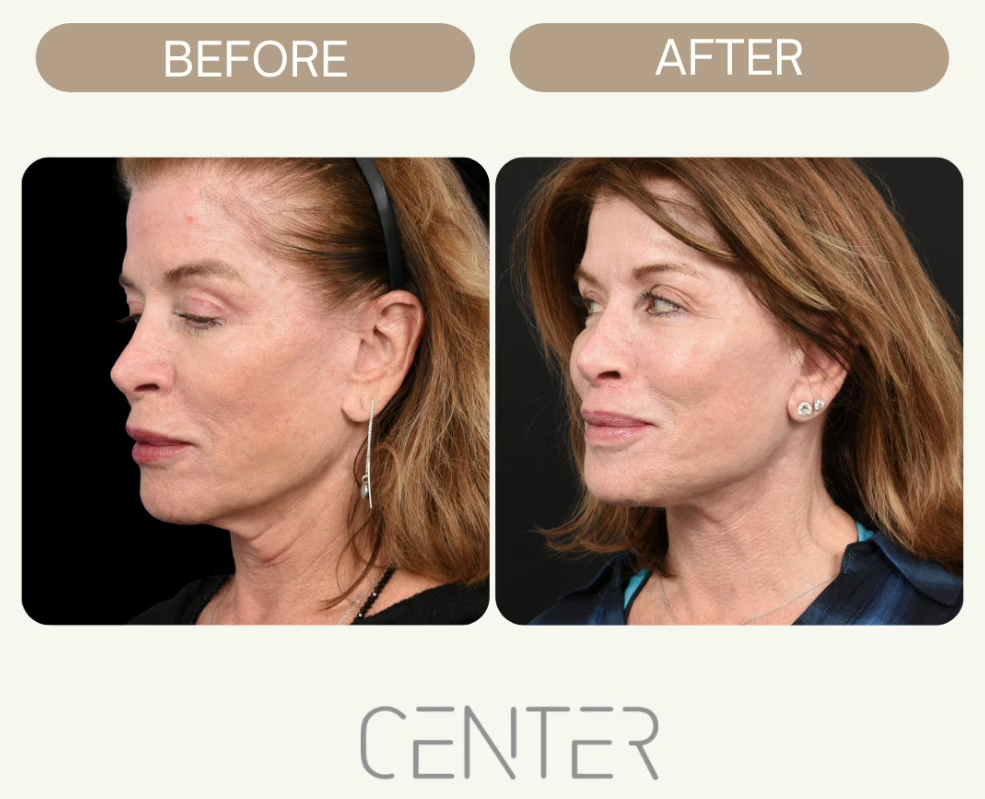
Not everyone who feels dissatisfied with their facelift results requires revision surgery. Determining the best approach depends on the type of concern, skin quality, and the amount of time that has passed since the original procedure.
Timing After the Original Facelift
In most cases, surgeons recommend waiting several months after the initial facelift before considering revision surgery. This waiting period allows swelling to fully resolve and tissues to settle into their final position. Sometimes what initially appears to be a problem may improve naturally as the healing process continues. A consultation with a qualified surgeon can help determine whether revision surgery is truly necessary.
Skin Quality and Facial Structure
Skin elasticity plays an important role in revision procedures. Patients with healthier, more elastic skin tend to achieve better results because the tissues can respond more effectively to surgical adjustments. Facial structure also influences the treatment plan. Some patients may need repositioning deeper facial tissues, while others may benefit from targeted corrections in specific areas such as the jawline, neck, or cheeks.
When Non-Surgical Treatments May Help
Not every issue requires another surgery. In some situations, minimally invasive treatments may improve the appearance of the face.
Examples may include:
- Injectable fillers to correct minor volume loss
- Laser treatments to improve scars
- Skin tightening procedures
These options may help address mild concerns without the need for a full surgical revision.
What Happens During Revision Facelift Surgery?
Revision facelift surgery is typically more complex than an initial facelift because the surgeon must work around existing scar tissue and previously altered structures. The procedure is usually performed under general anesthesia or deep sedation to ensure patient comfort.
During the surgery, the surgeon carefully reopens or adjusts previous incision sites when possible to minimize additional scarring. The underlying facial tissues may be repositioned, tightened, or reinforced to restore natural facial contours.
In some cases, excess skin may be removed or redistributed to eliminate the overly tight appearance caused by the first surgery. The surgeon may also correct structural issues involving the jawline, neck, or cheeks to improve overall facial harmony.
Because every revision case is different, the specific techniques used will vary based on the patient’s anatomy and the issues that need correction.
https://facialplasticsbh.com/best-deep-plane-facelift-surgeon-in-beverly-hills/
Revision Facelift Recovery: What to Expect
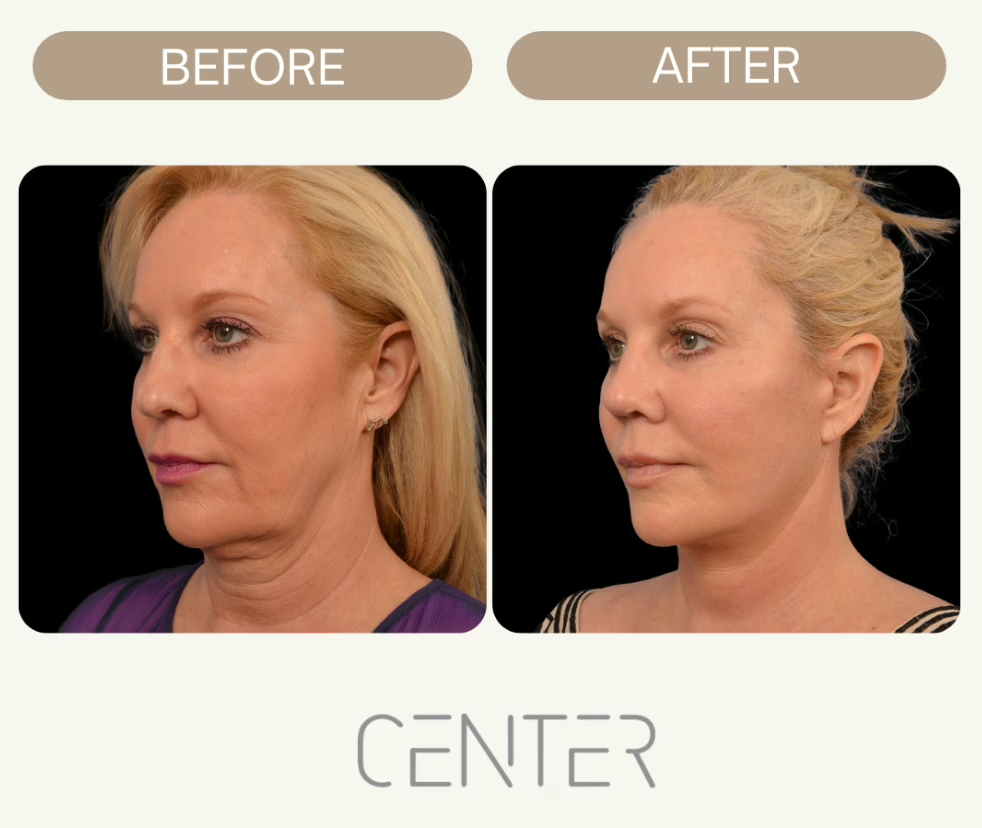
Recovery after revision facelift surgery is similar to recovery from a traditional facelift, although it may take slightly longer due to the complexity of the procedure.
Immediately After Surgery
Following surgery, patients can expect:
- Swelling and bruising around the face and neck
- Temporary tightness or numbness
- Mild discomfort during the first few days
Cold compresses and prescribed medications can help manage swelling and discomfort during this stage.
The First Week of Healing
Swelling generally peaks within the first few days and gradually improves over the following week.
During this time, patients are encouraged to:
- Keep the head elevated
- Avoid strenuous activities
- Follow all post-operative care instructions
- Attend scheduled follow-up appointments
Most patients feel comfortable returning to light activities within one to two weeks.
Gradual Improvement Over Time
As swelling subsides and tissues settle, the facial contours begin to appear more balanced and natural. Final results may take several months to fully develop, particularly in revision cases where deeper structural adjustments were necessary.
https://facialplasticsbh.com/why-more-patients-are-returning-for-second-and-third-facelifts/
Long-Term Results After Facelift Revision
When performed by an experienced facial plastic surgeon, revision facelift surgery can produce significant improvements in facial balance and appearance. The goal of the procedure is not simply to reverse previous changes, but to restore natural-looking facial contours that complement the patient’s overall features.
Factors That Influence Long-Term Outcomes
Several factors can affect the longevity of revision facelift results.
These include:
- Natural aging processes
- Skin elasticity
- Sun exposure and lifestyle habits
- Overall health and skincare routines
Maintaining a healthy lifestyle and proper skincare can help preserve results and support long-term facial rejuvenation.
Some patients may also choose to combine revision surgery with complementary treatments such as neck lifts or skin resurfacing procedures to further enhance their overall appearance.
Why Choose Dr. Babak Azizzadeh for Facelift Revision
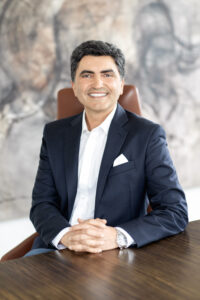
Choosing the right surgeon is especially important when correcting a previous cosmetic procedure. Many patients seek the expertise of Babak Azizzadeh because of his extensive experience in facial plastic and reconstructive surgery. Dr. Azizzadeh is a Harvard-trained, dual board-certified facial plastic surgeon who specializes exclusively in procedures involving the face, head, and neck. This specialized focus allows him to approach complex revision procedures with a detailed understanding of facial anatomy and surgical precision. At the CENTER for Advanced Facial Plastic Surgery, Dr. Azizzadeh develops personalized treatment plans tailored to each patient’s concerns and goals. His approach prioritizes natural-looking outcomes, restoring facial balance while avoiding the overly tight or artificial appearance that can occur after an unsatisfactory facelift.
Correcting a “bad facelift” often requires advanced revision expertise and a deep understanding of facial nerve anatomy. Dr. Azizzadeh is frequently consulted by patients seeking correction of complex facelift complications, including pixie ear deformities, nerve-related issues, visible scar concerns, and distorted facial vectors caused by overly aggressive lifting techniques. His experience with these challenging cases allows him to carefully restore natural facial proportions while protecting delicate nerve structures and maintaining facial function.
https://facialplasticsbh.com/dr-azizzadeh-named-2026-castle-connolly-top-doctor/
Final Thoughts on Fixing a Bad Facelift
Experiencing unsatisfactory results after a facelift can be discouraging, but it does not mean that improvement is impossible. Advances in revision facelift techniques allow skilled surgeons to correct many aesthetic concerns and restore natural facial harmony.
By understanding the causes of poor facelift outcomes and exploring available corrective options, patients can make informed decisions about their next steps. Consulting with an experienced facial plastic surgeon is the most effective way to evaluate the situation and develop a treatment plan tailored to individual needs. For many patients, revision surgery offers the opportunity to achieve the refreshed, balanced appearance they originally hoped to gain from their facelift.
Curious about real patient experiences? Explore verified reviews for Dr. Babak Azizzadeh on Google and RealSelf.
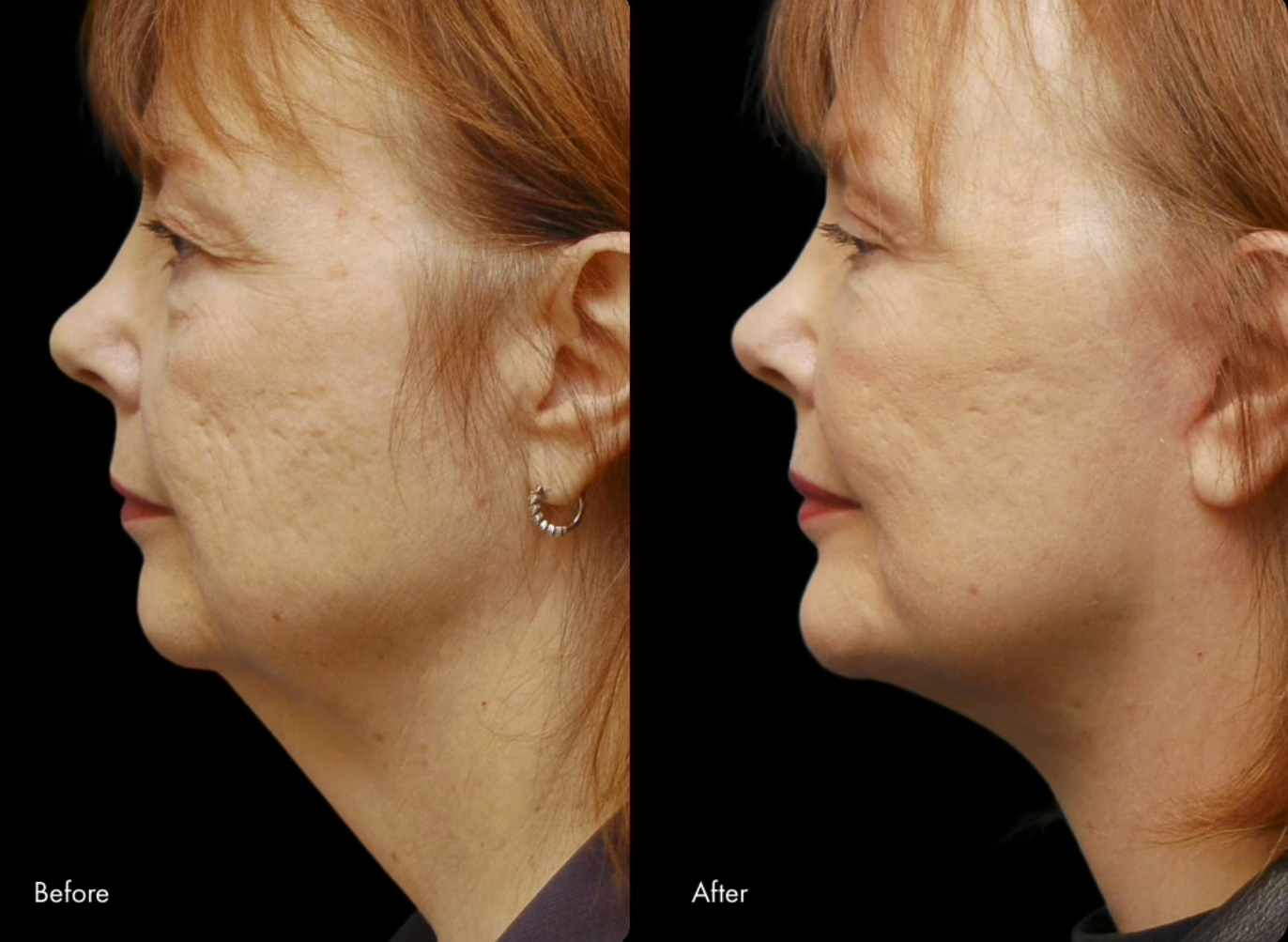
Best Chin Liposuction & What To Expect
Chin liposuction is a popular procedure aimed at eliminating stubborn fat under the chin to achieve a clearer jawline. This guide covers the essentials of chin liposuction, detailing what to expect during the process and recovery, helping potential candidates understand its implications and benefits.
Key Takeaways
- Chin liposuction defines the jawline by removing fat under the chin. A minor surgery yields fast results.
- Good candidates have extra fat but snappy skin. If your skin is very loose, try something else.
- With local anesthesia or sedation, the procedure is quick. A small cut under your chin.
- You may experience swelling and bruising afterward, but most people can resume light activities within two days.
- Some changes will appear in a few weeks, but all swelling should disappear in two to three months.
Understanding Chin Liposuction: A Refined Facial Contouring Procedure
Submental liposuction, another name for chin liposuction, is a cosmetic procedure used to eliminate extra fat around the jawline and under the chin. Even in people who maintain a healthy weight, stubborn fat in this area can make it difficult to see the jawline and neck's natural definition, giving the appearance of a double chin.
Chin liposuction focuses on precise facial contouring rather than weight loss. By removing targeted fat deposits, the procedure enhances the natural angles of the lower face and helps create a smoother, more sculpted profile. Modern techniques allow surgeons to achieve these results using minimally invasive methods, meaning smaller incisions, quicker recovery times, and natural-looking outcomes.
Precision in Submental Fat Removal
During the procedure, a surgeon uses a small instrument called a cannula to gently loosen and remove excess fat cells from the submental area. This process requires careful control and artistic judgment to ensure the final contour appears balanced and proportional. Rather than removing large volumes of fat, the goal is subtle refinement. The procedure helps highlight the natural structure of the jawline and neck while maintaining facial harmony.
Enhancing Facial Profile and Definition
Excess fullness beneath the chin can soften the appearance of the jawline and create a less defined profile. Chin liposuction improves this by sculpting the transition between the chin and neck. When performed by an experienced facial plastic surgeon, the results appear natural and balanced, often making patients look slimmer, more youthful, and more refreshed without obvious signs of surgery.
Minimally Invasive Techniques
One of the advantages of chin liposuction is its minimally invasive nature. The procedure typically involves a small incision hidden beneath the chin, allowing access to the targeted fat without visible scarring.
Key benefits include:
- Small, discreet incisions
- Outpatient treatment
- Short procedure time
- Minimal scarring
- Faster recovery compared to more extensive surgeries
These advancements make chin liposuction a popular option for patients seeking noticeable improvement with limited downtime.
https://facialplasticsbh.com/dr-azizzadeh-shares-what-you-need-to-know-before-getting-a-chin-augmentation/
Who Should Get Chin Liposuction?

Not everyone experiencing fullness under the chin requires surgery. Determining whether chin liposuction is appropriate involves evaluating skin quality, facial anatomy, and overall health.
Skin Elasticity and Natural Retraction
One of the most important factors influencing results is skin elasticity. After fat is removed, the skin must naturally contract to fit the new contour of the jawline. Patients with good skin elasticity often achieve the most refined outcomes because their skin can adapt smoothly to the newly sculpted shape. When skin laxity is significant, additional procedures such as a neck lift may be recommended to achieve optimal results.
Age, Health, and Facial Anatomy
Age alone does not determine candidacy. While younger patients may naturally have stronger skin elasticity, individuals across many age groups can benefit from chin liposuction if they have:
- Good overall health
- Realistic expectations
- Isolated fat beneath the chin
- Adequate skin tone
Facial anatomy also plays an important role. Some patients have fullness due to fat deposits, while others may have structural features that influence the appearance of the neck and jawline. A consultation helps determine the most effective treatment approach.
When Chin Liposuction May Not Be the Best Option
In some cases, chin liposuction alone may not provide the desired improvement. For example:
- Significant loose or sagging skin
- Prominent neck banding caused by muscle laxity
- Limited skin elasticity
In these situations, procedures such as a neck lift or combination treatments may provide more comprehensive facial rejuvenation.
https://facialplasticsbh.com/which-chin-augmentation-procedure-is-right-for-you/
What Happens During the Chin Liposuction Procedure?
Chin liposuction is an outpatient procedure lasting under one hour, performed with either local anesthesia with sedation or general anesthesia for patient comfort. The surgeon makes a small incision beneath the chin to insert a thin microcannula, which breaks up and removes excess fat, allowing for precise sculpting. After fat removal, the area is evaluated for symmetry, and patients receive a compression garment to support healing and reduce swelling.
https://facialplasticsbh.com/the-difference-between-buccal-fat-pad-removal-and-cheek-liposuction-which-one-is-right-for-me/
Chin Liposuction Recovery: What to Expect
Recovery from chin liposuction is generally manageable and relatively quick compared to other cosmetic procedures.
Immediately After Surgery
Following the procedure, patients can expect:
- Mild swelling and bruising
- Tightness or tenderness in the chin and neck area
- Temporary numbness
A compression garment is usually worn during the initial recovery period to help minimize swelling and support the skin as it adjusts to its new shape.
 The First Week of Healing
Swelling typically peaks within the first few days and gradually improves over the following week.
During this time, patients are encouraged to:
- Keep the head elevated
- Avoid strenuous activities
- Wear the compression garment as directed
- Follow all post-operative instructions provided by their surgeon
Most patients feel comfortable returning to light daily activities within two to three days.
Gradual Improvement Over Time
While early improvements may be visible within the first few weeks, the final results take time to fully develop. As swelling continues to subside and the skin tightens, the jawline becomes progressively more defined.
Long-Term Results and Maintaining Your Contours

One of the key benefits of chin liposuction is that fat cells removed during surgery do not return. This means results can be long-lasting when patients maintain a stable weight. However, natural aging and lifestyle factors still influence facial appearance over time.
Factors That Influence Longevity
Factors influencing longevity include weight changes, aging, and lifestyle habits, with significant weight gain affecting contour and aging impacting skin elasticity due to sun exposure, smoking, and diet. A healthy lifestyle is vital for maintaining a refined jawline. Patients often combine chin liposuction with complementary procedures such as neck lifts, mini facelifts, and buccal fat removal to enhance facial balance and definition.
Why Choose Dr. Babak Azizzadeh for Chin Liposuction
Choosing the right surgeon is one of the most important decisions when considering chin liposuction, and many patients trust Babak Azizzadeh for his extensive expertise in facial plastic and reconstructive surgery. Dr. Azizzadeh is a Harvard-trained, dual board-certified facial plastic surgeon who specializes exclusively in procedures involving the face, head, and neck, allowing him to approach chin liposuction with a deep understanding of facial anatomy and balance. His philosophy focuses on subtle, natural-looking enhancement rather than dramatic changes, helping patients achieve a more refined jawline while maintaining their unique facial character. At the CENTER for Advanced Facial Plastic Surgery, Dr. Azizzadeh develops personalized treatment plans that consider each patient’s facial structure, aesthetic goals, and long-term results. Through advanced surgical techniques and a patient-centered approach, he delivers carefully sculpted outcomes that enhance facial definition while preserving harmony across the entire face.
Final Thoughts on Chin Liposuction
Chin liposuction offers a targeted solution for individuals seeking to eliminate stubborn fat beneath the chin and restore a more defined jawline. With modern minimally invasive techniques and relatively short recovery times, the procedure has become one of the most effective options for improving lower facial contours. While results vary for each individual, many patients experience a noticeable improvement in their profile and overall facial balance. If you are considering chin liposuction, consulting with an experienced facial plastic surgeon can help determine the best approach for achieving natural, long-lasting results.
Discover our honest reviews from patients who’ve worked with Dr. Azizzadeh—available on Google and RealSelf.
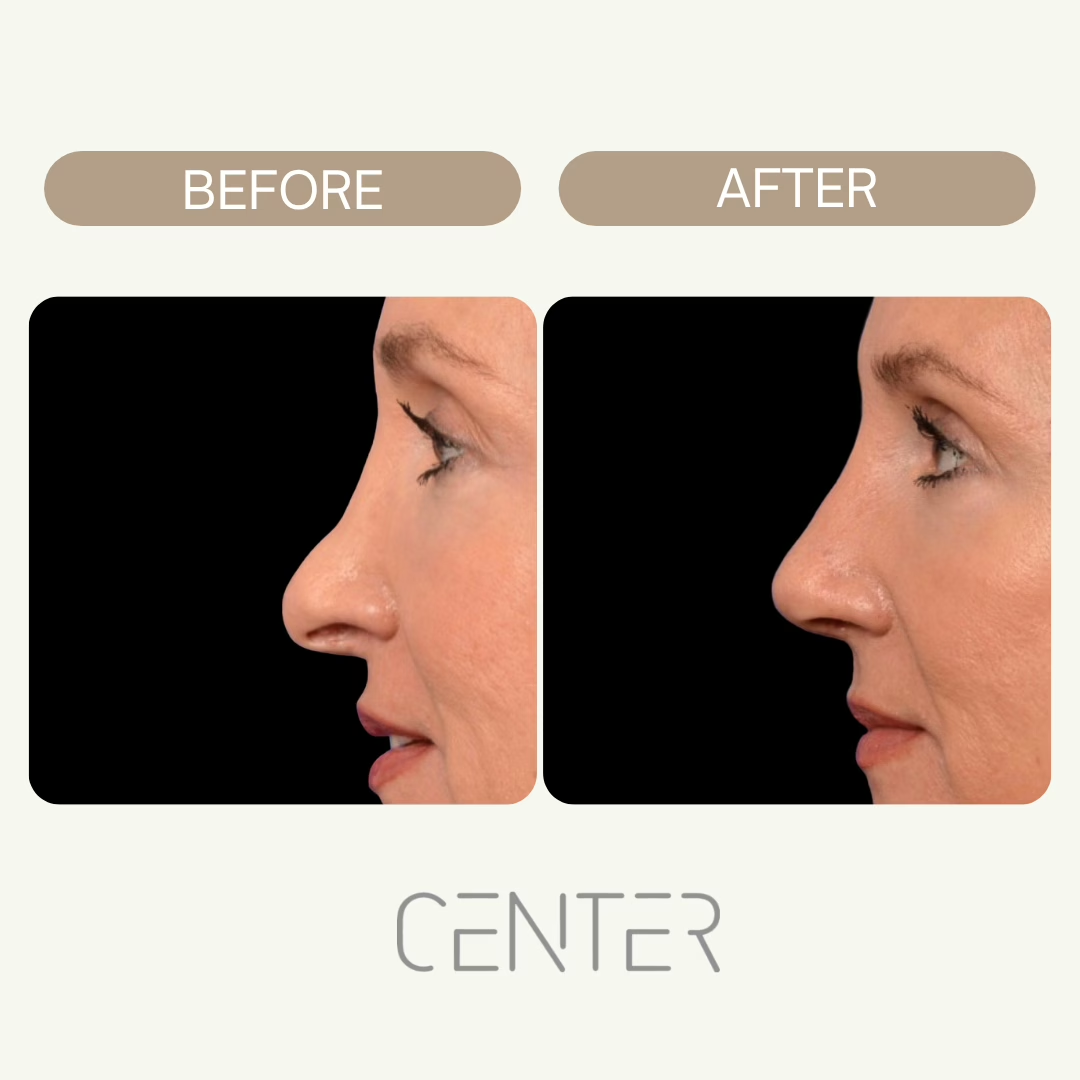
Fleshy Nose Rhinoplasty - What To Know
When considering fleshy nose rhinoplasty, one must be aware of the particular difficulties posed by thicker nasal skin. Many people with fleshy noses want surgery to give them a more defined shape. Choosing a skilled surgeon who is well-versed in the anatomy of fleshy noses is essential to success. The article talks about the traits of fleshy noses, describes what to anticipate during surgery, and stresses how crucial it is to control expectations in order to get balanced and natural-looking results.
Key Takeaways
- Fleshy nose rhinoplasty has thicker skin and softer cartilage, making subtle changes harder to see.
- The best results come from building structural support inside the nose, not removing tissue or shrinking it.
- With fleshy noses, post-surgery swelling can last a year or more, especially at the tip.
- Look for a surgeon with thick-skinned nose experience; ask for before-and-after photos and ask about their approach.
- Don't expect drastic changes your nose will refine over time, and you can keep your unique features.
Understanding the Fleshy Nose Anatomy
Understanding the fleshy nose anatomy involves recognizing distinct characteristics like thicker skin and a rounded tip, leading to a less angular appearance. Unlike a bulbous nose, which has a rounded tip, a fleshy nose features a broader definition involving the entire nose's structure. This nose type is prevalent among various ethnicities, including individuals of Middle Eastern, Mediterranean, South Asian, African, and Latin American descent, highlighting the diversity of human features and fostering a cultural appreciation for natural variations.
Navigating the Nuances of Fleshy Nose Rhinoplasty
A fleshy nose presents unique challenges due to thicker skin and softer tissues, which can obscure the cartilage structure. This necessitates a specific surgical approach focused on creating a strong internal framework to guide the skin's final shape, emphasizing refinement over reduction. Additionally, structural support is critical, as less defined cartilage can lead to drooping. Surgeons commonly use cartilage grafts from the septum to ensure stability, enhancing tip projection and preventing collapse, similar to how a strong frame supports a house.
Why Open Rhinoplasty is Often Preferred
For fleshy noses, the open rhinoplasty technique is frequently the preferred method. This approach involves a small incision made discreetly across the columella (the strip of skin between your nostrils). While it might sound more invasive, it gives your surgeon direct, unobstructed access to the entire nasal anatomy. This allows for:
- Clear visualization: Seeing the cartilage and bone structure without anything hidden.
- Precise graft placement: Accurately positioning cartilage grafts for optimal support.
- Detailed tip sculpting: Making intricate adjustments to the nasal tip.
This level of control is often necessary to achieve the best possible outcome for a fleshy nose, ensuring both aesthetic improvement and long-term stability. While closed rhinoplasty has its place, it generally offers less visibility for these more complex cases. You can explore different approaches to rhinoplasty on this medical platform.
It's not about making your nose look like someone else's; it's about making your nose look like the best version of your nose, balanced with your other features.
https://facialplasticsbh.com/best-rhinoplasty-surgeon-in-beverly-hills/
Advanced Techniques for Fleshy Nose Refinement
When you have a fleshy nose, the goal of rhinoplasty isn't just about taking things away. It's more about building a strong foundation and shaping what's already there. Because thick skin doesn't always show subtle changes easily, surgeons use specific methods to get the best results. Think of it like sculpting – you need the right tools and techniques to bring out the form hidden within the material.
Structural Grafting for Enhanced Definition
Shape and support are crucial for a fleshy nose. Here comes structural grafting. Surgeons use cartilage from the septum to define areas. This is especially helpful for a rounded or lackluster nasal tip. The surgeon refines the framework by adding these carefully shaped cartilage pieces. The tip won't droop and thicker skin will settle into a better contour with this internal support.
Precision Tip Refinement Strategies
Shaping a fleshy nose's nasal tip requires finesse. Surgeons use advanced suture techniques instead of tissue removal, which weakens structures. These sutures can carefully reposition and secure tip cartilage. Sometimes small cartilage grafts are used for subtle definition or projection. The goal is to sculpt the tip without making it sharp or unnatural. Finding the right balance between refinement and naturalness is key.
Conservative Soft Tissue Management
Soft tissue management is important, but cartilage framework is often the focus. Although cautious, surgeons may thin excess fibrofatty tissue. Reducing bulk without affecting skin health or healing is the goal. Taping protocols may be used post-op to help the skin adapt to the new structure as swelling decreases. Maintaining your nose's natural appearance and soft tissue management is a delicate balance.
https://facialplasticsbh.com/dr-babak-azizzadeh-weighs-in-on-teen-rhinoplasty-and-emotional-well-being/
The Recovery Journey After Fleshy Nose Rhinoplasty

The recovery timeline after rhinoplasty for those with fleshy noses is typically longer than for others. Initial swelling diminishes within weeks, but the tip remains puffy for 12 to 18 months. Key milestones include splint removal at 5–7 days, most social swelling subsiding in 2–4 weeks, return to work/school within 7–10 days, noticeable tip swelling lasting up to 18 months, and achieving a final refined result in 12–24 months. Patience is essential, as improvements are gradual and the best outcomes develop over time.
Key Aftercare Protocols for Optimal Healing
Proper care after your surgery absolutely matters, and it can really affect your final results. Swelling lingers, so you want to do everything you can to support healing:
- Keep your head elevated as much as possible, including when sleeping, for at least a week
- Avoid heavy lifting and workouts for 4–6 weeks (no matter how restless you feel)
- Use sun protection—UV exposure can make swelling hang around longer or even cause long-term redness
- Don’t put glasses right on your nose for about 6–8 weeks (your surgeon might suggest special tape)
- Attend every single follow-up, since your doctor may offer things like tip steroid injections to help reduce persistent swelling
A good aftercare routine means you’re giving your nose the best chance for a clear, defined result.
When to Seek Urgent Postoperative Care
Sometimes, things pop up during recovery that you shouldn’t ignore. Even though discomfort and swelling are pretty normal, there are some symptoms that signal you need to check in with your surgeon—seriously, don’t brush these off:
- Persistent, heavy bleeding that won’t slow down
- Sudden, severe increase in pain on one side of the nose
- Spreading warmth, redness, or obvious infection at the surgical site
- Difficult or rapidly worsening breathing
- Fever above 101°F that doesn’t go away
If you run into these problems, don’t wait it out—call your surgeon immediately. Catching rare complications early usually means a much smoother recovery in the end.
https://facialplasticsbh.com/ensuring-a-smooth-rhinoplasty-recovery/
Choosing Your Rhinoplasty Specialist with Dr. Babak Azizzadeh
Selecting the right surgeon for fleshy nose rhinoplasty is one of the most important steps in achieving natural, balanced results. Successful outcomes depend on working with a specialist who understands the unique challenges of thick-skinned noses and uses advanced techniques designed to enhance structure rather than simply reduce size.
Experience with Thick-Skinned Noses
Patients with fleshy or bulbous nasal tips benefit from a surgeon who regularly performs rhinoplasty on thicker skin types. During your consultation, consider asking about:
- Experience treating thick-skinned or bulbous noses
- Techniques used to improve nasal tip definition beneath heavier skin
- Structural methods that reinforce support for long-term results
Reviewing before-and-after photos of similar cases can help set realistic expectations and demonstrate surgical expertise.
Balancing Appearance and Function
A skilled rhinoplasty specialist focuses on both aesthetics and breathing function. Consultations should include clear discussions about nasal airflow, internal support techniques, and achievable changes based on your anatomy. Modern rhinoplasty emphasizes subtle refinement and facial harmony rather than dramatic alteration.
Evaluating Before-and-After Results
When reviewing surgical results, look for natural improvements rather than extreme transformations. Strong outcomes typically show gradual refinement, improved tip definition, and balanced symmetry while maintaining facial character. It is also helpful to ask how long after surgery photos were taken, since swelling in thick skin can take several months to fully resolve.
Choosing a rhinoplasty specialist ultimately comes down to trust, communication, and proven expertise. Dr. Babak Azizzadeh works closely with each patient to create individualized treatment plans focused on realistic expectations, facial balance, and long-lasting results.
Aesthetic Considerations and Realistic Outcomes
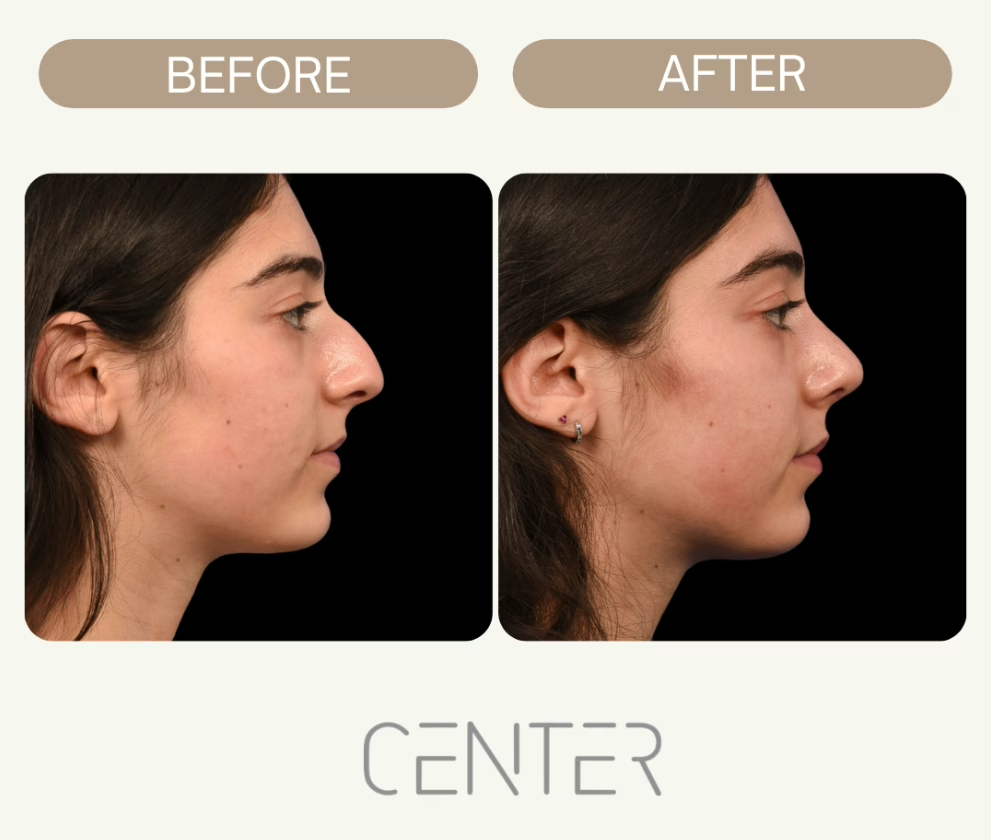
Rhinoplasty aesthetics emphasize ethnic preservation by enhancing natural features rather than changing identity. Setting realistic expectations is important because fleshy nose results are subtle and take time to show. Refinement and proportion are key to making the nose match the face and meet beauty goals.
Embracing Ethnic Preservation
When you're considering rhinoplasty for a fleshy nose, it's really important to think about keeping your natural ethnic features. The goal isn't to change who you are, but to make your nose fit better with the rest of your face. A good surgeon will respect your background and work to highlight your unique look, not erase it. It’s about balance and harmony, making sure your nose looks like it belongs to you, just a more refined version.
Setting Expectations for Subtle Refinement
It's easy to see amazing before-and-after photos online and get carried away. But with a fleshy nose, the results are usually more subtle than dramatic. Think of it like this: thin skin might show every little contour change right away. Thick skin, though, needs time to settle. You might not see the full picture for a year or even longer. The key is patience and understanding that refinement, not drastic alteration, is the aim. It’s about improving definition and proportion, not creating a completely different nose.
The Long-Term Evolution of Results
When thinking about cosmetic procedures, it's important to consider both how things will look and what's truly achievable. We aim for results that enhance your natural beauty and align with your personal goals. Understanding the possibilities helps set realistic expectations for a satisfying outcome. Visit our website to see examples of our work and learn more about what we can do for you.
Wrapping Up Your Fleshy Nose Rhinoplasty Journey
Achieving balance rather than altering identity on a rhinoplasty is the goal. The procedure requires careful consideration in selecting a knowledgeable surgeon who understands the intricacies of thick skin and cartilage. Patience is essential during recovery, as final results, particularly at the tip, may take time to manifest. With the right approach and realistic expectations, individuals can attain a nose that is aesthetically pleasing and personally satisfying.
See why patients across the U.S. choose Dr. Azizzadeh for natural, high-end results. Read reviews on Google and RealSelf.
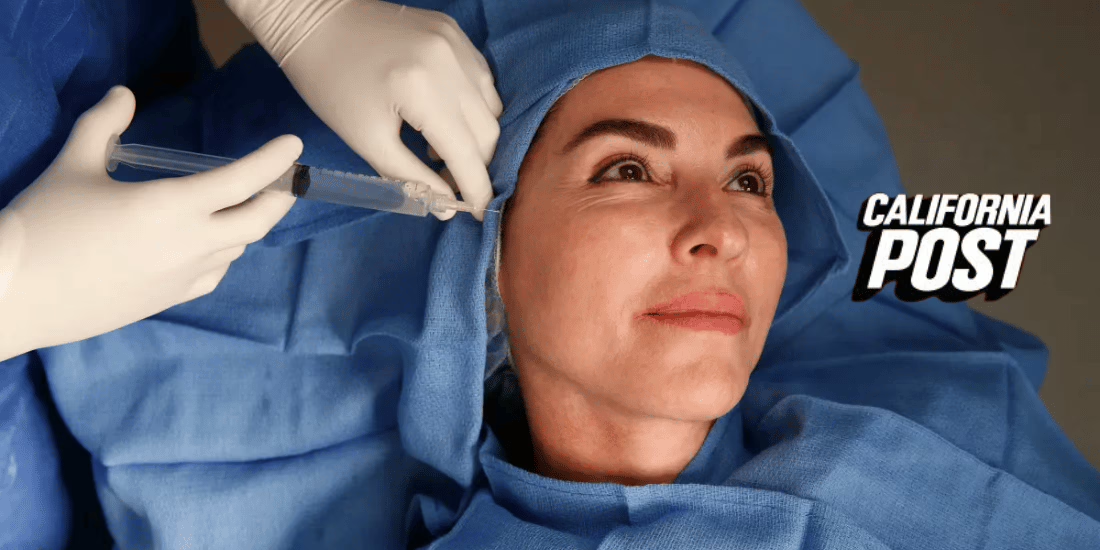
Dr. Azizzadeh Featured in NY Post on “Awake” Plastic Surgery Trend
New York Post highlighted a growing trend in cosmetic procedures where patients remain awake under local anesthesia—featuring expert insight from Dr. Babak Azizzadeh.
The article explores how more patients are opting for “awake” surgeries, using local anesthesia and oral sedation instead of general anesthesia. This approach appeals to those looking to avoid the risks, recovery time, and costs associated with being fully sedated, while allowing them to leave shortly after the procedure.
While some surgeons promote this method as safer and more convenient, others raise concerns about patient comfort, surgical precision, and potential risks—particularly during longer or more complex procedures like facelifts.
Dr. Azizzadeh emphasized an important clinical consideration: excessive use of local anesthetic (lidocaine) can interfere with facial nerve monitoring, which is critical for achieving optimal results during facial surgery. He noted that while certain procedures—such as fat grafting and lip lifts—can be effectively performed under local anesthesia, more complex surgeries require careful evaluation.
The takeaway: while “awake” procedures are gaining popularity, patient selection, surgical complexity, and safety protocols remain key factors in determining the best approach.
👉 Read the full article on NY Post:
Astonishing image shows half-done facelift - as patients embrace new awake surgery trend

What To Know About Sylfirm-X Machine
Sylfirm X machine is a popular skin treatment right now, and for good reason. This guide will walk you through what you need to know about Sylfirm X, from how it works to who it's best for. We'll cover the technology, what skin issues it can help with, what to expect during and after treatment, and how it stacks up against other options. Let's get you informed so you can decide if it's the right move for your skin goals.
Key Takeaways
- Sylfirm X is a radiofrequency microneedling device that uses dual-wave technology to treat various skin concerns, including tone, texture, pigmentation, redness, and signs of aging.
- The treatment works by creating controlled micro-injuries with microneedles and delivering radiofrequency energy beneath the skin's surface to stimulate collagen production.
- It's suitable for most skin types and can address issues like wrinkles, acne scars, melasma, rosacea, and skin laxity, with minimal downtime.
- The Sylfirm X experience involves a consultation, the treatment session itself (which is generally quick and comfortable), and post-treatment care, with results developing over weeks and months.
- While effective, it's important to have realistic expectations and consult with a qualified practitioner to determine if Sylfirm X is the best option for your specific skin needs and goals.
Understanding Sylfirm X Technology
Sylfirm X technology represents a significant advancement in skin treatment by combining the benefits of microneedling and radiofrequency (RF) energy. This innovative approach utilizes tiny needles to create micro-injuries in the skin, prompting a natural healing response that boosts collagen and elastin production. What sets Sylfirm X apart is its unique dual-wave technology, which allows for both continuous and pulsed RF energy delivery. This versatility enables precise targeting of various skin concerns, such as redness and pigmentation, while also promoting overall skin tightening and texture improvement. Compared to traditional methods, Sylfirm X offers a deeper, more comprehensive treatment with reduced recovery time, making it a powerful option for addressing multiple skin issues effectively.
Addressing Diverse Skin Concerns

If you're finding ways to enhance your skin's appearance, Sylfirm X may be the solution you've been looking for. This versatile treatment addresses a variety of skin concerns, including brightening your complexion, evening out blotches, and reducing the appearance of fine lines. With its ability to rejuvenate tone and texture, target pigmentation and redness, and combat signs of aging and scarring, Sylfirm X offers a comprehensive approach to achieving healthier, more radiant skin.
Rejuvenating Tone and Texture
If your skin feels a bit rough or looks dull, Sylfirm X can really help. It works by creating tiny controlled injuries in the skin, which then signals your body to start making more collagen and elastin. These are the proteins that keep your skin looking smooth and plump. Over time, this can lead to a noticeable improvement in your skin's overall texture, making it feel softer and look more radiant. It's like giving your skin a fresh start.
Targeting Pigmentation and Redness
Dealing with uneven skin tone, dark spots, or redness can be frustrating. Sylfirm X has a special dual-wave technology that can target these issues. One of the waves is particularly good at addressing vascular concerns, like redness and rosacea, by targeting overactive blood vessels. The other wave helps with pigmentation, like sun spots or melasma. This dual approach makes it quite effective for achieving a more uniform complexion.
Combating Signs of Aging and Scarring
As we get older, fine lines and wrinkles start to appear, and sometimes scars from acne or injuries can leave their mark. Sylfirm X's ability to stimulate collagen production is key here. By boosting collagen, it helps to plump up the skin from within, which can soften the appearance of fine lines and wrinkles. For scars, it works to remodel the damaged tissue, making the scar less noticeable. It's not just about surface-level fixes; it's about improving the skin's structure.
Here's a quick look at what Sylfirm X can help with:
- Fine lines and wrinkles
- Uneven skin tone and texture
- Sun spots and age spots
- Redness and rosacea
- Acne scars
- Skin laxity (looseness)
It's important to remember that results can vary from person to person. A good consultation with your practitioner is the best way to understand what Sylfirm X can do for your specific skin concerns and to set realistic expectations for your treatment journey.
https://facialplasticsbh.com/forbes-middle-east-on-the-gulfs-anti-aging-beauty-boom/
The Sylfirm X Treatment Experience
The Sylfirm X treatment experience is designed to be a comfortable and effective journey toward achieving your skin goals. It begins with a comprehensive consultation with a qualified practitioner, where your specific concerns and medical history are discussed to ensure the treatment is suitable for you. Following this, the preparation process involves cleansing the treatment area and possibly applying a special gel to enhance the device's effectiveness. The core of the treatment involves the following:
- Application of controlled energy using the Sylfirm X device, which utilizes dual-wave technology to stimulate your skin's natural repair processes with minimal discomfort.
- Post-treatment, patients can expect minimal downtime, with some temporary redness that typically subsides quickly.
- Results develop gradually, with subtle changes appearing in a few weeks and more significant improvements over the following months.
- A series of treatments is often recommended for optimal outcomes, tailored to individual needs and goals.
https://facialplasticsbh.com/laser-skin-resurfacing-what-you-need-to-know/
Ideal Candidates for Sylfirm X
If you're looking to improve your skin's appearance without a lot of fuss or downtime, you're probably a good fit. It's designed for people who want to tackle things like fine lines, uneven skin tone, or those stubborn little scars that just won't fade.
Who Benefits Most from Treatment
Sylfirm X really shines when you're dealing with a few common skin issues. Think about:
- Pigmentation problems: This includes things like sun spots, age spots, and even melasma, which can be tricky to treat with other methods. The dual-wave technology can get to the root of these discolorations.
- Signs of aging: If you're noticing fine lines, wrinkles, or a general loss of firmness, Sylfirm X can help stimulate your skin's natural collagen production to bring back some of that youthful bounce.
- Texture irregularities: Whether it's acne scars, surgical scars, or just generally rough skin texture, the microneedling aspect combined with radiofrequency can smooth things out considerably.
- Redness: For some people, persistent redness or conditions like rosacea can be improved with this treatment.
Basically, if you're looking for a way to refresh your complexion and address multiple concerns at once, Sylfirm X is worth considering.
Suitability Across All Skin Types
Sylfirm X is versatile and safe for all skin types, including darker tones, which may be at risk for hyperpigmentation with other treatments. Its precise technology minimizes the likelihood of adverse reactions, addressing concerns related to skin tone.
Realistic Expectations for Optimal Outcomes
Realistic expectations should be maintained when undergoing treatment with Sylfirm X. It is not an instant solution but a powerful tool that requires multiple sessions to achieve optimal results, which improve gradually as collagen production increases. Users can expect noticeable enhancements in skin tone, texture, and firmness over time with consistent treatment. Consultation with a qualified practitioner is recommended to tailor expectations and determine the appropriate number of sessions based on individual skin concerns.
Considering the Long-Term Value of Investing in Skin Health
Investing in your skin is not simply about aesthetics—it’s about maintaining the health, strength, and longevity of your skin over time. Treatments like Sylfirm X represent a strategic approach to addressing concerns such as pigmentation, redness, fine lines, and skin laxity at a deeper level. Rather than relying on temporary surface solutions, advanced RF microneedling technologies work beneath the skin to stimulate collagen production and improve overall skin quality, making them a meaningful long-term investment.
A comprehensive consultation plays an essential role in determining value. It allows you to clarify your skin goals, understand the recommended number of sessions, and ensure the treatment is performed by a qualified specialist. Under the care of an experienced facial plastic surgeon such as Dr. Babak Azizadeh, patients benefit from a tailored approach that prioritizes both safety and natural-looking outcomes.
https://facialplasticsbh.com/dr-azizzadeh-featured-in-hollywood-reporter-deep-plane-facelift/
Wrapping Up Your Sylfirm X Journey
Choosing Sylfirm X is ultimately about taking a proactive step toward stronger, healthier, and more resilient skin. By combining radiofrequency energy with microneedling, this advanced treatment targets concerns such as fine lines, redness, pigmentation, and scarring at their source—stimulating collagen and improving overall skin quality rather than offering a temporary fix. With minimal downtime and progressive, natural-looking improvements, it fits seamlessly into a long-term skin health strategy.
When guided by a qualified expert, the experience becomes even more valuable. A personalized consultation ensures the treatment plan aligns with your specific goals and skin condition, helping you achieve results that look balanced and refined. In the end, investing in treatments like Sylfirm X is not just about enhancing appearance—it’s about supporting your skin’s structure and vitality for years to come. For many, that lasting improvement makes the journey both worthwhile and empowering.
See why patients across the U.S. choose Dr. Azizzadeh for natural, high-end results. Read reviews on Google and RealSelf.