


When considering fleshy nose rhinoplasty, one must be aware of the particular difficulties posed by thicker nasal skin. Many people with fleshy noses want surgery to give them a more defined shape. Choosing a skilled surgeon who is well-versed in the anatomy of fleshy noses is essential to success. The article talks about the traits of fleshy noses, describes what to anticipate during surgery, and stresses how crucial it is to control expectations in order to get balanced and natural-looking results.
Key Takeaways
- Fleshy nose rhinoplasty has thicker skin and softer cartilage, making subtle changes harder to see.
- The best results come from building structural support inside the nose, not removing tissue or shrinking it.
- With fleshy noses, post-surgery swelling can last a year or more, especially at the tip.
- Look for a surgeon with thick-skinned nose experience; ask for before-and-after photos and ask about their approach.
- Don’t expect drastic changes your nose will refine over time, and you can keep your unique features.
Understanding the Fleshy Nose Anatomy
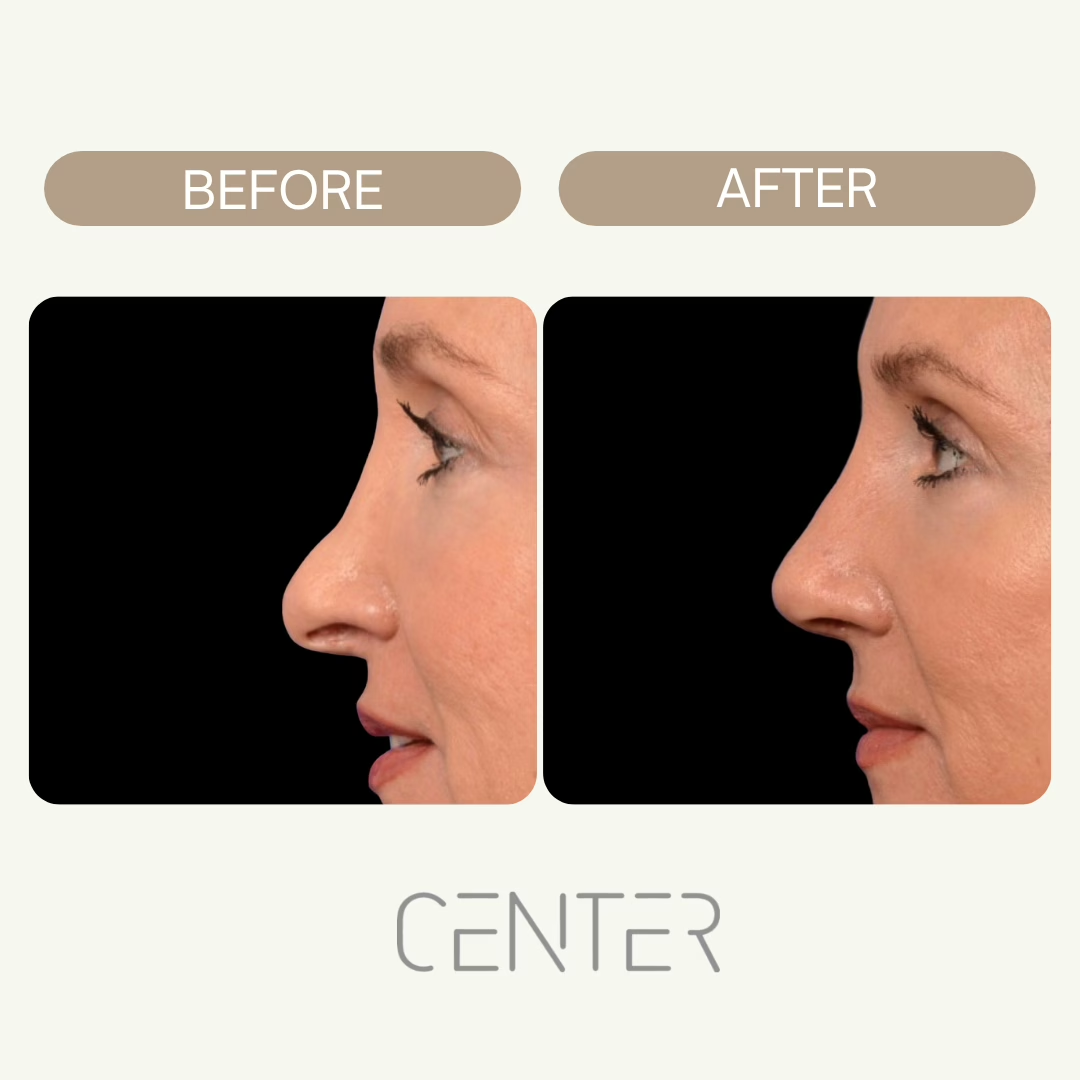
Understanding the fleshy nose anatomy involves recognizing distinct characteristics like thicker skin and a rounded tip, leading to a less angular appearance. Unlike a bulbous nose, which has a rounded tip, a fleshy nose features a broader definition involving the entire nose’s structure. This nose type is prevalent among various ethnicities, including individuals of Middle Eastern, Mediterranean, South Asian, African, and Latin American descent, highlighting the diversity of human features and fostering a cultural appreciation for natural variations.
Navigating the Nuances of Fleshy Nose Rhinoplasty
A fleshy nose presents unique challenges due to thicker skin and softer tissues, which can obscure the cartilage structure. This necessitates a specific surgical approach focused on creating a strong internal framework to guide the skin’s final shape, emphasizing refinement over reduction. Additionally, structural support is critical, as less defined cartilage can lead to drooping. Surgeons commonly use cartilage grafts from the septum to ensure stability, enhancing tip projection and preventing collapse, similar to how a strong frame supports a house.
Why Open Rhinoplasty is Often Preferred
For fleshy noses, the open rhinoplasty technique is frequently the preferred method. This approach involves a small incision made discreetly across the columella (the strip of skin between your nostrils). While it might sound more invasive, it gives your surgeon direct, unobstructed access to the entire nasal anatomy. This allows for:
- Clear visualization: Seeing the cartilage and bone structure without anything hidden.
- Precise graft placement: Accurately positioning cartilage grafts for optimal support.
- Detailed tip sculpting: Making intricate adjustments to the nasal tip.
This level of control is often necessary to achieve the best possible outcome for a fleshy nose, ensuring both aesthetic improvement and long-term stability. While closed rhinoplasty has its place, it generally offers less visibility for these more complex cases. You can explore different approaches to rhinoplasty on this medical platform.
It’s not about making your nose look like someone else’s; it’s about making your nose look like the best version of your nose, balanced with your other features.
Advanced Techniques for Fleshy Nose Refinement
When you have a fleshy nose, the goal of rhinoplasty isn’t just about taking things away. It’s more about building a strong foundation and shaping what’s already there. Because thick skin doesn’t always show subtle changes easily, surgeons use specific methods to get the best results. Think of it like sculpting – you need the right tools and techniques to bring out the form hidden within the material.
 Structural Grafting for Enhanced Definition
Shape and support are crucial for a fleshy nose. Here comes structural grafting. Surgeons use cartilage from the septum to define areas. This is especially helpful for a rounded or lackluster nasal tip. The surgeon refines the framework by adding these carefully shaped cartilage pieces. The tip won’t droop and thicker skin will settle into a better contour with this internal support.
Precision Tip Refinement Strategies
Shaping a fleshy nose’s nasal tip requires finesse. Surgeons use advanced suture techniques instead of tissue removal, which weakens structures. These sutures can carefully reposition and secure tip cartilage. Sometimes small cartilage grafts are used for subtle definition or projection. The goal is to sculpt the tip without making it sharp or unnatural. Finding the right balance between refinement and naturalness is key.
Conservative Soft Tissue Management
Soft tissue management is important, but cartilage framework is often the focus. Although cautious, surgeons may thin excess fibrofatty tissue. Reducing bulk without affecting skin health or healing is the goal. Taping protocols may be used post-op to help the skin adapt to the new structure as swelling decreases. Maintaining your nose’s natural appearance and soft tissue management is a delicate balance.
Dr. Babak Azizzadeh Weighs In on Teen Rhinoplasty and Emotional Well-Being
The Recovery Journey After Fleshy Nose Rhinoplasty

The recovery timeline after rhinoplasty for those with fleshy noses is typically longer than for others. Initial swelling diminishes within weeks, but the tip remains puffy for 12 to 18 months. Key milestones include splint removal at 5–7 days, most social swelling subsiding in 2–4 weeks, return to work/school within 7–10 days, noticeable tip swelling lasting up to 18 months, and achieving a final refined result in 12–24 months. Patience is essential, as improvements are gradual and the best outcomes develop over time.
Key Aftercare Protocols for Optimal Healing
Proper care after your surgery absolutely matters, and it can really affect your final results. Swelling lingers, so you want to do everything you can to support healing:
- Keep your head elevated as much as possible, including when sleeping, for at least a week
- Avoid heavy lifting and workouts for 4–6 weeks (no matter how restless you feel)
- Use sun protection—UV exposure can make swelling hang around longer or even cause long-term redness
- Don’t put glasses right on your nose for about 6–8 weeks (your surgeon might suggest special tape)
- Attend every single follow-up, since your doctor may offer things like tip steroid injections to help reduce persistent swelling
A good aftercare routine means you’re giving your nose the best chance for a clear, defined result.
When to Seek Urgent Postoperative Care
Sometimes, things pop up during recovery that you shouldn’t ignore. Even though discomfort and swelling are pretty normal, there are some symptoms that signal you need to check in with your surgeon—seriously, don’t brush these off:
- Persistent, heavy bleeding that won’t slow down
- Sudden, severe increase in pain on one side of the nose
- Spreading warmth, redness, or obvious infection at the surgical site
- Difficult or rapidly worsening breathing
- Fever above 101°F that doesn’t go away
If you run into these problems, don’t wait it out—call your surgeon immediately. Catching rare complications early usually means a much smoother recovery in the end.
Choosing Your Rhinoplasty Specialist with Dr. Babak Azizzadeh
Selecting the right surgeon for fleshy nose rhinoplasty is one of the most important steps in achieving natural, balanced results. Successful outcomes depend on working with a specialist who understands the unique challenges of thick-skinned noses and uses advanced techniques designed to enhance structure rather than simply reduce size.
Experience with Thick-Skinned Noses
Patients with fleshy or bulbous nasal tips benefit from a surgeon who regularly performs rhinoplasty on thicker skin types. During your consultation, consider asking about:
- Experience treating thick-skinned or bulbous noses
- Techniques used to improve nasal tip definition beneath heavier skin
- Structural methods that reinforce support for long-term results
Reviewing before-and-after photos of similar cases can help set realistic expectations and demonstrate surgical expertise.
Balancing Appearance and Function
A skilled rhinoplasty specialist focuses on both aesthetics and breathing function. Consultations should include clear discussions about nasal airflow, internal support techniques, and achievable changes based on your anatomy. Modern rhinoplasty emphasizes subtle refinement and facial harmony rather than dramatic alteration.
Evaluating Before-and-After Results
When reviewing surgical results, look for natural improvements rather than extreme transformations. Strong outcomes typically show gradual refinement, improved tip definition, and balanced symmetry while maintaining facial character. It is also helpful to ask how long after surgery photos were taken, since swelling in thick skin can take several months to fully resolve.
Choosing a rhinoplasty specialist ultimately comes down to trust, communication, and proven expertise. Dr. Babak Azizzadeh works closely with each patient to create individualized treatment plans focused on realistic expectations, facial balance, and long-lasting results.
Aesthetic Considerations and Realistic Outcomes
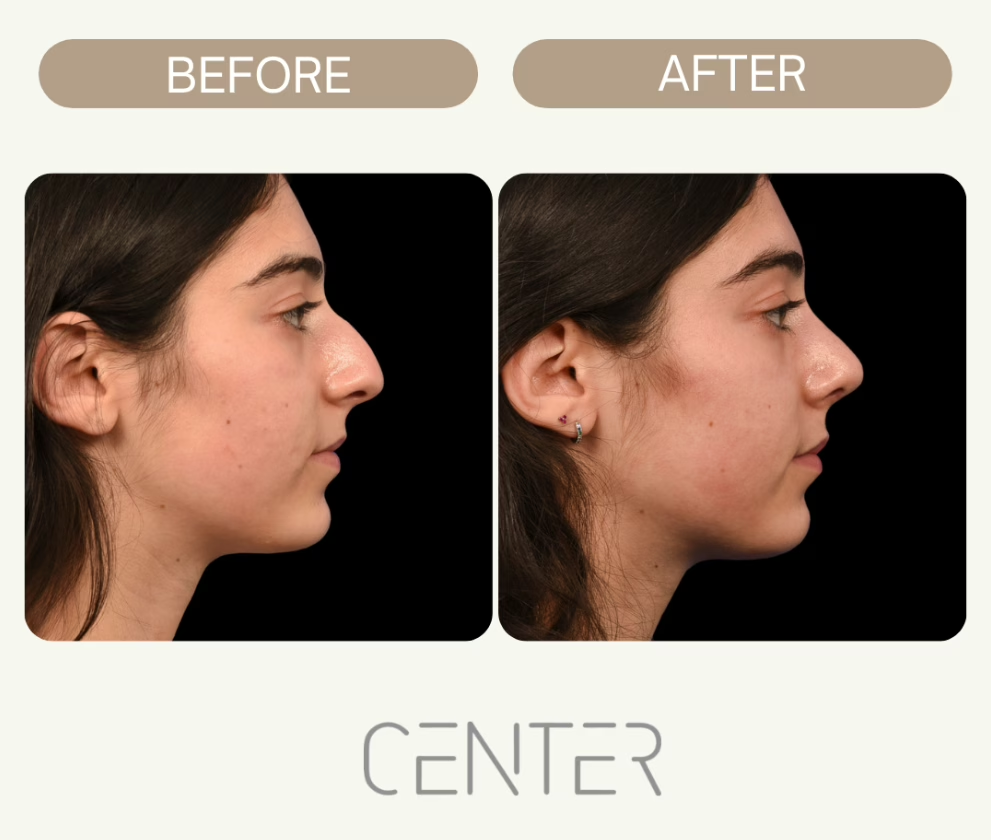
Rhinoplasty aesthetics emphasize ethnic preservation by enhancing natural features rather than changing identity. Setting realistic expectations is important because fleshy nose results are subtle and take time to show. Refinement and proportion are key to making the nose match the face and meet beauty goals.
Embracing Ethnic Preservation
When you’re considering rhinoplasty for a fleshy nose, it’s really important to think about keeping your natural ethnic features. The goal isn’t to change who you are, but to make your nose fit better with the rest of your face. A good surgeon will respect your background and work to highlight your unique look, not erase it. It’s about balance and harmony, making sure your nose looks like it belongs to you, just a more refined version.
Setting Expectations for Subtle Refinement
It’s easy to see amazing before-and-after photos online and get carried away. But with a fleshy nose, the results are usually more subtle than dramatic. Think of it like this: thin skin might show every little contour change right away. Thick skin, though, needs time to settle. You might not see the full picture for a year or even longer. The key is patience and understanding that refinement, not drastic alteration, is the aim. It’s about improving definition and proportion, not creating a completely different nose.
The Long-Term Evolution of Results
When thinking about cosmetic procedures, it’s important to consider both how things will look and what’s truly achievable. We aim for results that enhance your natural beauty and align with your personal goals. Understanding the possibilities helps set realistic expectations for a satisfying outcome. Visit our website to see examples of our work and learn more about what we can do for you.
Wrapping Up Your Fleshy Nose Rhinoplasty Journey
Achieving balance rather than altering identity on a rhinoplasty is the goal. The procedure requires careful consideration in selecting a knowledgeable surgeon who understands the intricacies of thick skin and cartilage. Patience is essential during recovery, as final results, particularly at the tip, may take time to manifest. With the right approach and realistic expectations, individuals can attain a nose that is aesthetically pleasing and personally satisfying.
See why patients across the U.S. choose Dr. Azizzadeh for natural, high-end results. Read reviews on Google and RealSelf.