A facelift is designed to restore a more youthful and refreshed facial appearance. However, when results do not meet expectations, patients may feel concerned about visible irregularities or unnatural changes in their facial features. Issues such as overly tight skin, asymmetry, visible scarring, or changes in the hairline can make a facelift appear less natural than intended.
Fortunately, modern facial plastic surgery offers solutions. Revision procedures can correct many of these concerns and help restore balance and harmony to the face. This guide explains how unsatisfactory facelift results occur and what options are available to address them.
Key Takeaways
- A bad facelift may result in tight skin, unnatural facial contours, visible scars, or asymmetry.
- Revision facelift surgery can correct many cosmetic or structural issues caused by a previous procedure.
- Not every concern requires a full surgical revision; some problems can be improved with targeted treatments.
- Recovery from revision surgery may take longer due to previous surgical changes.
- Choosing a facial plastic surgeon with extensive experience in revision procedures is essential for achieving natural-looking results.
Understanding Facelift Revision Surgery
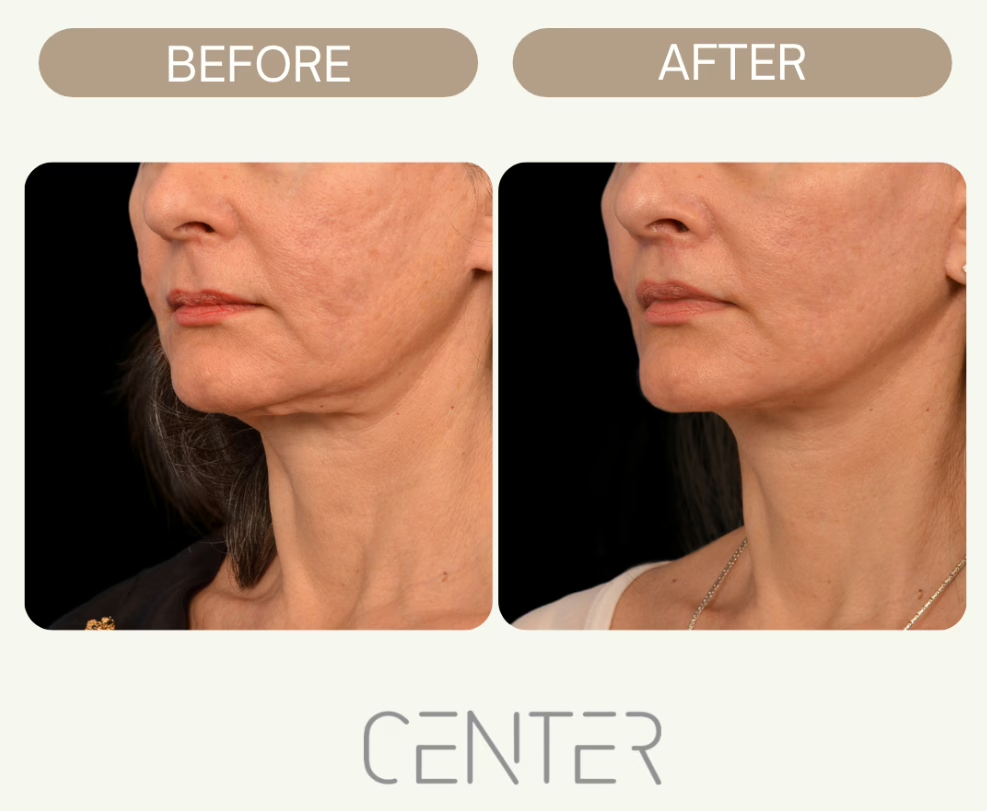


Revision facelift surgery is a specialized procedure performed to correct or improve the results of a previous facelift. While most facelift surgeries produce positive outcomes, complications or aesthetic concerns can occasionally occur. A revision procedure focuses on restoring natural facial proportions and addressing the issues that developed after the original surgery. Because the tissues have already been altered once, revision procedures often require advanced surgical planning and a detailed understanding of facial anatomy.
Rather than repeating the same approach as the first surgery, revision facelift techniques are customized to correct specific concerns while maintaining a natural and balanced appearance.
Why Facelift Results Sometimes Go Wrong
There are several reasons why a facelift may not produce the desired outcome. In some cases, the issue may be related to surgical technique. Removing or tightening too much skin, for example, can create an overly pulled appearance that looks unnatural.
Other factors may involve the healing process. Scar tissue formation, poor skin elasticity, or uneven healing can lead to visible asymmetry or irregular contours. In some situations, patients may also experience dissatisfaction simply because the results do not align with their expectations.
Understanding the underlying cause of the issue is the first step in determining the most appropriate corrective treatment.
Common Signs of an Unsatisfactory Facelift
A facelift that requires revision may present several noticeable issues.
Common signs include:
- An overly tight or “wind-swept” facial appearance
- Visible or poorly placed scars
- Distortion of the earlobes or hairline
- Facial asymmetry
- Excess skin that was not adequately addressed
When these issues occur, a carefully planned revision procedure can often restore a more natural and balanced look.
Who May Benefit from Revision Facelift Surgery?
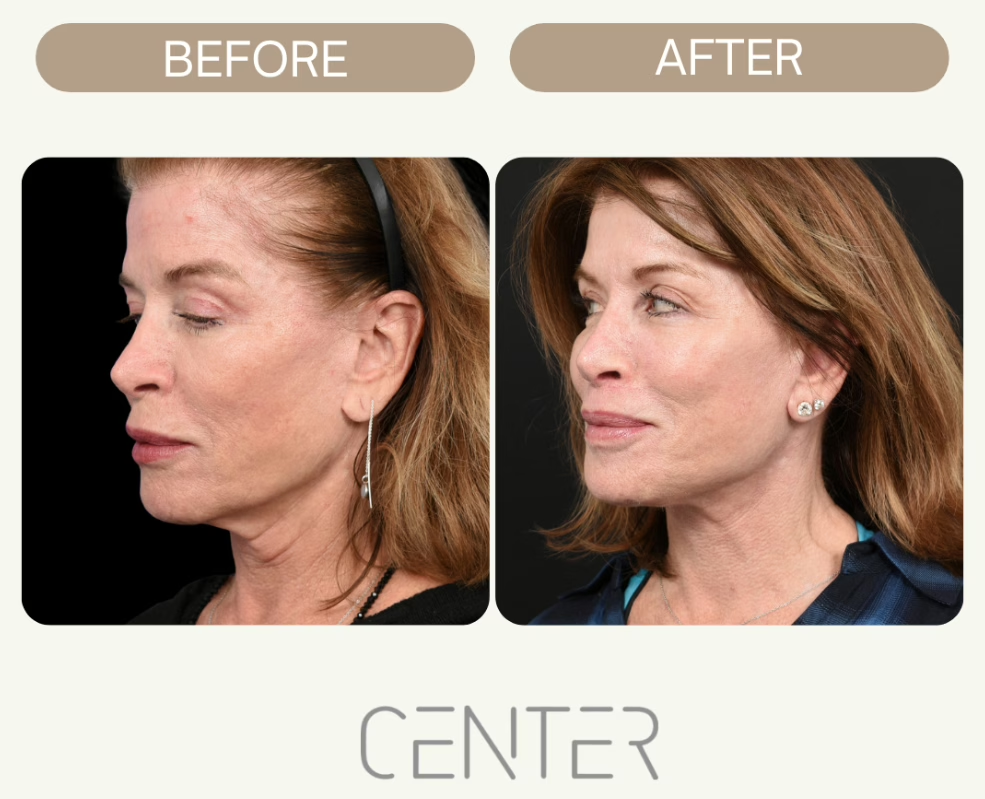
Not everyone who feels dissatisfied with their facelift results requires revision surgery. Determining the best approach depends on the type of concern, skin quality, and the amount of time that has passed since the original procedure.
Timing After the Original Facelift
In most cases, surgeons recommend waiting several months after the initial facelift before considering revision surgery. This waiting period allows swelling to fully resolve and tissues to settle into their final position. Sometimes what initially appears to be a problem may improve naturally as the healing process continues. A consultation with a qualified surgeon can help determine whether revision surgery is truly necessary.
Skin Quality and Facial Structure
Skin elasticity plays an important role in revision procedures. Patients with healthier, more elastic skin tend to achieve better results because the tissues can respond more effectively to surgical adjustments. Facial structure also influences the treatment plan. Some patients may need repositioning deeper facial tissues, while others may benefit from targeted corrections in specific areas such as the jawline, neck, or cheeks.
When Non-Surgical Treatments May Help
Not every issue requires another surgery. In some situations, minimally invasive treatments may improve the appearance of the face.
Examples may include:
- Injectable fillers to correct minor volume loss
- Laser treatments to improve scars
- Skin tightening procedures
These options may help address mild concerns without the need for a full surgical revision.
 What Happens During Revision Facelift Surgery?
Revision facelift surgery is typically more complex than an initial facelift because the surgeon must work around existing scar tissue and previously altered structures. The procedure is usually performed under general anesthesia or deep sedation to ensure patient comfort.
During the surgery, the surgeon carefully reopens or adjusts previous incision sites when possible to minimize additional scarring. The underlying facial tissues may be repositioned, tightened, or reinforced to restore natural facial contours.
In some cases, excess skin may be removed or redistributed to eliminate the overly tight appearance caused by the first surgery. The surgeon may also correct structural issues involving the jawline, neck, or cheeks to improve overall facial harmony.
Because every revision case is different, the specific techniques used will vary based on the patient’s anatomy and the issues that need correction.
Revision Facelift Recovery: What to Expect
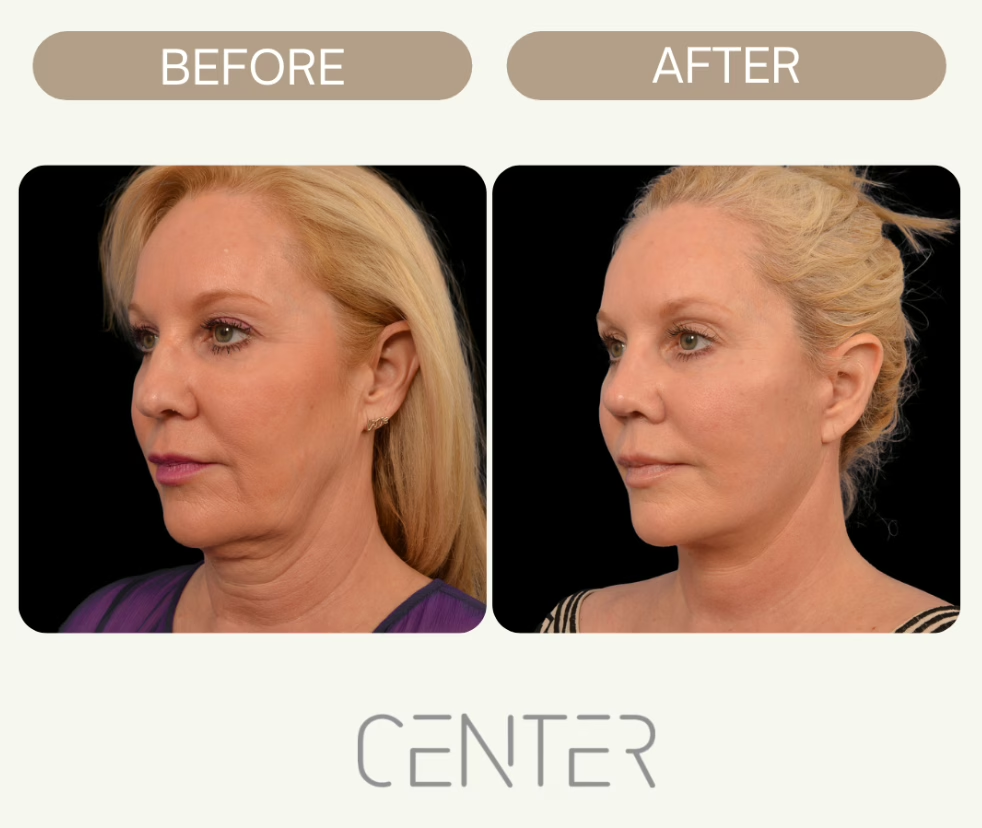
Recovery after revision facelift surgery is similar to recovery from a traditional facelift, although it may take slightly longer due to the complexity of the procedure.
Immediately After Surgery
Following surgery, patients can expect:
- Swelling and bruising around the face and neck
- Temporary tightness or numbness
- Mild discomfort during the first few days
Cold compresses and prescribed medications can help manage swelling and discomfort during this stage.
The First Week of Healing
Swelling generally peaks within the first few days and gradually improves over the following week.
During this time, patients are encouraged to:
- Keep the head elevated
- Avoid strenuous activities
- Follow all post-operative care instructions
- Attend scheduled follow-up appointments
Most patients feel comfortable returning to light activities within one to two weeks.
Gradual Improvement Over Time
As swelling subsides and tissues settle, the facial contours begin to appear more balanced and natural. Final results may take several months to fully develop, particularly in revision cases where deeper structural adjustments were necessary.
Why More Patients Are Returning for Second and Third Facelifts
Long-Term Results After Facelift Revision
When performed by an experienced facial plastic surgeon, revision facelift surgery can produce significant improvements in facial balance and appearance. The goal of the procedure is not simply to reverse previous changes, but to restore natural-looking facial contours that complement the patient’s overall features.
Factors That Influence Long-Term Outcomes
Several factors can affect the longevity of revision facelift results.
These include:
- Natural aging processes
- Skin elasticity
- Sun exposure and lifestyle habits
- Overall health and skincare routines
Maintaining a healthy lifestyle and proper skincare can help preserve results and support long-term facial rejuvenation.
Some patients may also choose to combine revision surgery with complementary treatments such as neck lifts or skin resurfacing procedures to further enhance their overall appearance.
Why Choose Dr. Babak Azizzadeh for Facelift Revision
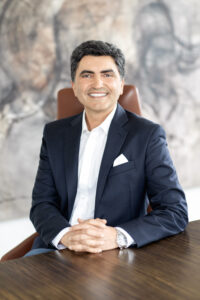
Choosing the right surgeon is especially important when correcting a previous cosmetic procedure. Many patients seek the expertise of Babak Azizzadeh because of his extensive experience in facial plastic and reconstructive surgery. Dr. Azizzadeh is a Harvard-trained, dual board-certified facial plastic surgeon who specializes exclusively in procedures involving the face, head, and neck. This specialized focus allows him to approach complex revision procedures with a detailed understanding of facial anatomy and surgical precision. At the CENTER for Advanced Facial Plastic Surgery, Dr. Azizzadeh develops personalized treatment plans tailored to each patient’s concerns and goals. His approach prioritizes natural-looking outcomes, restoring facial balance while avoiding the overly tight or artificial appearance that can occur after an unsatisfactory facelift.
Correcting a “bad facelift” often requires advanced revision expertise and a deep understanding of facial nerve anatomy. Dr. Azizzadeh is frequently consulted by patients seeking correction of complex facelift complications, including pixie ear deformities, nerve-related issues, visible scar concerns, and distorted facial vectors caused by overly aggressive lifting techniques. His experience with these challenging cases allows him to carefully restore natural facial proportions while protecting delicate nerve structures and maintaining facial function.
Final Thoughts on Fixing a Bad Facelift
Experiencing unsatisfactory results after a facelift can be discouraging, but it does not mean that improvement is impossible. Advances in revision facelift techniques allow skilled surgeons to correct many aesthetic concerns and restore natural facial harmony.
By understanding the causes of poor facelift outcomes and exploring available corrective options, patients can make informed decisions about their next steps. Consulting with an experienced facial plastic surgeon is the most effective way to evaluate the situation and develop a treatment plan tailored to individual needs. For many patients, revision surgery offers the opportunity to achieve the refreshed, balanced appearance they originally hoped to gain from their facelift.
Curious about real patient experiences? Explore verified reviews for Dr. Babak Azizzadeh on Google and RealSelf.