


Asian Rhinoplasty is a specialized procedure, and knowing what to expect can make all the difference. This isn’t just about changing your nose; it’s about refining it to fit harmoniously with your face while respecting your unique background. You might be wondering about the specific techniques used, how long recovery takes, or even how to pick the right surgeon. We’ve gathered the essential information to guide you through the process, covering everything from the surgical steps to achieving the natural results you’re hoping for. Let’s explore what you need to know about Asian Rhinoplasty.
Key Takeaways
- Asian Rhinoplasty strives for facial harmony, not ethnic erasure. It refines the nasal bridge, tip, and nostrils for structure and balance.
- Asian noses have thicker skin and thinner cartilage, requiring specific surgery. Patient cartilage transplants are commonly used for augmentation.
- Open or closed procedures may include respiratory improvements and cosmetic alterations. Stability and natural outcomes are sought with autologous cartilage grafts.
- Balance desired alterations with the patient’s face characteristics and ethnicity for natural outcomes. Since results take time to appear, realistic expectations are crucial.
- Make sure your surgeon has Asian Rhinoplasty expertise. The procedure requires a full consultation, portfolio analysis, and goal discussion.
Understanding Asian Rhinoplasty

Asian rhinoplasty is a specialized form of nose surgery tailored for individuals of Asian descent. It’s not about changing your nose to look like someone else’s, but rather about refining its appearance to harmonize better with your unique facial features. The goal is to enhance your natural beauty while respecting and preserving your ethnic identity. This procedure focuses on specific anatomical characteristics common in Asian noses, aiming for a balanced and aesthetically pleasing result that feels authentic to you. It’s about subtle improvements that make a significant difference in your overall facial harmony. If you’re considering this procedure, understanding ethnic cosmetic surgery principles is a great starting point.
Distinguishing Features of Asian Noses
Asian noses are typically unique. A lower nasal bridge may make the nose look flatter. Softer nasal tips and thicker skin might obscure finer features. Wider nostrils may occur. These anatomical variances are natural, but they affect the best surgical approaches for aesthetic results. Recognizing these distinctions is crucial to surgery success.
Common characteristics often include:
- A less projected nasal bridge.
- A softer, sometimes rounder nasal tip.
- Thicker skin that can obscure definition.
- A wider base of the nostrils.
Cultural Aesthetic Considerations
Rhinoplasty varies among cultures, with Asian rhinoplasty emphasizing balance and proportion over dramatic changes. The focus is on enhancing existing features—such as adding subtle bridge projection or refining the tip—while maintaining a natural appearance that complements the face and honors ethnic heritage. The goal is gentle refinement rather than complete transformation, aiming for an aesthetically pleasing result that stays true to individual backgrounds.
Here’s a look at typical goals:
- Improving the profile view by increasing nasal bridge height.
- Defining the nasal tip for a more refined appearance.
- Subtly narrowing the nostrils for better facial balance.
- Creating a smoother line along the bridge of the nose.
Tailored Surgical Approaches
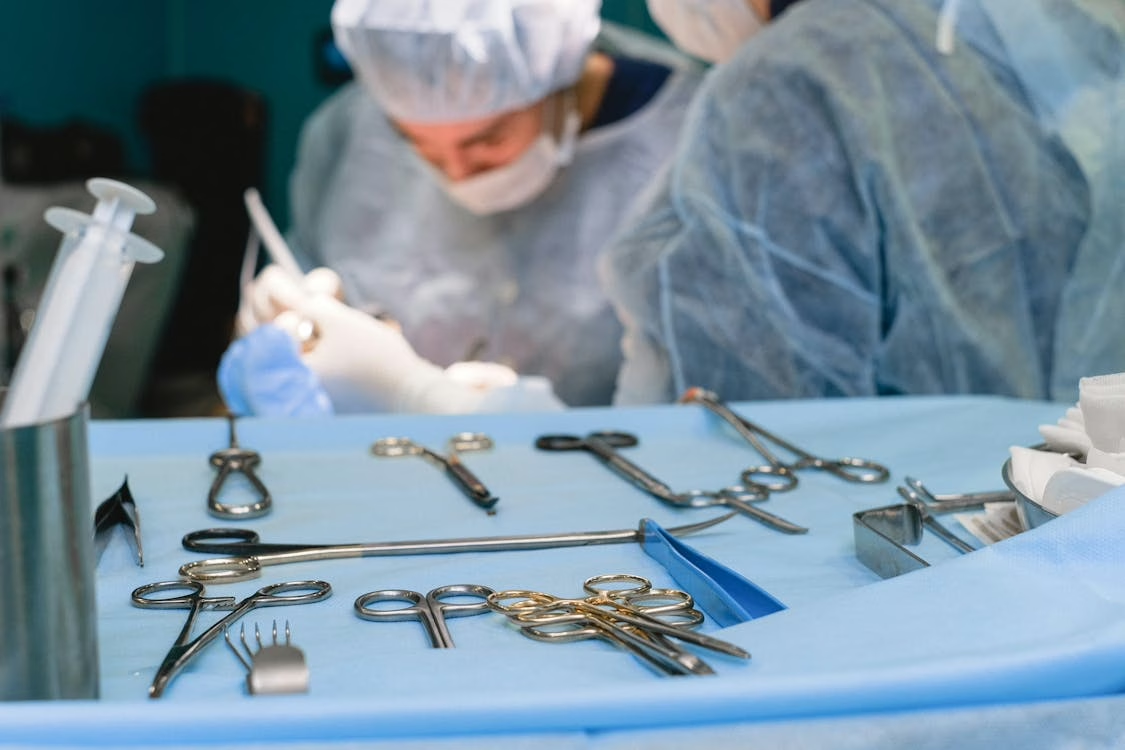
Asian rhinoplasty requires a customized approach that respects unique anatomical features while enhancing facial harmony. Common characteristics such as a lower nasal bridge, softer tip cartilage, or wider nostrils influence surgical planning. Rather than dramatically altering features, the focus is on structural refinement and balanced enhancement that complements your natural proportions.
Key Points Summary:
- Surgeons tailor techniques to anatomical traits like a lower bridge, softer tip cartilage, or wider nostrils.
- Nasal bridge augmentation is often achieved using cartilage grafts from the septum, ear, or rib (autologous grafting is generally preferred for safety and integration).
- Tip refinement may involve supportive grafts (e.g., columellar strut or shield graft) to improve projection and definition.
- Alar base reduction can narrow wide nostrils while keeping incisions discreetly placed.
- The goal is subtle, structural enhancement that maintains ethnic identity while improving balance and profile.
Achieving Natural and Harmonious Results
It’s really important to remember that Asian rhinoplasty isn’t about changing who you are or making you look like someone else. The goal is to work with your unique features, not erase them. Think of it as refining what’s already there to create a more balanced look that still feels like you. We want to enhance your natural beauty, respecting the distinct characteristics that make you, you. It’s about subtle improvements that harmonize with your existing facial structure, ensuring your nose complements your other features beautifully.
Balancing Facial Proportions
Achieving a nose that looks right with your whole face is key. This means considering how the height of your nasal bridge, the definition of your tip, and the width of your nostrils work together with your eyes, cheeks, and chin. Sometimes, a little more height on the bridge can make a big difference in profile view. Other times, refining the tip can add elegance. It’s all about creating a sense of balance, so no single feature overpowers the others. We aim for a look that feels cohesive and aesthetically pleasing from every angle. This often involves careful augmentation of the nasal bridge to create a more refined profile.
 Realistic Expectations and Outcomes
It’s vital to have a clear picture of what’s possible. While rhinoplasty can make significant improvements, it’s not about achieving perfection. We’ll discuss what can realistically be achieved based on your specific anatomy and desired results. Understanding the timeline for seeing those results is also important; it takes time for swelling to go down and for the tissues to fully settle. Patience is definitely a virtue here.
- Initial swelling and bruising: Expect this for the first week or two.
- Visible improvements: Usually noticeable after a few weeks.
- Final results: Can take up to a year to fully appreciate as all swelling resolves.
The aim is always to create an outcome that is both aesthetically pleasing and feels authentic to your individual features. It’s a partnership between you and your surgeon to reach a shared vision of subtle enhancement and improved facial harmony.
Navigating the Recovery Process
Recovery after Asian rhinoplasty requires patience, consistency, and close adherence to post-operative instructions. While the procedure itself is important, your healing phase significantly influences the final outcome. Swelling, bruising, and temporary breathing difficulty are normal in the early stages, but these gradually improve as tissues settle and refine over time.
Key Recovery Highlights:
- First Week: Swelling, bruising, mild discomfort, and a nasal splint in place; keep your head elevated to reduce swelling.
- 1–2 Weeks: Most bruising fades, swelling improves, and patients typically return to work or school (non-strenuous activities only).
- 4–6 Weeks: Avoid contact sports and pressure on the nose (including glasses resting directly on the bridge).
- 6–8 Weeks: Majority of swelling resolves; nasal shape becomes more defined; light exercise resumes.
- 6–12 Months: Continued refinement as tissues settle; final results gradually emerge, especially in the tip.
Careful follow-through on your surgeon’s guidelines—including avoiding smoking and limiting alcohol—supports smoother healing and optimal, long-term results.
Selecting Your Specialist Surgeon
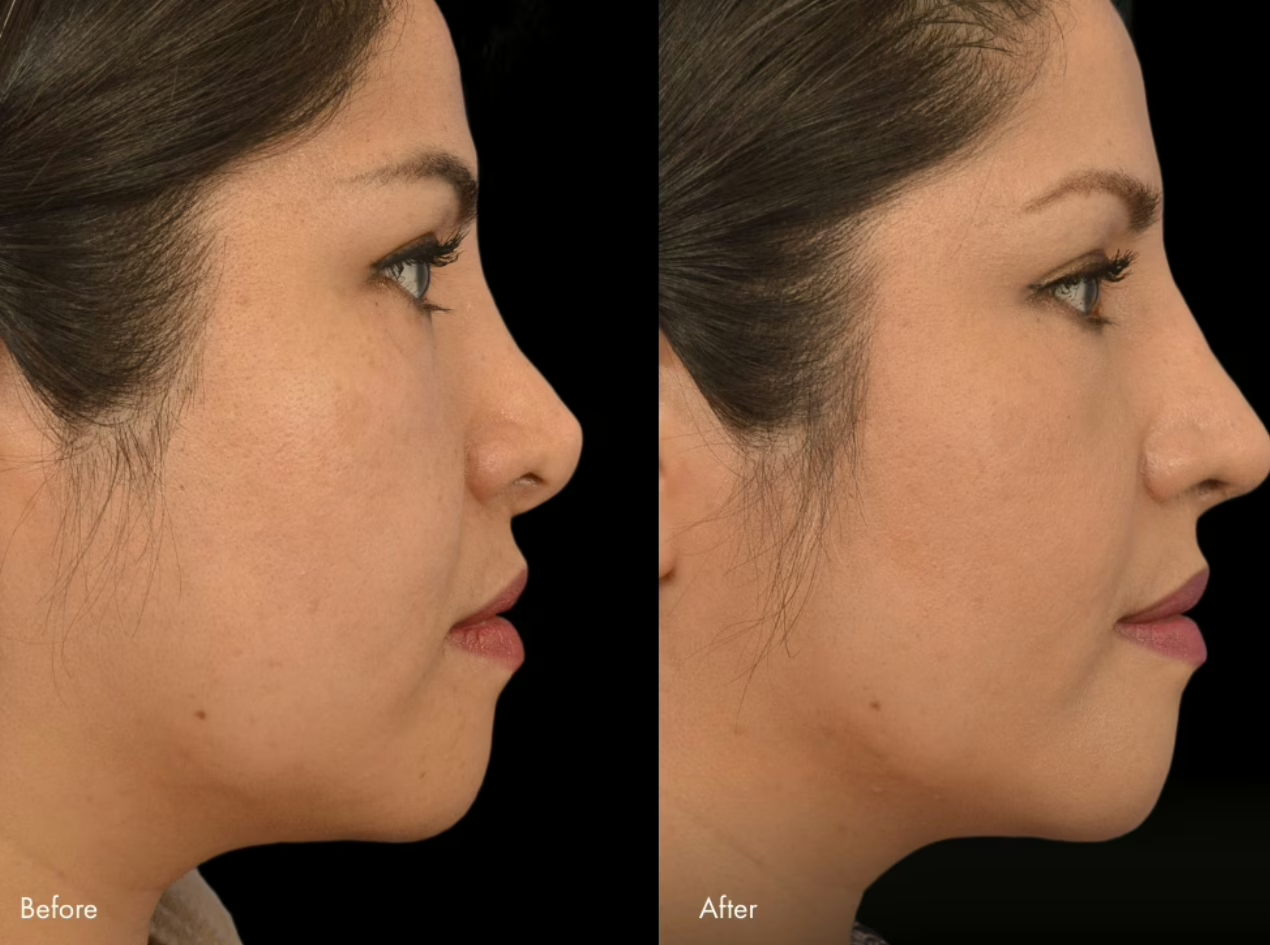
When you’re considering Asian rhinoplasty, it’s really important to find a surgeon who knows this specific type of procedure inside and out. Not all rhinoplasty surgeons are the same, and those who focus on Asian noses have a deeper understanding of the unique anatomical differences and aesthetic goals that come with it. They’re familiar with things like softer cartilage, thicker skin, and the desire for a more balanced, refined look rather than a drastic change. Choosing a surgeon with this specialized background is key to achieving results that look natural and harmonize with your existing features. It’s not just about changing your nose; it’s about enhancing your natural beauty in a way that respects your heritage.
Evaluating Surgeon Credentials and Portfolios
Once you’ve identified potential surgeons, take the time to look closely at their qualifications and past work. You’ll want to see before-and-after photos, specifically of Asian rhinoplasty patients. Pay attention to the consistency of their results and whether their aesthetic aligns with what you’re hoping for. Don’t hesitate to ask about their training, board certifications, and how long they’ve been performing this particular surgery. Some surgeons might even use 3D simulation software to help you visualize potential outcomes, which can be incredibly helpful.
Here’s a quick checklist to consider:
- Board Certification: Are they certified by a reputable board in plastic surgery or facial plastic surgery?
- Specialization: Do they highlight Asian rhinoplasty as a significant part of their practice?
- Experience: How many Asian rhinoplasty procedures do they perform annually?
- Portfolio Review: Do their before-and-after photos show results you admire?
- Patient Testimonials: What do previous patients say about their experience and the outcomes?
The Consultation Process
The consultation process is crucial for understanding both the surgeon and the patient’s goals regarding nose surgery. During this meeting, patients should discuss their preferences and expectations, while surgeons should provide clear explanations of surgical options, risks, and benefits. It’s important to find a trustworthy surgeon, especially one experienced in Asian rhinoplasty. Patients are encouraged to take their time researching and meeting multiple specialists before making a decision. This process is essential for achieving the desired outcome and ensuring a good partnership with the surgeon.
Wrapping Up Your Asian Rhinoplasty Journey
It’s not about changing who you are, but about making subtle tweaks to help your nose fit better with your face, keeping your unique look. Remember, finding the right surgeon is a big deal. They’ll help you figure out what’s best for you, whether it’s building up the bridge, refining the tip, or narrowing the nostrils. Recovery takes time, so be patient with yourself. The final results will show up gradually, and it’s all about achieving a look that feels right and natural for you. It’s a personal journey, and the goal is to feel more confident and comfortable in your own skin.
Discover our honest reviews from patients who’ve worked with Dr. Azizzadeh—available on Google and RealSelf.