


Sculptra is seeing a resurgence as a biostimulator for those seeking gradual, natural volume without surgery. However, many wonder if having Sculptra prevents or complicates a future facelift. While it is still possible to undergo surgery after treatment, there are several key factors to consider regarding how prior injections might affect the process.
Key Takeaways
- Sculptra stimulates natural collagen production rather than just filling space with gel.
- Prior Sculptra use doesn’t disqualify you from a facelift but adds complexity.
- An experienced deep plane facelift surgeon is vital for patients with a biostimulator history.
- Disclosing previous treatments to your surgeon is essential for safe planning.
- Pause Sculptra treatments if you plan to have surgery within the next 6-12 months.
What Is Sculptra and How Does It Work?
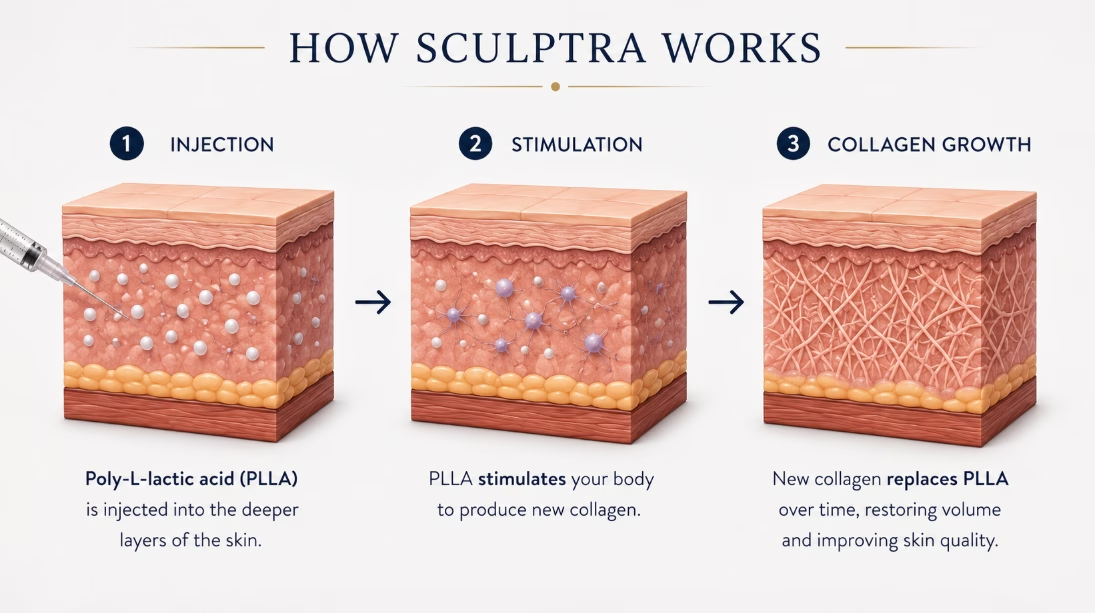
Unlike Sculptra fillers that sit in the skin, Sculptra uses poly-L-lactic acid (PLLA) to trigger your body’s natural collagen production. Results develop gradually over several months as the PLLA dissolves and is replaced by integrated collagen tissue.
This collagen stimulation is a key consideration for surgery, as it can create denser tissue layers. Surgeons need to know the types of dermal fillers used to plan effective and safe facial procedures.
How Sculptra Is Being Used Today in Injectable Collagen-Boosting Treatments
Can You Have a Facelift If You’ve Had Sculptra?
This is probably the question patients worry about most, and the short answer is yes, in most cases. But let Dr. Azizzadeh put it plainly, because there’s nuance worth understanding.
“Sculptra, which is a biostimulator, is having a kind of resurgence,” Dr. Azizzadeh explains. “Over the past couple of years, there’s been a lot of information about this where Sculptra and some other biostimulators can cause scarring in the deeper tissue layers that can impact someone’s ability to have a facelift.”
That sounds alarming, but here’s the important second half of what he says: “I think in the hands of a skilled surgeon, a deep plane facelift surgeon, you can have an excellent outcome. Even if you’ve had Sculptra in the past, it is probably one degree more complicated, a little bit harder, but we deal with difficult facelift scenarios all the time, in revision cases and people who’ve had fillers and people who’ve had previous surgery or other complicated issues.”
The key takeaway: Sculptra history doesn’t close the door to surgery. It just means your surgeon needs to know about it and be prepared.
Dr. Babak Azizzadeh is a dual board-certified facial plastic surgeon in Beverly Hills, renowned for his expertise in deep plane facelift techniques. He specializes in navigating complex surgical scenarios and prior treatment histories to ensure high-quality patient care and precision.
If you’re uncertain about how your prior treatments may affect surgical eligibility, schedule an appointment with Dr. Azizzadeh to get a clear, personalized assessment of your options.
What the Research Says About Biostimulators and Surgery
Research on biostimulatory fillers like Sculptra confirms that PLLA does stimulate new collagen formation in the dermis and subcutaneous layers. This integration ensures longevity but can increase tissue density. For surgeons, this is simply manageable tissue with elevated collagen rather than a foreign obstruction.
Studies on collagen stimulating injectables show that increased collagen density can add resistance during surgery. However, surgeons experienced in complex cases can effectively manage this risk through proper skill and preparation.
Dr. Azizzadeh’s Expert Take, Featured in ELLE
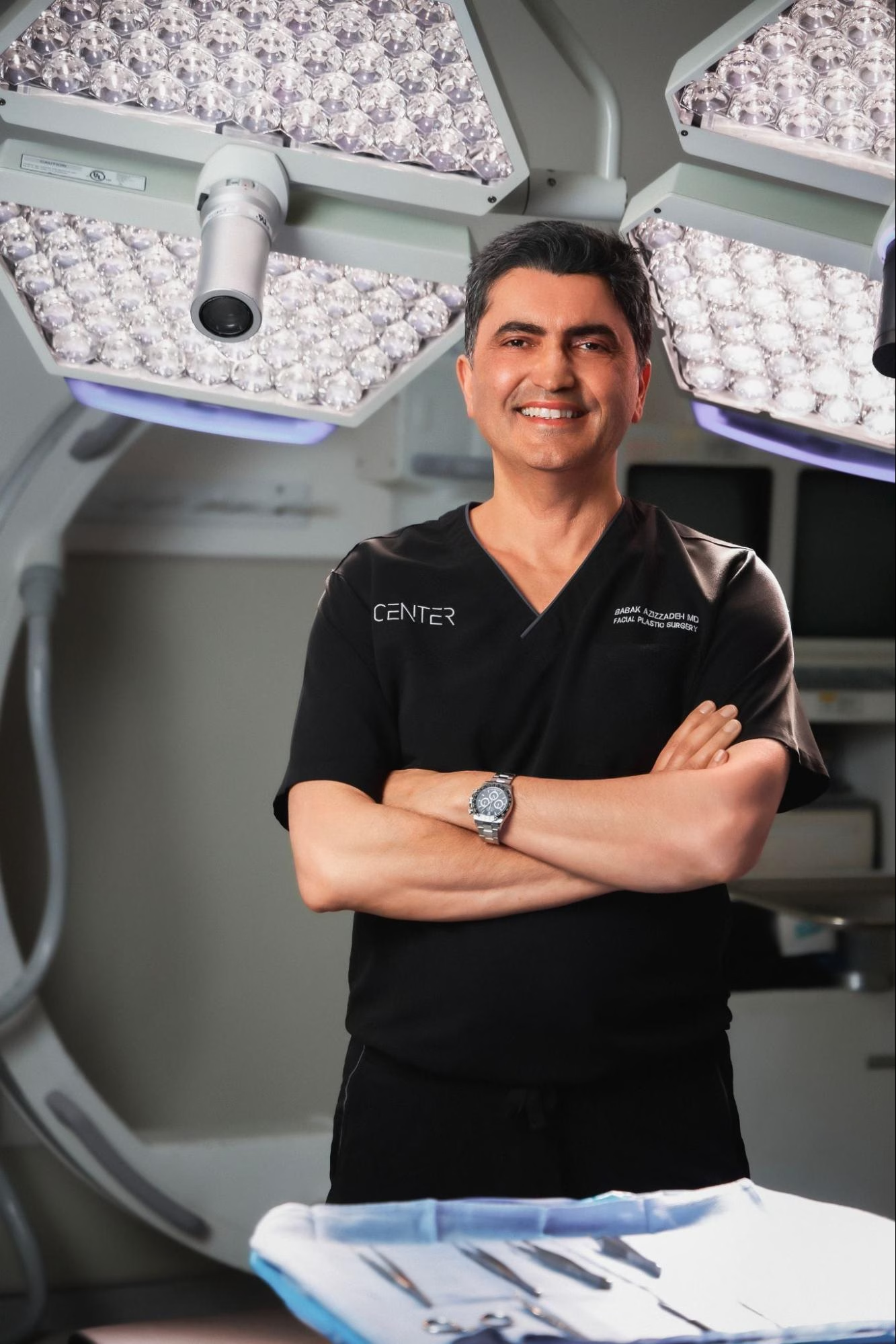
Dr. Azizzadeh has been featured twice in ELLE magazine discussing Sculptra’s resurgence and its implications for future surgical patients.
In these features, he noted that Sculptra can strengthen tissue to improve facelift longevity when timed correctly. He also emphasized that a history of Sculptra injections rarely disqualifies a patient, as success primarily depends on a surgeon’s ability to manage complex tissue.
For patients interested in Sculptra for facial volume restoration as part of a longer-term aesthetic plan that may eventually include surgery, these insights are directly relevant.
Timing Matters More Than You Might Think
Dr. Azizzadeh advises skipping Sculptra if you plan on surgery within six to twelve months. Fresh injections during active collagen stimulation can make surgical tissue unpredictable, adding unnecessary complexity.
However, if surgery is further off, previous Sculptra use is less concerning. By then, the product has dissolved, leaving only your natural collagen response for the surgeon to navigate.
The bottom line is this: timing, transparency, and the right surgeon matter far more than whether you’ve had Sculptra at all.
To discuss your treatment history and find out which approach is right for your goals, reach out to the CENTER for Advanced Facial Plastic Surgery and speak with the team directly.
 Frequently Asked Questions
Does Sculptra permanently stay in the face?
No. The poly-L-lactic acid in Sculptra is gradually absorbed by the body over several months. What remains is the collagen your body produced in response to the treatment, which is entirely natural tissue.
How long should I wait after Sculptra before having a facelift?
Dr. Azizzadeh recommends avoiding Sculptra if you’re planning surgery within the next six to twelve months. If your last treatment was more than a year ago, this is typically not a limiting factor for surgical planning.
Will Sculptra affect my facelift results?
In most cases, no. With a skilled deep plane facelift surgeon who is aware of your treatment history, outcomes can still be excellent. The procedure may be slightly more complex, but that complexity is well within the range of what experienced surgeons manage routinely.
Is it safe to get Sculptra after a facelift?
This depends on how much time has passed since surgery and how your tissues healed. It’s best to discuss timing with your surgeon before pursuing any injectable treatments after a facelift.
How do I know if my surgeon is experienced enough to handle Sculptra-treated tissue?
Ask directly. A qualified surgeon should be able to explain how prior biostimulator use factors into their surgical approach and what steps they take to assess tissue density during a consultation. Look for surgeons who specialize in complex or revision cases, as this typically indicates comfort with more nuanced tissue scenarios.
The Bottom Line
Sculptra and facelifts can successfully coexist. While Dr. Azizzadeh acknowledges that a history of Sculptra increases surgical complexity by one degree, an experienced surgeon can manage these real concerns. Do not let apprehension deter you; instead, seek a thorough consultation to develop a plan tailored to your specific history.
See why patients across the U.S. choose Dr. Azizzadeh for natural, high-end results. Read reviews on Google and RealSelf.