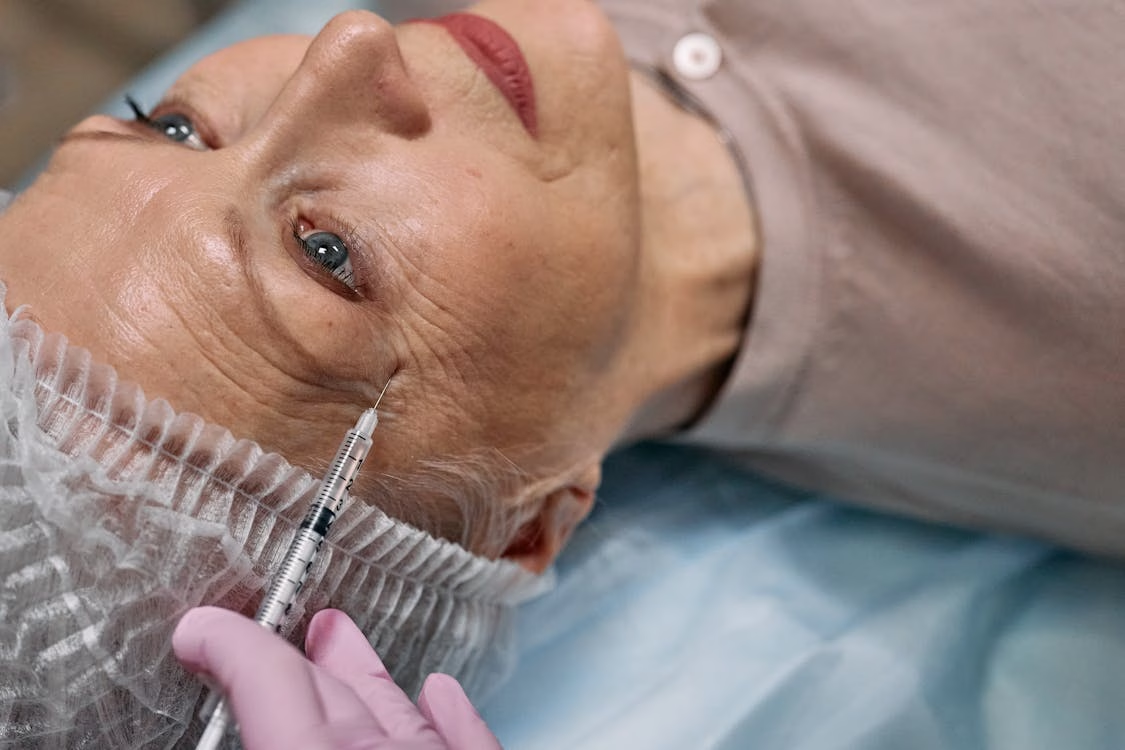
Sculptra and Facelifts: What You Need to Know
Sculptra is seeing a resurgence as a biostimulator for those seeking gradual, natural volume without surgery. However, many wonder if having Sculptra prevents or complicates a future facelift. While it is still possible to undergo surgery after treatment, there are several key factors to consider regarding how prior injections might affect the process.
Key Takeaways
- Sculptra stimulates natural collagen production rather than just filling space with gel.
- Prior Sculptra use doesn't disqualify you from a facelift but adds complexity.
- An experienced deep plane facelift surgeon is vital for patients with a biostimulator history.
- Disclosing previous treatments to your surgeon is essential for safe planning.
- Pause Sculptra treatments if you plan to have surgery within the next 6-12 months.
What Is Sculptra and How Does It Work?
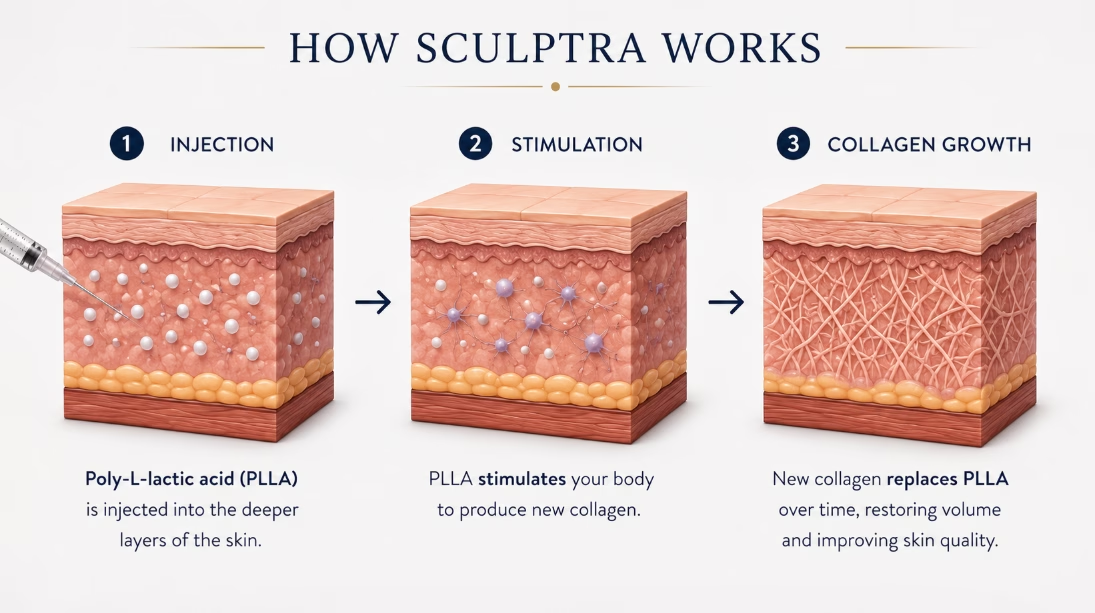
Unlike Sculptra fillers that sit in the skin, Sculptra uses poly-L-lactic acid (PLLA) to trigger your body's natural collagen production. Results develop gradually over several months as the PLLA dissolves and is replaced by integrated collagen tissue.
This collagen stimulation is a key consideration for surgery, as it can create denser tissue layers. Surgeons need to know the types of dermal fillers used to plan effective and safe facial procedures.
https://facialplasticsbh.com/dr-azizzadeh-featured-in-elle-magazine-how-sculptra-is-being-used/
Can You Have a Facelift If You've Had Sculptra?
This is probably the question patients worry about most, and the short answer is yes, in most cases. But let Dr. Azizzadeh put it plainly, because there's nuance worth understanding.
"Sculptra, which is a biostimulator, is having a kind of resurgence," Dr. Azizzadeh explains. "Over the past couple of years, there's been a lot of information about this where Sculptra and some other biostimulators can cause scarring in the deeper tissue layers that can impact someone's ability to have a facelift."
That sounds alarming, but here's the important second half of what he says: "I think in the hands of a skilled surgeon, a deep plane facelift surgeon, you can have an excellent outcome. Even if you've had Sculptra in the past, it is probably one degree more complicated, a little bit harder, but we deal with difficult facelift scenarios all the time, in revision cases and people who've had fillers and people who've had previous surgery or other complicated issues."
The key takeaway: Sculptra history doesn't close the door to surgery. It just means your surgeon needs to know about it and be prepared.
Dr. Babak Azizzadeh is a dual board-certified facial plastic surgeon in Beverly Hills, renowned for his expertise in deep plane facelift techniques. He specializes in navigating complex surgical scenarios and prior treatment histories to ensure high-quality patient care and precision.
If you're uncertain about how your prior treatments may affect surgical eligibility, schedule an appointment with Dr. Azizzadeh to get a clear, personalized assessment of your options.
What the Research Says About Biostimulators and Surgery
Research on biostimulatory fillers like Sculptra confirms that PLLA does stimulate new collagen formation in the dermis and subcutaneous layers. This integration ensures longevity but can increase tissue density. For surgeons, this is simply manageable tissue with elevated collagen rather than a foreign obstruction.
Studies on collagen stimulating injectables show that increased collagen density can add resistance during surgery. However, surgeons experienced in complex cases can effectively manage this risk through proper skill and preparation.
Dr. Azizzadeh's Expert Take, Featured in ELLE
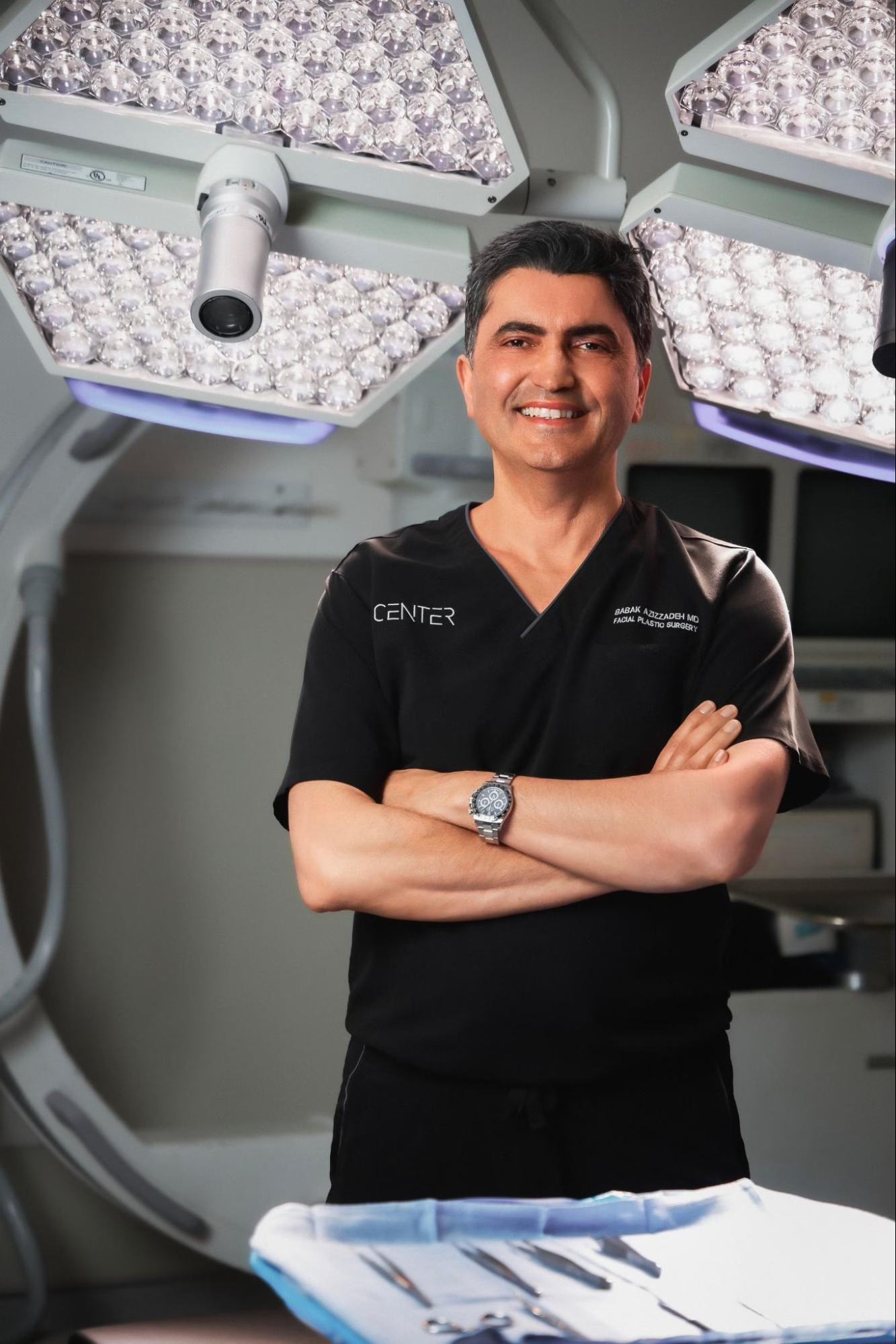
Dr. Azizzadeh has been featured twice in ELLE magazine discussing Sculptra's resurgence and its implications for future surgical patients.
In these features, he noted that Sculptra can strengthen tissue to improve facelift longevity when timed correctly. He also emphasized that a history of Sculptra injections rarely disqualifies a patient, as success primarily depends on a surgeon's ability to manage complex tissue.
For patients interested in Sculptra for facial volume restoration as part of a longer-term aesthetic plan that may eventually include surgery, these insights are directly relevant.
https://facialplasticsbh.com/getting-a-facelift-in-your-40s-what-you-need-to-know/
Timing Matters More Than You Might Think
Dr. Azizzadeh advises skipping Sculptra if you plan on surgery within six to twelve months. Fresh injections during active collagen stimulation can make surgical tissue unpredictable, adding unnecessary complexity.
However, if surgery is further off, previous Sculptra use is less concerning. By then, the product has dissolved, leaving only your natural collagen response for the surgeon to navigate.
The bottom line is this: timing, transparency, and the right surgeon matter far more than whether you've had Sculptra at all.
To discuss your treatment history and find out which approach is right for your goals, reach out to the CENTER for Advanced Facial Plastic Surgery and speak with the team directly.
 Frequently Asked Questions
Does Sculptra permanently stay in the face?
No. The poly-L-lactic acid in Sculptra is gradually absorbed by the body over several months. What remains is the collagen your body produced in response to the treatment, which is entirely natural tissue.
How long should I wait after Sculptra before having a facelift?
Dr. Azizzadeh recommends avoiding Sculptra if you're planning surgery within the next six to twelve months. If your last treatment was more than a year ago, this is typically not a limiting factor for surgical planning.
Will Sculptra affect my facelift results?
In most cases, no. With a skilled deep plane facelift surgeon who is aware of your treatment history, outcomes can still be excellent. The procedure may be slightly more complex, but that complexity is well within the range of what experienced surgeons manage routinely.
Is it safe to get Sculptra after a facelift?
This depends on how much time has passed since surgery and how your tissues healed. It's best to discuss timing with your surgeon before pursuing any injectable treatments after a facelift.
How do I know if my surgeon is experienced enough to handle Sculptra-treated tissue?
Ask directly. A qualified surgeon should be able to explain how prior biostimulator use factors into their surgical approach and what steps they take to assess tissue density during a consultation. Look for surgeons who specialize in complex or revision cases, as this typically indicates comfort with more nuanced tissue scenarios.
The Bottom Line
Sculptra and facelifts can successfully coexist. While Dr. Azizzadeh acknowledges that a history of Sculptra increases surgical complexity by one degree, an experienced surgeon can manage these real concerns. Do not let apprehension deter you; instead, seek a thorough consultation to develop a plan tailored to your specific history.
See why patients across the U.S. choose Dr. Azizzadeh for natural, high-end results. Read reviews on Google and RealSelf.

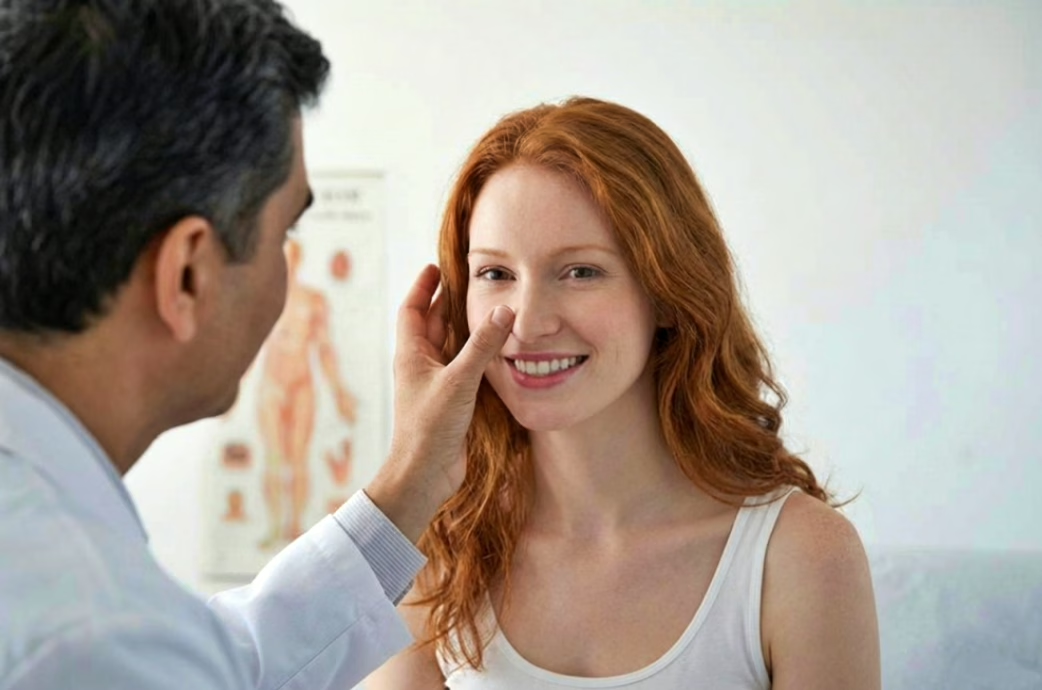
Botox and Facelifts: How They Work Hand in Hand
There's a question that comes up in almost every cosmetic consultation: do I need Botox treatments, a facelift, or both? On the surface, it feels like a straightforward comparison. In reality, these two procedures work on completely different levels, and for many patients, the most effective approach involves using both together rather than choosing one over the other.
Key Takeaways
- Botox treats dynamic wrinkles, while a facelift surgically repositions tissues for long-term structural changes.
- Combining both procedures often provides better results than choosing just one.
- Liquid facelifts use fillers to restore volume in younger patients not yet ready for surgery.
- Microneedling improves skin texture but cannot replicate the structural results of surgery.
- Ongoing Botox remains beneficial after a facelift to address continuous muscle movement.
Two Different Mechanisms, One Goal
Botox reduces dynamic wrinkles by temporarily relaxing facial muscles, while a deep plane facelift addresses aging by lifting and repositioning deeper structural tissues for long-lasting results. While Botox offers a quick, non-surgical entry point, surgical intervention focuses on restoring anatomy and removing excess skin to achieve a naturally refreshed appearance.
Comparing the two directly is, as Dr. Azizzadeh explains, a bit of an apples-to-oranges situation. Botox is fundamentally muscular in its effect. A facelift repositions tissues. Both reduce signs of aging, but they do it at different levels of the face and for different reasons. That's exactly why they complement each other so well.
Related: Juvederm Vs Botox Which Is Better
What Dr. Azizzadeh Says About the Modern Anti-Aging Market
"The modern anti-aging market spans an unusually wide spectrum. At one end are non-invasive procedures such as Botox and other neuromodulators, which have become mainstream due to their predictability, reversibility, and minimal downtime. At the other are surgical interventions, including deep-plane facelifts and blepharoplasty, increasingly reframed as longevity-focused investments rather than last-resort corrections."
Dr. Azizzadeh also points out a meaningful shift in how patients and surgeons approach surgery: "Procedures like the deep plane facelift are no longer about dramatic transformation. They're about restoring anatomy and aging gracefully, with results designed to last."
That reframing matters. Surgery, at this level, isn't about changing who you are. It's about preserving and restoring what time has gradually shifted. And for many patients, non-surgical facial rejuvenation plays an important maintenance role before, during, and after that surgical journey.
If you're weighing your options and want a clear, personalized answer on what combination of treatments would serve you best, reaching out to schedule a consultation at The CENTER for Advanced Facial Plastic Surgery is a strong first step toward making an informed decision.
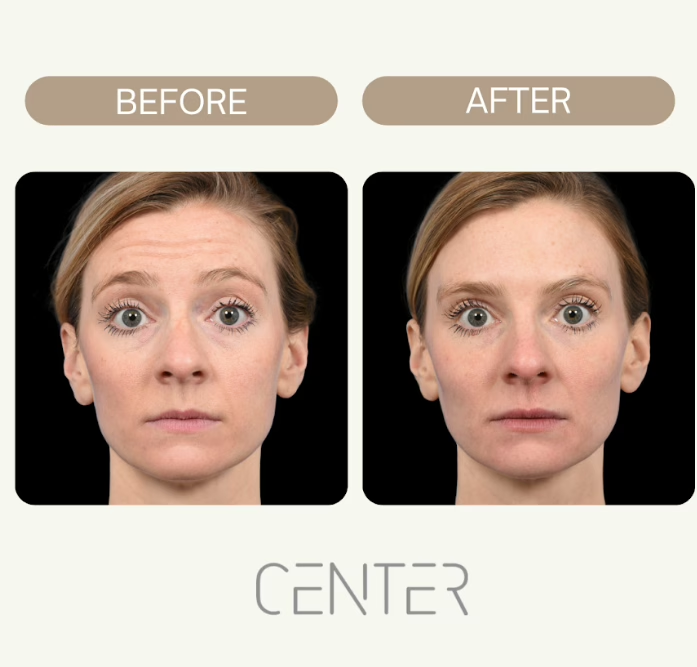
Why Facelift Patients Still Need Botox
Surgery lifts and repositions tissues, but it doesn't change how your muscles move, which is why having a facelift doesn't eliminate the need for botulinum toxin injections. Expressive lines caused by repeated muscle movement will return post-surgery, so most patients continue treatments to address different aging concerns at different depths for a more cohesive result.
The Liquid Facelift for Younger Patients
Younger patients in their 30s and 40s who lack the structural aging required for surgery can opt for a liquid facelift. This non-surgical treatment uses dermal fillers to restore volume in the cheeks and temples. However, fillers cannot replace surgery for significant skin laxity, as over-filling can lead to an unnatural look.
Related: Different Types Of Facelifts Explained
Where Microneedling Fits In
Microneedling improves skin texture and tone by stimulating collagen through controlled micro-injuries. While effective for surface-level concerns, it cannot reposition tissue or address structural descent. A professional consultation is necessary to determine if a surgical approach is required for more advanced volume loss or laxity.
INSERT IMAGE HERE
Related: Different Types Of Facelifts Explained
Where Microneedling Fits In
Microneedling is a reputable skin-quality treatment that uses controlled micro-injuries to stimulate collagen. Over several sessions, it improves texture, pores, and skin tone, making it effective for fine surface-level concerns.
However, microneedling cannot reposition tissue or address structural aging. Like Botox, it has limits; significant laxity, volume loss, and tissue descent eventually require a surgical approach. A professional consultation helps determine which treatment tier is appropriate for your current needs.

Choosing the Right Combination
The most effective approach to facial rejuvenation isn't a single procedure, but a combination that addresses muscle activity, skin quality, volume, and structural support. While some start with Botox, others in their 50s or 60s may begin with a facelift, using facial rejuvenation procedures for maintenance. Additionally, Neck lift surgery is often performed simultaneously to ensure cohesive results across the neck and lower face.
A personalized consultation is the only way to know what's actually right for your face, your goals, and your timeline. Getting in touch with the team at The CENTER for Advanced Facial Plastic Surgery will give you a clear, honest picture of your best options.
The Bottom Line
Botox and facelifts complement rather than compete with each other. While Botox prevents muscle-driven lines, a facelift restores structural architecture. Together, they provide a more comprehensive solution to facial aging.
The ideal approach depends on individual aging patterns and goals, requiring a personalized consultation with a qualified surgeon.
Dr. Babak Azizzadeh and The CENTER for Advanced Facial Plastic Surgery offer the expertise to guide these decisions. Whether starting with Botox or exploring a facelift, the objective remains natural, refreshed results.
Frequently Asked Questions
Can I get Botox and a facelift at the same time?
It is best to keep them separate, typically waiting four to six weeks post-facelift before resuming Botox. Coordinate the timing with your surgeon to align with your specific healing process.
How long do facelift results last compared to Botox?
Botox lasts three to four months, while a facelift can last a decade or more. Longevity depends on your skin quality, lifestyle, and consistent maintenance.
What age is appropriate for a facelift?
Recommendation is based on tissue laxity rather than a specific age. While common in the 40s to 60s, younger patients may benefit more from non-surgical options like a liquid facelift.
Will a facelift make me look unnatural or “done”?
Modern techniques like the deep plane facelift focus on repositioning structures rather than pulling skin tight, ensuring a refreshed, natural appearance that avoids a "done" look.
Is Botox safe for long-term use?
Yes, Botox has a long safety record for long-term use. Consistent treatments can even train muscles to relax, potentially reducing the required frequency of injections over time.
See why patients across the U.S. choose Dr. Azizzadeh for natural, high-end results. Read reviews on Google and RealSelf.

Different Types Of Facelifts Explained
Facial aging affects everyone differently. Some people notice sagging around the jawline first, while others see deeper creases forming around the nose and mouth. The good news is that modern facelift surgery options have evolved to address these specific concerns with precision. Understanding the different types of facelift procedures available helps you make an informed decision about which approach aligns with your goals and anatomy.
Key Takeaways
- Different facelift techniques target specific areas of facial aging, from mild jowling to significant volume loss.
- The deep plane facelift offers the most comprehensive and long-lasting results by addressing deeper facial structures.
- Mini facelifts work well for younger patients with early signs of aging who want minimal downtime.
- A qualified facial plastic surgeon will recommend the best approach based on your unique facial anatomy.
- Recovery time and results vary depending on the type of facelift performed.
Understanding Facelift Surgery
A facelift, medically known as rhytidectomy, is a facial aging surgery designed to restore a more youthful appearance by lifting and tightening the skin and underlying tissues. The procedure addresses sagging skin, deep folds, loss of definition along the jawline, and excess skin in the neck area.
What many people do not realize is that "facelift" is actually an umbrella term covering several distinct techniques. Each approach targets different facial structures at varying depths, producing different results and requiring different recovery periods. The right choice depends on your age, the severity of your concerns, your skin quality, and how much downtime you can accommodate.
Dr. Babak Azizzadeh, a Harvard-trained, double board-certified facial plastic and reconstructive surgeon, specializes in advanced facelift techniques at the CENTER for Advanced Facial Plastic Surgery in Beverly Hills. As Clinical Chief of Otolaryngology at Cedars-Sinai Medical Center and President-Elect of the American Academy of Facial Plastic and Reconstructive Surgery, Dr. Azizzadeh brings exceptional expertise to every procedure.
Mini Facelift
The mini facelift is designed for patients in their late 30s to early 50s experiencing the earliest signs of facial aging. This procedure focuses primarily on the lower face, targeting mild jowling and early skin laxity along the jawline.
During a mini facelift, the surgeon makes smaller incisions hidden around the ears and lifts the superficial layers of skin. Because the procedure is less invasive, recovery time is significantly shorter. Most patients return to normal activities within a week to ten days.
The trade-off is that results are more subtle and may not last as long as more comprehensive procedures. This technique works best for patients who want to address early aging without committing to extensive surgery.

https://facialplasticsbh.com/getting-a-mini-facelift-at-35-what-you-didnt-know/
Mid Facelift
The mid facelift targets the cheek area and the region between the lower eyelids and the mouth. This technique is particularly effective for patients who have experienced volume loss in the cheeks or developed prominent nasolabial folds.
Unlike procedures that focus on the jawline and neck, the mid facelift lifts the fat pads in the cheek area back to their youthful position, restoring fullness and softening the appearance of hollow cheeks. The procedure can be performed through incisions in the lower eyelid area or through the hairline near the temples.
Mid facelifts are often combined with other procedures for more comprehensive rejuvenation. Patients dealing with a Facelift For Nasolabial Folds may find that a mid facelift provides significant improvement.
SMAS Facelift
The SMAS facelift improved upon earlier approaches that focused only on tightening the skin. The term SMAS refers to a supportive tissue layer located beneath the surface that links facial muscles to the overlying skin. Treating this structure allows surgeons to create results that appear more balanced and tend to hold up longer over time.
During this procedure, the surgeon separates the skin from the underlying SMAS layer, then tightens and repositions the SMAS before re-draping the skin. This dual-layer approach provides lift without creating the pulled appearance sometimes associated with older techniques.
The SMAS facelift is well-suited for patients in their 50s and 60s with moderate facial aging. It effectively addresses sagging in the lower face, defines the jawline, and improves the appearance of jowls. Recovery typically takes two to three weeks.
Benefits of the SMAS technique include:
- Natural-looking results that respect facial anatomy
- Effective treatment for moderate jowling and skin laxity
- A proven track record with decades of clinical use
https://facialplasticsbh.com/history-of-facial-plastic-surgery-medieval-times-modern-day-infographic/

Deep Plane Facelift
The Deep Plane Facelift is considered the gold standard for comprehensive facial rejuvenation. This advanced technique goes beneath the SMAS layer to release and reposition the deeper facial structures, including the fat pads, ligaments, and muscles that form the foundation of facial contour.
What sets the deep plane approach apart is its ability to lift the face as a unified structure rather than simply tightening individual layers. The surgeon releases the retaining ligaments that anchor facial tissues, allowing for more effective vertical repositioning. This addresses the jawline, jowls, midface, nasolabial folds, and marionette lines in a single procedure.
Results from a deep plane facelift typically last 10 to 15 years, significantly longer than other techniques. Because the deeper tissues are repositioned rather than just pulled tight, the skin settles naturally without tension, creating results that look refreshed rather than operated on.
The deep plane facelift requires considerable surgical expertise due to its proximity to facial nerves. Dr. Azizzadeh has performed thousands of these procedures, developing refined techniques that maximize results while maintaining the highest safety standards. His approach combines precision with an artistic eye, ensuring outcomes appear natural and harmonious with each patient's features.
Neck Lift
A neck lift specifically targets the area from the jawline to the collarbone, addressing concerns like loose skin, vertical banding, and excess fat deposits under the chin. While often performed alongside a facelift, a neck lift can also be done as a standalone procedure.
The procedure involves tightening the platysma muscle, removing or repositioning fat, and excising excess skin. Incisions are typically placed behind the ears and sometimes under the chin, where they heal inconspicuously.
Neck lifts are particularly beneficial for patients with significant jowling that extends into the neck. When combined with Surgical Facial Procedures, a neck lift creates seamless rejuvenation from the midface to the décolletage.
ALT Text: Neck List before and after
Which Facelift Is Right for You?
Choosing the right facelift technique depends on several factors that only a thorough consultation can properly assess. Your surgeon will evaluate your facial anatomy, skin quality, the degree of aging present, and your specific goals before recommending an approach.
Consider these factors when exploring your options:
- Age and Aging Severity: Younger patients with mild concerns may benefit from a mini facelift, while those with more advanced aging often achieve better results with a deep plane approach.
- Target Areas: If your concerns are primarily in the cheeks, a mid facelift may be appropriate. For comprehensive lower face and neck improvement, a full facelift is typically recommended.
- Recovery Time: Mini facelifts offer the shortest recovery, while deep plane procedures require more downtime but deliver more dramatic and lasting results.
Take the Next Step
The decision to pursue facial rejuvenation is personal. A comprehensive consultation allows you to discuss your concerns openly and develop a treatment plan tailored to your needs. Schedule a consultation to explore which facelift option is right for you.
Conclusion
Modern facelift techniques offer options for addressing facial aging at every stage. From mini facelifts that refresh early signs of aging to deep plane procedures that provide comprehensive rejuvenation, today's approaches deliver natural results. The key lies in matching the right technique to your specific concerns and working with an experienced surgeon who understands the artistry of facial plastic surgery.
Frequently Asked Questions
How long do facelift results typically last?
Results vary by technique. Mini facelifts may last 5 to 7 years, while SMAS facelifts often last 7 to 10 years. Deep plane facelifts provide the longest-lasting results, typically 10 to 15 years, because they address the deeper structural components of facial aging.
What is the recovery time for different types of facelifts?
Mini facelifts require about one week of downtime. SMAS facelifts typically need two to three weeks. Deep plane facelifts may require three to four weeks before patients feel comfortable in social situations.
Am I too young or too old for a facelift?
There is no single ideal age. Candidacy depends more on facial anatomy and the degree of aging present than on chronological age. Some patients benefit from mini facelifts in their late 30s, while others in their 70s achieve excellent results from deep plane procedures.
Will my facelift look natural?
When performed by a skilled surgeon using appropriate techniques, modern facelifts produce natural-looking results. The deep plane technique avoids the pulled appearance by lifting deeper tissues rather than simply stretching skin.
Can a facelift be combined with other procedures?
Yes, facelifts are commonly combined with eyelid surgery, brow lifts, neck lifts, or fat transfer for comprehensive rejuvenation. Your surgeon will recommend combinations based on your concerns and goals.

Mini Facelift Vs Full Facelift - Choosing The Right Option
Facial aging affects everyone differently. Some people notice mild sagging around the jawline in their 40s, while others don't see significant changes until their 60s. When the time comes to consider surgical rejuvenation, patients often face one key question: should I get a mini facelift or a full facelift? The answer depends on your specific concerns, your age, and what kind of results you're hoping to achieve.
Key Takeaways
- A mini facelift targets the lower face and jawline, making it ideal for patients with mild to moderate aging signs.
- A full facelift addresses the midface, lower face, and neck for more comprehensive rejuvenation.
- Recovery time varies significantly, with mini facelifts requiring about one week and full facelifts needing two to three weeks.
- The best procedure for you depends on your age, skin laxity, and personal goals.
- Consulting with a board-certified facial plastic surgeon is the most reliable way to determine which option suits your needs.
Understanding the Mini Facelift
A mini facelift is designed for patients beginning to notice early signs of facial aging. This typically includes mild jowling, slight skin laxity along the jawline, and early marionette lines. It's popular among patients in their 40s and 50s who want a refreshed appearance without a more extensive procedure.
The surgery involves smaller incisions placed along the hairline in front of each ear. Through these incisions, the surgeon tightens the underlying facial muscles and removes excess skin. Most mini facelifts take about 60 to 90 minutes under local anesthesia. When comparing a mini facelift vs traditional facelift, the main distinction lies in the scope of correction each provides.
Because incisions are smaller, facelift surgery recovery tends to be quicker. Most patients return to normal activities within a week.
https://facialplasticsbh.com/getting-a-mini-facelift-at-35-what-you-didnt-know/
Understanding the Full Facelift
For patients with more advanced aging signs, a full facelift offers comprehensive rejuvenation. This procedure addresses the midface, lower face, and neck, making it suitable for individuals with significant skin laxity, deep nasolabial folds, pronounced jowls, and neck banding.
A full facelift requires longer incisions extending from the temples, around the ears, and sometimes into the lower scalp. The surgeon lifts and repositions deeper facial tissues, removes excess skin, and smooths the neck. Patients considering a Facelift For Nasolabial Folds often find a full facelift provides the most effective correction.
Recovery takes two to three weeks before patients feel comfortable returning to social activities.
Dr. Babak Azizzadeh, a Beverly Hills facial plastic and reconstructive surgeon, is recognized for his expertise in advanced facelift techniques. As a dual board-certified specialist, he has earned recognition from major media outlets for his commitment to natural, lasting results.

https://facialplasticsbh.com/history-of-facial-plastic-surgery-medieval-times-modern-day-infographic/
Comparing Results and Longevity
Both procedures deliver noticeable improvements, but the extent of correction differs. A mini facelift typically turns back the clock by about three years, while a full facelift can reverse aging signs by up to a decade.
Patients who undergo a Deep Plane Facelift, an advanced variation of the full facelift, often see particularly long-lasting results. This technique repositions deeper layers of facial tissue rather than just tightening skin.
Common improvements include:
- A more defined jawline
- Reduced appearance of jowls
- Softened marionette lines
- Smoother skin texture along the lower face
Full facelifts also address neck wrinkles and banding, which mini facelifts do not correct.
How to Decide Which Procedure Is Right for You
Choosing between these procedures comes down to a few key factors. Your age plays a role, but skin laxity, the areas you want to address, and your goals all matter.
A mini facelift may be right if you're in your 40s or 50s with mild to moderate aging signs, want to address early jowling, prefer shorter recovery, or seek subtle enhancement.
A full facelift may be better if you have significant sagging in the midface, lower face, and neck, want to correct deep nasolabial folds, or have neck banding that needs attention.
When exploring facial aging treatment options, nonsurgical alternatives are worth considering. However, for patients with moderate to significant skin laxity, surgical intervention provides the most meaningful improvement.

Choosing the Right Surgeon
The success of any facelift depends heavily on your surgeon's skill. Board certification in facial plastic surgery is a baseline requirement. Look for a surgeon who specializes in facial procedures and has results that align with your aesthetic goals.
During consultation, ask about the surgeon's approach, the technique they recommend, and realistic expectations. For those interested in complementary Surgical Facial Procedures, a comprehensive consultation can outline a personalized treatment plan.
If you're ready to take the next step, schedule a consultation to explore your options with a specialist who can evaluate your unique facial structure.
Conclusion
Mini and full facelifts each serve a distinct purpose in facial renewal. A mini facelift is often chosen by patients in earlier stages of aging who want modest refinement rather than dramatic change. A full facelift is better suited for addressing deeper sagging and more noticeable structural concerns. A personalized evaluation with a board-certified facial plastic surgeon helps clarify which approach fits your goals and facial anatomy.
Frequently Asked Questions
How long do facelift results last?
Mini facelift results typically last five to seven years, while full facelift results can last ten years or longer depending on lifestyle factors.
Can I combine a facelift with other procedures?
Yes, many patients combine facelifts with eyelid surgery, brow lifts, or fat grafting for comprehensive rejuvenation.
What is the best age for a facelift?
There's no single best age. Mini facelifts are often performed on patients in their 40s and 50s, while full facelifts are more common for patients 60 and older.
Are facelift scars visible?
Skilled surgeons place incisions in discreet locations along the hairline and around the ears. Scars fade over time and become barely noticeable.

Facelift For Nasolabial Folds - 3 Things To Know
Nasolabial folds are the lines that run from the sides of your nose down to the corners of your mouth. As skin ages and loses collagen, these folds deepen and become more pronounced. While non-surgical facial rejuvenation can help with mild concerns, deeper folds often require surgical intervention for lasting results.
Key Takeaways
- Not all facelift techniques address nasolabial folds equally.
- The deep plane approach targets underlying facial structure, not just skin.
- Recovery varies based on technique and individual healing factors.
- Consultation with a board-certified facial plastic surgeon ensures proper technique selection.
Here are three critical things to know before your consultation.
Not All Facelift Techniques Target Nasolabial Folds Equally
Traditional facelifts focus on tightening skin and superficial tissues, which can improve facial contour but may not address the structural changes causing deep nasolabial folds. These approaches often pull skin laterally toward the ears, creating an unnatural appearance without resolving midface volume loss.
The deep plane facelift procedure repositions deeper facial tissues, including muscles and fat pads that have descended over time. This technique releases the ligaments that tether facial tissues, allowing the surgeon to reposition the entire midface structure vertically.
An anterior midcheek and nasolabial fold study showed that effective rejuvenation involves repositioning the deeper midface structures that support this region. By restoring underlying volume and tissue integrity, surgeons can achieve smoother transitions and more natural facial contours.
The SMAS (superficial musculoaponeurotic system) provides key structural support for the face. A nasolabial fold study demonstrated that extended SMAS facelift techniques create greater and longer-lasting improvement than skin-only procedures by addressing deeper tissue layers.
Different surgical facial procedures address specific concerns. For nasolabial folds, the technique must lift and reposition cheek tissues that have sagged into the lower face.
https://facialplasticsbh.com/facelifts-in-their-30s-the-celebrity-trend/
Measurement and Assessment Methods Vary
Before surgery, accurately assessing the depth of the nasolabial fold is vital to selecting the right surgical approach. A nasolabial fold depth measurements study compared clinical grading with ultrasound evaluation and found that both methods provide valuable insights for preoperative planning and outcome assessment.
Your surgeon will assess several factors:
- The depth and length of your nasolabial folds
- The position of your midface fat pads
- Your skin quality and elasticity
- Overall facial proportions and bone structure
This evaluation determines which surgical approach will produce the most effective results. Some patients with moderate folds may benefit from a mid-facelift, while those with pronounced folds typically require a full deep plane facelift.
Dr. Babak Azizzadeh, a Beverly Hills facial plastic and reconstructive surgeon, is recognized for his expertise in advanced facial rejuvenation procedures. His approach combines precision and artistry to achieve natural, balanced results.
The assessment phase includes discussing your aesthetic goals and expectations. Clear communication ensures you and your surgeon are aligned on the desired outcome.

Recovery and Results Require Realistic Expectations
Understanding the recovery process helps you prepare for the healing timeline. Deep plane facelifts typically involve more extensive recovery compared to less invasive procedures, but results are often more comprehensive and longer-lasting.
Initial recovery typically includes:
- Week 1-2: Swelling and bruising peak within the first few days, then gradually subside. Most patients return to light activities after 10-14 days.
- Week 3-4: Visible bruising resolves, and you can resume most normal activities.
- Month 2-3: Final results emerge as swelling resolves and tissues settle into their new positions.
The longevity of your results depends on skin quality, lifestyle habits, and the specific technique used. Deep plane facelifts typically provide results that last 10-15 years.
Sun protection becomes essential after facial surgery. UV exposure can damage healing skin and accelerate aging. Your surgeon will provide detailed aftercare instructions to optimize healing.
If you're ready to explore how a facelift can address your nasolabial folds, schedule a consultation to discuss your options and create a personalized treatment plan.

Final Thoughts
Addressing nasolabial folds with a facelift requires careful technique selection, thorough assessment, and realistic expectations. The deep plane approach offers comprehensive correction by repositioning underlying facial structures that have descended with age.
Working with a board-certified facial plastic surgeon who specializes in advanced facelift techniques ensures you receive appropriate treatment for your concerns. The right surgical approach, combined with proper aftercare, can restore a more youthful facial contour and reduce nasolabial fold prominence for years to come.
Frequently Asked Questions
Can fillers eliminate nasolabial folds without surgery?
Dermal fillers can temporarily reduce mild to moderate nasolabial folds by adding volume. However, they don't address underlying structural changes causing deeper folds, and results typically last 6-18 months.
How long do facelift results last for nasolabial folds?
Deep plane facelift results typically last 10-15 years. Individual factors like skin quality, genetics, and lifestyle habits affect longevity.
What's the difference between a mini facelift and a deep plane facelift?
A mini facelift addresses superficial tissues and suits patients with early aging signs. The deep plane facelift repositions deeper facial structures and provides more comprehensive correction for pronounced nasolabial folds.
Are there non-surgical alternatives?
Options include dermal fillers, skin tightening treatments, and thread lifts. These may suit patients with mild concerns, but provide temporary results and don't achieve the same correction as surgery.
When can I return to work after a facelift?
Most patients return to desk work after 10-14 days once visible bruising resolves. Those in physically demanding or public-facing roles may need additional recovery time.
https://facialplasticsbh.com/blog/what-is-the-best-way-to-treat-an-aging-neck/

Laser Blepharoplasty Vs Traditional Blepharoplasty
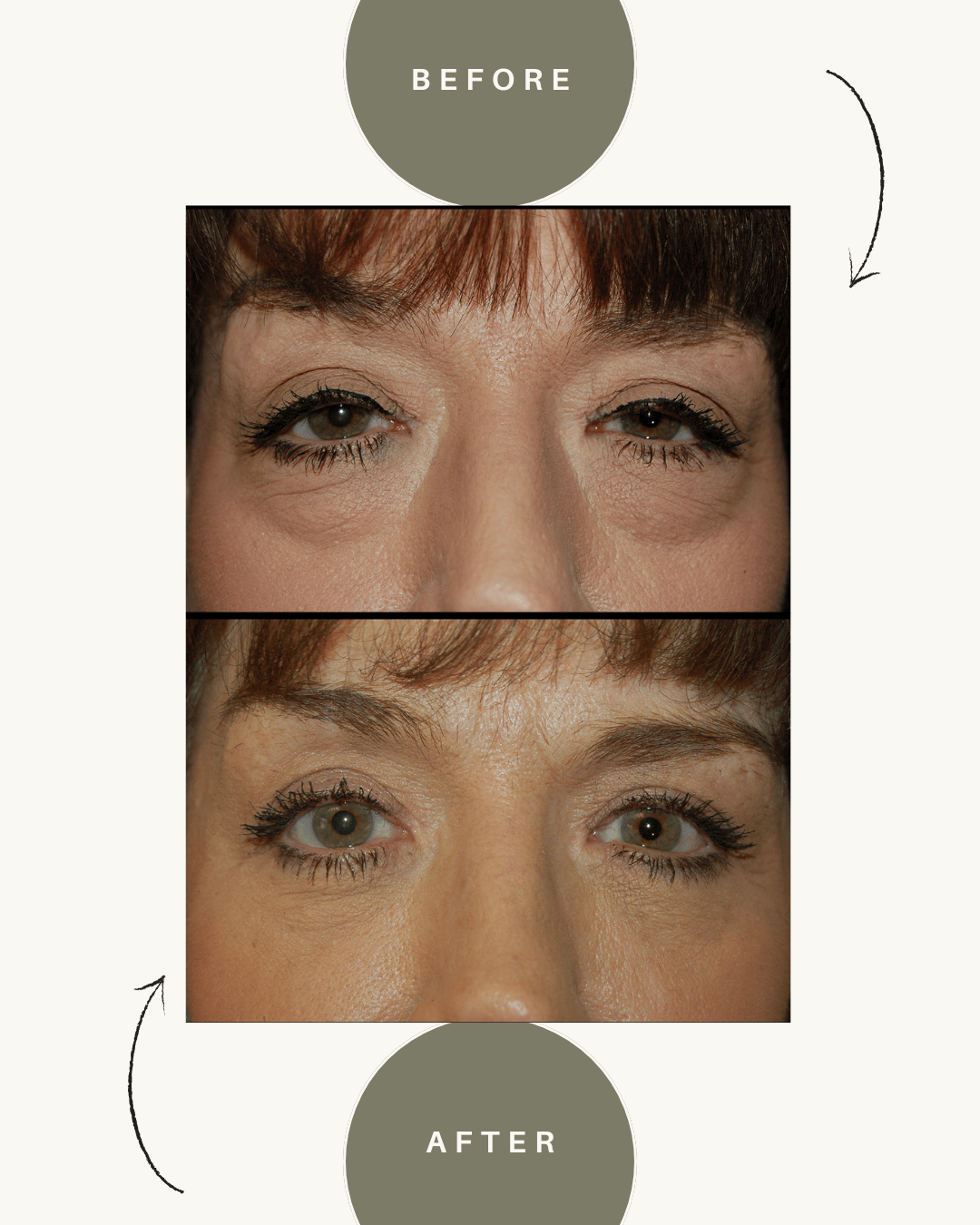
Blepharoplasty surgery, also referred to as an eyelid lift, is a popular cosmetic procedure used to enhance the appearance of the eyes. The procedure is commonly used to remove excess skin from the upper eyelids or eliminate under-eye bags from the lower eyelids.Patients can undergo a blepharoplasty to remove excess skin from the upper eyelids or bags from the lower eyelids. They can also receive an eyelid lift to treat sagging upper eyelids that otherwise make it difficult to see, which can sometimes interfere with vision.
Although blepharoplasty surgery is a top option for many patients, a laser eyelid lift offers a safe, effective alternative. Now, let’s look at the differences between laser and traditional blepharoplasties.
What Is a Laser Blepharoplasty?
Laser blepharoplasty offers a minimally invasive approach to eyelid surgery. Whereas a traditional blepharoplasty requires a facial plastic surgeon to use a scalpel, a laser eyelid lift involves a CO2 laser. As such, a laser blepharoplasty helps a surgeon make accurate, precise incisions and determine the exact amount of tissue to remove during treatment, minimizing the risk of error and enhancing the precision of the procedure. The laser technology also promotes collagen stimulation, which can aid in the skin's rejuvenation.
What Is the Cost of Laser Blepharoplasty?
Laser blepharoplasty cost varies based on where the procedure is performed, the surgeon providing the treatment, and other factors. The surgeon explains the cost of a laser blepharoplasty prior to treatment. It's important to consult with your surgeon beforehand to discuss pricing, payment options, and any potential additional costs that may arise during recovery.
Do I Qualify for a Laser Eyelid Lift?
Like any surgical procedure, a laser blepharoplasty is not suitable for everyone. Laser blepharoplasty is a surgical procedure, and a patient must qualify for treatment. Candidates must undergo a thorough evaluation to ensure they are healthy enough for the surgery. Issues that may disqualify a patient from a laser eyelid lift include any previously diagnosed medical conditions or health issues that jeopardize the patient’s health and well-being.
A patient must meet with a surgeon before a laser eyelid lift. A consultation with a skilled surgeon will help determine whether laser blepharoplasty is the most appropriate option for the patient. The surgeon discusses laser blepharoplasty and performs an evaluation to determine their eligibility for treatment. If the surgeon decides the patient is a good candidate for laser eyelid lift surgery, a personalized treatment plan is created.

What Are the Risks Associated with Laser Blepharoplasty?
While laser blepharoplasty offers many benefits, there are potential risks associated with the procedure. Laser blepharoplasty risks include:
- Eye irritation: Mild irritation or discomfort may occur following surgery.
- Bleeding: Although rare, some bleeding can occur during or after the procedure.
- Skin discoloration: Temporary bruising or discoloration may appear around the eyes.
- Eye muscle injuries: In rare cases, the laser could potentially damage the muscles around the eyes.
- Blurred vision: Some patients may experience temporary blurred vision as part of the healing process.
- Loss of eyesight: Although extremely rare, there is a slight risk of complications that could impact vision.
Laser blepharoplasty is only recommended if the procedure is considered safe for a patient. To minimize these risks, it is important to choose a qualified, experienced surgeon. If a surgeon believes a laser eyelid lift is too risky, alternative treatments to revitalize the eyes’ appearance can be explored.
What Happens During a Laser Blepharoplasty?
Prior to a laser blepharoplasty for the upper eyelid, a patient typically receives topical or local anesthesia, sometimes with mild sedation if needed. A surgeon then places a protective metal shield over the eye and uses a laser to make an incision in the eyelid. Excess fat and skin are carefully removed before sealing the wound.
Similarly, a laser blepharoplasty for eye bags is performed under local anesthesia, with the surgeon making a small incision on the inside of the lower eyelid to remove excess fat. The laser may also be used to resurface and tighten the lower eyelid skin, improving overall smoothness and firmness.
Unlike traditional blepharoplasty, which involves a scalpel and sutures, laser blepharoplasty may not require stitches, and recovery tends to be faster. The laser also helps minimize the risk of scarring and skin damage.
Will I Need Laser Resurfacing After Blepharoplasty Surgery?
Laser skin resurfacing is often used after blepharoplasty to improve skin tone, texture, and overall appearance. A laser skin resurfacing procedure is used to treat sun-damaged skin, acne scars, skin texture and tone issues, and facial lines and wrinkles. The treatment helps improve skin tone, texture, and pigmentation. It also revitalizes the skin. While it is not necessary for every patient, some individuals may benefit from laser resurfacing following their eyelid surgery to enhance their results.
Laser skin resurfacing can be performed after a laser or traditional blepharoplasty, but it is not required for every patient. Following a blepharoplasty, a surgeon tracks the results of treatment. If the surgeon believes a patient can benefit from laser resurfacing or any other facial rejuvenation procedure, the treatment can be performed accordingly.
What Should I Expect During Laser Blepharoplasty Recovery?
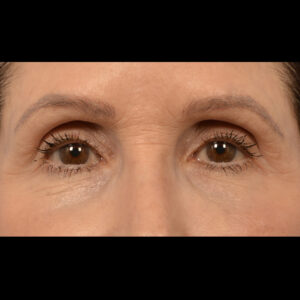
One of the key advantages of laser blepharoplasty is its relatively short recovery period. Some bruising and swelling can occur after a laser blepharoplasty, but these issues typically disappear on their own within a few days of treatment. Generally, no stitches are required during a laser blepharoplasty, and the procedure does not leave any visible scars.
Laser blepharoplasty patients can usually resume their normal activities within about one week of treatment. Most patients require time off from work or school to recover after a laser eyelid lift, with the initial recovery period lasting up to 10 days. While the recovery time is generally faster, patients should still follow post-operative care instructions closely to minimize complications and ensure optimal healing.
What Are the Results of Laser Blepharoplasty?
The results of laser blepharoplasty include more youthful and rejuvenated eyes and a balanced, natural-looking facial appearance. This procedure can address various issues, such as drooping eyelids, puffiness under the eyes, fine wrinkles, and excess skin. They are virtually identical to those associated with a traditional eyelid lift.
What Are the Advantages of Laser Blepharoplasty?
A laser blepharoplasty allows a patient to achieve results that replicate those of a traditional eyelid lift, without going under the knife. The procedure can be performed for medical or cosmetic reasons, and it helps patients correct a variety of upper and lower eyelid issues, such as:
- Drooping lower eyelids
- Under-eye bags
- Fine wrinkles around the lower eyelids
- Sagging upper eyelid skin
- Excess fat in the eyelids
Laser blepharoplasty provides several advantages over traditional methods, including:
- Precision: The CO2 laser enables more precise incisions, which can result in better outcomes and less damage to surrounding tissue.
- Less swelling and bruising: Laser blepharoplasty typically causes less post-operative swelling and bruising than traditional methods.
- Faster recovery: Patients can usually resume their normal activities in about 7 to 10 days, compared to 2 to 4 weeks for traditional eyelid surgery.
- No visible scarring: Unlike traditional blepharoplasty, which requires incisions along the eyelids, laser blepharoplasty often results in less visible scarring.
Along with the benefits mentioned above, a laser blepharoplasty causes less bruising and swelling after treatment in comparison to a traditional eyelid lift. A laser blepharoplasty also requires only about seven to 10 days of recovery time and delivers; comparatively, it takes about two to four weeks to recover from a traditional eyelid lift.
Furthermore, a laser eyelid lift procedure does not cause external scarring, as the incision is made inside the eyelid. Traditional blepharoplasty, on the other hand, involves external incisions that may leave scars. However, when performed by a skilled facial plastic surgeon like Dr. Azizzadeh, these scars are typically minimal and well-concealed within the natural eyelid creases.
Both procedures offer unique benefits—laser eyelid lifts are ideal for those seeking a minimally invasive approach with quicker recovery, while traditional blepharoplasty may be better suited for individuals with more significant excess skin or fat that requires precise surgical removal.
Which Is Better: Laser or Traditional Blepharoplasty?
The decision between laser and traditional blepharoplasty depends on various factors, such as the patient's goals, the complexity of the surgery, and the patient's overall health. The goal of any blepharoplasty procedure is to help a patient bolster their facial appearance with little to no risk. In some instances, a laser blepharoplasty provides the best option to accomplish this goal. Or, in other cases, a patient benefits from a traditional blepharoplasty over a laser eyelid lift.
To decide between a laser or traditional blepharoplasty, a patient should consult with a surgeon. This allows the surgeon to learn about the patient, perform a comprehensive evaluation of the patient’s eyes and other facial features, and review their medical history. In addition, the surgeon can determine if the patient qualifies for a laser eyelid lift, a traditional blepharoplasty, or both. The surgeon can also decide if the patient can benefit from other facial revitalization treatments.
Where Can I Find CO2 Laser Blepharoplasty Near Me?
There are many facial plastic surgeons who perform laser blepharoplasty treatments in cities and towns nationwide, but it is important to select a surgeon with extensive eyelid lift expertise. Many facial plastic surgeons offer laser blepharoplasty, but finding a surgeon with a strong background in facial aesthetics is key to achieving the best results.
An expert surgeon understands the dangers associated with a laser blepharoplasty procedure. The surgeon carefully evaluates a patient and determines their eligibility for an eyelid lift and other facial rejuvenation procedures. Also, the surgeon devotes time to respond to the patient’s blepharoplasty treatment concerns and questions, so the patient feels good about the procedure. The surgeon requests follow-up appointments after a blepharoplasty to ensure the patient achieves their desired results as well.
Dr. Babak Azizzadeh is globally recognized for his facial plastic and reconstructive surgery expertise, and he performs laser blepharoplasty and other facial rejuvenation procedures at the CENTER for Advanced Facial Plastic Surgery in Los Angeles. To learn more or to schedule a consultation with Dr. Azizzadeh, please contact us online or call us today at 310-657-2203.
Discover Our honest reviews from patients who’ve worked with Dr. Azizzadeh—available on Google and RealSelf.


Getting a Facelift in Your 40s? What You Need to Know
Individuals considering a facelift around age 40 may find that early intervention offers more natural, longer-lasting results. At this stage, hormonal changes associated with perimenopause and menopause can accelerate facial aging, leading to increased skin laxity, fine lines, and volume loss. A facelift at this time can help address these early signs of aging, maintaining a youthful appearance with subtle, refined results. While a facelift isn’t necessary at 40, many individuals choose to undergo the procedure earlier to prolong their facial rejuvenation and potentially reduce the need for more extensive surgery later on. Facelift surgery can help address these concerns and revitalize one's appearance.
At the CENTER for Advanced Facial Plastic Surgery in Los Angeles, Dr. Babak Azizzadeh takes a holistic approach to facelift surgery. Dr. Azizzadeh is a globally recognized facial plastic and reconstructive surgeon, renowned for his expertise in delivering best, natural-looking results, and his goal is to help each facelift patient achieve a balanced, natural-looking appearance. His approach goes beyond simply addressing the visible signs of aging; it focuses on rejuvenating the overall harmony of the face, ensuring each patient looks refreshed, not "overdone." Dr. Azizzadeh is committed to educating his patients on the intricacies of facelift surgery, empowering them to make informed decisions about their treatment. He teaches his patients about facelift surgery, and by doing so, helps them weigh the pros and cons of treatment. If a facelift at 40 proves to be the best facial rejuvenation treatment option, Dr. Azizzadeh will work diligently to ensure a patient can get the most out of this procedure.
Facelift at 40: Key Factors to Consider
A facelift offers a safe and rewarding cosmetic treatment for individuals in their 40s. Facelifts rejuvenate the facial appearance, tighten the facial muscles and much more. They also help address signs of aging in different areas of the face, including:
- Cheeks: Minimizes sagging and volume loss in the cheeks that sometimes makes a person look older than his or her actual age.
- Jawline: Eliminates excess skin on the lower jawline, enhancing a more defined, youthful contour.
- Nose: Treats a drooping nasal tip.
- Neck: Addresses excess fat and sagging skin in the neck, often referred to as a "turkey neck."
- Eyes: Corrects drooping skin or hollows around the eyes that otherwise result in a “tired” facial appearance.
A facelift is just one of several facial rejuvenation procedures available to individuals in their 40s, too. In addition to facelift surgery, other facial rejuvenation procedures include:
- Brow Lift: Treats sagging skin on the forehead.
- Neck Lift: Eliminates fat deposits and excess skin and tightens muscle laxity in the neck and throat.
- Eyelid Lift: Removes lower eyelid bags and excess skin from the upper eyelids, rejuvenating the eyes.
Facial rejuvenation surgery helps people in their 40s quickly and safely enhance their facial appearance. However, it is important to note that not everyone is an ideal candidate for a facelift or other facial rejuvenation procedures. To find out if you are a good candidate for facial rejuvenation surgery, you must consult with an expert facial plastic and reconstructive surgeon like Dr. Azizzadeh.
People in Their 40s: Addressing Real-Life Aging Concerns
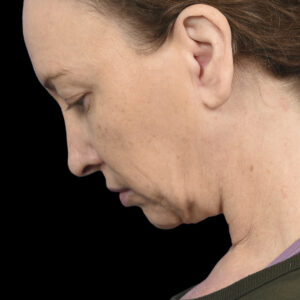
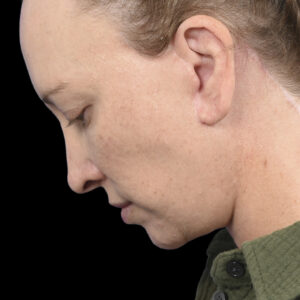
We frequently notice clients in their 40s who are beginning to see changes in their facial appearance. Many of the concerns they express align with the common signs of aging Here's what we encounter these concerns:r:
- "My skin just doesn't bounce back like it used to." Clients in their 40s often tell us about noticing loose or sagging skin, particularly along the jawline and neck. They attribute this to a loss of elasticity, and sometimes, they recognize the impact of past sun exposure.
- "I look tired all the time, even when I'm not." Loss of facial volume is a frequent complaint. Clients describe their cheeks appearing hollow and their faces looking drawn. This can significantly affect their perceived energy levels and overall appearance.
- "I'm starting to see jowls, and it's really bothering me." The development of jowls is a common concern among clients in their 40s. They notice the sagging skin along their jawline and feel it detracts from their youthful appearance.
- "My face shape seems to be changing." Many clients express that their once youthful, heart-shaped face is becoming less defined. They observe a shift in their facial contours and a loss of the overall definition they once had.
- "My skin texture is becoming rough, and I have more sunspots." Sun damage and rough skin texture are also common. Clients mention noticing increased lines, wrinkles, and uneven skin tone, often related to sun exposure over the years.
- "My skin tone is becoming uneven and dull." Clients in their 40s also express concerns about discolored skin. They report uneven skin tone, dullness, and the appearance of age spots, impacting their confidence.
Faced with these visible signs of aging, and wanting to proactively address them, our clients in their 40s often seek a lasting solution, such as a facelift.
What to Expect During a Facial Rejuvenation Treatment Consultation
Dr. Azizzadeh understands that undergoing a facial rejuvenation treatment at any age is a life-changing decision. To ensure a patient is a viable candidate for a facial rejuvenation procedure, Dr. Azizzadeh first requests a consultation. During this consultation, Dr. Azizzadeh takes the time to learn about each patient’s specific concerns, treatment goals, and expectations for the procedure. That way, Dr. Azizzadeh can learn about an individual and his or her facial rejuvenation treatment goals. He then can craft a custom facial rejuvenation treatment strategy to help a patient achieve the best-possible results
During an initial facelift consultation, Dr. Azizzadeh will examine a person’s face closely. He will look for loss of collagen and other visible signs of aging in an individual’s face. Dr. Azizzadeh will also review an individual’s medical history, offer details about different facelift techniques and answer all of the patient’s facelift questions. It’s essential that both the surgeon and the patient have a clear understanding of what the potential results may be, ensuring realistic expectations for the outcome of the surgery.
Dr. Azizzadeh will explain to a patient what results are realistic and possible given their anti-aging needs and goals. This is one of the most important aspects of a great consultation – the surgeon and the patient must both have the same expectations for the outcome of the facelift.
To help explain realistic outcomes to his patients, Dr. Azizzadeh utilizes the Aging Arc tool to visualize facelift results before treatment. The Aging Arc involves the use of images to assess how a person’s facial appearance may change as he or she grows older. If an individual falls within the negative range of the Aging Arc, he or she may display facial expression lines and other signs of aging.
The Aging Arc helps Dr. Azizzadeh determine which facelift treatments will enable an individual to achieve his or her desired results. This way, Dr. Azizzadeh can offer personalized facelift treatment options to each patient.
Although a facelift often is viewed strictly as a surgical procedure, many non-invasive alternatives are available for those who wish to enhance their appearance without the need for surgery. Thus, an individual should learn about both surgical and non-invasive facelift treatments.
What Non-Invasive Facelift Treatments Are Available?
Some of the most common non-invasive facelift treatments include:
- Botox: An injectable prescription, Botox has been shown to help smooth fine lines and wrinkles that are caused by excessive muscle movements in the face.
- Dermal Fillers: With dermal fillers like Voluma, Restylane and Perlane, an individual can counteract many signs of aging in the face, resulting in a more youthful and vibrant facial appearance.
- Laser Skin Resurfacing: One of the most popular types of facial rejuvenation, laser skin resurfacing enables Dr. Azizzadeh to pinpoint hundreds of spots per square inch of skin. Furthermore, laser skin resurfacing allows an individual to remove damaged skin and allow the underlying skin to regrow.
- Sculptra: Sculptra offers an injectable treatment that helps an individual replace the loss of collagen – with treatment results that may last for more than two years.
- Ultherapy: As part of an Ultherapy treatment, Dr. Azizzadeh will use ultrasound technology to lift and tighten the skin and stimulate collagen growth.
- Sylfirm X: A cutting-edge radiofrequency microneedling system, Sylfirm X targets skin laxity, redness, and pigmentation with pulsed wave and continuous wave technology. This treatment enhances skin regeneration, tightens tissue, and improves overall skin tone and texture by delivering precise thermal coagulation at an optimal depth.
For individuals in their 40s, there is no shortage of facial rejuvenation treatments. During a consultation with Dr. Azizzadeh, an individual can learn about all of the facelift treatment options that are available. And ultimately, this individual will be able to select a facelift treatment that will deliver the best results for their unique needs. A consultation with Dr. Azizzadeh will help patients determine the best approach based on their needs and goals.
Facelift FAQs
What is the best age for a facelift?
For women, the ideal time to undergo facelift surgery is usually in their mid-40s to late 50s. Meanwhile, for men, the best age for a facelift is generally in their 50s or 60s.
Dr. Azizzadeh believes how a person looks and feels – not his or her age – are the primary factors to consider relative to facelift surgery. For example, if a 40-year-old is unhappy with his or her facial appearance, now may be a good time for a facelift. Or, if a person in his or her 60s experiences sagging facial skin, facial wrinkles and other signs of aging, facelift surgery can treat these issues.
Dr. Azizzadeh offers facelift procedures to patients across a wide range of age groups. He also requests a patient consultation to ensure a patient – regardless of age – is a good candidate for facelift surgery.
How long does a facelift last?
The results of a facelift typically last up to 10 years. But it is important to keep in mind that each facelift patient is different, and treatment results sometimes vary.
Dr. Azizzadeh wants each patient to enjoy his or her facelift for as long as possible. To deliver long-lasting results, Dr. Azizzadeh tailors each facelift surgery to his patient. This approach allows Dr. Azizzadeh to determine how to help a facelift patient achieve the optimal treatment results.
What is a mini facelift?
A mini facelift is a type of facelift surgery designed for individuals who experience mild jowling and sagging skin. Like a traditional facelift, a mini facelift tightens facial tissue. Comparatively, a mini facelift involves the use of shorter incisions than those used during a conventional facelift. These incisions are generally placed above the ears and enable a surgeon to address jowls, enhance the jawline and revitalize the facial appearance. Dr. Azizzadeh ensures each patient understands the details of the procedure, so they are well-prepared for the surgery and recovery process.
What do they do in a facelift?
During a facelift, a surgeon first makes an incision in the front of a patient’s ear; this incision extends from the hair or hairline to the hair-bearing scalp. Then, a surgeon gently pulls the skin upward, removes excess skin and tightens facial tissue. A surgeon next closes the sutures. In some instances, a drain may also be placed under a patient’s skin; this drain helps eliminate excess blood and fluid.
Dr. Azizzadeh prepares each facelift surgery patient for treatment. He responds to a patient’s facelift concerns and questions, ensuring this individual understands what to expect before, during and after surgery. Plus, Dr. Azizzadeh requests follow-up appointments after a facelift to ensure a patient’s recovery stays on track.
About Dr. Babak Azizzadeh
Dr. Babak Azizzadeh is a highly skilled and internationally recognized facial plastic and reconstructive surgeon, renowned for his meticulous approach and dedication to achieving natural-looking results. With years of experience, he specializes in providing personalized care, understanding that a facelift, especially in your 40s, is about enhancing existing features, not creating a drastically different appearance. His extensive experience allows him to assess each patient's unique facial structure and create a tailored surgical plan. Dr. Azizzadeh is known for his expertise in advanced facial surgeries, including deep plane facelifts, which provide longer-lasting and more natural results by addressing the underlying facial muscles and tissues. His patient-centered approach emphasizes education, realistic expectations, and individualized treatment plans, ensuring the best possible outcome. His commitment to patient education ensures that you’ll be fully informed and comfortable throughout the entire process. Dr. Azizzadeh focuses on creating harmonious facial features while maintaining the patient's unique identity. Whether you're in your 40s or older, Dr. Azizzadeh’s extensive knowledge and experience can help you achieve your facial rejuvenation goals, ensuring results that are both natural and harmonious.
Schedule a Facial Rejuvenation Treatment Consultation with Dr. Azizzadeh Today
If a person is considering a facelift at 40, Dr. Azizzadeh is happy to meet with this individual and help him or her analyze various facial rejuvenation treatment options. To find out more, please contact us today at 310-657-2203 to schedule a facial rejuvenation treatment consultation with Dr. Azizzadeh.

Getting a Mini Facelift at 35. What You Didn't Know
When you first hear the term "mini facelift," it might sound like something reserved for celebrities or people much older than 35. But let’s break it down. This procedure targets the lower face—jawline, cheeks, and neck—to refresh your appearance with noticeable results and less downtime than a full facelift. More people in their 30s are turning to mini facelifts to address early signs of aging, like slight sagging or a loss of jawline definition, helping them feel like the best version of themselves.
Why Consider a Mini Facelift in 30s?
You might be wondering if your 30s is too early to consider a cosmetic procedure—but it's actually the perfect time for some. Let’s take a closer look at why more people in this age group are turning to mini facelifts.
Signs of Aging in Your 30s
In your 30s, subtle signs of aging like fine lines, slight sagging around the jawline, and volume loss begin to appear. This happens as collagen production slows and environmental factors like sun exposure and stress take their toll. While skincare helps, it may not address deeper issues like skin laxity.
Benefits of Early Intervention
A mini facelift in your 30s offers several advantages. It's less invasive than a full facelift, resulting in quicker recovery and fewer risks. Addressing early signs of aging helps you maintain a refreshed, natural look for longer, effectively delaying more significant procedures.
Here’s why it’s worth considering:
- Smaller incisions lead to less scarring and a subtler result.
- Targets mild to moderate issues, making the procedure less intense.
- Early intervention may delay the need for major surgeries later.
The right time depends on your skin’s condition and personal goals, so consult with a professional to determine the best approach.
Mini Facelift
If you’re starting to notice early signs of aging but don’t feel ready for a full facelift, a mini facelift might be the perfect middle ground. Let’s explore what it is, how it works, and why it’s becoming a popular choice for younger patients.

How It Differs from a Full Facelift
A mini facelift is a less invasive option focused on the lower face, particularly the jawline and cheeks. Unlike a full facelift, which addresses more significant aging signs, a mini facelift targets subtle changes like sagging skin or early wrinkles. It involves smaller incisions, a quicker procedure, and a shorter recovery period, making it ideal for those seeking noticeable results without full surgical commitment.
Key Features and Techniques
Here’s what makes the mini facelift stand out:
- Targeted approach: Focuses on the lower face and jawline.
- Smaller incisions: Typically made around the ears, minimizing scarring.
- Shorter recovery: Faster healing compared to a full facelift.
Surgeons tighten underlying facial muscles and remove excess skin to create a refreshed, natural look. If you're noticing early aging signs, a mini facelift could be the perfect solution.
The Procedure: What to Expect
Knowing what to expect before, during, and after a mini facelift can help you feel more confident and prepared. Here’s a breakdown of how to get ready and what the recovery process typically looks like.
Preparation and Consultation
Before your mini facelift, you’ll have a consultation with your surgeon to discuss your goals and expectations. They’ll evaluate your skin, medical history, and determine if the procedure is right for you. You may also review before and after photos for clarity.
Here’s what you’ll typically need to do to prepare:
- Stop smoking at least two weeks prior to surgery.
- Avoid medications like aspirin or ibuprofen.
- Arrange for someone to drive you home and stay with you post-surgery.
Recovery Timeline
Recovery is faster than a full facelift. Expect swelling and bruising for the first week or two, with full recovery taking about six weeks. Here’s what you can expect:
- Days 1-3: Rest and keep your head elevated, avoiding strenuous activities.
- Week 1: Swelling and bruising ease, and stitches may be removed.
- Weeks 2-6: Gradual improvement with light activities, but avoid heavy lifting or intense exercise.
Follow your surgeon’s aftercare instructions closely to ensure smooth recovery and great results.
 Risks and Considerations
Potential Side Effects
Getting a mini facelift may sound exciting, but it’s important to know what you’re stepping into. Every surgical procedure carries risks, and this one is no exception. A mini facelift carries risks, including bruising and swelling, which are common in the first few weeks. Numbness or tightness in the face may also persist for a while. In rare cases, infections, scarring, or asymmetry may occur, with one side of the face healing differently than the other.
How to Choose the Right Surgeon
Picking the right surgeon is probably the most important step in this whole process. You want someone who’s not just skilled but also experienced in mini facelifts specifically. Selecting an experienced, board-certified surgeon is key. Review their credentials, before-and-after photos, and patient reviews. Don’t rush the decision—ensure you feel comfortable and that the surgeon is realistic about risks and outcomes, providing clear expectations for both positive and negative results.
Real-Life Results and Testimonials


Face Lift at 30 Before and After
Getting a mini facelift in your 30s might seem early, but the results can be surprisingly natural and subtle. Many patients report looking refreshed without appearing "overdone." Improvements such as reduced jowls and enhanced mid-face contours are frequently reported.
Patient Experiences
Patients highlight the following benefits:
- Subtle and Perfect Results: Many patients were initially concerned about looking unnatural, but they were pleased with the subtle and natural-looking outcomes.
- Quicker Recovery: The mini facelift's minimally invasive nature contributes to a faster recovery time compared to traditional facelifts.
- Minimal Incisions: Smaller incisions result in less noticeable scarring and contribute to a quicker healing process.
- Confidence Boost: Patients report increased self-confidence and a more youthful appearance.
These testimonials highlight the transformative yet natural outcomes that a mini facelift can offer, especially when performed by an experienced surgeon.
Is a Mini Facelift Right for You?
A mini facelift is occasionally considered for patients in their 30s, but it’s typically recommended only in specific cases where significant facial aging is present. For example, individuals who have experienced severe volume loss—often due to long-term filler use—may develop noticeable jowls and sagging skin once the filler dissolves.
In these cases, a mini facelift can help restore a more youthful appearance. While this procedure is minimally invasive and offers a quicker recovery compared to a full facelift, it is not usually necessary for mild signs of aging.
If you're unsure whether a mini facelift is right for you, consulting a qualified facial plastic surgeon is the best way to explore options tailored to your unique concerns and goals.
Curious about real patient experiences? Explore verified reviews for Dr. Babak Azizzadeh on Google and RealSelf.

Facial Rejuvenation Before and After
Aging is a natural process, but that doesn’t mean you have to accept unwanted changes in your appearance. Over time, skin loses elasticity, wrinkles become more pronounced, and facial volume decreases. If you’re looking for a way to restore a youthful, refreshed look, facial rejuvenation may be the answer.
Dr. Azizzadeh specializes in advanced facial rejuvenation techniques that enhance natural beauty while maintaining balance and harmony. Below, you’ll find before-and-after images of real patients who have undergone transformative procedures. These photos showcase the incredible improvements that facial rejuvenation can achieve.
The Power of Facial Rejuvenation
Facial rejuvenation isn’t about looking like a different person—it’s about bringing out the best version of yourself. By addressing common aging concerns such as sagging skin, volume loss, and fine lines, these procedures can create a refreshed, youthful appearance without looking overdone.
From facelifts and neck lifts to non-surgical treatments like fillers and laser resurfacing, facial rejuvenation options cater to a variety of concerns. The goal is to create natural-looking enhancements that complement your facial structure while reversing visible signs of aging.
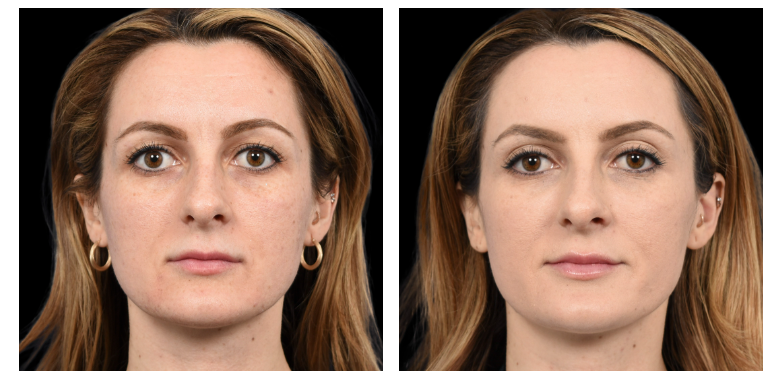
Facial Rejuvenation Before and After Photos
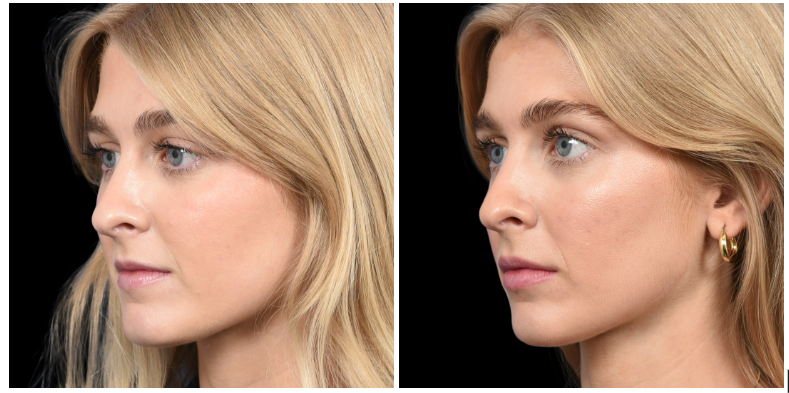
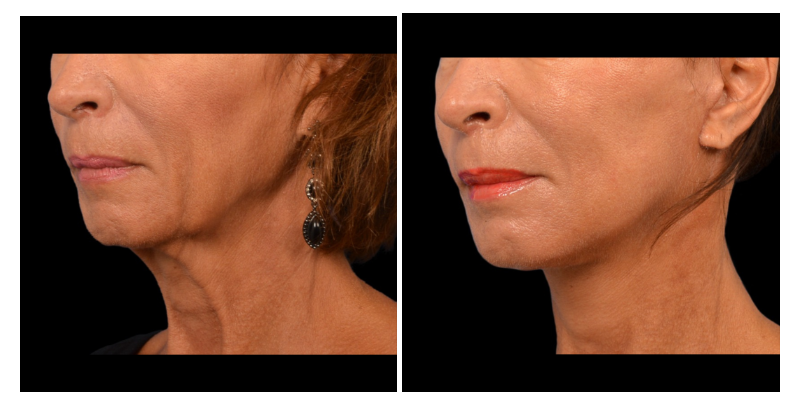
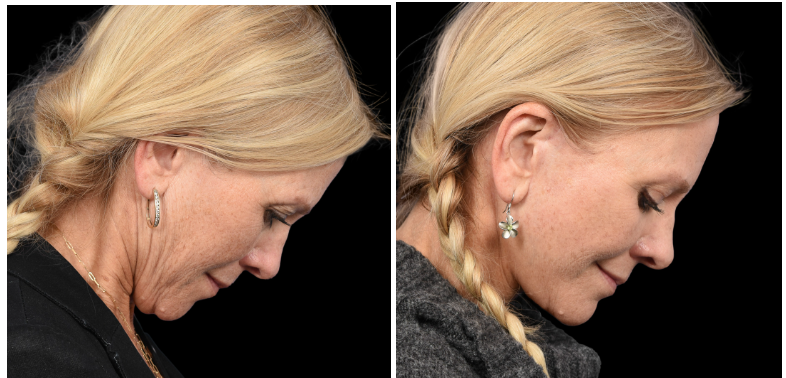
Seeing real patient results is one of the best ways to understand the power of facial rejuvenation. The before-and-after photos below highlight different procedures, showcasing improvements in skin texture, contour, and overall appearance.
As you review these images, you’ll notice:
Tighter, firmer skin
- Smoother wrinkles and fine lines
- More defined jawlines and neck contours
- Enhanced facial volume for a youthful look
- Balanced and harmonious facial features
Each patient has unique needs, and Dr. Azizzadeh customizes every treatment plan to achieve the best results.
What is Facial Rejuvenation?
Facial rejuvenation is a broad term that refers to surgical and non-surgical procedures designed to restore a youthful, vibrant appearance. Depending on individual goals, facial rejuvenation can address multiple concerns, including:
- Sagging skin
- Wrinkles and fine lines
- Loss of facial volume
- Drooping eyelids
- Uneven skin tone and texture
Types of Facial Rejuvenation Procedures
There are various options available, depending on the level of correction needed:
- Surgical Facial Rejuvenation: Facelifts, neck lifts, eyelid surgery, and brow lifts.
- Non-Surgical Rejuvenation: Dermal fillers, Botox, laser treatments, and microneedling.
- Skin Rejuvenation Treatments: Chemical peels, PRP therapy, and medical-grade skincare.
The right approach depends on factors like skin condition, age, and aesthetic goals. Dr. Azizzadeh evaluates each patient thoroughly before recommending a customized plan.
Common Facial Rejuvenation Procedures
Facelift
A facelift is one of the most effective ways to restore facial youthfulness by lifting sagging skin and tightening facial structures. It helps define the jawline, smooths wrinkles, and restores facial contours.
Neck Lift
A neck lift tightens sagging skin and reduces unwanted fat around the neck and under the chin. It helps create a more defined jawline and smooths out the appearance of a drooping or wrinkled neck.
Eyelid Surgery (Blepharoplasty)
Eyelid surgery targets droopy eyelids, puffiness, and under-eye bags to create a brighter, more youthful appearance. It’s one of the most effective ways to refresh the face with minimal downtime.
Fat Transfer and Dermal Fillers
Lost facial volume can be restored using fat transfer or injectable fillers. These treatments plump up hollow areas, smooth wrinkles, and enhance cheek and lip volume.
Non-Surgical Treatments
For patients looking for a less invasive approach, non-surgical options like Botox, laser resurfacing, and skin tightening treatments offer noticeable improvements with minimal downtime.
Who is a Good Candidate for Facial Rejuvenation?
Facial rejuvenation is ideal for those who:
- Want to reverse signs of aging
- Have loose skin, wrinkles, or volume loss
- Desire natural-looking enhancements
- Are in good overall health
- Have realistic expectations about their results
Dr. Azizzadeh works closely with each patient to understand their concerns and develop a treatment plan tailored to their specific facial anatomy and goals.
Why Choose Dr. Azizzadeh for Facial Rejuvenation?
Dr. Azizzadeh is a world-renowned facial plastic surgeon known for his expertise in achieving natural, long-lasting results. With a reputation for meticulous precision and a deep understanding of facial aesthetics, he offers:
- Personalized treatment plans tailored to each patient.
- State-of-the-art techniques for optimal results.
- A commitment to natural beauty—never overdone.
When you choose Dr. Azizzadeh, you’re trusting one of the leading experts in the field of facial rejuvenation and cosmetic enhancement.
Schedule a Consultation with Dr. Azizzadeh Today
If you’re considering facial rejuvenation, the first step is a one-on-one consultation with Dr. Azizzadeh. During your consultation, he will:
- Assess your facial structure and aging concerns
- Recommend the best procedures for your goals
- Provide a customized treatment plan for natural, youthful results
Call us today at 310-657-2203 to schedule your in-person or virtual consultation.
Take the first step toward a refreshed, confident you!
Final Thoughts on Facial Rejuvenation
Facial rejuvenation can dramatically enhance your appearance and confidence. Whether through a facelift, neck lift, eyelid surgery, or non-surgical treatments, there are numerous ways to achieve a youthful, refreshed look.
Dr. Azizzadeh’s expertise ensures that every procedure is customized to enhance natural beauty without looking artificial. If you’re ready to explore your options, don’t wait—schedule a consultation today.

Deep Plane Facelift Before and After
A deep plane facelift is a type of surgery that refreshes and lifts the face by working on the deeper tissue layers, not just the surface. It provides natural results that last for years, making it a popular option for people looking to reduce visible signs of aging.
This blog explores before and after transformations, the procedure, and what you can expect during recovery. If you’re considering a facelift, understanding how a deep plane facelift works can help you decide if it’s the right option for you.
What is a Deep Plane Facelift?
A deep plane facelift is a more advanced technique compared to a traditional facelift. Instead of just tightening the skin, this method lifts muscles, fat, and connective tissues to restore youthful contours and smooth out deep lines.
Who Benefits from This Procedure?
- Individuals with sagging skin in the mid-face and jawline.
- Those with deep nasolabial folds that fillers can’t correct.
- People looking for longer-lasting results than a traditional facelift.
A deep plane facelift is often chosen for its natural effect, as it avoids the overly pulled or tight look associated with older facelift methods.
Deep Plane Facelift Before and After: Real Patient Transformations
Seeing before and after images of deep plane facelifts can help you visualize how this procedure can redefine your face.
What to Expect in Results
Immediately After Surgery
Swelling and bruising are normal. You may also experience tightness around the jawline and cheeks.
After 1-2 Weeks
Swelling starts to subside, and the face begins to settle into a more natural shape.
Final Results (3-6 Months)
Full healing occurs, revealing lifted, youthful contours with smooth skin and improved definition.
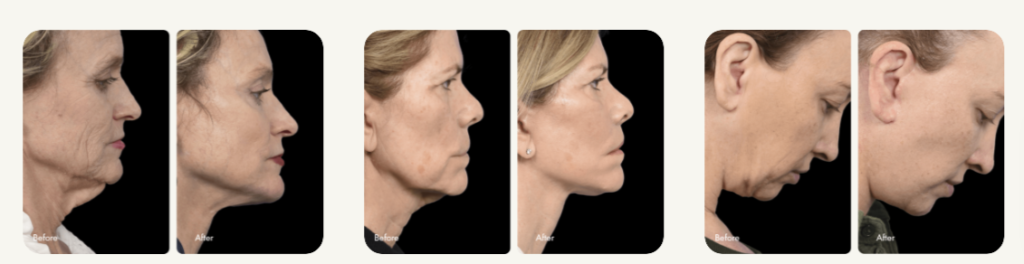
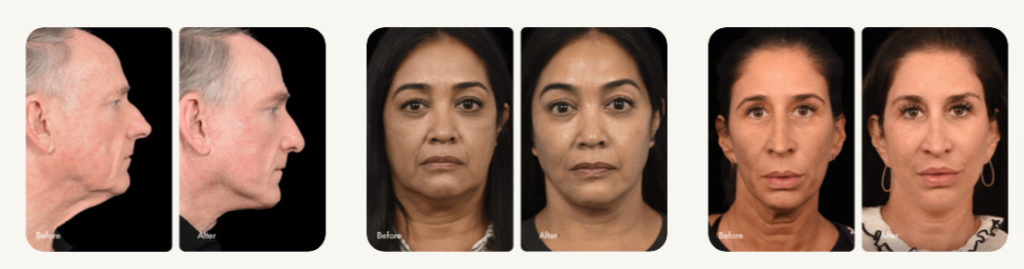
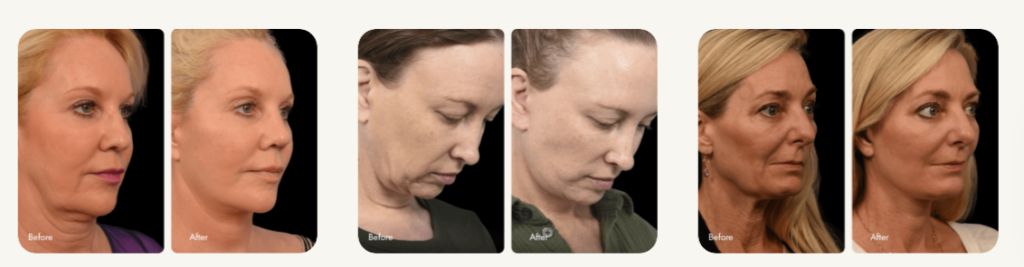
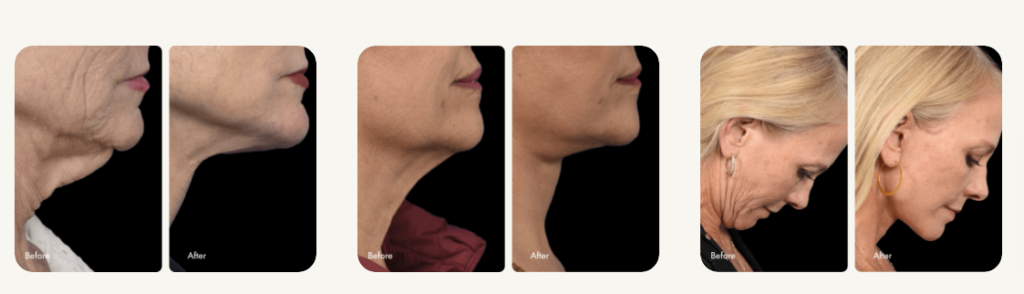
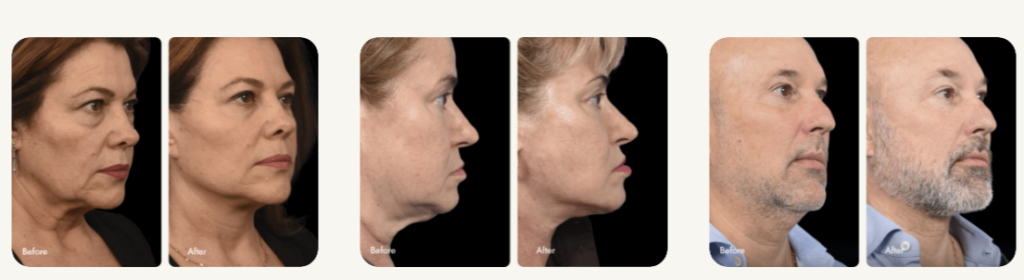
Who is a Good Candidate for a Deep Plane Facelift?
You might be a good candidate if you:
- Have moderate to severe skin sagging and volume loss.
- Want a long-lasting, more natural-looking facial rejuvenation.
- Are in good health and have realistic expectations about surgery.
This procedure may not be suitable if you:
- Only need mild lifting (other treatments like fillers or a mini facelift might be better).
- Have medical conditions that affect healing.
- Expect dramatic overnight changes—final results take time.
What to Expect During and After the Procedure
The Procedure
- Anesthesia: General anesthesia or deep sedation is used.
- Incisions: Made around the ears and hairline to minimize visibility.
- Lifting: The deep facial tissues and muscles are repositioned.
- Closure: Sutures are placed carefully for natural healing.
- Duration: The surgery usually takes 3-4 hours.
Recovery Timeline
Recovery from a deep plane facelift is a gradual process, with each stage bringing noticeable improvements. While the initial swelling and bruising may seem significant, the results become more refined over time, revealing a natural, youthful look.
First Few Days
Swelling and bruising are expected. Rest and limit facial movement.
First Week
Most stitches are removed, and bruising starts to fade.
2-4 Weeks
Swelling continues to go down. You can resume most daily activities.
3-6 Months
The final results are fully visible with smooth, youthful contours. By this stage, the skin has settled, and the new facial structure appears natural and well-integrated. Some patients may still experience slight tightness or numbness in certain areas, but these sensations typically resolve over time.
Long-Term Results
The deep plane facelift provides long-lasting rejuvenation, often maintaining results for 10-15 years. To maximize longevity, patients should follow a healthy lifestyle, use proper skincare, and consider non-invasive treatments like laser therapy or skin tightening to maintain skin elasticity. Avoiding excessive sun exposure and smoking also helps preserve the refreshed look for years to come.
Deep Plane Facelift vs. Traditional Facelift: Key Differences
Deep Plane Facelift
- Lifts deeper layers for a more natural and longer-lasting effect.
- Minimizes tension on the skin, preventing an overly tight look.
- Ideal for addressing deep facial folds and volume loss.
Traditional Facelift
- Focuses on skin tightening, but doesn’t address deeper structures.
- Shorter recovery, but results may not last as long.
- Works well for mild to moderate aging signs.
Common Myths & Misconceptions About Deep Plane Facelifts
Myth 1: The Results Look Too Tight or Unnatural
Reality: The deep plane technique avoids the pulled look by repositioning deep tissues, not just the skin.
Myth 2: The Recovery is Too Long
Reality: Most patients can resume normal activities within two weeks, though full results take longer.
Myth 3: Only Older Patients Need a Deep Plane Facelift
Reality: Many patients in their 40s and 50s choose this procedure to prevent further aging.
Myth 4: Non-Surgical Options Work Just as Well
Reality: Fillers and other treatments can’t lift sagging tissues like a deep plane facelift can.
How to Choose the Right Surgeon for a Deep Plane Facelift
- Experience matters: Choose a board-certified plastic surgeon specializing in deep plane facelifts.
- Review before and after photos: Look for consistent, natural results.
- Check patient reviews: Look for feedback on recovery experiences and outcome satisfaction.
- Ask the right questions:
- How much experience do you have with deep plane facelifts?
- What is your technique for reducing scarring?
- What should I expect during recovery?
A deep plane facelift before and after can show dramatic yet natural results. Unlike a standard facelift, a deep plane facelift lifts the deeper layers for longer-lasting effects. If you’re considering a deep plane facelift, consult a board-certified surgeon to explore your options.
Want to learn more about whether a deep plane facelift is right for you? Contact us today for a consultation!