


Surgical procedures have long been associated with general anesthesia, but a growing number of patients are asking about a different approach. Awake plastic surgery, which uses local anesthesia and light sedation instead of putting you fully under, is gaining real traction in the world of facial aesthetics. It’s not a new concept, but interest in it has surged recently, and for good reason.
Key Takeaways
- Awake plastic surgery uses local anesthesia and sedation, allowing patients to remain conscious during the procedure.
- It can reduce the risks, cost, and recovery time associated with general anesthesia.
- Not every procedure or patient is a good candidate, and surgeon expertise is critical.
- Dr. Azizzadeh notes that excessive local anesthetic can interfere with facial nerve monitoring during complex surgeries.
- A thorough consultation with a board-certified facial plastic surgeon is essential before deciding on an anesthesia approach.
What Does ‘Awake’ Actually Mean in Surgery?
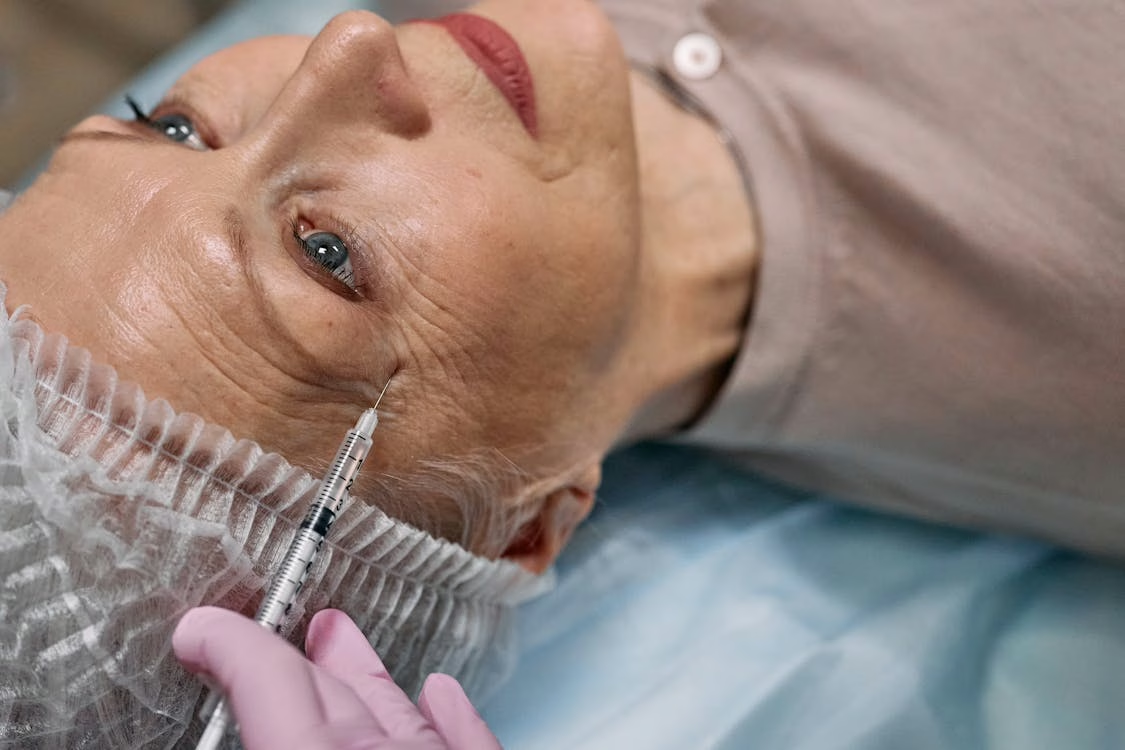
“Awake” surgery involves staying conscious under sedation with the area numbed by local anesthesia. Patients may feel pressure or vibration but no pain, often using oral sedatives for comfort.
Unlike general anesthesia, which requires full unconsciousness and intubation, the awake approach avoids risks like nausea and respiratory issues. It typically offers a shorter recovery period compared to standard general anesthesia used for extensive procedures.
Why Patients Are Choosing This Approach
Safety is a primary driver for awake procedures. Local anesthesia helps patients with cardiovascular concerns or high BMI avoid the inherent risks of general anesthesia.
Recovery is faster and lacks the nausea or grogginess of being fully under, often allowing for same-day discharge. Furthermore, removing the need for an anesthesiologist and specialized equipment lowers overall costs.
The approach also provides the advantage of real-time feedback. Because patients are conscious, they can communicate and adjust their positioning, enabling the surgeon to achieve greater precision. This is particularly relevant in rhinoplasty anesthesia options, where a patient’s response can inform subtle intraoperative decisions.
Dr. Azizzadeh’s Perspective on Awake Procedures
As this approach has grown in popularity, board-certified facial plastic surgeons have taken a nuanced stance. Dr. Babak Azizzadeh was recently quoted in the dr azizzadeh featured in ny post on awake plastic surgery trend, weighing in on the growing trend with a key clinical point that doesn’t always make it into popular coverage.
Dr. Azizzadeh cautions that excessive lidocaine can hinder real-time facial nerve monitoring, which is vital during complex surgeries to preserve movement and expression. While treatments like fat grafting and lip lifts often have excellent outcomes under local anesthesia, more intricate procedures require careful, individualized assessment.
Based in Beverly Hills, Dr. Babak Azizzadeh is a dual board-certified surgeon renowned for his work in deep plane facelifts and facial reanimation. His safety-first, patient-centered approach has been featured on CNN and in The New York Times.
If you’d like to understand which anesthesia approach is right for your specific goals, book a virtual consultation with Dr. Azizzadeh to discuss your options in detail.
 Which Procedures Can Be Done Awake?
Patient selection is crucial, as the awake approach suits smaller, targeted treatments. Effective procedures under local anesthesia include lip lifts, facial fat grafting, blepharoplasty, and specific nose refinements. The local anesthesia in rhinoplasty has been studied and is considered viable in carefully selected patients, particularly when the scope of the procedure is limited.
Extensive procedures, such as full facelifts or deep structural surgeries, still typically necessitate general anesthesia. These complex cases require total muscle relaxation and immobility, which are difficult to maintain while a patient is awake. For procedures like rhinoplasty, the appropriate anesthesia type depends heavily on the complexity of the planned work, not just patient preference.

Who Might Not Be a Good Candidate?
Awake surgery is not universal. Patients with high anxiety, needle phobias, or sensitivity to clinical sounds and sensations may find the experience distressing. The awareness of the procedure and surgical sounds can be difficult for some to manage, even with sedation.
Additionally, those on regular anxiety medication may require sedation levels inappropriate for an awake setting. A pre-operative consultation is essential to evaluate these factors before deciding on the approach.
What to Expect During an Awake Procedure
Understanding the awake experience helps set realistic expectations. Once local anesthesia numbs the area, you may feel pressure but minimal pain. Many practices use music and quiet conversation to maintain a calm environment.
The procedure often feels brief, and without general anesthesia, recovery is smoother. Most patients remain alert afterward and can return home with a companion without needing extended monitoring.
You can also explore the gallery nose to see real patient outcomes from procedures performed at the CENTER for Advanced Facial Plastic Surgery.
Choosing the Right Surgeon Is the Most Important Step
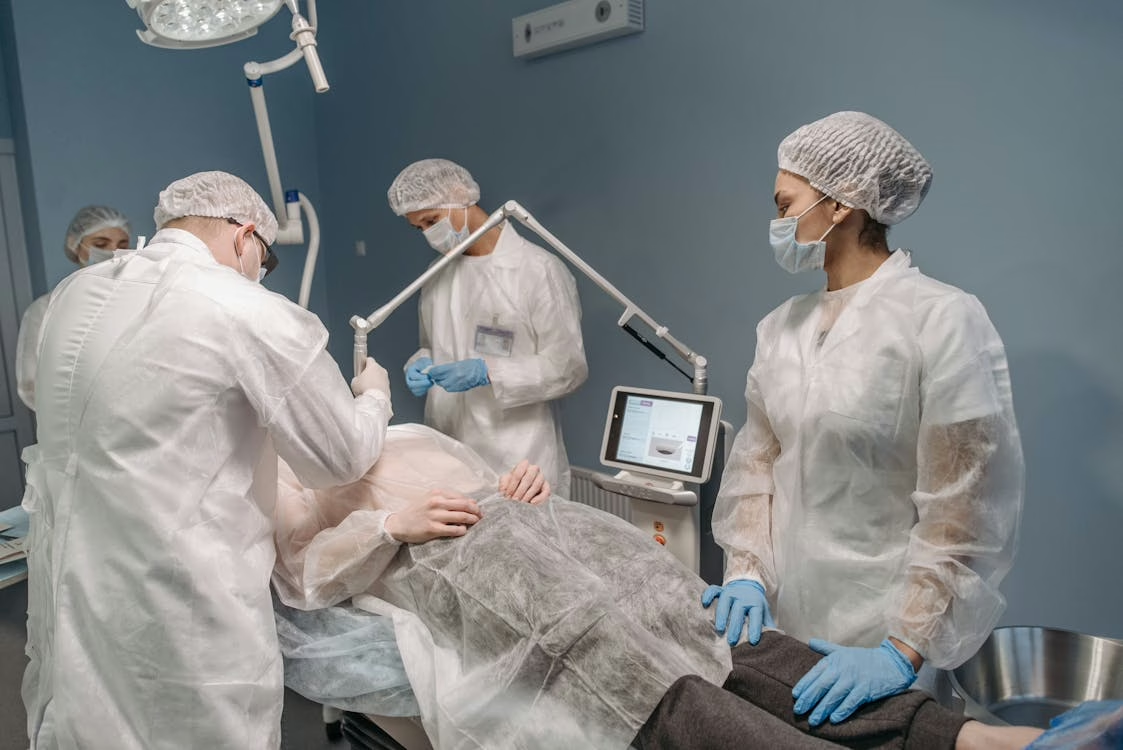
However you feel about the anesthesia question, it’s secondary to the more important decision: who is performing your surgery. The surgeon’s training, experience with facial anatomy, and ability to anticipate and prevent complications are what determine your outcome, regardless of whether you’re awake or not.
Understanding the the top 5 things to consider when choosing a rhinoplasty surgeon is a useful starting point if you’re evaluating surgeons. And if recovery is on your mind, reading about ensuring a smooth rhinoplasty recovery gives you a clear picture of what to expect after the procedure.
Ready to talk through your specific situation? Reach out to our team through the contact page and someone will follow up to help you schedule your consultation with Dr. Azizzadeh.
The Bottom Line
Awake plastic surgery is a practical option for those seeking cosmetic results without general anesthesia. Its success depends on proper patient selection and a surgeon who understands its limits. Ultimately, the best choice depends on your health history and surgical goals rather than just the anesthesia type.
Dr. Azizzadeh at the CENTER for Advanced Facial Plastic Surgery personalizes every plan, ensuring anesthesia is part of a comprehensive, safe clinical strategy.

Frequently Asked Questions About Awake Plastic Surgery
Is awake plastic surgery safe?
Yes, when patients are carefully selected and the surgeon is skilled in local anesthesia, awake procedures are very safe. Success depends on ensuring both the patient and the procedure are appropriate for this method.
Will I feel pain during an awake procedure?
You shouldn’t feel pain, as the area is numbed with local anesthetic before starting. While you might feel pressure or movement, actual pain would indicate inadequate anesthesia, which your surgical team carefully monitors and manages.
Can rhinoplasty be performed while I’m awake?
Yes, for limited work. Local anesthesia can suffice for minor refinements, but comprehensive nasal restructuring usually requires general anesthesia to ensure surgical precision and patient comfort. Dr. Azizzadeh will determine the best approach based on your goals during a consultation.
How long does awake surgery take compared to general anesthesia procedures?
The procedure itself may take slightly longer with an awake patient, since the surgeon is also managing the patient’s comfort and experience. However, total time in the facility is often shorter because you skip the extended recovery from general anesthesia.
How do I know if I’m a candidate for awake plastic surgery?
The best way to find out is through a direct consultation with a board-certified facial plastic surgeon. Factors like your health history, the complexity of the desired procedure, and your comfort with being conscious during surgery all play a role in that decision.
Does awake surgery cost less than surgery with general anesthesia?
Yes. Removing the anesthesiologist and specialized monitoring equipment often lowers total costs. While savings vary by procedure and facility, reduced expense is a commonly cited benefit of the awake approach.
Curious about real patient experiences? Explore verified reviews for Dr. Babak Azizzadeh on Google and RealSelf.