There’s a question that comes up in almost every cosmetic consultation: do I need Botox treatments, a facelift, or both? On the surface, it feels like a straightforward comparison. In reality, these two procedures work on completely different levels, and for many patients, the most effective approach involves using both together rather than choosing one over the other.
Key Takeaways
- Botox treats dynamic wrinkles, while a facelift surgically repositions tissues for long-term structural changes.
- Combining both procedures often provides better results than choosing just one.
- Liquid facelifts use fillers to restore volume in younger patients not yet ready for surgery.
- Microneedling improves skin texture but cannot replicate the structural results of surgery.
- Ongoing Botox remains beneficial after a facelift to address continuous muscle movement.
Two Different Mechanisms, One Goal
Botox reduces dynamic wrinkles by temporarily relaxing facial muscles, while a deep plane facelift addresses aging by lifting and repositioning deeper structural tissues for long-lasting results. While Botox offers a quick, non-surgical entry point, surgical intervention focuses on restoring anatomy and removing excess skin to achieve a naturally refreshed appearance.
Comparing the two directly is, as Dr. Azizzadeh explains, a bit of an apples-to-oranges situation. Botox is fundamentally muscular in its effect. A facelift repositions tissues. Both reduce signs of aging, but they do it at different levels of the face and for different reasons. That’s exactly why they complement each other so well.
Related: Juvederm Vs Botox Which Is Better
What Dr. Azizzadeh Says About the Modern Anti-Aging Market
“The modern anti-aging market spans an unusually wide spectrum. At one end are non-invasive procedures such as Botox and other neuromodulators, which have become mainstream due to their predictability, reversibility, and minimal downtime. At the other are surgical interventions, including deep-plane facelifts and blepharoplasty, increasingly reframed as longevity-focused investments rather than last-resort corrections.”
Dr. Azizzadeh also points out a meaningful shift in how patients and surgeons approach surgery: “Procedures like the deep plane facelift are no longer about dramatic transformation. They’re about restoring anatomy and aging gracefully, with results designed to last.”
That reframing matters. Surgery, at this level, isn’t about changing who you are. It’s about preserving and restoring what time has gradually shifted. And for many patients, non-surgical facial rejuvenation plays an important maintenance role before, during, and after that surgical journey.
If you’re weighing your options and want a clear, personalized answer on what combination of treatments would serve you best, reaching out to schedule a consultation at The CENTER for Advanced Facial Plastic Surgery is a strong first step toward making an informed decision.
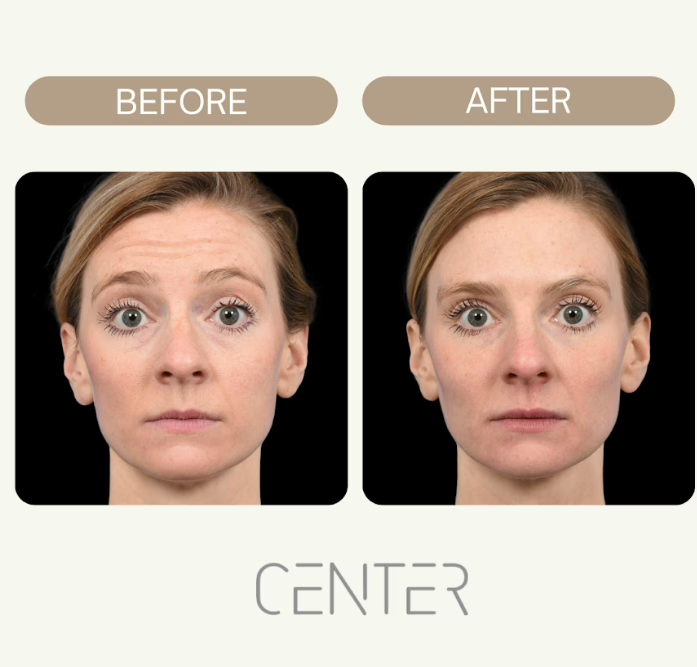
Why Facelift Patients Still Need Botox
Surgery lifts and repositions tissues, but it doesn’t change how your muscles move, which is why having a facelift doesn’t eliminate the need for botulinum toxin injections. Expressive lines caused by repeated muscle movement will return post-surgery, so most patients continue treatments to address different aging concerns at different depths for a more cohesive result.
The Liquid Facelift for Younger Patients
Younger patients in their 30s and 40s who lack the structural aging required for surgery can opt for a liquid facelift. This non-surgical treatment uses dermal fillers to restore volume in the cheeks and temples. However, fillers cannot replace surgery for significant skin laxity, as over-filling can lead to an unnatural look.
Related: Different Types Of Facelifts Explained

Where Microneedling Fits In
Microneedling improves skin texture and tone by stimulating collagen through controlled micro-injuries. While effective for surface-level concerns, it cannot reposition tissue or address structural descent. A professional consultation is necessary to determine if a surgical approach is required for more advanced volume loss or laxity.
INSERT IMAGE HERE
Related: Different Types Of Facelifts Explained
Where Microneedling Fits In
Microneedling is a reputable skin-quality treatment that uses controlled micro-injuries to stimulate collagen. Over several sessions, it improves texture, pores, and skin tone, making it effective for fine surface-level concerns.
However, microneedling cannot reposition tissue or address structural aging. Like Botox, it has limits; significant laxity, volume loss, and tissue descent eventually require a surgical approach. A professional consultation helps determine which treatment tier is appropriate for your current needs.



Choosing the Right Combination
The most effective approach to facial rejuvenation isn’t a single procedure, but a combination that addresses muscle activity, skin quality, volume, and structural support. While some start with Botox, others in their 50s or 60s may begin with a facelift, using facial rejuvenation procedures for maintenance. Additionally, Neck lift surgery is often performed simultaneously to ensure cohesive results across the neck and lower face.
A personalized consultation is the only way to know what’s actually right for your face, your goals, and your timeline. Getting in touch with the team at The CENTER for Advanced Facial Plastic Surgery will give you a clear, honest picture of your best options.
The Bottom Line
Botox and facelifts complement rather than compete with each other. While Botox prevents muscle-driven lines, a facelift restores structural architecture. Together, they provide a more comprehensive solution to facial aging.
The ideal approach depends on individual aging patterns and goals, requiring a personalized consultation with a qualified surgeon.
Dr. Babak Azizzadeh and The CENTER for Advanced Facial Plastic Surgery offer the expertise to guide these decisions. Whether starting with Botox or exploring a facelift, the objective remains natural, refreshed results.
Frequently Asked Questions
Can I get Botox and a facelift at the same time?
It is best to keep them separate, typically waiting four to six weeks post-facelift before resuming Botox. Coordinate the timing with your surgeon to align with your specific healing process.
How long do facelift results last compared to Botox?
Botox lasts three to four months, while a facelift can last a decade or more. Longevity depends on your skin quality, lifestyle, and consistent maintenance.
What age is appropriate for a facelift?
Recommendation is based on tissue laxity rather than a specific age. While common in the 40s to 60s, younger patients may benefit more from non-surgical options like a liquid facelift.
Will a facelift make me look unnatural or “done”?
Modern techniques like the deep plane facelift focus on repositioning structures rather than pulling skin tight, ensuring a refreshed, natural appearance that avoids a “done” look.
Is Botox safe for long-term use?
Yes, Botox has a long safety record for long-term use. Consistent treatments can even train muscles to relax, potentially reducing the required frequency of injections over time.
See why patients across the U.S. choose Dr. Azizzadeh for natural, high-end results. Read reviews on Google and RealSelf.