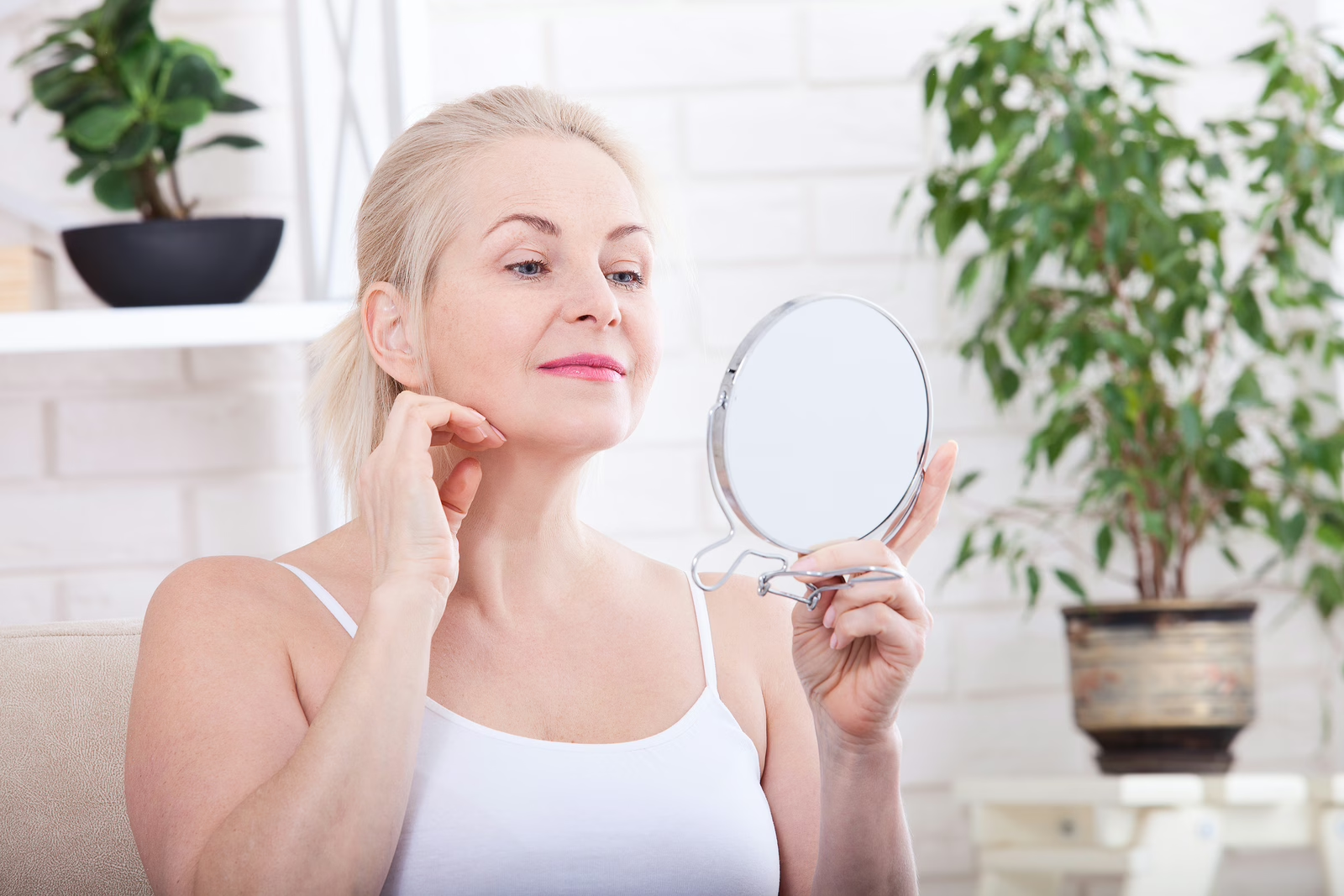
Types of Juvederm Available to Patients
Dr. Babak Azizzadeh of the CENTER for Advanced Facial Plastic Surgery in Los Angeles is proud to administer Juvederm treatments that have been shown to deliver safe, effective facial rejuvenation results. He offers several Juvederm treatment options to patients, and these include:
- Juvederm Voluma XC: Adds volume to the cheeks to create a more youthful facial appearance.
- Juvederm XC: Corrects moderate to severe facial wrinkles and folds.
- Juvederm Ultra XC: Enhances the fullness of the lips and tissues around the mouth.
- Juvederm Volbella: Increases lip fullness and reduces the appearance of lines around the mouth.
As a globally renowned facial plastic and reconstructive surgeon, Dr. Azizzadeh understands the right Juvederm treatment depends on a patient and his or her facial rejuvenation goals. As such, Dr. Azizzadeh requests a patient consultation prior to a Juvederm treatment. The consultation enables Dr. Azizzadeh to evaluate a patient and determine whether Juvederm is a viable treatment option. If Dr. Azizzadeh recommends Juvederm, he then explains the Juvederm procedure, responds to a patient's questions and helps a patient make an informed treatment decision.
A Juvederm procedure usually requires between 15 and 60 minutes to complete. During the procedure, Dr. Azizzadeh applies a topical anesthetic to a patient's upper and lower dental block. He next uses a fine needle to inject Juvederm below the skin or into the lips.
The results of a Juvederm procedure become visible within about 24 hours of treatment. However, there are side effects associated with Juvederm treatments. Juvederm side effects include:
- Skin redness
- Skin tenderness
- Mild swelling
- Bruising
Despite these side effects, patients typically don't have to worry about extended downtime after a Juvederm procedure. Juvederm side effects generally disappear within about three to five days following treatment. Plus, Dr. Azizzadeh provides instructions to help patients prepare for a Juvederm procedure and its potential side effects.
Juvederm often is a great alternative to traditional facial surgery. A Juvederm treatment does not require a patient to go under the knife, and the results of a single treatment last six months or longer. Juvederm also contains lidocaine, a local anesthetic that ensures each treatment is virtually painless. Best of all, a Juvederm treatment helps a patient improve facial symmetry, resulting in an enhanced facial appearance.
Of course, Juvederm is just one of several dermal fillers available from Dr. Azizzadeh. In addition to Juvederm, other facial filler treatments performed by Dr. Azizzadeh include:
- Restylane: Minimizes frown lines and wrinkles, loss of lip fullness and pitting, scarring and damage to the skin's surface.
- Sculptra: Stimulates collagen growth to restore facial volume and reduce the appearance of facial folds, wrinkles and other signs of aging.
- Radiesse: Smooths severe facial wrinkles and folds.
- Belotero: Fills and smooths facial wrinkles, boosts lip fullness and rehydrates the skin.
Dr. Azizzadeh's ultimate goal is to help a patient enjoy a beautiful, natural-looking facial appearance. To accomplish this goal, Dr. Azizzadeh sometimes recommends one or more of the aforementioned facial fillers be used in combination with Juvederm. Or, he may recommend the use of facial fillers and facial surgery to help a patient achieve his or her desired facial rejuvenation results. To find out more about Juvederm and other facial rejuvenation treatments, please contact us today at 310-657-2203 to schedule a consultation with Dr. Azizzadeh.


Which Chin Augmentation Procedure Is Right for You?
The right chin augmentation procedure depends on the patient and his or her desired facial rejuvenation treatment results. Dr. Babak Azizzadeh of the CENTER for Advanced Facial Plastic Surgery is a globally recognized facial plastic and reconstructive surgeon, and he learns about each patient and his or her chin augmentation goals. With this approach, Dr. Azizzadeh crafts a personalized chin augmentation treatment designed to deliver the best-possible results.
Dr. Azizzadeh performs three types of chin surgeries, and each procedure offers a variety of benefits. These chin procedures are:
- Enlargement: Azizzadeh uses chin implants to supplement the existing bone at the front of the jaw between the teeth.
- Reconstruction: Azizzadeh reconstructs the chin; this procedure is used to repair a broken, dislocated or fractured jaw.
- Liposuction: Azizzadeh removes fat from the chin to help a patient improve his or her jawline and facial appearance.
Two types of chin augmentation procedures are available. These are:
- Reduction: Azizzadeh removes excess chin bone or moves the jaw bone. This helps a patient achieve a soft, natural-looking facial appearance.
- Augmentation: Azizzadeh inserts a surgical implant in the front of the chin bone and moves the jaw. This helps a patient reduce the appearance of a weak chin.
Dr. Azizzadeh recommends a chin reduction if the chin is too prominent. He uses the procedure to shape the lower jawbone, resulting in an enhanced facial appearance.
Additionally, Dr. Azizzadeh uses two chin reduction techniques. These are:
- Direct Reduction: Azizzadeh uses a burr to remove excess bone from the chin.
- Sliding Genioplasty: Azizzadeh cuts excess chin bone and moves the bone backwards. Then, he uses metal screws to hold the chin bone in place.
If a patient's chin is not proportional to his or her nose, eyes or other facial features, Dr. Azizzadeh recommends chin augmentation. This procedure enhances the size of the chin and involves the use of autologous bone from a patient's pelvis or rib. Or, Dr. Azizzadeh uses a chin implant that consists of synthetic materials. Dr. Azizzadeh determines which type of chin implant can help a patient improve the facial appearance during an initial consultation.
Various procedures may be performed in combination with chin augmentation. In some instances, Dr. Azizzadeh recommends sliding genioplasty and chin augmentation procedures be performed at the same time. Comparatively, Dr. Azizzadeh may perform a chin augmentation in combination with a rhinoplasty or lip augmentation procedure.
Regardless of whether a patient requires chin reduction or augmentation surgery, Dr. Azizzadeh takes a holistic approach to all facial rejuvenation treatments. He understands the face should be viewed as a whole, and together, all of a patient's facial features contribute to his or her overall facial appearance. Dr. Azizzadeh always takes a holistic approach to facial plastic and reconstructive surgery, and he ensures any procedures help a patient bring balance to the whole face.
Dr. Azizzadeh also understands chin reduction and augmentation are complex procedures. As such, he strives to answer any surgery questions. He provides honest, unbiased treatment recommendations and is happy to help a patient weigh the pros and cons of different surgery options. To find out more about chin reduction and augmentation, please contact us today at 310-657-2203 to schedule a consultation with Dr. Azizzadeh.
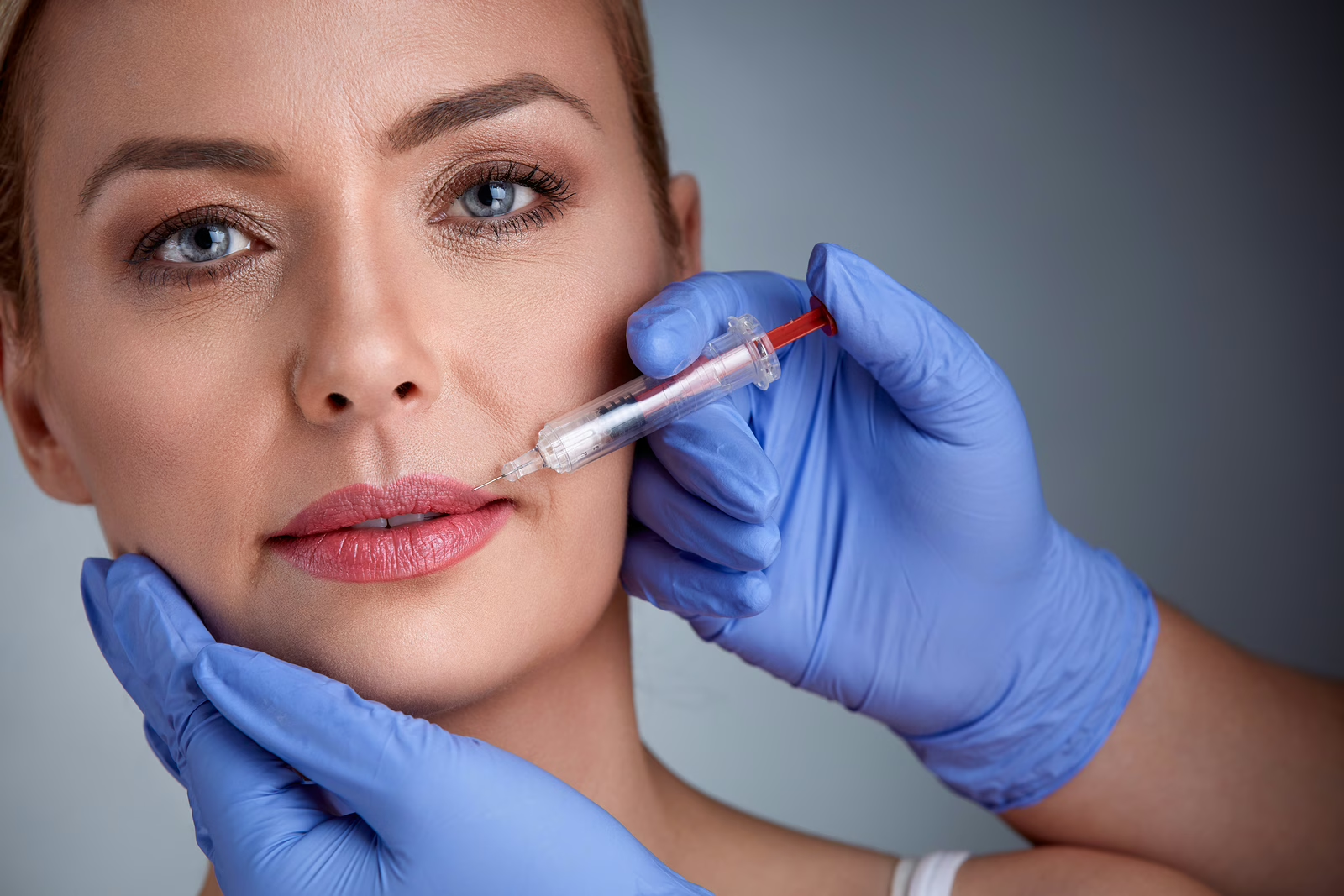
How Is a Facial Fat Transfer Performed?
A facial fat transfer is a facial rejuvenation procedure unlike any other. A typical facial fat transfer is performed as an outpatient procedure, and it involves the use of an individual's own fat. This reduces the risk of an allergic reaction or rejection of body tissue and helps facial fat grafting results last longer than those associated with injectable treatments.
During a facial fat transfer procedure, fat is removed from a donor site elsewhere on their body via a small incision. Then, the fat is cleansed, concentrated and injected into the requested area of the face.
Dr. Babak Azizzadeh of the CENTER for Advanced Facial Plastic Surgery is a world-renowned facial paralysis and reconstructive surgeon who understands all aspects of facial fat transfer procedures. He is highly sought-after for his facial plastic and reconstructive surgery expertise and takes a holistic approach to patient treatments. This approach ensures a patient will receive the best possible support during a facial fat transfer or any other facial plastic and reconstructive procedure.
To determine if an individual is a candidate for a facial fat transfer, Dr. Azizzadeh requires a one-on-one consultation. At this time, Dr. Azizzadeh meets with a patient and learns about his or her treatment goals. Dr. Azizzadeh also reviews a patient's medical history to find out if there are any risk factors that may impact treatment results. This enables Dr. Azizzadeh to develop a custom treatment plan to help a patient achieve his or her desired facial rejuvenation results.
If a patient qualifies for facial fat grafting, Dr. Azizzadeh may recommend the procedure to address a variety of facial issues. These include:
- Hollowing around the eyes
- Thinning lips
- Contour depressions or scars
- "Marionette" lines around the mouth
- Loss of cheek volume
- Tear troughs
- Cheek folds near the mouth
It often takes a few months for a patient to fully recover from a facial fat transfer procedure. Following surgery, a patient will need to keep his or her head elevated for three to five days. Antibiotic ointment may be required as well; this ointment can be applied to a patient's surgical incisions to reduce the risk of infection.
Additionally, a patient may experience mild pain in the days following a facial fat transfer. This pain usually subsides on its own within a few days of treatment. In some instances, oral medications may be prescribed to help patients alleviate pain.
Swelling can last up to three months after facial fat grafting. Sometimes, patients experience numbness at injection sites up to six months after a facial fat transfer surgery.
It takes about six months for the blood supply in facial fat grafts to grow. Therefore, within about six months of a facial fat transfer, a patient's facial fat grafts should have sufficient blood supply that enables the fat cells to become more full. This process continues for about 12 to 18 months following surgery, resulting in a natural-looking and revitalized facial appearance. Meanwhile, fat grafts become a permanent part of a patient's face, and they are subject to natural factors like weight changes and the aging process.
Dr. Azizzadeh is happy to teach individuals about facial fat transfer and other facial rejuvenation treatments. To find out more, please contact us today at 310-657-2203 to schedule a consultation with Dr. Azizzadeh.
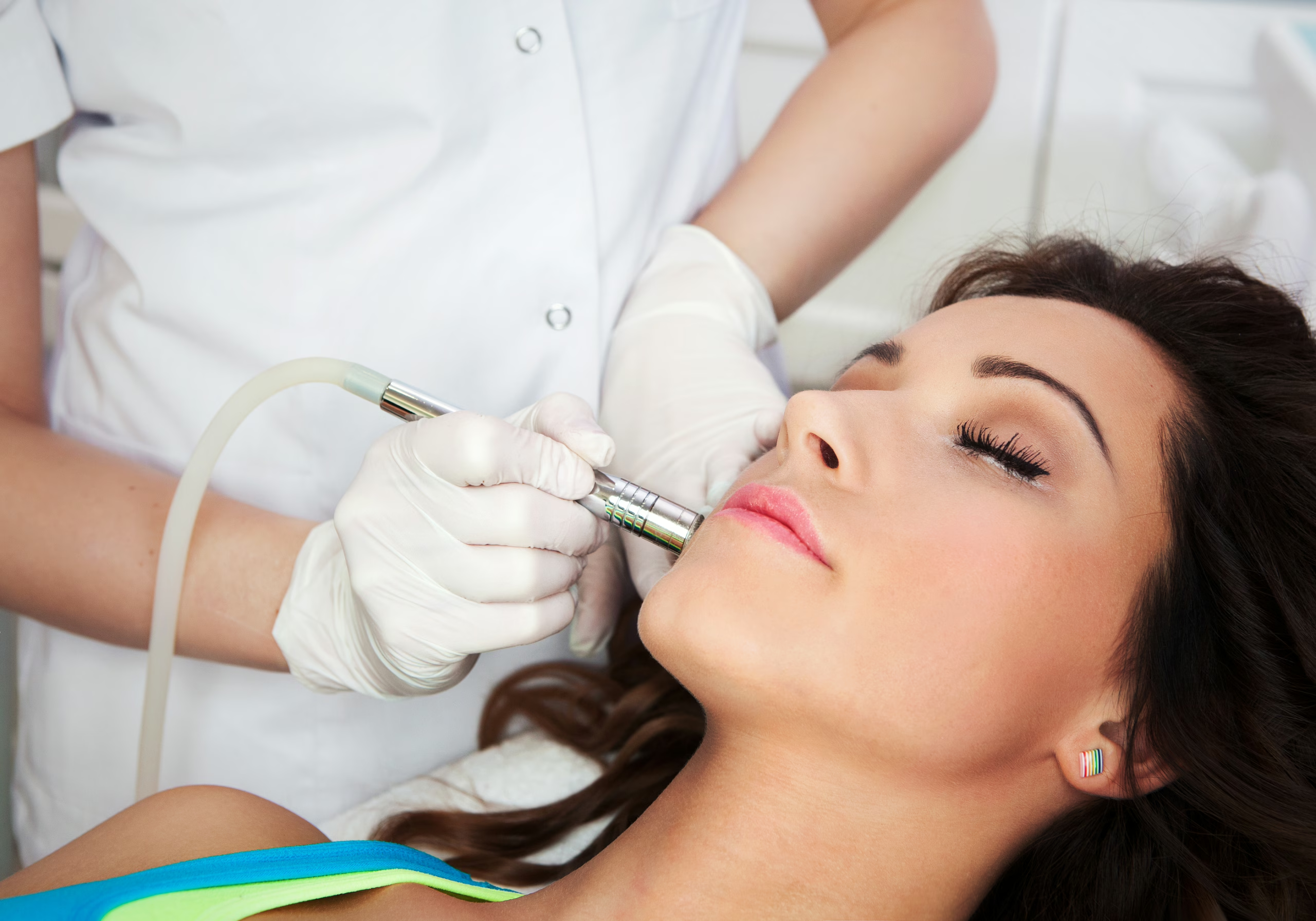
Skin Issues That Can Be Treated with Laser Skin Resurfacing
Laser skin resurfacing is a non-surgical facial rejuvenation treatment used to improve the tone, texture and pigmentation of skin on the face, neck and chest. It helps individuals treat a variety of skin issues, such as:
- Brown spots, age spots and sunspots
- Acne scars and other shallow scars
- Melasma (condition that causes grey-brown patches on the face)
- Skin texture and tone issues
- Mild lines and wrinkles
Laser skin resurfacing involves the use of DOT Deka laser treatments to revitalize the skin. These treatments enable patients to address damaged skin and mild signs of the aging process itself.
Dr. Babak Azizzadeh of the CENTER for Advanced Facial Plastic Surgery is a globally recognized facial plastic and reconstructive surgeon who provides laser skin resurfacing and other facial rejuvenation treatments. He possesses dual certification in facial plastic and reconstructive surgery and head and neck surgery (otolaryngology). This unique expertise allows Dr. Azizzadeh to help patients achieve their desired facial rejuvenation results.
During a patient consultation, skin is an important part of the discussion. Achieving beautiful, smooth skin is at the top of a patient's beauty wish list. To help a patient achieve the optimal facial rejuvenation results, Dr. Azizzadeh first evaluates his or her skin. This allows him to analyze a patient's skin issues. Next, Dr. Azizzadeh asks a patient what bothers him or her most and learns about this individual's treatment goals.
Dr. Azizzadeh views laser skin resurfacing as part of a "4D process," and he sometimes recommends laser skin resurfacing in conjunction with other treatments. For example, if a patient chooses facelift surgery, Dr. Azizzadeh may recommend this individual receive laser skin resurfacing and a facelift at the same time. Or, if a patient is not ready for surgery but still wants vibrant, youthful-looking skin, Dr. Azizzadeh may recommend laser skin resurfacing.
Before a DOT Deka laser skin rejuvenation treatment is completed, Dr. Azizzadeh outlines all aspects of the pre-treatment protocol. He recommends patients stop using hydroquinone and/or retinol products for at least five days before treatment.
The number of laser skin resurfacing treatments varies from patient to patient. In younger patients, one to three in-office treatments may be sufficient. Meanwhile, for other patients, a single high-intensity laser skin resurfacing treatment may be required.
The laser skin resurfacing recovery process is critical. Dr. Azizzadeh provides laser skin resurfacing patients with post-procedure guidelines, and these include:
- Cover the face with Aquaphor immediately after treatment and continue to use Aquaphor the same day as the procedure.
- Use a post-procedure kit to reduce burning sensations and minimize the risk of infection.
- Apply an occlusive ointment or intense moisturizer to prevent direct contact between treated tissue and the air.
- Use cool compresses.
- Gently wash the treated area with tepid water and cleanser at least twice a day, beginning the day after treatment.
Also, patients should use sunscreen with a good sun protection factor (SPF) to protect the skin in the months following laser skin resurfacing. This helps patients maintain smooth, glowing skin and keep pigmentation, texture and other skin issues at bay.
Dr. Azizzadeh is happy to teach patients about laser skin resurfacing and other facial rejuvenation treatments. To find out more, please contact us today at 310-657-2203 to schedule a consultation with Dr. Azizzadeh.
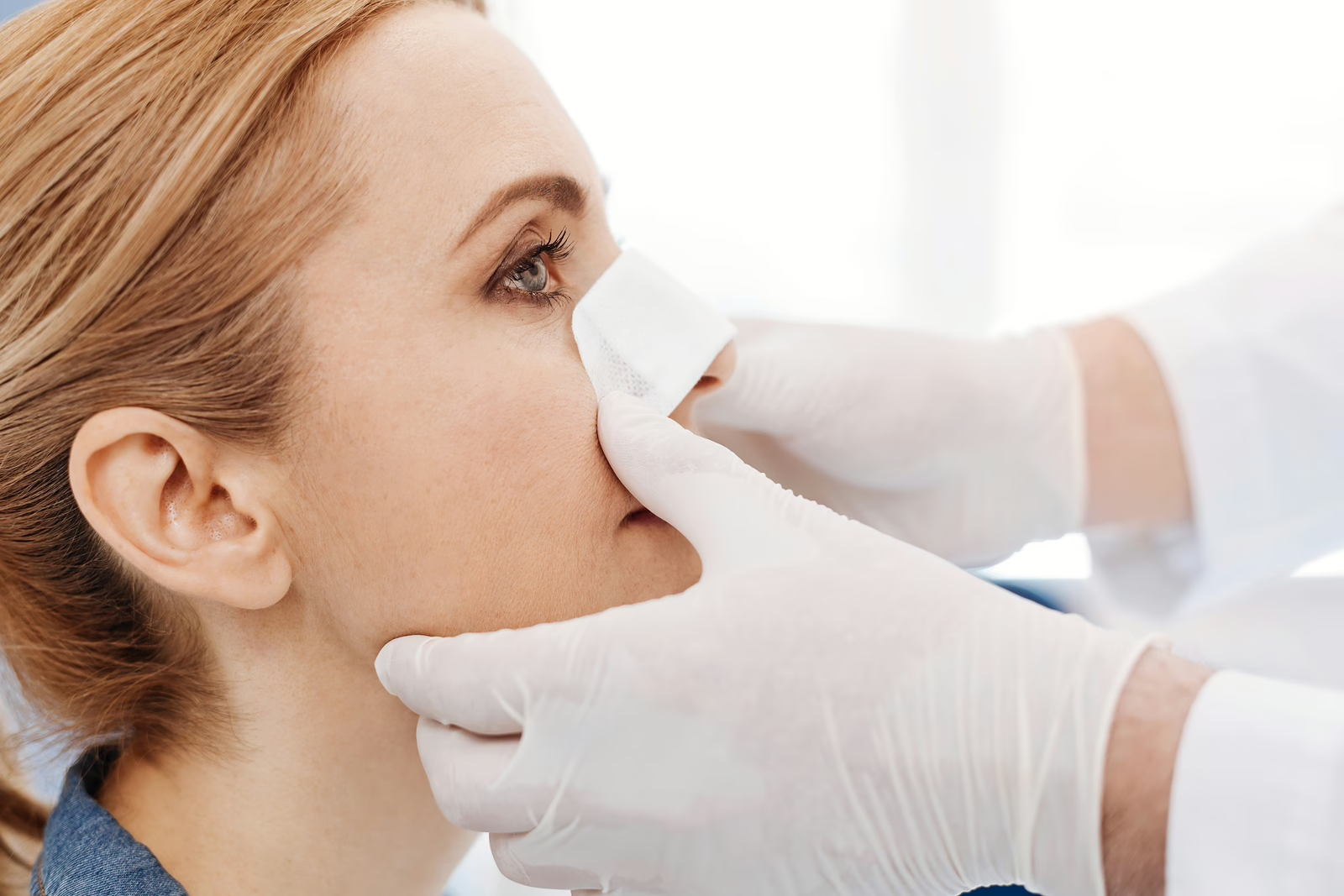
Caring for Your Nose After Nasal Reconstruction Surgery
Nasal reconstruction is an advanced facial procedure that requires extensive aftercare. If a patient fails to take care of the nose properly after nasal reconstruction surgery, infection and other complications may occur.
Dr. Babak Azizzadeh of the CENTER for Advanced Facial Plastic Surgery in Los Angeles is a globally recognized facial plastic and reconstructive surgeon. He offers instructions to help a patient take care of his or her nose after nasal reconstruction surgery. By doing so, Dr. Azizzadeh simultaneously helps patients achieve the best-possible nasal reconstruction surgery outcomes and maintain the integrity of the nasal function.
For the first day after nasal reconstruction surgery, a patient should drink plenty of liquids. This helps a patient keep his or her mouth from feeling dry. Furthermore, a patient should avoid hot liquids and foods; instead, a patient should eat only soft foods and resume his or her normal diet the second day after treatment.
For the first two days following nasal reconstruction surgery, a patient should keep his or her mouth clean. On the night after surgery, a patient can wipe the teeth gently with a clean, damp washcloth. A patient can rinse the mouth with mouthwash after each meal but should avoid gargling.
A patient can use petroleum jelly to keep the nose moist for the first two days after nasal reconstruction surgery. Additionally, he or she should avoid blowing the nose or inserting anything into the nose at this time.
Swelling and bruising are common in the first few days after nasal reconstruction surgery. Bruising disappears on its own within five to 10 days of surgery and swelling subsides within two to four weeks.
Nasal reconstruction surgical stitches may be removed about one week after treatment. Depending on the complexity of nasal reconstruction surgery, a patient can resume normal activities in one to three weeks following treatment. Patients should avoid rigorous exercise, heavy lifting, straining or vigorous housework for three weeks after nasal reconstruction surgery as well. This helps a patient avoid putting pressure on the nose.
In addition to infection, other potential complications are commonly associated with nasal reconstruction surgery. These include:
- Asymmetric facial appearance
- Bleeding
- Changes in sensitivity
The nasal reconstruction surgery recovery timeline varies based on the patient. Dr. Azizzadeh offers post-surgical guidelines, and a patient is responsible for following these guidelines to achieve a natural-looking and functional nose. Nasal reconstruction post-surgical guidelines include:
- Clean the surgical incisions with hydrogen peroxide once a day.
- Use antibiotic salves on incisions and inside the nostrils twice a day.
- Apply a cold compress gently over the eyes and cheeks for the first three days after surgery. Following the initial three days, use a warm compress on areas that have persistent bruising.
- Keep the head elevated for at least one week following surgery; this should be done any time a patient sleeps, rests or relaxes.
To ensure optimal nasal reconstruction results, the procedure must be performed by a facial plastic and reconstructive surgeon who has a complete understanding of the underlying structures of the head. Meanwhile, Dr. Azizzadeh is dual board-certified in facial plastic and reconstructive surgery and otolaryngology (head and neck surgery). His expertise enables him to help nasal reconstruction patients achieve their desired results.
Dr. Azizzadeh takes a holistic approach to nasal reconstruction. His approach emphasizes four key areas:
- Listening to the patient. Azizzadeh takes a graduated approach to nasal reconstruction. First, Dr. Azizzadeh finds out why an individual is considering nasal reconstruction and a patient's treatment concerns and goals. He then offers details about the least-invasive methods to address a patient's nasal defect.
- Understanding the anatomy of the face. The face is comprised of 3D anatomy, and each area of the face must be treated as a separate unit. Thus, incision placement is critical during nasal reconstruction surgery, and Dr. Azizzadeh strives to help a nasal reconstruction patient preserve the 3D curvatures, form and anatomy of the face.
- Analyzing tissue replacement. Each layer of the nose has different types of tissue, and nasal reconstruction cannot be successfully completed unless certain tissues are replaced with tissues that have similar properties. As such, Dr. Azizzadeh sometimes grafts tissue from different parts of the body for nasal reconstruction.
- Preserving the nasal function. The nose and sinuses are complex structures, and Dr. Azizzadeh uses the full extent of his expertise to ensure each nasal reconstruction patient can preserve the nasal function.
Nasal Reconstruction FAQ
What should I do after nasal reconstruction surgery?
Following a nasal reconstruction procedure, it is crucial for a patient to clean his or her surgical incisions at least once a day. Also, a nasal reconstruction patient should use antibiotic salves on his or her incisions and inside the nostrils twice daily.
In the first three days after nasal reconstruction, a patient should apply a cold compress over the eyes. After the first three days, a warm compress can be used to alleviate post-nasal reconstruction bruising and swelling.
A nasal reconstruction patient should keep his or her head elevated for at least one week after surgery. He or she should avoid strenuous activity or exercise for about three weeks after nasal reconstruction, too.
Dr. Azizzadeh teaches nasal reconstruction patients about the recovery process. He also monitors nasal reconstruction patients' progress after treatment, and as a result, helps patients avoid post-surgery complications.
How long does it take to heal after nasal reconstruction surgery?
The initial healing period is about 2 weeks. However, it takes up to two years to heal completely after nasal reconstruction surgery. During the recovery period, Dr. Azizzadeh requests follow-up appointments to ensure a patient's recovery stays on course. Dr. Azizzadeh is also available to respond to a nasal reconstruction patient's concerns or questions throughout the recovery process. That way, Dr. Azizzadeh and his patient can work together to maximize nasal reconstruction surgery results.
Can you breathe through your nose after nasal reconstruction surgery?
Patients can typically breathe through the nose after nasal reconstruction surgery. However, sometimes Dr. Azizzadeh will need to pack your nose and in this case you will need to just breath through your mouth.
What is nasal reconstruction surgery used for?
Nasal reconstruction surgery treats nasal deformities related to any of the following issues:
- Accidents
- Skin cancer
- Congenital defects
- Physical altercations
- Past surgeries
- Nasal collapse
- Nose trauma
For those who require nasal reconstruction surgery, Dr. Azizzadeh is available. Dr. Azizzadeh is a Harvard-trained and dual-certified facial plastic and reconstructive surgeon who prioritizes patient care. Dr. Azizzadeh helps each of his nasal reconstruction patients restore the nasal function. He also ensures each nasal reconstruction patient can achieve a balanced, natural-looking nose that complements his or her facial features.
Is nasal reconstruction surgery painful?
In most instances, nasal reconstruction patients experience little to no pain during treatment. Nasal reconstruction is typically performed under general anesthesia, which helps minimize pain.
Ultimately, for patients who want to limit nasal reconstruction surgery pain, choosing a highly trained facial plastic and reconstructive surgeon like Dr. Azizzadeh is key. Dr. Azizzadeh is a facial plastic and reconstructive surgery expert who has performed many nasal reconstruction procedures over the years. He uses advanced surgical techniques and tools to limit the risk of complications during a nasal reconstruction procedure. Dr. Azizzadeh also prepares his patients for nasal reconstruction and does everything possible to limit pain during surgery. Plus, Dr. Azizzadeh works with nasal reconstruction patients to help them quickly and safely recover after surgery.
How should I prepare for nasal reconstruction surgery?
Dr. Azizzadeh offers comprehensive instructions to help a patient prepare for a nasal reconstruction procedure. He wants to make nasal reconstruction surgery as seamless as possible, and to accomplish this goal, provides his patients with full details about all aspects of the procedure.
Dr. Azizzadeh conducts a head and neck exam prior to a nasal reconstruction procedure. He also outlines a nasal reconstruction procedure in detail to his patient and addresses any treatment concerns or questions.
Nasal reconstruction patients must provide Dr. Azizzadeh with a list of current medications before surgery. If a patient is taking any blood thinners, he or she may need to stop using them approximately two weeks before nasal reconstruction surgery.
On the night before surgery, nasal reconstruction patients should not eat or drink anything after midnight. They also should arrive at least two hours before nasal reconstruction surgery and wear comfortable clothing.
How long does nasal reconstruction surgery take?
A typical nasal reconstruction procedure requires about two to three hours to complete. In severe cases, additional time may be required to perform the procedure.
Dr. Azizzadeh tailors a nasal reconstruction surgery to his patient, and in doing so, recognizes that some procedures take longer than others. Regardless of nasal reconstruction patient, Dr. Azizzadeh always dedicates the necessary time and resources to help each patient accomplish his or her desired results.
Can nasal reconstruction surgery affect my sense of smell or taste?
Nasal reconstruction surgery patients sometimes experience swelling that blocks airflow passageways in the nasal cavity. In these instances, patients experience a diminished sense of smell. However, nasal swelling after nasal reconstruction is temporary, and it generally disappears on its own within a few weeks of surgery. At this point, a nasal reconstruction patient's sense of smell should return to normal.
Nasal swelling after nasal reconstruction surgery may also impact a patient's sense of taste. As a nasal reconstruction patient's nose heals in the weeks following surgery, his or her sense of taste will return.
Schedule a Nasal Reconstruction Treatment Consultation with Dr. Azizzadeh
Dr. Azizzadeh also is available to respond to patients’ concerns and questions during the nasal reconstruction recovery process. That way, Dr. Azizzadeh ensures each patient can enjoy a smooth, comfortable recovery. To find out more about nasal reconstruction, please contact us today at 310-657-2203 to schedule a consultation with Dr. Azizzadeh.
Sources:
https://facialplasticsbh.com/blog/caring-for-your-nose-after-nasal-reconstruction-surgery/
https://facialplasticsbh.com/nose/nasal-reconstruction/
https://www.ucsfhealth.org/treatments/nasal_reconstruction/
https://sharing.mayoclinic.org/2017/09/08/breathing-easier-after-nose-reconstruction-surgery/
https://jamanetwork.com/journals/jamafacialplasticsurgery/fullarticle/479841
https://www.beverlyhillsprofiles.com/blog/can-rhinoplasty-affect-your-sense-of-smell/

Reversing the Signs of Aging with Eyelift Surgery
Blepharoplasty, also known as an eyelid lift or eyelift surgery, won't stop the natural aging process. However, eyelift surgery reverses many visible signs of aging in the eyes, such as:
- Ptosis
Ptosis refers to drooping of the upper eyelids. This problem often occurs due to the forces of gravity and the natural aging process that affects the eye's structures. Or, ptosis may occur due to stroke or trauma.
Ptosis causes one or both of the eyelids to cover a portion of the pupil and interfere with an individual's vision. This usually occurs due to a stretched tendon in the muscle responsible for lifting the eyelids. Fortunately, an eyelid lift repairs this stretched tendon and corrects a drooping eyelid.
- Under-Eye Bags
Genetics or a lack of sleep may cause under-eye bags to form. Under-eye bags make a person's eyes appear tired and dreary, and as such, have a major impact on a person's overall facial appearance.
Lower eyelid surgery is used to treat under-eye bags. The surgery involves the removal or redistribution of excess fat and skin that causes under-eye bags to form. Additionally, lower eyelid surgery enhances the contour between the lower lash line to the mid-face, resulting in an improved facial appearance.
- Upper Eyelid Crease
A lack of a crease in the upper eyelids is a common characteristic in individuals of Asian descent. With eyelift surgery, these individuals can create an upper eyelid crease that results in a "Westernized" facial appearance.
If an individual wants to address any of the aforementioned signs of aging, a consultation with Dr. Babak Azizzadeh of the CENTER for Advanced Facial Plastic Surgery in Los Angeles is recommended. Dr. Azizzadeh is board-certified in facial plastic and reconstructive surgery and otolaryngology (head and neck surgery). His unique expertise allows him to help patients use eyelift surgery to simultaneously reduce the visible signs of aging in the eyes and achieve a natural-looking and balanced facial appearance.
During an initial eyelid lift consultation, Dr. Azizzadeh performs an in-depth patient evaluation and finds out why an individual is considering eyelift surgery. Plus, Dr. Azizzadeh offers insights into surgical and non-surgical eyelid procedures and responds to a patient's concerns or questions regarding different blepharoplasty treatment options.
Dr. Azizzadeh offers several eyelift surgery treatments. These include:
- Upper Eyelid Blepharoplasty: Requires the removal of excess skin, muscle folds and fatty bags in the corner of the eye.
- Lower Eyelid Blepharoplasty: Eliminates puffiness of the lower eyelids that occurs due to an accumulation of fluid within the skin.
- Revision Blepharoplasty: Repairs the results of a prior eyelift surgery and delivers both cosmetic and functional benefits.
Comparatively, Dr. Azizzadeh may recommend a non-surgical eyelid lift, and this involves the use of injectable treatments to reduce hollowness of the lower eyes and laxity of the upper eyelids. Common injectables used during a non-surgical eyelid lift include:
- Restylane: Treats dark circles under the eyes and plumps up eyelid skin.
- Juvederm: Adds dimension to the eyes and reduces upper eyelid droopiness.
- Fat Grafting: Involves the transfer of fat from the abdomen, flanks, hips and other parts of the body to the eyelids. Fat grafting enables a person to address significant eyelid hollowness and sagging and restore volume to the eyes.
Dr. Azizzadeh helps eyelid lift patients prepare for post-treatment recovery too. He offers full details about all aspects of an eyelid lift procedure, and by doing so, ensures patients can establish realistic expectations for the recovery process.
The blepharoplasty recovery period takes about 10 days to complete, but scars and swelling may persist for several months. Initially, a patient may have small stitches around the eyes and his or her vision may be blurry for the first few days after an eyelid lift. This individual may have his or her eyes wrapped in a bandage immediately following a blepharoplasty procedure as well.
Dr. Azizzadeh offers aftercare guidelines to help a patient reap the full benefits of an eyelid lift procedure. To alleviate post-treatment swelling and pain, Dr. Azizzadeh recommends using a cool compress on the eyes for the first few days after an eyelid lift. Dr. Azizzadeh also recommends an individual avoid driving for several days following eyelift surgery.
An eyelid lift helps a person take years off of his or her face, and Dr. Azizzadeh is happy to teach patients about eyelid lift treatments and determine if an individual is a candidate for a surgical or non-surgical blepharoplasty. To schedule an eyelid lift consultation with Dr. Azizzadeh, please contact us today at 310-657-2203.

Get Red-Carpet Ready! 10 Ways Celebrities Prepare for Award Season

The Hollywood award season is here! As celebrities prepare to strike a pose on the red carpet, it is paramount that they look their best. From finding the right outfit to participating in weight loss programs, celebrities will do whatever they can to get red-carpet ready.
Dr. Babak Azizzadeh of the CENTER for Advanced Facial Plastic Surgery is a Harvard-trained facial plastic and reconstructive surgeon who helps celebrities prepare for award season. With his comprehensive and personalized approach to facial plastic and reconstructive surgery, Dr. Azizzadeh ensures celebrities can look their best during award season and beyond.
Top 10 Ways Celebrities Prepare for Award Season
To learn more, let's take a look at 10 ways that celebrities get ready for award season, and how Dr. Azizzadeh helps celebrities capture an award-winning look.
10. Make the Skin Glow
 Even celebrities are susceptible to the natural aging process. Over the years, the skin may start to show signs of aging. Facial wrinkles, sun damage and other facial flaws may cause celebrities to look older than they truly are.
Unfortunately, there is no stopping the natural aging process, but treatments are available to help celebrities and others reduce the signs of aging in the face. As an anti-aging expert, Dr. Azizzadeh offers treatments designed to help slow down the signs of aging in the face, and these treatments include:
- Laser Skin Resurfacing: One of the most popular non-surgical forms of facial rejuvenation is laser skin resurfacing. It’s a great option for those who are looking for a safe, effective way to revitalize the skin. At the CENTER, Dr. Azizzadeh primarily uses the DOT Deka laser to resurface the skin on the face and neck to enhance the skin's tone, texture and pigmentation.
- ZO Skin Health: A great skincare routine is the foundation of a youthful appearance. ZO Skin Health by Dr. Obagi skincare products incorporate a variety of therapeutic treatment protocols. They are designed for all individuals, regardless of skin condition, age, gender or ethnicity. Also, ZO Skin Health products feature the latest advances in skin therapy technology – biotechnology complexes, plant stem cell components and multi-therapy delivery systems – to make the skin glow!
9. Restore Facial Volume & Erase Wrinkles
 As celebrities age, the collagen beneath their skin breaks down. This causes fine lines, creases and wrinkles in the face.
Fortunately, facial fillers have been shown to help individuals restore facial volume and revitalize the facial appearance.
Facial fillers often help celebrities address many signs of aging in the face, such as:
- Cheek definition
- Lip volume
- Under-eye bags
- Hollows in the temples
- Facial asymmetry
- Marionette lines
- Nose shape
- Smile lines
- Vertical "smoker's lines"
Many facial fillers are available, and each dermal filler has a different application area and purpose. Some of the most common facial fillers are:
- Voluma
- Juvederm Ultra Plus
- Juvederm XC
- Restylane
- Sculptra
- Belotero
Dr. Azizzadeh may recommend one or more facial fillers to provide the most comprehensive results.
In addition to fillers, Botox is one of the most performed non-surgical facial rejuvenation treatments. Botox injections temporarily freeze the muscles that are creating dynamic wrinkles across the forehead, in between the eyebrows (11’s lines), on the corner of the eyes (crow’s feet), and more. When treating his celebrity patients, Dr. Azizzadeh takes a very conservative approach so the celebrity is still able to create natural facial expression and not look frozen. His goal is always to just soften their appearance.
8. Define the Cheeks
 Cheek bone definition can make a world of difference in a celebrity's appearance. In some instances, buccal fat pads in the cheeks may cause a person's cheeks to appear chubby or puffy. To address this concern, buccal fat pad reduction may be a viable treatment.
Buccal fat pad reduction has been shown to help enhance cheek definition and may be performed on individuals who display significant fullness in the cheeks. It helps a person further define the cheek bones and involves the removal of buccal fat pads from inside the cheeks to reduce the appearance of chubby or puffy cheeks. It is generally performed in conjunction with other facial rejuvenation surgery procedures to reshape the face to a more youthful appearance.
Alternatively, filler, such as Voluma, can be used to create more sculpted cheeks.
7. Facial Reshaping
 Celebrities frequently receive facelift treatments in the hopes of achieving a more youthful facial appearance. The shape of youth is a heart-shaped face. Dr. Azizzadeh has coined this approach “Facial Reshaping” as he creates youthful facial contours, leading to a naturally-refreshed facial appearance.
Yet it is important to note that there is not a one-size-fits-all facelift treatment that delivers proven results for all individuals, at all times. Instead, an individual should choose a facial plastic and reconstructive surgeon who takes a personalized approach to facelift surgery to ensure optimal treatment results.
Dr. Azizzadeh promotes an individualized and innovative approach to facelift surgery. He understands that the aging process affects every individual differently and tailors each facelift to a specific patient. Moreover, Dr. Azizzadeh uses a combination of techniques in conjunction with what is thought of as a "traditional facelift" procedure. With this approach, Dr. Azizzadeh helps patients achieve balanced and natural-looking results.
6. Refine the Nose
 A crooked nose, dorsal hump and bulbous nasal tip always draw attention away from the eyes, which should be the focus of the face. By receiving a rhinoplasty, a celebrity can address these issues so their nose is in perfect balance with their other facial features.
The goal of a rhinoplasty is to help an individual reshape the nose to improve the overall facial aesthetic. A nose job also may be performed to correct structural defects in the nose (such as breathing issues or problems related to a deviated septum) to restore the nasal function.
Dr. Azizzadeh possesses a deep understanding of the complex underlying structures in both the head and nose. He is board-certified in both facial plastic and reconstructive surgery and otolaryngology (head and neck surgery). As a result, Dr. Azizzadeh creates the most beautiful and natural looking outcomes for his patients so no one will ever know surgery was done.
One of the most popular plastic surgery procedures among teenage and young-adult celebrities is rhinoplasty. A prominent nose usually negatively impacts a teen's self-esteem and confidence.
Dr. Azizzadeh boasts in-depth teenage rhinoplasty expertise. During a teen rhinoplasty consultation, Dr. Azizzadeh will examine a teen's facial features and find out why this individual is considering nose surgery. Also, he will determine if a teen is anatomically ready for a nose job; teen rhinoplasty generally can be performed on girls as early as 16 or 17 years old, whereas nose surgery usually can be performed on boys at 17 or 18 years old.
5. Plump the Lips
 The lips can transform an ordinary individual into an instant celebrity. For example, TV personality Kylie Jenner is perhaps best-known for her signature pout. Yet Jenner admitted on an episode of Keeping Up with the Kardashians that her rich, full lips are the result of lip fillers.
Lip fillers are injectable dermal fillers designed to increase the fullness of the lips. They enhance the shape, structure and volume of the lips. Furthermore, all the lip fillers Dr. Azizzadeh uses contain hyaluronic acid, a natural substance that is found in the body.
For individuals who want to boost lip fullness, Dr. Azizzadeh usually recommends Juvederm or Volbella. These fillers help minimize the appearance of lip thinning, lost lip shape and vertical lines above the lip that form as an individual gets older. Again, the goal is to create lips that look natural and not to overfill the lips and result in the unwanted “duck-pout.”
4. Conceal Under-Eye Hollows and Bags
 Let's face it – no celebrities want to look tired when they arrive on the red carpet. But under-eye hollows and bags may make a celebrity appear exhausted, regardless of how this individual currently feels.
Restylane under the eyes is an amazing treatment to instantly remove under-eye hollows and bags. For many celebrities, Dr. Azizzadeh will also combine the Restylane treatment with Botox for the crow’s feet to truly rejuvenate the appearance of the eyes!
3. Stop Underarm Sweat
 Walking along the red carpet among thousands of fans, Paparazzi and Hollywood elite can be exhausting. And if celebrities are not careful, underarm sweat may protrude through their outfits.
Hyperhidrosis, aka excessive sweating, is a major problem for many people. It occurs when a person gets too hot or too nervous and causes an individual to sweat even when the body is not overheating.
There is no need to let excess sweat get in the way of a fun, exciting walk down the red carpet. Instead, celebrities can receive Botox treatments in the underarms to manage hyperhidrosis like never before.
Botox under the arms is one of Hollywood’s best kept secrets and they all come to Dr. Azizzadeh for this amazing treatment!
2. Eliminate Chin Fat
 A double chin, also referred to as submental fullness, can detract from a balanced facial appearance. It may make a Hollywood star appear older or heavier. And for celebrities who want to look their best both on and off the red carpet, keeping a double chin simply is not an option.
Dr. Azizzadeh helps individuals address submental fullness by providing Kybella, an FDA-approved treatment that dissolves fat under the chin. Kybella consists of deoxycholic acid, a substance that the body naturally produces to absorb fat. It can be injected into fat deposits and causes them to burst, thereby eliminating fat cells. Kybella is a safe alternative to submental liposuction to help eliminate the appearance of a double chin.
1. Revitalize the Skin
 The number-one way to get ready for award season – microneedling with platelet-rich plasma (PRP). This treatment involves the use of tiny needles to help reduce the appearance of fine lines and wrinkles in the face.
During a microneedling treatments, Dr. Azizzadeh uses the Rejuvapen Micro Fractional Collagen Stimulation system, which creates micro-perforations in the top layers of the skin. This helps the skin cells turnover, become firmer and regain elasticity that it may have lost over time. Microneedling also creates microscopic channels that allow PRP to penetrate into deep layers of the skin, leading to superior treatment results.
Now that you know all the celebrity Red Carpet secrets...
There is no shortage of treatments available to help celebrities get red-carpet ready. With support from Dr. Azizzadeh, anyone can improve their facial appearance. Dr. Azizzadeh is a world-renowned facial plastic and reconstructive surgeon who has helped celebrities and many others enhance their facial appearance. To find out more, please contact the CENTER today at 310-657-2203 to schedule a consultation.
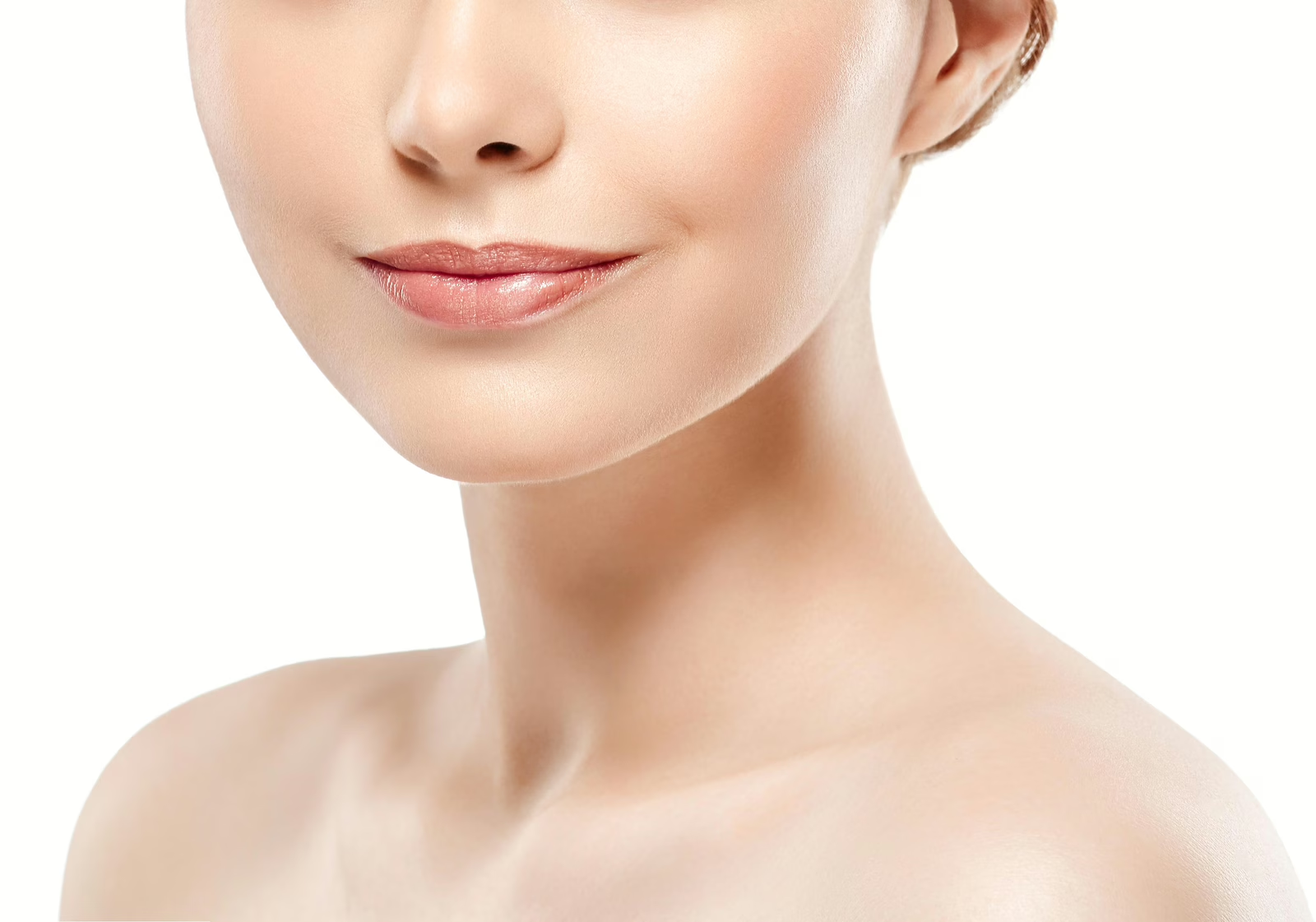
Dr. Azizzadeh Shares What You Need to Know Before Getting a Chin Augmentation
Chin augmentation, also known as mentoplasty, is a facial rejuvenation procedure that enhances the jawline. If the chin is too strong or too weak in proportion to the rest of the face, chin augmentation corrects this problem.
Chin augmentation involves the use of a small surgical implant that consists of autologous bone collected from an individual’s pelvis or rib or the implant chosen may be synthetic. The implant is inserted in the front of the chin bone.
Dr. Babak Azizzadeh of the CENTER for Advanced Facial Plastic Surgery is internationally renowned for his facial plastic and reconstructive surgery expertise. With chin augmentation, he strives to create a chin that is in perfect proportion with a patient's other facial features.
Dr. Azizzadeh offers several chin procedures. These are:
- Enlargement: Involves the insertion of chin implants to supplement the existing bone at the front of the jaw.
- Submental Liposuction: Removes fat from the chin (submental fat under the chin) to improve the jawline and facial symmetry.
- Redeuction: If the chin is too prominent, it can be reduced.
To undergo any of the procedures, an individual must be in good health. Additionally, the ideal chin augmentation candidate may display one or more of the following facial features:
- Double chin
- Fleshy neck
- Pointed or squared chin
- Prominent nose
- Recessed chin
- Weak chin
In some instances, Dr. Azizzadeh recommends chin augmentation be performed in conjunction with a rhinoplasty so that the chin and nose can be as complimentary and attractive as possible. Comparatively, some people may need lip augmentation and chin augmentation to achieve a balanced and vibrant facial appearance.
Rhinoplasty, often referred to as a "nose job," involves reshaping the nose or correcting structural defects of the nose. Thanks to rhinoplasty, an individual can reduce facial asymmetry, improve the shape and/or size of the nose and remove imperfections on the bridge of the nose.
Lip augmentation is a cosmetic treatment that boosts the fullness of the lips. In many cases, an injectable dermal filler is used for lip augmentation. Dermal fillers often consist of hyaluronic acid, a substance that naturally occurs in the body. These fillers enhance the shape, structure and volume of the lips. When used in combination with chin augmentation, dermal fillers improve the overall facial appearance.
Dr. Azizzadeh always takes a holistic approach to facial plastic and reconstructive surgery, regardless of whether a patient needs chin augmentation, lip augmentation, rhinoplasty or a combination of the three. He ensures any procedures that are performed create results in balance with the whole face. That way, Dr. Azizzadeh enables patients to optimize their cosmetic treatment results.
Before undergoing chin augmentation, Dr. Azizzadeh evaluates a patient's facial features and uses the "Aging Arc" tool to visualize an individual's facial appearance relative to the natural aging process. Also, he examines a patient's medical history. And if chin augmentation or any other procedures are deemed too risky, Dr. Azizzadeh offers alternative treatment options.
Dr. Azizzadeh addresses a patient's chin augmentation concerns and questions prior to treatment. He discusses the pros and cons of chin augmentation, and by doing so, helps patients make informed treatment decisions. To schedule a consultation with Dr. Azizzadeh, please call us at 310-657-2203.
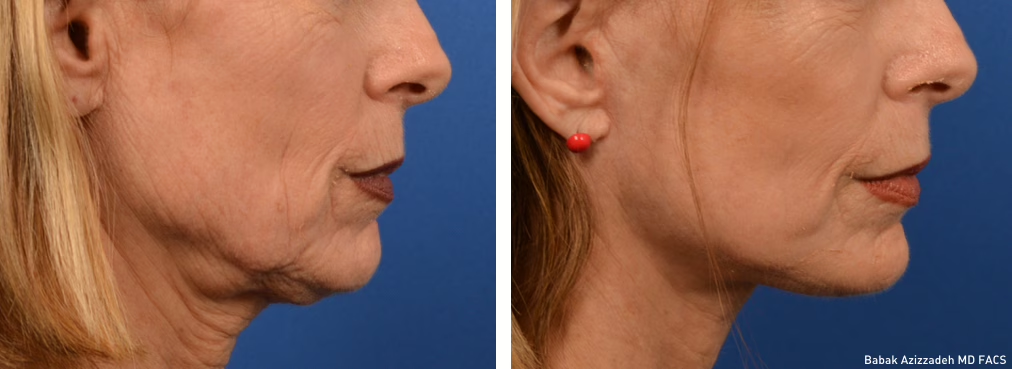
Look Younger with Laser Skin Resurfacing Treatments
Laser skin resurfacing is a popular form of facial rejuvenation. With a laser skin resurfacing treatment, we can rejuvenate the tone and texture of the skin and erase pigmentation issues.
At the CENTER for Advanced Facial Plastic Surgery, Dr. Babak Azizzadeh’s laser of choice is the DOT Deka laser. It can we used to improve a wide range of skin conditions, including:
- Acne scars or other shallow scars
- Freckles, sunspots and other forms of skin damage
- Melasma (skin condition that causes brown spots on the face)
- Mild lines and wrinkles throughout the face
- Skin texture and tone issues
If an individual experiences any of the aforementioned skin conditions, it can be beneficial to schedule a consultation with Dr. Azizzadeh. He is a globally recognized facial plastic and reconstructive surgeon with comprehensive anti-aging treatment expertise. He is happy to meet with a patient to discuss DOT Deka laser treatments, explain how they work and determine whether these treatments can help an individual rejuvenate the facial appearance.
Each laser skin resurfacing consultation is a unique experience. At this time, Dr. Azizzadeh will examine a patient's face and learn about an individual's facial rejuvenation goals. Next, he will provide details about DOT Deka laser treatments and assorted non-invasive procedures. Dr. Azizzadeh then will offer facial rejuvenation treatment recommendations.
If a patient is a good candidate for laser skin resurfacing, Dr. Azizzadeh will craft a customized treatment plan. This plan will emphasize the use of DOT Deka laser treatments to address various signs of aging in the face. Also, Dr. Azizzadeh may recommend laser skin resurfacing be completed in conjunction with one or more non-invasive procedures, such as:
- Botox: With Botox injections, an individual can reduce excess muscle movements in the face that often lead to fine lines, furrows and wrinkles.
- Dermal Fillers: Many dermal fillers are available to help reduce the appearance of creases, fine lines and wrinkles that occur due to lost collagen in the face.
- Skin Care: Skin care products are available to help individuals address acne, sun damage and other skin conditions.
- Ultherapy: During a ultherapy treatment, ultrasound technology is used to stimulate collagen growth and lift and tighten the skin.
Before the laser skin resurfacing treatment, Dr. Azizzadeh will explain each step of the procedure. With DOT Deka laser treatments, Dr. Azizzadeh uses a laser to eliminate the molecular bonds of damaged skin cells. He will remove these skin cells layer by layer until a patient achieves a more-youthful and revitalized facial appearance.
Additionally, Dr. Azizzadeh offers recommendations for effective laser skin resurfacing recovery. He provides patients with post-procedure guidelines to ensure an individual knows what to expect following laser skin resurfacing. Dr. Azizzadeh also helps patients take the necessary steps to prepare for laser skin resurfacing and ensure a smooth, comfortable recovery.
Dr. Azizzadeh teaches patients about all aspects of laser skin resurfacing treatments. To find out more, please call us today at 310-657-2203 to schedule a consultation.
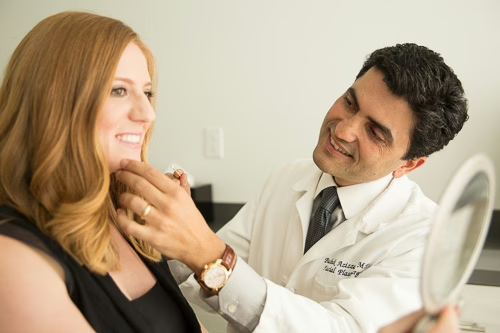
When to Get Fillers and When to Get Surgery
Determining the best way to enhance the facial appearance may prove to be difficult. In some instances, individuals choose facial fillers to fill in fine lines and creases throughout the face. For others, facelift surgery may prove to be the best option to help rejuvenate the facial appearance.
So which is better: facial fillers or facelift surgery? Ultimately, the answer to this question depends on the individual. To better understand why this is the case, let's take a closer look at facial fillers and facelift surgery.
Facial Fillers
Dermal fillers are non-surgical treatments that help people address many common signs of aging in the face. Over time, collagen under the skin breaks down, which causes wrinkles to form and skin to sag. Thanks to facial fillers, individuals can replace lost collagen and reduce or eliminate wrinkles.
Although dermal fillers won't counteract all signs of aging in the face, they have been shown to deliver safe, effective results. As such, there are many reasons why individuals choose facial fillers, including:
- Create better facial symmetry
- Improve hollows in the temples
- Reduce bags under the eyes
- Enhance cheek definition
- Boost lip fullness
- Decrease the appearance of marionette lines, smile lines or vertical "smoker's lines"
Many facial fillers are available, and each has a different purpose and application area. Some of the most-popular facial fillers are:
- Belotero: Helps smooth out and fill in nasolabial folds (folds or wrinkles that extend from the side of the nose to the corner of the mouth).
- Juvederm XC: Softens moderate to severe facial lines and wrinkles, resulting in a smoother facial appearance.
- Juvederm Ultra Plus: Helps people treat nasolabial folds, as well as plump the lips.
- Restylane: Offers a hyaluronic acid gel filler that helps reduce the appearance of facial folds and wrinkles.
- Sculptra: Serves as an injectable liquid that helps add volume to the face, leading to a softer, more-natural and more-youthful appearance.
- Voluma: Helps add volume to the cheeks; Voluma is part of the Juvederm family of FDA-approved injectable facial treatments.
Dr. Babak Azizzadeh is a globally recognized and Harvard-trained facial plastic and reconstructive surgeon with decades of experience. He takes a comprehensive approach to facial fillers and customizes each treatment to the needs of a patient. By doing so, Dr. Azizzadeh can determine whether facial fillers will help a patient properly address various facial issues.
Facelift Surgery
Like facial fillers, a facelift is designed to help a person revitalize the facial appearance. It may be performed on individuals who display any of the following signs of aging in the face:
- Asymmetry
- Facial expression lines
- Loss of collagen and/or skin elasticity
- Loose skin
- Volume loss
When it comes to facelift surgery, Dr. Azizzadeh takes a holistic approach. He first helps a patient identify the underlying issues in the face. Then, Dr. Azizzadeh offers a precise treatment to deliver optimal results.
Dr. Azizzadeh educates patients to help them decide between facial fillers and facelift surgery. He may even recommend a combination of fillers and surgery to help an individual achieve a balanced and natural-looking facial appearance.
To find out more about facial fillers and facelift surgery, please call us at (310) 657-2203 to schedule a consultation with Dr. Azizzadeh.