
Dr. Azizzadeh Discusses the “Forever 35” Deep Plane Facelift on ABC News & Nightline
In a recent ABC News and Nightline feature, world-renowned facial plastic surgeon Dr. Babak Azizzadeh discusses the transformative power of the deep plane facelift—a procedure gaining popularity for its ability to make patients look naturally youthful, as if they were “forever 35.”
Unlike traditional facelift techniques that focus on tightening the skin, the deep plane facelift works beneath the surface. Dr. Azizzadeh explains that this advanced approach repositions the deeper layers of facial tissue and fat pads, restoring natural contours and movement rather than creating a pulled or overdone appearance. The result is a refreshed, balanced, and authentically youthful look that lasts.
During the interview, Dr. Azizzadeh also addresses the growing shift in public perception surrounding facial rejuvenation. Once a topic shrouded in secrecy, plastic surgery is becoming more openly discussed—especially as celebrities and public figures share their personal experiences. This new transparency is helping to remove the stigma once associated with facelifts, encouraging people to view facial surgery as a form of self-care and confidence-building rather than vanity.
As Dr. Azizzadeh notes, achieving results that look natural yet transformative requires both artistry and surgical precision—qualities that have earned him recognition as one of the world’s leading experts in facial rejuvenation and deep plane facelift techniques.
Watch the full ABC News & Nightline segment featuring Dr. Babak Azizzadeh to learn how this innovative procedure is redefining what it means to age gracefully and look “forever 35:


ELLE Covers the Comeback of Sculptra in Modern Aesthetic Treatments
The latest ELLE feature, “Why Is Everyone Gossiping About Sculptra?” explores the growing buzz around Sculptra, a collagen-stimulating injectable that’s experiencing a major resurgence among both patients and top cosmetic experts. Once primarily used to treat facial volume loss caused by HIV lipoatrophy, Sculptra is now gaining popularity for its ability to restore firmness, thickness, and structure to the skin—making it one of the most talked-about treatments in facial aesthetics.
In the article, Dr. Babak Azizzadeh, world-renowned facial plastic surgeon and founder of the CENTER for Advanced Facial Plastic Surgery, shares his insights on Sculptra’s evolving use in modern facial rejuvenation. He notes that some surgeons are now using hyperdiluted forms of Sculptra to strengthen soft tissue and prepare the skin for future procedures, such as deep-plane facelifts. This preparatory collagen boost, Dr. Azizzadeh explains, can enhance the quality and longevity of surgical outcomes by improving tissue firmness and resilience.
However, Dr. Azizzadeh also offers an important note of caution: while Sculptra can deliver impressive, natural-looking results, improper use or over-injection can lead to fibrous changes that may complicate future surgeries. As with any cosmetic procedure, he emphasizes the importance of expert technique, careful timing, and personalized treatment planning.
This thoughtful discussion highlights Dr. Azizzadeh’s continued leadership in advancing natural, safe, and long-lasting approaches to facial rejuvenation—and reinforces why ELLE and other leading media outlets turn to him for expert commentary on aesthetic innovation.
👉 Read the full article on ELLE: Why Is Everyone Gossiping About Sculptra?

How Sculptra Is Being Used Today in Injectable Collagen-Boosting Treatments
In this ELLE article, Dr. Babak Azizzadeh highlights how Sculptra, a biostimulatory injectable, is being used in a hyper-diluted form to thicken and strengthen the soft-tissue scaffold—skin and fat pads—prior to structural procedures such as the deep-plane facelift. He notes that this preparatory collagen build-up can enhance the quality and longevity of surgical results by improving tissue firmness and resilience ahead of the lift. At the same time, he advises that timing and technique are key, as overuse or poorly planned injections can introduce fibrous changes that might complicate future surgical mobility.
Link to the article: ELLE – “Sculptra Beauty Treatment Trend Explained”

Dr. Azizzadeh Quoted in Vogue on Peptide-Based Hair Serum Science
BEVERLY HILLS, CA - In a recent feature published by Vogue, board-certified facial plastic surgeon Dr. Babak Azizzadeh was featured as one of the expert voices weighing in on peptide-based hair growth products. The article highlights a growing trend in scalp care, where ingredients once reserved for facial skincare are now being applied to support thicker, stronger hair.
Peptides, short chains of amino acids, act as cellular messengers to signal repair and regeneration. Applied to the scalp, they can extend the hair growth phase, strengthen follicles, and improve texture, supporting a healthy scalp foundation for healthy hair.
Dr. Azizzadeh, a dual board-certified facial plastic and reconstructive surgeon, discussed several peptide formulations reviewed by Vogue. He noted The Ordinary Multi-Peptide Serum's proprietary technologies—Redensyl, Procapil, and Capixyl—target follicle stem cells, strengthen hair, and improve density. He explained that Divi Scalp Serum uses copper tripeptide-1 to extend the growth phase and acetyl tetrapeptide-3 to increase follicle size and anchoring. For the Better Not Younger Superpower+ Serum, he highlighted Procapil's role in enhancing thickness and reducing thinning.
Dr. Azizzadeh's insights reflect his expertise in how skin and tissue health affect facial aesthetics, including the scalp, and his commitment to evidence-based guidance on non-surgical treatments that complement surgical care.
Read the full Vogue article here:
Seeking Fuller, Thicker Hair? Peptides for Hair Growth May Be Your Answer
Related resources:
- Dr. Azizzadeh Featured on VOGUE.com on PDRN Skincare
- Non-Surgical Facial Rejuvenation Options at the CENTER for Advanced Facial Plastic Surgery
- Best Treatments for Melasma on the Face

Why More Patients Are Returning for Second and Third Facelifts
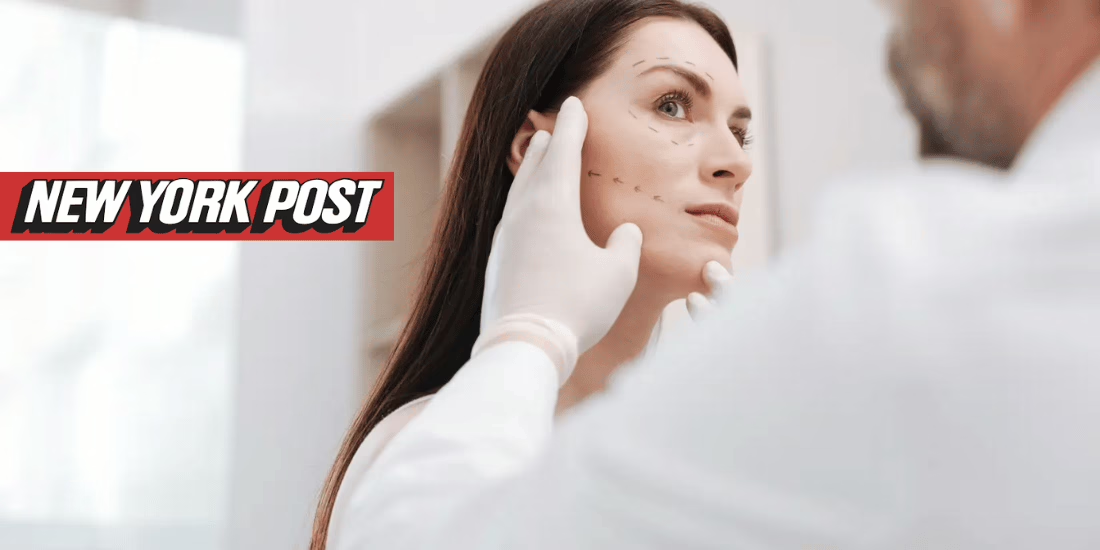
BEVERLY HILLS, CA - More people are getting second and third facelifts due to longer lifespans, better surgical methods, and a desire to maintain results into later life. Facial plastic surgeons are seeing more follow-up procedures, sometimes over a decade later, per The New York Post. Contributing factors include patients getting initial facelifts younger (early 40s), loose facial skin from rapid weight loss drugs like Ozempic, and faster recovery times encouraging repeat surgeries.
Dr. Babak Azizzadeh, a double board-certified facial plastic and reconstructive surgeon at the CENTER for Advanced Facial Plastic Surgery in Beverly Hills, shared his perspective on the trend. Patients returning for a second facelift aren't chasing their 20s, he noted. They simply want to look healthy, refreshed, and natural for their age. He also emphasized that repeat procedures carry added complexity. Because the anatomy has already been altered, the surgeon performing a revision must have a high level of expertise in facial nerve function and tissue handling to achieve safe, balanced results.
A 78-year-old attorney had a second facelift 17 years after her first. With Dr. Azizzadeh, hyperbaric oxygen and laser therapy ensured a swift recovery; minimal bruising was gone in a week. Viewing it as ongoing self-care, she would readily repeat the procedure.
As facelift techniques continue to evolve and patients live more active lives into their later decades, the demand for revision facelifts is expected to keep rising. For those considering a second or third procedure, choosing a surgeon with specialized experience in revision facelifts and deep facial anatomy is key to achieving long-lasting, natural-looking outcomes.
Read the full New York Post feature here:
Related resources:

Dr. Azizzadeh Discusses the Growing Popularity of Facial Fat Grafting
Dr. Azizzadeh Weights in on the Resurgence of Volume Restoration
In a Marie Claire article, Dr. Babak Azizzadeh noted the rising appeal of facial fat grafting (fat transfer). Patients favor this natural method over synthetic fillers for restoring youthful contours, aligning with a modern trend of using the body's own tissue.
Addressing the Two Pillars of Facial Aging
Dr. Azizzadeh notes facial aging stems from two factors: downward tissue shift and lost fullness. While skin-tightening fixes looseness, it doesn't restore the foundational support that diminishes with age.
As he explained to Marie Claire, "When fullness fades, lifting alone will not solve the problem. Replacing what the body has slowly lost is essential." Recognizing this difference is key to natural-looking outcomes, since tightening the surface without correcting facial emptiness can make results appear off balance.
The Shift From Fillers to Autologous Fat
Hyaluronic acid injectables were long the standard for restoring fullness, but patient demand is changing. Dr. Azizzadeh observes, "People are asking for results that look real, and fat feels familiar to the body." Fat transfer uses a patient's own tissue collected via liposuction, resulting in a more natural blend with facial structures and less swelling than fillers.
Dr. Azizzadeh states that fat grafting often replaces fillers for volume. When combined with advanced surgery like the deep plane facelift, it offers comprehensive correction for sagging and hollowing, leading to harmonious, long-lasting results.
Here's the Skinny on Fat Grafting Skincare Treatments
Related resources:

Dr. Azizzadeh Featured in Vogue: Optimizing Tretinoin Routines
Dr. Azizzadeh Weighs in on Managing Powerful Retinoids
Tretinoin, the gold standard for topical anti-aging surpassing OTC retinol, was recently featured in Vogue. Industry experts, including renowned facial plastic surgeon Dr. Babak Azizzadeh, detailed how to create a routine that maximizes its efficacy and manages the common "retinoid uglies" adjustment period.
Understanding the Side Effects of Skin Renewal
Stronger than over-the-counter retinol products, tretinoin works by speeding up the skin’s natural renewal cycle, which can improve texture and clarity over time. The adjustment period is not always comfortable. Speaking with Vogue, Dr. Azizzadeh noted, "by increasing the rate at which skin cells renew, tretinoin can trigger flaking, redness, and dryness early on." He added that this response is frequently misunderstood, saying, "people often assume they are having an allergic reaction and discontinue use because of those effects." In most cases, these changes are expected and can be eased with the right moisturizing and barrier-support routines.
Curating a Routine for Barrier Support
To combat dryness and sensitivity from tretinoin, Dr. Azizzadeh recommends a hydrating morning routine. This includes a fragrance-free, lightweight moisturizer with ceramides, peptides, and squalane to repair the skin barrier. Because tretinoin increases sun sensitivity, a gentle mineral SPF is also advised for UV protection during skin renewal. Consistent, expert-guided use of this gentle regimen allows patients to safely achieve luminous results.
This Tretinoin Skin-Care Routine Is Key to Calming Skin When Using Retinoids
Related resources:

Dr. Babak Azizzadeh on the Growing Shift Toward Natural Results in Cosmetic Surgery
BEVERLY HILLS, CA — A growing number of cosmetic surgery patients are moving away from exaggerated, overdone aesthetics in favor of softer, more natural-looking results. According to a recent report by Fox News Digital, board-certified surgeons across the country are noting a clear shift, with patients requesting breast reductions, filler dissolution, and procedures designed to restore symmetry rather than add volume.
Dr. Babak Azizzadeh, a world-renowned facial plastic and reconstructive surgeon at the CENTER for Advanced Facial Plastic Surgery in Beverly Hills, confirmed that a big trend he's observing is patients choosing to dissolve previously placed fillers. Many cases involve filler placed incorrectly or in excess. Unlike Botox, which breaks down in a few months, recent studies show dermal fillers can persist far longer than expected, sometimes lasting years.
The increasing use of weight-loss medications like semaglutides is driving a shift in cosmetic surgery. Rapid weight loss and subsequent fat distribution changes can increase skin laxity in the face and neck. This has led to a noticeable rise in requests for facelifts, neck lifts, and fat grafting, even from younger patients who previously might not have considered surgery.
Rather than relying solely on injectables, more patients are turning to surgical procedures like deep plane facelifts and surgical lip lifts to achieve lasting, refined, and authentic results. This shift makes the role of a skilled, board-certified surgeon even more important, as outcomes vary widely based on the physician's experience and artistic perspective. The focus is now on effortless and balanced results, moving away from the once-popular "overdone" look.
Read the full article on Fox News Digital:
Plastic surgery trends take a surprising turn as doctors see more patients 'sizing down'
Related resources:

Dr. Azizzadeh Discusses the Rise of Microdosing GLP-1s for Wellness
A New Approach to Weight Loss Medications in Hollywood
Southern California's wellness and aesthetic circles are seeing a new trend: microdosing GLP-1 drugs, like Ozempic. Initially popular for weight loss, a Hollywood Reporter study indicates patients are now using smaller doses for anti-inflammatory effects and enhanced mental clarity, moving away from drastic transformations.
Dr. Babak Azizzadeh, a recognized facial plastic surgeon, observes this evolution, comparing GLP-1 agonists to other aesthetic treatments. He states, "Microdosing of GLP-1 receptor agonists is a huge thing in the SoCal community." He compares it to Botox, noting, "It reminds me of Botox, which expanded from medical to cosmetic use, then began being used for headaches and depression." Similarly, he points out, "Initially people were using this for diabetes, then weight loss, and now are seeing other health benefits."
The Aesthetic Advantages of Controlled Dosing
Microdosing GLP-1s offers subtle benefits, avoiding the facial volume loss ("Ozempic face") associated with rapid, high-dose use. This method reduces inflammation, maintains structural support, and preserves a natural, youthful look. Facial plastic surgeons, including Dr. Azizzadeh, emphasize that preserving facial fat is crucial, as rapid weight loss accelerates aging. Microdosing acts as a preventative measure, though treatments exist for volume depletion.
Beyond the Scale: Cognitive and Anti-Aging Benefits
Beyond physical gains, GLP-1 microdosing interests high-functioning professionals for cognitive and behavioral advantages, like dampening unhealthy impulses (e.g., sugar cravings) and promoting balance. For Dr. Azizzadeh's clients, this aligns with a lifestyle valuing sustained health over quick fixes. As the focus shifts from weight loss to holistic well-being, Dr. Azizzadeh helps patients integrate these advancements into comprehensive graceful aging plans.
Forget Psychedelics. Everyone’s Microdosing Ozempic Now
Related resources:
Dr. Azizzadeh Discusses the Shift Toward Natural Facial Aesthetics
Dr. Azizzadeh Weighs in on the “Sizing Down” Trend in Plastic Surgery
A significant shift is occurring in the world of aesthetic medicine, as reported by The New York Post and Fox News. Patients are increasingly moving away from the "overdone" looks of the past decade and opting for subtler, more natural refinements. Dr. Babak Azizzadeh, a world-renowned facial plastic surgeon, recently shared his expertise on this surprising turn toward "sizing down." He notes that many individuals are now focused on reversing previous enhancements to achieve a more balanced and harmonious appearance.
A key part of the natural aesthetic trend is the removal of facial fillers. Dr. Azizzadeh notes an increase in patients dissolving misplaced or over-injected fillers. Unlike quickly metabolized Botox, fillers can last much longer than believed, accumulating and distorting natural contours. As a result, many patients opt to dissolve them, favoring a more conservative and refined look.
A shift toward natural aesthetics is reducing filler use, increasing demand for permanent surgeries like fat grafting and surgical lip lifts, and emphasizing anatomical restoration over volume. This mirrors deep plane facelifts' focus on natural, youthful results via vertical tissue repositioning.
The increasing use of weight loss drugs is changing aesthetic needs. Rapid weight loss can cause facial hollowing and skin laxity, leading to more demand for facial and neck surgery for correction, with a preference for subtle, personalized, and natural outcomes.
Read the full New York Post feature here:
Plastic surgery trends take surprising turn, as doctors see more patients ‘sizing down’
Related resources: