
Full Facelift Alternatives - The Less Invasive Options
Not everyone who wants facial rejuvenation is ready for a traditional facelift. The recovery time, surgical incisions, and financial investment can feel overwhelming. Modern facial plastic surgery offers multiple pathways to a refreshed appearance without full surgery, from energy-based treatments to injectables that address specific aging signs with less downtime.
Key Takeaways
- Non-surgical options like radiofrequency microneedling and dermal fillers can address early signs of facial aging without surgery.
- Energy-based treatments such as laser resurfacing improve skin texture and tightness through collagen stimulation.
- Injectable treatments provide volume restoration and can lift specific facial areas when placed strategically.
- Minimally invasive procedures like Renuvion use subdermal energy to tighten skin with minimal incisions.
- The best approach depends on your age, skin quality, degree of facial sagging, and personal recovery timeline.
Understanding Your Options
The traditional deep plane facelift remains the gold standard for advanced facial aging, lifting sagging tissue and tightening underlying muscles with results lasting a decade or more. But according to facelift statistics age trends, many patients now explore less invasive treatments first, particularly those experiencing early signs of aging rather than severe volume loss.
Laser Resurfacing and Skin Rejuvenation
Your skin quality plays a major role in how youthful you appear. Dull skin with uneven texture, sun damage, or fine lines can add years, even if your facial structure hasn't sagged significantly.
Laser treatments like fractional CO2, erbium, and thulium lasers improve skin clarity by stimulating collagen production and removing damaged surface layers. These procedures typically require five to seven days of recovery and deliver smoother texture, reduced discoloration, and improved tone.
Related: What Is the Best Way to Treat an Aging Neck?
Radiofrequency Microneedling

Radiofrequency energy delivered through tiny needles penetrates beneath the skin to stimulate collagen and tighten loose tissue. Devices like Morpheus8 and Sylfirm have become popular for patients with early jowling or mild laxity.
Most patients need three to four treatments spaced several weeks apart. While tightening doesn't match surgical results, it works well for those not ready for incisions. Recovery is minimal, usually just a few days of mild redness.
Strategic Filler Placement
Injectable treatments such as dermal fillers do more than smooth wrinkles. When precisely placed, they restore lost volume and provide subtle lifting effects that rejuvenate facial contours without surgery.
Structural fillers placed along the cheekbones or jawline can provide lift in younger patients whose skin still has good elasticity. However, this approach has limitations. If your skin has lost significant elasticity or you have advanced sagging, fillers alone won't deliver the results you want.
According to a surgical or nonsurgical facial rejuvenation study, achieving patient satisfaction relies on accurately matching the treatment type to the individual’s specific aging concerns and desired outcomes. Knowing when to get fillers and when to get surgery can save time, money, and disappointment.
Related: When to Get Fillers and When to Get Surgery
Subdermal Tightening with Energy-Based Devices
Technologies like Renuvion and FaceTite use radiofrequency energy delivered beneath the skin through tiny incisions. The energy heats tissue from the inside, causing immediate contraction and stimulating long-term collagen remodeling.
These procedures are performed under local anesthesia in an office setting, targeting specific areas like the jawline, jowls, or neck where mild to moderate sagging exists. Recovery typically takes about a week. The results fall between non-invasive treatments and surgical facelifts, providing more dramatic improvement than surface treatments without extensive incisions or recovery time.
The Rise of Non-Surgical Approaches
Research on the incidence of non-surgical facial rejuvenation treatments shows growing demand for minimally invasive options. Patients appreciate quick recovery times and avoiding risks associated with general anesthesia and extensive surgery.
However, non-surgical facial rejuvenation doesn't work for everyone. Younger patients with good skin elasticity, minimal sagging, and realistic expectations tend to see the best outcomes.
Consultation and Treatment Planning

A thorough consultation determines which approach fits your needs by assessing skin quality, sagging degree, bone structure, and your goals.
Dr. Babak Azizzadeh, a Beverly Hills facial plastic and reconstructive surgeon, is recognized for his expertise in both surgical and non-surgical facial rejuvenation. His approach combines precision and artistry to achieve natural, balanced results. Patients value his ability to restore both function and facial harmony.
Some patients benefit from combining treatments, while others find that starting with less invasive options delays surgery by several years.
Ready to explore which option is right for you? Schedule your consultation at the CENTER for Advanced Facial Plastic Surgery to discuss your goals and create a personalized treatment plan.
Setting Realistic Expectations
Non-surgical options work best for early signs of aging. If you have significant jowling, deep folds, or substantial neck sagging, these treatments provide only modest improvement.
Patients in their 40s with good skin elasticity often respond well to energy-based treatments. Those in their 60s with advanced aging typically need surgery for meaningful results. If you can't take time off, start with minimal-downtime treatments and pursue more aggressive options later if needed.
Frequently Asked Questions
How long do results from non-surgical facelift alternatives last?
Results vary by treatment type. Laser resurfacing and radiofrequency microneedling stimulate collagen production, with effects lasting one to two years before maintenance is needed. Dermal fillers typically last six months to two years depending on the product and treatment area. Energy-based treatments like Renuvion can last several years but won't stop ongoing aging.
Can I combine multiple treatments for better results?
Yes, combining treatments often produces better outcomes than single procedures alone. Laser resurfacing improves skin texture while fillers restore volume and radiofrequency treatments tighten loose skin. Your surgeon will recommend the most effective combination based on your specific concerns.
How do I know if I need surgery instead of non-surgical treatments?
If you have significant sagging, deep jowls, excess neck skin, or pronounced facial folds, surgery typically provides more dramatic and longer-lasting results. A consultation with an experienced facial plastic surgeon determines whether less invasive options will meet your expectations.


Laser Skin Resurfacing: What You Need to Know
Rejuvenate, Refresh, and Restore Your Skin
Over time, our skin reflects the story of our lives — from sun exposure and stress to environmental damage and the natural aging process. Fine lines, discoloration, acne scars, and uneven texture can become more noticeable as collagen production slows down. Fortunately, advanced laser skin resurfacing treatments can help reverse these visible signs of aging and reveal a smoother, more radiant complexion.
At the CENTER for Advanced Facial Plastic Surgery, Dr. Babak Azizzadeh, a Harvard-trained and globally recognized facial plastic and reconstructive surgeon, offers customized laser resurfacing treatments designed to safely rejuvenate and tighten the skin for natural, youthful-looking results.
How Does Laser Skin Resurfacing Work?
Laser skin resurfacing uses precise, targeted beams of light to:
- Remove the outer layer of damaged skin on the face and neck.
- Stimulate collagen growth, improving skin elasticity and firmness.
- Smooth and refine uneven texture for a clearer, more radiant glow.
Dr. Azizzadeh tailors each laser treatment based on skin tone, texture, and specific concerns — ensuring the safest and most effective approach for every patient.
What Skin Concerns Can Laser Resurfacing Improve?
This treatment can dramatically reduce the appearance of:
- Fine lines and wrinkles
- Acne scars or surgical scars
- Sun damage and dark spots
- Uneven pigmentation (including melasma)
- Enlarged pores
- Rough or dull skin texture
NOTE: While laser resurfacing is excellent for rejuvenating skin and improving tone, some patients may benefit more from other complementary procedures, such as chemical peels or microneedling, depending on their skin type and desired results. During your consultation, Dr. Azizzadeh will recommend the most appropriate option for you.
https://facialplasticsbh.com/laser-skin-resurfacing-vs-microneedling-which-is-better/
What to Expect During Laser Skin Resurfacing
Your comfort and safety are top priorities.
Here’s what happens during a typical session:
- A topical anesthetic is applied to the treatment area.
- The skin is cleansed to remove oils and debris.
- Dr. Azizzadeh carefully moves the laser device across the skin, targeting damaged areas while preserving surrounding tissue.
Each treatment typically lasts up to two hours, depending on the area being treated.
Recovery and Results
After treatment, you can expect mild redness, swelling, or peeling — this is part of your skin’s natural healing process. Most patients experience downtime of about 7–10 days, with noticeable improvements appearing as new, healthy skin forms.
Over the following weeks, your complexion continues to improve as collagen rebuilds. Full results are typically visible within 3–6 months and can last up to five years with proper skincare and sun protection.
Pro Tip: Always apply broad-spectrum sunscreen (SPF 30 or higher) after treatment to protect your renewed skin and extend your results.
Who Is a Good Candidate for Laser Skin Resurfacing?
Laser resurfacing may be right for you if you want to improve skin tone, texture, or fine lines.
However, it may not be recommended for individuals with:
- Deep wrinkles or severe sagging
- Active acne breakouts
- Very dark skin tones (where pigmentation risks are higher)
- Certain medical conditions affecting skin healing
Dr. Azizzadeh performs a thorough skin evaluation before any treatment to determine whether laser resurfacing or another rejuvenation approach — such as RF microneedling, chemical peels, or non-surgical facelifts — best fits your skin type and goals.
Laser Skin Resurfacing Results and Longevity
Results from laser resurfacing can last several years, especially with a consistent skincare routine and professional maintenance treatments. Patients often notice:
- Softer, smoother skin
- More even tone
- Minimized lines and wrinkles
- A refreshed, youthful appearance
Many patients choose to combine laser treatments with other non-surgical procedures, such as Botox, fillers, or facial rejuvenation treatments, for enhanced and longer-lasting results.
Is Laser Skin Resurfacing Right for You?
Every patient’s skin is unique — and so is their treatment plan.
During your consultation, Dr. Azizzadeh will:
- Review your medical history and skin goals
- Assess your skin condition and facial features
- Recommend whether laser resurfacing or another rejuvenation option is right for you
Learn what to expect from laser skin resurfacing — from how it works to recovery time and long-term results. This step-by-step overview highlights why Dr. Babak Azizzadeh’s Beverly Hills patients trust this advanced facial rejuvenation procedure.

Schedule a Laser Skin Resurfacing Consultation with Dr. Azizzadeh
At the CENTER for Advanced Facial Plastic Surgery in Beverly Hills, Dr. Babak Azizzadeh delivers world-class expertise in aesthetic laser treatments. His individualized approach ensures each patient achieves beautiful, natural-looking, and long-lasting results.
Call (310) 657-2203 or visit facialplasticsbh.com to schedule your laser skin resurfacing consultation today.


5 Most Common Skin Aging Problems and the Best Solutions
Aging is a natural process, but how it shows up on our skin depends on a combination of genetics, environment, lifestyle, and ethnicity. Over time, the skin’s ability to repair itself slows down. Collagen production declines, sun exposure takes its toll, and environmental stressors, like pollution or smoking, would accelerate visible aging.
Did you know?
People with lighter skin tones tend to show fine lines earlier due to lower melanin protection, while those with darker skin tones may experience pigmentation irregularities or uneven tone. Regardless of skin type, everyone eventually faces changes that affect texture, elasticity, and tone.
Below are the five most common skin aging problems and the most effective ways to treat or prevent them.
1. Dry Skin (Xerosis)

Dry skin is one of the earliest and most noticeable signs of aging. It often affects areas like the lower arms, legs, and elbows. As we age, oil and sweat glands produce less moisture, leading to tightness, flaking, or itchiness.
Other contributing factors include:
- Dehydration – Not drinking enough water or living in dry climates.
- Sun exposure – UV damage accelerates moisture loss.
- Medical conditions – Diabetes, kidney disease, and certain medications can exacerbate dryness.
- Stress – Chronic stress disrupts the skin’s natural barrier.
Dry skin makes the skin itchy. Meanwhile, skin becomes thinner as a person ages – and the more a person scratches it, the more likely it becomes that he or she experiences bleeding that increases the risk of infection.
Best Solutions for Dry Skin
- Hydrating moisturizers – Look for ceramides, hyaluronic acid, and glycerin to strengthen the skin barrier.
- Humidifiers – Help maintain indoor moisture levels.
- Avoid harsh soaps – Gentle, pH-balanced cleansers preserve natural oils.
- Professional skincare treatments – Dr. Azizzadeh may recommend rejuvenating facials or laser therapy to improve hydration and skin texture.
2. Pigmentation and Uneven Skin Tone
Skin pigmentation disorders cause discoloration. They occur due to insufficient or excess production of melanin, a pigment that gives the skin its color. If the cells that produce melanin are damaged or unhealthy, melanin production is affected. In this instance, an individual may produce inadequate melanin, which causes the skin to get lighter. Or, if an individual produces too much melanin, his or her skin will appear darker.
Ethnic background plays a role too:
- Darker skin types are more prone to hyperpigmentation after inflammation or acne.
- Lighter skin types often develop sunspots due to UV exposure.
Best Solutions for Pigmentation
- Laser Skin Resurfacing (DOT Deka Laser) – A precise, advanced laser treatment that evens out skin tone, reduces sun damage, and improves overall texture.
- Chemical Peels – Non-invasive peels remove damaged outer layers, revealing smoother, more radiant skin beneath.
- Broad-spectrum sunscreen – Daily use of SPF 30+ prevents new pigmentation from forming.
- Topical treatments – Vitamin C, niacinamide, and retinoids help fade discoloration gradually.
Pro Tip: Consistency is key. Even professional treatments work best when combined with proper at-home care and sun protection.
https://facialplasticsbh.com/laser-skin-resurfacing-what-you-need-to-know/
3. Wrinkles and Fine Lines

Wrinkles, creases or folds in the skin, form due to repetitive facial expressions, loss of collagen, and environmental stressors like UV rays or pollution. Dehydration and smoking can intensify these lines, causing them to show up sooner than anticipated.
Best Solutions for Wrinkles
- Injectables (e.g., Botox) – Relax facial muscles and smooth dynamic wrinkles such as crow’s feet or forehead lines.
- Results typically last up to four months and can be maintained with regular treatments.
- Laser Skin Resurfacing – Stimulates collagen and promotes smoother, firmer skin.
- Dermal Fillers – Replace lost volume and lift sagging skin for a youthful contour.
- Topical Retinoids – Encourage cell turnover and collagen regeneration for long-term results.
Did you know?
Wrinkles often start forming as early as your late 20s—but early prevention, like consistent sunscreen use and hydration, can significantly delay their appearance.
https://facialplasticsbh.com/how-to-fix-fix-smile-lines-wrinkles-around-the-mouth/
4. Volume Loss

As collagen, fat, and elastin naturally decrease, the face loses its youthful fullness. Cheeks may appear hollow, lips thinner, and under-eye areas sunken. Volume loss can also make wrinkles and folds more noticeable.
Best Solutions for Volume Loss
- Facial Fillers (e.g., Juvederm®, Restylane®) – Instantly restore volume to cheeks, lips, and temples.
- Collagen-stimulating treatments – Procedures like Sculptra® encourage natural collagen growth over time.
- Fat transfer – For long-lasting, natural results, fat can be taken from another body area and injected into the face.
Dr. Azizzadeh tailors each volume-restoration plan to ensure results look balanced and natural, never overdone.
5. Skin Cancer
Skin cancer is the most common form of cancer in the U.S., largely linked to prolonged sun exposure. It can appear as moles, lesions, or discolored patches anywhere on the body.
Prevention Tips (From the Skin Cancer Foundation)
- Use broad-spectrum SPF 30+ every day—even indoors.
- Seek shade between 10 AM and 4 PM when UV rays are strongest.
- Avoid tanning beds.
- Wear protective clothing—wide-brimmed hats, sunglasses, and long sleeves.
- Perform monthly skin checks and schedule yearly dermatologist exams.
Ultimately, a proactive approach to skin cancer prevention can make a world of difference for individuals of all ages. For those who may be dealing with skin cancer, consulting with an expert facial plastic and reconstructive surgeon is paramount. This surgeon can evaluate a patient’s skin and tailor a custom treatment program to address his or her skin issues. If you notice changes in your skin or suspect cancerous growth, early intervention is critical. A facial plastic and reconstructive surgeon like Dr. Azizzadeh can evaluate lesions and recommend the safest, most effective treatment.
Professional and At-Home Skin Aging Solutions
You can’t stop aging, but you can slow it down and age gracefully with the right strategy. Here are a few steps to maintain healthier, younger-looking skin:
At-Home Tips
- Stay hydrated—drink at least 8 glasses of water daily.
- Get 7–8 hours of quality sleep.
- Eat antioxidant-rich foods (berries, leafy greens, healthy fats).
- Manage stress through mindfulness or gentle exercise.
In-Office Treatments
Dr. Babak Azizzadeh offers advanced non-surgical and surgical options for aging skin, including:
- Laser Skin Resurfacing
- Injectable Fillers and Botox®
- Facial Rejuvenation Surgery
- Customized Skincare Programs
Each treatment plan is designed around the patient’s unique facial structure, ethnicity, and lifestyle for results that look refreshed and natural, never artificial.
Meet Dr. Babak Azizzadeh
Dr. Babak Azizzadeh, founder of the CENTER for Advanced Facial Plastic Surgery in Beverly Hills, is a Harvard-trained, globally recognized facial plastic and reconstructive surgeon. His expertise in facial rejuvenation and aesthetic balance has been featured in major media outlets worldwide.
Dr. Azizzadeh helps patients restore confidence and achieve radiant, youthful-looking skin through safe, customized solutions that align with their goals.
Ready to Restore Your Skin’s Health and Confidence?
There’s no way to turn back time—but you can take control of how your skin ages.
Schedule a consultation with Dr. Azizzadeh today to explore treatment options that enhance your skin’s texture, tone, and vitality.
Call 310-657-2203 or visit facialplasticsbh.com/contact to book your appointment.

Nose Tip Too High After Rhinoplasty?
A high nose tip after rhinoplasty can be frustrating, especially when you've invested time, money, and hope into achieving your ideal look. This particular complication happens more often than most people realize, and it's not always a result of surgical error. Sometimes it's a natural part of healing, but other times it signals that revision surgery might be needed.
Key Takeaways
- A high nose tip can result from over-rotation during surgery, excessive cartilage removal, or normal post-operative swelling.
- Swelling after rhinoplasty takes months to fully resolve, so what looks too high initially may settle over time.
- Revision rhinoplasty can correct a nose tip that remains too high after complete healing.
- The CENTER for Advanced Facial Plastic Surgery offers specialized expertise in both primary and revision nose procedures.
- Choosing an experienced facial plastic surgeon reduces the risk of complications like an over-rotated tip.
Why Does a Nose Tip End Up Too High?
When your nose tip sits too high after surgery, it creates what surgeons call an over-rotated appearance. Your nostrils might look more visible from the front, and your profile can appear unnatural or "piggy-like." Several factors can cause this outcome.
Over-rotation happens when a surgeon removes too much cartilage from the lower portion of your nose or adjusts the angle between your nose and upper lip too aggressively. The goal of rhinoplasty and septoplasty is to create balance, but sometimes the attempt to refine the tip goes too far. This can happen even with experienced surgeons, though it's less common when you work with a specialist who focuses specifically on facial plastic surgery.
Scarring and healing patterns also play a role. As your tissues heal, scar tissue forms internally. If this tissue contracts more than expected, it can pull your tip upward. That's why some noses look fine immediately after surgery but develop problems months later as healing progresses.
https://facialplasticsbh.com/broken-nose-healing-time-what-you-need-to-know/
Is It Swelling or a Real Problem?
Your nose goes through dramatic changes in the first year after surgery. Swelling peaks in the first few days, then gradually decreases over months. According to research from the American Society of Plastic Surgeons, about 80% of swelling resolves within three months, but the remaining 20% can linger for up to a year.
During this time, your tip might look higher than it will ultimately be. Most surgeons won't consider revision surgery until at least 12 months have passed because of this ongoing healing process.
You'll know it's not just swelling if your tip position hasn't changed after six months, the angle between your nose and upper lip is obviously too steep, or you can see too much of your nostrils when looking straight ahead. If you're dealing with an asymmetrical face after surgery, that's different from a high tip, though both can sometimes occur together.

What Can Be Done to Fix It?
If your nose tip remains too high after complete healing, revision rhinoplasty is usually the answer. This secondary surgery aims to correct issues from the first procedure. It's typically more complex than primary rhinoplasty because scar tissue is present and there's less cartilage to work with.
Related: Nose Job
The CENTER for Advanced Facial Plastic Surgery specializes in both primary and revision rhinoplasty procedures. Their surgeons understand the nuances of correcting nose irregularities that develop after initial surgery. They use advanced techniques to rebuild structure and restore natural proportions.
Dr. Babak Azizzadeh, a Beverly Hills facial plastic surgeon and revision rhinoplasty expert, is known for correcting complex nasal irregularities with precision and artistry. His patient-centered approach focuses on restoring both function and natural balance after prior procedures. Patients from around the world seek his expertise for achieving refined, realistic results.
During revision surgery, your surgeon might:
- Add cartilage grafts to support the tip and bring it to a more natural position
- Release scar tissue that's pulling your tip upward
- Reposition existing cartilage to achieve better rotation
- Adjust the columella (the strip of tissue between your nostrils) if it's contributing to the high appearance
Some patients explore non-surgical options first. A tip stitch procedure can sometimes help with minor adjustments, though it won't fix significant over-rotation. This technique involves placing strategic sutures to reshape the tip without full surgery.
Revision Rhinoplasty Before And After - Center For Advanced Facial Plastic Surgery


How Long Does Revision Surgery Take to Heal?
Revision rhinoplasty typically requires a longer recovery than your first surgery. You'll likely wear a splint for one to two weeks, and significant swelling can last three to six months. The final result might not be visible for 12 to 18 months because scar tissue from your first surgery affects healing.
Most people can return to work within two weeks, though you might still have visible bruising or swelling. Your surgeon will give you specific instructions about keeping your head elevated, avoiding strenuous activity, and protecting your nose from impact.

Preventing Problems with Your Initial Surgery
The best way to avoid a high nose tip is choosing the right surgeon from the start. Look for someone who's board-certified in facial plastic surgery and has extensive experience with rhinoplasty specifically. Ask to see before-and-after photos of patients with similar concerns to yours.
During your consultation, be clear about what you don't want. If you're worried about an over-rotated tip, say so explicitly. Bring photos of noses you like and ones you don't. This helps your surgeon understand your aesthetic preferences and maintain natural proportions rather than creating dramatic changes that might not suit your face.
Issues Beyond the Tip
A high tip might make you more conscious of other facial features. Many patients find themselves thinking about how to change the shape of your face after rhinoplasty because the nose is so central to facial balance. A hanging columella is another issue that can occur, where the tissue between your nostrils drops too low.
Taking the Next Step
If you're dealing with a nose tip that's too high after rhinoplasty, give your nose adequate time to heal. Most surgeons recommend waiting at least a year before considering revision. During that time, document your concerns with photos taken from the same angles each month.
When you're ready to explore correction options, schedule a consultation with an experienced facial plastic surgeon who specializes in revision work. They can evaluate your nose, review your surgical history, and discuss realistic outcomes.
Conclusion
A nose tip that's too high after rhinoplasty isn't something you have to accept permanently. While healing takes time and some initial over-rotation may resolve on its own, persistent issues can be corrected through revision surgery. The key is working with skilled surgeons who understand the complexities of nasal anatomy and have experience fixing complications from previous procedures. With the right approach, you can achieve the natural, balanced result you originally wanted.

How to Make Your Face Look More Symmetrical
Perfect facial symmetry doesn't exist in nature, but that doesn't stop many people from seeking ways to create better balance in their features. While complete symmetry isn't necessary for attractiveness, subtle improvements can enhance your overall appearance and boost confidence.
Key Takeaways
- Facial asymmetry is completely normal and occurs in everyone to some degree
- Makeup techniques can create the illusion of better symmetry without permanent changes
- Non-surgical treatments like dermal fillers offer temporary symmetry improvements
- Surgical procedures provide the most dramatic and lasting results for severe asymmetry
- Professional evaluation helps determine the best treatment approach for your needs
Understanding Your Natural Asymmetry
Most people have some degree of facial asymmetry, which is perfectly normal and often unnoticeable to others. Your brain tends to focus on minor imperfections that others simply don't see. True asymmetry becomes more apparent when one side of the face differs significantly from the other.
Several factors contribute to facial imbalance. Genetics play the primary role in determining your bone structure and facial proportions. Environmental factors like sleeping position, habitual expressions, and which side you favor when chewing can gradually influence facial development over time.
Quick Fixes with Makeup Magic
Strategic makeup application can work wonders for creating the appearance of better facial balance. Contouring helps reshape areas that appear uneven, while highlighting draws attention to your best features.
Essential makeup techniques include:
- Evening out eyebrow shapes to frame your face properly
- Using eyeliner strategically to balance uneven eyes
- Applying lighter shades to smaller features you want to emphasize
- Using darker tones to minimize more prominent features
For uneven eyes, focus on creating balance through color and line placement. If one eye appears smaller, apply lighter eyeshadow to make it appear larger. Lip techniques work similarly by overlining thinner areas or using strategic color placement.

Simple Lifestyle Changes That Make a Difference
Your daily habits can influence facial symmetry over time. Good posture prevents uneven muscle development in your neck and jaw area, while being mindful of your sleeping position helps maintain facial structure balance.
Pay attention to your chewing patterns. Many people unconsciously favor one side, which can lead to muscle imbalances and affect jawline symmetry. Try alternating sides when eating or make a conscious effort to chew more evenly.
https://facialplasticsbh.com/how-to-change-the-shape-of-your-face/
Targeted facial exercises can help strengthen weaker muscles and create better balance. These work best for minor asymmetries caused by muscle imbalances rather than structural differences. Consistency is key, with results typically becoming noticeable after several months of regular practice.
Professional Non-Surgical Solutions
Injectable Treatments for Balance
Dermal fillers offer a non-surgical way to address volume imbalances and create better facial harmony. These treatments work particularly well for asymmetries caused by volume loss or uneven fat distribution. Skilled practitioners can strategically place fillers to balance cheek volume, smooth uneven jawlines, or correct minor lip asymmetries.
Results typically last 12 to 18 months, depending on the type of filler used and individual factors. The procedure requires minimal downtime, making it an attractive option for those seeking subtle improvements.
Botox for Muscle Balance
Botox injections can address asymmetries caused by uneven muscle activity. This treatment works especially well for eyebrow asymmetry, uneven smile lines, or jaw muscle imbalances. By selectively relaxing stronger muscles, Botox creates better overall facial balance.
Understanding an asymmetrical face helps determine whether your concerns stem from bone structure, soft tissue imbalances, or muscle activity patterns. Professional evaluation guides treatment recommendations and sets realistic expectations.

When Surgery Becomes the Answer
Comprehensive Facial Contouring
For more pronounced asymmetries, surgical interventions provide the most comprehensive and lasting results. Facial contouring procedures can address bone structure imbalances, reshape jawlines, and create better overall proportion.
Common surgical options include:
- Jaw reshaping for severe jawline imbalances
- Cheek augmentation to balance facial volume
- Chin modification to improve lower face harmony
- Combined procedures for comprehensive improvement
Some patients benefit from combining symmetry-improving procedures with overall facial rejuvenation. A facelift can address asymmetries caused by uneven aging patterns while providing comprehensive facial enhancement.
For younger patients, a mini facelift may provide sufficient improvement with less extensive surgery. Understanding the differences between procedures helps in making informed decisions about the choice between a mini facelift vs. full facelift.
https://facialplasticsbh.com/the-importance-of-doing-a-facelift-and-neck-lift-together/
Addressing Nasal Asymmetry
The nose plays a central role in facial balance, and even minor nasal asymmetries can significantly impact overall facial harmony. Rhinoplasty can address structural imbalances, correct deviated septums, and improve both function and appearance.
This procedure requires exceptional precision to achieve natural-looking results while maintaining proper nasal function. Recovery typically involves several weeks of healing, but the results can dramatically improve overall facial balance.
Setting Realistic Goals
Perfect symmetry isn't the goal because natural-looking improvement is what creates lasting satisfaction. Even the most skilled surgeons aim for balance rather than mathematical precision. Slight asymmetries actually contribute to character and natural beauty.
The best approach depends on your specific concerns, desired outcomes, and comfort level with different treatment options. Consider starting with less invasive approaches and progressing to more comprehensive treatments if needed.
Recovery times vary significantly depending on your chosen treatment approach. Non-surgical options typically require minimal downtime, while surgical procedures may involve several weeks of healing. Understanding the commitment involved helps in making appropriate treatment decisions.
When you're ready to explore your options for achieving better facial symmetry, professional facial reshaping consultation can help you understand which approaches will work best for your unique facial structure and aesthetic goals.
Conclusion
Achieving better facial symmetry involves understanding your individual anatomy and choosing the most appropriate treatment approach for your needs. Whether you opt for makeup techniques, non-surgical treatments, or surgical procedures, focus on improvements that genuinely enhance your confidence and complement your unique features.

Best Nose Job for a Wide Nose
A wide nose can significantly impact facial harmony and personal confidence. While beauty standards vary across cultures, many individuals seek rhinoplasty to refine their nasal proportions and achieve better facial balance.
The key lies in understanding which surgical approaches work best for different types of wide noses and finding a skilled surgeon who can deliver natural-looking results.
Key Takeaways
- Wide noses require specialized techniques including osteotomy, cartilage reshaping, and tip refinement
- Open rhinoplasty typically provides better access and precision for complex wide nose corrections
- Recovery involves 1-2 weeks of initial healing with final results visible after 12-18 months
- Choosing an experienced facial plastic surgeon is crucial for achieving natural proportions
- Multiple factors including bone structure, cartilage thickness, and skin type affect surgical outcomes
Understanding Wide Nose Anatomy
Wide noses present unique challenges that require specialized surgical expertise. The width can stem from various anatomical factors:
- Broad nasal bones in the upper third
- Thick cartilage in the lower portion of the nose
- Wide nostrils or a flared alar base
- Combination of multiple structural factors
The nasal structure consists of bone in the upper third and cartilage in the lower two-thirds. When addressing a wide nose, surgeons must consider how changes to one area will affect overall facial harmony.
Different ethnic backgrounds have distinct nasal characteristics that require culturally sensitive approaches. This maintains natural appearance while achieving desired refinements.
Primary Surgical Techniques
1. Lateral Osteotomy
The most common technique for narrowing wide nasal bones involves lateral osteotomy. This procedure carefully fractures and repositions the nasal bones to create a narrower profile.
The process includes:
- Precise cuts to move nasal bones inward
- Preserving structural integrity throughout
- Achieving noticeable improvement in wide nasal bones
Recovery from osteotomy typically involves more swelling and bruising compared to cartilage-only procedures. However, the results can be transformative for patients with genuinely wide nasal bones.
2. Cartilage Reshaping and Tip Refinement
For patients whose width stems primarily from the lower nose, cartilage work becomes the focus. Surgeons can trim, reshape, or reposition the lower lateral cartilages to create a more refined tip.
https://facialplasticsbh.com/nose-reshaping-without-surgery-heres-what-you-need-to-know/
This approach often involves suturing techniques that bring cartilages closer together. The precision required for these techniques makes surgeon selection critical for optimal outcomes.
3. Alar Base Reduction
When nostrils themselves contribute to perceived width, alar base reduction can help. This technique removes small wedges of tissue from the nostril base to narrow the overall appearance.
However, this must be done carefully to avoid creating an unnatural or "pinched" look that appears obviously surgical.

Open vs. Closed Rhinoplasty Approaches
Open Rhinoplasty Benefits:
- Complete visualization of nasal structures
- More precise modifications for complex cases
- Better access when multiple techniques are needed
- Superior results for comprehensive reshaping
The small external scar typically heals well and becomes virtually invisible within months. For patients seeking comprehensive nasal reshaping, this trade-off often proves worthwhile.
When Closed Approaches Work:
Less complex cases may benefit from closed rhinoplasty, which avoids external scarring entirely. This approach works well when:
- Width concerns are mainly limited to the nasal bones
- Minimal cartilage modification is required
- Patients prefer to avoid external incisions
Your surgeon's recommendation should be based on your specific anatomy and aesthetic goals rather than personal preference alone.
Wide nose bridges require careful surgical planning to ensure the new proportions complement other facial features. Overcorrection can create an unnatural appearance that's difficult to revise.
Recovery and Expectations
Week 1-2: Initial Healing
What to expect:
- Most swelling and discomfort occur early on
- Typical return to work within 7–10 days
- Residual swelling can last for several months
- Strict adherence to post-operative instructions is essential
Following guidelines during this phase significantly impacts final results. This includes avoiding strenuous activities, keeping the head elevated, and attending all follow-up appointments.
Months 3-18: Long-term Results
Understanding that nose job results continue evolving for 12-18 months helps set realistic expectations. The nose will appear progressively more refined as swelling resolves completely.
https://facialplasticsbh.com/the-key-to-a-natural-nose-infographic/
Choosing the Right Surgeon
Essential Qualifications
Look for these credentials:
- Board certification in facial plastic surgery
- Extensive rhinoplasty experience with documented results
- Specialization in wide nose corrections
- Portfolio of relevant before-and-after photos
Experience with your specific ethnic background or nasal type can also be beneficial, as different populations have distinct anatomical considerations.
The Consultation Process
A thorough consultation should include detailed discussion of your goals, examination of your nasal anatomy, and realistic expectation setting.
Key consultation elements:
- Comprehensive nasal evaluation
- Discussion of recommended surgical techniques
- Review of potential risks and complications
- Computer imaging to aid visualization
- Clear explanation of expected results
Focus on surgeons who emphasize natural-looking outcomes over dramatic changes.

Alternatives and Complementary Procedures
Non-Surgical Options
While surgical rhinoplasty is the most reliable approach for reducing nasal width, there are non-surgical strategies that can help support overall facial balance. These focus more on maintaining healthy skin, reducing swelling, and improving facial harmony rather than changing bone or cartilage structure.
Lifestyle and supportive approaches may include:
- Skincare and collagen support to maintain skin quality and firmness
- Weight management and hydration for overall definition in facial contours
- Posture and breathing exercises that can subtly affect how the nose and face are perceived
These methods won’t narrow the underlying nasal structure but may enhance overall appearance and contribute to long-term surgical results.
Advanced Techniques and Considerations
Modern rhinoplasty techniques continue evolving, offering improved precision and more natural results:
Innovation highlights:
- Piezoelectric instruments for precise bone work
- Advanced suturing techniques to refine cartilage control
- 3D imaging for accurate surgical planning
- Minimally invasive methods when appropriate
When addressing nose irregularities, comprehensive evaluation becomes even more critical. Some apparent width issues may actually stem from other nasal features that create optical illusions.
The difference between rhinoplasty vs. septoplasty becomes important when functional issues coexist with aesthetic concerns. Many wide nose patients also have breathing difficulties that can be addressed simultaneously.
When these elements align, the results can provide lasting improvement to both appearance and confidence. Achieving natural-looking nose jobs requires this careful balance of technical skill and artistic vision.
Ready to explore your options for achieving better nasal proportions? Schedule a consultation with our experienced team to discuss the best approach for your unique goals and anatomy.
Conclusion
Wide nose rhinoplasty requires specialized expertise and careful surgical planning to achieve natural, proportional results. The best approach combines appropriate surgical techniques with realistic expectations and skilled execution.
Whether your concerns involve bony width, cartilaginous issues, or both, modern rhinoplasty techniques can provide significant improvement when performed by experienced facial plastic surgeons.
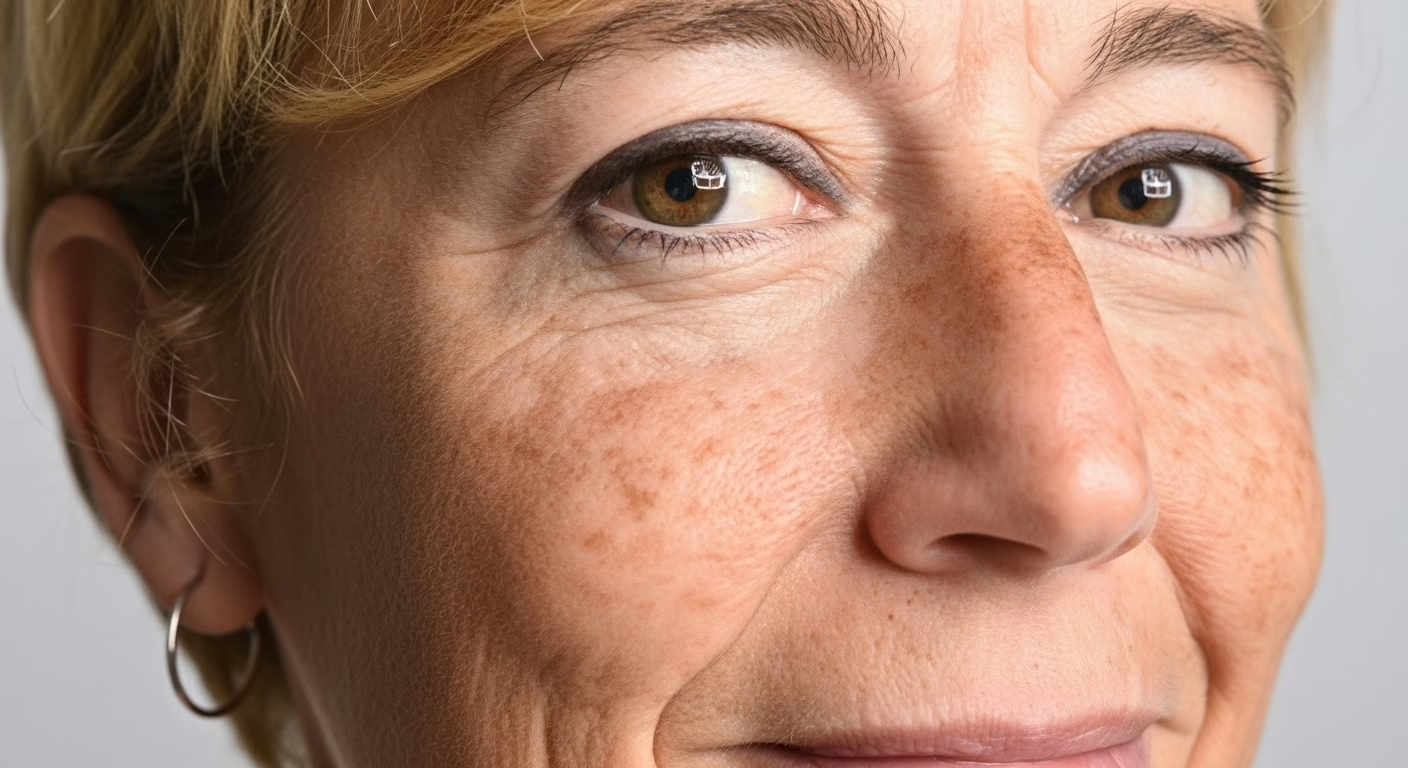
Sun-Damaged, Wrinkled Skin?
Years of sun exposure leave their mark on even the most carefully maintained skin. Those fine lines around your eyes, the dark spots on your cheeks, and the rough texture you feel when you run your fingers across your face aren't just signs of aging. They're evidence of cumulative ultraviolet damage that penetrates deep into your skin's structure, breaking down collagen and elastin while triggering irregular pigment production.
Key Takeaways
- Sun damage affects skin at the cellular level, breaking down collagen and elastin fibers that keep skin firm and smooth.
- Common signs include wrinkles, age spots, rough texture, and uneven skin tone that develop over years of UV exposure.
- Professional treatments like chemical peels, laser therapy, and microneedling can reverse many types of sun damage.
- Prevention through daily sunscreen use remains the most effective way to protect against further damage.
- Different treatment approaches work better for specific types of damage, making professional consultation valuable for optimal results.
Understanding Sun Damage at the Cellular Level
Ultraviolet radiation doesn't just affect the surface of your skin. UV-A rays penetrate deep into the dermis, where they generate free radicals that attack the cellular structures responsible for your skin's strength and elasticity. This process, called photoaging, accelerates the natural aging process and creates damage patterns distinct from chronological aging.
The most visible signs appear gradually. Fine lines develop first around areas where facial expressions create repeated muscle contractions. Sunspots on face emerge as melanocytes become overactive in response to UV exposure, creating clusters of pigment that appear as brown or black patches.
https://facialplasticsbh.com/5-most-common-skin-aging-problems-and-the-best-solutions/
Your skin's texture changes too. The smooth, even surface of healthy skin becomes rough and uneven as damaged collagen fibers clump together and new collagen production slows. This creates the leathery appearance often associated with chronic sun exposure.
The Science Behind Wrinkle Formation
Wrinkles form through two distinct processes that often overlap. Dynamic wrinkles develop from repeated facial movements over time. Every time you squint, smile, or furrow your brow, the underlying muscles contract and fold the skin above them. In young, healthy skin, elastic fibers snap back into place. But sun-damaged skin loses this resilience.
Static wrinkles, on the other hand, result from structural changes in the skin itself. As UV damage accumulates, your skin produces less collagen and elastin. The remaining fibers become fragmented and disorganized, creating permanent creases that remain visible even when your face is at rest.
The depth and severity of these changes depend on several factors:
- Total UV exposure over your lifetime
- Your natural skin type and pigmentation
- Genetic factors affecting collagen production
- Environmental factors like pollution and smoking

Professional Treatment Options
Modern sun damage treatment approaches target different aspects of photoaging with remarkable precision. Chemical peels remove damaged surface layers while stimulating new cell growth underneath. The controlled injury triggers your skin's natural healing response, promoting collagen production and revealing fresher, less damaged skin.
Laser treatments work by delivering concentrated light energy to specific skin structures. Ablative lasers remove thin layers of damaged skin, while non-ablative options heat deeper tissues to stimulate collagen remodeling without affecting the surface. The choice between these approaches depends on the severity of damage and your tolerance for downtime.
Microneedling creates controlled micro-injuries that prompt your skin to repair itself. This process naturally increases collagen and elastin production while improving the absorption of topical treatments applied during or after the procedure.
https://facialplasticsbh.com/best-treatments-for-pigmentation-on-the-face/
Developing an Effective Treatment Plan
The most successful approach to reversing sun damage combines multiple treatments tailored to your specific concerns. A comprehensive evaluation by a qualified dermatologist can identify which types of damage are most prominent and recommend the most appropriate treatment sequence.
For patients with primarily superficial damage, a series of gentle chemical peels combined with medical-grade skincare products may provide excellent results with minimal downtime. Those with deeper wrinkles or more extensive damage might benefit from laser resurfacing followed by maintenance treatments.
Your individual skin regimen plays a crucial role in both preparing for treatment and maintaining results afterward. Medical-grade products containing ingredients like retinoids, vitamin C, and alpha hydroxy acids can enhance treatment outcomes while protecting against future damage.

The Role of Prevention
While professional treatments can reverse existing damage, preventing further deterioration remains equally important. Daily sunscreen application with at least SPF 30 provides essential protection against continued UV exposure. Broad-spectrum formulations protect against both UV-A and UV-B rays, addressing the full range of damaging wavelengths.
Physical sunscreens containing zinc oxide or titanium dioxide offer immediate protection upon application, while chemical sunscreens require time to absorb and activate. For optimal protection, many people find that combining both types works best for their lifestyle and skin type.
Beyond sunscreen, other protective measures can significantly slow the progression of sun damage:
- Seeking shade during peak UV hours (10 AM to 4 PM)
- Wearing protective clothing and wide-brimmed hats
- Using UV-blocking sunglasses to protect the delicate eye area
- Avoiding tanning beds and excessive sun exposure
What to Expect from Treatment
Professional treatments for sun damage typically require a series of sessions to achieve optimal results. The number and frequency of treatments depend on the severity of damage, the specific procedures used, and your individual healing response.
Most patients begin seeing improvements within 2-4 weeks of their first treatment, with continued enhancement over several months as new collagen forms. To effectively improve the health of your skin and maintain results, many people benefit from periodic maintenance treatments combined with consistent home care.
The investment in professional treatment extends beyond immediate cosmetic improvements. By addressing sun damage comprehensively, you're also reducing your risk of developing more serious skin conditions while restoring your skin's natural protective functions.
Ready to address your sun damage concerns with proven, professional treatments? Explore advanced skin resurfacing options designed to restore your skin's youthful appearance and health.
Conclusion
Sun damage and wrinkles don't have to be permanent reminders of past sun exposure. With today's advanced treatment options, it's possible to significantly improve skin texture, reduce visible damage, and restore a more youthful appearance. The key lies in choosing the right combination of professional treatments while implementing effective prevention strategies to protect your investment in healthier, more beautiful skin.
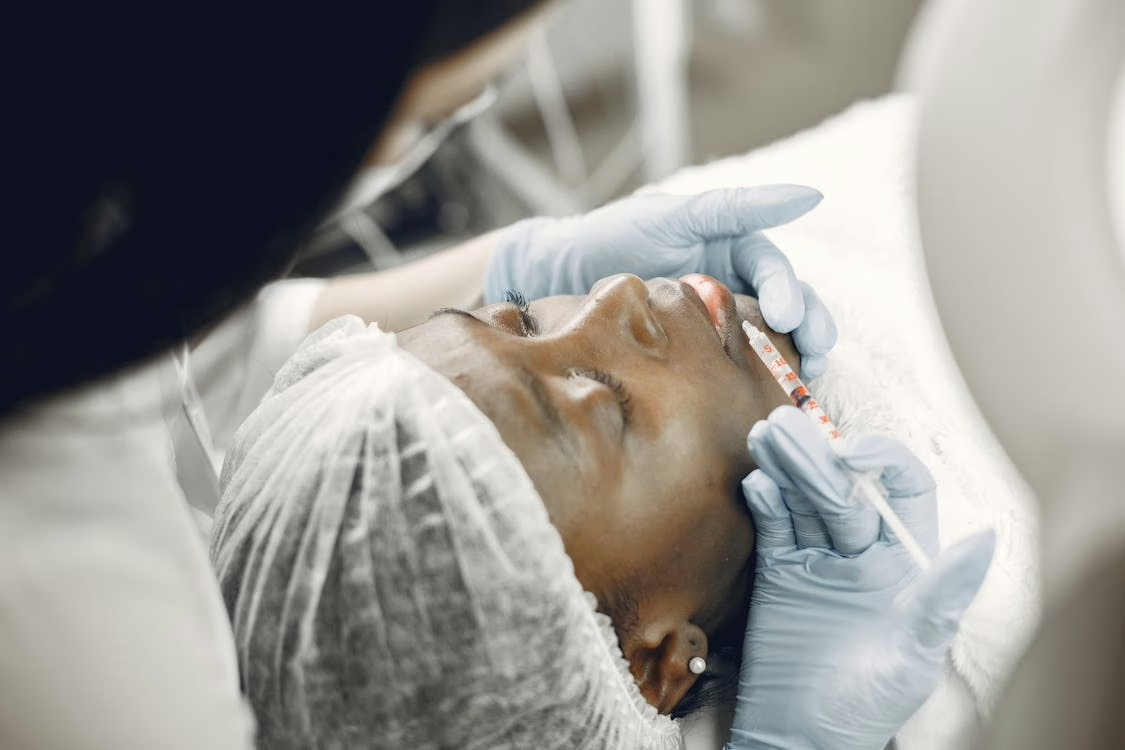
How To Get Fuller Lips Without Overdoing It
Fuller lips are a popular cosmetic enhancement, but the line between subtle improvement and overdoing it is thin. Social media may highlight dramatic results, yet natural-looking approaches often deliver the most satisfying and lasting outcomes.
Key Takeaways
- Professional treatments like fillers and lip lifts offer the most dramatic and controllable results for lip enhancement.
- Natural methods including lip exercises, exfoliation, and plumping products can provide subtle improvements without permanent changes.
- The key to avoiding overdone results lies in gradual enhancement and choosing techniques that match your facial proportions.
- Understanding the difference between temporary and permanent options helps you select the right approach for your goals.
- Working with experienced professionals ensures safer outcomes and more natural-looking results.
Understanding Natural Lip Anatomy
Your lips’ shape, size, and proportions are influenced by muscle structure, tissue volume, and genetics. While the upper lip is ideally about one-third the height of the lower lip, natural variations make every set of lips unique, so it helps to first appreciate your own structure and note areas you’d like to improve.
A professional assessment can clarify whether your goals match what’s realistically achievable while preserving facial balance. Some lips are naturally thin or lose volume with age, while others have asymmetries, and recognizing these traits sets a solid foundation for any enhancement plan.
Professional Treatment Options
Injectable Fillers
Dermal filler injections remain the gold standard for temporary lip enhancement, offering precise control over volume and shape. Hyaluronic acid-based fillers like Restylane and Juvederm provide natural-looking results that typically last 6-12 months. The treatment involves strategic injection points that can address specific concerns, whether that's adding overall volume, defining the lip border, or correcting asymmetries.
https://facialplasticsbh.com/how-long-do-restylane-fillers-last/
Surgical Enhancement
A lip lift procedure offers permanent results by surgically shortening the distance between the nose and upper lip. This technique can create the appearance of fuller lips by exposing more of the pink portion of the lip, particularly benefiting those with longer upper lips or minimal lip show when smiling. Unlike fillers, a lip lift provides lasting results but requires surgical recovery time.
https://facialplasticsbh.com/when-to-get-fillers-and-when-to-get-surgery/

At-Home Enhancement Methods
Topical Treatments
Lip plumpers containing ingredients like cinnamon, peppermint, or capsaicin can provide temporary fullness through mild irritation that increases blood flow. These products offer subtle results lasting a few hours and work well for special occasions or daily enhancement. The effect is temporary but can be surprisingly noticeable when used consistently.
Natural Enhancement Techniques
Several natural methods can help you plump your lips without cosmetic intervention. Gentle exfoliation removes dead skin cells and promotes circulation, creating smoother, more defined lips. Using a soft toothbrush or sugar scrub 2-3 times weekly can improve lip texture and natural color.
Facial exercises targeting the lip area may help maintain muscle tone and definition. Simple movements like pursing, stretching, and massaging can potentially improve circulation and muscle engagement around the mouth area.
Makeup Techniques for Fuller Lips
Strategic makeup application can create the illusion of plumper-looking lips through color, highlighting, and contouring techniques. Using a lip liner slightly outside your natural lip line, when done subtly, can add perceived volume without looking overdone. The key is choosing liner colors that closely match your natural lip tone.
Avoiding Common Mistakes
Overdoing Initial Treatments
The biggest mistake in lip enhancement is making dramatic changes too quickly, since gradual improvements let you adjust without regret. Starting conservatively also helps tissues adapt, lowering complication risks and creating a more natural look.
Ignoring Facial Proportions
Lip enhancement should harmonize with your unique facial structure, as what suits one person’s proportions may not suit another’s. A professional can guide you toward changes that look natural and still feel comfortable in your smile, speech, and expressions.
Professional vs. DIY Approaches
When to Choose Professional Treatment
Professional lip augmentation & enhancement becomes the better choice when you're seeking significant, long-lasting changes or have specific structural concerns. Licensed practitioners can address asymmetries, age-related volume loss, or proportion issues that at-home methods can't effectively target.
The controlled environment and medical expertise also reduce risks associated with more dramatic changes. Professional treatments offer predictable results with established safety protocols.
Maximizing At-Home Methods
DIY methods work best as maintenance between professional treatments or for achieving subtle, temporary results with exfoliation, plumpers, and makeup. They also let you test how enhancements feel before committing to longer-lasting professional options.

Long-Term Maintenance
Sustainable Enhancement Strategies
The best lip enhancement strategies prioritize long-term sustainability, such as yearly filler touch-ups paired with daily care to support lip health. Consistent exfoliation, sun protection, and moisturizing build a strong foundation, reducing the need for corrective treatments.
Aging Considerations
Lip volume and definition naturally diminish with age, so planning enhancements with long-term changes in mind helps preserve a natural look. Starting conservatively and adjusting over time ensures treatments align with shifting facial structure and goals.
Making the Right Choice for You
Achieving fuller lips without overdoing it begins with an honest look at your goals, lifestyle, and comfort level with different options. Starting with less invasive methods and progressing as needed helps you find what works best while minimizing regret.
If you're ready to explore professional options for achieving naturally fuller lips, schedule a consultation with an experienced facial plastic surgeon who can assess your individual needs and recommend the most appropriate treatment approach.
Conclusion
Achieving fuller lips without overdoing it requires a thoughtful approach that balances your aesthetic goals with your natural features. Whether you choose professional treatments, at-home methods, or a combination of both, the key lies in gradual enhancement and realistic expectations. By understanding your options and working with qualified professionals when appropriate, you can achieve the fuller, more defined lips you want while maintaining the natural beauty that makes you uniquely attractive.
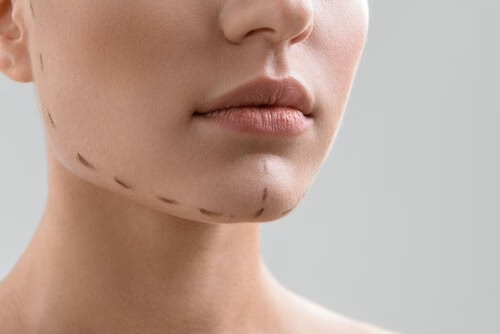
Best Options for Poor Jawline
A well-defined jawline has become a symbol of attractiveness and confidence in today's society. When someone feels their jawline lacks definition or strength, it can significantly impact their self-image and how they present themselves to the world.
The good news is that modern facial plastic surgery and non-surgical treatments offer multiple pathways to address jawline concerns, each with distinct advantages depending on your specific needs and goals.
Key Takeaways
- Surgical options like chin augmentation provide permanent, dramatic results for jawline enhancement
- Non-surgical treatments offer temporary improvements with minimal downtime and lower cost
- The best approach depends on your facial anatomy, budget, and desired outcome timeline
- Combining multiple treatments often yields the most natural-looking results
- Professional consultation is essential to determine which option suits your specific facial structure
Understanding Your Jawline Concerns
The jawline's appearance depends on several facial structures working together. Your mandible (lower jaw bone), chin, and surrounding soft tissues all contribute to how defined your jaw appears.
Common jawline issues include:
- Receding or weak chin that makes the entire lower face appear less defined
- Excess fat along the jaw that blurs natural contours
- Asymmetry that creates an unbalanced appearance
- Age-related volume loss that reduces definition over time
Genetics play the primary role in determining your natural jawline structure. However, factors like aging, weight fluctuations, and even poor posture can affect how defined your jawline appears.
Surgical Solutions: Permanent Enhancement
Chin Augmentation
Chin augmentation stands as one of the most effective surgical approaches for improving a poor jawline. This procedure addresses the foundational element of lower facial balance and can dramatically transform your profile.
The chin augmentation procedure typically involves:
- Implant placement using biocompatible materials
- Bone reshaping for more dramatic changes
- Fat grafting for subtle volume enhancement
Recovery typically involves some swelling and bruising for the first week. Most patients return to normal activities within 10 to 14 days, making this an accessible option for busy professionals.
https://facialplasticsbh.com/why-does-rhinoplasty-go-hand-in-hand-with-chin-augmentation/
Jaw Implants for Dramatic Results
For patients seeking comprehensive changes to their overall jaw structure, jaw implants provide an option that goes beyond chin-focused treatments. These custom-designed implants can add width, length, and definition to the entire lower jaw area.
Benefits of jaw implants include:
- Permanent, dramatic results
- Customizable to your facial structure
- Addresses multiple jawline concerns simultaneously
- Creates masculine or feminine contours as desired
This surgical approach requires careful planning and expertise. Recovery time is typically longer than chin-only procedures, often requiring two to three weeks for initial healing.
Buccal Fat Removal
Some patients benefit from buccal fat removal, which eliminates excess fat pads in the cheeks to create a more sculpted appearance. This procedure works particularly well for younger patients with naturally round faces.
The technique involves small incisions inside the mouth, leaving no visible scarring. Results become more apparent as patients age and naturally lose facial volume, creating long-lasting definition.

Non-Surgical Options: Flexible Solutions
Injectable Treatments
For patients who prefer to avoid surgery, injectable treatments offer a less invasive path to jawline improvement. These procedures provide immediate results with minimal downtime.
Popular injectable options:
- Dermal fillers add volume and definition along the jawline
- Neuromodulators slim the jaw by relaxing overactive muscles
- Combination treatments address multiple concerns simultaneously
When considering surgical or non-surgical chin augmentation, patients should weigh the benefits and limitations of each approach carefully.
Injectable treatment timeline: • Treatment takes 30-60 minutes • Results visible within days • Effects last 12-18 months • Maintenance treatments required
Advanced Non-Invasive Techniques
Modern technology offers several non-surgical approaches to jawline enhancement:
Radiofrequency therapy stimulates collagen production and tightens loose skin around the jawline. Results develop gradually over several months as your body's natural healing processes respond to treatment.
Ultrasound therapy can target deeper tissues and provide lifting effects without surgery. Multiple sessions are typically required for optimal results.
Cryolipolysis eliminates stubborn fat deposits that obscure natural jaw contours. This treatment works best for patients whose concerns primarily stem from excess soft tissue rather than structural issues.
https://facialplasticsbh.com/how-to-change-the-shape-of-your-face/
Alternative and Complementary Approaches
Exercise-Based Methods
Some individuals explore exercise-based approaches to improve their jawline appearance. While these methods should be approached with realistic expectations, they can provide complementary benefits.
Techniques like mewing, which involves specific tongue positioning, have gained popularity on social media platforms. However, scientific evidence supporting significant structural changes remains limited.
Traditional exercises aimed at creating a sharper jawline may provide some muscle toning benefits. These approaches work best as supportive strategies rather than primary treatment methods.
Lifestyle Modifications
Weight management plays a crucial role in jawline definition. Excess facial fat can significantly impact your jawline appearance, making overall health an important consideration.
Key lifestyle factors include:
- Maintaining a healthy weight
- Staying hydrated for skin elasticity
- Using proper posture to enhance natural contours
- Following a skincare routine that supports collagen production

Choosing Your Ideal Approach
Assessment Factors
Several important factors should guide your decision when choosing among available jawline enhancement options:
Anatomical considerations:
- Current facial structure and proportions
- Skin quality and elasticity
- Age and hormonal factors
- Existing asymmetries or structural concerns
Personal preferences:
- Desired outcome and timeline
- Budget and ongoing maintenance commitment
- Risk tolerance and recovery time availability
- Long-term aesthetic goals
Professional Consultation Benefits
A thorough consultation with a qualified facial plastic surgeon provides the foundation for making an informed treatment decision. During this comprehensive assessment, your surgeon will evaluate your facial proportions and discuss your specific goals.
This professional evaluation often reveals important considerations you might not have initially recognized. Understanding the relationship between chin projection and nose size, or how jawline changes affect overall facial balance, helps ensure natural-looking results.
Combining Treatments for Best Results
Multi-Modal Strategies
Many patients achieve optimal results by combining different treatment approaches rather than relying on a single intervention. This comprehensive strategy allows for more precise customization and often produces more natural-looking outcomes.
Effective combinations include:
- Surgical chin augmentation paired with injectable treatments for soft tissue concerns
- Non-surgical treatments used to fine-tune surgical results
- Gradual approach starting with injectables and progressing to surgery as needed
Planning considerations:
- Appropriate healing time between procedures
- Coordinated treatment timeline
- Budget allocation across multiple treatments
- Long-term maintenance requirements
Timeline and Maintenance
Understanding the long-term commitment associated with your chosen approach helps ensure realistic expectations and satisfaction with results.
Surgical options typically provide permanent structural changes but may require minor touch-ups over time as natural aging continues.
Non-surgical treatments need regular maintenance sessions to preserve results. Many patients find that starting with temporary options and gradually progressing to permanent solutions provides the most satisfying approach.

Making Your Decision
Cost Considerations
Treatment costs vary significantly based on your chosen approach:
- Surgical procedures involve higher upfront costs but provide permanent results. Consider the long-term value when comparing options.
- Non-surgical treatments have lower initial costs but require ongoing maintenance. Calculate total costs over several years for accurate comparison.
- Combined approaches may offer the best value by maximizing results while managing costs effectively.
Preparing for Treatment
Once you've selected your preferred approach, proper preparation ensures optimal results:
- Follow pre-treatment guidelines provided by your practitioner
- Arrange appropriate recovery time based on your chosen procedure
- Plan for aftercare requirements including follow-up appointments
- Set realistic expectations about timeline and results
Ready to transform your jawline and boost your confidence? Schedule your consultation with our expert team to discover which treatment option will help you achieve your aesthetic goals.
Conclusion
Addressing concerns about a weak jawline no longer means accepting it as unchangeable, since modern facial plastic surgery now offers safe and effective options to enhance facial balance.
Depending on your goals, you can choose surgical procedures for permanent, dramatic results or non-surgical treatments for more gradual improvements. The key is selecting the right approach for your needs, working with experienced professionals, and maintaining realistic expectations to achieve the best possible outcome.
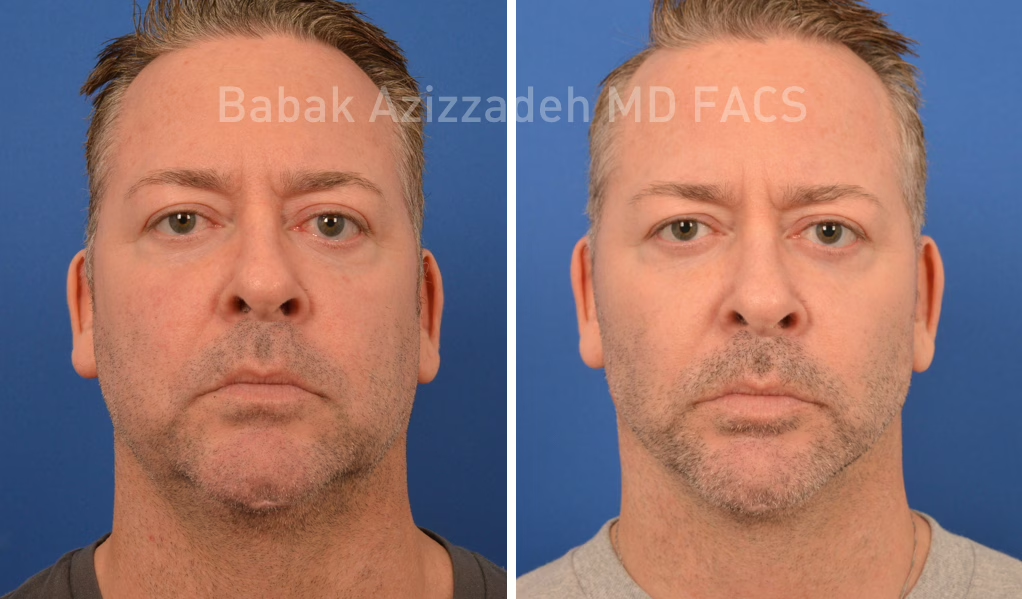
How to Get Rid Of Drooping Neck
A drooping neck can add years to your appearance, creating loose, sagging skin that undermines even the most youthful face. This common concern affects millions as they age, but understanding your treatment options can help restore your neck's smooth, tight appearance. While aging naturally causes skin to lose elasticity and neck muscles to weaken, today's advanced treatments offer effective solutions from minimally invasive procedures to comprehensive surgical interventions.
Key Takeaways
- Deep plane facelifts provide the most comprehensive and long-lasting solution for severe neck sagging
- Non-surgical treatments offer temporary improvements with minimal downtime but require ongoing maintenance
- Neck exercises may improve muscle tone but cannot eliminate excess skin
- Topical creams can offer modest improvements in skin texture and firmness
- The best treatment depends on your specific concerns and desired outcome timeline
What Causes Neck Sagging?
Your neck's appearance changes due to several interconnected factors that intensify with age. Collagen production naturally decreases after age 25, causing skin to lose firmness and elasticity. The platysma muscle, extending from chest to jawline, gradually weakens and separates, creating visible bands.
Environmental factors accelerate these changes significantly:
- Sun exposure breaks down collagen fibers through UV damage
- Repeated movements like looking down at phones contribute to creasing
- Weight fluctuations stretch skin beyond its elastic limit
- Genetics determine how quickly your neck ages
This explains why some people develop turkey neck even at relatively young ages after significant weight loss.
Non-Surgical Treatment Options
Several non-invasive treatments can improve neck appearance without surgery or extensive downtime. These work best for mild to moderate sagging.
Botox Injections
Botox targets platysma muscle bands that create vertical lines and contribute to neck aging. Strategic placement of small botulinum toxin amounts relaxes these muscles, creating smoother appearance. Results typically last three to four months with regular maintenance needed.
Laser and Radiofrequency Treatments
These procedures heat deeper skin layers to stimulate collagen production and tighten existing fibers. Multiple sessions spaced several weeks apart are required, with gradual improvements visible over three to six months. Results are subtle but natural-looking.
https://facialplasticsbh.com/getting-a-facelift-in-your-40s-what-you-need-to-know/
Topical Treatments
Creams containing scientifically proven ingredients support skin health and provide modest improvements. N-acetyl glucosamine has shown promise in clinical studies for improving neck skin firmness. Research demonstrates that consistent use of creams with retinol and peptides can help firm sagging skin over time.

Can Neck Exercises Help?
Many wonder whether targeted exercises can eliminate drooping neck without medical intervention. While neck exercises strengthen underlying muscles and improve posture, they have significant limitations addressing excess skin.
The Reality Check: Exercise builds muscle tissue beneath skin but can't shrink or tighten loose skin that's lost elasticity. Think of it like a deflated balloon stretched beyond capacity. Strengthening muscles underneath provides some support but won't eliminate excess material on top.
A study examining yoga-based neck exercises found improved muscle tone and elasticity in superficial neck muscles. However, researchers emphasized that while exercises may support muscle function during aging, they cannot eliminate excess skin that's already formed.
Advanced Surgical Solutions
For significant neck sagging, surgical interventions provide the most dramatic and long-lasting results. Modern techniques offer natural-looking outcomes with reduced recovery times.
Deep Plane Facelift: The Gold Standard
The deep plane facelift represents the premier choice for comprehensive neck rejuvenation. This advanced technique goes beyond removing excess skin by repositioning deeper facial structures that support the neck and jawline.
Key advantages include:
- Longer-lasting results compared to traditional approaches
- Natural appearance by working in deeper tissue planes
- Comprehensive correction of neck sagging and muscle separation
- Maintained facial expressions without the "pulled" look
During the procedure, surgeons carefully reposition the SMAS layer, including the platysma muscle and surrounding tissues. This allows extensive correction while preserving natural facial movement.
https://facialplasticsbh.com/facelift/
Alternative Surgical Options
The hyo neck lift offers a newer approach specifically targeting neck concerns with minimal scarring. This technique tightens neck skin through small, strategically placed incisions that heal with barely visible marks.
For less invasive options, turkey neck surgery can be performed using thread lifts or MST operations. These procedures use specialized threads or small incisions to tighten neck skin with reduced recovery time.


Choosing Your Treatment Approach
Selecting the right treatment requires careful consideration of multiple factors. The severity of skin sagging, your age, overall health, and personal goals all influence which option provides best results.
Treatment Selection Guide:
- Mild neck aging with good skin elasticity: Non-surgical treatments plus skincare
- Moderate to severe sagging: Surgical intervention typically required
- Maintenance preferences: Consider ongoing requirements vs. one-time procedures
The expertise of your provider plays a crucial role in results and safety. Choosing a best facelift surgeon who specializes in facial plastic surgery ensures care from someone understanding complex face and neck anatomy. These specialists stay current with latest techniques and can address potential complications related to facial nerve conditions.
Recovery and Results Timeline
Understanding recovery helps you plan appropriately and set realistic expectations.
Non-Surgical Recovery: Little to no downtime with immediate return to normal activities. Mild swelling, redness, or temporary muscle weakness may occur depending on treatment.
Surgical Recovery: Deep plane facelifts typically involve one to two weeks of initial healing with limited physical activity. Initial results appear once swelling subsides, with final outcomes continuing to improve over several months.
Long-Term Maintenance: Non-surgical options require ongoing treatments to maintain results, which can become costly over time. Surgical procedures provide longer-lasting results, often remaining effective for 10 to 15 years.
Cost Considerations: While surgical options have higher upfront costs, they often prove more economical long-term compared to repeated non-surgical treatments. Quality surgical results can eliminate the need for ongoing maintenance procedures, making them a smart investment for those seeking permanent improvement in their neck appearance.
Ready to explore your options for addressing neck sagging? Schedule a consultation with an experienced deep plane facelift specialist to discuss which treatment approach aligns with your goals.
Conclusion
Addressing drooping neck requires a personalized approach considering your anatomy, goals, and lifestyle preferences. While non-surgical treatments offer gradual improvements with minimal commitment, surgical options provide dramatic, long-lasting results for significant skin sagging. The key to successful neck rejuvenation lies in choosing the right treatment provider and having realistic expectations about your chosen approach.