
Vertical Restore Facelift - What To Know
The Vertical Restore Facelift is gaining popularity due to its unique approach that aims to provide a more natural appearance. This procedure is designed to lift the face in a manner that aligns with the natural aging process, rather than countering it. This blog will talk about the details of the Vertical Restore Facelift, compare it to traditional facelift techniques, and outline what one can expect from the procedure.
Key Takeaways
- The Vertical Restore Facelift lifts facial tissues vertically, aiming for a more natural look compared to traditional horizontal pulls.
- This technique addresses deeper facial structures, not just the skin, for a more comprehensive rejuvenation of the midface, jawline, and neck.
- Ideal candidates are those seeking significant, natural-looking facial rejuvenation, with results that can last 10-15 years or more.
- Recovery typically takes 2-3 weeks for visible improvement, with less swelling often reported compared to other methods.
- While risks exist, like infection or scarring, they are managed through careful surgical technique and post-operative care, especially with experienced surgeons like Dr. Azizzadeh in Beverly Hills.
Understanding the Vertical Restore Facelift
The Vertical Restore Facelift is a contemporary technique in facial rejuvenation that emphasizes lifting and repositioning the deeper tissues of the face in a vertical direction, aligning with the natural effects of gravity. Unlike traditional facelift methods that often pull the skin sideways and can result in an unnatural appearance, the Vertical Restore approach targets the underlying muscle and fat layers to effectively address sagging. This innovative method aims to restore youthful contours while maintaining a natural look, offering a refreshed appearance that still resembles the individual.
Here’s a quick look at the main differences:
- Direction of Lift: Vertical Restore lifts upwards; traditional methods often pull sideways.
- Focus: Vertical Restore targets deeper tissues; traditional methods often focus more on skin tightening.
- Result: Vertical Restore aims for a natural, refreshed appearance; traditional methods can sometimes look pulled.
Addressing Ageing Concerns with Precision
Addressing the effects of ageing on facial appearance, the Vertical Restore Facelift offers a precise approach to rejuvenation. This technique effectively restores volume to the midface and cheeks, counteracting sagging resulting from shifted fat pads and muscle tone loss. It also redefines the jawline and smooths the neck, yielding a balanced and youthful profile by respecting individual facial structures rather than simply erasing lines.
The Vertical Restore Facelift Procedure Unveiled
Your journey toward a refreshed appearance begins with a detailed consultation. This is your time to discuss your goals and concerns openly with your surgeon. They will carefully examine your facial structure, skin quality, and the specific areas you wish to address. This initial meeting is vital for setting realistic expectations and tailoring the Vertical Restore Facelift to your unique needs.
Preparing for Your Transformation
Proper preparation is key to a smooth surgical experience and optimal recovery. You'll receive specific instructions covering several aspects:
- Medication Adjustments: You may need to stop certain medications or supplements that can increase bleeding risk.
- Dietary Recommendations: Guidance on what to eat and avoid in the days leading up to and following surgery.
- Lifestyle Changes: Advice on quitting smoking and other habits that can impact healing.
Following these guidelines diligently helps your body prepare for the procedure and supports the healing process afterward.
https://facialplasticsbh.com/mini-facelift-vs-full-facelift-choosing-the-right-option/
Ideal Candidates for Vertical Restoration
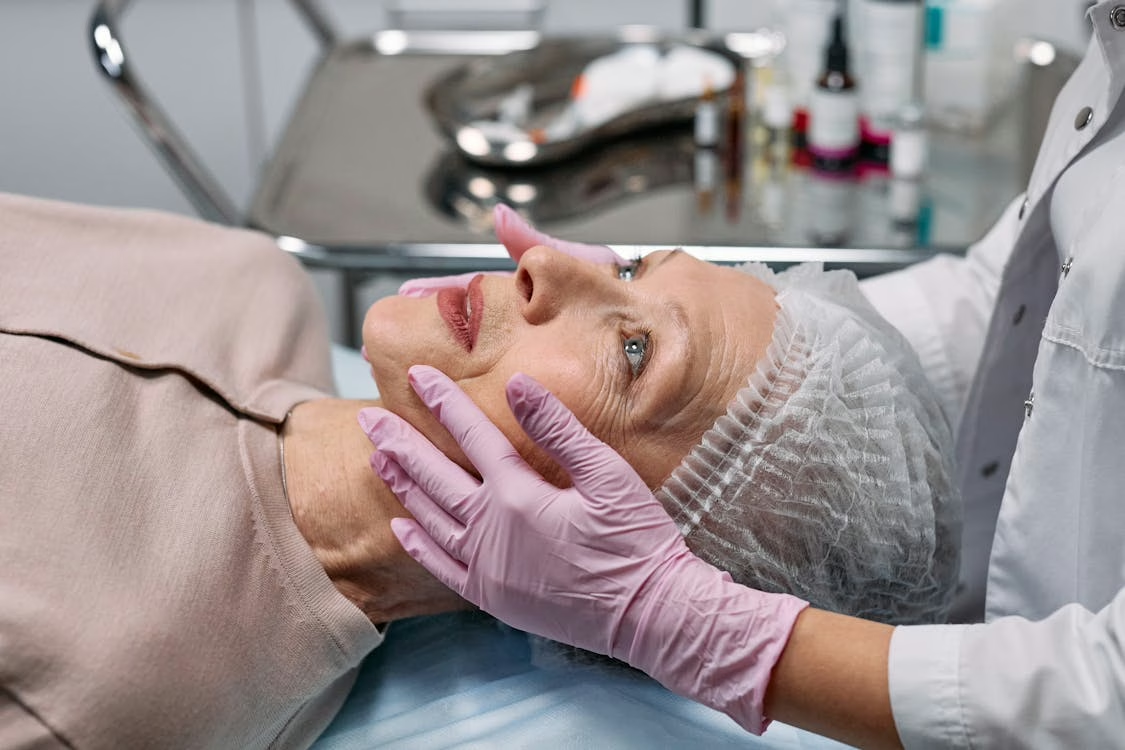
Deciding if the Vertical Restore Facelift is the right path for you involves looking at a few key things. It's not a one-size-fits-all solution, but for many, it offers a really effective way to turn back the clock. Generally, if you're noticing sagging skin, especially in the midface and jawline, and you're looking for results that feel natural and last a good while, this could be a great option. It’s particularly good for those who want to address not just the skin itself, but the underlying structures that have shifted over time. The goal is a refreshed look that still feels like you. The following are the people who will benefit most from this technique:
- Individuals showing significant signs of aging, such as volume loss in cheeks and softening jawlines.
- Those who haven't achieved desired results with less invasive treatments.
- Best for those in good health with realistic expectations about surgical outcomes.
- Suitable for those seeking lasting improvements and who are prepared for the recovery process.
Vertical Restoration elevates facial tissues vertically, avoiding the tight, overdone appearance of previous facelifts. The revitalized, well-rested look is natural rather than surgical. Balanced, thorough rejuvenation is achieved by treating numerous face and neck regions. If you're considering a complete facelift or worried about prior outcomes, a knowledgeable surgeon can help you decide.
https://facialplasticsbh.com/deep-plane-facelift-surgeon/
Navigating the Recovery and Results
The recovery after a Vertical Restore Facelift generally follows a timeline. The first week involves significant swelling and bruising, requiring rest and the use of cold compresses. By the second week, bruising diminishes, making it possible to go out with makeup. By weeks three to four, swelling further decreases, revealing more defined facial contours, and scars from incisions become less visible.
Understanding Post-Operative Care
Following your surgeon's instructions after the procedure is really key to a good outcome. This usually involves:
- Keeping your head elevated, especially when sleeping.
- Gently cleaning your incision sites as directed.
- Taking any prescribed medications, like pain relievers or antibiotics.
- Avoiding strenuous activities and heavy lifting for several weeks.
- Attending all scheduled follow-up appointments.
Proper post-operative care isn't just about healing; it's about protecting your investment and helping your results settle in naturally. It requires patience and attention to detail, but it's a vital step towards enjoying your rejuvenated look.
The Longevity of Vertical Restore Results
One of the significant advantages of the Vertical Restore Facelift is its lasting impact. Unlike techniques that primarily address the skin, this method works on repositioning the deeper facial tissues. This approach is designed to provide results that stand the test of time, often lasting 10 to 15 years or even longer. Of course, factors like your skin's quality, your lifestyle choices, and how well you follow post-operative care can influence how long your results endure. Regular check-ins with your surgeon can also help you maintain your refreshed appearance.
The Artistry of Vertical Restore in Beverly Hills
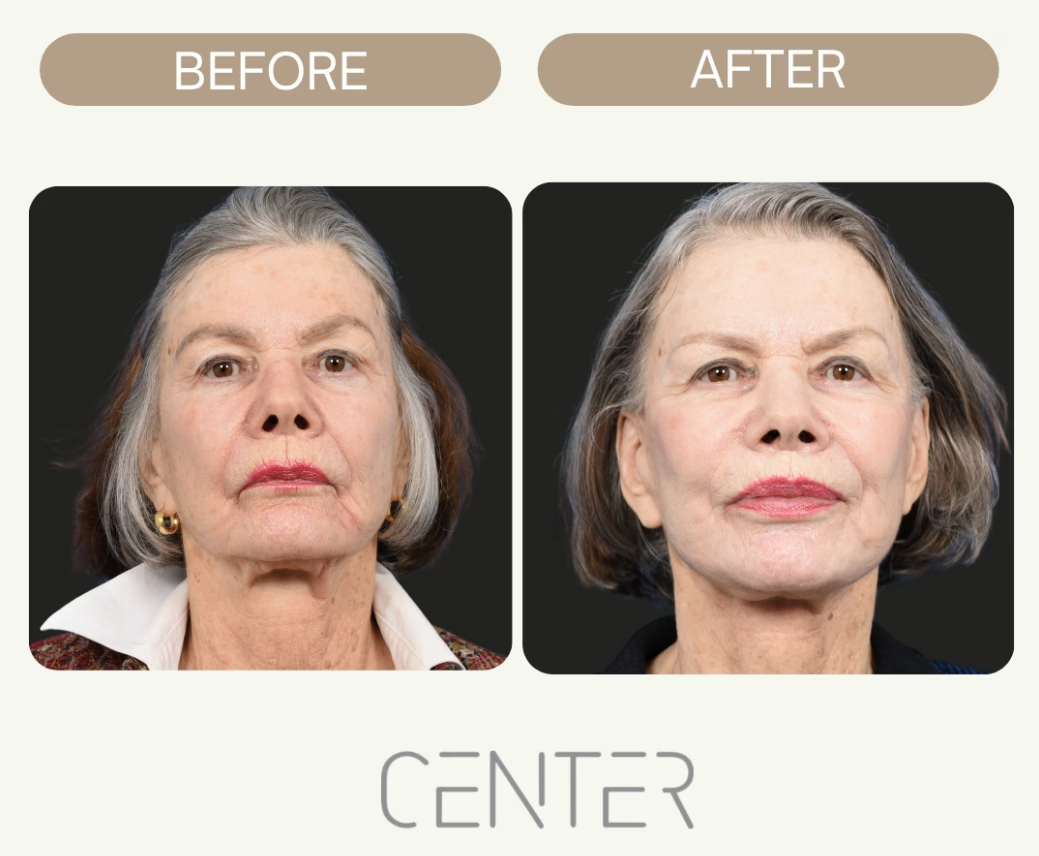
Beverly Hills has long been synonymous with aesthetic refinement, and when it comes to facial rejuvenation, the Vertical Restore Facelift represents a sophisticated evolution. This technique is not merely about pulling back skin; it's about artfully repositioning the deeper facial structures to restore a naturally youthful appearance. The goal is to make you look like the best version of yourself, not someone else entirely.
Expertise at CENTER for Advanced Facial Plastic Surgery
When considering a procedure as nuanced as the Vertical Restore Facelift, the skill and experience of your surgeon are paramount. At the CENTER for Advanced Facial Plastic Surgery, the focus is on a personalized approach. They understand that every face is unique, and a one-size-fits-all method simply won't achieve the desired natural results. The team here is dedicated to understanding your specific concerns and anatomical features to tailor the Vertical Restore technique to your individual needs.
 Dr. Azizzadeh's Approach to Vertical Restoration
Dr. Azizzadeh is known for his meticulous attention to detail and his commitment to achieving harmonious, natural-looking outcomes. His philosophy centers on restoring the face's underlying framework, rather than just tightening the skin. This means lifting and repositioning tissues vertically, in line with how gravity affects the face over time. This method helps to:
- Restore volume to the midface and cheeks.
- Soften the nasolabial folds (smile lines).
- Improve the contour of the jawline and neck.
- Create a refreshed, yet unmistakably you, appearance.
The Vertical Restore Facelift rebuilds the face's young architecture, not only erases wrinkles. It lets your personality come through without aging. A modest but noticeable rejuvenation that cannot be ascribed to surgery is the goal.
This sophisticated technique requires a deep understanding of facial anatomy and a keen artistic eye. Dr. Azizzadeh's approach prioritizes these elements, ensuring that each procedure is performed with precision and care. The result is a refreshed appearance that looks natural and lasts. You can explore real patient results to see the transformative effects of this advanced technique.
Wrapping Up Your Vertical Restore Facelift Journey
The Vertical Restore Facelift is a technique that really seems to get how faces age and how to fix it naturally. It's not just about pulling things tight; it's about lifting and repositioning to bring back that youthful look without making you look like someone else. Remember, choosing the right surgeon, like Dr. Azizzadeh at CENTER for Advanced Facial Plastic Surgery, is a big part of getting the results you want. Recovery takes time, and it's important to follow all the instructions. But the payoff? A refreshed, more confident you, looking like the best version of yourself. It’s a significant step, and understanding all the details, from what it is to how to recover, puts you in a great spot to make the best decision for your face.
Before choosing a surgeon, reading real patient feedback matters. View verified reviews for Dr. Azizzadeh on Google and RealSelf.


Comparing Open and Closed Rhinoplasty
Thinking about getting a nose job? It's a big decision, and one of the first things you'll hear about is the difference between open and closed rhinoplasty. Basically, it comes down to how the surgeon gets to the parts of your nose they need to work on. This guide will help you understand what makes them different, so you can have a better chat with your doctor about what's right for you. Comparing open and closed rhinoplasty is key to making an informed choice.
Key Takeaways
- The surgeon lifts the skin between your nostrils with a tiny cut in open rhinoplasty to see the nasal bones and cartilage. This is useful for difficult alterations or surgery repairs.
- All cuts in closed rhinoplasty stay inside the nostrils. For minor modifications like bump smoothing, it leaves no scar.
- Both procedures can produce fantastic outcomes, but open rhinoplasty provides superior visibility and control for precise tip work and larger difficulties.
- Due to no exterior incisions, closed rhinoplasty may take less time and produce less edema. The surgeon's view is narrower.
- The best nose surgery method depends on your goals, how complicated the surgery is, and your surgeon's recommendation based on your anatomy.
Understanding The Fundamental Differences
When you're considering rhinoplasty, you'll quickly learn there are two main ways surgeons approach the procedure: open and closed. Each method has its own way of getting to the structures inside your nose, and this difference really shapes how the surgery is done and what results you can expect. It's not just about a small cut versus no external cut; it's about how the surgeon sees and works with the delicate anatomy of your nose.
Open rhinoplasty involves a columella incision, providing direct access to cartilage and bone, offering superior visibility for complex cases. In contrast, closed rhinoplasty makes incisions within the nostrils, leading to limited visibility and reliance on touch. This distinction affects the ability to visualize nasal anatomy and manipulate structures effectively.
Evaluating Aesthetic Outcomes and Refinements
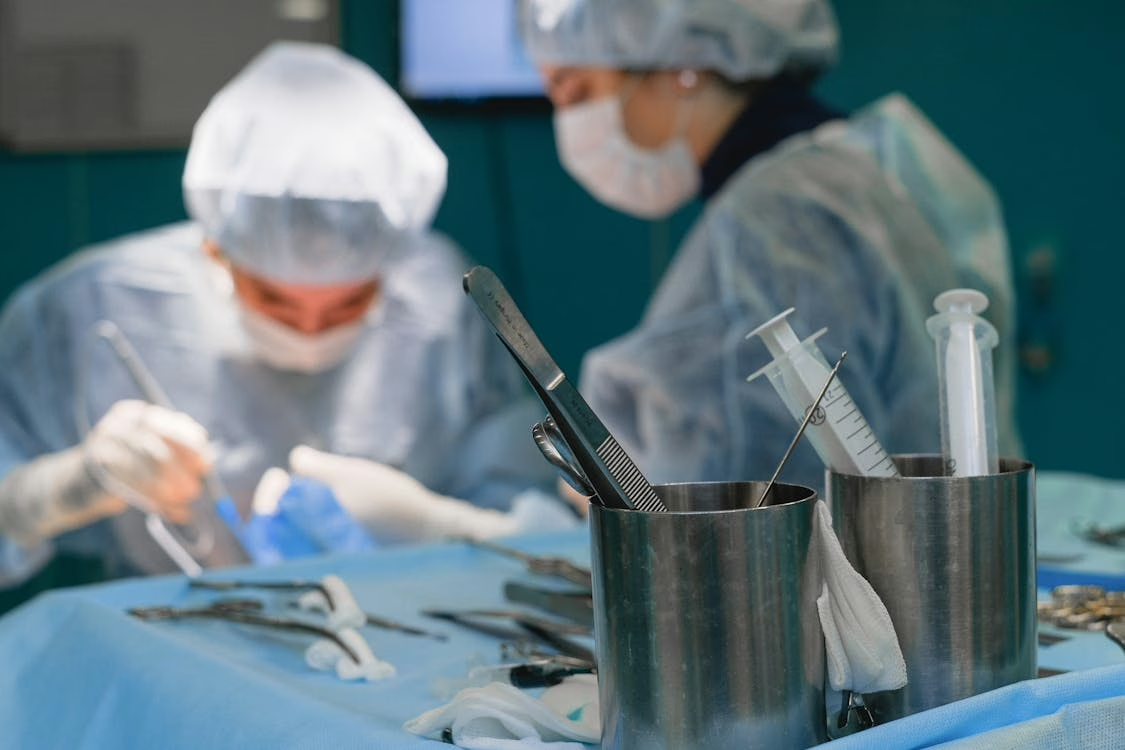
The open technique allows for better visualization, especially for intricate adjustments like correcting tip asymmetry, facilitating precise graft and suture placement. Conversely, the closed technique hides incisions inside the nostrils, preventing visible scars, making it appealing to many patients. Although the open approach leaves a small scar at the columella, it typically fades well, which is an important consideration during the decision-making process.
Here's a quick look at how they stack up for specific refinements:
- Complex Tip Refinements: Open rhinoplasty often preferred for its direct access and control.
- Asymmetry Correction: Open approach can offer superior precision.
- Dorsal Hump Reduction: Both techniques can be effective, but the surgeon's preference and the specific hump's nature play a role.
- Scarring: Closed technique has no external scars; open technique has a small external scar.
It's essential to consider the surgeon's skill as a key element in the aesthetic outcome of rhinoplasty. Experienced surgeons can advise on the best approach based on individual nasal anatomy and desired results. The choice between open and closed rhinoplasty hinges on the complexity of changes you seek and your preference regarding scarring. The open method offers greater precision and predictability for intricate modifications, while the closed technique is preferable for minor adjustments if avoiding external scars is a priority. Understanding both aesthetic and functional outcomes is advised.
https://facialplasticsbh.com/bulbous-nose-tip-after-rhinoplasty/
Functional Considerations and Patient Experience
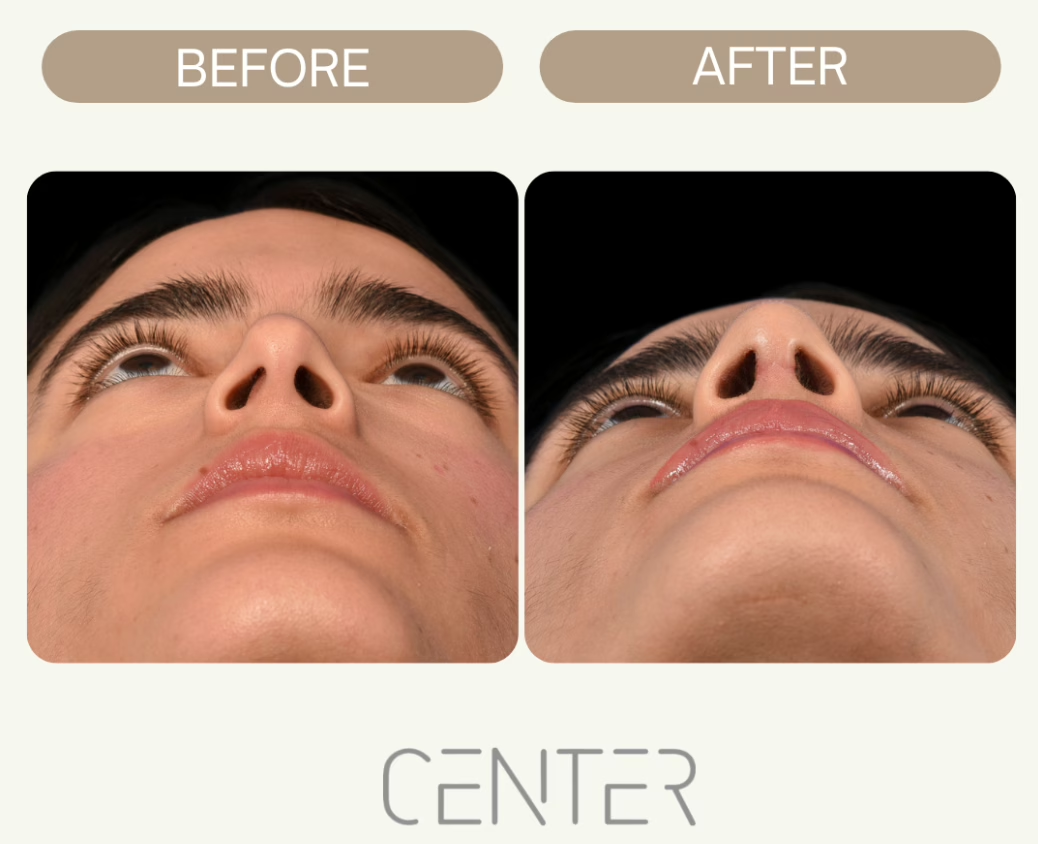
Functional results and overall patient satisfaction are equally as significant as aesthetic enhancements when contemplating rhinoplasty. Surgery can affect respiration, sensation, and long-term happiness in addition to changing the nose's shape. As nerves heal, some numbness is normal, and when done correctly, both open and closed procedures can provide significant functional advantages. Your anatomy, the purpose of the surgery, and a careful conversation with your surgeon will ultimately determine the best course of action.
Key Points:
- Temporary numbness, especially in the nasal tip, can occur with both open and closed rhinoplasty and typically resolves over time.
- Rhinoplasty can improve breathing, particularly in cases involving a deviated septum or nasal valve collapse.
- Research shows both techniques can achieve comparable functional improvements, often measured using tools like the NOSE scale.
- Patient satisfaction is generally high with either approach when expectations and surgical plans are aligned.
- The choice between open and closed rhinoplasty depends on individual goals, anatomy, and surgeon expertise.
https://facialplasticsbh.com/dr-azizzadeh-featured-on-town-country-on-rhinoplasty/
Cost-Effectiveness and Resource Allocation
When you're considering rhinoplasty, it's natural to think about the financial aspect. Both open and closed techniques have different implications for operating room time and the overall cost of your procedure. Understanding these differences can help you make a more informed decision.
Operating Room Time and Procedure Duration
Generally, closed rhinoplasty tends to be a bit quicker in the operating room. Because the surgeon works through the nostrils without an external incision, there's less dissection and therefore, less time spent directly manipulating tissues. Open rhinoplasty, with its columellar incision, requires more meticulous dissection and often takes a little longer. This difference in time can translate to variations in facility fees.
- Closed Rhinoplasty: Typically shorter procedure duration.
- Open Rhinoplasty: Often requires more operating time due to external dissection.
https://facialplasticsbh.com/upturned-nose-rhinoplasty/
Cost Implications of Grafting and Complex Maneuvers
Cost implications of rhinoplasty involving cartilage grafts, harvested from the septum, ear, or rib, increase surgery complexity due to the time required for graft shaping. While both open and closed approaches can be used, the open technique may facilitate more accurate graft placement, potentially lowering revision rates. The average cost for reconstructive rhinoplasty in the U.S. is around $7,669, with a range of $6,074 to $13,955.
 Resource Utilization in Open Versus Closed Procedures
In considering resource utilization between open and closed rhinoplasty, it's essential to evaluate not only the surgeon's time but also the complexity of cases requiring specific instruments and planning. Although closed rhinoplasty may appear simpler, open rhinoplasty allows for better visualization, which can facilitate certain steps, particularly in complex cases. Ultimately, the choice should prioritize achieving aesthetic and functional goals efficiently while minimizing future corrective surgeries. The surgeon's expertise plays a crucial role in determining the best approach tailored to individual needs, highlighting the importance of discussing these factors during the planning process.
When thinking about treatments, it's smart to consider how much value you get for your money and how resources are used. We help you make wise choices to get the best results without wasting time or money. Want to learn more about getting the most out of your cosmetic procedures? Visit our website today!
The Path You Choose
Deciding between open and closed rhinoplasty isn't about picking the 'best' one overall. It's really about figuring out what works for you and your specific nose. Think of it like this: sometimes you need a wide-open view to see everything clearly, especially for big changes or fixing tricky issues. That's where the open approach shines, giving your surgeon a really good look at what they're doing. But if your goals are more about subtle tweaks, the closed method might be just the ticket. It keeps everything hidden inside, which can mean a bit less fuss with healing and no external scar to worry about. Ultimately, the most important step is chatting with your surgeon. They'll look at your nose, listen to what you want, and guide you toward the technique that's most likely to get you the results you're hoping for. It’s a personal choice, and the right surgeon will help you make it with confidence.
Curious about real patient experiences? Explore verified reviews for Dr. Babak Azizzadeh on Google and RealSelf.

Asian Rhinoplasty - What To Know
Asian Rhinoplasty is a specialized procedure, and knowing what to expect can make all the difference. This isn't just about changing your nose; it's about refining it to fit harmoniously with your face while respecting your unique background. You might be wondering about the specific techniques used, how long recovery takes, or even how to pick the right surgeon. We've gathered the essential information to guide you through the process, covering everything from the surgical steps to achieving the natural results you're hoping for. Let's explore what you need to know about Asian Rhinoplasty.
Key Takeaways
- Asian Rhinoplasty strives for facial harmony, not ethnic erasure. It refines the nasal bridge, tip, and nostrils for structure and balance.
- Asian noses have thicker skin and thinner cartilage, requiring specific surgery. Patient cartilage transplants are commonly used for augmentation.
- Open or closed procedures may include respiratory improvements and cosmetic alterations. Stability and natural outcomes are sought with autologous cartilage grafts.
- Balance desired alterations with the patient's face characteristics and ethnicity for natural outcomes. Since results take time to appear, realistic expectations are crucial.
- Make sure your surgeon has Asian Rhinoplasty expertise. The procedure requires a full consultation, portfolio analysis, and goal discussion.
Understanding Asian Rhinoplasty
Asian rhinoplasty is a specialized form of nose surgery tailored for individuals of Asian descent. It's not about changing your nose to look like someone else's, but rather about refining its appearance to harmonize better with your unique facial features. The goal is to enhance your natural beauty while respecting and preserving your ethnic identity. This procedure focuses on specific anatomical characteristics common in Asian noses, aiming for a balanced and aesthetically pleasing result that feels authentic to you. It's about subtle improvements that make a significant difference in your overall facial harmony. If you're considering this procedure, understanding ethnic cosmetic surgery principles is a great starting point.
Distinguishing Features of Asian Noses
Asian noses are typically unique. A lower nasal bridge may make the nose look flatter. Softer nasal tips and thicker skin might obscure finer features. Wider nostrils may occur. These anatomical variances are natural, but they affect the best surgical approaches for aesthetic results. Recognizing these distinctions is crucial to surgery success.
Common characteristics often include:
- A less projected nasal bridge.
- A softer, sometimes rounder nasal tip.
- Thicker skin that can obscure definition.
- A wider base of the nostrils.
Cultural Aesthetic Considerations
Rhinoplasty varies among cultures, with Asian rhinoplasty emphasizing balance and proportion over dramatic changes. The focus is on enhancing existing features—such as adding subtle bridge projection or refining the tip—while maintaining a natural appearance that complements the face and honors ethnic heritage. The goal is gentle refinement rather than complete transformation, aiming for an aesthetically pleasing result that stays true to individual backgrounds.
Here's a look at typical goals:
- Improving the profile view by increasing nasal bridge height.
- Defining the nasal tip for a more refined appearance.
- Subtly narrowing the nostrils for better facial balance.
- Creating a smoother line along the bridge of the nose.
Tailored Surgical Approaches
Asian rhinoplasty requires a customized approach that respects unique anatomical features while enhancing facial harmony. Common characteristics such as a lower nasal bridge, softer tip cartilage, or wider nostrils influence surgical planning. Rather than dramatically altering features, the focus is on structural refinement and balanced enhancement that complements your natural proportions.
Key Points Summary:
- Surgeons tailor techniques to anatomical traits like a lower bridge, softer tip cartilage, or wider nostrils.
- Nasal bridge augmentation is often achieved using cartilage grafts from the septum, ear, or rib (autologous grafting is generally preferred for safety and integration).
- Tip refinement may involve supportive grafts (e.g., columellar strut or shield graft) to improve projection and definition.
- Alar base reduction can narrow wide nostrils while keeping incisions discreetly placed.
- The goal is subtle, structural enhancement that maintains ethnic identity while improving balance and profile.
https://facialplasticsbh.com/best-nose-job-for-a-wide-nose/
Achieving Natural and Harmonious Results
It's really important to remember that Asian rhinoplasty isn't about changing who you are or making you look like someone else. The goal is to work with your unique features, not erase them. Think of it as refining what's already there to create a more balanced look that still feels like you. We want to enhance your natural beauty, respecting the distinct characteristics that make you, you. It's about subtle improvements that harmonize with your existing facial structure, ensuring your nose complements your other features beautifully.
Balancing Facial Proportions
Achieving a nose that looks right with your whole face is key. This means considering how the height of your nasal bridge, the definition of your tip, and the width of your nostrils work together with your eyes, cheeks, and chin. Sometimes, a little more height on the bridge can make a big difference in profile view. Other times, refining the tip can add elegance. It's all about creating a sense of balance, so no single feature overpowers the others. We aim for a look that feels cohesive and aesthetically pleasing from every angle. This often involves careful augmentation of the nasal bridge to create a more refined profile.
Realistic Expectations and Outcomes
It's vital to have a clear picture of what's possible. While rhinoplasty can make significant improvements, it's not about achieving perfection. We'll discuss what can realistically be achieved based on your specific anatomy and desired results. Understanding the timeline for seeing those results is also important; it takes time for swelling to go down and for the tissues to fully settle. Patience is definitely a virtue here.
- Initial swelling and bruising: Expect this for the first week or two.
- Visible improvements: Usually noticeable after a few weeks.
- Final results: Can take up to a year to fully appreciate as all swelling resolves.
The aim is always to create an outcome that is both aesthetically pleasing and feels authentic to your individual features. It's a partnership between you and your surgeon to reach a shared vision of subtle enhancement and improved facial harmony.
Navigating the Recovery Process
Recovery after Asian rhinoplasty requires patience, consistency, and close adherence to post-operative instructions. While the procedure itself is important, your healing phase significantly influences the final outcome. Swelling, bruising, and temporary breathing difficulty are normal in the early stages, but these gradually improve as tissues settle and refine over time.
Key Recovery Highlights:
- First Week: Swelling, bruising, mild discomfort, and a nasal splint in place; keep your head elevated to reduce swelling.
- 1–2 Weeks: Most bruising fades, swelling improves, and patients typically return to work or school (non-strenuous activities only).
- 4–6 Weeks: Avoid contact sports and pressure on the nose (including glasses resting directly on the bridge).
- 6–8 Weeks: Majority of swelling resolves; nasal shape becomes more defined; light exercise resumes.
- 6–12 Months: Continued refinement as tissues settle; final results gradually emerge, especially in the tip.
Careful follow-through on your surgeon’s guidelines—including avoiding smoking and limiting alcohol—supports smoother healing and optimal, long-term results.
https://facialplasticsbh.com/nose-tip-too-high-after-rhinoplasty/
Selecting Your Specialist Surgeon
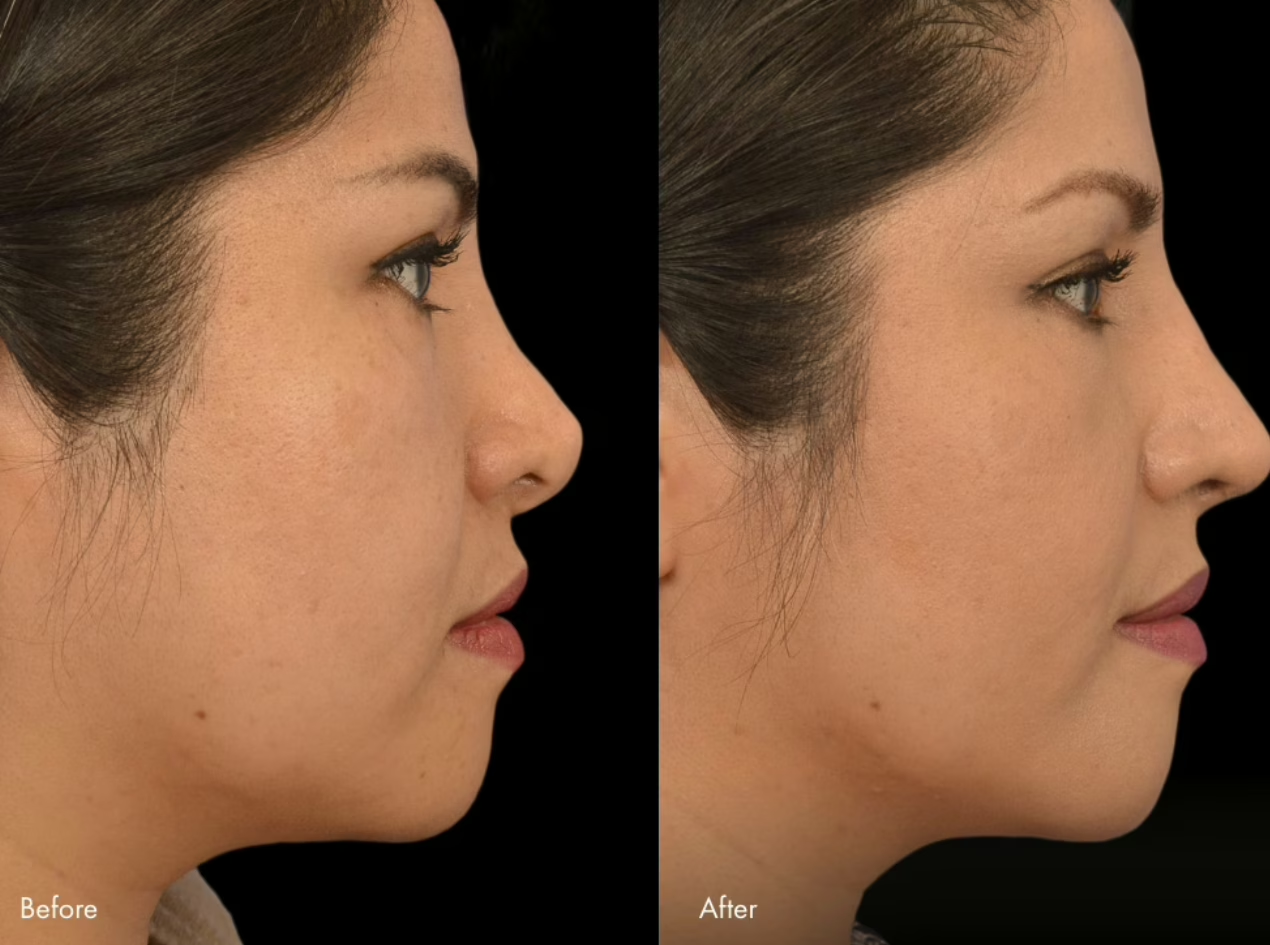
When you're considering Asian rhinoplasty, it's really important to find a surgeon who knows this specific type of procedure inside and out. Not all rhinoplasty surgeons are the same, and those who focus on Asian noses have a deeper understanding of the unique anatomical differences and aesthetic goals that come with it. They're familiar with things like softer cartilage, thicker skin, and the desire for a more balanced, refined look rather than a drastic change. Choosing a surgeon with this specialized background is key to achieving results that look natural and harmonize with your existing features. It's not just about changing your nose; it's about enhancing your natural beauty in a way that respects your heritage.
Evaluating Surgeon Credentials and Portfolios
Once you've identified potential surgeons, take the time to look closely at their qualifications and past work. You'll want to see before-and-after photos, specifically of Asian rhinoplasty patients. Pay attention to the consistency of their results and whether their aesthetic aligns with what you're hoping for. Don't hesitate to ask about their training, board certifications, and how long they've been performing this particular surgery. Some surgeons might even use 3D simulation software to help you visualize potential outcomes, which can be incredibly helpful.
Here's a quick checklist to consider:
- Board Certification: Are they certified by a reputable board in plastic surgery or facial plastic surgery?
- Specialization: Do they highlight Asian rhinoplasty as a significant part of their practice?
- Experience: How many Asian rhinoplasty procedures do they perform annually?
- Portfolio Review: Do their before-and-after photos show results you admire?
- Patient Testimonials: What do previous patients say about their experience and the outcomes?
The Consultation Process
The consultation process is crucial for understanding both the surgeon and the patient's goals regarding nose surgery. During this meeting, patients should discuss their preferences and expectations, while surgeons should provide clear explanations of surgical options, risks, and benefits. It's important to find a trustworthy surgeon, especially one experienced in Asian rhinoplasty. Patients are encouraged to take their time researching and meeting multiple specialists before making a decision. This process is essential for achieving the desired outcome and ensuring a good partnership with the surgeon.
Wrapping Up Your Asian Rhinoplasty Journey
It's not about changing who you are, but about making subtle tweaks to help your nose fit better with your face, keeping your unique look. Remember, finding the right surgeon is a big deal. They'll help you figure out what's best for you, whether it's building up the bridge, refining the tip, or narrowing the nostrils. Recovery takes time, so be patient with yourself. The final results will show up gradually, and it's all about achieving a look that feels right and natural for you. It’s a personal journey, and the goal is to feel more confident and comfortable in your own skin.
Discover our honest reviews from patients who’ve worked with Dr. Azizzadeh—available on Google and RealSelf.

Can PDRN Speed Up Facelift Recovery? What the Science Really Says
Thinking about a facelift? Or perhaps you’ve already scheduled one and are curious about ways to optimize healing and recovery. You may have come across PDRN, a compound derived from salmon or trout DNA, touted for its regenerative and skin-repairing properties. The promise of faster recovery and improved skin quality is alluring, but what does the evidence really say? Let’s break down the science, its medical applications, and what is—and isn’t—supported in the context of facelift recovery.
Key Takeaways
- PDRN is a DNA-derived compound, most often sourced from salmon or trout, studied for its role in tissue repair and regeneration.
- It works biologically by activating adenosine A2A receptors, which can reduce inflammation, support angiogenesis, and aid collagen renewal.
- The strongest evidence for PDRN exists in wound healing and scar modulation, rather than cosmetic skincare or standard facelift recovery.
- Topical PDRN may be beneficial when paired with delivery techniques like microneedling or laser-assisted channels, but research in aesthetic surgery is still emerging.
- While PDRN is promising as an adjunct for tissue repair, it should be viewed as supportive rather than a proven method for reducing post-facelift swelling, bruising, or downtime.
Understanding PDRN: The Science Behind the Hype
Have you heard the buzz about PDRN? It might sound unconventional at first—DNA from salmon or trout—but it has a credible history in medical and surgical applications. Polydeoxyribonucleotide (PDRN) is composed of DNA fragments that our skin and tissues can use as building blocks for repair. When applied or injected, it interacts with specific cellular receptors, helping modulate inflammation, stimulate blood vessel growth, and support collagen and elastin production.
In clinical settings, PDRN has been studied for over two decades, particularly in chronic wound management, diabetic ulcers, and surgical tissue repair. Its biological activity is well-established in these contexts, creating the foundation for interest in aesthetic medicine. However, translating these results directly to facelift recovery requires caution, as the controlled surgical environment differs from chronic wound scenarios.
How PDRN Works in Tissue Repair
The primary mechanism of PDRN involves activating adenosine A2A receptors on cells. This interaction helps reduce inflammatory responses, improve microvascular circulation, and stimulate fibroblasts—the cells responsible for collagen and elastin production. Together, these effects support tissue regeneration and enhance the skin’s natural repair processes.
Because of its compatibility with human cellular systems, PDRN can promote faster and more organized wound healing in medical contexts. It is thought to create an environment conducive to skin recovery, which is why some surgeons and researchers are exploring its potential in postoperative care. Yet, it is critical to note that most of the robust data comes from non-cosmetic surgical and wound-healing studies rather than elective facelift procedures.
https://facialplasticsbh.com/different-types-of-facelifts-explained/
PDRN and Facelift Recovery: What the Evidence Shows
Many patients are curious if PDRN can accelerate recovery after a facelift. While the concept is biologically appealing, the current scientific evidence in aesthetic surgery is limited. To date, there are no large-scale, peer-reviewed clinical trials showing that topical PDRN significantly reduces swelling, bruising, or scarring following a facelift.
That said, the rationale for its potential use is grounded in sound biology. PDRN’s ability to modulate inflammation and promote angiogenesis could theoretically support postoperative skin perfusion and tissue repair. Surgeons are attentive to these mechanisms, particularly in advanced procedures like deep plane facelifts, where tissue viability and vascular integrity are crucial for optimal outcomes.
Delivery Methods Matter: Topical vs. Injectable PDRN
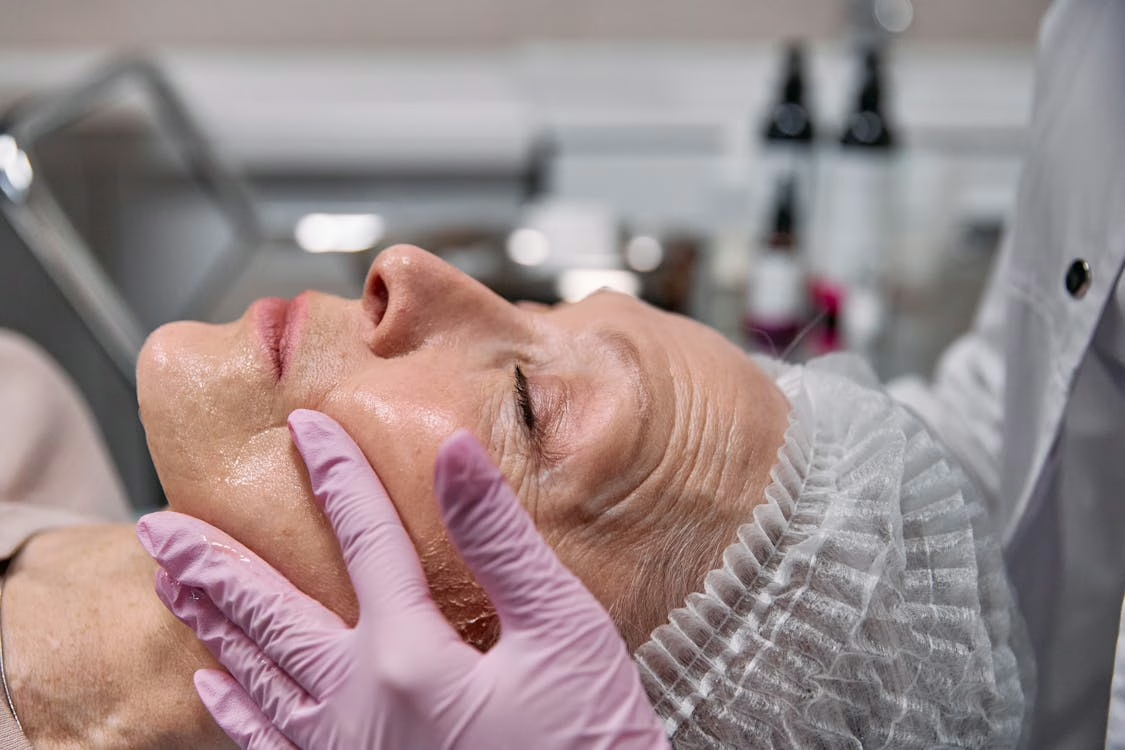
Not all PDRN applications are created equal. Injectable PDRN, used peri-incisionally or in medical-grade formulations, is where the compound’s wound-healing benefits are most strongly supported. These methods allow direct interaction with deeper tissues, which is vital for stimulating repair processes.
Topical PDRN shows promise when paired with enhanced delivery techniques such as microneedling or laser-assisted channels. These methods help the DNA fragments reach deeper layers of skin, where they may influence fibroblast activity and tissue regeneration. However, while conceptually promising, these applications remain investigational, and definitive clinical proof in facelift recovery is not yet available.
https://facialplasticsbh.com/mini-facelift-vs-full-facelift-choosing-the-right-option/
Potential Benefits of PDRN in Facial Rejuvenation
Even though strong clinical evidence is limited, PDRN may offer several theoretical advantages for patients undergoing facelift surgery or other facial procedures:
Supporting Collagen and Elastin Production
Collagen and elastin provide structural support, elasticity, and firmness to the skin. PDRN may stimulate fibroblasts to produce these proteins, potentially enhancing tissue resilience during the recovery period. While this does not replace surgical precision, it could theoretically optimize the healing environment.
Modulating Inflammation
Postoperative inflammation is a natural part of recovery, but excessive swelling and redness can be uncomfortable and affect healing. By interacting with adenosine receptors, PDRN may help regulate inflammatory responses, creating a more favorable environment for tissue repair and possibly minimizing secondary complications.
Promoting Microcirculation
Angiogenesis is critical for delivering oxygen and nutrients to recovering tissues. PDRN has been shown to stimulate new blood vessel formation in experimental and clinical wound-healing studies, which could be advantageous in areas where perfusion is essential, such as after extensive facial surgery.
Practical Considerations for Patients
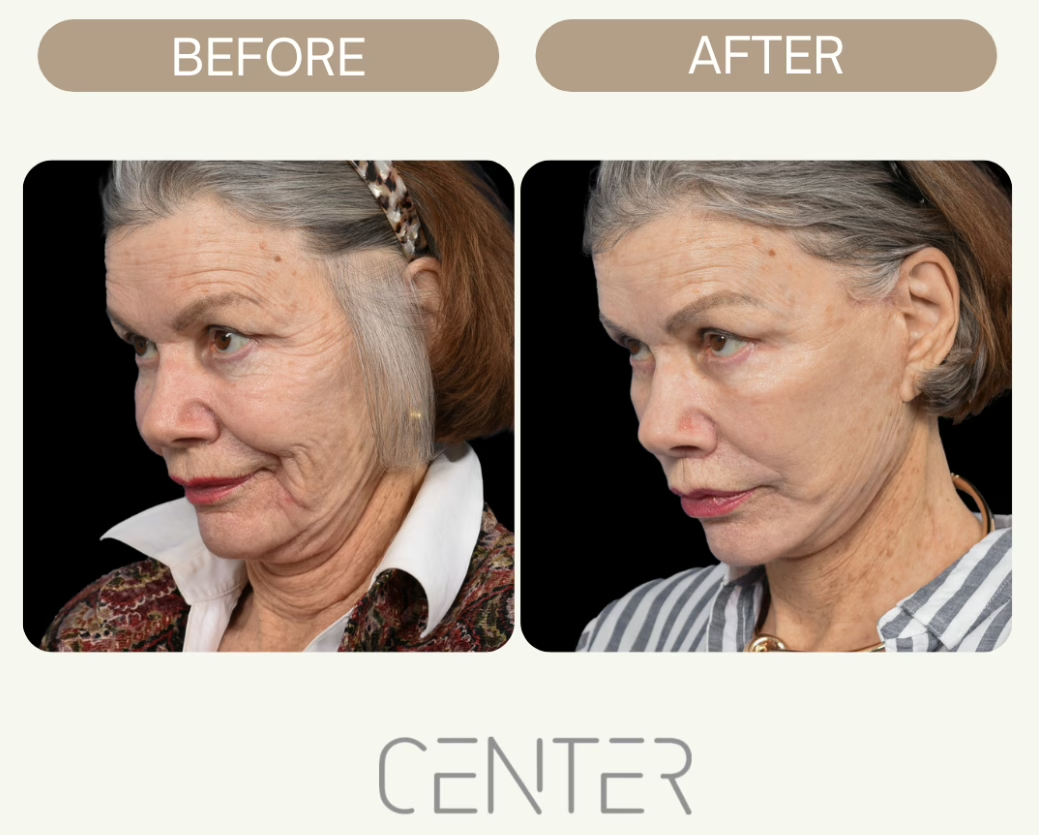
It’s important to approach PDRN with realistic expectations. While the compound has a sound biological rationale, it is not a magic solution for speeding up recovery after facelifts. Currently, its role is adjunctive, meaning it should complement—not replace—standard postoperative care, careful surgical technique, and evidence-based interventions.
Patients interested in PDRN should:
- Consult with a board-certified facial plastic surgeon or dermatologist experienced in regenerative therapies.
- Prioritize professional, medical-grade treatments over unregulated products sold online.
- Consider microneedling or laser-assisted delivery methods for topical PDRN to enhance absorption and efficacy.
- Be aware of potential allergies, especially fish-derived sensitivities.
 Beyond Recovery: PDRN’s Role in Skin Health
PDRN may also have applications in skin quality optimization outside the immediate postoperative window. By supporting fibroblast activity and microcirculation, it can contribute to improved hydration, texture, and overall skin resilience. Used in conjunction with microneedling or controlled topical delivery, it may help maintain or enhance skin quality over time.
While this does not substitute for surgical intervention, it highlights the versatility of PDRN as a regenerative adjunct. For patients considering multiple modalities to improve skin health, PDRN could be a scientifically grounded option when used responsibly.
Bottom Line: Evidence vs. Enthusiasm
PDRN is generating significant interest in aesthetic medicine, and for good reason. Its biologic mechanisms are compelling, and decades of wound-healing data support its potential in tissue repair. However, evidence in facelift recovery is still preliminary. Topical or injectable PDRN should be viewed as an adjunct to surgery, not a replacement for established postoperative protocols.
For patients seeking to enhance recovery, improve tissue resilience, or optimize skin quality, PDRN may be considered as part of a comprehensive, professionally supervised plan. Its greatest promise lies in supporting tissue repair in medically supervised contexts, particularly for patients with compromised perfusion or healing challenges.
The future of facial rejuvenation lies in evidence-based integration of regenerative compounds like PDRN with surgical expertise. As clinical studies continue to emerge, we anticipate a clearer understanding of its role in postoperative recovery and skin rejuvenation. Until then, thoughtful application under professional guidance remains the safest and most effective approach.
See why patients across the U.S. choose Dr. Azizzadeh for natural, high-end results. Read reviews on Google and RealSelf.

Dr. Azizzadeh Featured in Forbes Middle East on the Gulf’s Anti-Aging Beauty Boom
Dr. Babak Azizzadeh was featured in Forbes Middle East in the article “The Business Of Youth: How Anti-Aging Beauty Became A Growth Engine In The Gulf.” The story explores how anti-aging has evolved from a discreet luxury service into a major economic driver across the Middle East.
The feature highlights the rapid expansion of the anti-aging market in the UAE—valued at approximately $610 million—and its broader impact across the MENA region, where beauty and personal care spending exceeds $46 billion. Anti-aging now spans injectables, surgery, skincare, supplements, and AI-guided regimens, aligning closely with Gulf economic diversification strategies beyond oil.
Dr. Azizzadeh emphasized the sophistication of the regional market:
“The Middle East represents one of the fastest-moving and most aesthetically sophisticated beauty markets globally. Patients here are highly informed, highly discerning, and increasingly focused on long-term outcomes rather than quick cosmetic fixes.”
The article also explores the rise of male aesthetic consumers and the growing trend of “prejuvenation,” where younger patients in their 20s and 30s seek preventative treatments rather than corrective ones. Dr. Azizzadeh noted that men often pursue subtle, low-maintenance treatment plans framed around fatigue reduction and professional competitiveness.
In discussing surgical innovation, he highlighted the evolution of procedures such as the deep plane facelift:
“Procedures like the deep plane facelift are no longer about dramatic transformation. They’re about restoring anatomy and aging gracefully, with results designed to last.”
The feature also addresses ingredient literacy, longevity-driven skincare, regulatory oversight in the UAE, and the rise of medical tourism hubs such as Dubai and Abu Dhabi. Dr. Azizzadeh cautioned against social media hype, underscoring the importance of expertise and evidence-based decision-making:
“Social media acts as both an accelerator and a distortion mechanism. It increases awareness but can oversimplify complex medical decisions.”
As personalization, prevention, and proof-based medicine continue to shape the industry, the Gulf region is positioned as one of the most dynamic anti-aging markets in the world.
👉 Read the full article: The Business Of Youth: How Anti-Aging Beauty Became A Growth Engine In The Gulf

What To Know About Scarless Facial Reanimation
Living with synkinesis or facial tightness after Bell's palsy or Ramsay Hunt syndrome can feel isolating. Simple actions like smiling or blinking become frustrating reminders of what's changed. For years, surgical options came with visible incisions and lengthy recoveries. That's no longer the only path forward. Scarless Facial Reanimation restores natural facial movement without external incisions, offering hope to patients who want results without telltale signs of surgery.
Key Takeaways
- Scarless Facial Reanimation is a no-incision procedure performed through the mouth to treat synkinesis.
- This technique targets nerve miswiring rather than replacing facial muscles.
- Recovery tends to be faster than traditional facial reanimation procedures.
- Ideal candidates include those with synkinesis, post-paralysis asymmetry, or limited smile movement.
- Results develop gradually as nerve pathways stabilize over months.
Understanding Synkinesis and Facial Nerve Disorders
When the facial nerve is damaged from Bell's palsy, acoustic neuroma, Lyme disease, or trauma, healing doesn't always happen correctly. Sometimes nerve fibers regenerate and connect to the wrong muscles. This miswiring is called synkinesis, and it causes involuntary movements that can be both physically uncomfortable and emotionally challenging.
A person with synkinesis might find that their eye closes whenever they smile, or that their face feels tight and heavy on one side. Traditional facial paralysis treatment options have included physical therapy, Botox injections, and surgical interventions involving incisions and muscle transfers. While effective for many, these approaches don't work for everyone.
https://facialplasticsbh.com/history-of-facial-plastic-surgery-medieval-times-modern-day-infographic/
How Scarless Facial Reanimation Works
Unlike conventional facial reanimation surgery, which may require skin incisions and nerve grafts, Scarless Facial Reanimation takes a different approach. The procedure is performed entirely through the mouth using an endoscopic technique. By accessing facial structures transorally, the surgeon releases overactive nerve branches and tight muscle units without leaving visible scars.
The goal isn't to replace damaged nerves or transplant muscles. This technique corrects the miswiring causing synkinesis. When overactive connections are carefully released, the brain's natural emotional signals flow freely again. The result is a smile that feels spontaneous because it uses the patient's own facial muscles and nerve pathways.
The Center For Advanced Facial Plastic Surgery offers this procedure as part of a comprehensive approach to treating facial nerve disorders. Patients can explore results in the Facial Nerve Gallery.

Who Benefits From This Procedure
Scarless Facial Reanimation is designed for patients dealing with specific post-paralysis symptoms, including:
- Smile dysfunction or limited smile range
- Facial tightness, heaviness, or pulling
- Synkinesis causing involuntary movements
- Asymmetry persisting after Bell's palsy recovery
- Difficulty expressing emotions naturally
- Discomfort from previous reanimation procedures
This procedure is particularly valuable for patients who have tried other treatments without success. While some respond well to Botox or neuromuscular retraining, these don't address underlying nerve miswiring. For those wanting a permanent solution without visible scarring, Scarless Facial Reanimation fills an important gap.
https://facialplasticsbh.com/buccal-fat-pad-removal-what-is-it/
The Role of Expertise in Facial Nerve Surgery
Facial nerve procedures require deep understanding of anatomy and aesthetics. The facial nerve controls dozens of muscles responsible for expressions that communicate joy, concern, and surprise. Surgery in this area demands precision because even small errors can affect outcomes.
Dr. Babak Azizzadeh, a dual board-certified facial plastic and reconstructive surgeon in Beverly Hills, developed the Scarless Facial Reanimation technique. His expertise has earned recognition from The New York Times, CNN, and Oprah.
He serves as President of the Sir Charles Bell Society and President-Elect of the American Academy of Facial Plastic & Reconstructive Surgery. Surgeons and patients travel internationally for his expertise. Beyond technical skill, Dr. Azizzadeh brings genuine empathy for patients dealing with the emotional weight of facial paralysis.

What to Expect During Recovery
One advantage of Scarless Facial Reanimation is faster recovery compared to traditional approaches. Because the procedure is performed through the mouth with no external incisions, there's less tissue trauma and swelling.
During the first ten days, patients typically experience mild soreness inside the mouth. Early improvements in tightness and facial pulling often become noticeable. Light activity is recommended, along with prescribed oral rinses.
Between days ten and thirty, facial relaxation continues and symmetry gradually improves. Many patients return to normal routines. Full results develop over six months to two years as nerve pathways stabilize.
Non-Surgical Options Worth Considering
Not every patient needs surgery. Some may benefit from non-surgical treatments before or after Scarless Facial Reanimation. Nerve transfer procedures represent one surgical alternative for certain cases. Non-surgical options include Botulinum toxin injections to reduce tightness, neuromuscular retraining for muscle coordination, dermal fillers for volume balance, and physical therapy to release tight tissue.
The full range of Surgical Facial Procedures includes options for various degrees of facial nerve dysfunction. A thorough consultation determines which approach makes sense for each patient's situation.

Take the Next Step
If synkinesis or facial tightness has affected your quality of life, schedule a consultation to explore Scarless Facial Reanimation and find out whether this procedure could help restore natural expression.
Frequently Asked Questions
What conditions does Scarless Facial Reanimation treat?
This procedure treats synkinesis, facial tightness, smile dysfunction, and persistent asymmetry following Bell's palsy, Ramsay Hunt syndrome, acoustic neuroma, facial nerve trauma, Lyme disease, and congenital facial nerve disorders.
How is this different from traditional facial reanimation?
Traditional procedures often involve skin incisions, nerve grafts, or muscle transfers. Scarless Facial Reanimation works through the mouth to correct nerve miswiring without external cuts.
How long does recovery take?
Most patients heal quickly with minimal downtime. Initial improvements appear within days, while symmetry and smile refinement continue over weeks to months.
Will my smile look natural?
Yes. Because the procedure uses your existing facial muscles and nerve pathways, the resulting smile is emotionally driven and spontaneous.
Can this be combined with other treatments?
Many patients benefit from combining Scarless Facial Reanimation with Botox, neuromuscular retraining, or dermal fillers. Your surgeon will recommend the best approach for your needs.

Best Septoplasty Surgeon in Beverly Hills
Having trouble breathing because of a deviated septum? You're not alone. Many people in Beverly Hills look for a skilled septoplasty surgeon to fix this common issue. A septoplasty can make a big difference in how well you breathe and sleep. But finding the right surgeon is key. This guide will help you figure out what to look for and who to consider for your septoplasty surgeon in Beverly Hills.
Key Takeaways
- When picking a surgeon, check if they're board-certified and have special training in facial plastic surgery.
- Look at before-and-after photos and read what other patients say to get an idea of their results.
- Make sure the clinic or hospital is accredited and ask about what kind of help you'll get after the surgery.
- Beverly Hills has several top surgeons like Dr. Babak Azizzadeh, Dr. Mani Zadeh, Dr. Babak Larian, Dr. Richard Zoumalan, and Dr. Grace Peng
- Septoplasty surgery aims to straighten your nasal septum to improve breathing, which can also help with snoring and nosebleeds.
How to Choose the Right Septoplasty Surgeon
Finding the right surgeon for your septoplasty is a big step, and it's totally understandable to want to make sure you're picking the best person for the job. You want someone who not only knows their stuff but also makes you feel comfortable and confident throughout the whole process. It's not just about fixing a deviated septum; it's about improving your breathing and overall quality of life.
Consider Board Certification & Specialized Training
When you're looking for a surgeon, one of the first things you should check is their board certification. This means they've met rigorous standards in their specialty. Beyond that, look for surgeons who have specific training in facial plastic surgery or otolaryngology (that's the ear, nose, and throat specialty). Many surgeons focus on specific procedures, and someone with a lot of experience performing septoplasties will likely have a better grasp of the nuances involved. It’s also helpful if they are affiliated with reputable medical institutions.
Review Patient Outcomes & Before/After Galleries
Seeing is believing, right? Most surgeons will have a gallery of before-and-after photos from previous septoplasty patients. This gives you a real visual idea of the results they typically achieve. Pay attention to the consistency of their results and whether they align with what you're hoping for. Reading patient testimonials and reviews can also offer insights into other people's experiences with the surgeon, their staff, and the overall outcome of the procedure.
Confirm Facility Accreditation & After-care Support
Ensure your surgery is performed in an accredited facility that meets strict safety and quality standards. Inquire about after-care support, including what healing entails and who to contact with questions or concerns. A surgeon who provides clear post-op guidance and stays accessible during recovery greatly improves healing.
Choosing a surgeon is personal, so take your time. Consult with several to compare their approach and choose the one you trust most.
Top 5 Septoplasty Surgeons in Beverly Hills
Finding the right surgeon for your septoplasty is a big step, and we know you want the best. Beverly Hills is home to some incredibly skilled surgeons who specialize in nasal procedures. It's important to feel confident in their abilities, especially when it comes to something as delicate as your nose. We've put together a list of highly regarded surgeons in the area known for their work with septoplasty. Remember, this list is a starting point to help you in your search for the perfect fit for your needs.
#1 Dr. Babak Larian

Dr. Babak Larian is a board-certified otolaryngologist (ENT) based in Beverly Hills with a strong clinical focus on septoplasty, nasal airway obstruction, and functional nasal surgery. He is widely recognized for treating patients with chronic breathing difficulties caused by a deviated septum, turbinate hypertrophy, and sinus-related conditions.
Dr. Larian combines advanced ENT expertise with a patient-first philosophy, taking the time to thoroughly evaluate airflow issues and tailor treatment plans that prioritize long-term breathing improvement and nasal function. His approach emphasizes precision, safety, and clear communication throughout the surgical and recovery process.
Review Snippet: “"He thoroughly examined me and gave a diagnosis and treatment plan with ease."

#2 Babak Azizzadeh – Center for Advanced Facial Plastic Surgery

Dr. Babak Azizzadeh is a world-renowned facial plastic and reconstructive surgeon recognized for his expertise in advanced facial rejuvenation and complex reconstructive procedures. Known for his precision, artistry, and patient-centered approach, he has built a reputation for delivering natural, life-enhancing results. His commitment to excellence and personalized care has made him one of the most trusted names in facial plastic surgery.
Why Choose Dr. Babak Azizzadeh?
- Double board-certified in Facial Plastic & Reconstructive Surgery and Otolaryngology (Head & Neck Surgery)
- Harvard-trained surgeon with advanced expertise in both aesthetic and reconstructive procedures
- Director of the Center for Advanced Facial Plastic Surgery in Beverly Hills
- Recognized by the U.S. News & World Report and Super Doctors for excellence in facial plastic surgery
- Featured expert on The Oprah Winfrey Show, Discovery Channel, and Dr. Oz
- High patient satisfaction rate with consistently outstanding reviews and long-term results
Google Rating: ★★★★★ (4.9/5 based on 250+ reviews) — patients praise his professionalism, compassion, and natural-looking outcomes

#3 Dr. Mani Zadeh

Dr. Mani H. Zadeh is a board-certified otolaryngologist–head and neck surgeon (ENT) with extensive expertise in treating nasal and sinus conditions, including septoplasty for deviated septum and breathing obstruction. Based in the Century City area of Los Angeles, Dr. Zadeh is known for combining advanced surgical techniques with a thoughtful, patient-centered approach focused on long-term functional improvement.
With a strong background in both medical and surgical ENT care, Dr. Zadeh treats patients aged 16 and older for conditions affecting nasal airflow, sinus health, and overall respiratory function. His practice emphasizes minimally invasive and image-guided techniques, helping patients achieve effective relief with efficient recovery.
Review Snippet: “The staff was also very kind and made scheduling easy and efficient."

Ready to start your facial transformation journey?
Schedule your consultation today with Dr. Azizzadeh at the Center for Advanced Facial Plastic Surgery and experience world-class care tailored just for you.
#4 Dr. Richard Zoumalan

Dr. Richard Zoumalan is a board-certified facial plastic and reconstructive surgeon with specialized expertise in functional nasal surgery, including septoplasty and nasal airway correction. Based in Los Angeles and Beverly Hills, Dr. Zoumalan is known for his meticulous approach to improving nasal structure while preserving natural anatomy and function.
Trained specifically in facial plastic surgery, Dr. Zoumalan focuses on correcting structural nasal issues that impair breathing, such as a deviated septum and internal nasal valve collapse. His surgical philosophy emphasizes precision, conservative tissue handling, and outcomes that support both long-term breathing improvement and facial harmony.
Review Snippet: “"He also gave herbal medications to make my swelling go away much more quickly."

#5 Dr. Grace Peng

Dr. Grace Peng is a board-certified otolaryngologist (ENT) with specialized expertise in septoplasty and nasal airway surgery, helping patients breathe more comfortably and effectively. Practicing in Los Angeles, Dr. Peng focuses on diagnosing and treating structural nasal conditions that interfere with airflow, including deviated septum, turbinate hypertrophy, and chronic nasal obstruction.
Known for her thoughtful and patient-centered approach, Dr. Peng emphasizes clear communication, conservative surgical planning, and evidence-based care. Her goal is to restore proper nasal function while minimizing disruption to surrounding nasal structures and supporting long-term results.
Review Snippet: “"Her golden hands are truly a gift from God."”

What to Expect from Septoplasty Surgery
Septoplasty is typically an outpatient procedure, meaning you can go home the same day. Under anesthesia, your surgeon makes a small incision inside the nose to straighten or adjust the septum, the wall between your nostrils, and may use cartilage for added support. Dissolvable stitches and nasal dressings or splints are applied to help healing and reduce bleeding.
After surgery, expect mild discomfort, swelling, congestion, and light drainage. Your surgeon will provide detailed after-care instructions, and following them closely ensures a smooth recovery.
Here’s a general idea of what recovery might look like:
- First few days: Focus on resting. Keep your head elevated, even when you sleep, to help with swelling. Avoid blowing your nose or putting any pressure on it.
- First week: You'll likely have a follow-up appointment where your surgeon will remove any splints or dressings. You can usually start resuming light activities, like going back to work if your job isn't too strenuous.
- Next few weeks: Gradually increase your activity level. However, it's best to hold off on any intense exercise or sports for about 4-6 weeks to give your nose plenty of time to heal fully.
Most people start to notice improvements in their breathing within a few weeks, but the full results, as your nasal tissues completely heal, can take a few months. It's a process, but the goal is to help you breathe more freely and feel better overall.
How to Prepare for Your Beverly Hills Septoplasty
Preparing well before your septoplasty can make your surgery smoother and recovery faster. A few small steps ahead of time can help reduce risks and make you feel more comfortable after the procedure. Here’s a simple checklist to guide you through the process:
Septoplasty Preparation Checklist
- Stop smoking several weeks before and after surgery to support healing.
- Review medications and supplements with your doctor; pause any that may increase bleeding risk.
- Set up your recovery area with extra pillows to keep your head elevated.
- Stock up on soft foods that are easy to eat post-surgery.
- Pick up prescribed medications like pain relievers or antibiotics ahead of time.
- Arrange transportation to and from the surgical facility.
- Plan for help at home during the first 24–48 hours after surgery.
- Follow all pre-op instructions from your surgeon closely for the best outcome.
Ready to take the next step?
Schedule a consultation with your Beverly Hills facial plastic surgeon today and get personalized guidance on how to prepare for your septoplasty with confidence.
Ready to Breathe Easier?
Choosing the right surgeon for your septoplasty is a big step, and we get that. It's not just about fixing a deviated septum; it's about improving your daily life, your sleep, and your overall well-being. You've learned about what septoplasty involves and why finding a skilled surgeon in Beverly Hills is important. Remember, you don't have to live with breathing difficulties or the discomfort that comes with them. Take your time, do your research, and trust your gut when selecting a doctor who makes you feel comfortable and confident. Taking this step could truly change things for the better.
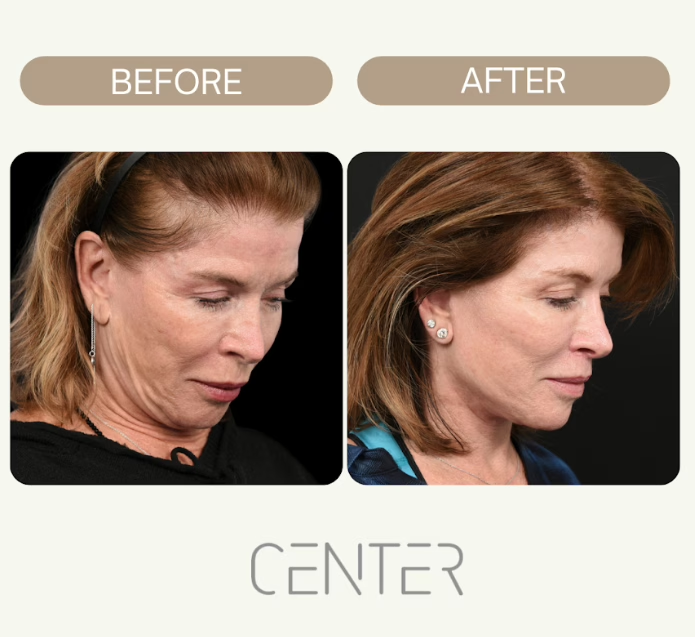
Best Deep Plane Facelift Surgeon In Beverly Hills
Finding the right surgeon for a deep plane facelift requires more than a quick online search. You need someone who understands facial anatomy at an advanced level, has mastered the technique, and can deliver results that look natural, not overdone.
Beverly Hills attracts some of the most skilled facial plastic surgeons in the world, but not all of them specialize in this specific procedure. The deep plane facelift is more complex than traditional methods, and choosing a qualified surgeon makes all the difference in your outcome.
Key Takeaways
- A deep plane facelift addresses deeper facial layers by releasing ligaments and repositioning tissue for natural, long-lasting results.
- This technique creates smoother contours without the stretched or "windswept" appearance often associated with traditional facelifts.
- Recovery typically takes two to three weeks for most social activities, with full results visible after two to three months.
- Ideal candidates are adults in good health with concerns like sagging jowls, loss of midface volume, or undefined jawlines.
- Choosing a board-certified facial plastic surgeon with extensive experience in deep plane techniques is essential for optimal outcomes.
The Importance of Surgeon Selection
Not every facial plastic surgeon performs deep plane facelifts. The technique requires advanced training and a thorough understanding of facial anatomy. The facial nerve runs close to the areas being manipulated, and working safely in this region demands precision and experience.
When evaluating surgeons, look for board certification in facial plastic surgery or plastic surgery. Review before-and-after photos of actual deep plane facelift patients, not traditional ones. Ask about the surgeon's training, how many procedures they perform annually, and their complication rates. A surgeon who specializes in facial plastic surgery will understand the nuances that create natural-looking results.
https://facialplasticsbh.com/dr-azizzadeh-talks-plane-facelift-on-abc-news-nightline/
What Makes the Deep Plane Facelift Different
A deep plane facelift works beneath the superficial muscular aponeurotic system (SMAS), targeting the layer between facial muscles and deeper structures. Traditional facelifts tighten the skin by pulling it across existing facial structures, which can create tension and an artificial appearance. The deep plane approach releases the ligaments that anchor facial tissue, allowing the surgeon to reposition everything as a single unit for more natural results.
This method preserves blood supply and reduces trauma to delicate tissues. Because the skin and underlying structures move together, there's less surface tension. Incisions are typically hidden along the hairline or within the sideburns, making scars undetectable once healed. The technique also addresses the nasolabial fold and restores midface volume for a balanced, refreshed appearance.
The Surgical Process
During the procedure, you'll be under general anesthesia. The surgeon makes incisions around the face and ears, then releases the zygomatic and masseteric cutaneous ligaments that tether soft tissue to bone. Once released, facial tissue can be elevated and repositioned. Excess skin is removed, but the focus stays on repositioning rather than stretching. Research comparing deep plane versus SMAS facelifts shows that the deep plane technique often produces more natural-looking, longer-lasting effects.
The procedure typically takes three to five hours. You'll go home the same day, but you'll need someone to drive you and stay with you for the first night.

Recovery and Results
Expect swelling and bruising in the first week. Most patients return to light activities within two weeks. Full recovery takes two to three months as tissues settle. During this time, you'll notice gradual improvements.
Pain is usually manageable with prescribed medication. The endoscopic deep plane facelift approach can further reduce recovery time. Your surgeon will provide aftercare instructions, including keeping your head elevated and avoiding strenuous activity for six weeks.
Results can last 10 to 15 years, depending on skin quality and lifestyle habits.
Related: Can a Patient Undergo Multiple Surgeries at Once?
Who Should Consider This Procedure
Good candidates are typically between 40 and 60 years old with moderate to advanced signs of aging. The procedure works best for people with sagging jowls, deep nasolabial folds, midface volume loss, and loose neck skin.
You should be in good overall health with realistic expectations. Nonsmokers tend to heal better. The deep plane technique works well for patients who want significant improvement without looking overdone.
Dr. Babak Azizzadeh - Best Deep Plane Facelift Surgeon
Dr. Babak Azizzadeh is a dual board-certified facial plastic and reconstructive surgeon practicing in Beverly Hills. He completed fellowship training at Harvard Medical School and holds certifications from the American Board of Facial Plastic and Reconstructive Surgery and the American Board of Otolaryngology-Head and Neck Surgery. His extensive experience with complex facial procedures has earned recognition from major media outlets, including The New York Times, CNN, and Oprah.
What truly sets Dr. Azizzadeh apart as a deep plane facelift surgeon is his unparalleled expertise in both facial nerve preservation and advanced facial anatomy—two factors that are critical for performing this complex procedure safely and naturally. His deep plane facelift results are sought after worldwide because they combine exceptional longevity with refined, youthful contours that maintain a patient’s unique facial character rather than altering it.

Cost Considerations
The cost of a deep plane facelift varies based on the surgeon's experience, location, and case complexity. Your total cost includes the surgeon's fee, anesthesia, facility fees, and post-operative care. Some practices offer financing options to make the procedure more accessible. While price matters, choosing a surgeon based solely on cost can lead to disappointing results or complications requiring expensive revisions.
Taking the Next Step

Dr. Azizzadeh - Best Best Deep Plane Facelift surgeon in Beverly Hills
If you're considering a deep plane facelift, research surgical facial procedures at the center to understand your options. Schedule consultations with surgeons who specialize in this technique. Review patient resources for facial plastic surgery to prepare for your consultation.
Ready to explore your options with a world-class facial plastic surgeon? Schedule your consultation for a deep plane facelift to learn how this advanced technique can help you achieve natural, lasting results.
Frequently Asked Questions
How long do deep plane facelift results last?
Results typically last 10 to 15 years depending on skin quality, genetics, and lifestyle.
Is a deep plane facelift more painful than a traditional facelift?
Most patients find discomfort manageable. The technique often results in less bruising than traditional methods.
Can I combine a deep plane facelift with other procedures?
Yes, many combine this with brow lifts or eyelid surgery to address multiple concerns.
When will I see my final results?
You'll notice improvement immediately, with final results visible after two to three months.
What are the risks of a deep plane facelift?
Risks include infection, bleeding, and scarring. Choosing an experienced surgeon significantly reduces these risks.

Upturned Nose Rhinoplasty: What It Is & Who It's For
An upturned nose, sometimes called an over-rotated or piggy nose, can create facial imbalance that leaves some patients feeling self-conscious. This nasal shape occurs when the tip points upward more than desired, often exposing the nostrils prominently from a front view. While some upward rotation is natural and attractive, excessive tilting can disrupt facial proportions. Rhinoplasty offers a solution by adjusting the nasal tip angle to restore harmony between the nose and other facial features.
Key Takeaways
- Upturned nose rhinoplasty adjusts the nasal tip angle to create better facial balance and proportion.
- The procedure involves repositioning cartilage and bone to reduce excessive tip rotation.
- Ideal candidates have realistic expectations and good overall health with fully developed nasal structures.
- Beverly Hills offers access to world-class surgeons with specialized expertise in complex nasal corrections.
- Recovery typically takes 1-2 weeks for initial healing, with final results visible after several months.
What Defines an Upturned Nose?
The nasal tip's relationship to the rest of the face follows specific angles that surgeons measure during consultations. A normal nasolabial angle ranges from 90 to 110 degrees. When this angle exceeds 110 degrees, the nose appears excessively upturned, creating visible nostril show from the front.
An nasal tip projection study highlights how precise measurement of nasal angles and projection helps guide surgical planning. Factors influencing this condition include genetics, past trauma, or results from prior procedures.
How the Procedure Works
Correcting an upturned nose requires careful adjustment of the nasal structures. Surgeons typically use cartilage grafts, often harvested from the septum or ear, to reposition and support the tip. The process involves derotating the tip by adding length to the nose and adjusting the angle between the columella and upper lip.
A short-nose study describes several surgical methods for lengthening the nose and improving projection while maintaining natural balance and contour. Research on the upturned nose indicates that mild cases may benefit from cartilage repositioning, whereas more severe cases often require structural grafting to achieve proportional and harmonious nasal angles.
https://facialplasticsbh.com/deviated-septum-sleep-apnea-what-is-it-and-how-is-it-treated/
Benefits of Correction
Patients who undergo upturned nose rhinoplasty often report improved facial balance and increased confidence. The procedure addresses both aesthetic and functional concerns. Beyond appearance, excessive tip rotation can sometimes affect breathing by changing airflow patterns.
The aesthetic improvements include:
- Reduced nostril visibility from the front view
- Better proportion between the nose and other facial features
- More refined nasal tip definition
- Enhanced profile symmetry
Many patients find that correcting the upturned appearance brings their nose into better harmony with their eyes, cheeks, and chin.


Who Makes a Good Candidate?
Ideal candidates have fully developed facial structures, typically being at least 16 to 18 years old. They should be in good overall health, non-smokers or willing to quit before surgery, and maintain realistic expectations about outcomes.
Patients seeking correction should have specific concerns about their nasal appearance that affect their confidence or daily life. Those with previous nasal trauma or dissatisfaction from earlier rhinoplasty may also benefit from revision surgery.
Dr. Babak Azizzadeh, a Beverly Hills facial plastic and reconstructive surgeon, is recognized for his expertise in rhinoplasty and revision procedures. His approach combines precision and artistry to achieve natural, balanced results. Patients value his ability to restore both function and facial harmony.
Choosing the Right Surgeon
The success of upturned nose correction depends heavily on surgical skill and experience. When selecting a surgeon, verify board certification in facial plastic surgery or otolaryngology. Look for specialists who regularly perform surgical rhinoplasty procedures and can show before-and-after photos of similar cases.
Key Qualifications to Consider
- Board certification in a relevant specialty
- Extensive rhinoplasty experience with complex cases
- Strong understanding of facial proportions and aesthetics
- Clear communication about realistic outcomes
- Comprehensive consultation that includes computer imaging when appropriate
Ask about revision rates, complication management, and the surgeon's approach to achieving natural results. They should also provide access to patient resources for rhinoplasty that help you prepare for surgery and recovery.
https://facialplasticsbh.com/the-top-5-things-to-consider-when-choosing-a-rhinoplasty-surgeon/
Why Beverly Hills?
Beverly Hills has earned its reputation as a center for facial plastic surgery excellence. The area attracts top surgeons who specialize in complex aesthetic procedures.
The concentration of skilled specialists means higher standards and refined techniques. Surgeons in this region handle challenging revision cases and stay current with the latest advancements.
Being treated at our facial plastic surgery center means access to comprehensive care from consultation through recovery.
Recovery and Results

Initial healing after upturned nose rhinoplasty takes about one to two weeks. Most patients return to non-strenuous activities within 10 days, though swelling persists for several months.
During the first week, expect bruising around the eyes and nasal congestion. Surgeons typically remove external splints after five to seven days. Final results emerge gradually, with the tip taking longest to settle, often requiring six to twelve months for complete resolution of swelling.
Ready to explore how upturned nose rhinoplasty can enhance your facial balance? Schedule a consultation with our expert team to discuss your specific goals and learn about personalized treatment options.
Frequently Asked Questions
How long does upturned nose rhinoplasty take?
The procedure typically takes two to three hours, depending on complexity.
Will insurance cover this surgery?
Most upturned nose corrections are considered cosmetic and aren't covered by insurance. However, if breathing problems exist alongside the aesthetic concern, partial coverage may be possible.
Can I combine this with other facial procedures?
Yes, many patients combine rhinoplasty with chin augmentation or other facial surgeries to achieve comprehensive facial balance.
What are the risks?
Like any surgery, rhinoplasty carries risks including infection, bleeding, scarring, and dissatisfaction with results. Choosing an experienced surgeon significantly reduces these risks.

Best Brow Lift - Beverly Hills
When choosing where to undergo a brow lift, Beverly Hills stands as the gold standard for facial plastic surgery. This destination attracts skilled surgeons and discerning patients who expect exceptional results. A brow lift rejuvenates the upper face by repositioning sagging brows, addressing drooping eyebrows, hooded eyelids, and an unintentionally tired expression.
Key Takeaways
- A brow lift repositions sagging eyebrows to restore a youthful appearance.
- Beverly Hills offers access to world-renowned facial plastic surgeons.
- Dr. Babak Azizzadeh is a dual board-certified surgeon recognized for natural results.
- Ideal candidates include those with drooping brows, hooded eyes, or asymmetrical brows.
- Selecting an experienced surgeon ensures optimal outcomes.
The Benefits of a Brow Lift
A brow lift offers improvements beyond aesthetic enhancement. The procedure restores a more alert expression by lifting sagging brows that create an unintentionally stern appearance. When brows descend with age, they press down on the upper eyelids, creating a hooded effect. Beyond physical change, patients often describe feeling more confident and expressive, as their outward appearance finally reflects how energetic they feel inside.
The eyebrow lifting review explains how modern surgical techniques correct age-related changes while maintaining natural movement. Elevating the brow line helps reduce forehead strain and restores a refreshed expression. Many patients pair this procedure with upper blepharoplasty or fat grafting for a harmonious result.
https://facialplasticsbh.com/can-a-brow-lift-fix-hooded-eyes/
Why Beverly Hills Is the Premier Destination

Beverly Hills has earned its reputation as a global center for facial plastic surgery through decades of excellence. The city attracts board-certified surgeons with advanced training who specialize in sophisticated procedures. Patients gain access to state-of-the-art facilities, cutting-edge technology, and comprehensive post-operative care.
The concentration of expertise means surgeons regularly perform complex cases and stay current with techniques. Beverly Hills provides a discreet setting for comfortable recovery while accessing world-class medical resources. Few places in the world combine surgical artistry, patient discretion, and medical innovation quite like Beverly Hills, making it the ideal setting for facial rejuvenation.
Choosing the Best Brow Lift Surgeon
Selecting the right surgeon represents the most critical decision in your brow lift journey. Verify board certification in facial plastic surgery, which confirms rigorous training in facial anatomy. Review before-and-after photos to assess whether the surgeon's aesthetic aligns with your goals.
Essential Qualifications to Consider
- Specialized Training: Look for fellowship training specifically in facial plastic and reconstructive surgery.
- Proven Experience: Ask about the surgeon's volume of brow lift procedures and approach to revision cases.
- Comprehensive Approach: The best surgeons evaluate the entire face rather than treating the brow in isolation.
The brow and eyelid rejuvenation analysis emphasizes the value of choosing a surgeon who keeps up with evolving methods. It also notes the importance of clear communication, active listening, and setting realistic expectations throughout the consultation process.

Who Makes a Good Candidate
Ideal candidates for brow lift surgery include individuals experiencing visible signs of upper facial aging. According to what you need to know about brow lifts, the procedure works best for those with realistic expectations and good health.
Common indicators you may benefit from a brow lift:
- Sagging eyebrows that create a tired appearance
- Hooded upper eyelids caused by a descended brow position
- Asymmetrical brows affect facial balance
- Deep forehead lines from constantly raising brows
Candidates should be non-smokers or willing to quit before surgery, as tobacco products impair healing. While most patients undergo brow lifts between the ages of 40 and 60, younger individuals or older patients in good health can achieve excellent results. A thorough consultation determines your suitability.
Dr. Azizzadeh: Beverly Hills' Leading Brow Lift Specialist
Alt text: Best Brow lift surgeon in beverly hills- Dr. Azizzadeh
When people search for the best brow lift surgeon in Beverly Hills, Dr. Babak Azizzadeh consistently stands at the forefront of facial plastic surgery excellence. Dr. Babak Azizzadeh, a Beverly Hills facial plastic and reconstructive surgeon, is recognized for his expertise in brow lift procedures. His approach combines precision and artistry to achieve natural results. Patients value his ability to restore both function and facial harmony.
As a dual board-certified surgeon and Clinical Chief of Otolaryngology-Head & Neck Surgery at Cedars-Sinai, Dr. Azizzadeh brings unparalleled anatomical knowledge to every procedure. He co-edited Master Techniques in Facial Rejuvenation and Master Techniques in Blepharoplasty & Periorbital Rejuvenation.
Dr. Azizzadeh's minimally invasive endoscopic approach uses small incisions discreetly placed within the hairline, allowing for precise repositioning with reduced recovery time. This reflects his philosophy that brow lift surgery should reset the brow position naturally.
https://facialplasticsbh.com/what-makes-someone-a-good-browlift-candidate/
The Consultation Process
During your consultation, expect a comprehensive evaluation of your facial anatomy, medical history, and goals. Dr. Azizzadeh examines how your brows interact with surrounding structures to develop a personalized plan. He may recommend combining your brow lift with surgical facial procedures at our centre, like upper blepharoplasty or our deep plane facelift procedure.
For patients not yet ready for surgery, non-surgical facial rejuvenation techniques like botulinum toxin injections may provide subtle enhancement. The consultation allows you to ask questions and understand the process.
Ready to explore your options? Schedule your consultation today to discuss how a brow lift can help achieve your goals.
What to Expect from Results
A well-executed brow lift delivers natural improvements. You'll notice a more refreshed expression as your brows return to a youthful position. Results become apparent once swelling subsides over several weeks.
While a brow lift provides long-lasting improvements, it doesn't stop aging. Most patients enjoy the results for many years. Maintaining results may involve periodic botulinum toxin treatments or skin resurfacing.
FAQ
How long does brow lift recovery take?
Most patients return to work within 10 to 14 days. Initial swelling peaks around day three, then improves. You can resume normal exercise approximately three weeks post-surgery, though full healing takes 12 to 18 months.
Can a brow lift be combined with other procedures?
Yes, combining procedures often achieves more comprehensive rejuvenation. Brow lifts work well with upper blepharoplasty, fat grafting, and laser treatments. Some patients opt for extensive rejuvenation, including neck contouring or deep plane facelifts.
Will I look natural after a brow lift?
When performed by a skilled surgeon like Dr. Azizzadeh, a brow lift enhances your natural features. The goal is to restore a refreshed version of yourself while preserving your unique characteristics. Choosing an experienced surgeon avoids overdone results.