Dr. Babak Azizzadeh on the Growing Shift Toward Natural Results in Cosmetic Surgery
BEVERLY HILLS, CA — A growing number of cosmetic surgery patients are moving away from exaggerated, overdone aesthetics in favor of softer, more natural-looking results. According to a recent report by Fox News Digital, board-certified surgeons across the country are noting a clear shift, with patients requesting breast reductions, filler dissolution, and procedures designed to restore symmetry rather than add volume.
Dr. Babak Azizzadeh, a world-renowned facial plastic and reconstructive surgeon at the CENTER for Advanced Facial Plastic Surgery in Beverly Hills, confirmed that a big trend he's observing is patients choosing to dissolve previously placed fillers. Many cases involve filler placed incorrectly or in excess. Unlike Botox, which breaks down in a few months, recent studies show dermal fillers can persist far longer than expected, sometimes lasting years.
The increasing use of weight-loss medications like semaglutides is driving a shift in cosmetic surgery. Rapid weight loss and subsequent fat distribution changes can increase skin laxity in the face and neck. This has led to a noticeable rise in requests for facelifts, neck lifts, and fat grafting, even from younger patients who previously might not have considered surgery.
Rather than relying solely on injectables, more patients are turning to surgical procedures like deep plane facelifts and surgical lip lifts to achieve lasting, refined, and authentic results. This shift makes the role of a skilled, board-certified surgeon even more important, as outcomes vary widely based on the physician's experience and artistic perspective. The focus is now on effortless and balanced results, moving away from the once-popular "overdone" look.
Read the full article on Fox News Digital:
Plastic surgery trends take a surprising turn as doctors see more patients 'sizing down'
Related resources:



Dr. Azizzadeh Discusses the Rise of Microdosing GLP-1s for Wellness
A New Approach to Weight Loss Medications in Hollywood
Southern California's wellness and aesthetic circles are seeing a new trend: microdosing GLP-1 drugs, like Ozempic. Initially popular for weight loss, a Hollywood Reporter study indicates patients are now using smaller doses for anti-inflammatory effects and enhanced mental clarity, moving away from drastic transformations.
Dr. Babak Azizzadeh, a recognized facial plastic surgeon, observes this evolution, comparing GLP-1 agonists to other aesthetic treatments. He states, "Microdosing of GLP-1 receptor agonists is a huge thing in the SoCal community." He compares it to Botox, noting, "It reminds me of Botox, which expanded from medical to cosmetic use, then began being used for headaches and depression." Similarly, he points out, "Initially people were using this for diabetes, then weight loss, and now are seeing other health benefits."
The Aesthetic Advantages of Controlled Dosing
Microdosing GLP-1s offers subtle benefits, avoiding the facial volume loss ("Ozempic face") associated with rapid, high-dose use. This method reduces inflammation, maintains structural support, and preserves a natural, youthful look. Facial plastic surgeons, including Dr. Azizzadeh, emphasize that preserving facial fat is crucial, as rapid weight loss accelerates aging. Microdosing acts as a preventative measure, though treatments exist for volume depletion.
Beyond the Scale: Cognitive and Anti-Aging Benefits
Beyond physical gains, GLP-1 microdosing interests high-functioning professionals for cognitive and behavioral advantages, like dampening unhealthy impulses (e.g., sugar cravings) and promoting balance. For Dr. Azizzadeh's clients, this aligns with a lifestyle valuing sustained health over quick fixes. As the focus shifts from weight loss to holistic well-being, Dr. Azizzadeh helps patients integrate these advancements into comprehensive graceful aging plans.
Forget Psychedelics. Everyone’s Microdosing Ozempic Now
Related resources:
Dr. Azizzadeh Discusses the Shift Toward Natural Facial Aesthetics
Dr. Azizzadeh Weighs in on the “Sizing Down” Trend in Plastic Surgery
A significant shift is occurring in the world of aesthetic medicine, as reported by The New York Post and Fox News. Patients are increasingly moving away from the "overdone" looks of the past decade and opting for subtler, more natural refinements. Dr. Babak Azizzadeh, a world-renowned facial plastic surgeon, recently shared his expertise on this surprising turn toward "sizing down." He notes that many individuals are now focused on reversing previous enhancements to achieve a more balanced and harmonious appearance.
A key part of the natural aesthetic trend is the removal of facial fillers. Dr. Azizzadeh notes an increase in patients dissolving misplaced or over-injected fillers. Unlike quickly metabolized Botox, fillers can last much longer than believed, accumulating and distorting natural contours. As a result, many patients opt to dissolve them, favoring a more conservative and refined look.
A shift toward natural aesthetics is reducing filler use, increasing demand for permanent surgeries like fat grafting and surgical lip lifts, and emphasizing anatomical restoration over volume. This mirrors deep plane facelifts' focus on natural, youthful results via vertical tissue repositioning.
The increasing use of weight loss drugs is changing aesthetic needs. Rapid weight loss can cause facial hollowing and skin laxity, leading to more demand for facial and neck surgery for correction, with a preference for subtle, personalized, and natural outcomes.
Read the full New York Post feature here:
Plastic surgery trends take surprising turn, as doctors see more patients ‘sizing down’
Related resources:
Why Celebrities Credit Sleep and Skincare for Results Only Surgery Can Deliver
BEVERLY HILLS, CA - A recent Daily Mail feature asked plastic surgeons across the country about a growing trend in Hollywood: celebrities who undergo cosmetic procedures but credit their refreshed appearance to better sleep, skincare routines, or lifestyle changes. Several board-certified surgeons shared firsthand accounts of patients attributing surgical results to everything from face tape to spa retreats, raising new questions about transparency in the aesthetics industry.
Among the surgeons featured was Dr. Babak Azizzadeh, a world-renowned facial plastic and reconstructive surgeon based in Beverly Hills. Dr. Azizzadeh shared that he treated a celebrity patient who told people she had simply been on a restorative desert spa retreat after undergoing a deep plane facelift, neck lift, blepharoplasty, and CO2 laser resurfacing. Dr. Azizzadeh noted that he appreciated the fact that his patient felt her results were undetectable, allowing her to discuss her appearance on her own terms.
Surgeons noted that patients, including a well-known actor, falsely attributed facelift and eyelid rejuvenation results to lifestyle changes like better nutrition, sleep, or skincare. This reflects a trend of celebrities keeping cosmetic procedures private despite intense public speculation fueled by social media.
For patients considering facial rejuvenation, the best surgical results look natural. Procedures like the deep plane facelift and blepharoplasty restore a rested, youthful appearance without the telltale signs of surgery. When performed by a skilled, board-certified facial plastic surgeon, patients look like the best version of themselves.
Read the full Daily Mail feature here:
Related resources:
- Dr. Azizzadeh Featured in The Hollywood Reporter on the Deep Plane Facelift
- Blepharoplasty Before and After: What to Expect
- Getting a Mini Facelift at 35: What You Didn't Know
Dr. Babak Azizzadeh on the Rise of GLP-1 Microdosing and Its Impact on Facial Aesthetics
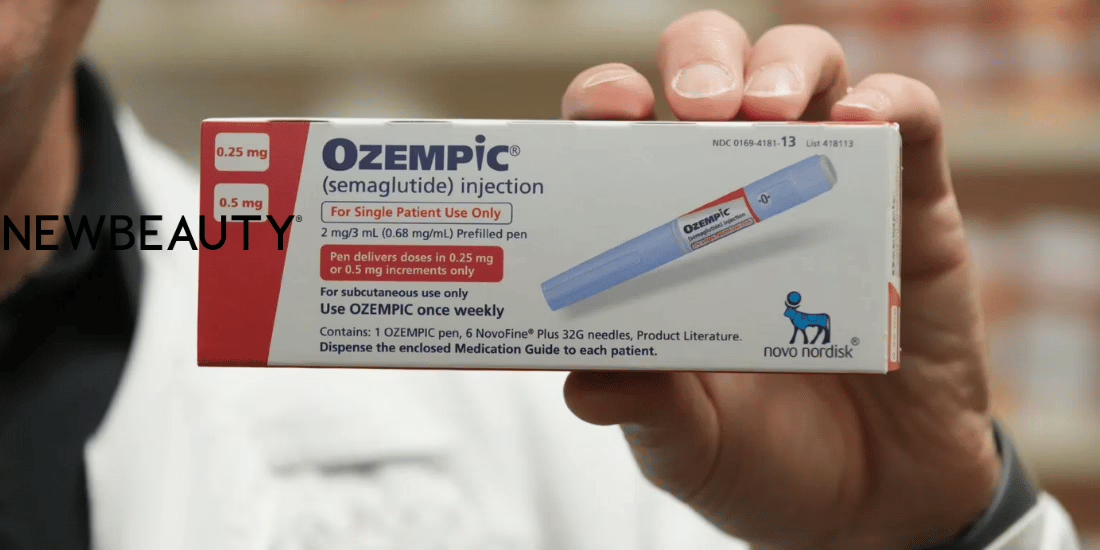
BEVERLY HILLS, CA - GLP-1 medications like semaglutide and tirzepatide have reshaped the conversation around weight management, but a growing number of patients are now exploring a different approach: microdosing. Rather than taking standard doses for significant weight loss, some individuals are turning to smaller, off-label amounts of these medications for targeted benefits like reduced inflammation, weight maintenance, and even longevity support. In a recent feature for NewBeauty, Beverly Hills facial plastic surgeon Dr. Babak Azizzadeh weighed in on this emerging trend and its potential effects on facial aesthetics.
Dr. Azizzadeh suggests smaller GLP-1 doses might lower inflammation, similar to standard doses, noting this practice often emerges in wellness centers like Los Angeles first. Though some clinicians accept reduced long-term dosing, microdosing lacks FDA approval and requires qualified medical oversight.
Dr. Azizzadeh warned that microdosing at a normal weight risks unexpected facial hollowness from even minor weight loss. He now prefers fat transfer over injectable fillers to restore volume, reflecting a broader aesthetic shift toward natural, lasting results.
As GLP-1 medications continue to expand beyond traditional weight loss, the link between these drugs and facial aging is becoming harder to ignore. Patients considering microdosing or currently using GLP-1 medications should consult with a qualified facial plastic surgeon to anticipate and address changes in facial volume.
Read the full article on NewBeauty:
Is Microdosing GLP-1s the Next Big Health Hack?
Related resources:
- Facial Fat Transfer Surgeon in Beverly Hills
- Fat Grafting and the "Baby Face" Comeback: Dr. Azizzadeh on 2026's Biggest Beauty Trend
- Non-Surgical Facial Fillers at the CENTER for Advanced Facial Plastic Surgery

Facelifts in Their 30s: The Celebrity Trend of Reversing Fillers
A growing number of celebrities and influencers are speaking openly about reversing years of cosmetic enhancements. Stars such as Ariana Grande, Courtney Cox, Yolanda Hadid, and Lala Kent have all shared their decisions to dissolve fillers, remove implants, or step back from injectables.
UK beauty influencer Ashley Stobart detailed her experience of dissolving over a decade of fillers, which left her with sagging skin at just 34. To address the laxity, she underwent a facelift and neck lift, combined with fat transfer under her eyes. She described the procedure as transformative, but also admitted to years of “filler blindness” driven by social media pressures and comparison culture.
This trend isn’t limited to celebrities. According to the American Society of Plastic Surgeons, most facelifts are still performed on patients over 50, but surgeons are reporting increased interest among individuals in their 30s and 40s. Some patients, after years of fillers, find they need surgery to restore facial structure once those injectables are reversed.
Dr. Babak Azizadeh, a board-certified plastic surgeon in Beverly Hills, notes that many younger patients come to him seeking a more natural look after dissolving fillers. However, he cautions that facelifts are still major surgeries with risks, including scarring and nerve injury. He stresses the importance of careful evaluation, as not everyone is a good candidate.
This shift highlights a broader cultural change toward transparency in cosmetic procedures. Where once enhancements were kept secret, more public figures are now discussing both their decisions and regrets. Patients considering cosmetic changes are encouraged to weigh long-term consequences and consult with experienced professionals before pursuing quick fixes.
Related: How Early is Too Early for Facelifts
Watch the full video here: https://shamoonmc.egnyte.com/dl/rrsrEJuIol'

The Rise of the “Invisible Lift”: Dr. Babak Azizzadeh on the Art of Natural Facial Rejuvenation
One trend in the field of aesthetics is notable not because it is visually striking but rather because it is imperceptible. In his Substack article, The Modern Face, internationally renowned facial plastic and reconstructive surgeon Dr. Babak Azizzadeh recently examined this sophisticated method of rejuvenation. His observations show that the new facelift age is about modest elevation, harmony, and authenticity rather than transformation.
As social media often glorifies exaggerated results, patients today are seeking something more sophisticated: enhancements that preserve their identity while gently turning back the clock. According to Dr. Azizzadeh, achieving this “invisible lift” requires more than surgical skill—it demands artistry, restraint, and a deep understanding of facial anatomy. By combining advanced lifting techniques with complementary treatments such as fat grafting, Botox, and laser refinement, surgeons can deliver refreshed, natural-looking outcomes that age gracefully over time.
Additionally, Dr. Azizzadeh highlights the significance of not just having reasonable expectations but also working together with the patient and the surgeon. A facelift that is truly successful is not intended to betray what was done; rather, it is intended to make others question whether or not anything was done at all.
Celebrating individuality rather than attempting to change it is the goal of this contemporary philosophy, which symbolizes a transition away from radical thinking and toward subtle sophistication.
Read the full article here:
Is an Undetectable Facelift Possible? – Dr. Babak Azizzadeh on Substack
For those interested in learning more about natural, balanced facial rejuvenation, here are some related resources:
- Facelift Surgery for Facial Rejuvenation:
- When to Consider Non-Surgical Facial Rejuvenation
- Facial Nerve Expertise: Why Surgeon Experience Matters

Aesthetics Concierges Offer Safer Path to Cosmetic Treatments
With cosmetic procedures on the rise, 25 million minimally invasive treatments and 1.5 million surgeries performed in 2023, patients are increasingly seeking expert guidance to avoid risky outcomes. Basement Brazilian Butt Lifts, unsafe filler use, and botched surgeries abroad are becoming more common, highlighting the need for trusted referrals in the aesthetics industry.
That’s where aesthetic concierges come in. Professionals like Melinda Farina, founder of Beauty Brokers Inc., have made careers helping patients find reputable surgeons and dermatologists tailored to their needs, budgets, and goals. Farina has facilitated more than 64,000 consultations, acting as a matchmaker between patients and doctors. Beyond referrals, she supports patients with pre-op consultations, nutrition plans, and skincare regimens, creating a more holistic approach to cosmetic care.
The concierge model is also moving online. Persana, co-founded by Beverly Hills surgeon Dr. Babak Azizadeh, provides direct video consultations with peer-recommended doctors for around $300 per call. Designed as a “Resy for aesthetics,” Persana allows patients to bypass long wait times and connect directly with vetted specialists.
Experts caution that while concierge services add value, patients should still verify board certifications and review before-and-after case studies. Transparency and thorough research remain essential when considering any cosmetic procedure.
As social media increasingly shapes beauty decisions, studies suggest more than half of cosmetic patients follow surgeons on TikTok and Instagram, navigating hype versus expertise has become challenging. Concierges and platforms like Persana aim to fill that gap, offering patients a safer, more transparent way to pursue treatments.
https://facialplasticsbh.com/the-importance-of-choosing-a-board-certified-facial-plastic-surgeon/
Read the full Marie Claire article here: Marie Claire – Aesthetics Concierge

Dr. Babak Azizzadeh Weighs In on Viral Beauty Trends: “Not Everything on Social Media Is Safe for Your Skin
BEVERLY HILLS, CA — In a recent feature on CBS News Los Angeles, world-renowned facial plastic and reconstructive surgeon Dr. Babak Azizzadeh shared his professional insights on the growing influence of social media beauty trends, from “banana vs. Botox” comparisons to DIY skincare fads found in kitchen cabinets.
As social platforms continue to flood users with quick-fix beauty hacks, Dr. Azizzadeh cautions viewers to approach these trends with skepticism. When asked about the now-viral “banana vs. Botox” debate, he made his stance clear: “Botox is more effective — it delivers predictable, clinical results, while banana masks can’t truly impact muscle movement or fine lines.”
However, not all natural remedies are off the table. When the discussion turned to common household ingredients, Dr. Azizzadeh shared a few that can benefit the skin safely. “For the eyes, cucumbers are great,” he said. “They provide hydration and are especially helpful for people with allergies. They do some improvements with no harm.” He also recommended avocado, honey, and aloe vera as gentle, nourishing ingredients for at-home masks.
Still, he warned against using acidic substances like lemon or yogurt, which can cause irritation or damage due to their high acid content. His message was simple: consult trusted professionals before trying viral beauty tricks.
Dr. Azizzadeh’s segment serves as an important reminder that real, lasting beauty comes from science-backed care — not social media hype.
Watch the full CBS News Los Angeles interview here:
https://www.cbsnews.com/losangeles/video/a-plastic-surgeon-takes-on-social-media-beauty-trends/
For those interested in a more holistic approach to facial aesthetics and skin health, here are some related resources:
- How Botox Helps Improve Facial Balance and Treat Synkinesis
- Non-Surgical Bell’s Palsy Treatments That Restore Natural Facial Movement
- Top Facial Paralysis Treatments: How Botox Plays a Role in Recovery

Dr. Babak Azizzadeh on Why Botox May Seem to Wear Off Too Quickly
In a RealSelf feature, experts including board-certified facial plastic surgeon Dr. Babak Azizzadeh offered insight into a common concern among neurotoxin patients: why Botox and similar treatments sometimes appear to lose their effectiveness sooner than expected. Although most providers estimate Botox results last three to four months for many patients, individual experiences can differ significantly.
One factor discussed is the body’s potential to develop neutralizing antibodies over time. While all major neurotoxins rely on botulinum toxin, subtle differences in formulation can influence how the immune system responds. Dr. Azizzadeh notes that patients who have used the same product repeatedly for years may benefit from trying an alternative brand, such as Dysport, Xeomin, or newer options, to potentially restore longer-lasting effects.
Metabolic activity also plays a role. Individuals with high metabolic rates or low body fat may break down neuromodulators more rapidly, which can lead to a quicker return of muscle movement and wrinkles. Dr. Azizzadeh has seen this pattern particularly among long-distance runners and highly active patients.
Another contributor to perceived shorter duration is injection technique and dosage. If an insufficient amount of product is placed or if results aren’t fully assessed two weeks after treatment, patients may feel the effects wear off prematurely—even when the neurotoxin is working as intended.
Experts also note that aging skin and changes in elasticity can alter how results are perceived over time, even when neuromodulator activity is consistent.
Read the full New York Post feature here:
5 Reasons Your Botox Feels Like It Isn’t Lasting
Related Resources from The Facial Paralysis Institute:
- Facelifts in Their 30s: The Celebrity Trend of Reversing Fillers
- Botox Before Blepharoplasty?
- When Is the Best Time to Start Preventative Botox Treatments?