
How to Get Rid of Fine Lines on the Forehead
Fine lines on the forehead are among the most-common visible signs of aging in the face, and they are often difficult to correct. By working with world-renowned facial plastic and reconstructive surgeon Dr. Babak Azizzadeh, an individual can find a safe, effective way to treat fine lines on the forehead and other visible signs of aging in the face.
What Causes Fine Lines on the Forehead?
Common causes of fine lines on the forehead include:
- Facial Expressions: If a person frequently frowns, smiles or makes other facial expressions, he or she may be more prone than others to develop fine lines on the forehead.
- Sleep Position: People who sleep on their stomach keep their face against their pillow, which increases the risk of developing forehead wrinkles.
- Photoaging: Overexposure to the sun's ultraviolet radiation results in fine lines on the forehead and other skin damage.
- Smoking: Smoking constricts the blood vessels in the skin, reducing blood flow, preventing the secretion of collagen and elastin fibers and causing premature aging.
Many solutions are available to treat forehead wrinkles. With a personalized facial rejuvenation treatment performed by Dr. Azizzadeh, an individual can correct fine lines on the forehead via a surgical or non-surgical procedure.
How to Get Rid of Deep Forehead Wrinkles
Common treatments to address deep forehead wrinkles include:
1. Laser Skin Resurfacing
Laser skin resurfacing treats forehead wrinkles, along with scars, sun-damaged skin and other facial blemishes. During a laser skin resurfacing procedure, DOT Deka laser treatments resurface skin on the face and neck. The treatments enhance skin pigmentation, tone and texture, leading to a rejuvenated facial appearance.
Dr. Azizzadeh is a dual board-certified facial plastic and reconstructive surgeon, and his goal is to ensure that his patient can realize the full benefits of a facial rejuvenation procedure. Before laser skin resurfacing is performed, Dr. Azizzadeh conducts a patient evaluation to determine if he or she is a good candidate for the procedure. If a patient qualifies for laser skin resurfacing, Dr. Azizzadeh then develops a custom treatment plan for this individual. Dr. Azizzadeh also explains how laser skin resurfacing is performed and helps his patient establish realistic treatment goals.
2. Microneedling
Microneedling, also referred to as collagen-induced therapy, stimulates collagen and elastin growth. The non-surgical facial rejuvenation treatment involves the use of tiny needles that create invisible micro-perforations in the top layers of the skin to improve the skin's elasticity and firmness. Microneedling also allows platelet-rich plasma or skincare products to reach the skin's deepest layers to accelerate the process of repairing forehead wrinkles and other skin damage.
Microneedling offers a fast, simple way to treat facial blemishes. Dr. Azizzadeh requires only about 30 minutes to complete a microneedling procedure, and the treatment's side effects are minimal. Patients achieve healthier-looking skin immediately after microneedling, with full results becoming transparent within a few months of treatment.
3. Botox
Botox is a popular cosmetic procedure, and it ranked as the top minimally invasive cosmetic procedure performed in the United States in 2018. Botox is an injectable prescription used to smooth fine lines on the forehead, along with correct crow's feet, bunny lines (wrinkles on top of the nose) and frown lines. It helps patients achieve a harmonious facial appearance and preserve the face's natural contours
Dr. Azizzadeh understands that there is no "standard" process to perform Botox, and he customizes each Botox treatment to his patient. Dr. Azizzadeh also educates his patients about all aspects of Botox. In some instances, Dr. Azizzadeh recommends a Botox treatment be performed in combination with face reshaping surgery or other facial rejuvenation procedures.
4. Brow Lift
For people who are exploring how to get rid of forehead wrinkles without Botox, a brow lift may be ideal. A brow lift repositions forehead muscles and tissues to eliminate sagging skin. It also corrects fine lines and wrinkles across the face, resulting in a revitalized facial appearance. Plus, brow lift patients often report increased self-confidence after treatment thanks in part to their rejuvenated facial appearance.
Dr. Azizzadeh performs each brow lift endoscopically to limit visible scarring after surgery. He uses a brow lift to help a patient simultaneously raise sagging eyebrows and reduce the appearance of deep furrows. This ensures that a brow lift patient can use the procedure to smooth out facial wrinkles and restore a youthful contour in the upper portion of the face.
5. Skincare Products
Skincare products like gentle cleansers and exfoliating polishes help improve skin health. The products feature bioengineered complexes and advanced formulations, and they can be incorporated into an individual's skincare regimen, regardless of his or her age, ethnic background or skin issues.
The benefits of skincare products vary based on the individual, and Dr. Azizzadeh works closely with patients dealing with fine lines on the forehead to identify skincare products that can deliver the desired results. Dr. Azizzadeh provides skincare products as part of a supervised treatment program, and he tracks his patient's progress. As a result, Dr. Azizzadeh helps a patient use skincare products to treat forehead wrinkles, along with acne, hyperpigmentation and other skin problems.
Identifying the ideal treatment for deep forehead wrinkles is challenging, but Dr. Azizzadeh delivers in-depth support. Dr. Azizzadeh is a Harvard-trained facial plastic and reconstructive surgeon with comprehensive facial rejuvenation treatment expertise, and he provides his patients with insights into a wide range of treatments to address forehead lines. Dr. Azizzadeh even offers tips to help his patients prevent forehead wrinkles.
Can Forehead Wrinkles Go Away on Their Own?
There are many things that people can do to prevent forehead wrinkles, including:
1. Stay Hydrated
An individual who stays hydrated is less susceptible than others to dry skin that leads to forehead wrinkles. Research indicates that consuming 3,000 ml of water daily is sufficient for men, and consuming 2,200 ml of water daily is sufficient for women. If an individual spends an extended period of time exercising or outdoors in the sun, he or she should drink additional water as needed.
2. Apply Sun Protection
Using a daily moisturizer that has a sun protection factor (SPF) of 15 or higher helps reduce the risk of sun-damaged skin. Also, an individual can use sunscreen with an SPF of 15 or higher if he or she plans to be out in the sun for several hours. In this scenario, an individual should plan to reapply sunscreen at least every few hours.
3. Maintain a Healthy Diet
There is a direct correlation between a person's diet and the formation of forehead wrinkles and other visible signs of aging in the face. People who consume foods that contain high volumes of vitamin C and the linolenic acid omega-3 fatty acid can lower their risk of dry skin. Comparatively, individuals who consume foods high in fat and carbs are more prone than others to facial wrinkles and other skin damage.
4. Manage Stress
An individual who constantly worries may wrinkle his or her brow and develop forehead wrinkles. Fortunately, many solutions are available to help people manage stress. Practicing yoga, meditating and performing aromatherapy sometimes helps people lower their stress levels. Or, journaling, exercising or talking to a mental health counselor may help an individual cope with stress.
5. Avoid Smoking
In addition to increasing a person's risk of lung cancer and emphysema, smoking is one of the leading causes of premature aging. People who avoid smoking can prevent forehead wrinkles and other visible signs of aging. At the same time, these individuals can improve their overall health.
Fine lines on the forehead are problematic, but Dr. Azizzadeh takes the guesswork out of correcting this issue. Dr. Azizzadeh's holistic approach to facial rejuvenation treatment ensures that patients receive extensive support as they search for ways to address forehead wrinkles and other skin problems.
A Closer Look at Dr. Azizzadeh's Approach to Facial Rejuvenation Treatment
As part of his holistic approach to facial rejuvenation treatment, Dr. Azizzadeh performs a patient evaluation that includes a physical exam and medical history review. Dr. Azizzadeh also learns about a patient and finds out why this individual is considering a facial rejuvenation treatment. He next develops a personalized treatment plan and works with his patient to execute this plan. Finally, Dr. Azizzadeh does whatever he can to ensure that his patient achieves the best-possible facial rejuvenation treatment results.
Celebrities, international dignitaries and executives frequently choose Dr. Azizzadeh for facial rejuvenation treatments, due in large part to his holistic approach. With Dr. Azizzadeh at his or her side, an individual is fully supported throughout a facial rejuvenation treatment. As such, a facial rejuvenation patient can benefit from a revitalized facial appearance following a treatment performed by Dr. Azizzadeh.
Schedule a Facial Rejuvenation Treatment Consultation with Dr. Azizzadeh
Dr. Azizzadeh is happy to meet with an individual to discuss ways to treat fine lines on the forehead and other visible signs of aging in the face. To schedule a facial rejuvenation treatment consultation with Dr. Azizzadeh, please call us today at 310-657-2203.


Can Rhinoplasty Change Your Voice?
Rhinoplasty is used to reshape the nose, enhance the facial appearance and improve the nasal function. In some instances, a nose surgery inadvertently causes a person's voice to change, too.
Every person has a distinct voice, but modifying the nose may narrow the nasal cavity. As such, a rhinoplasty surgery patient may experience minor vocal changes following treatment.
A recent study of 27 patients undergoing rhinoplasty surgery highlighted the impact of a nose job on a person's voice. In the study, trained listeners identified "hypernasality" in the voices of some rhinoplasty patients; hyponasal speech occurs when insufficient air moves through a person's nasal cavity, and it sometimes affects people who are dealing with a stuffy nose.
Additionally, an acoustic analysis performed as part of the aforementioned study revealed some patients experienced voice frequency and amplitude changes. This may have occurred due to narrowing of the nasal cavity after nose surgery.
For people who are weighing the pros and cons of rhinoplasty, it is essential to consider how the procedure may impact the voice, as well as other risks of treatment. By working with an expert facial plastic and reconstructive surgeon like Dr. Babak Azizzadeh, an individual can gain full insights into all aspects of rhinoplasty surgery.
What Are the Risks Associated with Rhinoplasty Surgery?
In addition to potential voice changes, the risks associated with nose surgery include:
- Infection
- Scarring
- Nasal septal perforation
- Difficulty breathing through the nose
- Skin discoloration
- Swelling
- Numbness in and around the nose
- Poor surgery results
By working with Dr. Azizzadeh, an individual can learn about the risks associated with rhinoplasty surgery prior to treatment. Dr. Azizzadeh wants his patients to know what to expect throughout rhinoplasty surgery, and he educates his patients about the procedure. He also performs a full medical assessment to determine if an individual qualifies for rhinoplasty surgery.
What to Expect During a Rhinoplasty Surgery Assessment
Rhinoplasty delivers many benefits, but the procedure is not right for everyone. Therefore, Dr. Azizzadeh conducts a medical assessment to determine if a patient is eligible for a nose job. This assessment involves the following components:
1. Review of a Patient's Medical History
Dr. Azizzadeh finds out why a patient is considering rhinoplasty surgery, as well as his or her treatment goals. He also asks questions about a patient's medical history, and he wants to find out if a patient is currently taking any medications or has received prior treatments. If a person has a bleeding disorder or any other medical conditions that may disqualify him or her from rhinoplasty surgery, Dr. Azizzadeh then offers rhinoplasty alternatives.
2. Physical Exam
Dr. Azizzadeh performs a physical exam of a patient, and he may require laboratory tests as well. At this time, Dr. Azizzadeh reviews a patient's facial features closely, too. Dr. Azizzadeh's goal is to ensure his patient can enjoy a nose that complements his or her facial features and functions properly. With a physical exam, Dr. Azizzadeh can learn how a rhinoplasty will impact a patient's facial appearance and tailor his treatment plan accordingly.
3. 3D Imaging
Dr. Azizzadeh uses the Vectra 3D imaging system to capture 3D photographs of a patient's face. He then uses these photographs to visualize how a rhinoplasty will transform a patient's appearance. The Vectra system provides unprecedented rhinoplasty insights, as it allows a patient to see how he or she may look after surgery. It also helps Dr. Azizzadeh develop a rhinoplasty treatment plan designed to accommodate his patient's facial rejuvenation goals.
4. Discussion of Treatment Expectations
It is paramount that Dr. Azizzadeh and his patient are on the same page relative to rhinoplasty surgery. Thus, Dr. Azizzadeh spends time teaching his patient about rhinoplasty surgery, and he explains how a patient can prepare for the day of treatment and surgery recovery process. Dr. Azizzadeh wants his patient to understand the long-term ramifications of rhinoplasty surgery, and he is happy to respond to his patient's concerns or questions about treatment.
Following a rhinoplasty surgery assessment, Dr. Azizzadeh crafts a custom treatment plan for his patient. Dr. Azizzadeh and his patient then put this plan into action, and Dr. Azizzadeh tracks his patient's progress. Ultimately, a successful treatment plan allows a patient to achieve a harmonious facial appearance in which the nose works correctly and appears in proportion to the chin, cheeks and other facial features.
Why Should You Choose Dr. Azizzadeh for Rhinoplasty Surgery?
Many surgeons can perform rhinoplasty procedures, but Dr. Azizzadeh possesses a unique combination of skills, expertise and experience that make him an ideal choice for nose surgeries. Dr. Azizzadeh is dual board-certified and Harvard-trained, and he is globally recognized for his work in head and neck surgery and facial plastic and reconstructive surgery. He also takes a holistic approach to rhinoplasty surgery, and he devotes the necessary time and resources to ensure his patients can quickly and safely revitalize their facial appearance.
Dr. Azizzadeh is available to meet with individuals to discuss rhinoplasty surgery and other facial plastic and reconstructive procedures. To schedule a consultation with Dr. Azizzadeh, please call us today at 310-657-2203.

Buccal Fat Pad Removal: What Is It?
Buccal fat pad removal, also referred to as cheek fat removal or buccal lipectomy, involves the removal of excess fat pads from the cheeks, With this procedure, an individual can improve his or her facial contours and reduce the appearance of chubby cheeks.
Buccal fat pad removal is an intricate procedure, and it must be performed by a highly skilled and experienced facial plastic and reconstructive surgeon. Fortunately, Dr. Babak Azizzadeh of the CENTER for Advanced Facial Plastic Surgery simplifies buccal fat pad removal. He devotes the necessary time and resources to assess buccal fat pad removal candidates and develops a personalized treatment plan for each patient. Dr. Azizzadeh also teaches buccal fat pad removal patients about treatment, and he works closely with them to help them achieve the best surgery results.
What Is Buccal Fat Pad Removal? Here's What You Need to Know
Buccal fat pad removal is intended for individuals who want to thin their cheeks. If an individual feels his or her cheeks are too full or chubby, buccal fat pad removal may be an ideal option to treat this issue.
During buccal fat pad removal, a buccal fat pad is removed from a patient's cheek hollow area. The size of a buccal fat pad varies based on the patient. Meanwhile, buccal fat removal surgery is performed from inside the mouth, ensuring a patient won't have to worry about visible scars after treatment.
There are many reasons why people undergo buccal fat pad removal, such as:
- Improve cheek definition
- Enhance facial shape and contours
- Increase self-confidence
The benefits of buccal fat pad removal can be significant, too. Key benefits of buccal fat removal surgery include:
- Permanent Results: The results of buccal fat pad removal will usually remain intact for the duration of a patient's life, even if he or she gains weight.
- Fast Treatment: A typical buccal fat removal surgery requires 30 to 60 minutes to complete. It is sometimes performed in combination with other facial rejuvenation procedures; in these instances, the overall surgery time is extended.
- Limited Downtime: A patient only needs only a few days to recover after buccal fat pad removal before he or she returns to work or school or resumes other everyday activities.
Of course, there are various factors to consider before undergoing buccal fat pad removal as well. These factors include:
- Facial Appearance: The size of a person's cheeks is not always related to his or her buccal pads. In some instances, a person's cheek size is affected by fat deposits or over-developed muscle in the jaw.
- Recovery Time: It may take a patient at least a few months before he or she sees the full results of treatment.
- Surgery Risks: The risks associated with buccal fat pad removal include bleeding, infection and numbness.
For people who are considering buccal fat pad removal, it helps to meet with Dr. Azizzadeh. A buccal fat pad removal consultation with Dr. Azizzadeh allows an individual to learn about the procedure and receive expert responses to his or her concerns and questions. Plus, the consultation enables Dr. Azizzadeh to determine if an individual is a good candidate for buccal fat pad removal or other facial rejuvenation procedures.
Are You a Good Candidate for Buccal Fat Pad Removal?
Buccal fat pad removal helps people who are dealing with jowling and excess cheek fat that shifts the skin downward. It may also benefit individuals who want to create a slimmer, more sculpted lower portion of the face.
Dr. Azizzadeh wants each of his patients to enjoy a balanced, natural-looking facial appearance, and he conducts an assessment to determine if buccal fat pad removal can help a patient achieve this goal. During the assessment, Dr. Azizzadeh reviews a patient's medical history and identifies any medical conditions that may disqualify him or her from buccal fat pad removal. He finds out why a patient is considering buccal fat pad removal to ensure the surgery aligns with this individual's facial rejuvenation treatment goals, too.
If Dr. Azizzadeh finds that buccal fat pad removal is the best facial rejuvenation treatment for an individual, he then crafts a custom surgical plan. Dr. Azizzadeh performs a personalized buccal fat pad removal to help his patient simultaneously enhance his or her facial appearance and minimize the risk of complications. Also, Dr. Azizzadeh provides tips and recommendations to help his patient streamline the buccal fat pad recovery process.
Buccal fat pad removal patients sometimes experience swelling in the initial days after surgery. Dr. Azizzadeh recommends a patient keep his or her head elevated following buccal fat pad removal. He may also recommend the use of ice packs or pain medication to help buccal fat pad removal patients alleviate post-surgery pain and discomfort.
It may take up to six months before a patient experiences the full results of buccal fat pad removal. Dr. Azizzadeh monitors his patients' progress in the months after buccal fat pad removal as well. This allows Dr. Azizzadeh to help buccal fat pad patients maximize their surgery results.
Schedule a Buccal Fat Pad Removal Consultation with Dr. Azizzadeh Today
Dr. Azizzadeh is happy to provide insights into buccal fat pad removal, how the procedure is performed and its benefits. In doing so, Dr. Azizzadeh helps individuals make informed decisions about buccal fat pad removal. To learn more about buccal fat pad removal or schedule a consultation with Dr. Azizzadeh, please call us today at 310-657-2203.

What Makes Someone a Good Browlift Candidate?
A browlift, also referred to as a forehead lift or eyebrow lift, involves repositioning the forehead muscles and tissues to revitalize the upper portion of the face. The procedure is safe and effective, but not every individual is a good browlift candidate. Fortunately, by meeting with Dr. Babak Azizzadeh, an individual can find out if he or she qualifies for a forehead lift.
Dr. Azizzadeh is a globally recognized facial plastic and reconstructive surgeon with comprehensive browlift surgery experience. He wants each of his patients to enjoy a balanced, natural-looking facial appearance, and he performs procedures with a patient's treatment goals in mind. Dr. Azizzadeh also takes a holistic approach to browlift surgery to ensure his patient can use the procedure to enhance his or her facial appearance.
A good browlift candidate typically displays frown lines, wrinkles and other visible signs of aging across the forehead. This individual may also be dealing with droopy eyebrows that make him or her appear tired.
Browlift surgery can be performed on any individual, regardless of age. To determine if a person is a good browlift candidate, Dr. Azizzadeh conducts a full evaluation. He learns about a browlift candidate and his or her treatment goals, as well as reviews this individual's medical history. Dr. Azizzadeh analyzes an individual's eyebrows and other facial features, too.
If Dr. Azizzadeh determines an individual is a good browlift candidate, he develops a custom surgery plan for him or her. The plan is tailored to a patient, and ultimately, helps him or her achieve a harmonious facial appearance.
In certain instances, Dr. Azizzadeh recommends a blepharoplasty instead of a browlift. A browlift and blepharoplasty may seem similar, but there are notable differences between these facial rejuvenation procedures. Whereas a browlift helps a patient reduce the appearance of a heavy, sagging brow, a blepharoplasty involves the removal of excess fat, skin and muscle from around the eyes.
Dr. Azizzadeh sometimes recommends a browlift be performed in combination with a facelift, neck lift or other facial rejuvenation procedures as well. As a Harvard-trained and dual board-certified facial plastic and reconstructive surgeon, Dr. Azizzadeh can perform multiple surgeries at the same time to help his patients accomplish their desired facial rejuvenation treatment results.
Questions to Consider Before a Browlift
If an individual is a good browlift candidate, he or she must evaluate all aspects of treatment. That way, this individual can weigh the pros and cons of a browlift and determine if the procedure is right for him or her.
When it comes to browlift surgery, there are many questions to consider. Now, let's look at five questions to evaluate before undergoing a browlift procedure.
1. What are the benefits of a browlift?
There are many reasons why people undergo browlift surgery, such as:
- Reduce the appearance of forehead wrinkles
- Elevate and reposition the brow line
- Minimize the appearance of sagging upper eyelids
- Treat "crow's feet" at the corner of the eyes
A browlift surgery must be tailored to a patient's facial features. By working with Dr. Azizzadeh, an individual can find out if he or she is a good browlift candidate, as well as discover how this procedure can be used to enhance his or her facial appearance.
2. What are the risks associated with a browlift?
The risks of a browlift are discussed in detail prior to surgery. These risks include:
- Infection
- Poor wound healing
- Skin loss
- Facial asymmetry
- Bleeding
If the potential risks of a browlift outweigh the surgery's benefits, Dr. Azizzadeh will not perform the procedure. Instead, Dr. Azizzadeh will explore alternative facia rejuvenation procedures to help a patient safely and effectively enhance his or her facial appearance.
3. How long does it take to perform a browlift?
A browlift procedure usually takes about one to two hours to perform. The surgical technique and treatment area may impact the length of time required for a browlift procedure.
Dr. Azizzadeh offers insights into a browlift prior to performing the procedure. He helps his patient establish realistic treatment goals and ensures he or she knows what to expect during browlift surgery.
4. How long do the results of a browlift last?
Oftentimes, it takes about 10 to 14 days for a person to recover from a browlift. After the recovery period, the full results of the procedure will become visible.
Since each person ages differently, the amount of time that browlift surgery results remain visible vary. But in many instances, an individual may enjoy the benefits of his or her browlift for 10 years or longer.
Dr. Azizzadeh offers tips and recommendations to help browlift patients extend the results of surgery. He is also available to respond to patients' concerns and questions following browlift procedures.
5. How much does a browlift cost?
The cost of a browlift varies based on the surgeon, where the procedure is performed, anesthesia fees and other factors. Thanks to Dr. Azizzadeh, an individual can receive full details about the cost of a browlift before surgery.
Dr. Azizzadeh is available to meet with individuals to discuss browlift surgery and other facial rejuvenation treatment options. To schedule a consultation with Dr. Azizzadeh, please call us today at 310-657-2203.

The Different Types of Rhinoplasty Explained
Rhinoplasty is not a one-size-fits-all surgical procedure. In fact, there are several different types of rhinoplasty, and the ideal form of nose surgery varies depending on the patient, his or her facial features and other factors. To better understand the different types of rhinoplasty, let's look at some of the most popular forms of nose surgery.
1. Primary Rhinoplasty
Primary rhinoplasty is used to reshape the nose and improve nasal proportions. It is also performed to correct nasal asymmetry and enhance the nasal function. Ultimately, the goal of a primary rhinoplasty is to help a patient achieve a nose that complements his or her eyes, cheeks and chin. That way, a patient can enjoy a natural-looking facial appearance in which his or her facial features appear in perfect harmony with one another.
2. Teenage Rhinoplasty
A teenage rhinoplasty surgery is designed exclusively for teen boys and girls. Like a primary rhinoplasty, a teen nose surgery is performed to reshape the nose, address nasal asymmetry or enhance the nasal function. A teen rhinoplasty, however, is tailored to teens. It can be performed on teen girls as early as 15 or 16 years old and teen boys as early as 16 or 17 years old. Meanwhile, a teen must receive parental consent and undergo a full evaluation to determine if he or she qualifies for rhinoplasty surgery.
3. Ethnic Rhinoplasty
An ethnic rhinoplasty is a form of rhinoplasty customized to a patient based on his or her ethnic facial features. It is used to help a patient improve his or her facial appearance — without sacrificing his or her unique ethnic facial features. Common forms of ethnic rhinoplasty include African American, Asian, Hispanic and Middle Eastern varieties. Ethnic rhinoplasty is a specialized procedure, and individuals who are considering ethnic rhinoplasty should consult with a facial plastic and reconstructive surgeon with expertise in this area. Ethnic rhinoplasty is unlike any other form of nose surgery, and it requires an in-depth treatment plan customized to a patient's distinct ethnic facial features. By working with an ethnic rhinoplasty expert like Dr. Babak Azizzadeh, an individual can receive personalized care throughout treatment.
4. Revision Rhinoplasty
Revision rhinoplasty is a form of nose surgery conducted after primary rhinoplasty. For example, if a primary rhinoplasty patient is not satisfied with his or her nose job, a revision rhinoplasty can be used to correct the initial procedure. Or, if a primary rhinoplasty led to nasal obstructions or facial asymmetry, a secondary rhinoplasty may be required. Although a revision rhinoplasty is performed after an initial nose job, it is more complex than a primary rhinoplasty procedure. Additionally, a revision nose job often requires more time to complete than a primary nose surgery.
5. Nasal Reconstruction
In addition to the aforementioned rhinoplasty procedures, nasal reconstruction is sometimes performed on individuals dealing with nasal trauma or skin cancer. Dr. Azizzadeh typically uses a four-step approach relative to nasal reconstruction. First, Dr. Azizzadeh listens to his patient and explores the least invasive methods to address his or her nasal deformity. Dr. Azizzadeh next evaluates his patient's facial anatomy to determine optimal incision placement. He then harvests grafts that are appropriate for new placement. Finally, Dr. Azizzadeh works diligently to preserve his patient's nasal function during reconstruction. With his nasal reconstruction approach, Dr. Azizzadeh helps patients achieve their treatment goals.
Which Type of Rhinoplasty Surgery Is Right for You?
There are many different types of rhinoplasty surgery, and each has its pros and cons. By meeting with Dr. Azizzadeh, an individual can weigh the pros and cons of the different types of rhinoplasty. Best of all, this individual can gain comprehensive rhinoplasty surgery insights to determine which option best suits his or her treatment goals.
A consultation with Dr. Azizzadeh provides a valuable learning experience. At this time, he analyzes a patient's nose and other facial features and finds out why this individual is considering nose surgery. Dr. Azizzadeh also reviews a patient's medical history and offers insights into all aspects of treatment.
If an individual qualifies for rhinoplasty surgery, Dr. Azizzadeh crafts a custom treatment plan for him or her — regardless of the type of rhinoplasty. Dr. Azizzadeh understands that no two patients are identical, and each patient has distinct facial features. To help a rhinoplasty patient achieve facial harmony, he takes a holistic approach to treatment. Dr. Azizzadeh develops a unique treatment plan for each rhinoplasty patient, and as such, helps a patient achieve a nose that matches his or her facial features.
Dr. Azizzadeh is a globally recognized and Harvard-trained facial plastic and reconstructive surgeon with extensive rhinoplasty surgery experience. He is committed to patient satisfaction, and he works closely with each of his rhinoplasty patients to deliver the best results. Initially, Dr. Azizzadeh teaches his patients about rhinoplasty so they can prepare for the surgical procedure. Dr. Azizzadeh next performs a rhinoplasty and monitors his patient's progress. He continues to track his patient's results in the weeks and months after a rhinoplasty to ensure this individual can enjoy the full benefits of treatment.
For people who are evaluating the different types of rhinoplasty, Dr. Azizzadeh can provide unprecedented insights into nose surgery. To schedule a consultation with Dr. Azizzadeh, please contact us today at 310-657-2203.


What Are the Benefits of Otoplasty?
Large ear lobes, protruding or drooping ears and various ear deformities may make a person feel self-conscious about his or her facial appearance. Thanks to otoplasty surgery, individuals of all ages can quickly and safely treat abnormalities in the structure of the ear.
Otoplasty is used to improve the appearance of the ears. The procedure is offered to patients after the ears reach their full size, which generally occurs around age 5. Otoplasty frequently helps people improve their facial appearance, as well as alleviate social anxiety commonly associated with irregularly shaped or damaged ears. Additionally, there are many benefits of otoplasty, including:
1. Correction of Prominent Ears
For most people, the outer ear is typically positioned on the head at an angle of about 25° to 35°. If this angle exceeds 35°, an individual's ears may appear to "stick out" and impact his or her facial appearance. With otoplasty, an individual can "flatten" prominent ears and position the ears closer to the head, resulting in an improved facial appearance.
2. Increased Self-Confidence
There is a direct correlation between otoplasty and increased self-confidence. In fact, children often enjoy a self-esteem boost after otoplasty surgery, and they are able to adapt to school and other social environments more easily than they could in the past. Otoplasty may even help reduce the risk that a child is bullied due to his or her protruding ears. Of course, adults may also enjoy increased self-confidence following otoplasty surgery.
3. Natural Facial Appearance
Otoplasty changes the structure of the ears, and individuals dealing with abnormally small or large ears can use the procedure to correct this issue. Also, if the ears appear folded or cupped, otoplasty helps reshape the ears. This enables an individual to use an otoplasty to achieve a natural facial appearance.
4. Permanent Results
A typical otoplasty requires only about one to two hours to complete, and the results of treatment are permanent. Therefore, once an otoplasty patient's post-surgery bandages are removed, he or she can enjoy the results of treatment for years to come.
5. Safe Treatment
Otoplasty has already helped children and adults correct irregularly shaped or damaged ears. The risks associated with otoplasty are minimal, and most patients can resume regular activity and exercise within about two weeks of surgery, too.
What to Expect During an Otoplasty Procedure
Before an individual can undergo an otoplasty, he or she must qualify for treatment. To do so, this individual should meet with an expert facial plastic and reconstructive surgeon like Dr. Babak Azizzadeh.
Dr. Azizzadeh takes a holistic approach to otoplasty and other facial plastic and reconstructive surgeries. Prior to performing an otoplasty, Dr. Azizzadeh meets with a patient to review his or her medical history and learn about his or her treatment goals. Dr. Azizzadeh also evaluates his patient's ears and facial appearance. He then explores ways to help his patient achieve a harmonious facial appearance.
If Dr. Azizzadeh believes a patient is a good candidate for otoplasty, he next outlines the treatment cycle. An otoplasty procedure is usually conducted at a surgical center under local anesthesia. During the procedure, Dr. Azizzadeh makes a small incision in the back of his patient's ear. Dr. Azizzadeh then reshapes or folds the ear cartilage to reduce the ear's size.
Dr. Azizzadeh prepares otoplasty patients for the recovery cycle as well. During otoplasty recovery, patients sometimes experience swelling and discomfort that lasts a few days after surgery. However, otoplasty patients can often resume their normal activities within about a week of surgery and return to work or school within about two weeks of treatment.
Furthermore, Dr. Azizzadeh provides instructions about how to limit the risk of complications during the recovery process. He offers recovery recommendations to otoplasty patients, such as:
- Avoid rigorous activity until the ears are fully healed
- Keep the head elevated
- Do not wash the hair with shampoo for at least one week after treatment
In certain instances, Dr. Azizzadeh prescribes medication to help otoplasty patients alleviate post-surgery pain. He also remains available to otoplasty patients throughout the recovery cycle and is happy to respond to any concerns or questions.
Are You a Good Candidate for Otoplasty?
Children and adults may qualify for otoplasty surgery, but the ideal candidate for treatment varies. Oftentimes, individuals who are dealing with overly large or protruding ears not associated with hearing loss qualify for otoplasty. Meanwhile, the surgeon that individual selects to perform an otoplasty can have far-flung effects, too.
By choosing Dr. Azizzadeh for otoplasty surgery, an individual can put himself or herself in position to achieve the best results. Dr. Azizzadeh is a Harvard-trained and dual board-certified facial plastic and reconstructive surgeon who is committed to patient satisfaction. He crafts a custom otoplasty treatment plan based on his patient and his or her surgery goals. Plus, Dr. Azizzadeh works with his patient throughout the treatment cycle. He monitors his patient's progress and does everything possible to help his patient maximize his or her treatment results.
For people who are considering otoplasty surgery, Dr. Azizzadeh is available to discuss treatment. To schedule a consultation with Dr. Azizzadeh, please call us today at 310-657-2203.

Top 5 Misconceptions About Cosmetic Surgery
Cosmetic surgery is complex, and misconceptions persist about how it is performed, its impact and more. Misconceptions about cosmetic surgery often make it difficult for people to understand the benefits of this type of surgery. Worst of all, these misconceptions sometimes prevent people from using cosmetic surgery to achieve a balanced, natural-looking facial appearance.
There is no need for cosmetic surgery misconceptions to linger. At the CENTER for Advanced Facial Plastic Surgery, we want to help men and women make informed decisions about cosmetic surgery. To accomplish our goal, let's look at the top five misconceptions about cosmetic surgery:
1. Cosmetic surgery is only for the wealthy.
Cosmetic surgery costs vary, but options are generally available to all patients, regardless of budget. The cost of plastic surgery varies based on the type of procedure, the surgeon conducting the procedure, the surgical center where the procedure is performed and other factors. If cosmetic surgery is deemed medically necessary, it may be covered by an insurance provider, too.
As an expert facial plastic and reconstructive surgeon, Dr. Babak Azizzadeh tries to make cosmetic surgery accessible to all patients in need of treatment. Thus, the Center works with carecredit.com to help patients cover their cosmetic surgery costs. Our surgical coordinator can discuss these financing options with patients and work with them to ensure that they can achieve their cosmetic rejuvenation treatment goals without breaking their budgets.
2. Cosmetic surgery and plastic surgery are identical.
Cosmetic surgery and plastic surgery may seem similar, but there are notable differences between the two. Cosmetic surgery involves enhancing a person's appearance via surgical and medical techniques, and it can be performed on the head, neck and body. Comparatively, plastic surgery is used to treat facial and body issues that occur due to birth disorders, burns, disease and other trauma. Plastic surgery is also a form of reconstructive surgery.
For people who are considering cosmetic or plastic surgery, it is important to understand the differences between cosmetic and plastic surgeons. By choosing a surgeon who knows how to perform a desired cosmetic or plastic surgery, an individual can put himself or herself in position to achieve the best treatment results.
3. The cosmetic surgery recovery process is long and arduous.
The cosmetic surgery recovery process varies depending on the type of procedure, surgical technique, anesthesia and other factors. With certain cosmetic surgeries, patients can achieve their desired results within days of treatment. Or, with other cosmetic surgeries, the full results become visible up to one year after treatment.
As a Harvard-trained and dual board-certified facial plastic and reconstructive surgeon, Dr. Azizzadeh understands the ins and outs of cosmetic surgery. Dr. Azizzadeh also prioritizes patient education, and he teaches his patients about all aspects of cosmetic surgery. In doing so, Dr. Azizzadeh helps his patients establish realistic expectations for the recovery process.
4. A person should not undergo cosmetic surgery until later in life.
There is no "ideal age" for cosmetic surgery. Every cosmetic surgery patient is different, and the decision to undergo cosmetic surgery depends on one’s individual journey. Therefore, in some instances, patients may undergo cosmetic surgery in their 20s or 30s. In other cases, patients may choose cosmetic surgery after the age of 40.
Dr. Azizzadeh performs an extensive patient evaluation to determine if a person is a good candidate for cosmetic surgery. He reviews a patient's medical history, finds out why an individual is considering cosmetic surgery and analyzes the risks and benefits of treatment. If the risks of a cosmetic procedure outweigh its benefits, Dr. Azizzadeh offers alternative treatment options. On the other hand, if Dr. Azizzadeh believes an individual is a good candidate for cosmetic surgery, he develops a personalized treatment plan for him or her.
5. Cosmetic surgery is only intended for people who are concerned with how they look.
Research indicates that cosmetic surgery can help improve a person's appearance, as well as boost his or her self-esteem. It may also help a person enjoy a positive outlook in his or her daily life, which may lead to new professional and personal growth opportunities.
Dr. Azizzadeh takes a holistic approach to cosmetic surgery. He works closely with each of his patients to develop a custom treatment plan that delivers exceptional results. That way, Dr. Azizzadeh's cosmetic surgery patients can benefit from a rejuvenated facial appearance.
The Bottom Line on the Misconceptions About Cosmetic Surgery
Misconceptions about cosmetic surgery are prevalent, but Dr. Azizzadeh is happy to address them. Dr. Azizzadeh is a world-renowned facial plastic and reconstructive surgeon with many years of experience, and he has performed a wide range of cosmetic surgery procedures to help patients enhance the face. Additionally, Dr. Azizzadeh offers cosmetic surgeries that are tailored to his patients.
Dr. Azizzadeh is available to respond to any concerns or questions about cosmetic surgery. To schedule a cosmetic surgery consultation with Dr. Azizzadeh, please call us today at 310-657-2203.

What Can a Neck Lift Do for Me?
A neck lift is a surgical procedure used to treat visible signs of aging in the jawline and neck. The benefits of a neck lift include reduced muscle banding in the neck, fatty deposits in the chin and loose neck skin. Plus, neck lift surgery helps patients restore youthful contours in the face and neck, resulting in a rejuvenated facial appearance.
Although a neck lift surgery is often beneficial, the procedure might not be right for everyone — people who understand how a neck lift is performed and the benefits that a neck lift provides can make an informed treatment decision. Now, let's explore some of the key questions surrounding neck lift surgery.
What Is a Neck Lift?
Also referred to as a lower rhytidectomy, a neck lift addresses the loss of youthful contours in the face. People lose youthful contours in the face due to a variety of factors, including genetics, environmental conditions, and stress. These contributing elements may cause one or more of the following issues:
- Excess fat or skin in the lower face
- Fatty deposits under the skin
- Loose neck skin
- Muscle banding in the neck
A neck lift procedure must always be tailored to a patient's neck and face. The benefits of this personalized method, include the treatment of the aforementioned issues while providing a natural-looking outcome.
Additionally, a neck lift sometimes provides an alternative to patients who want to improve their facial appearance without receiving a traditional facelift. For example, an individual may struggle with excess wrinkles in the neck, a double chin or jowl lines, but is satisfied with the appearance of his or her upper face. In this situation, an individual may opt for a neck lift surgery over a facelift.
What Are the Benefits of a Neck Lift?
Most patients report an enhanced jawline and tighter facial muscles after neck lift surgery. Since a neck lift removes excess skin and fat from under the chin, it also helps patients rejuvenate the appearance of the neck and face.
The benefits of a neck lift are important considerations prior to surgery, but patients should also take in consideration the risks associated with the procedure. When performed by an expert facial plastic surgeon, the risks of a neck lift surgery are very minimal. However, neck lift surgery risks may include:
- Skin loss
- Scarring
- Bleeding under the skin
- Blood clots
- Nerve injury
It is important to establish realistic facial rejuvenation treatment goals prior to neck lift surgery as well. A neck lift helps people enhance the appearance of the neck and face, but it won't stop the natural aging process. However, by choosing the right facial plastic and reconstructive surgeon, an individual can find out exactly what to expect during neck lift surgery.
What Should You Expect During a Neck Lift Treatment?
Before an individual undergoes a neck lift, he or she must qualify for treatment. To do so, an individual meets with a facial plastic and reconstructive surgeon who performs a full evaluation. The surgeon reviews his or her patient's medical history and finds out why this individual is considering neck lift surgery. If the surgeon believes the patient is a good candidate for a neck lift procedure, he or she then offers to perform the surgery. On the other hand, if the surgeon deems neck lift surgery to be too risky, he or she offers alternative treatment options.
The ideal candidate for neck lift surgery usually has fat buildup under the chin or displays skin laxity in the neck. He or she may also experience muscle laxity in the neck, along with sub-muscular laxity. These issues affect a person's appearance, and ultimately, make an individual look older than his or her actual age.
A neck lift surgery often involves one of two techniques: a skin-SMAS-platysma lift or platysmaplasty. During a skin-SMAS-platysma lift, a facial plastic and reconstructive surgeon lifts and tightens the neck and throat skin. Comparatively, during a platysmaplasty, the surgeon tightens underlying muscles in the neck.
Patients may need to stop taking certain herbal supplements, aspirins and anti-inflammatory drugs in the days leading up to neck lift surgery. Also, a facial plastic and reconstructive surgeon sometimes provides patients with special preoperative neck lift surgery instructions.
Neck lift surgery is commonly performed under anesthesia. A small incision is made near a patient's ears, and in certain instances, a second incision is made under the patient's chin. Next, the patient's neck muscles are tightened, and sagging or excess skin is removed from the neck.
Swelling and bruising typically occur after a neck lift procedure. A facial plastic and reconstructive surgeon provides tips to alleviate these issues, along with instructions to help his or her patient accelerate the recovery process.
Is a Neck Lift Surgery Right for You?
The best way to determine if a neck lift is the best plastic surgery option is to meet with an expert facial plastic and reconstructive surgeon. During this meeting, an individual and his or her surgeon discuss neck lift surgery in detail. The meeting also allows an individual to share his or her neck lift surgery concerns and learn about the benefits of neck lift surgery. If an individual decides neck lift surgery is the best option based on his or her plastic surgery goals, then the surgeon can develop a custom treatment plan. Or, the surgeon can offer insights into neck lift surgery alternatives.
Dr. Babak Azizzadeh of the CENTER for Advanced Facial Plastic Surgery is a world-renowned facial plastic and reconstructive surgeon. Over the years, Dr. Azizzadeh has performed many neck lift procedures to help patients revitalize their facial appearance.
Dr. Azizzadeh is happy to meet with individuals to provide details about neck lift surgery, how it works and its benefits. To schedule a consultation with Dr. Azizzadeh, please call us today at 310-657-2203.

What Does Male Botox® Do for the Face? The Benefits of "Brotox"
Male Botox®, aka "Brotox," is quickly becoming a top facial rejuvenation treatment for men. To better understand why this is the case, let's examine male Botox® and how it enhances a man's facial appearance.
What Is Male Botox®?
Male Botox® is used to treat fine lines, wrinkles and furrows in the face. It reduces excess muscle movements in the face, and in doing so, prevents these muscle movements from causing visible signs of aging in the face.
A typical male Botox® procedure requires only minutes to complete, and Botox® results become visible just days after treatment. During a male Botox® procedure, Botox® is injected into different parts of a man's face. Each Botox® treatment is customized to a patient's face, and as such, different amounts of Botox® are used depending on the patient.
Male Botox® side effects are usually minimal. Common side effects associated with male Botox® include:
- Stinging: Men sometimes experience a stinging sensation at the treatment site; this sensation only lasts for about 10 to 15 minutes after a male Botox® procedure.
- Swelling and Tenderness: Swelling and tenderness at the Botox® injection site may persist for a few days after a male Botox® procedure.
- Redness: Redness may occur at the treatment site, but it often disappears within a few days of a male Botox® procedure.
The results of male Botox® may last up to six months. Meanwhile, men can schedule periodic Botox® injections to accomplish their facial rejuvenation goals.
Why Do Men Undergo Botox® Treatments?
Male Botox® is available for both cosmetic and non-cosmetic applications. In some instances, men undergo male Botox® to address the following cosmetic issues:
- Crow's feet
- Frown lines
- Bunny lines (wrinkles that form on top of the nose)
- Forehead creases
- Gummy smile
Comparatively, male Botox® may be used for non-cosmetic applications, including:
- Hyperhidrosis: Botox® has been shown to treat hyperhidrosis, a condition that causes excess underarm sweating. In a clinical study of 322 patients, the majority of respondents reduced or eliminated hyperhidrosis symptoms thanks to Botox® injections.
- Facial Paralysis and Synkinesis: Facial paralysis and synkinesis affect facial symmetry, as well as make it virtually impossible for individuals to produce natural facial expressions. With Botox®, men can stop unwanted muscle movements in the face and address facial asymmetry commonly associated with facial paralysis and synkinesis.
- Masseter Hypertrophy: Masseter hypertrophy refers to a condition that causes a jawline that is overly square or angular. Botox® treats this issue, ensuring men can reduce masseter jaw muscle activity and improve facial symmetry.
Expect the demand for male Botox® to increase in the years to come, too. The American Society of Plastic Surgeons (ASPS) reported Botox® for men quadrupled in popularity between 2000 and 2017. As men search for ways to quickly and safely improve their facial appearance without surgery, the demand for male Botox® will likely increase.
Are You a Good Candidate for Male Botox®?
Male Botox® offers lots of benefits, but the procedure is not intended for all men, at all times. Generally, men who are dealing with moderate to severe facial wrinkles and are in good health qualify for Botox® injections. On the other hand, men who are dealing with any of the following issues may be ineligible for Botox®:
- Is allergic to any Botox® ingredients
- Has a skin infection at a Botox® injection site
- Is dealing with a muscle or nerve condition
- Has a severe illness or infection
A man who wants to find out if he is eligible for Botox® should meet with a facial plastic and reconstructive surgeon. At this time, the surgeon evaluates a patient and determines if he is a good candidate for male Botox®. If this patient does not qualify for male Botox®, the surgeon can then provide alternative facial rejuvenation treatment options.
What Should You Expect During Male Botox® Recovery?
When it comes to male Botox® recovery, it is usually a good idea to be cautious. Fortunately, a facial plastic and reconstructive surgeon provides male Botox® recovery instructions to ensure his or her patient can maximize the treatment's benefits.
Oftentimes, male Botox® patients need to wear sunscreen immediately following Botox® injections. Sunscreen with a sun protection factor (SPF) of 30 or more should be applied 20 minutes before going outside and reapplied every two hours. Also, male Botox® patients should wear a hat and clothing to cover the treatment area in the days after a Botox® procedure.
Male Botox® patients should avoid excess sun and heat until post-treatment swelling and tenderness disappears. They should avoid strenuous exercise or activity for the first few days after Botox® injections as well.
Schedule a Male Botox® Treatment Consultation with Dr. Azizzadeh Today
Dr. Babak Azizzadeh of the CENTER for Advanced Facial Plastic Surgery is a leading Beverly Hills facial plastic and reconstructive surgeon with many years of male Botox® treatment experience. He is Harvard-trained and dual board-certified in facial plastic and reconstructive surgery and head and neck surgery, and he is happy to help men revitalize their facial appearance.
Men who are considering Botox® or other facial rejuvenation procedures can meet with Dr. Azizzadeh to explore their treatment options. To schedule a facial rejuvenation treatment consultation with Dr. Azizzadeh, please call us today at 310-657-2203.

The Difference Between Buccal Fat Pad Removal and Cheek Liposuction: Which One Is Right For Me?
Buccal fat pad removal and cheek liposuction are facial rejuvenation procedures designed to treat "chubby" cheeks and enhance facial symmetry. Each procedure has its pros and cons, and in some instances, people struggle to differentiate one from the other. Now, let's examine buccal fat pad removal and cheek liposuction, the differences between the two and how each procedure helps an individual achieve a balanced, natural-looking facial appearance.
What Is Buccal Fat Pad Removal?
Buccal fat pad removal, also referred to as cheek fat removal or buccal lipectomy, is used to eliminate excess fat pads from the cheeks. It treats full, round or chubby cheeks that otherwise cause an asymmetrical facial appearance.
A buccal fat pad removal procedure is performed inside of a patient's mouth; this means a patient won't have to worry about post-treatment scarring. During the procedure, a specific amount of a patient's buccal fat pad is removed. This ensures a patient can achieve a harmonious facial appearance.
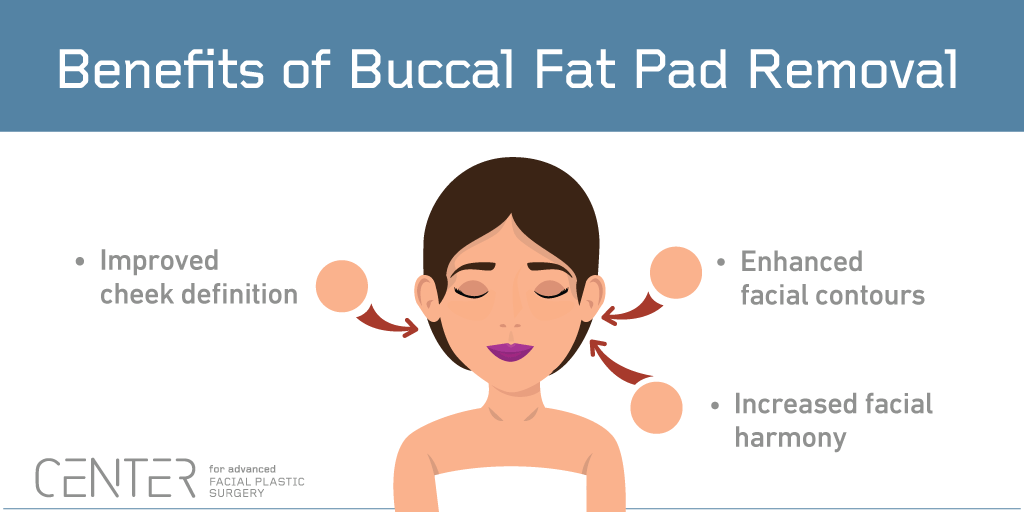
Buccal fat pad removal offers many benefits, such as:
- Improved cheek definition
- Enhanced facial contours
- Increased facial harmony
Sometimes, buccal fat pad removal is performed in combination with other facial rejuvenation procedures, including:
- Facelift: Minimizes the appearance of visible signs of aging in the face and neck.
- Blepharoplasty: Corrects under-eye bags, as well as drooping upper eyelids.
- Mid-Facelift: Treats visible signs of aging in the cheeks and lower eyelids.
- Neck Lift: Addresses visible signs of aging in the neck and jawline.
- Chin Augmentation: Involves the placement of a small implant in the front of the chin bone.
Buccal lipectomy is a safe, effective facial rejuvenation procedure, but it is not right for everyone. The ideal candidates for buccal fat pad removal likely deal with one or more of the following cheek issues:
- Chubby or puffy cheeks
- Convex cheek appearance
- Prominent high cheekbones
- Sunken cheeks under the cheekbones
A facial plastic and reconstructive surgeon dedicates significant time and resources to minimize complications during buccal fat pad removal. However, there are risks associated with buccal lipectomy, and these risks include:
- Infection
- Bleeding
- Numbness
- Pain
- Fluid accumulation
The buccal fat pad removal recovery period may last up to 10 days. During this time, a patient may need to maintain a soft or semi-liquid diet so tissues in the mouth can fully recover.
Buccal lipectomy patients sometimes experience facial swelling after surgery, but this usually disappears on its own within about three weeks of treatment. Once the swelling stops, a patient's cheeks will look thinner and more contoured.
The full results of buccal fat pad removal become visible within a few months of treatment. Meanwhile, a facial plastic and reconstructive surgeon requests follow-up appointments to track a buccal lipectomy patient's progress after treatment.
What Is Cheek Liposuction?
Cheek liposuction involves the removal of fatty tissue from the cheeks. It is sometimes performed on individuals dealing with chubby cheeks that do not improve with diet and exercise.
During a cheek liposuction procedure, excess fat is removed from a patient's cheeks via a cannula and a vacuum device. Cheek liposuction is often performed as an outpatient procedure under general or local anesthesia or intravenous sedation. The procedure usually lasts about 30 to 60 minutes, and only a few ounces of fat are removed during a typical cheek liposuction treatment. Cheek liposuction ultimately helps improve facial contours, resulting in a slimmer facial appearance.
Swelling, soreness and burning sometimes occur after cheek liposuction. These symptoms are temporary and disappear shortly after treatment. Also, full recovery from cheek liposuction may require about a month.
Cheek liposuction is intended for people who have good skin elasticity. Otherwise, individuals may need to pursue buccal fat pad removal or other procedures to achieve their desired facial rejuvenation treatment results.

Which Facial Rejuvenation Treatment Should You Choose: Buccal Fat Pad Removal or Cheek Liposuction?
Buccal fat pad removal and cheek liposuction are similar, but it is important to note the differences between these facial rejuvenation treatments. Whereas buccal fat pad removal eliminates excess fat pads from the cheeks via surgery, a cheek liposuction procedure requires a cannula and vacuum device to address chubby cheeks.
Deciding between buccal fat pad removal and cheek liposuction often requires expert guidance. By meeting with a facial plastic and reconstructive surgeon like Dr. Babak Azizzadeh, an individual can learn about different facial rejuvenation treatments and select one that matches his or her expectations.
Dr. Azizzadeh takes a holistic approach to facial rejuvenation treatments. If a person is considering buccal fat pad removal or cheek liposuction treatments, Dr. Azizzadeh first requests a consultation. Dr. Azizzadeh then evaluates a patient and reviews his or her medical history. Finally, Dr. Azizzadeh provides a personalized facial rejuvenation treatment recommendation so a patient can accomplish his or her desired results, as quickly as possible.
For those who are evaluating buccal fat pad removal, cheek liposuction or other facial rejuvenation procedures, Dr. Azizzadeh is happy to provide expert insights into these treatments. To learn more about different facial rejuvenation treatment options, please contact us today at 310-657-2203 to schedule a consultation with Dr. Azizzadeh.