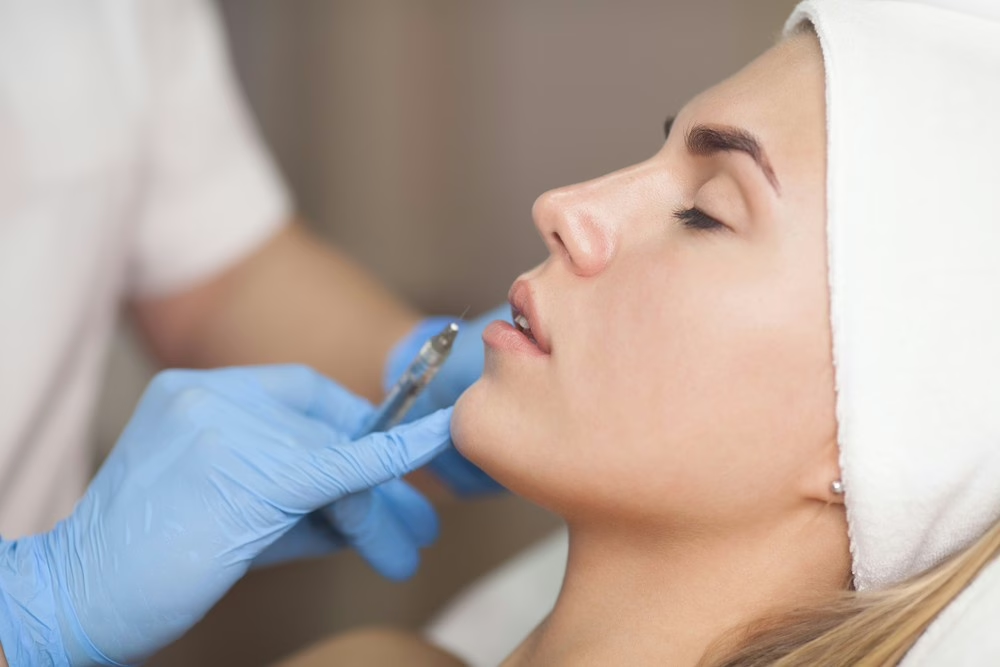
How Long Does Juvederm Last?
Juvederm refers to a collection of dermal fillers that can deliver results that last six months or longer. Yet, the results of a Juvederm treatment vary depending on the patient and the Juvederm product used and other factors.
Dr. Babak Azizzadeh of the CENTER for Advanced Facial Plastic Surgery in Los Angeles wants his patients to get the most value out of Juvederm injections. Now, let's look at some of the most common questions surrounding Juvederm.
What Is Juvederm?
Juvederm improves volume in different areas of the face. Some patients choose Juvederm to make the lips appear more plump and full. Meanwhile, other patients select Juvederm to smooth fine lines and wrinkles in the face. Patients can undergo Juvederm treatments to lift and contour the cheeks, too.
How Does Juvederm Work?
Juvederm consists of hyaluronic acid, a naturally occurring substance that boosts skin volume. Hyaluronic acid is commonly found in the skin and connective tissue and retains water to moisturize the skin. When taken as a supplement, hyaluronic acid helps the skin retain moisture, thereby reducing the risk of visible signs of aging.
Today, Juvederm is one of the most-effective hyaluronic acid-based dermal fillers on the market. In one study of 119 Juvederm patients, researchers found that Juvederm was effective and well-tolerated to enhance the appearance of the midface. Comparatively, in a study of 146 patients who received Juvederm and Zyplast dermal fillers, researchers found that patients achieved more persistent wrinkle correction with Juvederm at 24 weeks. In this study, researchers also discovered that 88% of patients preferred Juvederm over Zyplast, and 6% had no preference on Juvederm or Zyplast for facial rejuvenation.
How Is Juvederm Used for Facial Rejuvenation?
Juvederm is used to treat the following cosmetic issues in the face:
-
Sagging Cheeks
As a person gets older, the cheeks can appear flatter and start to sag. This midface volume loss occurs due to the natural aging process.
With Juvederm, people can add volume underneath the cheeks' surface. Juvederm injections can lift and contour the cheeks, resulting in a revitalized facial appearance in which the cheeks complement other facial features.
-
Facial Lines and Wrinkles
"Parentheses lines" around the mouth and other facial lines and wrinkles can form over time. If left untreated, these visible signs of aging can hamper a person's facial appearance.
Juvederm can be injected into facial tissue where moderate to severe facial lines and wrinkles are present. Once Juvederm is injected into these areas, it can temporarily correct facial lines and wrinkles.
-
Lips
Lip augmentation is a popular surgical procedure to improve the plumpness and fullness of the lips. This surgery, however, is not ideal for all patients. In the event that an individual wants to rejuvenate the appearance of the lips without surgery or does not qualify for lip augmentation, Juvederm is available.
Juvederm consists of an injectable gel that can be used on the lips. It corrects "lipstick lines" that often form after the age of 21 and smooths the appearance of lines around the lips and mouth.
What Juvederm Products Are Available?
The Juvederm family includes a variety of hyaluronic acid-based dermal fillers, including:
- Juvederm Voluma XC: Corrects age-related volume loss in the cheeks.
- Juvederm Vollure XC: Treats fine lines and wrinkles in the face.
- Juvederm Ultra XC: Plumps and adds fullness to the lips.
The right Juvederm product varies based on the patient. To determine which Juvederm product is the best option, it is important to meet with Dr. Babak Azizzadeh of the CENTER for Advanced Facial Plastic Surgery. In doing so, a patient can learn about Juvederm and other dermal fillers and find out which ones can be used to deliver the best-possible facial rejuvenation results.
What Happens During a Juvederm Procedure?
A typical Juvederm procedure can be completed in less than an hour. During the procedure, Dr. Azizzadeh marks the treatment areas. He then injects Juvederm into these areas.
What Happens After Juvederm Injections?
There is no downtime following Juvederm injections. Patients can drive home and resume their normal activities after treatment.
Dr. Azizzadeh recommends patients avoid strenuous activities after they receive Juvederm injections. He also asks patients to avoid excessive sun exposure, wearing makeup, and consuming alcohol for at least 24 hours after a Juvederm procedure.
Patients can experience swelling in the days following Juvederm injections. In these instances, Dr. Azizzadeh recommends applying an ice pack over the affected area.
Along with swelling, bruising, redness, and pain can occur after a Juvederm procedure. These side effects tend to be mild and subside within about one week of treatment.
Juvederm treatment results can become visible within a few days of treatment. Results can vary based on the amount of Juvederm used.
Dr. Azizzadeh remains available to his patients in the weeks and months after Juvederm injections. He encourages patients to reach out if they have concerns or questions following treatment.
How Long Do Juvederm Lip Fillers Last?
Juvederm injections deliver results that last up to 24 months. The length of time the results remain visible depends on the Juvederm product used, the number of injections, and other factors.
How Much Do Juvederm Injections Cost?
The cost of Juvederm depends on the number of injections required, where the treatment is performed, and other factors. Following an evaluation, Dr. Azizzadeh can provide his patient with an estimated treatment cost.
Juvederm is considered a cosmetic procedure, and it is not covered by insurance. However, Juvederm treatment financing options are available.
Is Juvederm Available to Men and Women?
Dr. Azizzadeh provides Juvederm treatments to men and women. He evaluates the facial anatomy of each Juvederm patient, regardless of gender. This allows Dr. Azizzadeh to provide each of his patients with a custom Juvederm treatment to enhance their facial appearance.
Is Juvederm Safe?
Juvederm should not be used if a patient has a history of multiple severe allergies or allergic reactions. It also contains lidocaine, a synthetic compound often used as a local anesthetic to numb pain, and should not be used by patients allergic to lidocaine.
Patients should notify a doctor if they are pregnant or breastfeeding before they undergo a Juvederm treatment. In certain instances, pregnant or breastfeeding patients are ineligible for Juvederm.
Furthermore, patients can experience side effects following Juvederm injections, such as:
- Lumps
- Bruising
- Redness
- Pain
- Swelling
- Itching
- Infection
- Skin discoloration
In rare instances, Juvederm is inadvertently injected into a patient's blood vessel, which can lead to serious and permanent complications, including:
- Stroke
- Scarring
- Blindness and/or other vision abnormalities
A Juvederm procedure should always be performed by an expert facial plastic and reconstructive surgeon like Dr. Azizzadeh. This ensures a patient receives extensive support from a surgeon who understands the ins and outs of Juvederm and can safely complete the procedure.
Dr. Azizzadeh is a globally recognized facial plastic and reconstructive surgeon with many years of Juvederm treatment experience, and he won't perform a Juvederm procedure unless he deems it safe for a patient. If Dr. Azizzadeh believes Juvederm is too risky, he can recommend alternative dermal filler treatment options.
What Juvederm Treatment Alternatives Are Available?
Facial fillers that are sometimes recommended for use in lieu of Juvederm include:
-
Restylane
Like Juvederm, Restylane consists of hyaluronic acid and is used to treat facial wrinkles and folds. Restylane can also be used for lip enhancement in patients age 21 and up.
-
Radiesse
Radiesse simultaneously smooths skin wrinkles and folds and plumps the skin. It can even be used to address nasolabial folds, i.e. creases that stretch from the corner of the nose to the corner of the mouth.
-
Belotero
Belotero is a prescription injectable used to correct moderate to severe nasolabial folds. It is sometimes used to treat fine lines around the eyes, too.
-
Sculptra
Sculptra is an FDA-approved injectable treatment that consists of poly-L-lactic acid, a biodegradable synthetic material. It stimulates the growth of collagen, which provides structural support to the skin. In addition, Sculptra has a high satisfaction rate, with some patients saying they are satisfied with the results of treatment up to 25 months after their last injection.
Along with the aforementioned dermal fillers, Botox is sometimes recommended as an alternative to Juvederm.
Botox is one of the world's most-popular non-invasive cosmetic procedures, and it involves the use of an injectable prescription to reduce excess muscle movement in the face. Botox injections treat facial lines and wrinkles, with results that can last up to four months.
Is Juvederm Right for You?
Juvederm is just one of the non-surgical cosmetic treatments available to patients who want to revitalize the facial appearance. By meeting with Dr. Azizzadeh, a patient can learn about Juvederm and other non-surgical facial rejuvenation procedures. Plus, a patient can receive insights into surgical facial rejuvenation treatments at the same time.
Although a patient sometimes qualifies exclusively for Juvederm, Dr. Azizzadeh can recommend a non-surgical treatment be performed in combination with a facelift, neck lift, or other cosmetic surgery. Dr. Azizzadeh's goal is to help a patient achieve a natural-looking facial appearance, and he conducts a full evaluation to determine if the patient can benefit from non-surgical or surgical cosmetic procedures, or both.
What Should You Expect During a Juvederm Treatment Consultation with Dr. Azizzadeh?
During a patient consultation, Dr. Azizzadeh reviews a patient's facial features and medical history. He also finds out why a patient is considering a facial rejuvenation procedure and examines the patient's treatment goals.
Dr. Azizzadeh next provides a patient with a personalized facial rejuvenation treatment plan. He offers insights into different facial rejuvenation treatments, how they are performed, and their short- and long-term benefits. Dr. Azizzadeh also offers details about facial rejuvenation treatment recovery, costs, and risks.
Ultimately, Dr. Azizzadeh wants a patient to choose a facial rejuvenation treatment that is safe and effective and delivers the ideal results. Dr. Azizzadeh responds to a patient's facial rejuvenation procedure concerns and questions, so the patient knows exactly what to expect during treatment. Finally, if a patient decides to pursue Juvederm or any other facial rejuvenation procedure, Dr. Azizzadeh is ready to help.
How Does Dr. Azizzadeh Help Juvederm Patients Achieve Their Desired Results?
Dr. Azizzadeh's holistic approach to facial rejuvenation has helped him become one of the world's leading facial plastic and reconstructive surgeons. He applies this approach to Juvederm treatments.
During a facial rejuvenation treatment consultation, Dr. Azizzadeh learns as much as he can about his patient. Dr. Azizzadeh works with his patient to complete a successful facial rejuvenation treatment plan. He performs the requested facial rejuvenation procedure, then tracks his patient's progress after treatment.
If a patient moves forward with Juvederm or a similar facial rejuvenation option, Dr. Azizzadeh can conduct regular treatments to revitalize the patient's facial appearance. Or, if a patient selects a surgical procedure, Dr. Azizzadeh performs the procedure and tracks the patient's progress throughout recovery. With his approach to facial rejuvenation procedures, Dr. Azizzadeh provides patients with unparalleled support, so they can achieve their treatment goals as quickly as possible.
Schedule a Facial Rejuvenation Treatment Consultation with Dr. Azizzadeh
Deciding between Juvederm and other facial rejuvenation procedures can be challenging, but Dr. Azizzadeh can provide assistance. As a Harvard-trained facial plastic and reconstructive surgeon, Dr. Azizzadeh offers a personalized treatment to help a patient bolster the facial appearance. To learn more or schedule a consultation with Dr. Azizzadeh, please contact us online or call us today at 310-657-2203.


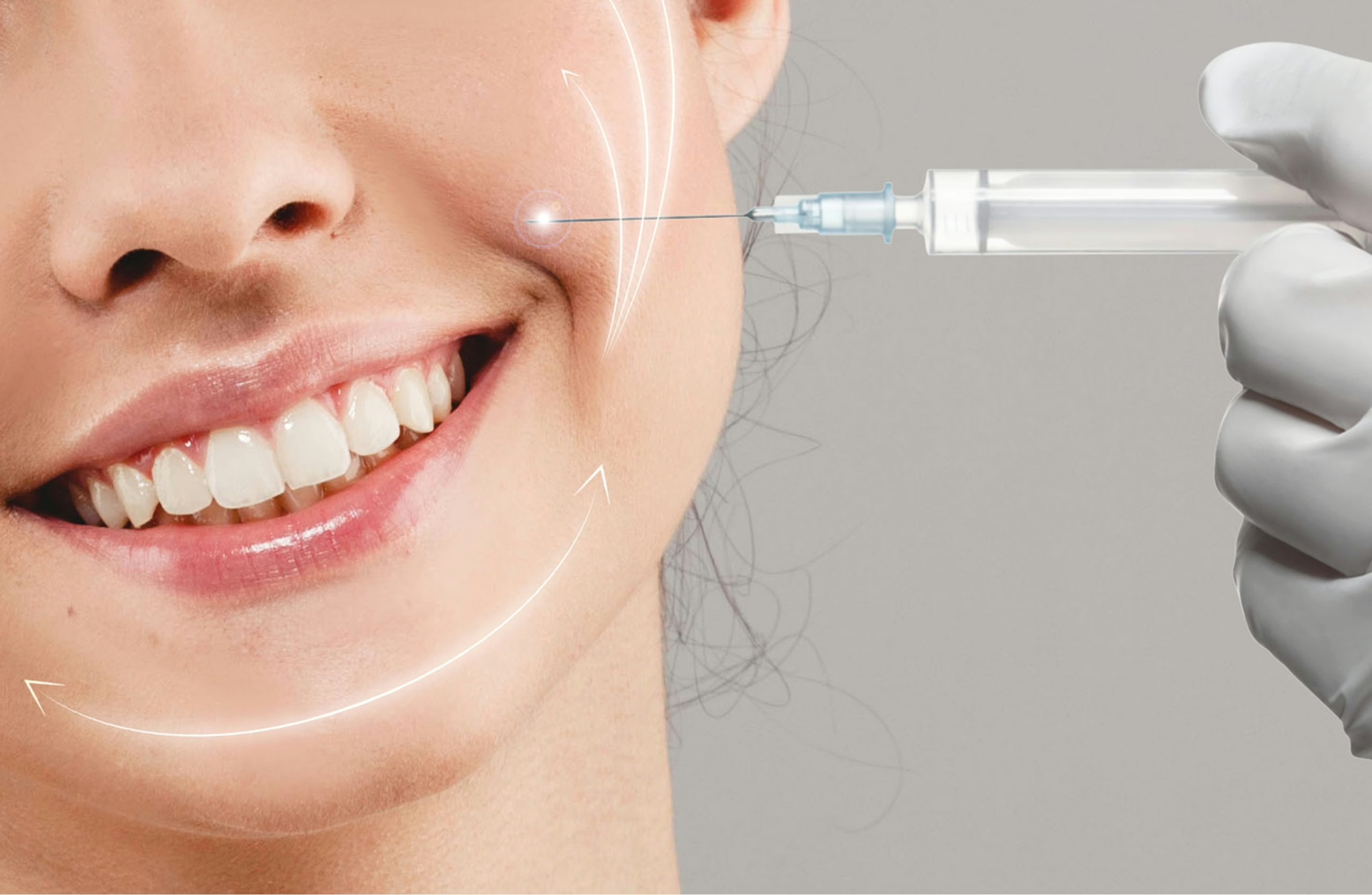
How Long Do Restylane Fillers Last?
Restylane dermal fillers deliver results that can last up to 18 months, depending on the Restylane product, treatment area, and other factors. For those who plan ahead for a Restylane facial rejuvenation treatment, they can get the results they want — without delay.
What Is Restylane?
Restylane refers to a collection of dermal fillers that contain hyaluronic acid, a substance that the body produces on its own. Hyaluronic acid supports skin health, and it helps the skin stay moisturized. With a hyaluronic acid-based dermal filler like Restylane, people can simultaneously bolster the skin's ability to remain hydrated and reduce the appearance of facial lines, wrinkles, and furrows.
Restylane can be injected into different areas of the face to correct cosmetic issues. In some cases, patients undergo a Restylane treatment to address scarring or skin damage. Patients can also receive a Restylane treatment to improve lip fullness and plumpness.
What Restylane Products Are Available?
Patients can choose from a wide range of Restylane dermal fillers, including:
- Restylane Silk
Restylane Silk is an FDA-approved injectable treatment for lip augmentation. It is intended to treat wrinkles around the mouth and available to patients age 21 and older.
- Restylane Lyft
Restylane Lyft is used to correct visible signs of aging in the face and hands. The injectable dermal filler adds fullness and volume to the cheeks, midface area, and back of the hands.
- Restylane Refyne
Restylane Refyne is a top choice for patients who want to soften the appearance of laugh lines. The dermal filler features XpresHAn Technology™ that supports a patient's ability to naturally frown, smile, and make other facial expressions.
- Restylane Defyne
Restylane Defyne is a great option for patients who want to correct nasolabial folds that can form near the corners of the mouth and marionette lines that can develop around the corners of the mouth and chin. It even has a 92% RealSelf "Worth It" rating among patients who have used the dermal filler over the past 24 months.
Deciding which form of Restylane to use is sometimes difficult, but Dr. Babak Azizzadeh of the CENTER for Advanced Facial Plastic Surgery can help. As a world-renowned facial plastic and reconstructive surgeon, Dr. Azizzadeh can address patients' dermal filler questions, including what happens over the course of a Restylane treatment.
What Happens During a Restylane Treatment?
A typical Restylane procedure can be performed in about 30 minutes. During the procedure, Restylane is injected into different areas of a patient's face. Since each Restylane procedure is tailored to the patient, the amount of Restylane used during treatment varies, too.
Once a patient undergoes a Restylane treatment, there is minimal time before the results of the procedure become transparent. Usually, patients start to see the results of a Restylane treatment in less than one hour after the procedure.
How Long Does Restylane Last?
To determine how long a Restylane treatment lasts, it's important to consider that no two patients are exactly alike, and how a Restylane procedure is performed depends on the patient. So, a patient can enjoy Restylane benefits that last up to 18 months, but the full results of treatment vary.
Studies highlight the cosmetic impact of Restylane on patients, too. Some research indicates that Restylane can reduce the appearance of nasolabial folds for up to 18 months and improve volume in the cheeks for up to 12 months. Also, Restylane Lyft research reveals the dermal filler can plump the lips for up to six months in some patients. Various research indicates that some patients dealing with facial wrinkles and folds can use Restylane Defyne and Restylane Refyne to treat these issues for up to 12 months as well.
A Closer Look at Restylane Clinical Studies
Clinical studies highlight the effectiveness of Restylane products, such as:
- Restylane Silk
A U.S. clinical study was completed to assess the performance of Restylane Silk in 221 patients, the majority of whom were women. In the study, 98% of respondents reported a visible improvement in fullness of both the upper and lower lips 14 days after Restylane Silk injection. Furthermore, 77% said they noticed improvement in lip appearance at six months following Restylane Silk injection.
- Restylane Lyft
A clinical study involving blind evaluations was performed on 150 Restylane Lyft patients. The study revealed 90% of Restylane Lyft patients experienced improvement in midface area fullness two months after treatment, and 54% recorded improvement at 12 months. Study researchers also found that 95% of Restylane Lyft patients were satisfied with their midface appearance at two months, and 73% were satisfied at 12 months.
- Restylane Refyne and Restylane Defyne
A clinical study was conducted to assess the effectiveness of Restylane Refyne and Restylane Defyne to treat laugh lines. Study researchers reported 79% of Restylane Refyne patients and 77% of Restylane Defyne patients had a 1-grade improvement based on 5-point scale used to measure wrinkle size and depth six weeks after treatment. In self-assessments of patients' wrinkle severity, most study participants reported at least a 1-grade improvement with Restylane Refyne and Restylane Defyne at six weeks.
Is Restylane Safe?
Restylane side effects can sometimes occur, and they include:
- Swelling
- Redness
- Bruising
- Headache
- Itching
- Lumps
Restylane side effects can vary in terms of severity, but they usually disappear within a few days or weeks after treatment.
Meanwhile, research indicates that Restylane patients over the age of 36 are more susceptible to swelling than others. It also reveals that Restylane patients over the age of 35 are more prone to bruising than others.
Are You Eligible for Restylane Treatment?
A full evaluation must be completed to determine if a patient qualifies for a Restylane treatment. In certain instances, a patient is ineligible for Restylane. These instances include:
- Patient is pregnant and/or breastfeeding
- Patient is under the age of 22
- Patient has a bleeding disorder
- Patient has serious allergies that previously required a hospital stay
- Patient is allergic to lidocaine; this local anesthetic helps block pain and is found in Restylane products
In the event that a patient is ineligible for Restylane, Dr. Azizzadeh offers alternative treatment options. Sometimes, Dr. Azizzadeh recommends Juvederm or other facial fillers. In other cases, Dr. Azizzadeh recommends a surgical procedure to enhance a patient's facial appearance.
Does a Patient Require Multiple Restylane Treatments?
The number of Restylane treatments required to maximize facial rejuvenation results varies. Generally, one or two Restylane treatment sessions are necessary. But if additional Restylane treatments are required, a patient can undergo the treatments at designated times.
Dr. Azizzadeh is a Harvard-trained facial plastic and reconstructive surgeon who can determine how many treatments a Restylane patient needs. Initially, Dr. Azizzadeh meets with a patient to discuss Restylane and other dermal filler treatment options. If Dr. Azizzadeh and the patient agree that Restylane is the best facial rejuvenation treatment option, the pair then develops a custom treatment plan.
Each Restylane treatment plan is designed based on a patient's health and facial rejuvenation goals. It is carefully developed and executed, and Dr. Azizzadeh monitors the plan's progress closely. In doing so, Dr. Azizzadeh can provide a Juvederm treatment that delivers exceptional results.
Is Restylane the Right Choice for Facial Rejuvenation?
Facial rejuvenation is complex, and deciding between Restylane and other facial fillers is often difficult. With help from Dr. Azizzadeh, a patient can determine the best course of action to address a variety of cosmetic issues.
A consultation with Dr. Azizzadeh provides an excellent starting point for a patient who wants to undergo Restylane or any other facial rejuvenation treatment. The consultation is a learning experience, as Dr. Azizzadeh and his patient can learn from one another and determine how best to approach the patient's facial rejuvenation goals.
Dr. Azizzadeh devotes time and energy to collect information about a patient's medical history and review the patient's facial appearance during a consultation. He also puts together a personalized treatment recommendation for the patient.
Consulting with Dr. Azizzadeh provides a patient with an opportunity to ask questions about Restylane and other facial rejuvenation treatments, too. If a patient feels comfortable moving forward with Restylane or another facial rejuvenation treatment, Dr. Azizzadeh can next perform the treatment. Finally, the patient can achieve a balanced, natural-looking facial appearance.
Schedule a Restylane Treatment Consultation with Dr. Azizzadeh
Restylane is one of several facial rejuvenation treatments provided by Dr. Azizzadeh, and he offers a consultation that enables a patient to gain insights into different facial rejuvenation options. To learn more or to schedule a consultation with Dr. Azizzadeh, please contact us online or call us today at 310-657-2203.

Should Men Get Neck Lifts?
Neck lift surgery for men is an increasingly common procedure that helps restore definition, reduce sagging, and improve the jawline. Though some may hesitate to consider facial plastic surgery, understanding what a neck lift involves can help clarify whether it's the right choice.
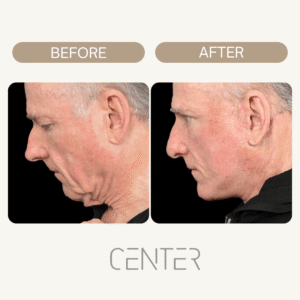
What Is Neck Lift Surgery?
A neck lift is a surgical procedure that removes excess fat and skin while tightening underlying muscles in the neck and jawline. It addresses concerns like loose neck skin, fatty deposits under the chin, and muscle banding that can affect a masculine profile.
The procedure enhances the contours of the neck and lower face, creating a firmer and more youthful look. It can also be combined with other procedures, such as a facelift or platysmaplasty, for a more comprehensive result.
Benefits of Neck Lift Surgery for Men
A neck lift offers more than just cosmetic enhancement—it can improve confidence, create facial balance, and restore a stronger, more masculine profile. Whether you're preparing for a career move or simply want to look as youthful as you feel, these benefits often make a lasting difference.
- Sharper jawline definition: A neck lift removes excess fat and tightens loose skin, giving men a more angular, well-defined jawline. This feature is often associated with strength and vitality.
- Reduction of sagging skin: The procedure helps eliminate the 'turkey neck' look that can develop with age. Tightening the skin smooths the neckline and enhances a firm, youthful appearance.
- Improved profile and symmetry: Smoothing the area under the chin and along the neck creates better harmony with the rest of the face. This can be especially helpful if one side of the face or neck appears heavier or looser than the other.
- Boost in confidence and self-image: Looking younger and more refreshed often improves how men feel in both personal and professional settings. Many patients report feeling more confident after seeing their results.
- Long-lasting results with minimal scarring: While non-surgical treatments may offer short-term fixes, a neck lift can deliver results that last up to a decade or more. Incisions are placed discreetly, and scars typically fade over time.
How Does It Differ for Men and Women?
While neck lifts improve appearance for any gender, the aesthetic goals often differ depending on how men and women typically want to shape their jawline and neckline. Men usually aim for a sharper, more angular definition from the chin to the neck, enhancing a masculine and structured look that reinforces strength and maturity.
For men, this usually involves reducing bulk under the chin, tightening the muscle structure, and removing sagging skin. For women, the focus often leans toward restoring smooth, youthful curves in the neck and jawline, sometimes in tandem with a facelift to create an overall balanced appearance.
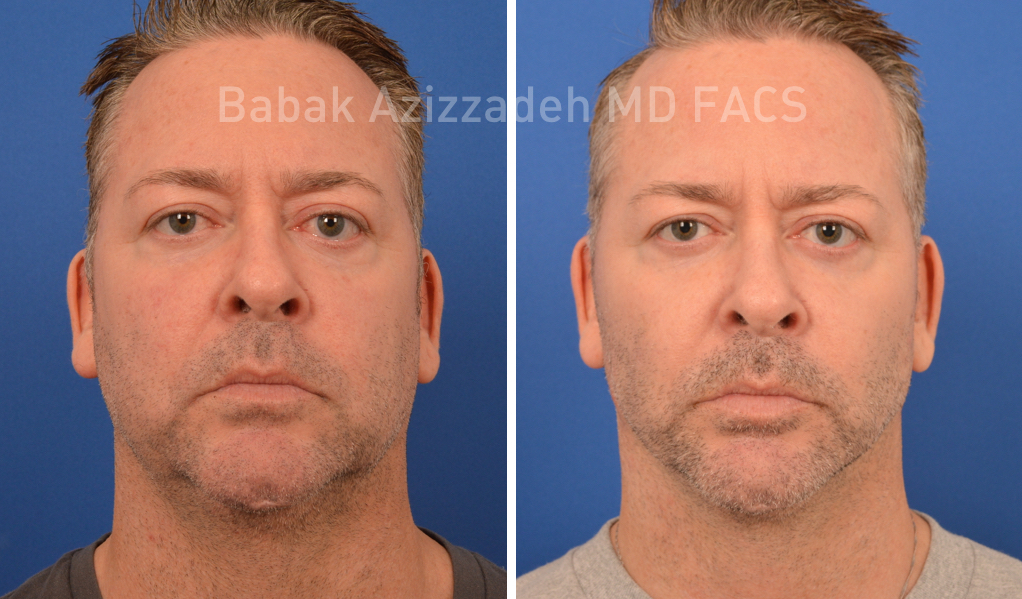
Is It Safe for Men?
Neck lift surgery is generally safe when performed by a board-certified facial plastic surgeon like Dr. Azizzadeh. During your consultation, he will review your medical history, evaluate your anatomy, and determine if you’re a good candidate.
If surgery poses too much risk or isn’t the best match for your needs, he may recommend other facial rejuvenation options. Dr. Azizzadeh’s personalized treatment plans prioritize safety, aesthetics, and long-term satisfaction.
In addition to traditional surgical and non-surgical choices, fat grafting is often suggested for men who are hesitant about synthetic fillers. This natural method can restore subtle volume and improve skin texture using your own fat, which is less likely to cause complications. It’s a versatile technique that can be used alone or alongside a neck lift for more complete facial rejuvenation.
How Effective Is the Procedure?
Neck lift surgery effectively corrects issues that contribute to an aged or tired appearance, including fat accumulation under the chin, sagging skin, and muscle laxity. Patients often report a more confident, refreshed look after recovery.
These improvements can help maintain a youthful, masculine neckline and support a balanced facial profile. Whether you’re noticing jowls or struggling with a ready for a neck lift neckline, a surgical solution may offer long-term improvement.
Fat grafting can also be added to the procedure to subtly restore volume in areas where aging has caused hollowness or contour changes. This approach allows for more natural-looking results while avoiding the use of synthetic fillers. When paired with a neck lift, fat transfer can further enhance harmony between the lower face and neck.
What to Expect From the Procedure
The surgery is typically performed under local or general anesthesia, depending on your treatment plan. Incisions are discreetly made behind the ears or under the chin to access the platysma muscle and underlying fat.
In some cases, a skin-SMAS-platysma lift is performed to tighten both the skin and muscle structure. For those with significant fatty deposits or neck fullness, a platysmaplasty may be more appropriate, repositioning fat and tightening deeper tissues to achieve a cleaner neckline.
Recovery Timeline
Swelling, bruising, and mild discomfort are expected in the first week. You may be advised to wear a compression garment and keep your head elevated to support healing.
Some men also experience temporary numbness or tightness in the neck area, which gradually resolves as tissues settle. It's important to follow all aftercare instructions closely to reduce the risk of complications and support proper healing. Gentle movement and hydration can also support circulation and help ease residual swelling.
The full neck lift recovery timeline typically spans two to four weeks, with final results appearing gradually over the following months. Scars are hidden in natural creases and fade with time.
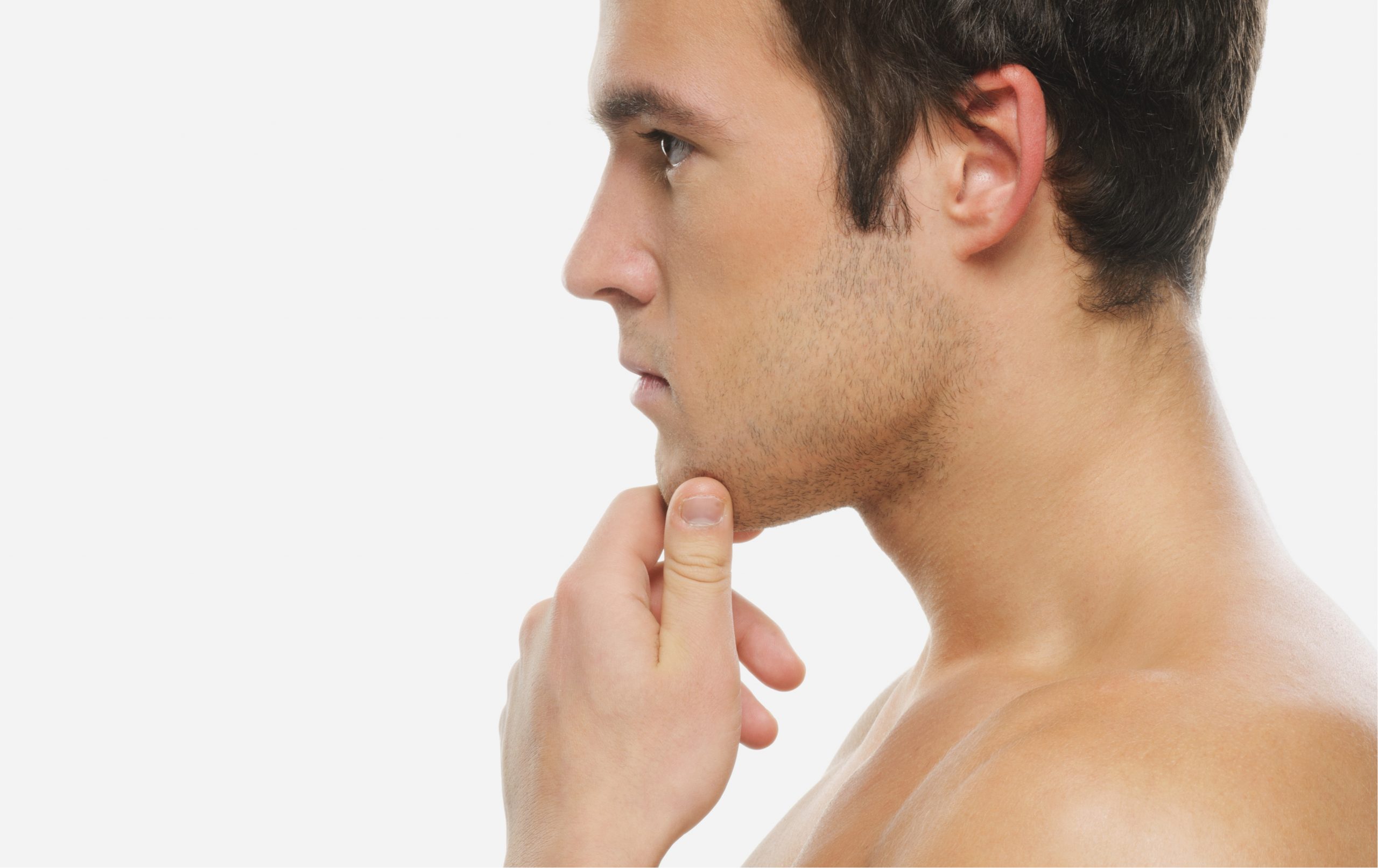
ALT Text: Side profile of a young man with a defined jawline
Are There Risks?
Like any surgical procedure, a neck lift comes with a set of potential risks. Understanding these helps patients make more informed decisions and set realistic expectations.
- Bleeding or hematoma: This refers to a collection of blood under the skin, which may require drainage if it occurs. Surgeons take careful precautions to minimize this risk during and after the procedure.
- Infection: Though rare, any incision can potentially lead to infection if not properly cared for. Patients receive post-op care instructions and antibiotics to help prevent this.
- Nerve injury: Some patients may experience temporary numbness or changes in sensation around the surgical site. These symptoms usually resolve over time, though permanent changes are possible in rare cases.
- Unsatisfactory results: As with any cosmetic procedure, outcomes may not meet expectations if goals are not aligned or healing doesn’t go as planned. This is why clear communication during consultation is critical.
- Scarring or poor wound healing: Scars are typically discreet, but individual healing responses vary. Proper aftercare and avoiding smoking can support better healing and minimize visible scarring.
Dr. Azizzadeh carefully screens each patient to reduce surgical risks and will never recommend a neck lift if a non-surgical alternative would be safer or more effective.
In some cases, men concerned about using synthetic fillers may find that fat grafting offers a more natural approach to volume restoration. It can be paired with neck lift surgery or performed on its own, depending on the patient’s needs. This option provides subtle enhancement using your own fat and is particularly useful for addressing contour irregularities or age-related volume loss.
Cost of Neck Lift Surgery for Men
Costs vary depending on factors like surgical technique, anesthesia, and facility fees. Dr. Azizzadeh provides a detailed estimate and discusses financing options during the consultation.
Because each procedure is custom, the total price reflects the complexity and whether additional treatments are involved.
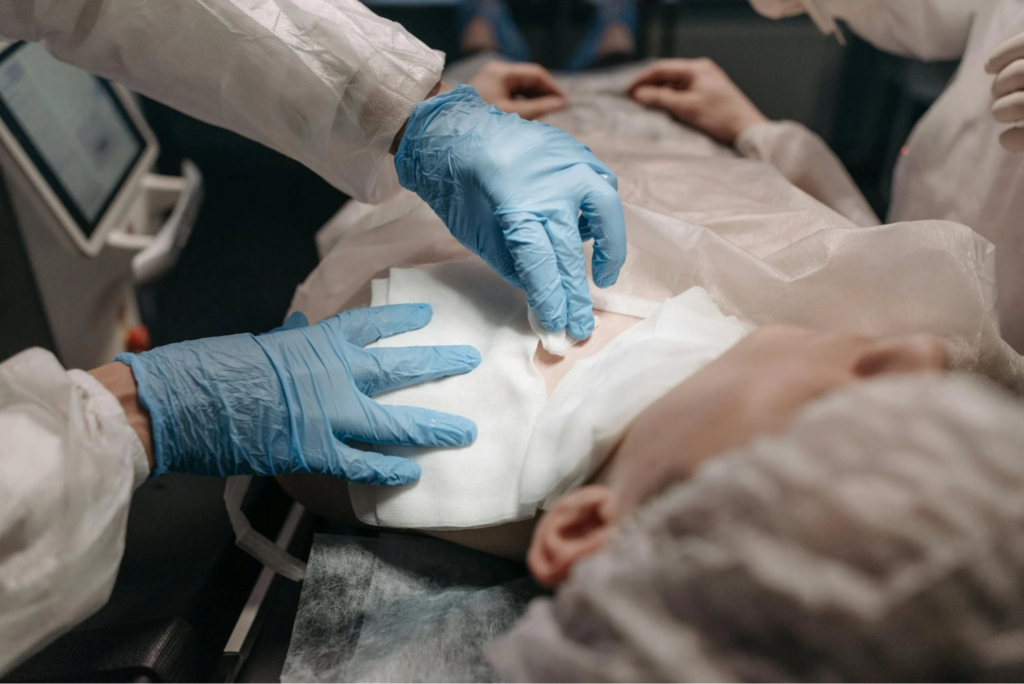
For example, combining fat grafting with a neck lift may increase the cost but can lead to more comprehensive and longer-lasting results. Some patients may also opt for adjunct treatments like skin resurfacing or eyelid surgery to enhance the overall outcome. During the consultation, Dr. Azizzadeh explains these options and helps prioritize based on your goals and budget.
Is There an Ideal Age?
While most male patients fall between 40 and 70 years old, age isn’t the only factor. Skin elasticity, overall health, and specific aesthetic goals matter more than the number on your ID.
For younger men experiencing early signs of aging or weight loss-related skin changes, a neck lift can still be a beneficial option. Older men in good health with realistic expectations may also achieve excellent outcomes. The focus should always be on how the neck and jawline look and feel, not just the patient's age.
If sagging skin or muscle laxity makes you look older than you feel, it could be the right time to consider surgery. Whether or not you pursue a neck lift, Dr. Azizzadeh helps each patient identify realistic, age-appropriate solutions.
Related: What Can a Neck Lift Do for Me?
Is a Male Neck Lift Right for You?
The decision to undergo a neck lift is personal, but the benefits can be significant. For men who want to avoid synthetic fillers or are concerned about how they’ll look or feel over time, fat grafting offers a natural alternative. It uses your body’s own fat to restore lost volume and soften deep folds—often working well alongside neck lift surgery to create smoother, more balanced results.
During your consultation, you’ll receive a personalized evaluation and honest feedback about whether a neck lift—or a combination of neck lifts and non-surgical treatments—aligns best with your goals.
If you’re ready to explore facial rejuvenation options, contact our Beverly Hills practice to schedule a consultation. Whether you’re considering fat grafting, a neck lift, or both, we’re here to help you look and feel your best.
Conclusion
Neck lift surgery for men offers a safe, long-lasting way to restore a youthful jawline, eliminate sagging, and improve overall confidence. With the guidance of an expert surgeon like Dr. Azizzadeh, you’ll receive a customized plan based on your needs and anatomy.
Whether you’re just beginning to notice signs of aging or looking to enhance previous treatments, a consultation can help you make the most informed decision.
Schedule a Male Neck Lift Surgery Treatment Consultation with Dr. Azizzadeh
Dr. Azizzadeh is available to meet with men to discuss neck lift surgery and other facial rejuvenation treatment options. To learn more or to schedule a consultation with Dr. Azizzadeh, please contact us online or call us today at 310-657-2203.
How Popular Is Rhinoplasty, and What Is the Average Cost of Nose Surgery?
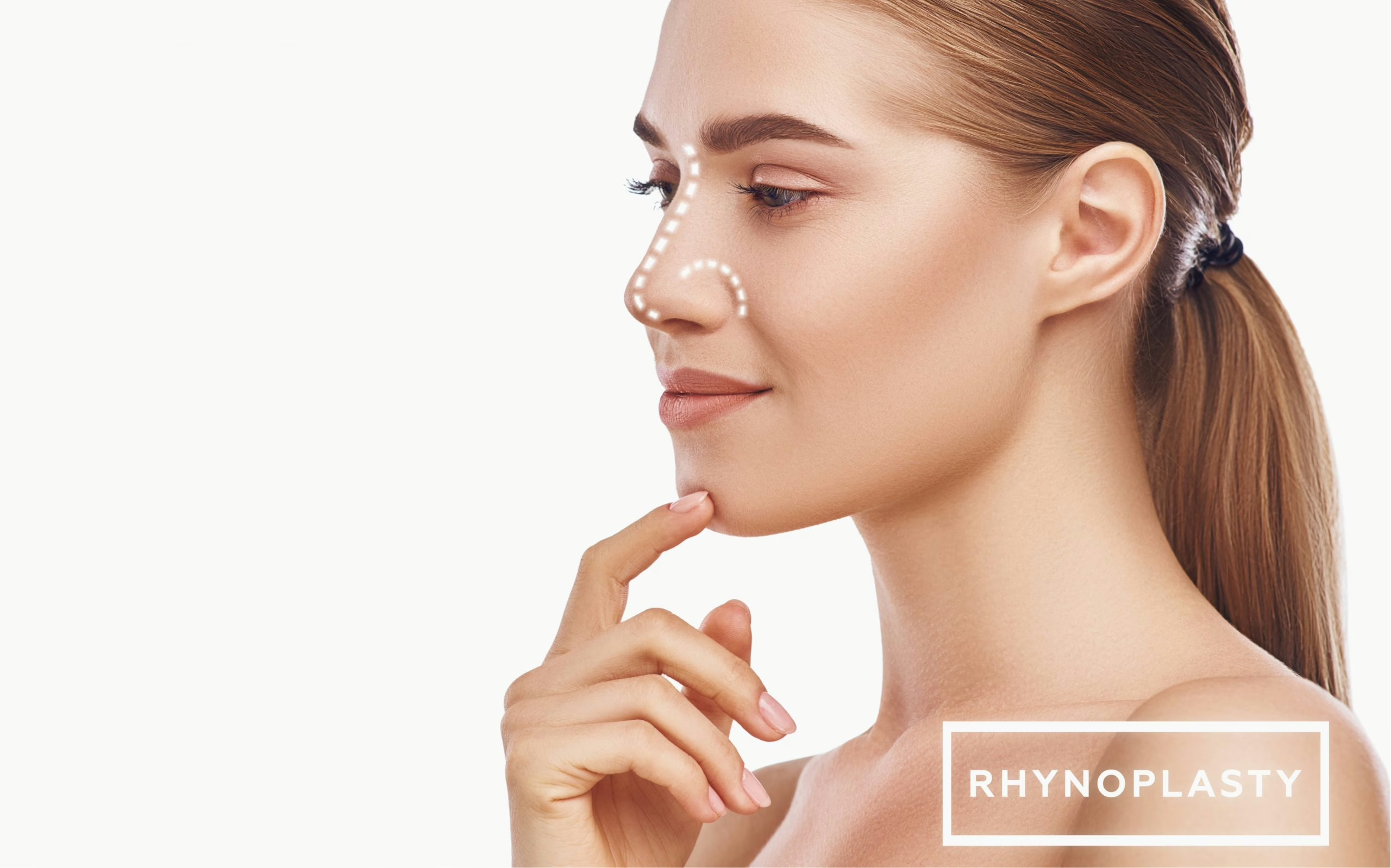
Rhinoplasty surgery is one of the most-popular cosmetic procedures in the United States, but the average cost of treatment varies. To understand nose surgery's popularity and cost, let's examine some of the key questions surrounding the procedure.
How Frequently Is Rhinoplasty Surgery Performed in the United States?
In total, 213,780 rhinoplasty surgeries were performed in the United States in 2018, according to the American Society of Plastic Surgeons (ASPS). Among these procedures, 161,120 were performed on women.
In terms of all cosmetic surgical procedures performed in the United States in 2018, rhinoplasty ranked third behind breast augmentation and liposuction, ASPS reported. Meanwhile, ASPS stated rhinoplasty ranked first in terms of the most-popular cosmetic surgical procedures for men in 2018.
Why Is Rhinoplasty Surgery Popular?
Rhinoplasty helps men and women reshape or resize the nose, enhance the facial appearance, and correct nasal asymmetry. It also allows individuals to treat various nasal deformities, such as:
- Nasal bridge that is too high or too low
- Dorsal hump, i.e. hump on the nose
- Flaring or wide nostrils
- Bulbous or upturned nasal tip
- Nose that appears too wide or too narrow
- Droopy, crooked, or long nose
- Hanging columella (skin and cartilage that connect the nasal tip and nasal base)
Multiple types of rhinoplasty surgeries are available, too. These surgeries accommodate individuals of different age groups and ethnicities and allow them to achieve a natural-looking nose that complements the eyes, chin, cheeks, and other facial features.
For example, a teenage rhinoplasty can be used to correct cosmetic or structural issues of the nose. The procedure is sometimes performed on boys as early as 16 or 17 years old and girls as early as 15 or 16 years old.
Ethnic rhinoplasty is another form of nose surgery, and it accounts for the unique facial features of patients of different ethnic backgrounds. Various types of ethnic rhinoplasty surgery are available, including African American, Asian, and Middle Eastern nose surgery options.
How Much Does a Rhinoplasty Cost?
Rhinoplasty cost is an important consideration to those who are evaluating nose surgery. Yet, the cost of nose surgery differs based on a variety of factors, such as:
- Insurance
An insurance provider does not cover the cost of rhinoplasty surgery performed for cosmetic reasons. However, in instances where a rhinoplasty is deemed medically necessary, some or all of the cost of surgery can be covered by insurance.
If an individual experiences a nose injury or other trauma that causes breathing difficulties, rhinoplasty is sometimes recommended. In these instances, an individual's insurance could provide partial or full rhinoplasty surgery coverage.
For individuals who believe they require nose surgery to correct a functional issue of the nose, it is crucial to reach out to their insurance provider before undergoing a rhinoplasty. This allows individuals to review their insurance plan and find out if their insurance provider can offset even a portion of the cost of rhinoplasty surgery.
- Anesthesia Fees
Typically, rhinoplasty surgery is performed under general anesthesia that helps a patient limit pain during the procedure. Anesthesia fees can depend on the amount of anesthesia required before rhinoplasty surgery, and these fees are explained in detail to a patient prior to a rhinoplasty.
- Surgical Facility Costs
Where a rhinoplasty surgery is performed can impact the cost of treatment. For example, a rhinoplasty procedure performed at a high-end facility is likely to cost more than a surgery completed at a lesser known facility.
- Medical Tests
Certain medical tests are sometimes required before a patient can undergo a rhinoplasty procedure. For instance, blood tests are commonly used to ensure a patient is healthy enough to undergo a rhinoplasty.
- Surgery Complexity
Rhinoplasty surgery requires immense skill and expertise to complete, and the time it takes to perform the procedure depends on the patient and the severity of this individual's nose issues. Thus, the cost of rhinoplasty surgery tends to be higher in instances where significant time is required to complete the procedure.
- Post-Surgery Medications
Patients can be prescribed medications after a rhinoplasty procedure. These medications can help patients reduce pain in the initial days after rhinoplasty surgery.
- Rhinoplasty Surgeon
The best rhinoplasty surgeons tend to be in high demand among patients. At the same time, these surgeons can be more expensive to hire than other surgeons.
Is There a Way to Reduce the Cost of Rhinoplasty Surgery?
Rhinoplasty surgery financing is sometimes available, and it allows patients to submit monthly payments to cover the cost of treatment. In certain instances, financing ensures patients won't have to worry about any upfront costs with rhinoplasty surgery, either.
At the CENTER for Advanced Facial Plastic Surgery, CareCredit financing is available that makes rhinoplasty surgery or other facial plastic and reconstructive procedures more accessible than ever before. CareCredit allows patients to finance a portion of the cost of a surgical procedure or the entire procedure. Plus, CareCredit does not involve any upfront costs, application fees, or pre-payment penalties.
Do All Patients Qualify for Rhinoplasty Surgery Financing?
Patients are required to submit a CareCredit application to determine if they are eligible for financing. Fortunately, the CENTER guides patients through this process and is happy to respond to any concerns or questions along the way. In doing so, the CENTER makes it simple to determine if a patient can receive financing for rhinoplasty surgery performed by Dr. Babak Azizzadeh, a globally recognized facial plastic and reconstructive surgeon.
How Much Does It Cost to Hire Dr. Azizzadeh to Perform Rhinoplasty Surgery?
Dr. Azizzadeh is a world-renowned facial plastic and reconstructive surgeon who is frequently sought after to perform nose jobs. But Dr. Azizzadeh strives to make rhinoplasty surgery affordable to all patients. To do so, Dr. Azizzadeh offers CareCredit, and he only recommends rhinoplasty if he believes the procedure can help a patient achieve a natural-looking and functional nose.
How Does Dr. Azizzadeh Determine If a Patient Should Undergo Rhinoplasty Surgery?
Dr. Azizzadeh offers a rhinoplasty surgery treatment consultation to individuals who are considering a nose job. During the consultation, Dr. Azizzadeh evaluates a patient's nose in relation to other facial features, as well as reviews this individual's medical history. In addition, Dr. Azizzadeh finds out why a patient is considering a nose job.
If Dr. Azizzadeh believes a patient can benefit from a nose surgery, he crafts a rhinoplasty treatment plan. Dr. Azizzadeh then explains rhinoplasty cost and outlines other aspects of treatment.
Comparatively, if Dr. Azizzadeh believes the risks associated with a nose job are too significant, he offers alternative treatment options. In some instances, Dr. Azizzadeh recommends non-surgical treatments that won't require patients to go under the knife to revitalize their facial appearance.
Why Do Patients Select Dr. Azizzadeh for Rhinoplasty Surgery?
When it comes to rhinoplasty surgery, it is vital to select a facial plastic and reconstructive surgeon who does everything possible to deliver the best results. Although rhinoplasty cost is an important consideration, patients must look beyond the cost of treatment. Because if a patient prioritizes rhinoplasty cost over quality of treatment, this individual risks long-term problems.
For example, a poor rhinoplasty procedure can make it difficult for a patient to achieve a harmonious facial appearance in which the nose complements all other facial features. This procedure can also cause a patient to experience functional issues of the nose. It can even lead a patient to pursue a revision rhinoplasty to correct the results of an initial nose job.
Dr. Azizzadeh is committed to providing his patients with affordable, quality nose jobs. He understands the importance of a natural-looking and functional nose and devotes time and energy to produce a custom treatment plan for each rhinoplasty patient. Dr. Azizzadeh also works with a rhinoplasty patient to help this individual manage the cost of treatment. He ensures a patient gets the most value out of rhinoplasty surgery and can enjoy the benefits of a nose job for years to come.
Schedule a Nose Job Treatment Consultation with Dr. Azizzadeh Today
A rhinoplasty is a surgical procedure unlike any other, and it is critical to work with a surgeon who understands the complexities of treatment. With Dr. Azizzadeh at a patient's side, an individual can receive comprehensive support throughout all stages of rhinoplasty surgery. Dr. Azizzadeh also does whatever he can to help patients successfully undergo rhinoplasty surgery without breaking their budgets. As a result, Dr. Azizzadeh is a top choice for rhinoplasty surgery in Los Angeles.
Dr. Azizzadeh is available to discuss rhinoplasty surgery. To learn more or to schedule a consultation with Dr. Azizzadeh, please contact us online or call us today at 310-657-2203.

How a Fat Transfer Can Help You Look Younger
A fat transfer to face procedure can be used to move fat from the abdomen, flanks, hips, and other parts of the body to the face. In doing so, facial fat grafting restores facial fullness and volume and produces a vibrant, youthful facial appearance.
A Closer Look at the History of the Fat Transfer to Face Process
Fat transfer to face treatment is based on a process that dates back to 1893, when German surgeon Gustav Neuber transplanted adipose tissue from his arm to the lower portion of his eye orbit. With the treatment, Neubar reduced the appearance of scarring in the lower eye.
Following Neubar, surgeon Eugene Holländer in 1910 defined fat grafting by injection as a regenerative procedure. In 1912, Holländer published photographs of fat grafting by injection.
German surgeon Erich Lexer published a two-volume book in 1919 that described fat grafting to the breast. The book included 300 pages dedicated to fat grafting.
In 1926, surgeon Charles Conrad Miller explored the use of fat grafts to treat the face and neck. Miller described 36 instances in which fat grafting was used on the face and neck.
Fat grafting evolved throughout the 20th century, and fat harvesting and transplantation techniques became more advanced over the years. Now, the fat transfer to face process is used to transfer fat from different body parts to improve the facial appearance.
What Areas of the Face Can Fat Grafting Address?
Fat grafting is a terrific treatment to address visible signs of aging in different areas of the face, including:
- Cheeks
Sunken cheeks are among the most-common signs of aging in the face — and they are among the most noticeable. The cheeks often start to sag and droop due to the natural aging process. Fortunately, with facial fat grafting, an individual can correct sunken cheeks and make them appear more plump and youthful.
- Temples
Like sunken cheeks, hollowing of the temples is common as a result of the natural aging process. As the skin loses elasticity in the temples, facial skin sags, and the temples can appear hollow. By undergoing a fat grafting treatment, an individual can restore skin volume in the face and soften the appearance of hollow temples.
- Under the Eyes
A hollowed-out look under the eyes can make men and women appear older than their actual age. Facial fat grafting can be used to inject fat into the area under the eyes. That way, fat grafting helps a person correct dark circles, thin-looking skin, and other signs of aging in the under-eye area.
- Jawline
"Jowls," i.e. sagging skin that forms below the jawline, appear when the skin becomes thinner and less elastic as a person ages. In some cases, jowls can even become prevalent at a young age due to genetics. Regardless of why a person experiences jowls, facial fat grafting can tighten the skin below the jawline and reduce the appearance of jowls.
In addition, facial fat grafting addresses various signs of aging in the face, including:
- Thin lips
- Facial scarring
- Forehead lines
- Tear troughs
- "Marionette" lines that form around the mouth
Thanks to facial fat grafting, an individual can quickly and safely rejuvenate the facial appearance. Yet, in order to undergo a fat transfer to face procedure, an individual must first qualify for treatment.
Who Is a Candidate for a Fat Transfer to Face Procedure?
At the CENTER for Advanced Facial Plastic Surgery, Dr. Babak Azizzadeh requests a consultation with any individual who is considering a fat grafting procedure. Dr. Azizzadeh is globally recognized for his expertise in facial plastic and reconstructive surgery and head and neck surgery, and he only recommends a fat transfer to face procedure if he believes the treatment can be beneficial to a patient. With a consultation, Dr. Azizzadeh can learn about a patient and determine if a fat grafting treatment is the best choice based on the individual's facial rejuvenation goals.
When Dr. Azizzadeh meets with a facial fat grafting candidate, he wants to make the consultation experience as comfortable as possible. To do so, Dr. Azizzadeh learns about a patient and finds out if there are any medical conditions that could preclude this individual from undergoing facial fat grafting. Dr. Azizzadeh also takes time to understand why a patient is considering facial fat grafting, as well as analyzes this individual's facial appearance.
Once Dr. Azizzadeh performs his patient evaluation, he offers a personalized treatment recommendation. In some instances, Dr. Azizzadeh recommends a fat transfer to face procedure tailored to the patient. Or, if Dr. Azizzadeh believes there are too many risks associated with facial fat grafting, he can recommend dermal fillers or other non-surgical alternatives.
Is There a Fat Grafting Weight Requirement?
There is no weight requirement for facial fat grafting. If a patient has sufficient fat to harvest and graft, this individual can qualify for a fat transfer to face procedure.
Is a Fat Transfer to Face Procedure Expensive?
The cost of a fat transfer to face treatment is based on the surgeon performing the procedure, anesthesia fees, and other factors. Dr. Azizzadeh explains the cost of facial fat grafting before treatment. He is also happy to respond to a patient's concerns or questions regarding any facial fat grafting costs.
What Happens During a Fat Transfer to Face Procedure?
With facial fat grafting, fat is harvested from a patient. Then, the fat is cleansed, concentrated, and injected into the patient's face.
A patient is often given local anesthetic before a facial fat grafting procedure is performed; local anesthetic reduces pain during facial fat grafting. Meanwhile, the process of facial fat grafting consists of the following stages:
- Removal of Fat from the Patient: A small incision is made into the patient's neck skin, and fat is removed. The incision is then closed with stitches, and dressing is placed over the incision.
- Preparation of Fat for Transfer to the Face: The patient's fat is separated from blood and other fluids.
- Injection of Fat into the Face: The patient's fat is injected into the face via needle and syringe. Since each facial fat grafting treatment is customized to the patient, the amount of fat injected into the face and where in the face the fat is injected varies based on the individual.
A typical fat transfer to face procedure requires anywhere from one to five hours to complete. Sometimes, the procedure is completed in combination with other facial rejuvenation treatments as well.
What Happens During Facial Fat Grafting Recovery?
Patients should plan on having someone else drive them home after a facial fat grafting procedure. Some patients experience swelling and soreness immediately after facial fat grafting. In certain instances, the face reabsorbs some of most of a fat injection. Rarely, patients experience blood clotting at the treatment site, infection, or a fat embolism or scar tissue during facial fat grafting recovery.
Most patients experience swelling and bruising that lasts for about one week after facial fat grafting treatment. They can usually return to work as soon as these symptoms subside, too.
Dr. Azizzadeh prepares a patient for the recovery period from a facial fat grafting procedure. He offers tips and recommendations to help his patient streamline the fat grafting recovery cycle and minimize the risk of complications.
Is Facial Fat Grafting the Right Choice?
The results of fat grafting vary, but to date, fat transfer to face procedures have helped many men and women correct visible signs of aging in the face and bolster their facial appearance. Thus, for an individual who wants is pursuing facial rejuvenation treatment options to achieve a youthful facial appearance, it can be beneficial to consider facial fat grafting.
Of course, the results of fat grafting or any other facial rejuvenation treatment are generally dictated by the surgeon who completes the procedure. By working with a facial plastic and reconstructive surgery expert like Dr. Azizzadeh, an individual can boost the likelihood of achieving the best-possible fat grafting treatment results.
Dr. Azizzadeh devotes significant time and energy to each of his facial fat grafting patients. He wants a fat transfer to face procedure to deliver exceptional results, so he learns about a patient and prepares accordingly. Once Dr. Azizzadeh executes a facial fat grafting plan, he monitors his patient's progress to ensure this individual can enjoy the full benefits of treatment.
Schedule a Fat Transfer to Face Treatment Consultation with Dr. Azizzadeh
To find out more about facial fat grafting or to schedule a consultation with Dr. Azizzadeh, please contact us online or call us today at 310-657-2203.
What Breathing Problems Can a Nose Job Fix?
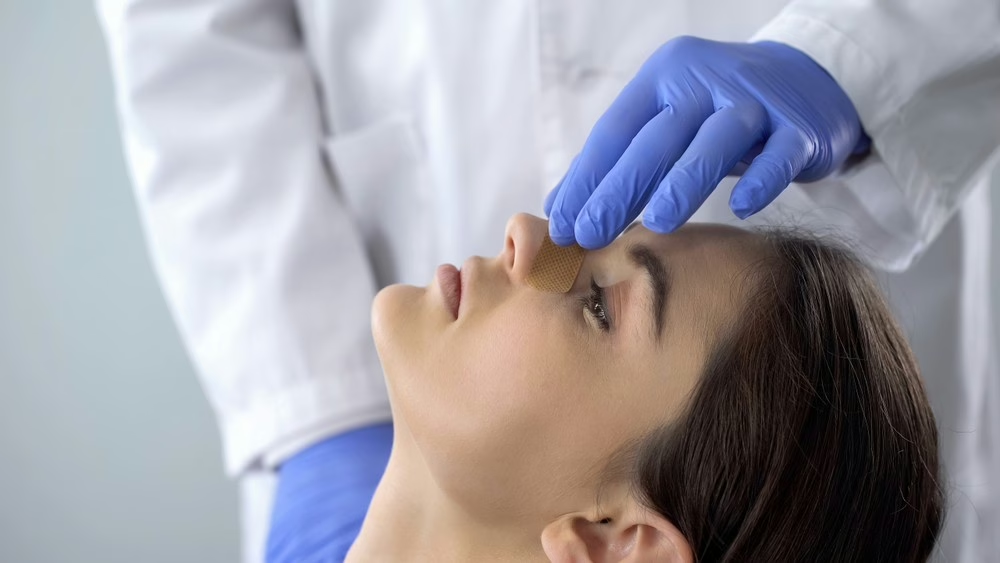
Rhinoplasty for breathing problems and asymmetry is available to individuals of all ages. In fact, nose surgery can be used to treat a wide range of functional issues of the nose that make it difficult to breathe, including:
- Swollen or Enlarged Turbinates
The turbinates are small, bony plates located inside the nose. In some instances, allergies irritate the turbinates, which leads to swelling and enlargement. People can also experience turbinate swelling and enlargement due to prolonged use of nasal decongestant sprays.
Ultimately, swollen or enlarged turbinates can hamper a person's ability to breathe through the nose. They are often treated with a steroid nasal spray that can help reduce swelling. However, if turbinates remain swollen or enlarged for an extended period of time, rhinoplasty surgery is sometimes required.
- Middle Vault Narrowing or Collapse
The middle vault refers to the space between the nasal tip and nasal bones. It helps dictate an individual's nasal profile, along with nasal tip projection and rotation.
Middle vault weakness can lead to narrowing or collapse when a person breathes deeply through the nose. Typically, an individual can wear adhesive strips on the nose that help reduce the risk of middle vault narrowing or collapse. Yet, in instances where adhesive strips are ineffective, rhinoplasty may be necessary to correct narrowing or collapse of the middle vault.
- Deviated Septum
The septum divides the left and right nostrils. In the event that an individual experiences a deviated septum, one side of the nose is blocked, which reduces airflow through the nose. A deviated septum can also result in a nasal blockage or congestion.
Oftentimes, a nasal obstruction caused by a deviated septum can be treated with medication that helps open an individual's nasal passages. But, if medication does not deliver the desired results, a septoplasty can be performed.
Septoplasty is sometimes mistaken for rhinoplasty surgery, but there are notable differences between the two nose procedures. Whereas a septoplasty involves straightening and repositioning of the septum, a rhinoplasty involves reshaping or resizing the nose. In an instance where an individual experiences an injury that leads to a deviated septum and other nose trauma, he or she could require a rhinoplasty.
- Nasal Polyp
A nasal polyp is a non-cancerous growth that forms inside the nose. Most nasal polyps are small and do not cause any physical symptoms. But multiple nasal polyps or a large nasal polyp can block an individual's nasal passages — and can make it tough to breathe through the nose.
Nasal polyps are commonly treated with medications and nasal sprays that help reduce their size. Conversely, with a rhinoplasty, a nasal polyp can be permanently removed from a patient's nose.
Will a Rhinoplasty Correct All Types of Breathing Problems?
A nose job is one of many treatment options to address breathing problems related to the nose. Although a rhinoplasty is beneficial for many individuals coping with breathing problems, it is not a surefire solution to all breathing issues, at all times. Fortunately, with proper diagnosis of a breathing problem, an individual can explore different treatment options.
To determine the best course of action to cope with a breathing issue, an individual should first consult with a doctor. Initial treatment could include medications or nasal sprays, depending on the issue causing the breathing problem and its severity. Or, in certain instances, surgery can be the best choice to correct a breathing issue.
At the CENTER for Advanced Facial Plastic Surgery in Beverly Hills, Dr. Babak Azizzadeh performs nose jobs designed to help patients enhance their facial appearance and treat functional issues of the nose. Dr. Azizzadeh is world-renowned for his rhinoplasty surgery expertise, and he can help patients identify the root cause of a breathing issue that hinders their ability to breathe through the nose.
Dr. Azizzadeh sometimes recommends a rhinoplasty or septoplasty to help an individual treat a breathing issue. But before Dr. Azizzadeh makes a nose job treatment recommendation, he performs a comprehensive patient evaluation. This enables Dr. Azizzadeh to learn about a patient and determine if this individual is a good candidate for nose surgery.
What to Expect During a Nose Job Treatment Consultation
A nose job treatment consultation is a learning experience for both Dr. Azizzadeh and his patient. At this time, Dr. Azizzadeh asks a patient questions about the nose and any breathing problems. He also reviews a patient's medical history and examines the nose in relation to the cheeks, chin, eyes, and other facial features.
If Dr. Azizzadeh believes a nose job can be safely performed, he crafts a custom treatment plan. Dr. Azizzadeh outlines all stages of treatment to the patient and provides this individual with details about surgery downtime and recovery. In addition, Dr. Azizzadeh encourages the patient to ask questions and address any surgery concerns or questions. This enables a patient to learn about the rhinoplasty surgery process and make an informed decision regarding treatment.
If a patient pursues rhinoplasty surgery to treat a breathing issue, Dr. Azizzadeh offers in-depth instructions to help this individual prepare for treatment. Dr. Azizzadeh sometimes recommends a patient stop taking certain medications in the days leading up to a nose job procedure. He also provides tips to ensure a patient is prepared for the day of nose surgery.
What to Expect During a Nose Job Procedure
The day of a nose job procedure can be stressful, but Dr. Azizzadeh takes steps to help a patient prepare accordingly. In doing so, Dr. Azizzadeh ensures his patient is well-equipped for rhinoplasty surgery and can streamline the recovery process.
A rhinoplasty surgery usually requires up to three hours to complete, and the length of time necessary for the procedure varies based on the patient. Dr. Azizzadeh uses an open or closed surgical technique for a nose job. With an open rhinoplasty, Dr. Azizzadeh makes an incision inside a patient's nostrils and across the tissue between the nostrils. And with a closed rhinoplasty, the surgical incision is made exclusively inside the nose.
Deciding between an open and closed rhinoplasty is done before a nose job is completed. Dr. Azizzadeh considers the severity of a patient's nose issues and other factors to determine if an open or closed nose job is the ideal surgery option. Once Dr. Azizzadeh makes his decision, he develops an appropriate rhinoplasty surgery plan.
What to Expect After a Nose Job Procedure
The recovery after a rhinoplasty surgery often lasts about one to two weeks. During this period, a patient can experience bruising and swelling around the nose and eyes. In nose surgery patients who previously experienced difficulty breathing through the nose, this issue can continue in the initial days and weeks after treatment.
Dr. Azizzadeh tracks a rhinoplasty patient's progress closely in the first few days after surgery. He requests follow-up appointments at regular intervals throughout the year to ensure a rhinoplasty patient's progress continues as planned, too.
Within one to two years of a rhinoplasty, the full results of treatment become visible. At this time, a patient can breathe through the nose without difficulty, as well as enjoy a nose that appears in balance with other facial features.
If a patient experiences any breathing difficulties after rhinoplasty surgery, Dr. Azizzadeh can help. In this scenario, a patient should notify Dr. Azizzadeh about breathing problems so he can address them right away.
Why Do Patients Choose Dr. Azizzadeh for Nose Surgery?
For individuals who are considering rhinoplasty for breathing problems and asymmetry, Dr. Azizzadeh is a top choice among facial plastic and reconstructive surgeons. Rhinoplasty is complex, and it is crucial to work with an expert surgeon who does everything possible to help patients accomplish their treatment goals. With Dr. Azizzadeh at a patient's side, this individual can receive extensive assistance to treat a nasal obstruction, correct asymmetry of the nose, and address other nose issues.
Dr. Azizzadeh is Harvard-trained and has dual board certification in facial plastic and reconstructive surgery and head and neck surgery, and his unique expertise allows him to provide rhinoplasty patients with unprecedented support. First, Dr. Azizzadeh meets with a patient who is considering rhinoplasty surgery and evaluates this individual's nose and facial appearance. Dr. Azizzadeh next crafts a treatment plan tailored to his patient, and this plan is designed to help the patient safely treat nose problems. Finally, Dr. Azizzadeh and his patient put a rhinoplasty treatment plan into action, and the results are monitored to ensure the patient fully recovers from surgery.
Schedule a Nose Job Treatment Consultation with Dr. Azizzadeh
Dr. Azizzadeh performs rhinoplasty for breathing problems and asymmetry, and he is happy to discuss nose surgery and determine if an individual qualifies for treatment. To learn more about nose surgery or schedule a consultation with Dr. Azizzadeh, please contact us online or call us at (310) 657-2203.

How Rhinoplasty Can Increase Your Breathing Ability
A primary rhinoplasty is a surgical procedure that is often used to reshape the nose. Yet, in some cases, rhinoplasty surgery is performed to correct structural defects of the nose that otherwise hamper an individual's ability to breathe.
Is Rhinoplasty a "Functional" Procedure?
Nose surgery can be used as a "cosmetic" procedure and a "functional" procedure, due to the fact that the nose's form and function are closely related. For example, if the nose appears too big or too small relative to the cheeks, chin, and other facial features, it can cause an asymmetrical facial appearance. Comparatively, if a person experiences a nasal obstruction, it can become exceedingly difficult to breathe through the nose. But in either of these instances, rhinoplasty surgery allows a person to reshape the nose and address functional issues of the nose at the same time.
A nose job can be performed to correct cosmetic issues like a bulbous nose tip, wide or flaring nostrils, or an upturned nose. In addition, nose surgery can be used to treat a variety of medical conditions that can make it difficult for a person to breathe through the nose, such as:
- Deviated Septum
The septum refers to the cartilage that separates the right and left sides of the nose. Typically, the septum has a slight bend; but when a person's septum becomes deviated, one nasal passage becomes larger than the other.
If an individual experiences a deviated septum, it is crucial to meet with Dr. Babak Azizzadeh, a globally recognized facial plastic and reconstructive surgeon. Dr. Azizzadeh is dual board-certified in head and neck surgery and facial plastic and reconstructive surgery, and he sometimes recommends a rhinoplasty or septoplasty procedure to treat a deviated septum.
Whereas rhinoplasty surgery involves resizing or reshaping the nose, a septoplasty requires straightening and repositioning of the nose. During a septoplasty surgery, cutting and removing parts of the nasal septum is sometimes required before they are reinserted into the proper position.
To determine if a patient qualifies for rhinoplasty or septoplasty surgery, Dr. Azizzadeh conducts a full evaluation. He then offers a personalized rhinoplasty or septoplasty treatment plan, so a patient can receive the right procedure to improve breathing through the nose.
- Swollen Turbinates
Turbinates are shell-shaped bones, tissue, and vessels in the nasal passageways. They filter, humidify, and warm the air that a person breathes but can sometimes swell due to allergies or their position in the nose. If an individual experiences chronic swelling of the turbinates, surgery can be used to address this issue.
A patient dealing with swollen turbinates can undergo turbinate surgery to reduce the size of the turbinates. The procedure can also be performed in combination with rhinoplasty surgery to ensure a patient can enhance breathing through the nose and achieve a balanced, natural-looking facial appearance.
In the event that a patient requires turbinate surgery and a nose job, Dr. Azizzadeh meets with this individual to discuss both procedures. Dr. Azizzadeh only recommends a surgical procedure if he believes it can be completed safely and help a patient accomplish the desired results. Thus, if Dr. Azizzadeh plans to perform turbinate surgery and a rhinoplasty simultaneously, he allocates significant time and resources to prepare a patient accordingly. This allows a patient to prepare for all aspects of both surgeries and establish realistic treatment expectations.
- Collapse or Narrowing of the Middle Vault
If the middle vault of the nose falls inward during deep inhalation, an individual could be dealing with middle vault narrowing or collapse. In this instance, various treatment options can be explored to correct the problem.
Generally, adhesive strips can be worn on the nose to help keep the nasal passages open. Adhesive strips limit the risk of collapse or narrowing of the middle vault when an individual takes a deep breath through the nose.
On the other hand, rhinoplasty surgery has been shown to prevent middle vault collapse. In a study published in Plastic and Reconstructive Surgery of 50 rhinoplasty patients, researchers found that 82 percent of patients were breathing "very well" approximately 6.5 years after surgery, and only 5 percent of patients reported respiratory problems. They also concluded that the combination of working with a surgeon who uses proper surgical techniques and has a good understanding of nasal physiology can help lower the risk of middle vault collapse following rhinoplasty surgery.
Do You Need Rhinoplasty Surgery to Improve Your Breathing?
Rhinoplasty surgery is often beneficial for patients, including those who are dealing with nasal defects that negatively impact their ability to breathe through the nose. But it is important to note that rhinoplasty surgery is not right for every individual.
For example, a child's facial growth is incomplete, and kids sometimes do not qualify for rhinoplasty surgery. Or, if an individual smokes or is dealing with certain medical conditions, the potential risks associated with a nose job can outweigh the potential rewards of treatment.
Before a rhinoplasty surgery is performed, Dr. Azizzadeh requests a patient consultation. At this time, Dr. Azizzadeh learns about a patient and reviews this individual's medical history. Dr. Azizzadeh also evaluates a patient's facial appearance and finds out why this individual is considering rhinoplasty surgery.
If Dr. Azizzadeh discovers a patient is a good candidate for a rhinoplasty, he crafts a personalized treatment plan for this individual. In instances where rhinoplasty surgery is deemed too risky for a patient, Dr. Azizzadeh offers alternative treatment options.
Regardless of whether a patient is a candidate for rhinoplasty surgery or other facial plastic surgeries, Dr. Azizzadeh wants this individual to achieve long-lasting treatment results. Dr. Azizzadeh will not recommend a rhinoplasty or any other surgery if he believes the procedure puts a patient's health in danger. Instead, Dr. Azizzadeh works diligently to safely and effectively address cosmetic and breathing problems of the nose. As a result, Dr. Azizzadeh can help a patient achieve a functional nose that complements other facial features.
Can You Breathe After Rhinoplasty Surgery?
Initially, breathing through the nose can be difficult after rhinoplasty surgery. The nose can be stuffy following a nose job, and patients often experience swelling and bruising of the nose during this period. These symptoms are only temporary, and they often disappear on their own within a few weeks of nose surgery.
Dr. Azizzadeh offers comprehensive instructions to help his patients prepare for rhinoplasty surgery treatment and recovery. He helps a patient get ready for the day of nose surgery and ensure this individual knows what to expect during a rhinoplasty procedure. After a rhinoplasty is performed, Dr. Azizzadeh provides recommendations to help his patient minimize post-surgery pain.
As a patient's recovery from a rhinoplasty progresses, Dr. Azizzadeh requests follow-up appointments at regular intervals. Follow-up appointments allow Dr. Azizzadeh to analyze a patient's facial appearance and ensure rhinoplasty surgery recovery stays on track. The appointments also enable a patient to ask questions and address any post-rhinoplasty surgery concerns with Dr. Azizzadeh.
Of course, if a patient has concerns or questions at any point during rhinoplasty recovery, Dr. Azizzadeh is available to respond to them. Dr. Azizzadeh prioritizes patient education, and he wants rhinoplasty patients to come to him with their concerns or questions. If an individual is concerned about the results of rhinoplasty surgery or experiences breathing problems during recovery, this individual should contact Dr. Azizzadeh for immediate support.
The full results of a rhinoplasty surgery usually become transparent within two years of surgery. At this time, an individual can enjoy a functional nose that appears in proportion with the facial features.
Why Should You Choose Dr. Azizzadeh for Rhinoplasty Surgery?
Dr. Azizzadeh is a Harvard-trained facial plastic and reconstructive surgeon with many years of rhinoplasty surgery experience. He has helped rhinoplasty patients correct defects of the nose that hinder their ability to breathe, as well as ensures his patients can undergo nose surgery to improve their facial appearance. Plus, Dr. Azizzadeh develops a personalized treatment plan for each rhinoplasty patient, and he works closely with the patient to deliver the best-possible nose surgery results.
For individuals who are dealing with cosmetic or breathing problems of the nose, the CENTER for Advanced Facial Plastic Surgery is happy to treat these issues. By meeting with Dr. Azizzadeh, an individual can learn about nose surgery and find out if it can be used to address cosmetic or functional problems. To schedule a rhinoplasty surgery treatment consultation with Dr. Azizzadeh, please contact us online or call us today at 310-657-2203.
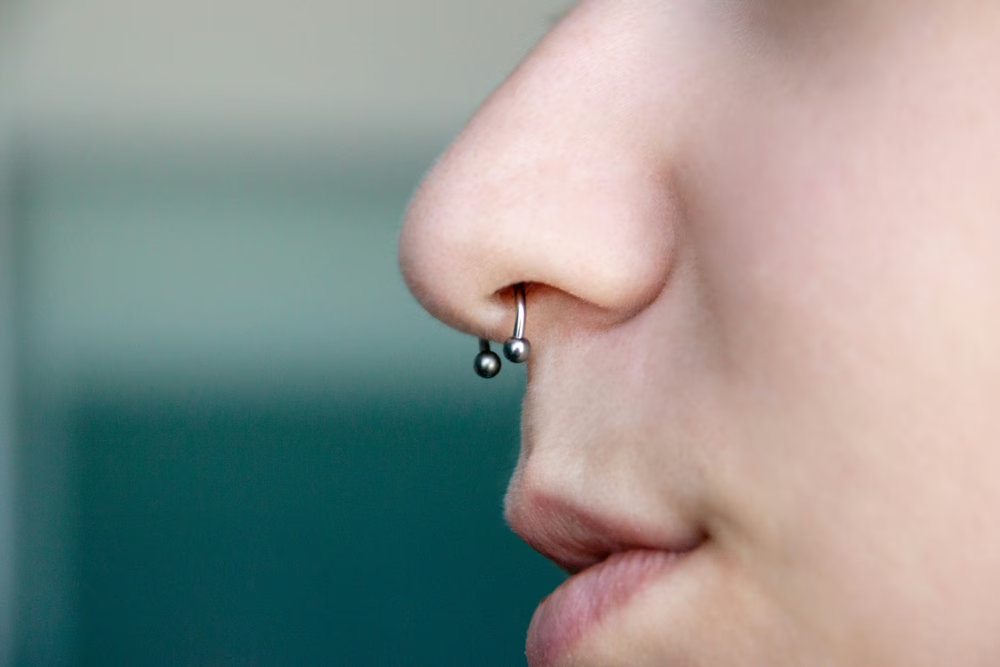
Can You Get Rhinoplasty Surgery If You Have a Nose or Septum Piercing?
A nose or septum piercing does not impact a person's ability to reshape or resize the nose or address structural defects of the nose via rhinoplasty surgery. However, if an individual with a nose or septum piercing plans to undergo nose surgery, it is important to consult with an expert facial plastic and reconstructive surgeon like Dr. Babak Azizzadeh of the CENTER for Advanced Facial Plastic Surgery. That way, this individual can work with a top facial plastic and reconstructive surgeon to take the necessary precautions to minimize the risk of nose surgery complications.
How Is a Rhinoplasty with a Nose Piercing Performed?
At the CENTER, Dr. Azizzadeh, a globally recognized facial plastic and reconstructive surgeon, performs a full assessment before he completes a rhinoplasty procedure. The assessment allows Dr. Azizzadeh to learn about a patient, study this individual's facial features, and offer a personalized treatment recommendation. Meanwhile, for a patient who has a nose or septum piercing, Dr. Azizzadeh offers extensive details about how this individual can prepare for surgery.
Typically, a nose piercing or septum hole does not present any issues that puts a rhinoplasty patient in danger. But in the event that Dr. Azizzadeh believes a rhinoplasty surgery is unsafe or will not deliver the intended results for a patient, he offers various treatment alternatives.
When it comes to a rhinoplasty for a patient with a nose or septum piercing, Dr. Azizzadeh performs either an open or closed procedure. With an open rhinoplasty, Dr. Azizzadeh treats a patient's nasal tip and the middle portion of the nose. He uses a small bridging incision to link the left and right nostrils, then folds the nasal skin upward to access the patient's lower nasal skeleton. Comparatively, with a closed rhinoplasty, Dr. Azizzadeh makes incisions inside of a patient's nostrils. This means the incisions are virtually invisible, since they are hidden inside of the patient's nose.
Dr. Azizzadeh usually recommends an open rhinoplasty in instances where he needs to access underlying bone and cartilage in a patient's nose. On the other hand, Dr. Azizzadeh recommends a closed rhinoplasty for patients who require nasal bridge modifications.
Open or closed nose surgery will not affect the results of a rhinoplasty performed on a patient with a nose or septum piercing. Yet, in some cases, the piercing hole can shift during rhinoplasty surgery. If this occurs, the patient can have the nose or septum pierced once again after the nose surgery recovery process is complete.
Does a Patient Need to Remove a Piercing During Rhinoplasty Surgery?
Dr. Azizzadeh recommends a patient remove any nose or septum piercings before a rhinoplasty is performed. If a piercing is left in place, it can pose serious risks to a patient. As such, Dr. Azizzadeh will not perform a rhinoplasty surgery on a patient if a piercing is kept in the nose or septum.
Can a Patient with a Nose or Septum Piercing Undergo a Rhinoplasty in Conjunction with Other Facial Plastic Surgeries?
A nose or septum piercing usually has no effect on a person's ability to undergo a rhinoplasty in combination with other facial plastic surgeries. Depending on the facial plastic surgery performed in conjunction with a rhinoplasty, an individual may be required to remove piercings from different parts of the body.
For example, a brow lift is sometimes recommended in combination with a rhinoplasty to revitalize a patient's facial appearance. If a patient has an eyebrow piercing, the piercing will need to be removed before brow lift surgery.
In cases where a nose surgery is recommended in conjunction with one or more facial plastic surgeries, Dr. Azizzadeh tells a patient if any piercings must be removed prior to treatment. Dr. Azizzadeh teaches his patients about all aspects of different facial plastic surgeries, and he ensures these individuals know what to expect during treatment. This enables patients to determine if a nose surgery or any other facial plastic surgeries can help them accomplish their facial rejuvenation goals.
Is It Difficult to Breathe Through the Nose After Rhinoplasty Surgery?
Some patients with a nose or septum piercing experience difficulty breathing through the nose after a rhinoplasty surgery. There is no way to eliminate the risk of trouble breathing after rhinoplasty surgery, but Dr. Azizzadeh does everything possible to limit this danger.
Dr. Azizzadeh is Harvard-trained and possesses comprehensive expertise in facial plastic and reconstructive surgery and head and neck surgery. He uses his expertise to provide each rhinoplasty patient with a custom surgery plan that minimizes risk.
Also, Dr. Azizzadeh works closely with a rhinoplasty patient throughout treatment. He dedicates significant time and resources to perform a safe, effective rhinoplasty procedure and monitors his patient's progress in the days, weeks, and months following surgery. This enables Dr. Azizzadeh to quickly identify and address difficulty breathing or any other nose job complications throughout treatment.
If a rhinoplasty patient experiences difficulty breathing or other complications, notify Dr. Azizzadeh immediately. In this scenario, Dr. Azizzadeh can provide support to correct any complications.
When Can a Piercing Be Put Back into the Nose or Septum After Rhinoplasty Surgery?
The nose must be fully healed before a patient can put a piercing back into the nose or septum. A patient often experiences swelling after nose surgery and requires a nose bandage or cast for at least one to two weeks. Once the swelling subsides, an individual can put a piercing back into the nose or septum.
Ultimately, it is always better to err on the side of caution throughout nose job recovery, particularly for patients who are concerned about a nose or septum piercing with rhinoplasty. Before a patient starts wearing a nose or septum piercing after treatment, this individual should consult with Dr. Azizzadeh. In doing so, the patient can ensure the nose is healed and won't risk an infection if a piercing is placed in the nose or septum.
Can a Patient Get the Nose or Septum Pierced After Rhinoplasty Surgery?
It is crucial to meet with Dr. Azizzadeh to determine if a patient can safely get the nose or septum pierced after a nose job. The nose cartilage is often soft and malleable following rhinoplasty surgery, and it cannot withstand the weight of nasal rings or studs. Thus, a nasal piercing can sometimes cause permanent damage after nose surgery.
Dr. Azizzadeh sometimes recommends rhinoplasty patients wait at least eight to 10 weeks before they consider a post-surgery nose or septum piercing. But if Dr. Azizzadeh believes a nose or septum piercing can cause long-term damage at any point after surgery, he will not recommend a piercing.
Will a Nose or Septum Piercing Affect How Long the Results of Rhinoplasty Surgery Last?
Rhinoplasty surgery results usually become visible within one to two years of treatment. At this point, a patient with a nose or septum piercing can enjoy a harmonious facial appearance in which the cheeks, chin, and other facial features appear in proportion to the nose.
The results of a nose surgery usually remain intact for an extended period of time. A nose or septum piercing will not hamper the results of a rhinoplasty surgery, but the natural aging process can impact a nose surgery patient's facial appearance.
Why Do Patients Choose Dr. Azizzadeh for Rhinoplasty Surgery?
Rhinoplasty surgery is complex, particularly for patients who have a nose or septum piercing. Thanks to Dr. Azizzadeh, a patient can take the guesswork out of nose surgery and achieve the best-possible results.
Dr. Azizzadeh simplifies rhinoplasty surgery by providing each nose surgery patient with an in-depth evaluation and personalized treatment plan. The evaluation allows Dr. Azizzadeh to find out why a patient is considering rhinoplasty surgery and determine if this individual is a good candidate for a nose job or other facial plastic surgeries. And with a personalized treatment plan, Dr. Azizzadeh ensures a patient can undergo nose surgery to safely correct nasal defects or functional issues of the nose.
The benefits of nose surgery performed by Dr. Azizzadeh are long-lasting. Dr. Azizzadeh helps rhinoplasty patients prepare for surgery and take care of the nose following treatment. He also keeps in contact with a rhinoplasty patient after surgery, and he helps a patient keep nose job recovery stay on track.
Schedule a Rhinoplasty Surgery Treatment Consultation with Dr. Azizzadeh
Dr. Azizzadeh can meet with an individual to discuss rhinoplasty surgery, how it works, its benefits, and more. To schedule a rhinoplasty treatment consultation with Dr. Azizzadeh, please contact us online or call us today at 310-657-2203.
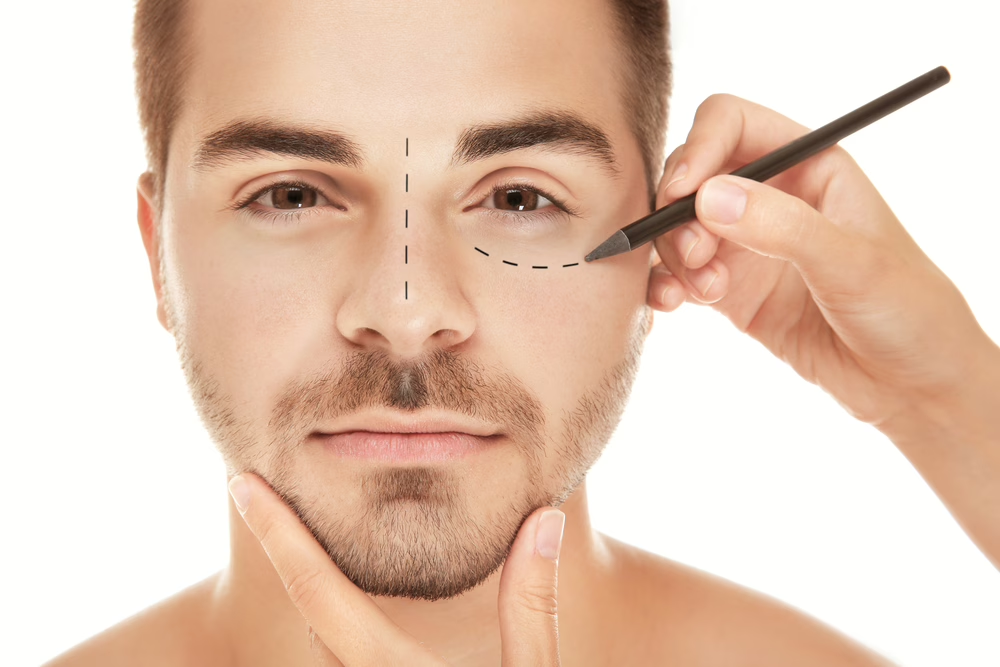
Can Men Get Rhinoplasty Surgery?
Rhinoplasty surgery is available to men, but the procedure differs from a nose job performed on women. To understand the differences between male rhinoplasty and female nose surgeries, let's examine both procedures in detail.
What Is a Male Rhinoplasty?
A male rhinoplasty is used to reshape or resize a man's nose or correct structural defects of the nose. Men can undergo a rhinoplasty surgery to ensure the nose complements the cheeks, chin, and other facial features. In addition, men can use a nose job to address a bulbous nasal tip, straighten the nasal bridge, and address other nose defects.
Is Male Rhinoplasty Surgery Popular?
Rhinoplasty ranked third in terms of cosmetic surgical procedures performed on men in 2018, according to the American Society of Plastic Surgeons (ASPS). It also accounted for 25 percent of all cosmetic surgical procedures performed on men in 2018, ASPS reported, and could prove to be a popular facial rejuvenation treatment for men in the years to come.
What Are the Benefits of Male Rhinoplasty Surgery?
Men sometimes choose male rhinoplasty surgery to repair structural problems of the nose. A man can also use a nose job to reshape or resize his nose, resulting in a nose that perfectly matches his face. In doing so, a man can use nose surgery to simultaneously bolster his facial appearance and increase his self-confidence.
Is There a "Standard" Male Rhinoplasty Procedure?
There is no such thing as a "standard" rhinoplasty procedure for all men. Since each man's nose is different, a rhinoplasty must be tailored to his facial features. Thus, a personalized rhinoplasty treatment plan can help a man achieve a nose that works properly and is proportional to all other facial features.
Is There an Ideal Candidate for Male Nose Surgery?
Much in the way there is no standard male nose surgery procedure, there is no ideal candidate for a male rhinoplasty. At the CENTER for Advanced Facial Plastic Surgery, Dr. Babak Azizzadeh requests a patient evaluation before he performs a male rhinoplasty procedure. Dr. Azizzadeh is globally recognized for his facial plastic and reconstructive surgery and head and neck surgery expertise, and he uses his knowledge to help a man determine if a male rhinoplasty is the best course of action to rejuvenate the facial appearance.
What Should a Man Expect During a Rhinoplasty Treatment Consultation?
During a male rhinoplasty evaluation, Dr. Azizzadeh reviews a patient's medical history and evaluates his nose and other facial features. Dr. Azizzadeh also finds out why a patient is considering male nose surgery.
If Dr. Azizzadeh believes a patient can benefit from a male rhinoplasty, he then crafts a custom treatment plan with a patient's facial rejuvenation goals in mind. Dr. Azizzadeh sometimes recommends a patient undergo male rhinoplasty surgery on its own. Or, Dr. Azizzadeh can recommend a male rhinoplasty and other facial rejuvenation procedures like an eyelid lift or neck lift be performed in combination with one another.
What Happens During a Male Rhinoplasty Procedure?
After Dr. Azizzadeh develops a treatment plan for a male rhinoplasty patient, he prepares the patient for surgery. Dr. Azizzadeh offers instructions to help a patient get ready for a male rhinoplasty, as well as responds to any treatment concerns or questions. Plus, Dr. Azizzadeh educates the patient about any side effects of a male rhinoplasty, as well as what to expect after the procedure is completed.
A typical male rhinoplasty is completed as an outpatient procedure, and a patient receives general anesthesia. Open or closed male rhinoplasty can be performed based on the patient's treatment goals. With an open rhinoplasty, Dr. Azizzadeh uses a small bridging incision to connect the patient's left and right nostrils. Comparatively, with a closed rhinoplasty, Dr. Azizzadeh performs the procedure inside the patient's nostrils, thereby hiding incisions inside the nose.
What Are the Side Effects of Male Nose Surgery?
Male rhinoplasty surgery usually takes up to three hours to perform, and the amount of time required to complete the procedure varies based on the patient. Upon completion, a male rhinoplasty patient can experience swelling, headaches, and other physical symptoms that persist for about three days.
A male rhinoplasty patient receives a nose bandages and cast after surgery and will stay in place for approximately one week. After the nose bandages and cast are removed, the patient can then resume his everyday activities.
How Long Do the Results of a Male Rhinoplasty Last?
The results of a male rhinoplasty generally become visible within one to two years of treatment and are long-lasting. However, the natural aging process can impact how long the results of a male rhinoplasty remain visible.
Since the natural aging process varies from person to person, the results of a male rhinoplasty can begin to fade as a patient gets older. Fortunately, men who use sun protection and maintain a healthy lifestyle are better equipped than others to maximize the results of male rhinoplasty surgery.
What Is a Female Rhinoplasty?
Much like a male rhinoplasty, nose surgery for women can rejuvenate the facial appearance. Yet a female rhinoplasty enhances the facial appearance in a different way than a male nose surgery, due to the differences between the male and female nose.
A masculine nose often features a straight bridge, along with a nasal tip that projects at a 90° angle. Conversely, a feminine nose usually has a soft bridge and a nasal tip that protrudes at an obtuse angle. A male nose also tends to be wider and have a higher bridge than a woman's nose.
Regardless of whether a man or woman is pursuing rhinoplasty surgery, the procedure must be tailored to the individual. Otherwise, a man or woman who undergoes nose surgery is unlikely to achieve a natural-looking nose.
How Does a Rhinoplasty Help a Patient Achieve a Natural-Looking Nose?
When it comes to rhinoplasty surgery, it is crucial to work with a surgeon who understands the importance of producing a nose that appears in harmony with other facial features. Thankfully, Dr. Azizzadeh is a Harvard-trained facial plastic and reconstructive surgeon who customizes a rhinoplasty treatment to his patient. With this approach, Dr. Azizzadeh can provide a rhinoplasty patient with a nose that looks proportional to the eyes, mouth, and other facial features.
For example, Dr. Azizzadeh understands a male rhinoplasty patient's nose bone and cartilage are frequently thicker and denser than those of a female rhinoplasty patient. To help a male rhinoplasty patient achieve a natural-looking nose, Dr. Azizzadeh explores different solutions to safely and effectively reshape and resize the nose. Once he finds the right solution, Dr. Azizzadeh performs a male rhinoplasty surgery that accounts for the patient's unique facial features.
In many instances, the results of a male rhinoplasty surgery are known only to Dr. Azizzadeh and his patient, too. If a male rhinoplasty results in a natural-looking nose, most people are unlikely to know that an individual received the procedure. Therefore, a male rhinoplasty patient can enjoy the full results of nose surgery — without having to worry about an "unnatural" facial appearance.
Why Do Patients Choose Dr. Azizzadeh for Male Rhinoplasty Surgery?
A male rhinoplasty is different from a nose surgery performed on women, and the procedure must be completed by a surgeon who understands the intricacies of a man's nose. Dr. Azizzadeh is highly experienced in male rhinoplasty surgery, and he can help a man determine if the procedure is a viable option to improve the facial appearance.
Dr. Azizzadeh also understands that a male rhinoplasty is not ideal for every man. A male rhinoplasty is a complex procedure, and it should only be performed if it can help a man enhance his facial appearance or treat structural issues of the nose. If Dr. Azizzadeh believes a male rhinoplasty can be safely performed to help a man accomplish the desired results, he will craft a nose surgery treatment plan accordingly. On the other hand, if Dr. Azizzadeh believes the risks of male rhinoplasty surgery are substantial, he offers alternative options to accommodate a man's facial rejuvenation goals.
Finally, Dr. Azizzadeh tracks the results of a male rhinoplasty. Dr. Azizzadeh requests follow-up appointments in the weeks and months after a rhinoplasty for men to ensure his patient makes a full recovery. If a patient has concerns or questions during male rhinoplasty recovery, Dr. Azizzadeh can address them during these appointments. As the results of male rhinoplasty surgery become visible, Dr. Azizzadeh can help his patient maintain these results for as long as possible.
Schedule a Male Rhinoplasty Treatment Consultation with Dr. Azizzadeh
For men who are considering male rhinoplasty surgery or other facial rejuvenation treatments, Dr. Azizzadeh is happy to discuss these options. To learn more or schedule a consultation with Dr. Azizzadeh, please contact us online or call us today at 310-657-2203.

What You Should Know About Neck Lift Recovery
A neck lift is a great option for men and women who want to improve the appearance of the neck and jawline. The surgery helps patients treat loose neck skin, fatty deposits under the chin, and other visible signs of aging in the face and neck. Yet, in some cases, patients do no plan ahead for neck lift recovery, and failure to do so hampers their ability to achieve the best-possible results of treatment.
Dr. Babak Azizzadeh of the CENTER for Advanced Facial Plastic Surgery takes pride in helping neck lift patients prepare for the recovery cycle. He teaches these patients about neck lift surgery and responds to their concerns and questions prior to treatment. As a result, Dr. Azizzadeh helps patients avoid complications during neck lift recovery.
What Is Required from a Patient During Neck Lift Recovery?
A neck lift patient should follow Dr. Azizzadeh's instructions closely during the recovery period. In doing so, a patient can limit risk and increase the chances of maximizing the results of treatment.
Initially, Dr. Azizzadeh places a bandage around a neck lift patient's face and neck to help reduce post-surgery swelling and bruising. Dr. Azizzadeh sometimes uses a thin tube to drain excess blood or fluid from beneath a neck lift patient's skin as well.
Dr. Azizzadeh also explains how to manage the neck lift surgery site and any associated drains. He may offer medication that a patient can apply to the skin, or oral medication that helps speed up the healing process and reduce the risk of infection.
Ice should not be applied to the neck after a neck lift surgery. Although ice is sometimes used to help reduce swelling and bruising after different facial plastic surgeries, it can actually compromise blood flow relative to the neck skin after a neck lift procedure. Therefore, if a neck lift patient applies ice to the surgical site, this individual risks skin damage.
In the event that a neck lift patient experiences pain or other issues during the recovery cycle, reach out to Dr. Azizzadeh immediately. That way, a patient can consult with Dr. Azizzadeh to address any neck lift recovery issues before they impact the facial appearance.
How Long Does It Take to Recover from a Neck Lift?
Neck lift recovery typically takes about two to four weeks. Following a neck lift, a patient sometimes experiences swelling and bruising that lasts for about a few weeks. In addition, it may take up to six months before a patient's neck lift incision disappears.
What Does a Patient Need to Do After a Neck Lift?
Dr. Azizzadeh provides detailed instructions to help a patient protect the neck and face after neck lift surgery. He recommends a patient wear a special garment that simultaneously helps compress the neck and limit swelling. Dr. Azizzadeh also recommends a patient keep the head elevated and avoid bending and twisting the neck.
In the first few months after a neck lift, a patient should typically protect the face and neck skin from the sun as much as possible. A patient should also handle any surgical incisions with care and avoid clothing that needs to be pulled over the head at this time.
How Long Will the Results of a Neck Lift Last?
Most patients enjoy neck lift surgery results that last 10 to 15 years. The overall results of neck lift surgery depend on how a patient's skin ages and how well this individual cares for the skin. Also, the natural aging process affects how long the results of a neck lift last.
Will Scarring Occur During Neck Lift Recovery?
Neck lift patients sometimes experience scarring during the recovery process. But neck lift scars are usually difficult to see, as they are hidden in natural skin creases or by hair. In some cases, neck lift patients apply makeup to hide scars in the initial days and months after surgery.
How Does Dr. Azizzadeh Help Patients During Neck Lift Recovery?
Neck lift recovery sometimes seems complex, particularly for a patient who wants to achieve the full results of treatment as quickly as possible. Thanks to Dr. Azizzadeh, a neck lift patient can enjoy a seamless recovery process and accomplish the desired results of treatment.
Dr. Azizzadeh is available to patients throughout the neck lift recovery process. If a patient has concerns or questions at any point during neck lift recovery, reach out to Dr. Azizzadeh, and he is happy to respond to them right away.
For those who want to ensure neck lift recovery stays on track, Dr. Azizzadeh provides support. Dr. Azizzadeh requests follow-up appointments with patients during neck lift recovery. These appointments allow Dr. Azizzadeh to check in with a patient and assess the appearance of the neck and face. They also give a patient the opportunity to share neck lift recovery concerns and questions with Dr. Azizzadeh.
Schedule a Neck Lift Surgery Consultation with Dr. Azizzadeh
Individuals who want to revitalize the facial appearance sometimes consider neck lift surgery or other facial rejuvenation treatments. Deciding if one or more of these treatments is the right option can be challenging, but Dr. Azizzadeh can help.
By meeting with Dr. Azizzadeh, an individual can learn about neck lift surgery and other facial rejuvenation procedures, then determine if one or more of these treatments can be used to enhance the facial appearance. To schedule a facial rejuvenation treatment consultation with Dr. Azizzadeh, please contact us online or call us today at 310-657-2203.