What to Expect During Rhinoplasty Recovery
Rhinoplasty surgery helps patients improve the facial appearance, ensure the nose is proportional to the cheeks, chin, and other facial features, and correct structural defects of the nose. The surgery is beneficial for many men and women, particularly those who understand what to expect during the recovery process.
Dr. Babak Azizzadeh of the CENTER for Advanced Facial Plastic Surgery is one of the world's leading facial plastic and reconstructive surgeons, and he has comprehensive rhinoplasty surgery expertise. He understands that each rhinoplasty patient has a unique nose, yet his approach to nose surgery remains the same for all patients.
When it comes to rhinoplasty surgery, Dr. Azizzadeh prioritizes patient education. He teaches nose surgery patients about the procedure itself, as well as rhinoplasty recovery. That way, Dr. Azizzadeh can help a rhinoplasty patient achieve a natural-looking nose.
What Happens After a Rhinoplasty Is Performed?
A nose job is typically performed as an outpatient procedure under general anesthetic. As such, a patient sometimes experiences side effects of anesthesia in the initial days after a rhinoplasty, such as memory lapses or delayed reaction time.
A rhinoplasty patient should arrange for someone to provide a ride home after nose surgery. This individual should also request help with personal care tasks in the first one to two days following a rhinoplasty.
Rhinoplasty surgery recovery requires bed rest, and a patient should keep the head elevated during this time. In doing so, a nose job patient helps minimize post-surgery swelling and bleeding.
In certain instances, internal dressings or a splint can be placed inside of a rhinoplasty patient's nose to provide support during the recovery cycle. Internal dressings can be removed within a few days of a nose surgery, and a splint can be removed about one week after treatment.
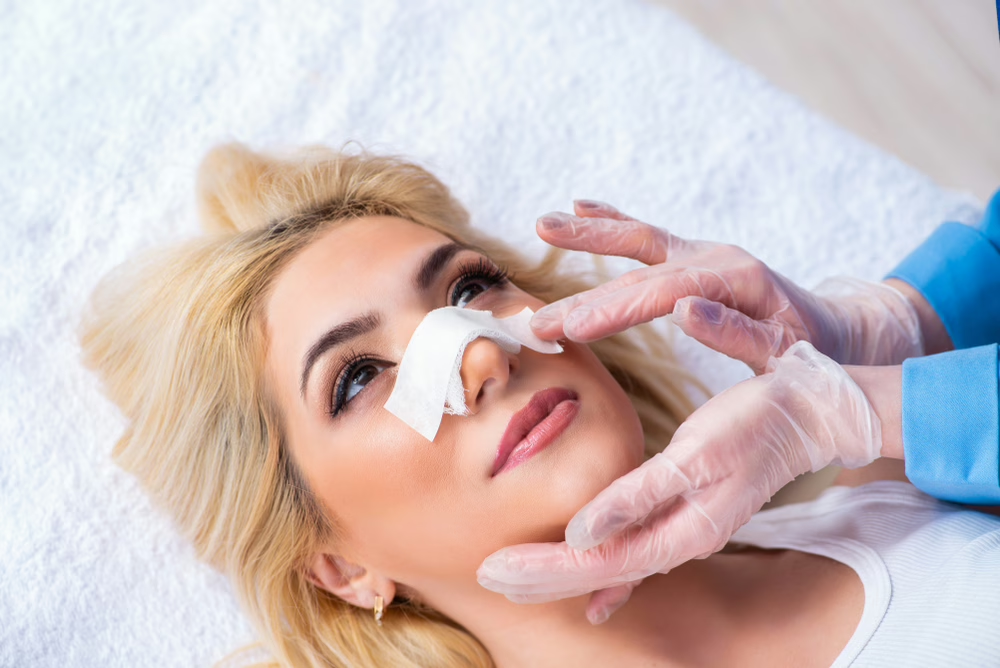
Rhinoplasty patients commonly experience blood and mucus drainage after surgery. Dr. Azizzadeh sometimes attaches a piece of gauze with tape under a patient's nose to absorb drainage during this time.
In terms of medication use after rhinoplasty surgery, it is important to follow the instructions provided by Dr. Azizzadeh. A patient should provide Dr. Azizzadeh with information about medication use prior to a nose job, and he can determine if any medication that an individual currently uses could interfere with rhinoplasty recovery.
Typically, a rhinoplasty patient should stay away from any medications that contain ibuprofen or aspirin for at least two weeks after a rhinoplasty, as these medications can increase a nose job patient's risk of bleeding. Smoking should also be avoided after rhinoplasty surgery, due to the fact that it can slow the healing process and increase a patient's risk of infection.
Does a Patient Need to Stay in a Hospital During Rhinoplasty Recovery?
Most rhinoplasty surgery patients can return home the same day as surgery. But in the event that a nose surgery patient experiences post-treatment nausea or other health issues that require monitoring, an overnight hospital stay is sometimes recommended.
How Long Does It Take to Complete the Rhinoplasty Recovery Process?
Rhinoplasty patients generally require at least a week away from work, school, or other everyday activities after surgery. They often experience nasal swelling during this time that gradually disappears on its own. Thus, after about a week, rhinoplasty patients can resume most of their regular activities. And after about two to four weeks, rhinoplasty patients can usually resume any remaining everyday activities.
Will Scarring Occur After Rhinoplasty Surgery?
The risk of scarring varies based on the type of rhinoplasty surgery performed. In instances where a closed rhinoplasty surgery is completed, incisions are made inside the nostrils, which prevents external scarring. Or, in cases where an open rhinoplasty is performed, a small incision is made across a patient's columella, tissue that connects the nasal tip to the nasal base.
Regardless of the type of rhinoplasty performed, Dr. Azizzadeh tries to limit scarring. He evaluates a patient to determine if open or closed rhinoplasty surgery is the best option based on the individual, then prepares a treatment plan accordingly.
When Do the Full Results of a Rhinoplasty Become Visible?
The full results of rhinoplasty surgery often become visible within about one to two years of treatment. Rhinoplasty surgery results are often permanent, but the natural aging process can affect a nose job patient's appearance over time.
Tips to Ensure a Smooth Recovery from Rhinoplasty Surgery
Dr. Azizzadeh provides the following recommendations to help a patient minimize the risk of complications after rhinoplasty surgery:
- Keep the Surgical Incisions Clean: Patients should clean their surgical incisions with hydrogen peroxide at least once a day and apply antibiotic salves to these incisions and inside the nostrils twice a day.
- Use Cold and Warm Compresses: A cold compress can be placed over the eyes and cheeks for the first three days after a rhinoplasty. Then, a patient should use a warm compress on any areas where persistent bruising occurs.
- Avoid Strenuous Exercise: Jogging, aerobics, and other strenuous exercises should be avoided for at least three weeks after a rhinoplasty surgery.
- Choose Baths Over Showers: A bath often makes it simple for a patient to keep the nose dry in comparison to showers in the days following a nose job.
- Use Sunscreen: A nose job patient should apply sunscreen to the nose to reduce the risk of permanent skin discoloration.
By taking the necessary precautions during rhinoplasty recovery, a patient can boost the likelihood of achieving the optimal treatment results.
Schedule a Rhinoplasty Surgery Treatment Consultation with Dr. Azizzadeh
Dr. Azizzadeh can meet with an individual to discuss rhinoplasty surgery and the associated recovery process. He can also help a person determine if a nose job or other facial rejuvenation treatment can help revitalize the facial appearance. To set up a facial rejuvenation treatment consultation with Dr. Azizzadeh, please contact us online or call us today at 310-657-2203.


Ensuring a Smooth Rhinoplasty Recovery
At the CENTER for Advanced Facial Plastic Surgery, Dr. Babak Azizzadeh takes pride in helping rhinoplasty patients achieve a natural-looking nose that complements their cheeks, chin and other facial features. Dr. Azizzadeh is globally recognized for his facial plastic and reconstructive surgery and head and neck surgery expertise, and he uses his knowledge to provide each rhinoplasty patient with a custom treatment plan. In addition, Dr. Azizzadeh works closely with a rhinoplasty patient to ensure a smooth recovery after nose surgery.
What Should a Rhinoplasty Patient Expect During the Recovery Process?
The rhinoplasty healing process varies from patient to patient. Since each nose job patient heals at a different pace, it is important for the patient to establish realistic rhinoplasty recovery goals before surgery is performed. That way, a patient knows exactly what to expect throughout all stages of rhinoplasty surgery, including recovery.
Initially, the recovery process associated with rhinoplasty surgery takes about seven to 10 days to complete. During this period, a patient can experience swelling and bruising and is sometimes prescribed medication to help manage pain. The patient can also apply a cold compress to the nose; the compress should be used on an hourly basis for the first three days after nose surgery.
Most rhinoplasty patients start to feel more comfortable approximately three days following treatment. At this point, a rhinoplasty patient sometimes experiences minor discomfort, including headaches, dull aching and congestion.
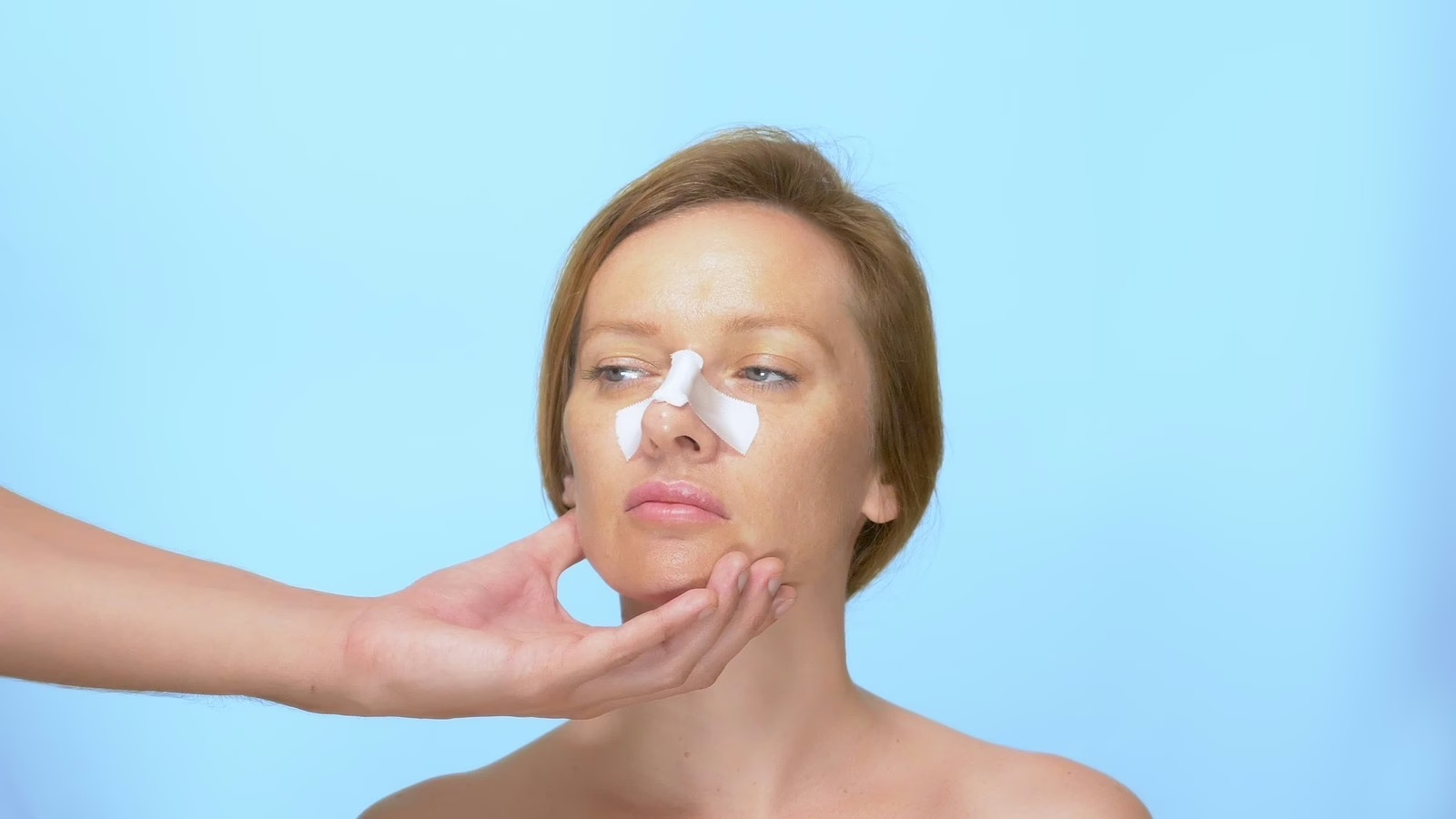
Within about seven days of rhinoplasty surgery, a patient's bandages or nose cast can be removed. The patient can then return to work, school or other everyday activities; in certain cases, rhinoplasty patients feel good enough to resume their normal activities before the removal of their bandages or nose cast as well.
A rhinoplasty patient should limit physical activity for approximately four weeks after surgery. As such, the patient should not bend the head forward for at least two weeks after surgery, engage in yoga or other heavy exercise for at least three weeks and perform heavy lifting for at least four weeks.
Generally, Dr. Azizzadeh provides a rhinoplasty patient with clearance to resume a regular workout regimen or other strenuous activities. Dr. Azizzadeh evaluates a nose surgery patient, and if he believes these activities won't affect the recovery cycle, he then gives the patient the all-clear.
The majority of rhinoplasty patients report an 80% to 85% reduction in swelling at about six weeks following surgery. Primary healing after rhinoplasty occurs within a few months of a nose job, and the full results of nose surgery often become visible up to two years after treatment.
When it comes to rhinoplasty surgery recovery, Dr. Azizzadeh is comprehensive. Dr. Azizzadeh is Harvard-trained and possesses extensive industry experience, and he is available to respond to patients' concerns and questions throughout rhinoplasty recovery. By providing rhinoplasty recovery guidance and tips, Dr. Azizzadeh enables his patients to enjoy a seamless recovery process.
Tips to Ensure a Smooth Recovery After Rhinoplasty Surgery
To ensure a smooth recovery after rhinoplasty surgery, preparing patients for what to expect is crucial, according to Dr. Inessa Fishman of Aviva Plastic Surgery & Aesthetics in Sandy Springs, Georgia. Also, staying in contact with patients via phone calls and face-to-face visits is vital throughout rhinoplasty recovery, Fishman says. Since the rhinoplasty recovery process can impact a patient both emotionally and physically, Fishman notes, communication and support between the surgeon and patient is key to recovery.
Meanwhile, Dr. Paul D. Durand of Careaga Plastic Surgery in Coral Gables, Florida recognizes that rhinoplasty patients are often excited about the potential results of surgery. At the same time, these patients are frequently worried about the rhinoplasty recovery process, Durand notes. So, Durand provides his patients with seven tips to help them fully recover from rhinoplasty surgery:
- Request oral steroids that can help reduce post-surgery swelling and bruising.
- Use cold compresses or ice packs to help further reduce swelling and bruising.
- Keep the head elevated while sleeping for at least three days after surgery; Durand recommends sleeping in a recliner or with several pillows to ensure the head stays elevated as much as possible.
- Avoid any pain medications or supplements that can otherwise thin the blood and increase post-surgery swelling.
- Don't blow the nose after surgery, since doing so increases the risk of bleeding.
- Use an over-the-counter nasal spray to keep the nose moist during the healing process.
- Find out if taping the nose can be beneficial; in some instances, taping the nose after a rhinoplasty patient's splint is removed helps swelling resolve faster than ever before.
Dr. Nicholas Karter of Connecticut Facial Plastic Surgery in Farmington, Connecticut points out that patience plays a critical role in a patient's recovery from rhinoplasty surgery, too. "Rhinoplasty can be a transformative procedure, but it is a process, and you won't have your final result for a full year or more after surgery," Karter stated.
Along with the aforementioned tips, Dr. Azizzadeh offers the following recommendations to help a rhinoplasty patient streamline the recovery process:
- Follow all instructions provided by Dr. Azizzadeh.
- Fill any prescriptions and pick up rhinoplasty recovery supplies before surgery is performed.
- Ensure a family member or friend is available to provide assistance for at least 24 hours after surgery.
- Schedule follow-up appointments with Dr. Azizzadeh — and attend these appointments.
- Contact Dr. Azizzadeh to address any rhinoplasty recovery concerns and questions.
For individuals who are considering rhinoplasty surgery, Dr. Azizzadeh is available to explain all aspects of treatment. Dr. Azizzadeh can meet with a patient and determine if this individual is a good candidate for rhinoplasty surgery or other facial rejuvenation procedures. Plus, Dr. Azizzadeh can provide a custom facial rejuvenation treatment plan to help a patient revitalize the facial appearance.
Dr. Azizzadeh offers a consultation to individuals who are pursuing rhinoplasty or other facial rejuvenation treatments. To schedule a facial rejuvenation treatment consultation with Dr. Azizzadeh, please contact us online or call us today at 310-657-2203.
How Long to See Results from Chin Liposuction
A double chin can be quite disheartening. For some individuals, no matter how perfect their diet is or how hard they push themselves while working out at the gym, that stubborn double chin refuses to go away. For those who are constantly dismayed by the appearance of their double chins, there is a simple and easy way to get rid of them for good. Chin liposuction is an extremely effective procedure that gets rid of fatty tissue and excess fluid under the chin and around the upper neck, eliminating any trace of a double chin.
You can correct a double chin and improve the appearance of the chin, neck, and jawline with chin liposuction, also known as submental liposuction. Dr. Babak Azizzadeh of the CENTER for Advanced Facial Plastic Surgery is a world-renowned and Harvard-trained facial plastic and reconstructive surgeon. A Harvard-trained facial plastic surgeon, Dr. Babak Azizzadeh, was also featured on The Oprah Winfrey Show for his expertise and frequently performs chin liposuction surgery for patients at his plastic surgery office in Beverly Hills.
Before Dr. Azizzadeh performs chin liposuction, he educates his patients about all aspects of treatment. During a chin liposuction consultation, patients often ask, “What can I expect after chin liposuction?” requesting some kind of timeline for recovery and how long to see results from chin liposuction. In doing so, Dr. Azizzadeh enables his patients to fully prepare for the chin liposuction recovery period. Patients can anticipate a significantly better and more toned facial appearance as a result.
Chin Liposuction Consultation Prior to Surgery
The best way to figure out what to expect after chin liposuction is to schedule a chin liposuction consultation with Dr. Azizzadeh. During a consultation, Dr. Azizzadeh will answer any questions the patient may have, making sure they are fully informed on every step of the treatment process. Patients should ensure they arrive at the consultation prepared, having conducted some prior research to prepare insightful and valuable questions for Dr. Azizzadeh.
During a consultation, make sure to ask Dr. Azizzadeh, “What can I expect after chin liposuction?” While every individual has a different recovery time, after inspecting the patient’s medical history and performing an examination, he should be able to provide a somewhat accurate timeline. One of the most important aspects of undergoing successful facial cosmetic surgery is for the patient to have realistic expectations for the procedure, so Dr. Azizzadeh will make sure that the patient fully understands what is to come.
Related: What Are the Benefits of Plastic Surgery?
The Chin Liposuction Procedure
Chin liposuction is an outpatient procedure and a relatively minor surgery. While any surgery may result in patients feeling some discomfort, Dr. Azizzadeh does everything possible to make the surgery and subsequent recovery as pleasant as possible. Some precautions include using lidocaine to numb the treatment area and injecting a vasoconstrictor to minimize pain and bleeding during the procedure.

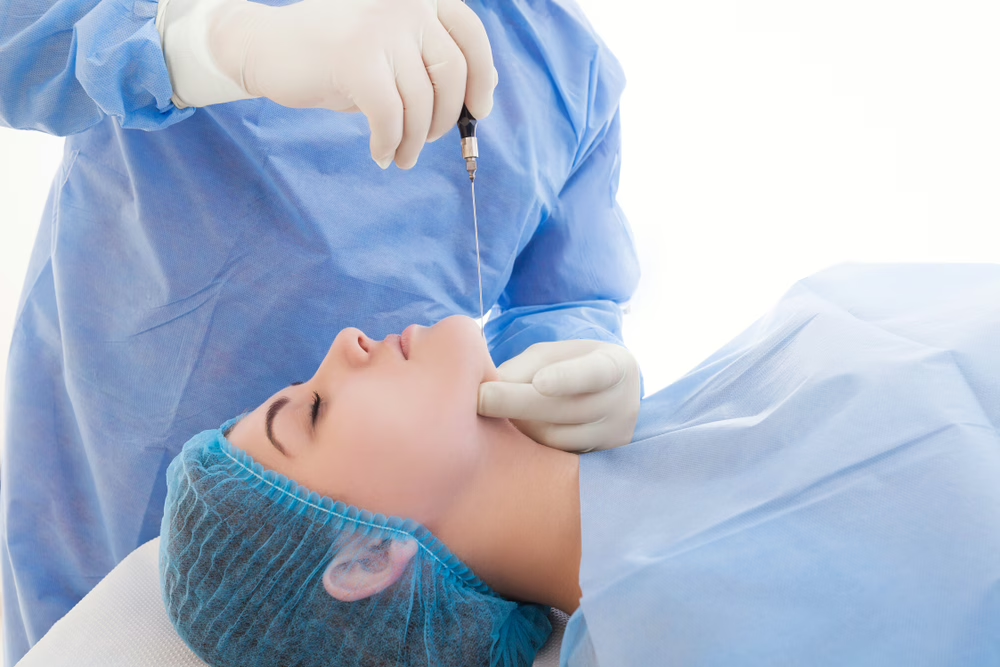
Chin liposuction begins with Dr. Azizzadeh making a small incision into the designated treatment area, and then he inserts a small cannula into the incision to suction out any excess fat and fluids. Once the fat has been removed, Dr. Azizzadeh removes the cannula and stitches up the incision. The chin liposuction procedure should take somewhere between one and two hours to complete.
What to Expect After Chin Liposuction
After chin liposuction, patients can expect bruising and swelling around the incision site, which may temporarily make the chin appear larger. Medication can manage common discomfort, and Dr. Azizzadeh should discuss any persistent pain after a week. Bandages and a head wrap will be applied to aid healing, reduce swelling, and help the skin conform to the chin's contours, typically worn for up to a week. Patients are advised to rest and avoid work for several days, maintaining an elevated position to facilitate recovery.
The initial recovery period lasts a few days, during which swelling in the chin and neck is common. Side effects such as pain, fever, and infection are usually temporary, but there are risks of complications like undertreatment, overtreatment, and seroma.
Patients are susceptible to severe complications due to submental liposuction as well. These include:
- Undertreatment: Occurs when chin liposuction improves the appearance of the neck line but does not fully enhance the jawline’s definition.
- Overtreatment: Leads to skin dimples and irregularities following chin liposuction.
- Seroma: Refers to a collection of fluid that forms in the body after chin liposuction.
Dr. Azizzadeh tailors a chin liposuction to his patient, which allows him to minimize the risk of serious complications. He also offers detailed recommendations to ensure a patient can limit the risk of complications during chin lipo recovery. These recommendations may include:
- Avoid bending over, lifting heavy objects, or other strenuous activities
- Ensure ice is readily available to place on the treatment area and minimize swelling
- Rest in a recliner chair and keep the head at a 30° angle
Along with chin lipo recovery recommendations, Dr. Azizzadeh monitors his patient’s progress in the weeks after treatment. That way, Dr. Azizzadeh ensures that his patient can achieve the best-possible chin liposuction results.
Related: Everything You Need to Know About How to Choose a Plastic Surgeon
When Will Chin Liposuction Results Become Visible?
The initial results of chin liposuction become visible within about one week of treatment. After 1 week, the sutures should be removed, and most, if not all, swelling and bruising should have subsided. Additionally, at this point, a patient may notice enhanced facial harmony because their chin will look increasingly proportional to their eyes, cheeks, and other facial features. Patients need to remember that they should be ready to go back to their everyday lives, with one notable exception. Strenuous activity and exercise should be avoided for at least a month following chin liposuction surgery, as any vigorous movements can aggravate the healing process.

Full results of chin liposuction usually appear within a few months of treatment. However, it is important to note that a patient’s response to chin liposuction varies, and in some instances, it can take up to one year before the full results of the procedure become transparent.
Dr. Azizzadeh is available to address a patient’s concerns regarding chin liposuction after treatment. If a patient is worried about scarring or other issues following a chin liposuction procedure, he or she is encouraged to reach out to Dr. Azizzadeh for assistance at any point during their recovery period.
If there is still visible bruising, patients can use makeup to cover the bruising up, although they should avoid applying any makeup to the incision sites. There may be very minor scars from the incisions, but Dr. Azizzadeh is extremely strategic with where he makes them. Dr. Azizzadeh makes chin liposuction incisions so that they will be carefully hidden behind the ears or underneath the chin, making any subsequent scarring difficult to see for the average individual.
The appearance of the patient’s double chin should show a significant and visible improvement within a week. As the swelling goes down, the patient should be able to see a more defined jawline and a sleeker neck. However, at this point, the final results are still not visible. Patients will need to wait a bit longer to see their new and improved neck and chin.
For some patients, they can expect to see their double chin eradicated after a few short months. However, liposuction results can vary from patient to patient, and some individuals may not see their final results for up to a year. It is essential to exhibit patience in the time following chin liposuction surgery, as everyone heals and recovers differently.
If a patient is concerned that they are not seeing the results they expected, they should contact Dr. Azizzadeh. He has a flawless reputation as a leading facial plastic surgeon, and if for any reason a patient’s chin liposuction procedure is not successful, he will do everything possible to rectify the issue.
Will a Chin Liposuction Scar Appear After Treatment?
Chin liposuction is a surgical procedure that requires Dr. Azizzadeh to make a small incision into a patient’s chin. After surgery, a chin liposuction scar is visible, and it will remain with a patient in the years to follow.
Dr. Azizzadeh carefully performs chin liposuction, and he uses a comprehensive process to limit post-surgery scarring. As a result, a scar may appear immediately after a chin liposuction procedure, but it will virtually disappear in the years following treatment.
Can Makeup Be Used to Cover Up a Chin Liposuction Scar?
Makeup should not be used on the chin for at least a week after chin liposuction, even if a patient wants to cover up a post-surgery scar. However, once the chin swelling subsides after surgery, the patient can resume using makeup.
Along with makeup, a patient can have their sutures removed approximately one week after chin liposuction surgery. The patient should also be able to see a defined jawline, a sleeker neck, and other visible improvements in their appearance within seven days of chin liposuction, too.
Related: Common Signs of Facial Aging (and How to Treat Them)
How Long Do the Results of Chin Liposuction Last?
On average, chin liposuction results last seven to 10 years. Much in the way that every chin liposuction patient is different, the results of surgery depend on the extent of treatment. Yet, regardless of the patient and the extent of treatment, Dr. Azizzadeh does everything possible to help his patients prolong the results of their chin liposuction surgery.
In addition to offering tips to streamline chin lipo recovery, Dr. Azizzadeh provides recommendations to help patients care for their facial skin. He understands that genetics, environment, and other factors can impact the natural skin aging process and helps patients determine safe, effective ways to manage skin issues. As a result, Dr. Azizzadeh helps patients avoid a double chin or other issues that otherwise negatively affect the appearance of the chin, neck, and jawline.
Of course, Dr. Azizzadeh can perform other facial rejuvenation procedures to revitalize other areas of the face following a chin liposuction treatment, too. For instance, a patient can use Botox injections after chin liposuction to correct crow’s feet, frown lines, and other cosmetic issues that contribute to facial asymmetry. Or, a patient can undergo a blepharoplasty following chin liposuction to rejuvenate the appearance of the eyes and improve facial harmony.
Learn What to Expect After Chin Liposuction During a Consultation With Dr. Azizzadeh
Get rid of a double chin for good with chin liposuction from Dr. Azizzadeh. Dr. Azizzadeh is a double board-certified facial plastic and reconstructive surgeon with valuable experience helping various patients improve their facial appearance. During a consultation, Dr. Azizzadeh will let patients know what to expect after chin liposuction, answering patients’ questions regarding a timeline for how long to see results from chin liposuction. While the recovery process is generally short and comfortable, it can oftentimes take months for final results to be visible, so patience is important.
Patients need to have proper and realistic expectations before undergoing chin liposuction, and during a consultation, Dr. Azizzadeh will partner with the patient to figure out the best way for them to achieve their goals. To learn more about what to expect after chin liposuction or to schedule a consultation with Dr. Azizzadeh, please call us today at 310-657-2203.
Deviated Nasal Septum Treatment Options
Deviated septums are a lot more common than the average individual would care to believe. In fact, most people have a deviated septum, according to a post on the Mayo Clinic website that explains that “about 70 to 80 percent of people have a septal deviation that's noticeable to an examiner”. A deviated nasal septum is not in of itself a cause for concern. A deviated septum only becomes an issue if the individual is experiencing negative symptoms as a result of their deviated septum. Some commonly found negative symptoms include difficulty breathing, frequent sinus infections, and a constantly stuffy nose.
If a deviated nasal septum is causing any of the above symptoms, it is time to consider reviewing the deviated septum treatment options. There are a number of different types of treatments to choose from, including deviated nasal septum surgery (known as septoplasty) and deviated septum home treatment options.
Below, Dr. Babak Azizzadeh provides an overview of some of the best deviated nasal septum treatment options. Dr. Azizzadeh is internationally renowned for his proficiency in facial plastic surgery, with patients from around the world flying into Beverly Hills for his expertise. He is an expert when it comes to treatments to fix a deviated septum and is always happy to share his expertise with patients. Prior to discussing the available deviated septum treatment options, first learn what exactly a deviated septum is.
What is a Deviated Septum?
A deviated septum refers to irregularities in the nasal septum, which is the thin wall that acts as a barrier between the left and right nostrils. This wall, which is made of bone and cartilage, is somewhat off-center for most individuals. However, a septum that is drastically off center classifies as a deviated septum, and it can cause real problems for the individual afflicted. In many cases, a deviated septum can lead to difficulties in breathing and severe sinus issues. The cause of a deviated septum can vary, with some individuals being born with a deviated septum and others have suffered some sort of nose injury that displaced the septum.
Deviated Septum Home Treatment
The first step in treating the symptoms of a deviated septum is to try out some of the popular home treatments. In most cases, deviated septum home treatment consists of some kind of medication to clear out any blockage. Below are some of the most commonly used deviated septum home treatments.
Decongestants
Decongestants are a great tool to treat a stuffy nose, clearing out the airways in the nostrils to allow for easy breathing. Decongestants are also a popular deviated septum home treatment, as it reduces any nasal swelling to allow patients who have issues breathing to fully inhale and exhale. If an individual constantly has a stuffy nose because of a deviated symptom, a decongestant is a great way to treat the symptoms. Unfortunately, a decongestant will not do anything to resolve the issue and fix the deviated septum.
Decongestants can either be administered in a pill form or as a nasal spray. Make sure to be careful with the use of decongestant nasal sprays, as repeated use can lead to a dependency on the medication in order to have a healthy nasal passage. If a patient finds that they are constantly using a decongestant spray, it may be time to consider surgery. Also, decongestants in a pill form tend to have a stimulant-like effect on individuals, causing them to feel on edge and increase their heart rate and blood pressure.
Antihistamines
Antihistamines are generally used for those who have allergies, helping to fight common allergy symptoms such as a stuffy or runny nose. Antihistamines have done a good job of fighting the primary symptoms of a slightly deviated septum, helping to clear up the blocked nasal passages that are so common with a deviated septum. Like decongestants, antihistamines will do nothing to resolve the underlying cause of the symptoms, it will merely help make the symptoms more bearable.
Unfortunately, many antihistamines can cause drowsiness and can make it dangerous to perform tasks that require concentration and coordination, such as driving or operating heavy machinery. While there are non-drowsy antihistamines available on the market, patients still have reported that the medication can make them feel drowsy.
Nasal Corticosteroid Sprays
A nasal corticosteroid spray is one final effective deviated septum home treatment. The spray reduces any swelling in the nasal passage, clearing out a path for easy breathing. It can also help with drainage, getting rid of excess snot or mucus that is causing a stuffy nose. Nasal corticosteroid sprays will not help fix a deviated septum, it merely treats the swollen nasal passage.
A nasal steroid spray is not available for purchase at a grocery store or pharmacy, as it requires a prescription for use. Effects are not immediate, as it usually takes somewhere between one and three weeks for the spray to begin treating symptoms. Patience is essential, and it is important to pay strict attention to the doctor’s dosage instructions with a steroid spray.
Facial Fillers For Aesthetic Treatment
A deviated septum does not just make breathing difficult and clog up the sinuses. It can also affect the appearance of your nose, resulting in significant nasal asymmetry that detracts from an individual’s overall appearance. For patients who are uninterested in surgical repair but would like a more symmetrical nose, facial fillers can help.
Facial fillers are commonly used to reduce the appearance of wrinkles and fine lines, but they can also help realign the nose and redefine the tip of the nose. While a facial filler will not address any symptoms of a deviated septum, injections can help patients address issues with the appearance of their nose without undergoing surgery.
Deviated Nasal Septum Surgery (Septoplasty)
If the deviated septum impacts your breathing and sinuses and the previously mentioned deviated septum home treatment methods are ineffective in fighting symptoms, then deviated nasal septum surgery may be the best option. This surgery is known as a septoplasty, and should only be performed by a certified facial plastic surgeon, such as Dr. Azizzadeh. Dr. Azizzadeh is the top septoplasty and rhinoplasty surgeon in Los Angeles, making him an excellent choice for deviated nasal septum surgery.
The surgery is completed almost entirely within the nostrils, meaning that there will be no cuts to the skin on the patient’s face. The surgery is fairly straightforward, with the main goal of the procedure being a perfectly straight septum that is positioned right in the middle of the nose. To achieve this goal, Dr. Azizzadeh may need to remove small portions of the septum, and then reinsert the cut portions of the septum into their ideal location. In many cases, only one surgery is needed to repair a deviated septum.
Nasal septoplasty surgery also has an unexpected benefit. If a patient requires surgery to fix a deviated septum, then oftentimes rhinoplasty surgery can be performed at the same time. Therefore, if a patient is unhappy with the appearance of their nose, during septoplasty surgery Dr. Azizzadeh can also alter the shape and size of the patient’s nose. Dr. Azizzadeh is one of the top rhinoplasty plastic surgery experts in California, so patients who opt to reshape their nose as part of deviated nasal septum surgery are sure to be satisfied with their results.
Discuss Deviated Septum Treatment Options With Dr. Azizzadeh
A deviated septum is a serious issue, causing individuals to experience difficulty breathing and sinus congestion. While there are a number of deviated septum home treatment options, these medications will do nothing to fix the root of the problem. The only way to truly fix a deviated septum is with nasal septoplasty, a surgery that goes in and directly repairs the septum.
Dr. Azizzadeh is a double board-certified facial plastic and reconstructive surgeon with expertise and experience with nasal surgeries. He specializes in helping patients look and feel their best, providing facial plastic surgery to resolve both aesthetic and health-related issues. For patients who struggle with a deviated septum, Dr. Azizzadeh can perform deviated nasal septum surgery to both fix the septum and leaves the patient’s nose looking better than ever. To learn more about which deviated septum treatment option is best or to schedule a consultation with Dr. Azizzadeh, please call us today at 310-657-2203.
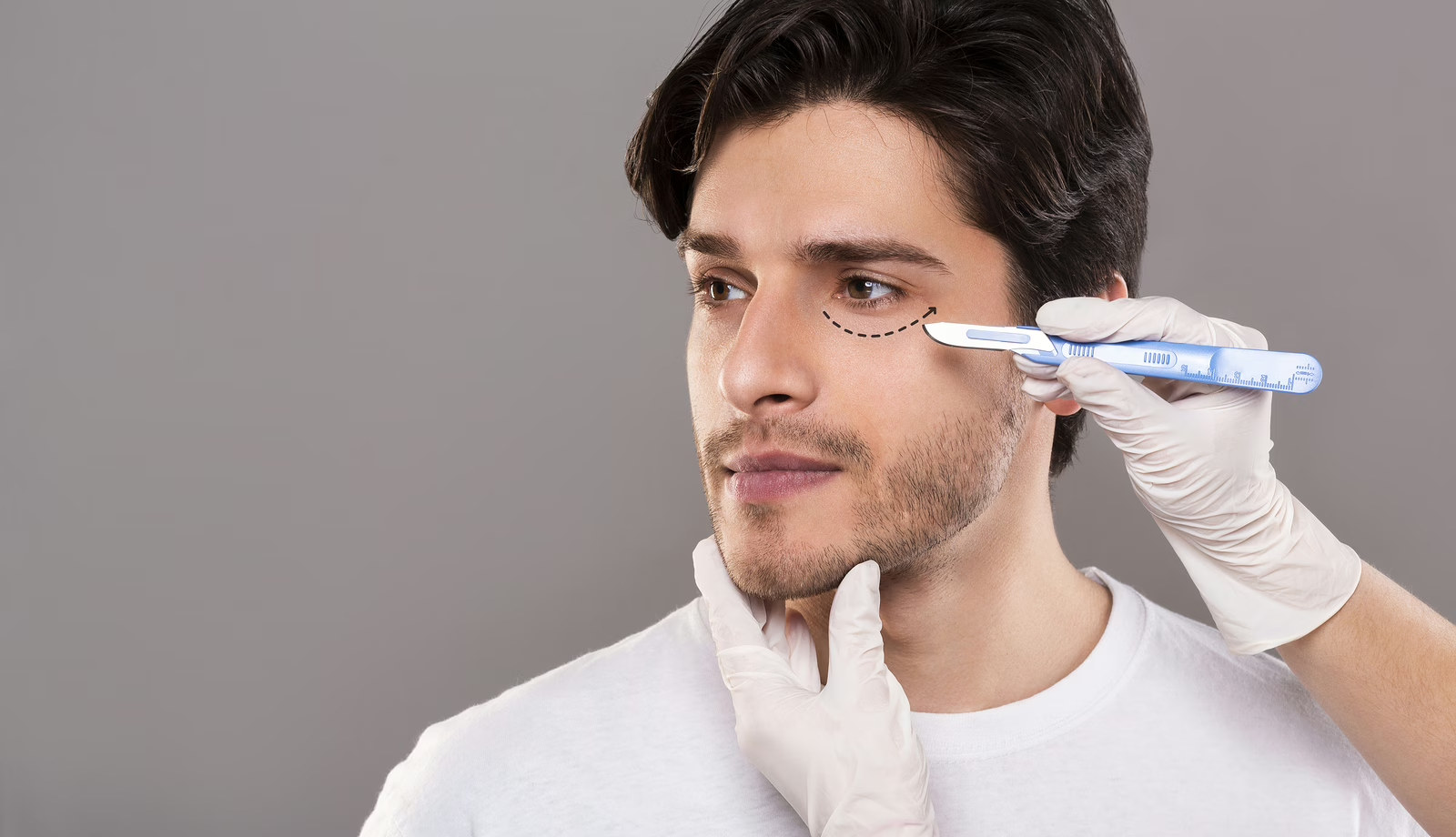
The Rise of Male Plastic Surgery
The Rise of Male Plastic Surgery
Men undergo plastic surgery to revitalize their facial appearance and improve their self-confidence — and plastic surgery is becoming an increasingly common choice across the United States. What was once considered a niche market has evolved into one of the fastest-growing segments in aesthetic medicine, driven by changing social attitudes, longer professional careers, and advancements in surgical techniques designed specifically for male patients.
Modern male plastic surgery is not about dramatic transformation. Instead, men are seeking subtle refinements that help them look healthier, more energetic, and more competitive both socially and professionally. Many patients describe wanting to look less tired, reduce visible signs of aging, or strengthen facial features while still appearing natural and unmistakably masculine.
The stigma once associated with cosmetic procedures for men has also diminished significantly. Increased public awareness, social media visibility, and open conversations about self-care have normalized aesthetic treatments across all demographics. As a result, more men are exploring surgical and non-surgical options as part of long-term personal maintenance rather than a drastic cosmetic decision.
Male Plastic Surgery Statistics
The American Society of Plastic Surgeons (ASPS) reported approximately 1.3 million cosmetic procedures were performed on men in the United States in 2018. Of these procedures, about 1.1 million were minimally invasive treatments, while roughly 215,000 were surgical procedures.
These numbers highlight an important trend: men are increasingly comfortable pursuing both preventative treatments and corrective procedures. While injectables and skin treatments often serve as entry points, many patients ultimately pursue surgical solutions that provide longer-lasting structural improvements.
Growth in male plastic surgery is also tied to workplace dynamics. Professionals are remaining active in their careers longer, and appearance can influence confidence, communication, and first impressions. Facial rejuvenation procedures, in particular, help align outward appearance with energy level and professional experience.
Why More Men Are Choosing Plastic Surgery
Several cultural and practical factors are contributing to the rise in male plastic surgery:
- Career longevity and competitiveness: Many men want their appearance to reflect vitality and leadership, especially in client-facing or executive roles.
- Improved surgical techniques: Modern procedures prioritize natural-looking outcomes, shorter recovery times, and preservation of masculine facial anatomy.
- Increased awareness: Online education and patient testimonials have made information about procedures more accessible and transparent.
- Focus on wellness: Cosmetic procedures are increasingly viewed as part of overall self-investment, similar to fitness or skincare routines.
Importantly, today’s male patients tend to approach surgery with clearly defined goals. Rather than seeking dramatic aesthetic change, they often want targeted improvements that enhance facial balance without altering identity.
Top Male Plastic Surgery Procedures
According to ASPS data, the most common procedures among men include:
- Nose Reshaping (Rhinoplasty)
- Eyelid Surgery
- Liposuction
- Breast Reduction (Gynecomastia Surgery)
- Hair Transplantation
While body procedures remain popular, facial plastic surgery has experienced particularly strong growth. Facial procedures offer visible yet refined improvements that address aging, genetics, or structural imbalances while maintaining authenticity.
Facial Procedures Designed Specifically for Men
Male facial plastic surgery differs significantly from procedures performed on women. Male facial anatomy typically includes thicker skin, stronger bone structure, flatter brows, and more angular proportions. Surgical planning must account for these characteristics to avoid results that appear overdone or feminized.
Below are some of the most common facial surgeries men choose today.
-
Rhinoplasty (Nose Surgery)
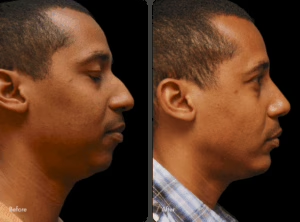
Rhinoplasty is frequently sought by men who want to correct nasal asymmetry, repair prior injuries, or remove a dorsal hump while preserving a strong profile. Male rhinoplasty focuses on refinement rather than reduction. Surgeons aim to maintain appropriate nasal width and projection so the nose complements masculine facial proportions.
A well-executed rhinoplasty can improve facial harmony without making the change obvious to others — patients often hear that they look better or more balanced without friends or colleagues identifying why.
-
Blepharoplasty (Eyelid Surgery)
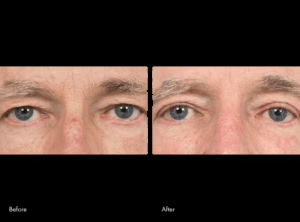
The eyes are often one of the earliest areas to show aging. Excess upper eyelid skin and under-eye bags can create a chronically tired or stressed appearance, even when a person feels well-rested.
Blepharoplasty removes or repositions excess tissue to restore a more alert look. Male eyelid surgery is performed conservatively to preserve natural eyelid heaviness, avoiding an overly open or rounded appearance. The result is subtle rejuvenation that helps patients appear refreshed rather than surgically altered.
-
Facelift & Neck Lift
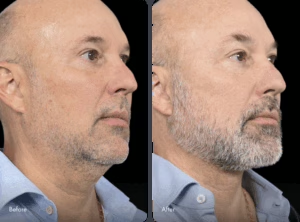
Facelift and neck lift procedures are increasingly popular among men in their 40s, 50s, and beyond. These procedures tighten underlying tissues, reduce jowling, and restore jawline definition while addressing loose skin in the neck.
Male facelift techniques require special attention to hair-bearing skin and beard patterns. Surgeons carefully preserve the sideburn hairline and avoid excessive tension that could create an unnatural appearance. The goal is a stronger, cleaner jawline and smoother neck contour while maintaining masculine facial character.
-
Facial Implants
Chin and cheek implants enhance skeletal structure and facial balance. Many men pursue chin augmentation to strengthen a recessed jawline or improve side-profile proportions.
A defined chin and midface can significantly influence perceptions of confidence and strength. Facial implants are customized to create subtle enhancement, improving proportions without appearing artificial or exaggerated.
-
Brow Lift
A drooping brow can create a heavy, fatigued, or even stern expression. A brow lift elevates the brow position slightly, restoring a more alert and approachable appearance.
Male brow lifts differ from female procedures in that surgeons avoid creating a high arch. Instead, the brow is repositioned conservatively to maintain a flatter, masculine contour while reducing forehead heaviness.
Male Facial Rejuvenation at a Glance

This infographic provides a visual overview of the most common facial procedures men choose, the concerns each treatment addresses, and how modern surgical techniques preserve masculine facial features. By illustrating treatment goals and outcomes side-by-side, patients can better understand how individualized procedures work together to create balanced, natural-looking results.
Male Plastic Surgery Factors to Consider
- Treatment Goals: Men must understand what to expect before, during and after plastic surgery so they can determine which procedure aligns with their treatment goals.
- Cost: The cost of plastic surgery varies based on the treatment facility, surgeon and other factors.
- Recovery Time: It may take several weeks or months before the full results of plastic surgery become visible.
- Surgeon: Choosing a surgeon who is board-certified and has experience in male plastic surgery minimizes patient risk.
Is Male Plastic Surgery Right for You?
Men considering plastic surgery benefit from a personalized consultation with Dr. Babak Azizzadeh, a Harvard-trained facial plastic and reconstructive surgeon. During this meeting, patients can:
- Receive a comprehensive medical evaluation
- Determine candidacy for surgery
- Explore both surgical and non-surgical options
- Gain a clear understanding of recovery and results
- Develop a customized treatment plan
Consultation allows patients to make informed decisions based on education, transparency, and realistic expectations.
Dr. Azizzadeh’s Approach to Male Plastic Surgery

Dr. Azizzadeh takes a holistic, patient-centered approach focused on facial harmony and authenticity. His philosophy emphasizes enhancement rather than alteration.
This approach includes:
- Learning each patient’s goals and concerns
- Evaluating facial balance and anatomy
- Recommending procedures tailored to masculine aesthetics
- Providing ongoing guidance throughout recovery
By combining technical precision with artistic judgment, treatments are designed to produce refined yet natural outcomes.
Why Do Men Choose Dr. Azizzadeh for Plastic Surgery?
Patients seek Dr. Azizzadeh’s expertise for several reasons:
- Globally recognized authority in facial plastic and reconstructive surgery
- Dual board certification in facial plastic surgery and head and neck surgery
- Extensive experience treating male patients
- Trusted by celebrities, executives, and international patients seeking discreet care
His specialized focus on facial procedures allows for highly customized treatment plans tailored to each individual.
Schedule a Male Plastic Surgery Consultation with Dr. Azizzadeh
To learn more about male plastic surgery or schedule a consultation with Dr. Azizzadeh, please call the CENTER for Advanced Facial Plastic Surgery at 310-657-2203.

How to Get Rid of Laugh Lines Around Your Mouth
Laugh lines refer to wrinkles or creases that appear around the corners of the mouth. They occur due to frequent smiling, laughing, frowning and other facial movements and make a person appear older than his or her actual age.
When it comes to determining how to get rid of laugh lines, there are many factors to consider. To better understand laugh line treatment, let's examine laugh lines, their impact on a person's facial appearance and different options to get rid of laugh lines.
What Are Laugh Lines?
Laugh lines are wrinkles and folds that begin at the sides of the nose and run toward the corners of the mouth. In addition to occurring around the corners of the mouth, laugh lines sometimes form around the eyes. As a result, laugh lines can impact a person's facial appearance, especially when an individual smiles, laughs or makes other facial expressions.
Both men and women are susceptible to laugh lines due in part to the natural aging process. As a person gets older, there is a reduction in the proliferation of cells in the surface layer of the skin. This causes the surface layer of the skin to become thinner, which can impact a person's facial appearance.
Additionally, the body's production of collagen slows as a person ages. Collagen is the primary structural protein in the body's connective tissues, and it supports skin structure, elasticity and hydration. When the body's production of collagen declines, the risk of dry skin increases, as does the risk of developing laugh lines.
In a study of the skin's collagen metabolism, researchers found that naturally aged skin had a reduced collagen synthesis level in comparison to photoaged skin. Researchers also noted that collagen synthesis induced by chronic ultraviolet (UV) irradiation hampered collagen production. They ultimately concluded that the natural aging process and UV irradiation can cause collagen deficiency that impacts the skin, causing laugh lines and other visible signs of aging.
Genetics has been linked to laugh lines and other forms of skin aging, too. Research shows that genetics can play a role in skin aging, but environmental and ethnic factors likely do the same. Thus, the extent to which genetics causes visible signs of aging requires additional study.
Laugh lines can occur for a wide range of reasons, but regardless of why they happen, it is important for an individual to evaluate all of the laugh line treatment options at his or her disposal. In doing so, an individual can find a safe, effective way to treat laugh lines and prevent them from recurring.
What Are the Best Ways to Remove Laugh Lines?
Non-surgical treatments are commonly used to correct laugh lines. These treatments are generally fast and simple to perform, and multiple options are available, including:
Restylane Defyne
Restylane Defyne is a hyaluronic acid dermal filler shown to correct laugh lines, and it simultaneously helps an individual regain a youthful, natural-looking appearance and maintain natural facial expressions. That way, Defyne revitalizes a person's facial appearance without hampering his or her ability to perform facial movements.
To determine how much Defyne should be used, a patient assessment is first performed. Then, if a patient qualifies for a Defyne procedure, he or she undergoes treatment that requires about 30 minutes to finish. Upon completion, a Defyne treatment delivers results that last up to one year.
Juvederm XC
Juvederm XC is an injectable gel that treats laugh lines. It smooths moderate to severe facial lines, with results lasting up to 18 months.
Unlike other injectable treatments, Juvederm XC contains lidocaine, a local anesthetic that reduces pain. A patient can receive Juvederm XC injections into areas of the mouth where laugh lines are present, and the results of these injections often become visible within 24 hours of treatment.
The benefits of injectables to treat laugh lines can be significant. Injectable procedures cause little to no downtime, and pain associated with injectable treatments is usually minimal. Patients often find injectable treatments for laugh lines are more affordable than alternative treatments. Some patients also prefer injectables due to the fact that a injectable procedure can be performed in a matter of minutes, and results of this procedure can last for several months.
Of course, patients who want a permanent treatment for laugh lines can consider other options. Beyond non-surgical treatment, a facelift can be used to address laugh lines. Thanks to a facelift procedure, an individual can improve facial symmetry, as well as correct laugh lines and other visible signs of aging.
A facelift treats visible signs of aging in the face and neck, and it is tailored to a patient's facial appearance. It provides a permanent treatment for laugh lines, making it a great alternative to non-surgical treatment. On the other hand, a facelift is much more extensive than a non-surgical treatment for laugh lines and requires a patient to go under the knife. Therefore, a patient should weigh his or her laugh line treatment options closely. This allows a patient to determine the best laugh line treatment based on his or her facial rejuvenation goals.
Which Laugh Lines Treatment Option Is Better: Injectables or Facelift Surgery?
Before undergoing a laugh lines treatment, an individual should meet with Dr. Babak Azizzadeh. This allows an individual to receive a full evaluation and expert laugh lines treatment recommendation from a globally recognized and Harvard-trained facial plastic and reconstructive surgeon.
Dr. Azizzadeh requests a consultation before an individual undergoes a laugh lines procedure or any other facial rejuvenation treatment. At this time, Dr. Azizzadeh evaluates a patient's facial appearance and medical history and finds out why this individual is considering a facial rejuvenation procedure. Next, Dr. Azizzadeh explains which facial rejuvenation treatments that a patient can receive; Dr. Azizzadeh only recommends a facial rejuvenation procedure if he believes that it can be performed safely and will enhance a patient's facial appearance. If a patient agrees to a facial rejuvenation procedure, Dr. Azizzadeh then crafts a custom treatment plan.
In certain instances, Dr. Azizzadeh recommends injectables to correct laugh lines. Or, Dr. Azizzadeh sometimes recommends a facelift. Dr. Azizzadeh even recommends a combination of injectable and surgical procedures at times, and he can perform multiple treatments at once to help a patient achieve his or her desired results.
Dr. Azizzadeh helps his patients throughout the course of a laugh lines treatment, too. He responds to patient concerns and questions to alleviate stress in the days leading up to a laugh lines procedure. Dr. Azizzadeh offers detailed instructions to help a patient prepare for the recovery period following a laugh lines procedure as well.
Finally, Dr. Azizzadeh stays in contact with a patient in the weeks and months following a laugh lines procedure. If a patient chooses an injectable laugh lines treatment plan, Dr. Azizzadeh monitors his patient's progress after each treatment and schedules follow-up appointments. Comparatively, if a patient undergoes a facelift surgery, Dr. Azizzadeh continues to track his patient's progress to ensure that he or she fully recovers from treatment.
Schedule a Laugh Lines Treatment Consultation with Dr. Azizzadeh
Laugh lines around the mouth sometimes make it difficult for a person to look his or her best. Fortunately, non-surgical and surgical laugh line treatments are available. When performed by Dr. Azizzadeh, a laugh line treatment reduces visible signs of aging in the face and improves the facial appearance.
For people who are considering injectables or facelift surgery to treat laugh lines, Dr. Azizzadeh is available to discuss different facial rejuvenation treatment options. To schedule a facial rejuvenation treatment consultation with Dr. Azizzadeh, please contact us online or call us today at 310-657-2203.
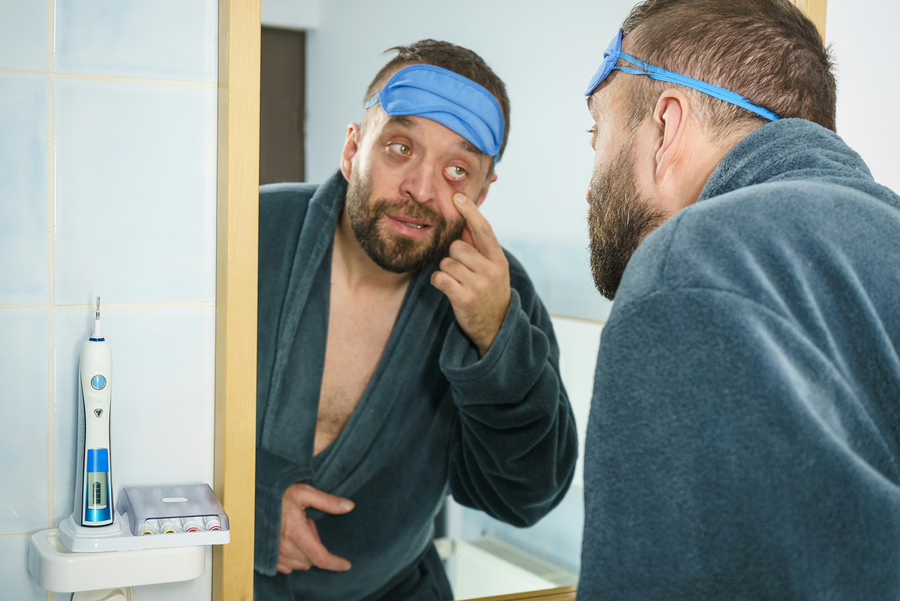
Men's Treatment Options for Dark Circles Under the Eyes
Dark circles under the eyes refer to the formation of dark skin directly beneath the eyes. They are not a medical problem and do not occur due to an eye injury or infection. However, dark circles under the eyes can affect the facial appearance and make an individual appear older or tired.
Dark circles under the eyes are problems for some men, but they are treatable. With support from globally recognized facial plastic and reconstructive surgeon Dr. Babak Azizzadeh, men can treat dark circles under the eyes and prevent them from becoming long-term problems.
What Causes Dark Circles to Form Under the Eyes?
Common dark circles under eyes causes in men include:
- Fatigue: A lack of sleep sometimes leads to fluid buildup underneath the eyes, causing the eyes to appear puffy and dark circles to form.
- Age: The skin becomes thinner as a man gets older, increasing his risk of fat and collagen loss that causes dark blood vessels beneath the eyes to become more visible.
- Eye Strain: Men who spend a significant amount of time in front of a computer screen or TV are prone to enlargement of the blood vessels around the eyes; when this occurs, the skin around the eyes can darken.
- Allergies: If a man experiences an allergic reaction or eye dryness, the body releases histamines that cause blood vessels to dilate beneath the eyes. Or, allergies can cause men to rub and scratch the eyes, which leads to dark shadows.
- Dehydration: The body requires sufficient water each day, and if a man experiences dehydration, his eyes can start to appear dull and sunken due to dark circles.
- Overexposure to the Sun: Too much sun exposure causes an excess production of melanin, resulting in dark pigmentation in the skin below the eyes.
- Genetics: Men with a family history of thyroid disease and other medical conditions are sometimes more susceptible than others to dark circles below the eyes.
For men who experience dark circles under the eyes, there is no need to wait to seek out medical treatment. By consulting with Dr. Azizzadeh, men can identify a safe, effective dark circles under eyes treatment.
What Dark Circles Under Eyes Treatment Options Are Available for Men?
Men coping with mild to moderate dark circles under the eyes can sometimes benefit from simple at-home treatments, such as:
- Apply a cold compress to the area that makes the blood vessels under the eyes constrict. This helps reduce dilation of the under-eye blood vessels that can contribute to dark circles.
- Keep the head elevated. Use two or more pillows to elevate the head, thereby reducing the risk of puffiness in the lower eyelids.
- Get sufficient rest. Follow National Sleep Foundation (NSF) recommendations to get sufficient rest and avoid dark shadows around the eyes; for men, NSF recommends seven to nine hours of sleep each night.
If dark circles under the eyes occur due to allergies, men can sometimes receive prescription allergy medication. Additionally, men could qualify for a surgical or non-surgical treatment for dark circles under the eyes, such as:
- Blepharoplasty
Blepharoplasty, also referred to as an eyelid lift, involves surgical removal of bags from the lower eyelids. It also allows a man to eliminate excess skin from the upper eyelids and remove sagging upper eyelid skin that hampers his vision.
Men dealing with dark circles under the eyes could benefit from a lower eyelid blepharoplasty performed by Dr. Azizzadeh. The procedure corrects puffiness of the lower eyelids caused by fluid accumulation within the skin, resulting in a rejuvenated facial appearance.
A typical blepharoplasty performed by Dr. Azizzadeh takes anywhere from 45 minutes to two hours to complete. Before the surgery is completed, Dr. Azizzadeh discusses the procedure with his patient and offers preparation tips. Dr. Azizzadeh provides details about what to expect throughout blepharoplasty recovery as well.
- Facelift
A facelift helps men reduce visible signs of aging in the face and neck, including dark circles under the eyes. It can be performed on its own or in combination with other facial rejuvenation procedures, and ultimately, offers a long-term treatment for assorted cosmetic issues.
In addition to improving the appearance of the eyes, a facelift helps men treat visible signs of aging in the cheeks, jawline, nose and neck. A facelift is also tailored to a patient, ensuring that a patient can use the procedure to achieve a balanced, natural-looking facial appearance.
If a man is considering a facelift from Dr. Azizzadeh to correct under-eye bags, he first must undergo a full assessment. At this time, Dr. Azizzadeh examines his patient, learns about his under-eye bags and determines if he qualifies for a facelift. Then, Dr. Azizzadeh provides a personalized treatment recommendation that could involve a facelift and other facial rejuvenation procedures to help his patient address under-eye bags.
- Liquid Facelift
A liquid facelift is a non-surgical alternative to a traditional facelift. It involves the use of different injectable treatments to treat under-eye bags and other visible signs of aging in the face. In doing so, a liquid facelift helps a man enhance his facial appearance without going under the knife.
During a liquid facelift, men can receive Botox, facial fillers and other injectable treatments. The injectables used during a liquid facelift are determined before the procedure is performed based on the visible signs of aging that a man wants to correct.
Generally, a liquid facelift requires about 30 to 45 minutes to perform. Dr. Azizzadeh carefully performs liquid facelift injections and determines the optimal amount of each injectable to use based on a patient's facial rejuvenation treatment goals and other factors. He also monitors his patient's progress to ensure that this individual can undergo regular liquid facelift treatments to maintain the desired results.
Surgical and non-surgical treatment of dark circles under the eyes often provides a great facial rejuvenation option for men. Thanks to Dr. Azizzadeh, men can undergo a surgical or non-surgical treatment to address dark circles under the eyes and get the help they need to find a procedure to accommodate their facial rejuvenation goals.
What Is the Best Dark Circles Under Eyes Treatment for Men?
The ideal dark circles under eyes treatment for a man varies based on the severity of his symptoms and other factors. Fortunately, Dr. Azizzadeh performs a patient evaluation, and this helps men coping with dark circles under the eyes determine the best treatment option.
Dr. Azizzadeh is dual-certified in head and neck surgery and facial plastic and reconstructive surgery, and his expertise helps him provide men with in-depth dark circles under eyes treatment options. With a consultation, Dr. Azizzadeh evaluates a man's eyes and reviews his medical history. Dr. Azizzadeh also asks questions to learn as much as possible about his patient's symptoms. If Dr. Azizzadeh believes a man can benefit from surgical or non-surgical treatment of dark circles under the eyes, he then develops a custom treatment plan for this individual.
Each treatment plan for dark circles under the eyes is designed to help a patient achieve long-lasting results. Dr. Azizzadeh works with a patient to create this plan, and the plan can be modified based on a patient's response to treatment.
Also, Dr. Azizzadeh helps a patient prepare for all aspects of dark circles under the eyes treatment. Dr. Azizzadeh wants a patient to know what to expect at each stage of treatment, and he explains what a patient can do to prepare for treatment. Plus, Dr. Azizzadeh tracks his patient's progress following a surgical or non-surgical treatment to ensure that this individual can avoid post-treatment complications.
Schedule a Dark Circles Under the Eyes Treatment Consultation with Dr. Azizzadeh
Dark circles under the eyes can affect men, yet men frequently ignore treatment — despite the fact that treating this issue can be easy. In fact, by scheduling a treatment consultation with Dr. Azizzadeh, men can take the first step to correct dark circles under the eyes and other visible signs of aging. They can even improve the facial appearance by undergoing a surgical or non-surgical treatment performed by an expert facial plastic and reconstructive surgeon.
Men who are considering ways to correct dark circles under the eyes can schedule a consultation with Dr. Azizzadeh to learn about all available treatment options. A consultation with Dr. Azizzadeh provides a valuable learning experience that ensures a man can receive answers to any treatment questions.
Dr. Azizzadeh is available for a facial rejuvenation treatment consultation, and he is happy to help men address dark circles under the eyes and other cosmetic issues. To learn more or to schedule a consultation with Dr. Azizzadeh, please contact us online or call us today at 310-657-2203.
How to Change the Shape of Your Face
The shape of the face is determined by the shape of the jaw, length of the face and different facial features, and it impacts a person's overall appearance. Sometimes, people want to change their facial shape, and treatment options are available that allow them to do just that.
For men and women who want to know how to change your face shape, it is important to note that bone structure dictates the facial appearance. Thus, surgical or non-surgical treatment is often required to change face shape. But with help from world-renowned facial plastic and reconstructive surgeon Dr. Babak Azizzadeh, an individual can identify the ideal treatment to safely and effective reshape the face and improve the facial appearance.
Dr. Azizzadeh is a Harvard-trained facial plastic and reconstructive surgeon who prioritizes facial harmony. He helps patients achieve a balanced, natural-looking facial appearance and offers surgical and non-surgical treatment options, all of which help enhance facial symmetry. Plus, each treatment is tailored to a patient, ensuring that an individual can undergo a surgical or non-surgical procedure to accommodate his or her facial rejuvenation goals.
When it comes to finding a treatment to change the shape of the face, Dr. Azizzadeh is happy to help. In fact, Dr. Azizzadeh offers a wide range of treatment options for patients who want to change their face shape, such as:
- Facelift
A facelift is a surgical procedure that reduces visible signs of aging in the face and neck. It requires Dr. Azizzadeh to examine a patient's cheeks, chin, nose and other facial features and ensure that they are in perfect harmony with one another. That way, a patient can undergo a facelift to improve the facial shape.
There is no such thing as a standard facelift surgery performed by Dr. Azizzadeh. Instead, Dr. Azizzadeh personalizes a facelift to his patient, thereby helping this individual achieve facial features that complement one another.
Additionally, Dr. Azizzadeh offers facelift surgery to patients of all ages if they qualify for treatment. Dr. Azizzadeh conducts a thorough patient evaluation before he performs a facelift so he can analyze a patient's facial features, medical history and other relevant information. If Dr. Azizzadeh believes a facelift is the best option to help a patient enhance the facial shape, he then develops and executes an in-depth treatment plan.
- Mid Facelift
A mid facelift is used to revitalize the appearance of the lower eyelids and cheeks. It differs from a traditional facelift, but also shares similarities to this procedure.
Whereas a traditional facelift treats different signs of aging in the face and neck, a mid facelift focuses exclusively on elevating the cheeks. A mid facelift helps a patient treat visible signs of aging that affect the appearance of the nose, eyes and corners of the mouth.
A mid facelift candidate often displays subtle signs of aging in the face. Meanwhile, a mid facelift can be performed on its own or in conjunction with a traditional facelift. When performed by Dr. Azizzadeh, a mid facelift helps a patient rejuvenate the facial appearance around the lower eyelids and cheeks.
- Facial Fat Grafting
Facial fat grafting, also referred to as a fat transfer to face procedure, involves the transfer of fat from the abdomen, flanks or other parts of the body to the face. The result: a patient can undergo facial fat grafting to achieve a more youthful facial appearance.
With facial fat grafting, fat is harvested from a patient via a small incision in his or her neck. Next, the fat is cleansed, concentrated and injected into a patient's face. The fat is injected into certain areas of a patient's face determined prior to treatment, and ultimately, helps treat visible signs of aging in the face.
Recovery after facial fat grafting usually takes a few months to complete. In some instances, facial fat grafting patients experience post-treatment swelling that persists for up to three months, along with numbness at different injection sites. However, upon successful completion of the recovery cycle, a facial fat grafting patient improves facial fullness and volume, leading to a rejuvenated facial appearance.
- Facial Fillers
Patients who want to change the facial shape without undergoing surgery can pursue facial fillers, injectable facial rejuvenation treatments that provide temporary results. Facial filler treatments are often more affordable than surgical options, and they help patients quickly revitalize their facial appearance.
Different types of facial fillers are available, and each has a different purpose. Also, the facial filler application area varies based on the filler itself. To determine which facial filler can be used to help improve the facial appearance, Dr. Azizzadeh conducts a patient assessment.
In certain instances, a single facial filler can be used to enhance the facial appearance. Or, Dr. Azizzadeh sometimes recommends a combination of facial fillers to treat the face as a whole. Regardless of the number or quantity of facial fillers used, Dr. Azizzadeh's goal remains the same: to provide his patient with a facial filler treatment that reduces visible signs of aging in the face.
- Botox
Botox ranks as a top non-surgical facial rejuvenation treatment, and millions of Botox procedures are performed annually in the United States. The non-invasive cosmetic treatment is used to treat excess muscle movements in the face, reducing muscle contractions that otherwise cause fine lines, wrinkles and furrows.
During a Botox treatment, small, subcutaneous injections are used in different areas of the face. The injections are typically pain-free, and patients can usually resume their normal activities immediately following a Botox procedure.
Botox treatment results often become visible within a few days of a procedure. The results last up to four months, and Botox treatments can be performed at regular intervals based on a patient's needs.
Should You Undergo a Procedure Designed to Help Change Face Shape?
Surgical and non-surgical procedures are available to help patients change their face shape, yet patients should consider their treatment options closely. Thanks to Dr. Azizzadeh, men and women can receive extensive insights into different surgical and non-surgical facial rejuvenation procedures. They can also learn about different factors to consider prior to a facial rejuvenation treatment, such as:
- Cost
Facial rejuvenation surgery provides long-term results, but the cost of treatment is generally higher than that associated with non-surgical options. Dr. Azizzadeh offers details about the costs associated with surgical and non-surgical facial rejuvenation treatments before he performs a procedure. He also provides financing options to help patients cover the costs of a facial rejuvenation treatment.
- Potential Complications
Dr. Azizzadeh educates his patients about the benefits of facial rejuvenation treatments, along with potential treatment complications. He wants a patient to make an informed decision about a facial rejuvenation procedure, and as such, explains all aspects of treatment. This allows a patient to understand the pros and cons of a facial rejuvenation procedure and plan accordingly.
- Recovery Time
Recovery time varies based on the type of facial rejuvenation procedure that a patient receives. For example, non-surgical facial rejuvenation procedures often require little to no downtime, while certain surgical procedures cause bruising, swelling and other symptoms that continue for days or weeks after treatment. Dr. Azizzadeh explains the facial rejuvenation treatment recovery cycle to his patient, and he helps his patient prepare for this process.
In addition to evaluating the aforementioned factors, a patient also needs to undergo an evaluation to determine if he or she qualifies for facial rejuvenation treatment. Dr. Azizzadeh performs this evaluation, and he dedicates significant time and resources to learn about his patient. The evaluation therefore helps Dr. Azizzadeh assess his patient and find out if this individual is a good candidate for a surgical or non-surgical facial rejuvenation procedure.
Depending on the patient, Dr. Azizzadeh could recommend a surgical or non-surgical procedure to help this individual reshape his or her face. Dr. Azizzadeh could also recommend a combination of surgical and non-surgical treatments. Regardless of Dr. Azizzadeh's recommendation, he strives to provide each patient with a facial rejuvenation treatment that results in a symmetrical facial appearance. To accomplish his goal, Dr. Azizzadeh collaborates with his patient, delivers personalized support and tracks his or her progress throughout treatment.
Schedule a Facial Rejuvenation Treatment Consultation with Dr. Azizzadeh
An individual who wants to change the shape of the face requires expert support. By consulting with Dr. Azizzadeh, a patient can learn about treatment options designed to help change his or her face shape. Dr. Azizzadeh discusses surgical and non-surgical treatments to change face shape, and he responds to a patient's treatment concerns and questions. To schedule a facial rejuvenation treatment consultation with Dr. Azizzadeh, please contact us online or call us at 310-657-2203.
Broken Nose Healing Time: What You Need to Know
Dr. Azizzadeh has comprehensive expertise in head and neck surgery and facial plastic and reconstructive surgery, and his deep understanding of nasal structures allows him to help a broken nose patient improve the nose's appearance without disrupting its functionality. He crafts a custom treatment plan for each broken nose patient, and this plan accounts for a broken nose patient's health, as well as his or her facial appearance. That way, the treatment plan helps a broken nose patient achieve a functional nose that complements his or her cheeks, chin and other facial features.
For those who experience a broken nose or other nasal issues that require surgery, Dr. Azizzadeh is happy to help. In addition to performing rhinoplasty surgery and other nose procedures, Dr. Azizzadeh serves as an expert facial plastic and reconstructive surgery resource. Dr. Azizzadeh educates broken nose patients about treatment, recovery and other factors. In doing so, Dr. Azizzadeh helps these patients determine the best course of action based on their individual needs.
Ultimately, when it comes to broken nose treatment, there are many factors for a patient to consider, including.
- Determining If a Nose Is Actually Broken
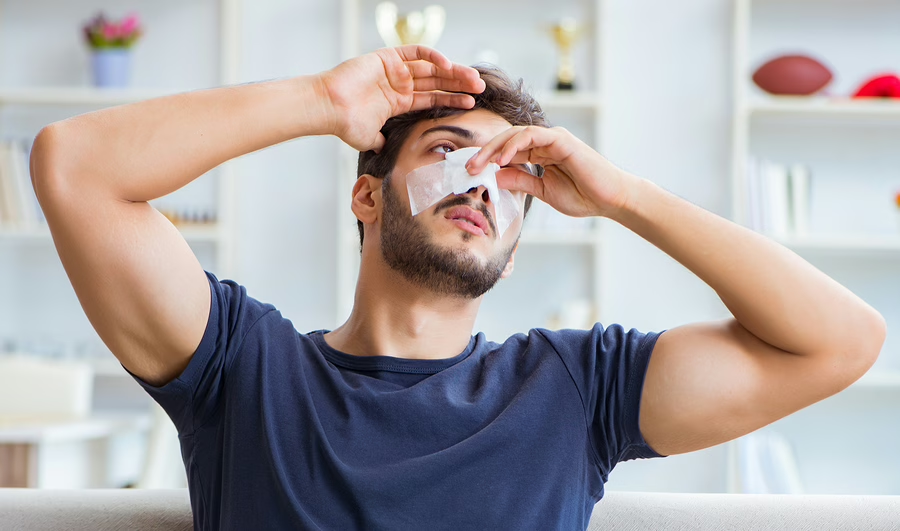
Although a patient may experience a nose injury or nose trauma, he or she requires a proper medical diagnosis to determine if the nose is actually broken. Typically, a broken nose patient displays a variety of symptoms, such as:
- Difficulty breathing through the nose
- Pain, bruising, redness and swelling in and around the nose
- Crackling or crunching sound that occurs when trying to breathe through the nose
It is important to note that the damage associated with a broken nose often extends beyond the nose itself, too. For instance, a person who suffers a broken nose can experience nasal septum damage. The nasal septum divides the left and right sides of the nose, and if it is damaged and left untreated, can impact a person's ability to breathe through the nose. A damaged nasal septum may affect a person's facial appearance as well.
Additionally, a person can experience a nasal fracture; even though a nasal fracture sometimes causes the nose to look like it is broken, a nasal fracture and a broken nose are not the same. Whereas a nasal fracture is a nose injury or nose trauma that causes the nose to appear crooked, a broken nose is diagnosed if any nasal bones are broken. Meanwhile, a nasal fracture is commonly treated with a splint and realignment of the nose, while a broken nose often requires surgery.
If a person displays any warning signs of a broken nose, meeting with Dr. Azizzadeh is key. At this point, Dr. Azizzadeh examines a patient's nose, its shape and symmetry, its alignment to the bones and other factors. If Dr. Azizzadeh determines a patient is dealing with a broken nose, he offers a personalized treatment recommendation to address this issue.
- Finding the Right Doctor to Treat a Broken Nose
Once an individual determines that his or her nose is broken, it is essential to identify a facial plastic and reconstructive surgeon with nose surgery expertise. This allows an individual to receive extensive support as he or she tries to correct a broken nose.
Dr. Azizzadeh is a leading facial plastic and reconstructive surgeon, thanks in part to his nose surgery expertise. He works closely with a broken nose patient to develop a custom treatment plan, thereby ensuring that a patient can correct a broken nose without putting his or her health in danger.
Dr. Azizzadeh understands that each patient's nose is different, and how a broken nose is treated varies based on the patient. There is also no one-size-fits-all solution to eliminate broken nose healing time, but Dr. Azizzadeh does everything possible to ensure that each broken nose patient can accomplish his or her desired treatment results, as quickly as possible. To do so, Dr. Azizzadeh offers a broad range of nose treatments, including rhinoplasty and revision rhinoplasty procedures.
Rhinoplasty is among the most-common cosmetic surgeries, and it is frequently used to help an individual reshape the nose and enhance nasal proportions. Sometimes, if a person experiences a broken nose, a rhinoplasty is recommended to address the issue.
Dr. Azizzadeh offers various rhinoplasty options, so a patient can undergo nose surgery for a broken nose regardless of his or her age or ethnicity. Before rhinoplasty surgery is performed, Dr. Azizzadeh evaluates his patient. Dr. Azizzadeh then offers a personalized rhinoplasty treatment plan to accommodate this individual.
Revision rhinoplasty is a form of nose surgery available to patients who previously underwent a nose job. If an initial rhinoplasty resulted in a broken nose or caused nose trauma, Dr. Azizzadeh can perform a revision rhinoplasty to correct this issue.
Both primary and revision rhinoplasties are effective treatments for a broken nose, but there are differences between the two types of nose surgery. For a broken nose patient, a primary rhinoplasty surgery is commonly used to treat structural defects of the nose and restore the nasal function. Comparatively, revision rhinoplasty surgery addresses both structural and facial aesthetic issues of the nose following an initial nose surgery. Revision rhinoplasty is often more complex and requires more time to complete than a primary nose surgery, too.
- Executing a Custom Broken Nose Treatment Plan
A custom broken nose treatment plan is developed before broken nose surgery is performed. Dr. Azizzadeh explains the plan to his patient and responds to his or her concerns or questions. He also discusses potential complications associated with broken nose treatment and outlines what a patient should expect during broken nose healing time.
Like any surgery, there are risks associated with primary rhinoplasty or revision nose surgery to correct a broken nose. These risks include:
- Chronic nosebleeds
- Perforated septum
- Numbness
- Difficulty breathing
- Scarring
Dr. Azizzadeh takes steps to minimize broken nose surgery risks. For instance, Dr. Azizzadeh determines whether it is best to use open or closed incisions prior to surgery. Open incisions are used if the tip and middle portion of the nose need to be modified during treatment. Or, closed incisions are used if alterations are required from the inside of the nose via the nostrils.
Also, Dr. Azizzadeh describes what a patient should expect immediately following a rhinoplasty or revision rhinoplasty. Broken nose recovery time generally lasts about one to two weeks. During this period, a patient wears a nose cast and experiences some bruising and swelling around the nose and eyes. Dr. Azizzadeh offers tips and recommendations to help a broken nose patient reduce or alleviate these side effects.
Dr. Azizzadeh provides broken nose treatment post-operative instructions as well. How a patient approaches broken nose healing time has far-flung effects on his or her long-term treatment results. If a patient should follow post-operative instructions, he or she can limit the risk of potential complications during the broken nose recovery cycle.
- Getting the Best Broken Nose Treatment Results
To ensure a patient's broken nose recovery stays on track, Dr. Azizzadeh requests follow-up appointments after treatment. Usually, Dr. Azizzadeh meets with a patient several times in the first 10 days following a broken nose procedure. He also performs patient assessments approximately every three months for the first year following broken nose treatment and annually afterwards. This allows Dr. Azizzadeh to monitor his patient's post-nose surgery progress and help him or her maximize treatment results.
Oftentimes, the full results of a rhinoplasty or revision rhinoplasty to correct a broken nose become visible within about two years of surgery. Broken nose healing time depends on the patient, but Dr. Azizzadeh follows up with a patient to help him or her streamline the recovery cycle.
Schedule a Broken Nose Treatment Consultation with Dr. Azizzadeh
There is no reason to leave anything to chance, particularly for an individual who is dealing with a broken nose or other nose trauma. By consulting with Dr. Azizzadeh, an individual can undergo a full evaluation and learn about different nose surgeries. Plus, Dr. Azizzadeh can provide a personalized treatment recommendation to help an individual simultaneously correct structural issues of the nose and enhance his or her facial appearance.
Dr. Azizzadeh is available to discuss broken nose healing time, broken nose recovery and other aspects of broken nose treatment. To schedule a consultation with Dr. Azizzadeh, please contact us online or call us today at 310-657-2203.

Liquid Facelift Explained
A liquid facelift is a non-surgical alternative to a traditional facelift procedure. It is becoming an exceedingly popular treatment to help people rejuvenate their facial appearance without going under the knife.
How Does a Liquid Facelift Differ from a Traditional Facelift?
Whereas a standard facelift surgery involves the use of general anesthesia and incisions, a liquid facelift features injectable treatments. Therefore, a liquid facelift can often be performed more quickly than a traditional facelift. A liquid facelift also requires little to no downtime, with results becoming transparent shortly after treatment.
There are many reasons why people choose a liquid facelift over traditional facelift surgery, including:
- Convenience: A typical liquid facelift requires only minutes to complete, and the recovery period usually won't force patients to miss work or school.
- Cost: Liquid facelift injections are generally more affordable in comparison to the cost of a conventional facelift surgery.
- Efficacy: A liquid facelift helps patients quickly reduce the appearance of wrinkles and other visible signs of aging in the face, resulting in a harmonious, natural-looking facial appearance.
Additionally, a liquid facelift enables patients to target different areas of the face, such as:
- Cheeks
- Temples
- Jowls
- Eyebrows
- Eyes
Each liquid facelift is tailored to a patient's facial appearance as well. That way, a liquid facelift patient can receive specific injectable treatments that help him or her enhance the facial appearance.
What Liquid Facelift Treatment Options Are Available?
Many liquid facelift treatments are available, including:
1. Botox
Botox is one of the most-popular non-surgical facial rejuvenation treatments available today. Botox injections smooth fine lines and wrinkles caused by excessive facial muscle movements. In doing so, Botox injections reduce unwanted facial muscle contractions and help patients improve facial symmetry.
2. Sculptra
Sculptra stimulates the growth of collagen, a protein that supports skin health. It helps restore facial fullness, as well as corrects facial folds, wrinkles and other visible signs of aging. In most instances, a Sculptra patient receives three sets of injections over the course of several months to maximize his or her treatment results.
3. Restylane
Restylane addresses deep wrinkles, folds and volume loss in the face. It consists of hyaluronic acid, a substance naturally found in the skin that helps keep the skin hydrated and plump. A Restylane treatment can usually be completed in about 30 minutes, with results lasting up to one year.
4. Juvederm
Juvederm helps improve facial volume. Different types of Juvederm are available, and each option helps treat visible signs of aging in different areas of the face. Also, Juvederm injections are sometimes performed in combination with other dermal filler treatments to enhance facial symmetry.
Dr. Babak Azizzadeh of the CENTER for Advanced Facial Plastic Surgery takes a patient-first approach to liquid facelift procedures. He understands that liquid facelift patients want to revitalize their facial appearance as quickly and safely as possible. To help patients achieve their liquid facelift treatment goals, Dr. Azizzadeh requests a consultation. Dr. Azizzadeh then learns about a patient and develops a personalized treatment plan to accomplish his patient's goals.
A Closer Look at Dr. Azizzadeh's Approach to Liquid Facelifts
Like any facial rejuvenation procedure, the decision to undergo a liquid facelift is significant. Dr. Azizzadeh wants his patients to understand the ramifications of facial rejuvenation treatments. As such, Dr. Azizzadeh conducts an in-depth patient evaluation prior to performing a facial rejuvenation procedure. If Dr. Azizzadeh believes a patient is a good candidate for a liquid facelift or any other facial rejuvenation procedure, he then educates his patient about all aspects of treatment.
Initially, Dr. Azizzadeh meets with a patient to find out why he or she is considering a facial rejuvenation treatment. Dr. Azizzadeh learns about a patient and his or her medical history, along with identifies any potential risks that may disqualify this individual from certain treatments.
Dr. Azizzadeh next outlines different facial rejuvenation treatment options. For liquid facelift patients, Dr. Azizzadeh explains the different types of liquid facelifts, how they work, the costs associated with these treatments and more. Dr. Azizzadeh also responds to any patient concerns or questions about liquid facelifts; this allows a patient to gain the insights that he or she needs to make an informed treatment decision.
If a patient agrees to undergo a liquid facelift, Dr. Azizzadeh prepares him or her for treatment. Dr. Azizzadeh describes what a patient should expect on the day of a liquid facelift and the liquid facelift treatment process.
Dr. Azizzadeh helps a patient establish realistic expectations for a liquid facelift, too. A traditional facelift is a permanent facial rejuvenation treatment, but most liquid facelifts deliver temporary results. Fortunately, Dr. Azizzadeh ensures that his patient knows what to expect following a liquid facelift.
After a liquid facelift, Dr. Azizzadeh tracks his patient's progress. Sometimes, liquid facelift patients experience swelling and bruising, but these side effects often subside on their own in the days after treatment. Dr. Azizzadeh prioritizes patient safety, and he takes precautions to ensure that each facial rejuvenation procedure is performed properly. Thus, Dr. Azizzadeh helps minimize the risk of potential complications after a liquid facelift.
Schedule a Liquid Facelift Treatment Consultation with Dr. Azizzadeh
A liquid facelift is a safe, effective alternative to a traditional facelift, and Dr. Azizzadeh is happy to help an individual weigh the pros and cons of both types of facelift procedures. To schedule a facial rejuvenation treatment consultation with Dr. Azizzadeh, please contact us online or call us today at 310-657-2203.