Can a Brow Lift Fix Hooded Eyes?
Hooded eyes can make the eyes appear small, resulting in an unbalanced facial appearance. But, for people who are coping with this issue, help is available.
Dr. Babak Azizzadeh of the CENTER for Advanced Facial Plastic Surgery in Beverly Hills is a dual board-certified facial plastic and reconstructive surgeon. He performs brow lift surgery and other cosmetic procedures to help patients address hooded eyes and other issues that hamper their facial appearance. In doing so, Dr. Azizzadeh helps patients correct visible signs of aging in the face and achieve a harmonious, youthful facial appearance.
When it comes to treating hooded eyes or other cosmetic issues, Dr. Azizzadeh recognizes that there is no single treatment that works well for all patients. Thus, Dr. Azizzadeh personalizes a cosmetic treatment to his patient. Dr. Azizzadeh also educates his patients about all aspects of treatment to ensure they know exactly what to expect from a cosmetic procedure.
For those who want to improve their facial appearance, Dr. Azizzadeh encourages them to schedule a consultation. That way, Dr. Azizzadeh can evaluate a patient's facial appearance and determine if hooded eyes are hindering their facial appearance. If Dr. Azizzadeh determines a patient is dealing with hooded eyes, he can then teach his patient about this issue and prepare and execute a custom treatment plan.
What Are Hooded Eyes?
Hooded eyes occur when an extra layer of skin extends over the eyelid crease. When this happens, the additional skin layer makes the eyes look small.
If people experience hooded eyes, they may have trouble applying eye shadow. People dealing with hooded eyes have brow bones that protrude, which creates a hood over the eyelids. In this scenario, eye shadow may be hidden after it is applied to the eyelids.
Jennifer Lawrence, Taylor Swift, and Blake Lively are three celebrities who deal with hooded eyes. Meanwhile, hooded eyes can happen due to genetics, and they do not indicate that people are coping with an underlying eye condition.
Are Hooded Eyes the Same as Droopy Eyes?
Hooded eyes may sound similar to droopy eyes, but it is important to note that there are differences between these two cosmetic issues.
People with hooded eyes tend to have a strong brow. Additionally, if people are dealing with hooded eyes, most or all of their eyelid covers their brow bones when they open their eyes.
Comparatively, sagging eyelids are commonly associated with droopy eyes. If people are coping with droopy eyes, their eyelid covers the top portion of their iris or pupil when they open their eyes.
The cause of hooded and droopy eyes varies, too. Whereas hooded eyes are related to genetics, droopy eyelids may occur due to the natural aging process, an eye injury, or as a side effect from a prior eye surgery.
In terms of treating hooded or droopy eyes, many treatment options are available. To determine a safe, effective way to address hooded or droopy eyes, a consultation with Dr. Azizzadeh is key. Because, during a consultation, Dr. Azizzadeh can assess a patient, review their medical history, and offer a treatment plan customized to their cosmetic issue.
How to Treat Hooded Eyes
Hooded eyes, droopy eyes, and other cosmetic issues that impact the facial appearance may be treated with surgery or Botox.
Brow lift surgery is used to reduce the appearance of a heavy, sagging brow. The procedure can help patients correct hooded eyes, as well as treat deep furrows.
An eyelid lift may be recommended to remove bags from beneath the lower eyelids and excess skin from the upper eyelids. The procedure may take up to two hours to complete, with an initial recovery period of 10 to 14 days.
In addition to brow lift and eyelid lift procedures, Botox may be used to enhance the facial appearance. During a Botox procedure, an injectable prescription is used to address frown lines, forehead creases, and other visible signs of aging in the face. A Botox procedure does not require a patient to go under the knife, and it can be completed in minutes.
What Is the Best Treatment for Hooded Eyes?
The best treatment for hooded eyes depends on a patient's overall facial appearance. Therefore, it is crucial to meet with Dr. Azizzadeh to find out if a brow lift, eyelid lift, or Botox for hooded eyes can deliver the desired results.
Dr. Azizzadeh understands the challenges associated with treating cosmetic issues, particularly those that affect the eyes. He also recognizes that surgical and non-surgical treatment options are available to correct these issues, and every treatment must be tailored to his patient.
Thanks to a personalized treatment plan, a patient coping with hooded eyes or other cosmetic problems can undergo a procedure that helps improve facial symmetry and revitalize the facial appearance. Plus, with Dr. Azizzadeh at their side, a patient is assured of receiving comprehensive guidance and support throughout their treatment plan.
Explore Treatment Options for Hooded Eyes with Dr. Azizzadeh
Hooded eyes can be treated, and Dr. Azizzadeh is available to explore hooded eyes treatment options with patients. To learn more or to schedule a consultation with Dr. Azizzadeh, please contact us online or call us today at 310-657-2203.


Chin Implant vs. Filler: Which Is Better?
Chin implants and fillers can enhance the jawline and improve the facial appearance. However, chin implants may be better choices than chin fillers for some patients or vice versa. There may even be instances in which patients benefit from chin implant or filler treatments performed in combination with other facial rejuvenation procedures.
Dr. Babak Azizzadeh of the CENTER for Advanced Facial Plastic Surgery is committed to educating patients about facial rejuvenation treatments. To help patients determine if a chin implant or filler can be used to revitalize their facial appearance, Dr. Azizzadeh provides insights into both treatments.
What Is a Chin Implant?
A chin implant is used during chin augmentation, a surgical procedure that involves the insertion of a small implant in front of a patient's chin bone. The implant increases the length of the patient's jawline, resulting in a more refined and sculpted facial appearance.
Ultimately, the goal of chin augmentation is to ensure that the chin complements the cheeks, eyes, nose, and other facial features. If the chin looks proportional to the rest of the face after chin augmentation surgery, a patient can enjoy a symmetrical facial appearance.
Benefits of a Chin Implant
There are many reasons why patients may pursue chin implant surgery, such as:
- Weak Chin: Patients dealing with a receding or under-projected chin can undergo a chin augmentation to correct a weak chin and improve the length of the jawline.
- Double Chin: A chin implant can be used to help reduce the appearance of a double chin that looks disproportionate to the rest of a patient's face.
- Poor Neck Definition: Chin implant surgery can improve both the definition of the neck and jawline.
The benefits of a chin implant can be significant, but a patient should only undergo chin augmentation surgery after consulting with Dr. Azizzadeh. That way, Dr. Azizzadeh can prepare his patient for all aspects of chin implant surgery.
Chin Implant Surgery Process
A chin augmentation is typically performed as an outpatient procedure under general or local anesthesia. During treatment, Dr. Azizzadeh makes a small incision under a patient's chin or inside their mouth. Next, Dr. Azizzadeh makes space for the chin implant and inserts it around the chin bone.
There may also be instances where Dr. Azizzadeh performs chin implant surgery in combination with a nose job. In these instances, Dr. Azizzadeh reshapes or resizes the nose at the same time he inserts an implant into a patient's chin.
On average, a chin implant surgery takes about one hour to complete. Additional time is required if chin augmentation surgery is performed in conjunction with a rhinoplasty or any other facial rejuvenation treatment.
Chin Implant Recovery Time
Patients may experience bruising and swelling following chin implant surgery, but these symptoms usually disappear on their own shortly after treatment.
Most patients can often resume their regular activities within one week of a chin augmentation procedure. But, patients may need to sleep face up with the head elevated and follow other post-surgery instructions for a few weeks after a chin augmentation to minimize the risk of complications.
Chin Implant Risks
There are risks associated with chin implant surgery, and these include:
- Infection
- Internal bleeding
- Poor scarring
Dr. Azizzadeh prepares a chin implant surgery plan and carefully administers treatment. Additionally, Dr. Azizzadeh won't recommend chin augmentation surgery if he believes the procedure will endanger a patient. In this scenario, Dr. Azizzadeh may instead recommend a chin filler.
What Is a Chin Filler?
A chin filler offers a non-surgical alternative to a chin augmentation. It involves the use of an injectable filler to temporarily improve the appearance of the chin and jawline.
Benefits of a Chin Filler
A chin filler does not require a patient to go under the knife. Conversely, Dr. Azizzadeh injects a chin filler into the treatment area, and the procedure takes about 30 to 60 minutes complete.
Chin Filler Recovery Time
There is no downtime after a chin filler procedure as well. Upon completion, a chin filler patient may notice immediate improvements in their facial appearance, with treatment results lasting up to two years.
Chin Filler Risks
Risks associated with chin fillers include:
- Asymmetrical facial appearance
- Skin damage
- Infection
- Bleeding
- Under- or over-treatment
Dr. Azizzadeh explains the risks associated with a facial rejuvenation treatment during an initial consultation. He also takes time to respond to a patient's facial rejuvenation treatment concerns and questions. With his in-depth approach to facial rejuvenation procedures, Dr. Azizzadeh helps his patient make the best decision based on their treatment goals.
Chin Filler or Implant: Which Option Is Right for You?
When it comes to chin filler and implant treatments, it helps to consult with Dr. Azizzadeh. Then, Dr. Azizzadeh can evaluate a patient and offer a personalized treatment recommendation. Dr. Azizzadeh can also provide comprehensive insights into the advantages and disadvantages of chin fillers and chin implants.
Chin fillers are popular choices for patients who want to quickly improve the appearance of the chin and jawline. They may also be more affordable than chin augmentation surgery. Yet, chin fillers deliver temporary results, so periodic follow-up treatments may be required.
Comparatively, chin implant surgery provides long-term results, and it has been shown to be safe and effective for patients who want to achieve a balanced facial appearance. On the other hand, chin augmentation can be risky, particularly when it is performed by an inexperienced facial plastic surgeon.
The Bottom Line on a Chin Filler vs. a Chin Implant
Regardless of whether patients choose chin fillers or implants, Dr. Azizzadeh helps his patients safely correct visible signs of aging in the face. Dr. Azizzadeh learns about his patients and finds out why they are considering facial rejuvenation treatments. He then offers a custom treatment plan for each patient and executes this plan to perfection. The result: a patient can undergo a procedure to bolster their facial appearance and achieve their desired results.
Dr. Azizzadeh is available to discuss chin fillers and implants and help his patients evaluate both facial rejuvenation treatment options. To learn more or to schedule a consultation with Dr. Azizzadeh, please contact us online or call us today at 310-657-2203.
Vertical vs. Traditional Facelift: What Is the Difference?
Facelift surgery is a top choice to rejuvenate the eyes, cheeks, chin, and other facial features. Yet, deciding which type of facelift procedure to undergo can be difficult.
For those who are considering facelift surgery, multiple options are available, including vertical and traditional treatments. To determine which type of facelift is the best option to help a patient correct visible signs of aging in the face, let's take an in-depth look at both types of facelift surgery.
What Is a Vertical Facelift?
A vertical facelift treats sagging facial skin in the lower face. In doing so, the procedure helps patients address hanging skin on the jaw or chin and make the skin on the lower face appear tighter, firmer, and more youthful.
Benefits of a Vertical Facelift
During a vertical facelift, a facial plastic surgeon makes small incisions that extend from behind a patient's ear to the back of the hairline. This provides the surgeon with seamless access to the treatment area. At the same time, the vertical facelift technique helps the surgeon minimize the appearance of scars after facelift surgery.
Along with limited scarring, a vertical facelift offers a safe, effective treatment to help enhance facial appearance, particularly when it is performed by an expert facial plastic surgeon. A vertical facelift also ensures a patient can enjoy a balanced, natural-looking facial appearance for years after treatment.
Disadvantages of a Vertical Facelift
The primary disadvantage of a vertical facelift is that the procedure focuses on the lower portion of the face. Thus, if a patient is exploring ways to enhance the appearance of the eyes, cheeks, forehead, and other areas in the middle and upper portions of the face, a traditional facelift may be a superior option.
What Is a Traditional Facelift?
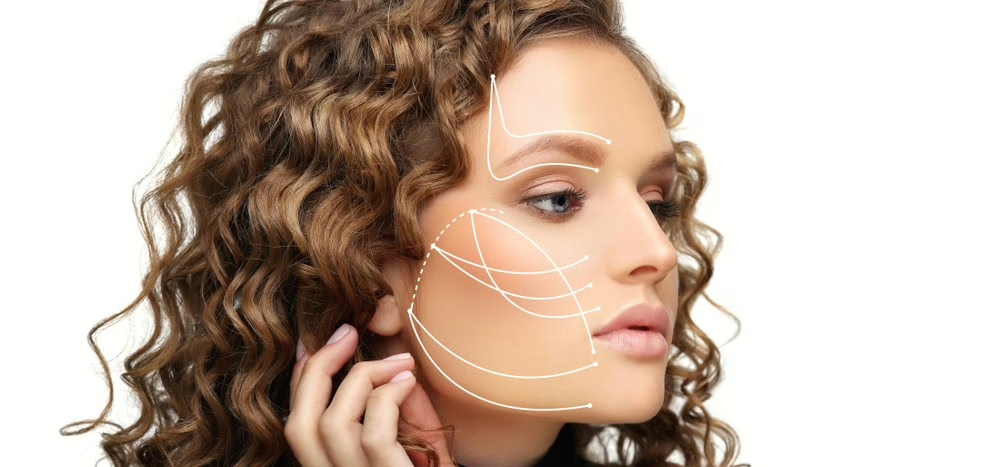
Whereas the facial skin is pulled vertically during a vertical facelift, a traditional facelift involves pulling the skin sideways. As such, a traditional facelift may be used to treat wrinkles, frown lines, and other signs of aging across the face.
Benefits of a Traditional Facelift
A traditional facelift benefits patients who want to bolster their overall facial appearance. The treatment is used to rejuvenate facial contours and restore facial symmetry. It also helps repair loose facial skin and tighten the facial muscles.
Disadvantages of a Traditional Facelift
There are risks associated with vertical and traditional facelifts alike. Potential facelift surgery complications include:
- Bleeding
- Infection
- Facial nerve injury
- Skin discoloration and/or irregularities
- Poor results
When it comes to facelift surgery, working with an expert facial plastic surgeon is key. Because, if patients meet with a facial plastic surgeon who knows the ins and outs of vertical and traditional facelifts, they can gain the insights they need to make an informed decision regarding treatment.
Vertical or Traditional Facelift: Questions to Consider
Before undergoing a facelift or any cosmetic procedure, meet with a facial plastic surgeon who possesses in-depth industry expertise. That way, a patient can receive a full evaluation to determine which facial rejuvenation treatment can deliver the desired results. The evaluation also enables a patient to receive answers to a wide range of facelift questions, such as:
1. In Addition to a Vertical Facelift, Are There Other Alternatives to a Traditional Facelift?
There is no shortage of facial rejuvenation procedures available, including:
- Mid Facelift: Also referred to as a cheek lift, a mid-facelift is used to enhance the lower eyelids and cheeks.
- Rhinoplasty: A nose job reshapes the nose or restores its function.
- Botox: Botox offers a non-surgical facial rejuvenation treatment that prevents excess facial muscle movement that otherwise contributes to fine lines, wrinkles, and furrows.
The ideal facial rejuvenation treatment varies based on a patient and their facial appearance. But, if patients evaluate a variety of treatment options, they can determine if one or more procedures are necessary to revitalize their facial appearance.
2. How Much Is a Vertical Facelift vs. a Traditional Facelift?
The cost of a vertical or traditional facelift or any other facial rejuvenation treatment depends on the facial plastic surgeon performing the procedure and other factors. Fortunately, the surgeon discusses the cost of treatment before a procedure is completed. This allows the patient to determine if a cosmetic procedure falls in line with their budget.
A facial plastic surgeon may offer financing options to help a patient cover the cost of a cosmetic procedure as well. With financing, a patient can get funds upfront to pay for their procedure, then make incremental payments over a set period of time to fulfill their financial obligation.
3. Is a Vertical or Traditional Facelift Safe?
Facelift surgery is only performed if a facial plastic surgeon deems the treatment is safe for a patient. If the surgeon believes a facelift will put a patient's health and wellbeing at risk, alternative treatment options can be explored.
4. When Will I See the Results of a Facelift?
The initial results of a vertical or traditional facelift usually become visible within about three months of treatment. Healing continues up to six months following facelift surgery, and the length of time required to experience the full results of treatment varies.
5. Which Is the Right Choice for Me: a Vertical or Traditional Facelift?
To decide whether to undergo a vertical or traditional facelift, a patient must first consider their facial rejuvenation treatment goals closely. Then, the patient can meet with a facial plastic surgeon to determine if facelift surgery can be used to achieve these goals.
Why Do Patients Choose Dr. Azizzadeh for Facelift Surgery?
Dr. Babak Azizzadeh of the CENTER for Facial Plastic Surgery in Los Angeles is world-renowned for his facelift surgery work. He has performed both vertical and traditional facelift procedures and can educate patients about them. As a result, Dr. Azizzadeh can help patients weigh the pros and cons of facelift surgery and other facial rejuvenation procedures and determine which treatment option can deliver the best treatment results.
Patients who want to discuss facelift surgery and other facial rejuvenation treatments can meet with Dr. Azizzadeh. To schedule a consultation with Dr. Azizzadeh, please contact us online or call us today at 310-657-2203.
Microneedling at Home: Is It Safe?
Microneedling at Home: Is It Safe?
Microneedling, also referred to as collagen induction therapy, is a facial rejuvenation procedure used to treat facial lines, wrinkles, and other visible signs of aging. The procedure also helps stimulate collagen and elastin production, leading to a revitalized facial appearance.
For those who are considering microneedling, multiple options are available, including at-home treatment. Questions persist about the safety of microneedling at home, and they must be considered before the treatment is performed.
Ultimately, to achieve the best results from collagen induction therapy, it is paramount to partner with an expert facial plastic surgeon. To understand why this is the case, let's consider microneedling and the dangers associated with it.
What Is Microneedling?
Microneedling is a facial rejuvenation treatment that involves the insertion of tiny needles into the skin. The needles create micro-perforations in the skin's top layers. This stimulates collagen and elastin growth to improve the skin's appearance.
How Can Microneedling Be Used to Improve the Skin's Appearance?
Microneedling can be used to treat many facial skin issues, including:
- Acne
- Scars
- Sun-damaged skin
- Fine lines
- Wrinkles
In addition, microneedling can be performed on all types of skin. It can also be used to enhance the appearance of skin around the mouth, eyes, and neck.
Can Anyone Perform Microneedling?
Anyone can administer microneedling. But, the effectiveness of treatment depends on who performs it. To achieve the full results of microneedling, the treatment must be performed by an expert. This ensures that microneedling can be administered safely.
What Is At-Home Microneedling?
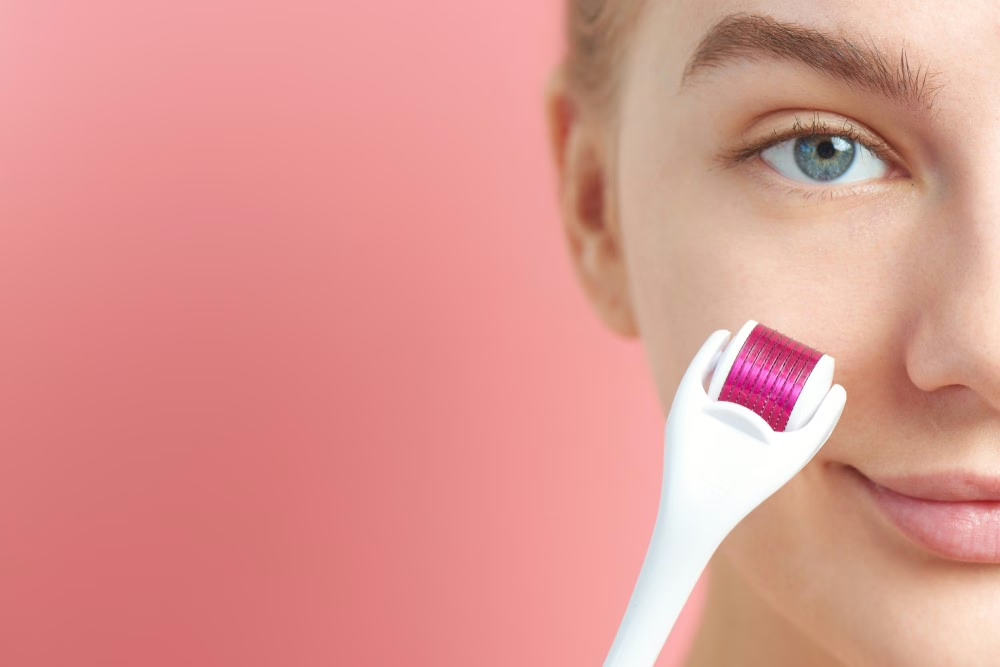
With at-home microneedling, people can rejuvenate the facial appearance without help from a facial plastic surgeon. An at-home microneedling kit usually includes needles, a roller, and other equipment. It also provides instructions that users can follow to perform microneedling on themselves or others.
How Much Does an At-Home Microneedling Kit Cost?
At-home microneedling tends to be more economical than undergoing treatment from a facial plastic surgeon. On average, an at-home microneedling kit can cost anywhere from $20 to $150. Microneedle facial rollers are available for as low as $10.
Why Do People Choose At-Home Microneedling?
There are many reasons why people choose at-home microneedling in lieu of working with a facial plastic surgeon, including:
1. Convenience
Typically, a facial plastic surgeon performs an evaluation to determine if a patient qualifies for microneedling or other facial rejuvenation treatments. The surgeon then offers a custom treatment plan to ensure the patient can safely achieve their desired facial rejuvenation treatment results.
On the other hand, microneedling kits are readily available, and they include instructions that explain how to perform the treatment. As such, anyone can purchase a microneedling kit and complete the facial rejuvenation treatment on their own.
2. Affordability
Since microneedling is considered a cosmetic treatment, the procedure is not covered by insurance. Thus, people who want to undergo microneedling performed by a facial plastic surgeon will need to pay for the procedure out of pocket. Additionally, patients who undergo collagen induction therapy may require multiple treatment sessions, which can increase its overall cost.
Comparatively, the only cost associated with at-home microneedling involves the purchase of a microneedling kit. In some instances, people may purchase facial serums they can use in combination with at-home microneedling, too.
3. Efficiency
A facial plastic surgeon may request several follow-up appointments after an initial microneedling session. The surgeon uses these appointments to evaluate their patient and determine if additional sessions are required. Also, the surgeon may recommend laser skin resurfacing or other facial rejuvenation treatments if microneedling did not deliver the patient's desired results.
What Are the Benefits of At-Home Microneedling?
At-home microneedling can be performed quickly and has no downtime. It is minimally invasive, and people can resume their everyday activities after their procedure. Plus, people may start to notice their facial skin is firmer and brighter immediately following treatment.
The reasons why people microneedle at home are clear. Yet, in order to optimize the results of at-home microneedling, the treatment must be performed correctly.
How to Microneedle at Home
To microneedle at home, the skin must first be prepared accordingly. A microneedle roller is also required, and the skin must be cleansed to remove any germs across the treatment area. Next, the roller can be used across different sections of the face; the roller should be used for approximately 15 seconds in each section, and it can be moved in all directions on the face.
People may experience minor discomfort after an at-home microneedling treatment. They may also apply moisturizers and other face serums to help maximize the results of microneedling.
After an at-home microneedling treatment, it is crucial to clean the microneedling roller. To do so, sanitizer should be applied to the microneedles; the microneedles must be fully sanitized, sterilized, and air-dried before they can be used safely once again.
What to Expect After Microneedling at Home
Side effects can occur after microneedling at home, even if the procedure was performed correctly. These side effects can include:
- Dry skin
- Redness
- Swelling
Microneedling at home side effects can last for at least a few days. If the symptoms persist for several weeks or worsen over time, consult with a doctor.
Following microneedling, it is paramount to protect the skin against prolonged sun exposure. People should wear a wide-brimmed hat, sunglasses, and other accessories to limit the risk of sun-damaged skin.
When Will the Results of At-Home Microneedling Become Visible?
At-home microneedling results can become visible as early as two weeks after treatment. At this point, the facial skin may start to appear more youthful and vibrant.
There is no guarantee that a single at-home microneedling treatment will deliver the intended results. It can take a few treatments before people begin to see facial skin improvement.
Does At-Home Microneedling Work?
Microneedling at home results vary, but those who perform the procedure correctly may notice instant improvements in their facial appearance.
At-home microneedling can enhance skin tone and texture and minimize the appearance of acne scars and hyperpigmentation. It can also treat loose facial skin, brown spots, and other skin issues.
The effectiveness of at-home microneedling depends on how frequently treatment sessions are performed as well. Furthermore, if at-home microneedling is not performed properly, patients are unlikely to achieve the full results of treatment — and could inadvertently put their health in danger.
Is Microneedling at Home Safe?
Anyone can microneedle at home, but the risks associated with doing so can be significant. Risks associated with at-home microneedling include:
1. Infection
Microneedling results in microscopic facial skin wounds to drive collagen production that helps improve the facial appearance. At the same time, these wounds make people increasingly prone to infection, particularly for those who do not clean the face prior to treatment.
2. Skin Damage
A facial plastic surgeon understands the proper technique to use during microneedling. Meanwhile, people who perform microneedling at home likely lack facial plastic surgery skills and experience, and they may unknowingly press down on the facial skin too hard during treatment. When this occurs, people can irritate the facial skin and cause skin damage.
3. Medical Complications
Many people qualify for microneedling performed by facial plastic surgery or at home. Conversely, certain individuals may be poor candidates for microneedling due to current or past medical conditions. For example, microneedling is not recommended for pregnant women, due to the fact that the procedure requires the body to use nutrients that support an unborn child's growth and development. Microneedling is also not recommended for people who are dealing with cardiac abnormalities, collagen vascular diseases, or other severe medical conditions.
Understanding how safe is microneedling at home can be difficult, and it is crucial to take precautions to limit risk during treatment. Otherwise, people put themselves in danger of immediate and long-term health complications following a microneedling procedure.
Questions to Ask About Microneedling at Home
There are many factors to evaluate before choosing to microneedle at home. To help determine if microneedling at home is the best choice, here are five questions to consider:
1. Can Microneedling at Home Help Improve My Facial Appearance?
Microneedling at home offers no guarantees, even for those who purchase a comprehensive microneedling kit. The procedure may be beneficial, but there is no telling if the treatment will deliver the optimal results until it is completed.
2. Is It Safe to Microneedle at Home?
Microneedling at home may seem simple, but there are many risks associated with treatment. But, when microneedling is performed by a facial plastic surgeon, a patient can receive extensive care and support. The surgeon devotes time and resources to develop a personalized microneedling treatment plan for their patient, thereby limiting the risk of complications.
3. Am I Qualified to Microneedle at Home?
For those who are uncertain about their ability to microneedle at home, there is no need to leave anything to chance. By partnering with a facial plastic surgeon who possesses comprehensive microneedling experience, a patient can receive expert treatment.
4. Is Microneedling the Best Facial Rejuvenation Treatment Option for Me?
Microneedling can deliver great facial rejuvenation results, but it is one of several treatment options available. For those who are considering microneedling and other ways to revitalize their facial appearance, it helps to meet with a facial plastic surgeon. This enables a patient to learn about microneedling and other facial rejuvenation treatment options.
5. Which Option Is Better: to Hire a Facial Plastic Surgery for Microneedling, or to Perform the Procedure at Home?
When it comes to microneedling, it is always better to proceed with caution. By working with a facial plastic surgeon, anyone can receive insights into microneedling and other facial rejuvenation treatments and take steps to revitalize their facial appearance.
Explore Microneedling Treatment Options
Microneedling is a facial rejuvenation treatment options that can be performed virtually anywhere. At-home microneedling is becoming increasingly common, but it cannot match the results of a microneedling treatment performed by Harvard-trained and dual board-certified facial plastic and reconstructive surgeon Dr. Babak Azizzadeh.
Dr. Azizzadeh is Chairman and Director of the CENTER for Advanced Facial Plastic Surgery in Beverly Hills. He is globally recognized for his expertise with facial plastic and reconstructive surgery and head and neck surgery. Dr. Azizzadeh can teach patients about microneedling and other facial rejuvenation procedures and help them determine the best course of action to improve their facial appearance. To learn more or to schedule a consultation with Dr. Azizzadeh, please contact us online or call us today at 310-657-2203.
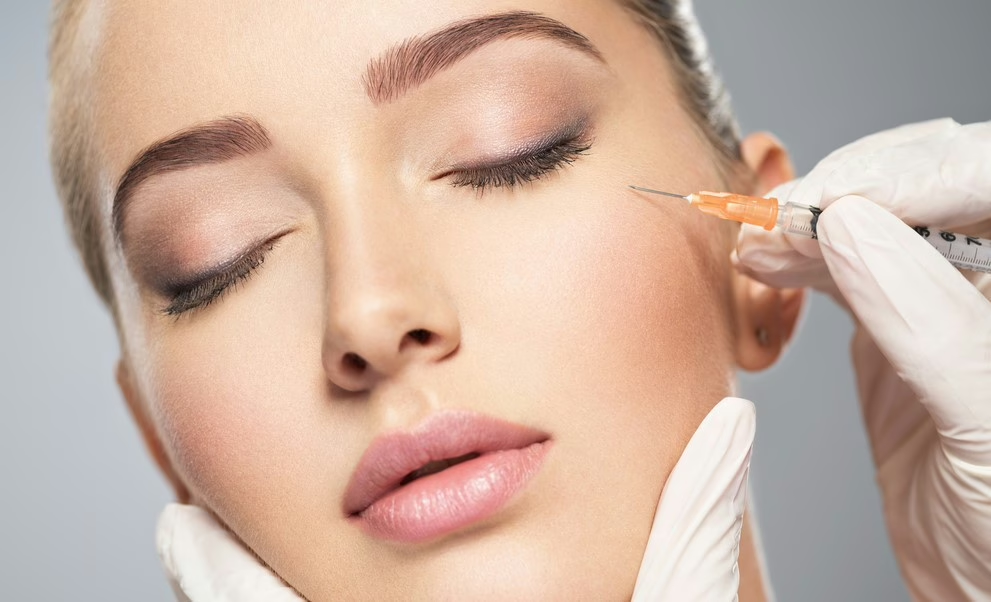
How Effective Is Botox for Crow's Feet?
Botox is a non-surgical facial rejuvenation treatment that can be used to correct crow's feet. For those who are considering crow's feet Botox injections, it helps to meet with Dr. Babak Azizzadeh of the CENTER for Advanced Facial Plastic Surgery in Los Angeles.
Dr. Azizzadeh is world-renowned for his facial plastic and reconstructive surgery and head and neck surgery expertise. He understands the intricacies of crow's feet Botox injections, and he can offer a personalized treatment plan to a patient. In doing so, Dr. Azizzadeh helps his patient use Botox to effectively address crow's feet and other visible signs of aging in the face.
How Does Botox Work on Crow's Feet?
Crow's feet Botox injections reduce excess muscle movements in the face, including movements of the orbicularis oculi muscle.
The orbicularis oculi muscle is a flat, broad muscle that closes the eyelids. When people laugh, squint, or smile, the orbicularis oculi muscle contracts, leading to perpendicular pull lines around the eyes. The result: crow's feet develop, and they can be difficult to treat.
Botox can be used to treat crow's feet, depending on the patient. By consulting with Dr. Azizzadeh, a patient can undergo a full evaluation to determine if Botox or other facial rejuvenation treatments can be used to address crow's feet.
Which Is Better: Crow's Feet Botox or Fillers?
In addition to Botox, several facial fillers can be used to treat crow's feet. These facial fillers include:
- Juvederm: Consists of a group of gel-like injectables that have a high concentration of hyaluronic acid, a substance produced by the body that helps moisturize the skin.
- Restylane: Smooths away crow's feet, along with facial wrinkles and folds.
- Sculptra: Stimulates the growth of collagen, a protein that helps improve skin elasticity and firmness.
Dr. Azizzadeh can help a patient decide between Botox or dermal fillers for crow's feet. He offers a custom treatment recommendation based on the patient and the severity of their crow's feet. Dr. Azizzadeh also determines precisely where Botox should be injected into a patient's face, how much Botox should be used to address crow's feet, and how frequently patients should receive treatments.
How Many Crow's Feet Botox Injection Sites Are There?
To alleviate crow's feet, three Botox injections are used on each side of a patient's face. The first injection is placed approximately 1.5 cm to 2 cm from the corner of the eye, where the lower and upper eyelids connect (lateral canthus). Meanwhile, the second and third injections vary depending on the patient.
Dr. Azizzadeh thoroughly evaluates a patient's facial appearance before he performs Botox for crow's feet. This allows Dr. Azizzadeh to understand where to inject Botox into a patient's face. That way, Dr. Azizzadeh minimizes the risk of Botox complications and helps the patient achieve the full results of treatment.
How Many Units of Botox Are Needed to Treat Crow's Feet?
On average, patients require 16 to 24 units of Botox to treat crow's feet. For women, four to 20 units of Botox may be required. Comparatively, for men, 10 to 30 units of Botox may be necessary.
Dr. Azizzadeh has a simple goal with Botox for crow's feet: to ensure his patient achieves a balanced, natural-looking facial appearance. To accomplish this goal, Dr. Azizzadeh does everything possible to determine the optimal amount of Botox for a patient before treatment. With this approach, Dr. Azizzadeh can perform a safe, effective Botox treatment that helps his patient correct crow's feet and maintain a beautiful, harmonious facial appearance.
How Long Does Botox Take to Work on Crow's Feet?
A Botox for crow's feet procedure only requires about 30 minutes. After the procedure is finished, a patient can return home, go to work, and resume their normal activities.
Side effects of Botox for crow's feet are minimal. Botox patients may experience slight tingling or soreness after they receive Botox injections, but these side effects usually disappear within a few days of treatment.
The full results of Botox typically become visible within three to seven days of injections. Dr. Azizzadeh remains available to respond to his patients' concerns and questions after a Botox treatment, so they can receive assistance in the days following their procedure.
How Long Do the Results of Botox for Crow's Feet Last?
The results of Botox for crow's feet generally last three to four months. However, patients may report Botox treatment results that last up to six months.
Along with performing an initial Botox treatment, Dr. Azizzadeh can schedule follow-up appointments with his patient. These appointments allow the patient to receive Botox injections at regular intervals and maximize the results of treatment.
Does Botox for Crow's Feet Deliver Treatment Results That Look Natural?
Crow's feet Botox injections should enhance a patient's facial appearance. But, when a Botox procedure is performed by an inexperienced facial plastic surgeon, the risk of overtreatment or undertreatment can be significant.
Dr. Azizzadeh understands what it takes to help his patients bolster their facial appearance. He learns about a patient and reviews their crow's feet, frown lines, forehead creases, and other signs of aging they want to correct. Dr. Azizzadeh then creates a treatment plan designed to help the patient improve their facial appearance — without signs that any facial rejuvenation procedure was performed.
Ultimately, a successful Botox treatment helps a patient achieve a facial appearance in which all facial features complement one another. The treatment does not result in an unnatural facial appearance; instead, it helps a patient treat crow's feet and other facial flaws, accentuate their facial features, and look their best.
How Much Is Botox for Crow's Feet?
The cost of Botox varies based on the number of units required for treatment and other factors. Dr. Azizzadeh explains the cost of Botox for crow's feet prior to treatment.
Is Botox for Crow's Feet Right for You?
Botox is one of several non-surgical treatment options available to correct crow's feet. A Botox procedure is fast, simple, and effective, and it does not require a patient to go under the knife. As such, Botox may be a great option for people who want to quickly and safely treat crow's feet, facial lines and wrinkles, and other signs of aging.
Dr. Azizzadeh can educate patients about Botox for crow's feet and determine if they are good candidates for treatment. To learn more or to schedule a consultation with Dr. Azizzadeh, please contact us online or call us today at 310-657-2203.
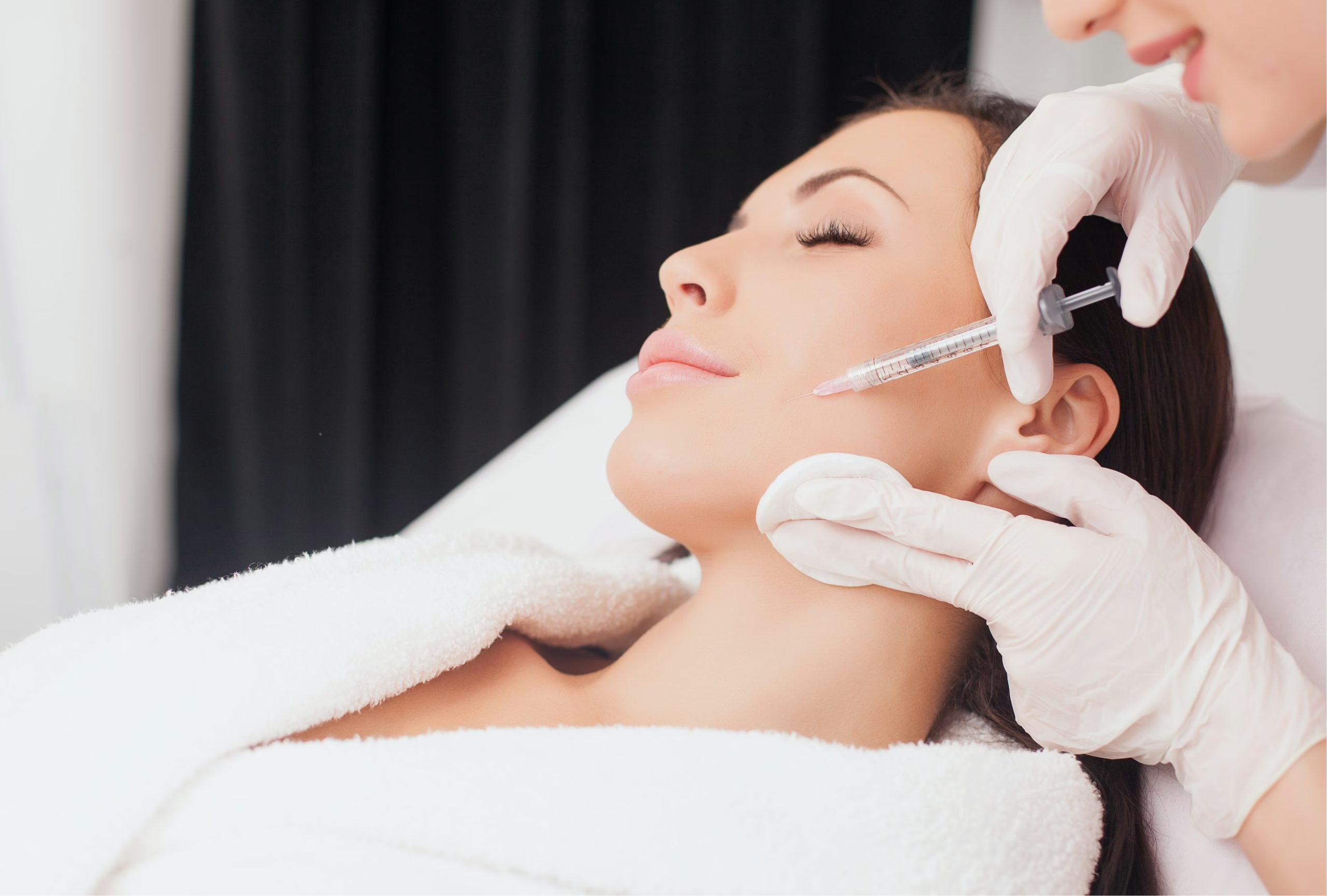
How Often Should I Get a Botox Touch Up
Botox tops the list of non-surgical cosmetic procedures performed in the United States. The treatment is used to reduce the appearance of crow's feet, frown lines, and other visible signs of aging in the face. Plus, a Botox treatment only requires minutes, and there is no downtime after the procedure.
For those who are considering Botox or other non-surgical facial rejuvenation treatments, a meeting with Dr. Babak Azizzadeh of the CENTER for Advanced Facial Plastic Surgery in Los Angeles is key. This meeting allows Dr. Azizzadeh to perform a full evaluation to determine if a patient qualifies for Botox and other cosmetic procedures. It also gives Dr. Azizzadeh an opportunity to educate the patient about Botox — and Botox touch ups.
What Is a Touch Up for Botox?
A touch up for Botox is sometimes required in the days after a Botox procedure. The results of a Botox treatment generally become visible within 24 to 36 hours, with the full effect of the injectable becoming transparent within one to two weeks. But, if Botox does not deliver its intended results shortly after treatment, a touch up may be necessary.
There are several reasons why a Botox touch up is performed. If Botox is injected into the forehead, lips, eyes, neck, or jawline and does not enhance the facial appearance, additional injections may be required for a patient to accomplish their treatment goals. Or, if certain muscles in the face are unaffected by Botox, touch up injections to specific areas of the face can help the patient achieve a balanced, natural-looking facial appearance.
How Long Does Botox Last?
A Botox treatment typically delivers results that last three to four months. In some cases, the results of Botox last up to six months. Yet, in other instances, Botox wears off sooner than expected. In these instances, a touch up for Botox may be performed, or more frequent Botox treatments may be required.
Botox Touch Up After Two Weeks: What You Need to Know
Patients who undergo a Botox treatment should expect to see the full results of treatment after 14 days. However, if a patient notices minimal changes or no changes in their facial appearance within two weeks of treatment, a Botox touch up can be performed.
Patients who do not see their desired results within two weeks of a Botox treatment should notify Dr. Azizzadeh. At this point, Dr. Azizzadeh can assess the patient and determine if a touch up for Botox can be used to improve facial appearance.
Dr. Azizzadeh personalizes a Botox touch up to his patient. Thus, each Botox touch up treatment is different, and the patient may receive a touch up for Botox that involves injections into one or more areas of the face.
Following a touch up for Botox, patient results are monitored. If the patient's facial appearance does not improve, further touch ups for Botox or other facial rejuvenation treatments may be required.
Botox Touch Up After Two Months: What You Need to Know
A Botox touch up may be necessary approximately two months after treatment, due to the fact that the injectable's effects have worn off.
The effects of Botox will disappear faster than expected due to several factors. If a patient's Botox dosage is insufficient, their Botox treatment is unlikely to last as long as anticipated. Furthermore, if Botox is performed by an inexperienced facial plastic surgeon, it may be difficult for the patient to achieve long-lasting results.
Botox's timeline varies based on the patient, the amount of Botox administered, and other factors. Meanwhile, there are many signs that the effects of Botox are wearing off, such as:
- Facial lines and wrinkles reappear
- Skin is no longer smooth
- Patient looks older than their actual age
Dr. Azizzadeh can evaluate a Botox patient at any time following their first treatment. If a patient finds their Botox results start to fade at two months after treatment, he can perform a touch up. Dr. Azizzadeh can also tailor a Botox treatment program's schedule to his patient. That way, the patient can receive the right amount of Botox at different intervals and maximize their treatment results.
What Is the Cost of a Botox Touch Up?
The cost of a Botox touch up varies based on the amount of Botox required and other factors. Dr. Azizzadeh discusses the cost of a touch up for Botox before he provides treatment.
How to Make Botox Last Longer
Dr. Azizzadeh offers tips to help patients prolong the results of Botox injections. These tips include:
1. Apply a Topical Cream to the Treatment Area
Botox may be used in combination with a topical cream to rejuvenate the facial appearance. A topical cream can contain vitamin C and other powerful ingredients that promote skin health. As a result, the cream may help a patient simultaneously revitalize their skin and get the best results from Botox injections.
2. Limit Sun Exposure
Direct sunlight drives blood circulation and causes blood vessels to disperse, limiting the effectiveness of Botox. Therefore, patients should wear a hat, sunglasses, and sunscreen that provides both UV A and B protection after treatment.
3. Avoid Strenuous Exercise
Strenuous exercise can cause Botox to metabolize more quickly. It can also lead to increased facial muscle contractions that hamper the performance of Botox injections. As such, patients should avoid long periods of exercise, so they can extend the results of Botox.
4. Maintain a Healthy Diet
Processed foods and sugary sweets can impact a Botox patient's physical health and skin. These foods should be avoided; instead, they can be replaced with nutrient-rich alternatives that promote physical wellbeing and skin hydration.
5. Alleviate Stress
Stress can accelerate the natural aging process, as well as speed up Botox's lifespan. To alleviate stress, Botox patients can practice mindfulness activities like yoga or journaling.
Do I Need a Botox Touch Up?
Dr. Azizzadeh can meet with a patient to determine if a Botox touch up can be beneficial. The consultation allows Dr. Azizzadeh to explore the results of a patient's previous Botox injections. If Dr. Azizzadeh determines a touch up for Botox is ideal, he can perform the treatment. Dr. Azizzadeh can also develop a custom Botox treatment plan for his patient.
For patients who are considering a Botox touch up, Dr. Azizzadeh is available to discuss treatment options. To learn more or to schedule a consultation with Dr. Azizzadeh, please contact us online or call us today at 310-657-2203.
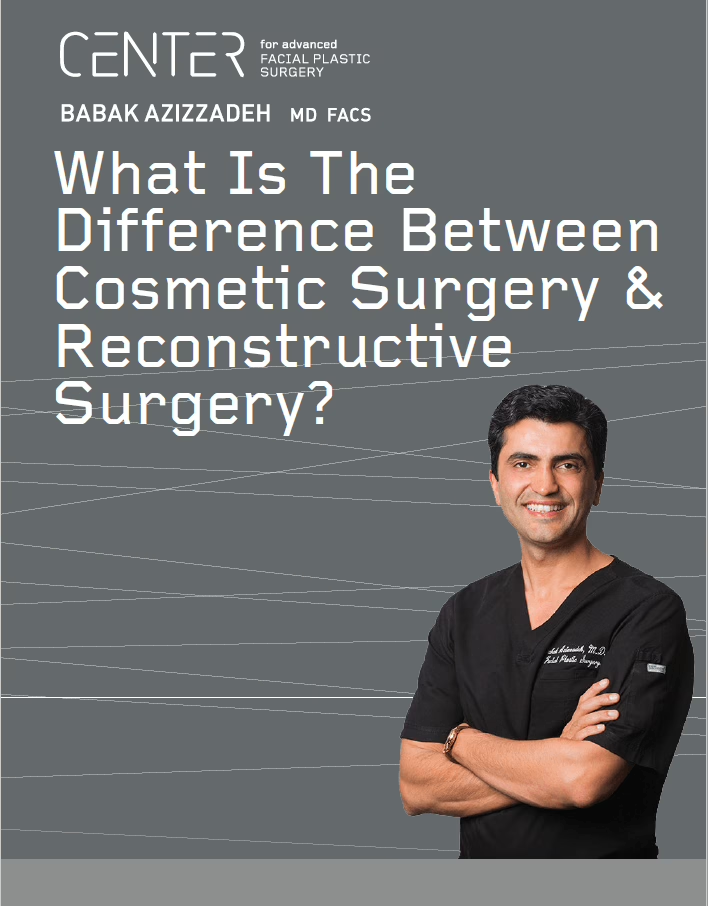
What Is the Difference Between Cosmetic Surgery and Reconstructive Surgery?
Click PDF image below to download

Introduction

Cosmetic surgery and reconstructive surgery can be misconstrued as one in the same. Yet, there are notable differences between these surgery options. If patients know how cosmetic and reconstructive surgeries work and which options are available, they can choose the right procedure to accommodate their treatment goals. To understand cosmetic surgery and reconstructive surgery, let's examine both surgery options in detail.
What Is Cosmetic Surgery?
Cosmetic surgery is used to enhance a patient's appearance, and it can be performed on different areas of the face, neck, and body. A cosmetic procedure is elective, and it is not intended to correct facial or body defects that occur due to disease, burns, or other trauma.
The goal of a cosmetic procedure is to improve the aesthetic appeal, symmetry, and proportion of the treatment area. In addition, a cosmetic procedure can be performed by doctors across a variety of medical fields, including plastic surgeons.
Types of Cosmetic Surgery
Common types of cosmetic surgery include:
1. Facelift

A facelift reduces visible signs of aging in the face and neck. The surgery is used to enhance facial contours and correct loose facial skin. Facelift surgery is also performed to improve facial symmetry and tighten the facial muscles, resulting in a revitalized facial appearance.
Following facelift surgery, patients reduce or eliminate the appearance of facial expression lines that can make them appear older than their actual age. A facelift can be used to correct jowls, the loss of chin and neck contours, and creases that form between the corners of the mouth and base of the nose.
2. Mid Facelift

A mid facelift is used to revitalize the appearance of the cheeks and lower eyelids. The surgery is intended for patients who want to elevate the cheeks and keep the neck and skin under the chin intact. In doing so, a mid-facelift enables a patient to treat visible signs of aging in the nose, eyes, and corners of the mouth.
3. Rhinoplasty

A rhinoplasty involves reshaping or resizing of the nose to enhance the facial appearance and improves facial symmetry by ensuring a patient's nose appears proportional in relation to the eyes, cheeks, chin, and other facial features. Rhinoplasty surgery can be used to treat a hump on the nose (dorsal hump), a bulbous nasal tip, a nasal bridge that is too high or too lower, or other nose characteristics that negatively impact a patient's appearance.
Different types of nose surgery are available, such as teenage rhinoplasty and ethnic rhinoplasty. These nose surgery options are tailored to specific groups of patients based on their age, unique facial features, and other factors.
Along with a rhinoplasty, revision nose surgery is recommended if a past nose job did not deliver the desired results. If a patient undergoes a nose job but is still not satisfied with the facial appearance, a revision nose job can be performed.
4. Neck Lift

A neck lift is used to treat visible signs of aging in the neck and jawline. The procedure corrects muscle banding in the neck, along with fatty deposits under the chin and in the lower face. Neck lift surgery therefore enhances facial contours in the neck and face, resulting in a rejuvenated facial appearance.
5. Lip Lift

A lip lift is used to improve lip fullness. The surgery involves the removal of tissue from under the nose to reduce the amount of visible pink lip. With a lip lift, a patient can improve lip volume and give the lips a vibrant, youthful appearance.
6. Brow Lift

A brow lift is used to reposition the forehead muscles and tissue. The procedure corrects sagging skin in the forehead and addresses a heavy, sagging brow. Furthermore, a brow lift raises a patient's eyebrows, as well as treats deep furrows.
7. Fat Transfer to Face
Fat transfer to face is a surgical procedure in which fat is removed from a patient's abdomen, flanks, hips, or other parts of the body and injected into the face. The procedure allows a patient to use fat from various parts of the body to improve facial fullness and volume. Plus, fat transfer to face surgery can be used to correct forehead lines, thinning lips, tear troughs, and other visible signs of aging in the face.
8. Chin Augmentation

Chin augmentation involves the insertion of a small implant in the front of the chin bone. The procedure enables a patient to increase the length of the jawline and correct a weak chin.
9. Eye Bag Removal Surgery
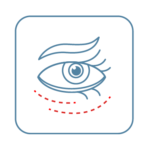
Eye bag removal surgery is used to correct sagging eyelids, wrinkles or dark circles that form around the eyelids, and large under-eye bags. These issues can cause a patient to appear tired and worn out. However, eye bag removal treats the area around the eye muscles and eyeballs to rejuvenate the appearance of the eyes.
10. Otoplasty

Otoplasty surgery is used to reshape, resize, or reposition the ears. Patients can undergo otoplasty surgery to correct ears that appear disproportional to the head or stick out too far from the head. An otoplasty can be performed on patients after the ears have reached their full size and does not impact hearing.
Cosmetic Surgery Candidate
The ideal candidate for cosmetic surgery has:
- Maintained a stable weight for a minimum of six months
- No history of smoking or plans to avoid smoking and other nicotine products for a minimum of four to six weeks before and after treatment
- Established realistic goals for treatment
- Understands the risks associated with treatment
- Any chronic medical conditions under control
Cosmetic surgery candidates are evaluated prior to treatment. If a candidate qualifies for cosmetic surgery, a personalized treatment plan is developed.
Cosmetic Surgery Risks
Risks associated with cosmetic surgery include:
- Anesthesia-related complications, such as pneumonia and blood clots
- Build-up of fluid under the skin
- Infection
- Bleeding
- Scarring
- Numbness
- Permanent nerve damage
The risks of cosmetic surgery are explained before treatment. If cosmetic surgery is deemed too risky for a patient, treatment alternatives can be explored.
Cosmetic Surgery Alternatives
Non-surgical alternatives to cosmetic surgery are available to help patients improve their appearance without going under the knife. Cosmetic surgery alternatives include:
1. Botox

Botox is one of the world's most-popular cosmetic surgery alternatives, with millions of Botox treatments performed annually. During a Botox procedure, a patient receives injections of the botulinum toxin, which smooths fine lines, wrinkles, and furrows in the face. The results of a Botox treatment become visible within days of treatment and last up to four months.
2. Facial Fillers

Facial fillers are injectable medications used to treat fine lines and wrinkles in the face. Popular facial filler treatments include Juvederm, Restylane, and Sculptra, and they are used to address visible signs of aging in different areas of the face.
3. Microneedling

Microneedling involves the use of tiny needles that are inserted into fine lines and wrinkles in the face. The needles stimulate production of collagen and elastin to rejuvenate the facial skin.
4. Laser Skin Resurfacing

Laser skin resurfacing involves the use of DOT Deka laser skin treatments to correct facial scars and wrinkles. The treatment resurfaces facial and neck skin and improves skin tone, texture, and pigmentation.
Is Cosmetic Surgery Right for You?
Factors to consider before undergoing cosmetic surgery include:
1. Expectations
Cosmetic surgery is not intended to help patients achieve the "perfect" appearance. Instead, cosmetic surgery patients should expect gradual improvements in their appearance. Patients should also expect post-treatment instructions that must be followed to achieve the optimal results of cosmetic surgery.
2. Cost
Cosmetic surgery is not covered by insurance, which means a patient has to pay all fees associated with treatment out of pocket. Before cosmetic surgery, a patient receives insights into all costs of treatment. The cost of cosmetic surgery can vary based on the area of the body being treated, where the procedure is performed, and other factors.
3. Risks
Cosmetic surgery should only be performed by an expert surgeon who can minimize risk. Patients must also keep in mind that cosmetic surgery does not offer guarantees. In addition to the risk of cosmetic surgery complications, there is a chance that a patient won't be satisfied with the results of treatment.
4. Recovery
The recovery timeline for a cosmetic procedure varies based on the treatment. Cosmetic surgery patients often require weeks, months, or years before they see the full results of a procedure. Patients will also need to schedule follow-up appointments with their surgeon to ensure their cosmetic surgery recovery stays on track.
What Is Reconstructive Surgery?

Plastic and reconstructive surgery is used to correct birth defects, trauma, and other medical conditions. Reconstructive surgery enables a patient to restore function to different parts of the body. Also, most health insurance plans cover the cost of plastic reconstructive surgery.
Types of Reconstructive Surgery
Common types of reconstructive surgery include:
1. Rhinoplasty
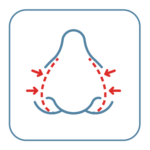
A rhinoplasty is both a cosmetic and reconstructive surgery. When performed as a reconstructive procedure, a rhinoplasty treats a nose injury or trauma that hampers a patient's ability to breathe through the nose. Rhinoplasty surgery can also be completed in conjunction with sinus surgery to help relieve breathing problems and chronic sinusitis.
2. Eye Bag Removal Surgery

Eye bag removal surgery is used to remove excess fat or skin from under a patient's eyes. If a patient's eye bags hamper vision, eye bag removal can be completed to correct this problem. Like rhinoplasty surgery, eye bag removal can be performed for cosmetic or reconstructive purposes.
3. Septoplasty

A septoplasty is used to straighten bone and cartilage that separate the nostrils. Patients can undergo a septoplasty if they experience a deviated septum in which the space between the nostrils hampers their ability to breathe through the nose. Without septoplasty surgery, these patients can experience a sinus infection.
Reconstructive Surgery Candidate
To determine if a patient is a good candidate for plastic reconstructive surgery, several factors must be considered, such as:
- Patient's overall health
- Pre-existing medical conditions
- Impact of surgery on other parts of the body
- Surgery recovery time
Reconstructive surgery is only recommended if it is believed to help patients achieve their intended results without putting their health and safety in danger.
Reconstructive Surgery Risks
The risks of reconstructive surgery include:
- Infection
- Bruising
- Excessive bleeding
- Slow wound healing
- Anesthesia issues
The risks of reconstructive surgery are discussed before treatment.
Reconstructive Surgery Alternatives
If a patient does not qualify for reconstructive surgery, alternatives can be discussed. The alternatives to a plastic reconstructive surgery vary, but a surgeon can offer insights into any procedures that can be used in lieu of a reconstructive procedure.
Is Reconstructive Surgery Right for You?
Deciding whether to undergo a reconstructive surgical procedure can be difficult, so a patient should explore treatment options with a surgeon. This allows a patient to learn about different types of reconstructive surgeries, how they are performed, and how they can help the patient achieve the best-possible results.
What Is Plastic Surgery?
Plastic surgery is an umbrella term that encompasses both cosmetic and reconstructive surgical procedures. Cosmetic plastic surgeries are used to bolster the appearance, while reconstructive plastic surgeries treat defects of the face or body that impact function.
Cosmetic Surgery vs. Reconstructive Surgery: Which Option Is Better?
Clearly, there are many differences between cosmetic and reconstructive surgeries. Regardless of which type of plastic surgery a patient undergoes, there are factors that must be considered to ensure the patient can avoid risk. These factors include:
1. Board Certification
Working with a surgeon who possesses certification from the American Board of Plastic Surgery (ABPS) is paramount. ABPS certification verifies that a surgeon has received extensive training and possesses the necessary expertise to perform a cosmetic or reconstructive procedure safely.
ABPS certification is not always required for cosmetic surgery. For example, some physicians promote themselves as cosmetic surgeons, but they have not received plastic surgery training from an accredited program. In these instances, physicians can perform cosmetic surgery, despite the fact that they lack comprehensive training and expertise.
2. Health
Health is crucial when it comes to weighing the pros and cons of cosmetic and reconstructive surgeries. Because, if a plastic surgery puts a patient's health at risk, treatment should be avoided, and alternatives should be considered.
To determine if a patient is healthy enough to undergo a plastic surgery, meet with a surgeon. At this time, the surgeon can perform a full evaluation to find out why a patient is considering a cosmetic or reconstructive procedure and if the treatment can be performed safely.
3. Mindset
A patient's approach to cosmetic and reconstructive procedure can have far-flung effects. If patients know what to expect leading up to a plastic surgery, they can plan accordingly. As a result, patients can put themselves in position to enjoy the full benefits of a cosmetic or reconstructive surgical procedure.
Patients should remember that a cosmetic or reconstructive procedure is a life-changing experience. The time leading up to surgery can be stressful, and it can be beneficial to discuss all concerns and questions with a surgeon before treatment. Patients should also consult with family members, friends, and other loved ones who can provide additional support throughout the course of a cosmetic or reconstructive surgery program.
4. Recovery
The recovery time after a cosmetic or reconstructive procedure has a significant impact on the overall results of treatment. By setting aside time for recovery, patients can increase the likelihood of achieving the optimal plastic surgery results.
For patients who decide to undergo a cosmetic or reconstructive procedure, find out how long they will need to be away from work, school, or other everyday activities during recovery. Then, plan for the recovery period. Ensure there is sufficient time available to recover from a plastic surgery. That way, when the plastic surgery recovery period arrives, the patient can focus on what is most important: doing what it takes to fully heal from surgery.
5. Cost
The cost of cosmetic or reconstructive procedure can be prohibitive at times, but options can be evaluated to help defer treatment costs. For instance, some surgeons provide plastic surgery financing to help cover the cost of a cosmetic or reconstructive procedure.
Assess all plastic surgery costs closely prior to treatment. Finally, it is critical to note that the most affordable surgeon does not always provide the top level of support. By evaluating a surgeon's expertise and experience, a patient can look past the cost of treatment to find the right surgeon to perform a cosmetic or reconstructive procedure.
Conclusion

Cosmetic and reconstructive surgeries are available, and both can help patients in a variety of ways. Ultimately, the decision to undergo a cosmetic or reconstructive surgery can be difficult, so it is vital to partner with a surgeon who can provide expert insights into all available treatment options.
Dr. Babak Azizzadeh of the CENTER for Advanced Facial Plastic Surgery is globally recognized for his facial plastic and reconstructive surgery expertise. He collaborates with patients and helps them identify the right treatment option to meet their requirements. With his approach to cosmetic and reconstructive surgery, Dr. Azizzadeh delivers exceptional treatment results. To learn more or to schedule a consultation with Dr. Azizzadeh, please contact us online or call us today at 310-657-2203.
How to Get Rid of Crow's Feet
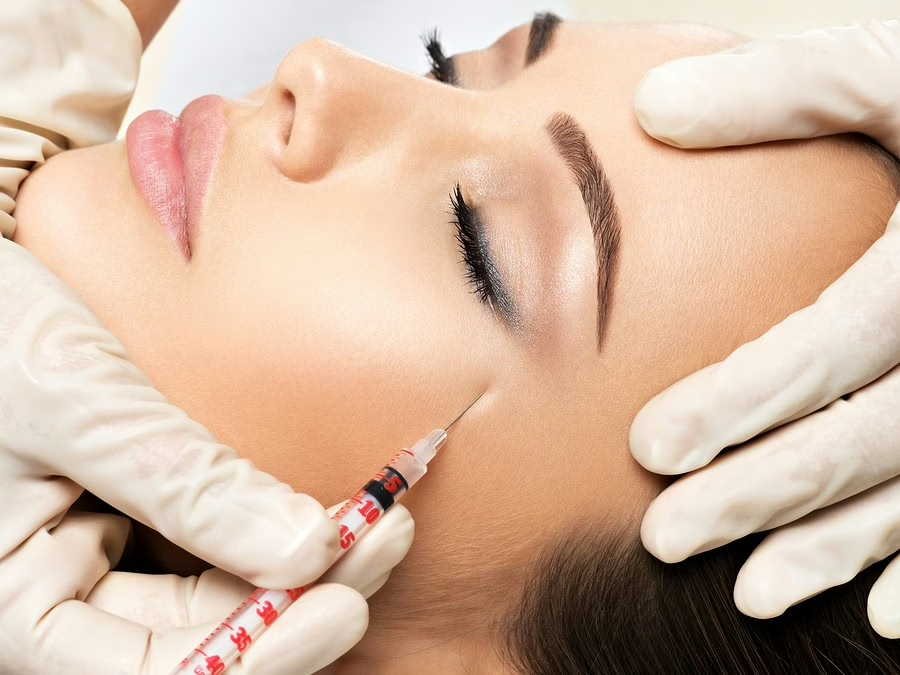
Crow's feet, wrinkles that form in the corner of the eye, can be treated with Botox injections. By undergoing a Botox treatment program performed by globally recognized facial plastic and reconstructive surgeon Dr. Babak Azizzadeh, a patient can quickly and safely correct crow's feet and other visible signs of aging in the face.
Dr. Azizzadeh is a leading facial plastic and reconstructive surgeon, and he works closely with patients dealing with crow's feet. Initially, Dr. Azizzadeh analyzes a patient's facial appearance to identify the underlying cause of crow's feet. Dr. Azizzadeh then provides a personalized treatment plan to help a patient correct crow's feet. Finally, Dr. Azizzadeh and his patient work together to execute the treatment plan and achieve the optimal results.
For patients who are concerned about crow's feet, a consultation with Dr. Azizzadeh is ideal. At this time, Dr. Azizzadeh can perform a patient evaluation and explore crow's feet treatment options.
What Are Crow's Feet?
Crow's feet are among the most-prominent signs of aging in the face. They tend to look deeper and more pronounced than facial wrinkles or expression lines and can make a person appear tired.
People can start to notice crow's feet at any age, and some people experience crow's feet as early as their 20s. Crow's feet can form due to excess exposure to the sun's ultraviolet (UV) rays, as well as loss of collagen and skin elasticity that occurs due to the natural aging process. In addition, smoking deprives the skin of oxygen, and it can increase the likelihood of crow's feet. Hormonal issues like menopause can also accelerate the aging of skin tissue, which can lead to crow's feet.
Are Crow's Feet Preventable?
Crow's feet develop around the eyes, in an area where the skin is thin and can lack moisture at times. As such, once crow's feet develop, it can be difficult to restore the skin in the affected area to its previous state.
Although crow's feet cannot always be prevented, there are many things that can be done to reduce the risk of crow's feet, such as:
- Wear Sunscreen: Apply sunscreen that has a sun protection factor (SPF) of 30 or higher every day. Use sunscreen across the face to guard against crow's feet and other signs of aging caused by excess sun exposure.
- Wear Sunglasses: UV-protecting shades help lower the risk of sun-related damage to skin around the eyes. They also make it easy to avoid squinting when sunlight gets into the eyes, which can otherwise increase the risk of crow's feet.
- Use a Moisturizing Eye Cream: Moisturizing eye cream can be used twice a day to help keep the skin hydrated. When the facial skin is properly moisturized, people are less prone to crow's feet and other signs of aging.
- Massage the Area Around the Eyes: Gently massage the area around the eyes for a few minutes before going to bed. This loosens and relaxes the muscles around the eyes and corrects crow's feet and wrinkles before they get out of hand.
- Maintain a Healthy Diet:Antioxidants help protect the skin against free radicals, unstable, reactive molecules that cause the skin to lose firmness and elasticity. Foods like strawberries, blueberries, and walnuts contain high volumes of antioxidants, and consuming these foods regularly can help people raise their antioxidant levels and lower their risk of crow's feet.
- Stay Hydrated: Poor hydration can make people feel sluggish, as well as increase their risk of crow's feet. Consuming eight, 8-oz. glasses of water daily enables people to keep the body hydrated. As a result, people who stay hydrated are well-equipped to ward off crow's feet.
- Develop a Skin Care Regimen: A healthy skin care regimen can be used to protect the skin against a wide range of environmental factors and other risks. It should be developed in combination with a skin care professional, who may recommend the use of one or more skin care products on a daily basis as part of the regimen.
The aforementioned crow's feet prevention tips can be beneficial, but they offer no guarantees. But, people who notice crow's feet can meet with Dr. Azizzadeh to pursue Botox injections and other cosmetic treatment options.
What Is Botox for Crow's Feet?
Botox ranks as one of the most-popular non-surgical cosmetic procedures, and it is an FDA-approved injectable that treats crow's feet, moderate to severe frown lines, and forehead lines. A Botox treatment requires only about 10 to 15 minutes to complete, and results last up to four months.
During a Botox procedure, a patient receives a series of injections into different areas of the face. The injections go directly into the facial muscles, and they temporarily correct various signs of aging.
Results of Botox injections tend to be predictable yet subtle. In a survey of 342 Botox patients, 62% of respondents said they believed Botox was "worth the investment."
How Long Does Botox Take to Work on Crow's Feet?
Patients see the initial results of Botox within about one to two days of injections. Since Botox is a technique-sensitive treatment, the results appear natural, and people are unlikely to notice any signs that a patient underwent a cosmetic procedure.
Botox results are temporary, however, and patients will require regular treatments to minimize the appearance of crow's feet. Dr. Azizzadeh collaborates with a patient to schedule regular Botox treatments. In doing so, Dr. Azizzadeh helps a patient maximize the results of Botox for crow's feet.
Is Botox for Crow's Feet Safe?
Botox has been evaluated extensively, and it is the most widely studied and researched treatment of its kind. To date, scientific and medical journals have published over 528 articles about Botox. The injectable has also been approved for use in 98 countries.
A patient requires a medical evaluation before undergoing Botox or any other non-surgical cosmetic procedure. The evaluation allows Dr. Azizzadeh to identify any risk factors that can disqualify a patient for Botox. If Dr. Azizzadeh believes Botox is unsafe, he can recommend Botox alternatives.
Patients who undergo Botox treatments can experience side effects. In clinical studies of Botox, researchers found 3% of patients experienced drooping in the frown lines, and 1% experienced brow drooping in the forehead. Other side effects linked to Botox injections include:
- Dry mouth
- Neck pain
- Eye problems
- Blurred or double vision
- Dry eyes
- Pain at the injection site
- Fatigue
- Headache
Dr. Azizzadeh discusses the side effects of Botox before treatment. He also responds to a patient's concerns and questions and can provide insights into all aspects of Botox treatment.
Is Botox Right for You?
There are many reasons why patients choose Botox to treat crow's feet, including:
- Cost: Botox injections tend to be more affordable than a surgical cosmetic procedure.
- Speed: Botox can be injected into the facial muscles in a matter of minutes.
- Downtime: There is minimal downtime after a Botox procedure, and most patients can work, go to school, and resume normal activities after treatment.
Dr. Azizzadeh can discuss Botox with a patient who is considering cosmetic procedures to treat crow's feet. He can perform an evaluation to determine if a patient qualifies for Botox and craft a custom Botox treatment plan. Or, if a patient does not qualify for Botox, Dr. Azizzadeh can share details about treatment alternatives.
What Botox Alternatives Are Available to Treat Crow's Feet?
Along with Botox, other cosmetic procedures that can be used to treat crow's feet include:
- Laser skin resurfacing involves the use of DOT Deka laser skin treatments to address crow's feet, scars, and other facial flaws. During a laser skin resurfacing procedure, DOT Deka laser treatments are used to resurface the skin on a patient's face and neck. The treatments improve skin tone, texture, and pigmentation and revitalize the skin.
- Juvederm is a collection of dermal fillers used to improve facial volume. A Juvederm procedure can be performed to correct crow's feet, as well as fill facial creases and restore lost facial volume. Also, a Juvederm treatment is sometimes performed in combination with a liquid facelift.
- Sculptra is an injectable cosmetic facial treatment used to treat crow's feet and facial lines and wrinkles. The injectable stimulates the growth of collagen to restore facial fullness. Following a Sculptra treatment, patients can enjoy a more youthful facial appearance.

Share this Image On Your Site
Dr. Azizzadeh can meet with a patient to explore Botox and other cosmetic procedures for crow's feet. To learn more or to schedule a consultation with Dr. Azizzadeh, please contact us online or call us today at 310-657-2203.
How Do Facial Fillers Feel?
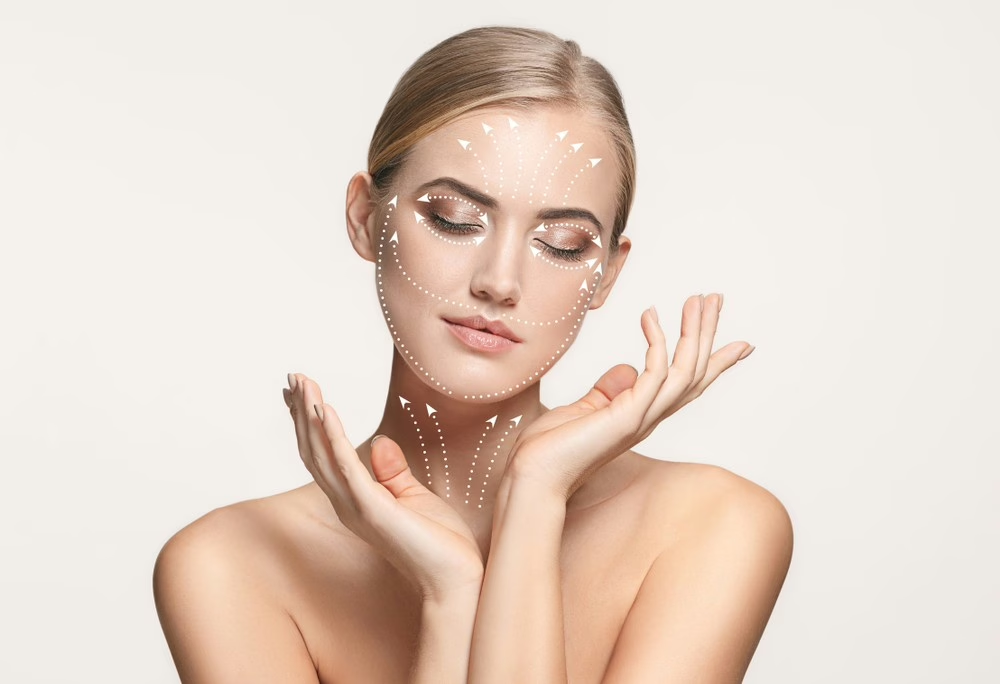
Facial fillers are top choices for people who want to revitalize the facial appearance without going under the knife. To prepare for a facial filler procedure, it is important to understand how it feels to receive these injectable medications.
Do Facial Fillers Hurt?
Facial fillers can sound painful at first, as facial filler treatments involve injections of medications into the cheeks, lips, and other areas of the face. Yet, facial filler injections performed by Dr. Babak Azizzadeh of the CENTER for Advanced Facial Plastic Surgery are designed to limit pain and enhance the facial appearance.
Dr. Azizzadeh is world-renowned for his facial plastic and reconstructive surgery expertise, and he tailors each facial filler treatment to his patient. First, Dr. Azizzadeh meets with a patient to discuss facial fillers and other non-surgical and surgical facial rejuvenation treatments. Dr. Azizzadeh then determines if a patient is a good candidate for facial fillers. In some cases, Dr. Azizzadeh recommends facial fillers be performed in combination with a fat transfer to face or another surgical procedure.
Once Dr. Azizzadeh and his patient agree to a facial filler treatment strategy, the pair puts this plan into action. Dr. Azizzadeh explains all aspects of a facial filler treatment to his patient, as well as offers insights into the side effects of facial fillers.
What Are the Side Effects of Facial Fillers?
Some patients experience bruising, redness, and swelling following facial filler injections. In certain instances, facial filler patients also experience pain and itching, along with infections, lumps, and skin discoloration. In addition, serious side effects of facial fillers include scarring, partial vision loss or blurred vision, and allergic reactions.
Most side effects of facial fillers are only temporary, and they will disappear within a few days or weeks of treatment. In rare cases, side effects can persist for months or years after a facial filler procedure.
The side effects of facial fillers are sometimes unavoidable, but an expert facial plastic and reconstructive surgeon like Dr. Azizzadeh works diligently to limit facial filler side effects. In doing so, a patient can receive comprehensive insights into facial fillers before treatment and minimize the risk of complications.
Dr. Azizzadeh performs a full medical evaluation to determine if there are any risks that could put a patient's health in danger during a facial filler procedure. If Dr. Azizzadeh believes a facial filler procedure is too dangerous for a patient, he offers alternative treatment options.
Types of Facial Fillers
Some of the most-popular facial fillers available today include:
- Restylane
To date, more than 30 million Restylane facial rejuvenation treatments have been performed worldwide. These hyaluronic acid fillers smooth away facial wrinkles and folds, as well as bolster the appearance of the lips. Several Restylane products are available, including Restylane Refyne and Defyne that feature XpresHAn Technology™ that helps improve skin flexibility so patients can make natural facial expressions.
- Radiesse
Radiesse smooths moderate to severe facial wrinkles and folds. It often lifts and defines the face and delivers long-lasting and natural-looking facial rejuvenation treatment results. In a recent study of 1,000 Radiesse patients, 80% reported a high satisfaction rate with long-lasting results 12 months after treatment, without retreatment.
- Sculptra
Sculptra is designed to replace lost collagen in the facial skin. It diminishes the appearance of facial wrinkles and helps restore the skin's structure and volume. Sculptra also delivers results that can last more than two years — in fact, some research indicates 80% of Sculptra patients were still satisfied with their treatment 25 months following their most recent injection.
- Belotero
Belotero is a prescription dermal filler that treats moderate to severe nasolabial folds (facial folds or wrinkles that extend from the side of the nose to the corner of the mouth). It consists of hyaluronic acid that integrates itself into the facial skin during treatment. The result: Belotero temporarily corrects facial lines and wrinkles.
- Juvederm
Juvederm includes five facial filler products designed to plump the lips, smooth facial lines, and lift and contour the cheeks. The results of Juvederm can be significant, too. For instance, research shows that 98% of Juvederm Volbella XC patients report improvement in satisfaction at three months, and 90% of Juvederm Voluma XC patients report improvement in satisfaction at six months.
In addition to the aforementioned facial fillers, Dr. Azizzadeh sometimes recommends Botox injections for people who are considering non-surgical facial rejuvenation.
Botox is an injectable prescription that temporarily smooths fine lines and wrinkles in the face. It reduces excess movement of facial muscles that otherwise contributes to visible signs of aging.
Which Facial Filler Treatment Is the Right Choice?
The right facial filler varies based on the patient. So, a patient should work with a facial plastic and reconstructive surgeon like Dr. Azizzadeh to find out which facial filler can provide the optimal results.
Dr. Azizzadeh evaluates a patient's appearance and treatment goals closely. He then develops a facial filler treatment plan tailored to his patient. Next, Dr. Azizzadeh discusses the treatment plan with his patient, as well as responds to any patient concerns or questions.
When a facial filler treatment is performed, Dr. Azizzadeh works carefully to inject the right amount of a facial filler into the intended portions of a patient's face. Dr. Azizzadeh also monitors his patient's progress after facial filler injections, and he requests follow-up appointments.
Dr. Azizzadeh is available to respond to concerns or questions at any point after a facial filler injection as well. Thus, if a patient experiences facial filler side effects or has questions about when the results of an injectable will become visible, Dr. Azizzadeh can respond to them.
Benefits of Facial Filler Procedures
Facial filler procedures offer many benefits, including:
- Fast Treatment
Whereas a facial rejuvenation surgery can require at least a few hours to complete, a facial filler treatment can usually be completed in just minutes. A facial filler procedure is often simple, and the full results typically become visible within a few days of treatment.
- Minimal Downtime
Most patients can resume their normal activities immediately after a facial filler procedure. They can often schedule follow-up appointments at regular intervals to ensure they can maximize the results of facial fillers, too.
- Few Side Effects
The side effects associated with facial plastic and reconstructive surgery are far greater than those associated with facial fillers. Regardless of whether a patient selects a facial plastic or reconstructive surgery or facial filler treatment, however, Dr. Azizzadeh does everything possible to reduce risk.
Which Facial Rejuvenation Treatment Option Is Better: Facial Fillers or Surgery?
Facial fillers provide great choices for individuals who want to quickly revitalize the facial appearance. Conversely, it is vital to note that facial fillers are not intended for everyone.
For instance, a study of five patients who received hyaluronic dermal fillers revealed these patients experienced delayed adverse reactions to treatment. Study researchers indicated that patients must be informed of the risks associated with facial fillers due to the possibility of delayed adverse reactions.
Facial fillers only deliver temporary facial rejuvenation results, too. The length of time that facial filler results last varies based on the filler used, but most injectables provide results that last at least a few months. But once the results of a facial filler wear off, a patient will need to undergo a follow-up treatment to correct visible signs of aging in the face once again.
Comparatively, surgery provides a long-term option for people who want to revitalize their facial appearance. Facelifts, neck lifts, and other facial rejuvenation surgeries are available, and they can be performed on patients of all ages.
Dr. Azizzadeh recommends anyone who is considering facial fillers or facial rejuvenation surgery meet with him to discuss treatment options. He is happy to explore different facial rejuvenation treatments and ensure a patient can identify a safe, effective procedure that delivers the desired results.
Is a Facial Filler Treatment Right for You?
Millions of men and women undergo facial filler procedures annually, and these treatments reduce the appearance of frown lines, crow's feet, and other signs of aging in the face. Meanwhile, the best way to determine if a facial filler treatment is the ideal choice is to first meet with Dr. Azizzadeh. This allows an individual to learn about facial fillers and surgical facial rejuvenation treatments, then plan accordingly.
Dr. Azizzadeh is available to meet with a patient to evaluate facial rejuvenation procedures. To learn more or to schedule a consultation with Dr. Azizzadeh, please contact us online or call us today at 310-657-2203.

How to Make the Recovery from a Neck Lift Smoother
Neck lift recovery can be complicated, particularly for patients who do not prepare for the days, weeks, and months after surgery. Fortunately, there are many things that a patient can do to limit risk during neck lift recovery, including:
-
Request a Ride Home from Surgery
When it comes to neck lift surgery, there is no need to leave anything to chance. To start the neck lift recovery process on the right foot, ask a friend or family member for a ride home after treatment. This allows a neck lift patient to return home safely and get help from a loved one in the first stages of recovery.
-
Get Plenty of Rest
A neck lift patient is sometimes tempted to return to work or school or resume other normal activities immediately after surgery. Yet, neck lift recovery should be the top priority after surgery, and focusing on recovery can help a patient achieve the best results of treatment. A neck lift patient should therefore take at least a week after surgery to focus on rest and recovery.
-
Wear a Bandage
A bandage is usually required for at least the first week after neck lift surgery. Wear the bandage day and night, and continue to wear the bandage until the doctor says it is safe to stop doing so.
-
Use a Cold Compress
Apply a cold compress to the neck lift treatment area; this helps alleviate post-neck lift surgery pain. Do not apply ice directly to the neck lift surgery treatment area, as this can hamper blood flow and damage the skin.
-
Keep the Head Elevated
Neck lift surgery patients should keep the head elevated as much as possible after surgery; this helps minimize post-treatment swelling. In addition, neck lift patients should keep the head straight and avoid excessively twisting or turning the head.
-
Use Medication
Pain medication is sometimes prescribed for use after neck lift surgery. Take the medication as instructed by a doctor, and do not take any over-the-counter medications unless instructed to do so. In the event that a patient experiences medication side effects after neck lift surgery, notify the doctor immediately.
-
Avoid Strenuous Activity
Running, weight-lifting, and other strenuous activities should be avoided for a minimum of two weeks after neck lift surgery. Generally, a doctor will provide details about how long a patient should wait before he or she can resume an exercise or workout routine following a neck lift. By following the doctor's recommendation, a patient can avoid potential post-neck lift surgery complications.
-
Add Fruit to Your Diet
Since a neck lift patient is often less active in the initial days after surgery, adding fruit to a diet can be beneficial. Some neck lift patients experience constipation following surgery, but fruit consumption can help alleviate this issue. Also, patients should consume plenty of liquids, so they can stay hydrated after neck lift surgery
-
Avoid Alcohol Consumption
The combination of alcohol and prescription medications after neck lift surgery can be dangerous. So, when prescribed medication, neck lift patients should avoid alcohol consumption until the medication is no longer required.
-
Avoid Smoking
Smoking simultaneously damages the skin and slows neck lift recovery and healing. As such, neck lift patients should avoid smoking in the days and weeks after surgery.
-
Take Care of the Incision
Neck lift patients often require one or more drainage tubes near the surgery site, and they should be cared for properly. Ask a doctor for full instructions on how to care for drainage tubes and other areas of the incision site to reduce the risk of infection after neck lift surgery.
-
Wear Sunblock
Use sunblock with a sun protection factor (SPF) of 30 or higher for at least 12 months after neck lift surgery. Whenever possible, a neck lift patient should also wear clothing and accessories to limit the risk of exposing surgical scars to sunlight.
-
Receive Follow-Up Care
A doctor usually requests a patient return within seven days of neck lift surgery. At this time, the patient's surgical sutures are removed. The doctor can also evaluate a neck lift surgery patient's recovery thus far and respond to any concerns or questions.
-
Follow the Doctor's Instructions
A doctor's instructions should be followed after neck lift surgery. These instructions are designed to help a patient lower risk and accelerate neck lift recovery. If the patient follows the doctor's instructions closely, he or she can maximize neck lift surgery treatment results.
-
Reach Out to a Doctor As Needed
A doctor is a valuable resource after neck lift surgery and should be consulted at any point following treatment. Remember, a doctor wants to help a neck lift patient achieve a balanced, natural-looking facial appearance as quickly as possible. If a patient has concerns or questions after neck lift surgery, contact the doctor for support.
Is Neck Lift Surgery Right for You?
Neck lift surgery offers a terrific option for individuals who want to revitalize the skin in the neck and jawline. The procedure can be performed on its own or in combination with other surgical and non-surgical facial rejuvenation treatments to restore youthful contours in the face and neck. Also, a neck lift is commonly used to treat fatty jowls, droopy skin, or a double chin that makes people appear older than their actual age.
Clearly, there is a lot to like about neck lift surgery. For people who are considering a neck lift procedure, the recovery period is a key factor to evaluate prior to treatment. With insights into neck lift recovery, a patient can decide if now is a good time to undergo the procedure.
Along with neck lift recovery, other factors should be considered before a neck lift is completed, such as:
- Cost: The cost of neck lift surgery varies based on anesthesia fees, medical tests, facility costs, and other factors.
- Risks: The risks associated with neck lift surgery include infection, bleeding, and facial asymmetry.
- Prior Medical Conditions: In some instances, a patient is ineligible for a neck lift due to a preexisting medical condition.
Neck lift surgery must be performed by an expert surgeon as well. By choosing neck lift surgery from Dr. Babak Azizzadeh of the CENTER for Advanced Facial Plastic Surgery, a patient can receive extensive support throughout all stages of treatment.
Why Do Patients Choose Dr. Azizzadeh for Neck Lift Surgery?
Dr. Azizzadeh is a globally recognized facial plastic and reconstructive and head and neck surgeon, and he is frequently sought after by international dignitaries, celebrities, and executives for his facial rejuvenation surgery expertise. He helps patients determine which facial rejuvenation treatment can deliver a symmetrical facial appearance in which the eyes, cheeks, chin, and other features complement one another. Plus, Dr. Azizzadeh devotes time and energy to help his patients quickly and safely achieve their treatment goals.
With neck lift surgery, Dr. Azizzadeh first learns about a patient and finds out why this individual is considering treatment. Dr. Azizzadeh next conducts a full evaluation to learn about a patient's medical history and identify any health risks. Finally, Dr. Azizzadeh offers a personalized facial rejuvenation treatment recommendation.
If Dr. Azizzadeh deems neck lift surgery to be the best choice, he teaches a patient about treatment and responds to any concerns or questions. Or, if Dr. Azizzadeh believes neck lift surgery risks are too significant, he offers alternative treatment options.
Dr. Azizzadeh tailors a neck lift to his patient, and he prepares the patient for surgery. In the days leading up to a neck lift, Dr. Azizzadeh offers tips to ensure the patient is calm and ready for the day of surgery. When the day of surgery arrives, Dr. Azizzadeh conducts the procedure as planned and monitors the patient's progress after treatment. Dr. Azizzadeh then requests follow-up appointments in the weeks and months after a neck lift, so he ensures a patient's recovery stays on course.
Typical neck lift surgery results become visible about one year after treatment. Meanwhile, Dr. Azizzadeh keeps in contact with a neck lift patient and is happy to provide support in any way possible. If a patient has neck lift recovery concerns or questions, Dr. Azizzadeh responds to them right away.
Schedule a Neck Lift Surgery Consultation with Dr. Azizzadeh
Dr. Azizzadeh can discuss neck lift surgery and other facial rejuvenation treatment options. He educates his patients about facial rejuvenation procedures and helps them determine if one or more treatments can deliver the desired results. To learn more or to schedule a facial rejuvenation surgery consultation with Dr. Azizzadeh, please contact us online or call us today at 310-657-2203.