8 Ways to Improve the Health of Your Skin
Healthy skin is an important part of overall health and wellbeing. To maintain good skin, people must practice healthy skin care habits. Otherwise, people who forgo proper skin care risk facial lines, wrinkles, and other visible signs of aging — even at a young age.
How to Get Healthy Skin: Here's What You Need to Know
Getting healthy skin is rarely simple. This is due to the fact that many factors can hamper skin health, including:
1. Sun Exposure
Prolonged sun exposure is a leading cause of skin damage. The sun's ultraviolet (UV) rays can impact collagen and elastin that promote skin health. So, those who spend extended periods of time outdoors risk age spots, wrinkles, and other skin health issues.
2. Irritants
Cleaning products and laundry detergents can contain chemicals that irritate the skin. These products can make people susceptible to dermatitis, as well as skin irritation.
3. Smoking
Smoking cigarettes increases melanin in the skin; melanin is a biological pigment that dictates an individual's skin and hair color. Also, cigarettes contain toxins that damage collagen and elastin.
4. Natural Aging Process
The skin loses elasticity as a result of the natural aging process. Therefore, skin health deteriorates over time, regardless of how frequently an individual smiles, frowns, or makes other facial expressions.
Dr. Babak Azizzadeh of the CENTER for Advanced Facial Plastic Surgery in Los Angeles is world-renowned for his facial plastic and reconstructive surgery and head and neck surgery expertise. He understands that skin problems can occur at any time and escalate quickly, but a healthy skin care regimen can be used to address these issues.
What Are the Best Ways to Get Healthy Skin?
Although there is no skin care regimen that works well for everyone, several best practices can be used to help enhance the skin. For those who are trying to determine how to improve their skin, Dr. Azizzadeh offers the following recommendations:
1. Apply Sunscreen
Use a sunscreen with a sun protection factor (SPF) of 15 or higher. This can protect the skin against excess exposure to the sun's UV rays year-round. Additionally, sunscreen should be applied approximately every two hours — or more frequently if people go swimming or sweat profusely.
2. Keep the Skin Moist
Apply a skin moisturizer that contains SPF and use it regularly. A moisturizer helps combat dry skin, red skin, acne, and other skin problems. But, keep in mind that moisturizers are available for different types of skin. For people who are considering a moisturizer, they should review all of the options at their disposal to select the right one to accommodate their skin type.
3. Get Sufficient Rest
Make sleep a priority and get seven to nine hours of rest each night. A lack of sleep or low-quality rest can contribute to facial wrinkles, sagging skin, and dark circles around the eyes. Yet, by getting sufficient rest every night, people are well-equipped to stabilize their immune system. The result: these people can limit the risk of skin inflammation that may inadvertently cause acne, psoriasis, and other skin problems.
4. Stay Hydrated
Drink water frequently to help prevent skin dryness and tightness. Research indicates that drinking eight, 8-oz. glasses of water daily may help treat tight, dry, and flaky skin. At the same time, keeping the body hydrated may help make the skin more resilient and less susceptible to wrinkling.
5. Manage Stress
Practice mindfulness through meditation, yoga, or journaling, exercise daily, and enjoy other stress-relieving activities every day. People who struggle to cope with daily stress are exceedingly prone to psoriasis, eczema, and other skin problems. Stress can also make it tough to keep pace with an everyday skin care regimen. However, people who can safely and effectively manage their stress can simultaneously reduce the risk of skin issues and other physical, emotional, and behavioral side effects.
6. Maintain a Healthy Diet
Consume foods rich in vitamins, minerals, and nutrients as frequently as possible. A diet that contains high amounts of fatty foods, alcohol, and sugar may put people in danger of acne and breakouts. Furthermore, a diet that is too high in sodium may contribute to skin dryness, while a diet that is too high in dairy may lead to oily skin. On the other hand, a balanced, nutritious diet helps keep the skin, body, and mind healthy.
7. Avoid Smoking
Stop smoking and avoid cigarette smoke whenever possible. The toxins in cigarettes can damage skin collagen and elastin, resulting in premature aging. Conversely, people who stay away from smoking can minimize the risk of sagging skin, psoriasis, and other skin issues. They can also lower their risk of experiencing skin cancer and other long-lasting health issues.
8. Wear a Hat and Sunglasses
Wear a wide-brimmed hat and sunglasses to help keep UV rays at bay. A hat and sunglasses help protect the skin against excess sun exposure, and they should be worn any time people plan to spend an extended period of time outdoors. Along with a hat and sunglasses, people can also wear a long-sleeved shirt and long pants to further safeguard the skin against sun damage.
How to Improve Face Skin
To improve face skin, it is important to be patient and persistent. Because, those who stay the course are well-equipped to develop a skin care regimen that delivers long-lasting results.
An effective skin care regimen requires cleansing, toning, and moisturizing the skin. The routine can take several weeks or months to perfect. And, it may need to be modified based on an individual's health.
When it comes to developing a skin care regimen, start slow. This enables an individual to identify appropriate skin care products. It also allows this individual to evaluate the effectiveness of their routine and fine-tune it accordingly.
Furthermore, working with a facial skin expert like Dr. Azizzadeh can be beneficial. Dr. Azizzadeh recognizes the value of a skin care regimen. As such, Dr. Azizzadeh dedicates the time, energy, and resources necessary to help a patient build and execute a skin care routine that meets their expectations.
Pursue Expert Help to Learn How to Improve Skin Health
In addition to sharing the aforementioned recommendations, Dr. Azizzadeh is happy to meet with people who want to learn how to improve their skin. That way, people can gain expert support in their quest to develop and implement a healthy skin care regimen.
A patient consultation allows Dr. Azizzadeh to analyze a patient's facial appearance and identify any skin issues. Dr. Azizzadeh also reviews his patient's medical history and determines how the patient can alleviate skin problems.
Dr. Azizzadeh may recommend surgical or non-surgical procedures to help patients correct skin issues. Or, he may recommend patients use skin care products as part of a healthy skin care routine. Regardless of his recommendation, Dr. Azizzadeh works closely with a patient to deliver the best-possible results. In doing so, Dr. Azizzadeh helps each patient find a healthy way to maintain beautiful skin now and in the future.
The Bottom Line on How to Get Healthy Skin
Skin health is paramount. Those who develop and maintain an effective skin care routine can limit their risk of facial wrinkles, frown lines, and other blemishes. They also can reap the benefits of a balanced, natural-looking appearance in which the eyes, cheeks, and other facial features complement one another.
It can be tempting to use various skin care products to try to get healthy skin. But, this can inadvertently do more harm than good, particularly for individuals with sensitive skin or preexisting skin problems.
In order to get healthy skin, partner with Dr. Azizzadeh. Following an initial meeting with Dr. Azizzadeh, a patient can take steps to improve their skin health. Plus, Dr. Azizzadeh tracks and assesses his patient's skin health. He continues to offer recommendations to ensure his patient can enjoy healthy skin long into the future.
Schedule a Skin Care Treatment Consultation with Dr. Azizzadeh
A skin care treatment consultation with Dr. Azizzadeh offers a great starting point to anyone who is looking for ways to avoid visible signs of aging in the face. The consultation is available free of charge and enables a patient to explore myriad skin care treatment options.
Dr. Azizzadeh is available to meet with a patient to discuss skin care treatments, how they work, and their benefits. To learn more or to schedule a consultation with Dr. Azizzadeh, please contact us online or call us today at 310-657-2203.


How to Get Rid of Sun Damage on the Face
Sunlight is beneficial, and some sun exposure helps improve mood, enhance the immune system and increase bone strength. Yet spending too much time in direct sunlight puts a person at risk of excess ultraviolet (UV) radiation exposure that damages the skin. Thus, it is important for a person to understand how to protect the skin against excess sun exposure — otherwise, an individual risks sunspots on the face and related skin issues.
How Much Sun Is Too Much?
The amount of UV radiation that the skin can handle varies based on the individual. For example, research indicates that UV radiation starts damaging the skin of fair-skinned people after about 5 to 10 minutes of sun exposure. On the other hand, people with dark-brown skin may be able to spend more than 60 minutes in the sun before they experience sun damage caused by overexposure to UV radiation.
For people who are unsure about how much sun that their skin can handle, help is available. The U.S. Environmental Protection Agency offers the UV Index to help people determine how much time to spend in the sun on a given day. This index predicts the risk of UV overexposure on a scale of 0 (minimal risk) to 11+ (very high risk). It also accounts for a location's altitude, the time of year, and other factors to help people analyze the strength of the sun's UV rays and how quickly these rays can damage the skin.
What Happens If the Skin Is Exposed to Excess Amounts of UV Radiation?
Sun-damaged skin causes a person to look older than his or her actual age. It results in a variety of skin issues, including:
Sunburn
A sunburn refers to red, painful skin that feels hot to the touch. It occurs due to prolonged UV radiation exposure and increases a person's risk of other skin problems. Additionally, repeated sun exposure that leads to sunburns may make a person more susceptible to melanoma and other types of skin cancer.
Dry Skin
Excess UV radiation exposure reduces the skin's elasticity. It also causes the skin to lose moisture and essential oils. The result: dry, coarse skin.
Wrinkles
Overexposure to UV radiation drives the formation of free radicals, unstable atoms that damage cells, in the skin. It damages elastin fibers in the skin, and in doing so, causes wrinkles to form.
Melasma
Melasma is a skin problem that causes an individual to develop grey-brown patches on the face. The condition may cause grey-brown patches to form on the nose, forehead and chin and above the upper lip. Melasma is more prevalent in individuals with darker complexions who are exposed to high amounts of UV radiation for an extended period of time.
Sun Spots
Sunspots are flat, brown spots that form on sun-damaged areas of the skin. They are often smooth and do not cause any pain. However, sun spots are sometimes signs of excess sun exposure, and in certain instances, a sunspot may be a warning sign of skin cancer.
The longer that sun-damaged skin goes untreated, the worse it becomes. Over time, an individual may even experience actinic keratoses, pre-cancerous skin growths that sometimes turn into cancer. Fortunately, if an individual understands how to reverse sun damage, he or she can limit the impact of excess sun exposure.
What to Do If You Are Dealing with Sun Damage on the Face
Sun damage spots on the face and other skin issues can occur quickly and without notice. For those who identify any facial wrinkles, dry skin, or other signs of sun damage on the face, it pays to be diligent.
It is generally a good idea to consult with a dermatologist any time sun damage on the face appears. At this point, a dermatologist can evaluate an individual's facial appearance and the severity of any sun damage on the face. The dermatologist can also provide their patient with a plan for how to get rid of sun damage on the face.
Can You Get Rid of Sun Damage on the Face?
Oftentimes, sun damage on the face can be corrected. Many treatments are available to help reverse sun-damaged skin on the face, including:
Laser Skin Resurfacing
Laser skin resurfacing involves the use of DOT Deka laser skin treatments to correct blemishes, wrinkles, scars, and other facial skin damage. The treatment is available to individuals dealing with virtually any dermatological condition, and it helps treat melasma, freckles, and other types of sun-damaged skin. Also, laser skin resurfacing is sometimes performed in combination with Botox and other non-surgical facial rejuvenation procedures to revitalize a person's facial appearance.
Chemical Peel
A chemical peel requires a chemical solution to remove the outer layer of sun-damaged skin. It helps smooth out skin and minimize the appearance of facial wrinkles. A chemical peel may also be used across an individual's face, neck and hands.
Microdermabrasion
With microdermabrasion, tiny grains, crystals, or diamond tips are used to remove the outer layer of sun-damaged skin and help stimulate collagen growth. Microdermabrasion is sometimes performed after Botox or other facial rejuvenation procedures as well.
Retinoids
Retinoids are compounds that stimulate the growth of collagen, the body's most abundant protein. They are found in many over-the-counter skin care products and help minimize the appearance of fine lines and dark spots. Before using retinoid products, it is important to consult with a dermatologist; that way, an individual can determine which retinoid products and other skincare products to use and gradually integrate them into his or her skincare regimen.
Beta-Carotene
Beta-carotene is a red-orange pigment found in colorful fruits and vegetables, and it is converted into vitamin A in the body. Beta-carotene supports healthy skin and mucous membranes, as well as good eye health and vision.
In addition to the aforementioned treatments, many natural options are available to treat sun-damaged skin.
How to Repair Sun-Damaged Skin on the Face Naturally
Natural ways to treat sun-damaged skin include:
Get Sufficient Rest
Getting seven to nine hours of sleep per night helps reduce the risk of wrinkles, sagging skin, and other facial skin problems. It also ensures that the body can deliver sufficient fluids to organs and tissues to lower the risk of skin problems like acne and psoriasis.
Maintain a Healthy Diet
Fruits and vegetables contain high levels of antioxidants that help repair damaged skin cells. Furthermore, maintaining a diet rich in nuts, olive oil, fish, whole grains and other healthy fats helps minimize the risk of skin cancer related to overexposure to UV radiation.
Exercise Regularly
Regular exercise helps increase blood flow to carry oxygen and nutrients to working cells across the body. At the same time, regular exercise helps the body eliminate free radicals and other waste products that otherwise damage the skin.
Alleviate Stress
Stress increases the production of cortisol, a hormone that helps the brain control mood. Cortisol also prevents the skin from retaining water, and it may cause a person's blood sugar level to spike, leading to collagen and elastin damage. To prevent these issues, an individual can practice mediation, yoga, deep breathing and other stress-relieving activities.
Avoid Alcohol
Alcohol contains excess amounts of sugar, and it triggers the glycation process that destroys collagen and elastin. By limiting his or her alcohol consumption, an individual can reduce the risk of wrinkles, spider veins and other visible signs of aging in the face.
Keeping the skin looking vibrant and youthful is sometimes challenging, but the aforementioned tips offer natural ways to help correct sun-damaged skin. There are also several things that people can do every day to help limit the risk of skin damage, including:
- Use Sunscreen: Sunscreen with a sun protection factor of 15 or higher helps reduce the risk of sun-damaged skin. It should be applied generously approximately every two hours or more frequently as needed.
- Wear Protective Clothing: Wearing a hat, sunglasses and other protective clothing helps ensure that an individual can enjoy time in the sun without putting his or her skin in danger.
- Find Shade: If the sun feels too strong, seek out shade immediately.
Skincare is key, particularly when it comes to avoiding sun-damaged skin. By exploring all available sun damage treatment options, an individual can determine the best course of action to address sun-damaged skin and prevent it from becoming a recurring problem.
What Is the Best Treatment for Sun Damage on the Face?
Sun damage on the face won't disappear on its own. In fact, those who try to ignore the problem will find the issue can escalate quickly. If left unaddressed, sun damage can permanently alter an individual's facial appearance.
When it comes to sun damage on the face, be proactive to guard against it. Proper skin care can go a long way toward protecting the face against sun damage. It also minimizes the risk of skin cancer and other long-lasting skin health problems.
For those who are dealing with sun-damaged skin on the face, don't wait to seek out assistance. By meeting with a dermatologist, an individual can receive a skin health assessment. The dermatologist can then work with their patient to ensure he or she can treat sun-damaged skin and limit further damage.
Evaluate Your Sun Damage Treatment Options
Skin Cancer Foundation (SCF) reports that 20% of Americans develop skin cancer by the age of 70, and having five or more sunburns doubles a person's risk of melanoma. Conversely, SCF notes that the five-year survival rate for melanoma is 99% when it is detected early.
If an individual takes the time to identify and treat sun-damaged skin now, he or she can prevent long-term skin issues. By working with Dr. Babak Azizzadeh of the CENTER for Advanced Facial Plastic Surgery, an individual can find a safe, effective way to address his or her sun-damaged skin.
Dr. Azizzadeh is a globally recognized facial plastic and reconstructive surgeon who understands how to treat sun-damaged skin. He offers holistic treatment of sun-damaged skin, and he ensures that each of his patients can correct sun spots, wrinkles and other facial skin issues. Dr. Azizzadeh also tailors each treatment to his patient to deliver the best possible facial rejuvenation results.
How Does Dr. Azizzadeh Treat Sun Damage on the Face?
Dr. Azizzadeh is a globally recognized facial plastic and reconstructive surgeon who understands how to treat sun-damaged skin. He offers holistic treatment of sun-damaged skin and ensures that each of his patients can correct sunspots, wrinkles, and other facial skin issues.
Initially, Dr. Azizzadeh meets with a patient to assess their sun-damaged skin on the face. He conducts comprehensive testing to learn about the patient's skin and see how sun damage has affected their facial appearance.
Dr. Azizzadeh wants his patients to enjoy a balanced, natural-looking facial appearance. To accomplish his goal, Dr. Azizzadeh learns as much as he can about his patient. He then tailors his treatment to his patient to deliver the best possible facial rejuvenation results.
Following a treatment for sun-damaged skin on the face, Dr. Azizzadeh monitors his patient's progress. He also offers tips and recommendations to ensure his patient can avoid sun-damaged skin going forward.
Schedule a Skincare Treatment Consultation with Dr. Azizzadeh Today
Dr. Azizzadeh is available to meet with an individual and explore different ways to treat their sun-damaged skin. To schedule an in-person or virtual skincare treatment consultation with Dr. Azizzadeh, please contact us online or call us today at 310-657-2203.
Which Is a Better Treatment Option: Surgical or Non-Surgical Chin Augmentation?
Two types of chin augmentation procedures are available: surgical and non-surgical. Both types of procedures can help strengthen a weak chin, minimize the appearance of jowls or a double chin, and correct other chin issues that otherwise impact a patient's facial symmetry. But, there can be instances in which a patient may benefit from surgical chin augmentation over a non-surgical alternative, and vice versa.
Chin augmentation can be beneficial, but patients must consider both surgical and non-surgical treatment options. If patients evaluate both options, they can make an informed decision regarding their facial rejuvenation treatment. These patients can also undergo their preferred form of chin augmentation — and use the treatment to enhance facial appearance.
Now, let's look at both types of chin augmentation procedures, how they are performed, and their respective benefits.
What Happens During a Surgical Chin Augmentation?
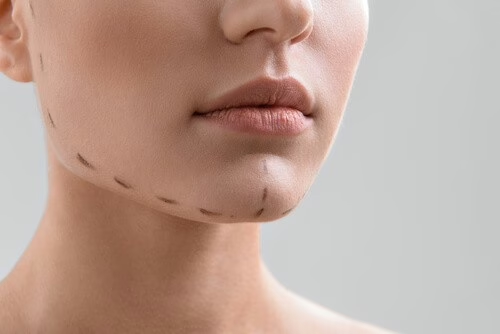
Submental liposuction, also referred to as chin liposuction or double chin surgery, is commonly used to remove fat from under the chin. The procedure is designed to reduce the appearance of a double chin, as well as improve facial appearance.
To determine if a patient is eligible for submental liposuction, surgical consultation is required. The consultation enables the patient to discuss their facial rejuvenation treatment goals with a facial plastic surgeon. It also allows the surgeon to determine if there are any preexisting medical conditions or other risks that could disqualify the patient from treatment.
A surgeon uses a consultation to examine a patient's chin and neck and other facial features. Furthermore, the surgeon reviews the patient's medical history and finds out why double chin surgery is being considered.
If a surgeon determines submental liposuction can be safely performed, the surgeon crafts a treatment plan. The surgeon explains all stages of a chin liposuction procedure and helps the patient prepare for treatment.
A surgeon may recommend a patient stop taking certain medications before chin liposuction. This occurs if the patient's medications may disrupt their double chin surgery recovery timeline.
Before double chin surgery, a surgeon determines the precise locations in the chin where fat can be removed. The surgeon also rinses the patient's skin and injects an anesthetic into it.
During a chin liposuction procedure, a small tube (cannula) is inserted into different areas of a patient's chin. A surgeon then uses gentle suction to remove specific amounts of fat from each location. This helps the patient remove fat from beneath the chin, as well as achieve a smooth, even facial profile.
Patients can experience swelling and discomfort in the days after submental liposuction. The skin on the neck and chin can feel tight after surgery, and facial drains can be used to reduce blood and fluid build-up in the neck.
Following a double chin surgery, patients may require an antibiotic ointment to apply to surgical incisions. They should also avoid excess sunlight and take precautions to limit the amount of water on the face and chin for at least a few days after treatment.
Double chin surgery recovery time can vary based on the patient's approach to the recovery process, the surgeon performing the procedure, and other factors.
Initial recovery from chin liposuction requires about one to two weeks. After this time, patients can return to work, school, and other everyday activities. Patients should also avoid strenuous exercise for up to six weeks following double chin surgery.
Patients may start to notice the results of a double chin surgery within about three months of treatment. Meanwhile, the full results usually become visible up to one year after surgery.
The risks associated with submental liposuction can be significant, and they include:
-
- Undertreatment that results in minimal improvement of the facial appearance
- Overtreatment that causes dimples and other skin irregularities
- Seroma (fluid build-up beneath the skin)
Dr. Babak Azizzadeh of the CENTER for Advanced Facial Plastic Surgery in Los Angeles is globally recognized for his facial plastic and reconstructive surgery and head and neck surgery expertise. He has performed many submental liposuction procedures in his career, but his approach to surgery remains the same.
Submental liposuction should help a patient revitalize their facial appearance — without putting their health and safety at risk. So, Dr. Azizzadeh only recommends double chin surgery if he believes the procedure is both safe and effective.
Dr. Azizzadeh may recommend chin liposuction be performed in combination with a facelift, neck lift, and other facial rejuvenation procedures as well. Dr. Azizzadeh believes all facial features should appear in harmony with one another. Therefore, Dr. Azizzadeh may perform multiple procedures to help a patient achieve a balanced, natural-looking facial appearance.
What Happens During a Non-Surgical Chin Augmentation?
Along with submental liposuction, non-surgical facial rejuvenation treatments are available to help enhance the appearance of the chin and face. These treatments don't require patients to go under the knife; instead, they may involve the use of Juvederm facial fillers.
Juvederm dermal fillers are gel-like injectables that help restore facial volume. Prior to a Juvederm procedure, a patient must meet with a surgeon to determine their eligibility for treatment.
Since each Juvederm procedure is tailored to a patient, the number of injections and the amount of Juvederm required varies. When injected into the skin, Juvederm can help patients enhance their facial symmetry and achieve a more youthful and vibrant facial appearance.
A Juvederm procedure involves applying a topical anesthetic to a patient's lower dental block, followed by injecting the facial filler into the skin. The results of treatment are instant, and most patients see the full results of Juvederm the day after their procedure.
With Juvederm, results are temporary, and patients will need to undergo periodic injections. Juvederm patient results vary, but some patients report results that last 18 months or longer.
Side effects of Juvederm are generally less severe than those associated with chin augmentation surgery. Patients may experience skin tenderness and redness, along with minor bruising and swelling. These symptoms tend to subside on their own up to five days after treatment. There is no downtime after Juvederm injections, too.
Is a Surgical or Non-Surgical Chin Procedure Necessary to Improve the Facial Appearance?
The chin plays a key role in balancing the facial appearance. A small chin can make a nose look large. Or, a large chin can make a nose look small. There can also be times when a short chin makes the face look "top-heavy."
A surgical or non-surgical chin procedure can be used to enhance facial harmony. Yet, the procedure is not ideal for all patients. To determine if a chin procedure is necessary, meet with Dr. Azizzadeh. At this point, Dr. Azizzadeh can evaluate a patient and offer a personalized facial rejuvenation treatment recommendation.
Will People Be Able to Tell If You Have Received a Chin Procedure?
It is virtually impossible to tell if someone has received a surgical or non-surgical chin procedure. This is especially true when patients choose Dr. Azizzadeh for treatment.
Dr. Azizzadeh performs every chin procedure with care and precision. He customizes the treatment to his patient. And, Dr. Azizzadeh does everything possible to ensure his patient can enjoy a beautiful, natural-looking chin following treatment. As a result, people are unlikely to notice that a patient has received a chin treatment.
Will a Chin Procedure Impact the Neck's Appearance?
Chin augmentation increases the projection of the chin. It can cause the neck to appear more angular and lean than ever before.
Also, the neck skin can move forward due in part to an implant used during a surgical chin augmentation. In this scenario, the skin beneath a patient's jaw may appear tighter than it did prior to surgery.
Will a Chin Procedure Impact the Nose's Appearance?
The nose and the chin together have far-flung effects on the facial appearance. They must look proportional to one another to produce a balanced facial appearance.
If a chin procedure can impact the nose's appearance, rhinoplasty may be required. Like a chin treatment, a nose job is tailored to a patient's facial appearance. Nose surgery ensures a patient can reap the benefits of a nose that functions correctly and looks proportional to the chin and other facial features.
How Much Does a Surgical or Non-Surgical Chin Augmentation Cost?
The cost of chin augmentation varies based on the surgeon performing the procedure, where the treatment is administered, and other factors. To determine if a surgical or non-surgical chin procedure delivers the best return on investment, patients should consider the cost of treatment in relation to their facial rejuvenation goals.
Generally, a surgical chin procedure has a higher upfront cost than a non-surgical one. The treatment can deliver permanent results.
A non-surgical chin procedure can be more affordable than a surgical one. Conversely, the procedure delivers temporary results. To maintain a balanced facial appearance, patients may need to receive ongoing non-surgical chin procedures.
Dr. Azizzadeh can explain the costs associated with surgical and non-surgical chin procedures. He can also help patients evaluate these costs and help them determine how to get the most value out of their chin procedure. Dr. Azizzadeh even offers financing options to help chin augmentation patients cover the cost of treatment.
How to Decide Between Surgical and Non-Surgical Chin Augmentation
When it comes to surgical and non-surgical chin augmentation, one procedure is not necessarily better than its counterpart. There are pros and cons with surgical and non-surgical chin augmentation procedures, and patients need to weigh their treatment options closely. That way, patients can determine if submental liposuction or Juvederm is the best course of action to bolster their facial appearance.
Submental liposuction may be a viable option for patients who want long-lasting results. A typical chin liposuction procedure delivers results that last seven to 10 years. Depending on how a patient cares for their health after double chin surgery, the results of treatment may last even longer. Plus, double chin surgery can be performed by Dr. Azizzadeh, a Harvard-trained and dual board-certified facial plastic, and reconstructive surgeon, to limit the risk of complications.
Juvederm may be a great choice for patients who want fast facial rejuvenation treatment results. Also, Juvederm injections may be more cost-effective in comparison to double chin surgery.
For those who are still uncertain about the best option for chin augmentation, Dr. Azizzadeh can help. Dr. Azizzadeh offers consultations to patients who are considering chin augmentation and other facial rejuvenation treatments. Thus, by meeting with Dr. Azizzadeh, a patient can gain expert insights into different facial rejuvenation treatment options.
Which Type of Chin Augmentation Procedure Is Right for You?
Patients who are considering both surgical and non-surgical chin augmentation procedures should meet with Dr. Azizzadeh. In doing so, Dr. Azizzadeh can perform a full evaluation to determine which facial rejuvenation treatment options can help a patient achieve their desired results.
During an evaluation, Dr. Azizzadeh considers his patient's health and facial rejuvenation treatment goals. Dr. Azizzadeh then works with his patient to develop a treatment plan that may include surgical or non-surgical chin augmentation and other facial rejuvenation procedures.
Dr. Azizzadeh's unique experience allows him to help patients achieve exceptional chin augmentation treatment results. By choosing Dr. Azizzadeh for chin augmentation, a patient receives a personalized treatment plan to rejuvenate the facial appearance. The patient also gets comprehensive support throughout chin augmentation treatment, regardless of whether a surgical or non-surgical procedure is performed.
Patients who are considering surgical or non-surgical chin augmentation can discuss both treatment options with Dr. Azizzadeh. To learn more about chin augmentation or to schedule a consultation with Dr. Azizzadeh, please contact us online or call us today at 310-657-2203.

The Best Treatments for Hyperpigmentation
Hyperpigmentation causes patches of skin to become darker than the surrounding skin. But, the condition is generally harmless. And, with the right treatment, the condition can quickly and safely be addressed.
What Is Hyperpigmentation?
Hyperpigmentation occurs due to an increase in melanin in the body. Melanin is a dark biological pigment that determines a person’s skin and hair color. The body increases its production of melanin due to pregnancy, Addison’s disease (a disorder that prevents the adrenal glands from producing sufficient hormones), or other medical conditions.
Pigmentation can cover large portions of the body or occur in small patches. Those dealing with pigmentation can experience skin discoloration on the face, arms, and legs. In some instances, the condition occurs after an injury or skin inflammation and can affect skin on any portion of the body.
Will Pigmentation Disappear on Its Own?
Pigmentation can cause permanent skin discoloration. Conversely, pigmentation can disappear on its own, regardless of whether the condition is treated by a dermatologist.
Skin discoloration can improve over the course of three to 24 months without treatment. Yet, discolored skin can be a serious problem if it persists for an extended period of time.
People who experience long-term skin discoloration can meet with a dermatologist to undergo an evaluation. A dermatological evaluation can be beneficial for anyone who is concerned about common risk factors associated with pigmentation on the face.
Pigmentation on the Face Risk Factors
Sun exposure and inflammation are the two biggest risk factors associated with hyperpigmentation. In either instance, people can experience increased melanin production that causes skin discoloration. Other risk factors associated with the condition include:
Dark Skin: People with dark skin are more prone than others to hyperpigmentation.
Drugs: Certain drugs can increase a person’s sensitivity to sunlight.
Skin Trauma: A skin burn or wound can lead to discoloration.
Understanding the risk factors associated with hyperpigmentation is key to address the condition in its early stages. So, if skin discoloration occurs, visit a dermatologist. At this point, the dermatologist can determine if a patient is dealing with hyperpigmentation and review different treatment options.
How Do I Get Rid of Pigmentation on My Face?
A dermatologist can evaluate a patient's face any time pigmentation occurs. Then, the dermatologist can provide a personalized treatment.
Many treatment options are available to treat pigmentation on the face. These include:
Topical Creams
Topical creams often include azelaic acid, corticosteroids, and other ingredients that help lighten the skin. The effectiveness of topical creams varies, and it may take a patient several months before a topical cream delivers the desired results.
Consult with a dermatologist before using a topical cream to treat hyperpigmentation. This ensures that a patient can find a topical cream that accommodates their skin type and limits the risk of side effects.
Laser Skin Resurfacing
Laser skin resurfacing is a non-surgical procedure used to address facial wrinkles, scars, and other skin damage. It involves resurfacing the skin to remove surface-level and deep lines and facial wrinkles.
Laser treatment of pigmentation on the face has minimal side effects. It delivers results that can last up to five years. Also, laser skin resurfacing can be completed in conjunction with facelift surgery and other facial rejuvenation procedures.
Chemical Peel
A chemical peel involves the use of acids to remove the surface layer of the skin.
Over-the-counter chemical peels are available. However, if these chemical peels are used incorrectly, they can cause blisters or scarring.
Comparatively, dermatological chemical peels can provide viable alternatives to over-the-counter chemical peels. They tend to be stronger than over-the-counter chemical peels, which can increase their effectiveness. On the other hand, the strength of dermatological chemical peels also increases the risk of side effects in contrast to over-the-counter varieties.
Microdermabrasion
Microdermabrasion involves the use of a drill-like handheld tool that features a wire brush or other abrasive attachment. During a microdermabrasion procedure, the tool is swiped across a patient’s skin to remove the surface layer. A typical microdermabrasion treatment requires multiple sessions to correct pigmentation on the face.
The best treatment for pigmentation on the face depends on the individual, the severity of their skin discoloration, and other factors. To determine the best course of action to address hyperpigmentation, it is important to consult with a dermatologist who understands the ins and outs of various treatment options. By meeting with this dermatologist, a patient can receive comprehensive insights into pigmentation treatment. Plus, the patient can ask questions regarding treatment and decide which one is both safe and effective to address their skin discoloration.
What At-Home Treatments Are Available to Address Pigmentation on the Face?
In addition to the aforementioned hyperpigmentation treatments, many at-home options are available to address pigmentation on the face, including:
Aloe Vera
Aloe vera helps heal wounds and relieve sunburns. In one study, researchers found that aloe vera lightens the skin and provides a non-toxic hyperpigmentation treatment. In certain instances, doctors recommend applying aloe vera to pigmented areas of the skin before bedtime, removing aloe vera with warm water in the morning, and repeating this skincare regimen until the skin improves.
Licorice Extract
Licorice extract helps lighten dark spots and balance skin tone. It can be used as a topical solution applied via cotton swab. Or, some people use a licorice extract face mask.
Green Tea Extract
Research shows that green tea extract delivers anti-inflammatory, antioxidant, and anticarcinogenic effects. It also indicates that green tea extract provides a depigmenting effect when applied to the skin.
Black Tea Water
The benefits of black tea water to treat pigmentation are reflected in a study of the skin of guinea pigs. In the study, researchers found that black tea water used twice a day, six days a week for four weeks helped reduce the appearance of dark spots on guinea pigs.
None of the aforementioned at-home skin discoloration treatments offer any guarantees. To address hyperpigmentation, meeting with a dermatologist is ideal. Together, a patient and their dermatologist can explore ways to treat different types of hyperpigmentation.
What Are the Different Types of Hyperpigmentation?
Common types of hyperpigmentation include:
Age Spots
Age spots are small, discolored patches of skin. They appear on the face, hands, and other parts of the body due to excess exposure to ultraviolet (UV) radiation from the sun. Research shows that age spots are most common in people over the age of 40, but they can appear on individuals of all ages.
Melasma
Melasma causes tan or brown patches to form on the skin, most often on the face, forehead, and stomach. The condition can also affect pregnant women but disappear on its own after a woman gives birth.
Post-Inflammatory Hyperpigmentation
Post-inflammatory hyperpigmentation refers to spots or patches of dark skin that occur due to an inflammatory condition. For instance, some people experience pigmentation caused by acne, which results in spots or patches on the face or neck. Hyperpigmentation can also occur due to eczema, which makes the skin itchy and red.
For people who believe that they are dealing with any of the aforementioned types of hyperpigmentation, don't wait to meet with a dermatologist. That way, a patient can receive a proper diagnosis and find the best way to alleviate their symptoms.
How Is Hyperpigmentation Diagnosed?
To diagnose hyperpigmentation, a dermatologist first conducts a physical exam and reviews a patient’s medical history. The dermatologist may request a skin biopsy; this assessment helps the doctor pinpoint the cause of their patient’s symptoms.
If a dermatologist believes a patient is dealing with hyperpigmentation, he or she then develops a treatment plan based on the patient’s symptoms. Sometimes, a dermatologist prescribes medication that contains hydroquinone, which helps lighten the skin, to treat pigmentation. A dermatologist may also recommend topical retinoids, which can lighten dark spots on the skin over the course of several months.
A dermatologist can provide tips to help their patient minimize the risk of future skin discoloration as well. These tips often include:
Apply Sunscreen Regularly: The use of sunscreen that contains zinc oxide as a primary ingredient and has a sun protection factor of 30 or higher helps protect the skin against overexposure to the sun’s UV radiation. It is crucial to apply sunscreen approximately every two hours when going out in the sun. People should apply sunscreen more frequently if they plan to go swimming or high temperatures increase the risk of sweating.
Use Skincare Products: Many skincare products are available to help prevent pigmentation. Meet with a dermatologist before using a skincare product. A dermatologist can teach a patient about different skincare products, how they work, and their benefits. The doctor can also examine their patient and help him or her find a product that can deliver the optimal results.
Wear UV-Protective Clothing: Wear a broad-brimmed hat and UV-protective clothing and accessories to safeguard the skin against excess exposure to UV radiation that can otherwise lead to pigmentation.
Develop an Effective Skincare Regimen: Work with a dermatologist to develop a skincare regimen to guard against pigmentation. A dermatologist can provide skincare product recommendations that help their patient maintain healthy, beautiful skin.
There is no need to leave anything to chance, particularly when it comes to hyperpigmentation. By meeting with globally recognized facial plastic and reconstructive surgeon Dr. Babak Azizzadeh, those dealing with skin discoloration can take the necessary steps to treat their symptoms.
Dr. Azizzadeh’s Approach to Hyperpigmentation Treatment
As a dual board-certified facial plastic and reconstructive surgeon, Dr. Azizzadeh understands the challenges associated with treating hyperpigmentation. Dr. Azizzadeh also recognizes that the condition can cause a wide range of symptoms. Thus, to correct skin discoloration, Dr. Azizzadeh takes a holistic approach to treatment.
Dr. Azizzadeh provides a custom treatment plan for each patient. First, Dr. Azizzadeh learns about a patient and their pigmentation symptoms. Dr. Azizzadeh then develops a unique treatment plan for his patient. Next, Dr. Azizzadeh and his patient can put their plan into action. Dr. Azizzadeh then monitors his patient’s progress and ensures that he or she can achieve the best-possible treatment results.
Schedule a Hyperpigmentation Treatment Consultation with Dr. Azizzadeh Today
Although many pigmentation treatment options are available, their effectiveness can vary based on the severity of the patient's skin discoloration and other factors. By meeting with Dr. Azizzadeh, a patient can explore options to treat pigmentation on the face and find ways to prevent it from recurring.
Dr. Azizzadeh is available to discuss different options to treat skin discoloration on the face. To schedule a treatment consultation with Dr. Azizzadeh, please contact us online or call us today at 310-657-2203.
Ways to Prepare for Plastic Surgery
Dr. Babak Azizzadeh is a globally recognized facial plastic and reconstructive surgeon, and he wants to help his patients prepare for all aspects of plastic surgery. That way, Dr. Azizzadeh's patients can put themselves in position to enjoy exceptional treatment results.
As part of his commitment to patient care, Dr. Azizzadeh provides the following recommendations to those who are preparing for plastic surgery:
Undergo a Medical Evaluation
Meet with a doctor to receive a physical exam before undergoing plastic surgery. A doctor can identify any medical conditions that can disqualify a patient from certain plastic surgeries. Or, a doctor can determine if any preexisting conditions can put a patient's health and safety in danger during a cosmetic procedure.
Dr. Azizzadeh won't perform plastic surgery if he believes the procedure is too risky. Instead, he may offer non-surgical alternatives, since they won't require a patient to go under the knife.
Furthermore, Dr. Azizzadeh discusses the potential risks of a cosmetic procedure before treatment. He ensures that a patient knows the pros and cons of plastic surgery and can make an informed decision regarding treatment.
Plan Your Plastic Surgery at a Date and Time That Works for You
If a patient requires immediate plastic surgery to correct a defect that impacts their ability to breathe or puts their health in danger, the procedure should be scheduled as soon as possible. Otherwise, if a patient is planning to undergo an elective plastic surgery, the procedure can be set up at a date and time that falls in line with their everyday schedule.
Keep in mind that it may take several weeks or months before a plastic surgery can be set up. As soon as a patient decides to undergo plastic surgery, consult with Dr. Azizzadeh. Together, Dr. Azizzadeh and his patient can schedule a date and time to perform a plastic surgery procedure.
Patients may want to consider scheduling plastic surgery during summer or winter breaks, too. Summertime is a popular period for college students to receive plastic surgery, as they may undergo a procedure at the beginning of summer and achieve their desired results by the end of the season. Meanwhile, the holiday season can provide opportunities to get additional time off from work or school, making it a great option for those who want to undergo a plastic surgery without disrupting their day-to-day schedule.
Know What to Expect During Plastic Surgery
Since Dr. Azizzadeh tailors a plastic surgery to his patient, each procedure is unique. As such, Dr. Azizzadeh educates his patient about plastic surgery, which allows him or her to plan for all stages of treatment.
If a patient has concerns or questions about plastic surgery at any point during treatment, notify Dr. Azizzadeh. Remember, plastic surgery can be complex, and concerns and questions can arise at any time. Dr. Azizzadeh can address patients' concerns and questions, and he is ready to respond to them. In doing so, Dr. Azizzadeh helps his patients feel confident and comfortable with plastic surgery.
Along with addressing concerns and questions about plastic surgery, patients should find out if there are any instructions they need to follow to get ready for treatment. Dr. Azizzadeh provides his patients with pre- and post-plastic surgery instructions, and a patient is responsible for following them.
Pre- and post-plastic surgery instructions vary based on the procedure. For example, patients who take certain medications that can thin the blood may need to stop taking these medications temporarily leading up to plastic surgery, due in part to the recovery process associated with different treatments. He may also recommend a patient avoid eating or drinking after midnight prior to the morning of their plastic surgery if general anesthesia is required during treatment.
Dr. Azizzadeh helps a patient plan for plastic surgery and ensures that he or she can enjoy a seamless recovery process. He encourages a patient to ask questions in the time leading up to surgery. If a patient has concerns or questions during the recovery process, Dr. Azizzadeh is available to provide assistance.
Avoid Smoking and Alcohol
Smoking hinders the skin's ability to absorb oxygen, which can lengthen the healing process after a plastic surgery. It also increases a patient's risk of complications during various plastic surgeries. Therefore, smoking should be avoided for at least two weeks before plastic surgery.
Alcohol can have negative effects relative to the plastic surgery recovery process as well. Since alcohol can suppress the immune system, it should be avoided for at least 72 hours prior to plastic surgery.
Establish Realistic Expectations
The time it takes to recover from plastic surgery can be challenging, particularly for patients who are unsure about what to expect throughout the recovery period. However, with realistic expectations for plastic surgery, a patient will understand the side effects of surgery and when the results of treatment will become visible.
Plastic surgery recovery time differs based on the procedure, the surgical technique used, and other factors. Dr. Azizzadeh outlines the recovery timeline for a patient before he performs a plastic surgery. This helps a patient set realistic expectations for plastic surgery, as well as prepare for the recovery process.
Patients should not expect immediate facial rejuvenation after a plastic surgery, either. The results of a plastic surgery can become visible weeks, months, or years after treatment. But, with the right approach to plastic surgery recovery, a patient can boost the likelihood of achieving the best results of a procedure.
Prepare for the Trip Home from Surgery
An eyelid lift and other plastic surgeries can cause blurred vision and other problems that hamper a patient's ability to drive home after treatment. Patients who undergo any of these surgeries should arrange for someone else to drive them home following their procedure.
In addition to following Dr. Azizzadeh's instructions for plastic surgery recovery, patients should set up accommodations to streamline the recovery cycle. For instance, patients may need to take time off from work or school for a few weeks after a plastic surgery. Patients may also need to keep a bandaged area around an infection site clean, avoid strenuous activities, or follow other instructions to limit the risk of complications during the recovery process.
Aftercare facilities are available to accommodate plastic surgery patients as well. These facilities can be used by out-of-town and local patients alike, and they allow patients to get professional support throughout surgery recovery.
Get Your Home Ready for the Days and Weeks After Surgery
Patients may be required to keep the head elevated as much as possible, take showers instead of baths, and perform other activities during plastic surgery recovery. By preparing for plastic surgery recovery at home, patients can avoid the rush to transform their homes at the last moment to accommodate their recovery.
Setting up a comfortable space where a patient can rest at home is usually beneficial as part of the process of preparing for plastic surgery. Here, a patient can relax and focus exclusively on recovering from a plastic surgery procedure.
It can be helpful to prepare meals in advance of a plastic surgery as well. Patients who prepare meals before they undergo plastic surgery won't have to worry about cooking in the days after treatment.
Plastic surgery patients can also benefit from having a caretaker at home after treatment. A caretaker is committed to helping a patient make a complete recovery from plastic surgery. Thus, a caretaker can provide valuable assistance to a plastic surgery patient that can lead to full treatment recovery.
Get Emotional Support
Plastic surgery can help rejuvenate the facial appearance, but the process of undergoing a surgical procedure and recovering from it can be overwhelming. By preparing for plastic surgery, a patient can plan ahead for challenges that can arise during treatment, as well as arrange to receive emotional support throughout the treatment process.
Getting emotional support is crucial for plastic surgery patients. It is common to feel anxious and overwhelmed as a surgery date approaches. Patients may have second thoughts about plastic surgery during this time. They may worry about their ability to properly prepare for surgery and the recovery period associated with it, too.
And, there may be times when a patient feels self-conscious about their facial appearance after surgery. This can contribute to stress, anxiety, and depression, due to the fact that patients have not yet achieved the full results of treatment. It can also cause patients to increasingly forgo social events and isolate from others until their recovery is complete.
Patients can benefit from scheduling phone calls and video chats with family members and friends before and after a plastic surgery. Although patients may be unable to engage in certain in-person activities while recovering from a plastic surgery, phone calls and video chats allow them to stay connected to loved ones. Phone calls and video chats enable patients to get emotional support any time they encounter plastic surgery recovery challenges, too.
Meeting with a mental health counselor can also be helpful before and after plastic surgery. Discussing plastic surgery challenges with a mental health counselor can help a patient develop techniques and strategies to cope with these challenges. Then, with these techniques and strategies in place, a patient is well-equipped to remain emotionally stable throughout plastic surgery recovery.
Plastic surgery is a process that extends beyond the procedure itself. The process requires a patient to consider the short- and long-term ramifications of surgery. Because, if a patient knows how a procedure will impact their facial appearance, he or she can plan ahead for emotional challenges during treatment. As a result, this patient can ensure that he or she can receive plenty of emotional support from family members, friends, and others throughout this period.
Use Relaxation Techniques
Plastic surgery recovery can be a stressful time. Fortunately, there are many things that patients can do to relax during the recovery cycle.
Some patients enjoy listening to soothing music or reading a book to alleviate post-plastic surgery stress. It can be helpful to perform deep breathing or meditation, both of which promote mindfulness and relaxation. Patients can also engage in yoga classes, as long as they do not interfere with plastic surgery recovery.
Take advantage of safe, healthy relaxation techniques whenever possible. Deep breathing and other relaxation techniques require only a few seconds to complete, and they can be performed virtually anywhere. These techniques can help patients stay calm, cool, and collected during their recovery. When used regularly, the techniques can help patients keep their stress levels in check throughout this period, too.
Remain Patient
The full results of plastic surgery won't become visible overnight. Those who remain patient in the days and weeks after surgery can ensure their recovery process stays on track.
Dr. Azizzadeh is available to provide assistance to patients who are concerned about the results of plastic surgery. So, if a patient is worried that their surgery results, get in touch with Dr. Azizzadeh. At this time, Dr. Azizzadeh can meet with a patient to review their post-surgery progress. Dr. Azizzadeh can then determine if additional treatments are needed to help his patient revitalize their facial appearance.
Finally, it is important to note that there are risks associated with every plastic surgery. Dr. Azizzadeh takes measures to avoid surgery complications. But, if a patient believes he or she is dealing with surgery complications, be prepared to reach out to Dr. Azizzadeh right away. Dr. Azizzadeh can meet with a patient to correct any post-surgery problems in their early stages.
Get Help Preparing for Plastic Surgery from Dr. Azizzadeh
When it comes to plastic surgery, Dr. Azizzadeh goes above and beyond to prepare his patients. Dr. Azizzadeh recognizes that plastic surgery can raise many concerns and questions, and he addresses them before treatment. Also, Dr. Azizzadeh works diligently to help a plastic surgery patient achieve a balanced, natural-looking facial appearance. Dr. Azizzadeh monitors his patient's progress after a plastic surgery to ensure that his patient achieves the best results as well.
Dr. Azizzadeh is available to discuss plastic surgery and help a patient determine if a surgical procedure can be used to enhance the facial appearance. To learn more or to schedule a consultation with Dr. Azizzadeh, please contact us online or call us today at 310-657-2203.

Can Cheek Enhancements Make You Look Younger?
Cheek enhancement treatments are available to help people lift their cheeks or add volume to them. At the CENTER for Advanced Facial Plastic Surgery in Los Angeles, Dr. Babak Azizzadeh offers a wide range of procedures to enhance the cheeks, including surgical and non-surgical treatments. In doing so, Dr. Azizzadeh enables patients to undergo cheek treatments that can revitalize their facial appearance.
Dr. Azizzadeh recognizes that boosting the fullness of the cheeks can be challenging, regardless of patient. He performs an evaluation to determine if a patient can benefit from a cheek improvement procedure. He also uses this evaluation to find out which cheek treatment is the best option for his patient and crafts a treatment plan accordingly.
What Cheek Enhancement Treatment Options Are Available?
Popular treatments to increase cheek fullness include:
Cheek Enhancement Surgery
Dr. Azizzadeh performs a mid facelift that addresses sagging lower eyelids and cheeks. The mid facelift procedure is often ideal for patients who want to lift the cheeks without altering the appearance of their neck and chin.
To perform a mid facelift, Dr. Azizzadeh makes small incisions around the ear in the same way he would during a traditional facelift surgery. He then shifts the muscles surrounding the cheeks and nose upward. In addition, Dr. Azizzadeh performs multi-level fat grafting to restore lost facial volume.
A mid facelift can usually be completed in about 60 to 90 minutes, and the initial recovery period after surgery lasts about one week. To date, Dr. Azizzadeh has performed many mid facelift procedures to treat sagging cheeks and helped his patients achieve a more youthful facial appearance.
Non-Surgical Cheek Enhancement
Dr. Azizzadeh offers Juvederm cheek enhancement, which involves the use of Juvederm dermal filler injections to temporarily improve the facial appearance.
Juvederm dermal fillers are gel-like injectables used to restore facial volume and correct facial lines, wrinkles, and other visible signs of aging. The injectables can be inserted into the cheeks with a fine needle.
A Juvederm cheek enhancement procedure can be completed in minutes, and it may cause short-term side effects like mild swelling and bruising. The initial results of Juvederm injections typically appear within 24 hours of treatment. These results may last six months or longer.
Cheek Thread Lift
A cheek thread lift involves the use of temporary sutures to lift the cheeks. With a thread lift, sagging skin in the cheeks is suspended via stitches, which can tighten the facial skin. Also, a cheek thread lift can be used to stimulate the production of collagen, which supports healthy skin.
Cheek thread lift procedures are sometimes performed in lieu of facelift surgery. A thread lift can also be performed at the same time as other facial rejuvenation procedures.
Cheek Implants
Cheek augmentation involves the insertion of implants into the cheeks. With this procedure, cheek implants can help make the face look more attractive and youthful.
There are three cheek implant shapes:
-
- Malar: Malar cheek implants are placed directly on the patient's cheekbones.
- Submalar: Submalar cheek implants are used to correct sunken cheeks.
- Combined: A combined treatment involves malar and submalar cheek implants to enhance cheek fullness.
Cheek implant surgery can be performed on its own or in combination with a rhinoplasty, facelift, and other facial rejuvenation treatments. Furthermore, cheek augmentation patients can usually resume their normal activities within one week of surgery.
How to Decide Which Procedure to Enhance the Cheeks Is Right for You
Procedures to improve cheek fullness are readily available, and it is important to evaluate all available options closely. To do so, it helps to consider the following questions:
Do Cheek Fillers Make You Look Younger?
Cheek fillers and other facial rejuvenation treatments can help patients appear younger, due to the fact that they can restore lost cheek volume and lift the cheeks. However, in order to get the best results, a cheek procedure must be performed by an expert facial plastic surgeon.
Dr. Azizzadeh is globally recognized for his expertise with facial rejuvenation treatments. He understands each patient has different reasons for pursuing cheek procedures. So, he finds out why a patient is considering these procedures and develops a treatment plan designed to deliver the optimal results.
Also, Dr. Azizzadeh partners with his patient throughout a facial revitalization treatment. Dr. Azizzadeh administers treatment and monitors his patient's progress, ensuring the patient can benefit from a revitalized facial appearance.
Cheek Implants vs. Fillers: Which Option Will Help Me Rejuvenate My Facial Appearance?
The right cheek enhancement treatment varies based on the patient. Therefore, Dr. Azizzadeh thoroughly evaluates a patient before he recommends a procedure to revitalize the cheeks.
An evaluation gives Dr. Azizzadeh the opportunity to review a patient's medical history and facial features. It also allows the patient to ask questions about cheek implants, fillers, and similar treatments.
Following an evaluation, Dr. Azizzadeh shares his facial rejuvenation treatment recommendation with his patient. Dr. Azizzadeh may recommend cheek implants, fillers, or other treatments, as well as other facial rejuvenation procedures. Then, if the patient decides to undergo treatment, Dr. Azizzadeh does his part to safely perform the procedure and ensure it can deliver the best results.
Am I a Good Candidate for a Cheek Improvement Procedure?
The best candidates for cheek improvement treatments are generally in good overall health. These candidates may have cheeks that are flat, thin, or saggy. They may have previously tried other treatments to improve the appearance of the cheeks as well.
Dr. Azizzadeh performs a medical assessment before he recommends a cheek improvement procedure. He only recommends treatment if he believes a procedure is both safe and effective for a patient.
Are There Risks Associated with Cheek Enhancement?
Patients may be ineligible for certain cheek enhancement procedures due to past or current medical conditions. In these cases, Dr. Azizzadeh offers alternative treatment options.
Dr. Azizzadeh only performs a facial rejuvenation procedure if he believes the treatment can benefit a patient and won't put their health and wellbeing in danger. He also tracks his patient's progress in the days, weeks, and months after treatment and can address any complications during the recovery period.
Where Should I Go for Cosmetic Treatment to Improve the Cheeks?
For those who are exploring cosmetic treatments to enhance the cheeks, Dr. Azizzadeh is available to help. As a dual board-certified facial plastic and reconstructive surgeon with many years of industry experience, Dr. Azizzadeh possesses the skills necessary to safely conduct a facial rejuvenation procedure to lift the cheeks.
Dr. Azizzadeh can meet with a patient to discuss facial rejuvenation treatment options to elevate the cheeks and ensure they complement the eyes, nose, and other facial features. Plus, Dr. Azizzadeh can explain all stages of facial rejuvenation procedure, so a patient knows exactly what to expect throughout treatment.
How to Identify the Right Cheek Improvement Treatment Option
Those who want to improve the appearance of cheeks have many options at their disposal. Here are tips to help weigh the pros and cons of these options.
Conduct Research
Learn as much as possible about different treatments to enhance the cheeks. Explore surgical and non-surgical treatment options, find out why they work, and examine their potential side effects and complications.
Establish Realistic Treatment Goals
Determine what can be accomplished during a cosmetic procedure for the cheeks. Dr. Azizzadeh can provide insights into how cheek procedures can provide short- and long-term results. He can also help a patient get an idea of how he or she will look after a cosmetic procedure. That way, a patient can craft realistic treatment goals.
Make a Budget
Figure out how much can be spent on a procedure to bolster the appearance of the cheeks. A cheek treatment is usually considered a cosmetic procedure and is not covered by insurance. However, Dr. Azizzadeh offers financing options to help patients cover the cost of cheek treatments and other cosmetic procedures.
Schedule a Consultation
Meet with a cheek improvement treatment expert. Dr. Azizzadeh is a Harvard-trained facial plastic and reconstructive surgeon who has performed many cheek treatments over the years. He can teach a patient about all aspects of cheek procedures and help them make an informed decision regarding treatment.
Choose the Right Surgeon
Select a surgeon who understands the challenges and opportunities provided by cheek improvement procedures. The surgeon should possess extensive cosmetic treatment expertise and can share their knowledge with patients.
Dr. Azizzadeh wants his patients to feel comfortable with cheek procedures and other cosmetic treatments. He is happy to meet with a patient to discuss various treatments to improve the facial appearance.
Schedule a Cheek Enhancement Treatment Consultation with Dr. Azizzadeh
Dr. Azizzadeh is available to provide insights into cosmetic treatment options for the cheeks. To learn more or to schedule a consultation with Dr. Azizzadeh, please contact us online or call us today at 310-657-2203.
Fat Transfers Explained
Fat transfer to face is a unique facial rejuvenation procedure, as it involves the use of fat from different parts of a patient's body to revitalize the facial appearance. When performed by globally recognized facial plastic and reconstructive surgeon Dr. Babak Azizzadeh, a fat transfer can deliver unprecedented results.
Dr. Azizzadeh is a Harvard-trained and dual board-certified facial plastic and reconstructive surgeon. He wants to educate individuals about facial fat grafting. In doing so, Dr. Azizzadeh can help people review this facial rejuvenation treatment and determine if it is right for them.
History of Fat Transfer Procedures
The first fat transfer procedure was performed in 1893. German plastic surgeon Gustav Neuber transferred fat from his patient's arm to the eye region. This helped the patient correct scarring around the eyes.
Since that time, many fat grafting methods have been used by surgeons around the world. Clinical research into fat grafting is ongoing, and surgeons continue to explore innovative ways to safely and effectively perform these procedures.
How Is a Fat Transfer to Face Procedure Performed Today?
Today's fat transfer to face procedures can be used to improve facial fullness and volume. During a facial fat grafting procedure, a patient receives fat harvested from the body into the cheeks, temples, lips, or other areas of the face. The result: a fat transfer that enhances the facial appearance.
A facial fat grafting procedure often involves the following steps:
1. Harvesting
A site on the patient's body is selected for fat removal. Next, a surgeon injects a local anesthetic into this area and creates a small incision. The surgeon then removes fat from the area via a thin tube (cannula) that is connected to a syringe.
2. Purification
Fat must be purified before it is transferred from one part of a patient's body to their face. A centrifuge can be used to spin out fat and remove impurities from it.
3. Placement
A cannula or needle is inserted into the area of a patient's face where the fat will be injected. Each time the cannula or needle is inserted, a small amount of fat is injected into the patient's face. This process is repeated until the desired amount of correction is received.
Following the procedure, a bandage or dressing is placed over the grafted area. The surgeon evaluates their patient's appearance to ensure he or she can enjoy a balanced, natural-looking facial appearance.
Is Facial Fat Grafting Common?
Fat transfer procedures have become increasingly popular over the course of the 20th century. Today, men and women undergo these procedures to use fat from the abdomen, hips, and other parts of the body to achieve a more youthful facial appearance.
Of course, this procedure is not the right facial rejuvenation treatment for everyone. But in many cases, the treatment is beneficial for individuals dealing with one or more of the following facial issues:
-
- Forehead lines
- Thin lips
- Contour depressions along the face
- Facial scars
- Hollowed-out appearance under the eyes
- Cheek volume loss
- Tear troughs
- Cheek folds or "marionette" lines around the mouth
A fat grafting procedure must also be tailored to the patient. This ensures a patient can receive the optimal amount of fat to the proper areas of the face.
Is a Fat Transfer Effective?
Choosing a facial plastic and reconstructive surgeon with fat transfer treatment experience is a must. This surgeon can evaluate a patient and determine their eligibility for the procedure. If a patient qualifies for this treatment, the surgeon can develop a plan to maximize its effectiveness.
Dr. Azizzadeh has performed many fat transfer to face procedures to date. He recommends this procedure if he believes it can help a patient improve their facial appearance without putting their overall health in danger.
Is a Fat Transfer Safe?
A fat transfer to face procedure must be performed by an expert facial plastic and reconstructive surgeon like Dr. Azizzadeh. Otherwise, a patient risks myriad treatment complications.
Fat transfer risks include:
-
- Hematoma (collection of blood under the skin)
- Significant scarring
- Blood vessel blockage
- Allergic reaction to anesthesia
- Infection
- Blood clot
- Excessive bleeding
Dr. Azizzadeh is a leading facial plastic and reconstructive surgeon who is frequently sought after by global dignitaries, executives, and celebrities. When it comes to facial plastic and reconstructive surgical procedures, Dr. Azizzadeh is a top choice, as he dedicates substantial time and resources to ensure patient safety.
Before a surgical procedure is performed, Dr. Azizzadeh conducts a patient assessment. Dr. Azizzadeh identifies any potential risks that could put a patient's health in danger. If these risks are too great, Dr. Azizzadeh can offer non-surgical alternatives.
What Transfer of Facial Fat Treatment Alternatives Are Available?
Juvederm and Restylane are popular alternatives to transfer of facial fat procedures. These dermal fillers can help patients revitalize their facial appearance without going under the knife.
With Juvederm, patients can receive injections to enhance facial volume. A Juvederm treatment enables patients to correct facial lines and wrinkles. It also can be performed in combination with Voluma, Sculptura, or other dermal fillers as part of a liquid facelift.
Multiple types of Juvederm are available. Juvederm injections can deliver instant results that last six months or longer.
Restylane refers to a collection of injectable dermal fillers that can be used to treat frown lines, wrinkles, and furrows. Moreover, Restylane can help patients correct pitting, scarring, and damage to the skin's surface. It can be used to correct loss of fullness in the lips, too.
A typical Restylane procedure can be completed in about 30 minutes. Side effects of Restylane are minimal, and they usually disappear on their own within hours of treatment.
The results of a Restylane procedure can last anywhere from six months to one year. With periodic follow-up treatments, a patient can use Restylane to revitalize their facial appearance like never before.
Surgical procedures are available that can help patients bolster their facial appearance as well. For instance, a patient can undergo a facelift to reduce visible signs of aging in the face and neck. Comparatively, a patient may consider a rhinoplasty to enhance the appearance of the nose and improve facial harmony. A patient can even undergo a chin augmentation or other surgical procedures to correct blemishes on different areas of the face.
When it comes to facial rejuvenation procedures, it is important to consider all available treatment options. This allows a patient to understand the advantages and disadvantages of these options and find a treatment that matches their expectations.
Dr. Azizzadeh won't put pressure on a patient to undergo facial fat grafting or other cosmetic facial procedures. Rather, Dr. Azizzadeh spends time learning about his patient and why they are considering a facial rejuvenation procedure. Dr. Azizzadeh performs an evaluation to see how one or more facial rejuvenation procedures may be used to rejuvenate his patient's facial appearance. From here, Dr. Azizzadeh shares his treatment recommendation. He remains accessible to his patients and encourages them to come forward with any treatment concerns and questions. If the patient agrees to treatment, Dr. Azizzadeh then works diligently to deliver the optimal results.
What Happens During a Facial Fat Transfer Treatment Consultation?
During a consultation, a patient can share their treatment goals with Dr. Azizzadeh. The patient can ask questions about facial fat grafting procedures, how they work, and their pros and cons.
Dr. Azizzadeh uses a consultation to learn about a patient and find out if he or she is a good candidate for treatment. He conducts a patient assessment that includes:
-
- Review of patient's medical history
- Evaluation of the patient's health status
- Examination the patient's face and the elasticity of their skin
After the assessment, Dr. Azizzadeh discusses treatment options with his patient. Dr. Azizzadeh explains if believes a patient can benefit from one or more other treatment options.
Which Is Better: A Facial Fat Transfer or Dermal Fillers?
In addition to facial fat transfer, dermal fillers are available to individuals who want to rejuvenate the facial appearance. To decide between these two facial rejuvenation treatment options, it is important for individuals to consider the following factors:
-
- Number of Treatments: A fat transfer to face usually involves a single treatment with results that can last for several years, whereas dermal fillers provide results that can last for just a few months.
- Downtime: There is little to no downtime with dermal fillers, and the results of dermal filler injections can become visible immediately after treatment. On the other hand, a facial fat transfer often requires at least one week of recovery time, with full results becoming visible in the weeks and months following treatment.
- Side Effects and Risks: Side effects and risks are present in both procedures and must be evaluated closely before treatment.
Dr. Azizzadeh helps patients weigh the pros and cons of myriad treatment options. He offers individualized facial rejuvenation recommendations, so a patient can receive insights into facial rejuvenation procedures and make an informed treatment decision.
Is There an Age Limit for Fat Transfer Procedures?
Men and women often undergo facial fat grafting treatment to correct sagging and droopy skin that occurs due to the natural aging process. Yet, there is no age limit for an individual who wants to undergo this procedure.
Dr. Azizzadeh believes in providing patients with any procedure to accommodate their facial rejuvenation goals. Thus, if Dr. Azizzadeh believes a patient is a good candidate for treatment, he will perform the procedure, regardless of their age.
How Much Does a Transfer of Facial Fat Procedure Cost?
The cost of treatment depends on the surgeon, where the procedure is performed, and other factors. Before treatment, Dr. Azizzadeh explains the cost of the procedure.
Is a Transfer of Facial Fat Procedure Covered by Insurance?
Since a transfer of facial fat procedure is considered a cosmetic treatment, it is usually not covered by insurance. However, patients may qualify for financing options to help cover the cost of treatment.
How Should a Patient Prepare for a Facial Fat Procedure?
Dr. Azizzadeh requests a patient undergo a physical exam before treatment. This ensures the patient is healthy enough for the procedure.
Patients should not smoke for at least six weeks before their surgery date. They should also avoid taking medications or supplements that can increase bleeding.
Does a Treatment for Facial Fat Vary Based on a Patient's Gender?
Since each fat transfer procedure is designed to provide a patient with a balanced, natural-looking facial appearance, the amount of fat used and the areas of the face treated vary based on the individual. However, the overall facial fat grafting procedure is virtually identical for both men and women.
To perform a facial fat procedure, Dr. Azizzadeh first removes fat from a patient. Dr. Azizzadeh makes a small incision in his patient's neck, then uses a tiny tube to remove fat. The incision is then closed.
Next, Dr. Azizzadeh separates the fat from blood and other fluids. This ensures the fat is pure and clean before it is injected into the patient's face.
During the final stage of treatment, Dr. Azizzadeh injects the fat into the patient's face. Each injection is performed via small holes in the skin, which eliminates the need for stitches after treatment.
How Long Does It Take to Complete Facial Fat Grafting?
A typical procedure to address facial fat takes up to five hours to complete. But the length of time to perform the procedure often depends on the number of injections required.
Does a Patient Receive Anesthesia During Facial Fat Treatment?
Some patients receive local anesthetic before they undergo facial fat treatment. Local anesthetic helps numb pain during grafting, but it is not required for all patients. Instead, Dr. Azizzadeh determines if local anesthetic is necessary before he conducts a grafting procedure.
What Should a Patient Expect Following Facial Fat Grafting?
Swelling and bruising often occur after facial fat grafting, but these side effects usually disappear on their own within about one week of treatment. Patients are generally encouraged to have someone else drive them home after a facial fat grafting procedure, as well as take time off of work during the recovery cycle.
The full results of treatment become transparent within approximately six months of treatment. Dr. Azizzadeh requests follow-up appointments in the weeks and months following facial fat grafting so he can track his patient's progress. These appointments also allow Dr. Azizzadeh to identify any issues that can disrupt the recovery process.
Will Patients Have Facial Scars After a Grafting Procedure?
Dr. Azizzadeh takes precautions to limit the risk of facial scarring. As such, there are rarely detectable scars on a patient's face after treatment.
Are There Any Severe Side Effects Associated with Facial Fat Grafting?
Fat transfer side effects can include an asymmetrical facial appearance and/or infection. Sometimes, a patient's face reabsorbs a portion or all of a fat injection. In rare instances, a facial fat grafting patient's blood vessel ruptures, blood clotting occurs at the treatment site, an infection develops, or a fat embolism or scar tissue forms.
In the event that a patient experiences any of the aforementioned facial fat grafting side effects, Dr. Azizzadeh is prepared to help in any way possible. At the first sign of a severe side effect of facial fat grafting, Dr. Azizzadeh addresses the issue. As such, Dr. Azizzadeh helps a facial fat grafting patient avoid long-term health risks.
How Long Do the Results of Facial Fat Grafting Last?
In certain instances, the results of facial fat grafting are permanent. Dr. Azizzadeh wants the procedure to deliver long-lasting results, so he works diligently to customize a treatment plan to his patient's facial appearance. This allows Dr. Azizzadeh to provide a facial fat grafting patient with the ideal amount of fat to various areas of the face, leading to exceptional facial rejuvenation.
In the months and years after facial fat grafting, an individual's facial appearance can change due to the natural aging process, weight loss or gain, and other factors. Therefore, the length of time that an individual enjoys the full results of facial fat grafting varies.
Can Facial Fat Grafting Be Performed at the Same Time As Other Facial Rejuvenation Procedures?
Facial fat grafting is sometimes recommended in combination with other facial rejuvenation treatments. That way, a patient can receive facial fat grafting and other facial rejuvenation procedures at the same time to quickly revitalize their facial appearance.
Why Should You Choose Dr. Azizzadeh for Facial Fat Grafting?
Dr. Azizzadeh is a facial plastic and reconstructive surgeon with many years of industry experience. To date, Dr. Azizzadeh has performed many successful facial fat grafting procedures, and he strives to help individuals identify the right treatment to rejuvenate their facial appearance.
Dr. Azizzadeh is available to discuss facial fat grafting and can provide a custom facial rejuvenation treatment recommendation. To learn more about facial fat grafting or to schedule a treatment consultation with Dr. Azizzadeh, please contact us online or call us today at 310-657-2203.
Non-Surgical Eye Lifts: Are They Effective?
An eyelid lift is a surgical option for those who want to revitalize the eyes. But, for those who want to enhance the eyes without going under the knife, a non-surgical eye lift may be ideal.
Dr. Babak Azizzadeh of the CENTER for Advanced Facial Plastic Surgery in Los Angeles is one of the world's leading facial plastic and reconstructive surgeons. He is dual board-certified and Harvard-trained in facial plastic and reconstructive surgery and head and neck surgery and can help patients determine if a surgical or non-surgical eye lift is the best option to achieve their facial rejuvenation treatment goals.
What Is a Non-Surgical Eye Lift?
A non-surgical eye lift works much in the same way as a traditional eyelid lift. Both surgical and non-surgical eye lifts help patients treat under-eye bags, dark circles around the eyes, and other facial issues that can otherwise make people look older than their actual age. As a result, patients can undergo a surgical or non-surgical eye lift to rejuvenate the eyes, leading to a more vibrant and youthful facial appearance.
In contrast to a surgical eyelid lift, however, a non-surgical eye lift requires no incisions. Additionally, whereas there is a standard eyelid lift surgery, multiple non-surgical eye lift treatments are available.
What Are the Benefits of a Non-Surgical Eye Lift?
Reasons why patients choose non-surgical eye lift procedures include:
- No Surgery Necessary: A non-surgical eye lift is a minimally invasive alternative to a blepharoplasty.
- Less Downtime: Non-surgical eye lift patients require time to recover than those who undergo an eye lift surgery.
- Outstanding Results: Non-surgical eye lift procedures have been shown to help patients improve the appearance of the brows and upper and lower eyelids.
There is a lot to like about non-surgical eye lift procedures. By meeting with Dr. Azizzadeh, a patient can learn about the non-surgical eye lift treatment options at their disposal.
A Closer Look at Non-Surgical Eye Lift Options
Dr. Azizzadeh offers many non-surgical eye lift options to patients interested in revitalizing the eyes and facial appearance. Popular non-surgical eye lift treatments include:
1. Botox
Botox is an injectable prescription used to correct fine lines, wrinkles, and furrows caused by excessive facial muscle movements. It is a top choice to treat crow's feet near the eyes, along with forehead creases and other visible signs of aging in the upper portion of the face. Furthermore, Botox is commonly used to address thick bands in the neck, a gummy smile, and other signs of aging in the lower portion of the face.
A typical Botox treatment can be performed in minutes. Before treatment, Dr. Azizzadeh determines exactly where Botox should be injected into a patient's face. He then carefully injects Botox into different areas of the face to help the patient achieve a balanced, natural-looking facial appearance.
The initial results of Botox usually become visible within a few days of treatment. Meanwhile, Botox treatment results can last up to four months.
2. Dermal Fillers
Dermal fillers are injectables used to treat fine lines and creases in the face. They help replace lost collagen in the skin, enabling patients to quickly minimize the appearance of facial lines and creases.
Dr. Azizzadeh offers Restylane, Sculptra, and other dermal fillers as non-surgical eye lift options. Each dermal filler procedure is tailored to a patient, and Dr. Azizzadeh determines the precise amount of filler to inject before treatment.
With dermal fillers, non-surgical eye lift patients won't have to worry about significant downtime after their procedure. A dermal filler procedure generally requires minutes to perform, and patients can resume their normal activities following after treatment. Plus, the results of dermal fillers may last six months or longer.
3. Laser Skin Resurfacing
Laser skin resurfacing involves the use of DOT Deka laser treatments to correct wrinkles and other signs of aging around the eyes. The procedure is safe and reliable, and it can be performed on patients coping with nearly any dermatological condition.
Dr. Azizzadeh uses laser skin resurfacing to surface-level lines and wrinkles in the face. The procedure may require up to two hours to complete, and it provides results that can last up to five years.
When it comes to the aforementioned non-surgical eye lift treatments, there are many factors to consider. Dr. Azizzadeh teaches patients about non-surgical eye lift procedures. If a patient decides to undergo a non-surgical eye lift, Dr. Azizzadeh helps him or her prepare for treatment.
What to Expect on the Day of a Non-Surgical Eye Lift
A patient is usually awake during a non-surgical eye lift. A topical anesthetic ointment or injectable local anesthetic can be used to numb the treatment area.
The length of time required for a non-surgical eye varies based on the procedure. A typical non-surgical eye lift can be completed in one hour or less.
It often helps for patients to have a family member or friend drive them home after a non-surgical eye lift. This is due to the fact that swelling or other side effects following a non-surgical eye lift can hinder a patient's ability to drive.
Non-Surgical Eye Lift Recovery
Non-surgical eye lift patients can experience redness, bruising, and swelling after treatment. These side effects range in terms of severity. They can last anywhere from a few hours to two weeks.
Dr. Azizzadeh recommends applying ice to reduce swelling around the eyes for the first few days following a non-surgical eye lift. For patients who experience severe side effects or have concerns or questions during the recovery period, Dr. Azizzadeh encourages them to reach out for additional support.
What Is the Best Non-Surgical Eye Lift Option?
The best non-surgical eye lift varies based on the patient, their facial rejuvenation treatment goals, and other factors. A patient can explore non-surgical eye lift options in detail during a consultation with Dr. Azizzadeh.
Dr. Azizzadeh does not put pressure on patients to receive a non-surgical eye lift or other facial plastic and reconstructive treatments. Instead, Dr. Azizzadeh educates his patients about treatment options, how they work, and their benefits. This allows a patient to make an informed decision regarding treatment.
Non-Surgical Eye Lift Risks
Common risks of non-surgical eye lift procedures include:
- Swelling
- Bleeding
- Soreness
- Numbness
- Dry eyes
Dr. Azizzadeh discusses the risks associated with non-surgical eye lift procedures before he administers treatment. He also takes time to answer his patient's questions about these risks.
How Much Does a Non-Surgical Eye Lift Cost?
The cost of a non-surgical eye lift varies based on the procedure, severity of a patient's cosmetic issues, and other factors. To determine how much a non-surgical eye lift costs, it is paramount to meet with Dr. Azizzadeh.
An initial consultation with Dr. Azizzadeh enables a patient to find out how much a non-surgical eye lift will cost, along with how the procedure will be completed. It also provides a valuable opportunity for a patient to learn about all aspects of a non-surgical eye lift procedure.
Is a Non-Surgical Eye Lift Right for You?
A non-surgical eye lift may be a great option for patients who want to enhance the appearance of their eyes, as well as their overall facial appearance. These patients may display any of the following signs of aging around the eyes:
- Dark under-eye circles
- Excess skin
- Droopy eyebrows
Dr. Azizzadeh performs a patient evaluation to determine if a patient qualifies for a non-surgical eye lift or other facial rejuvenation treatment options.
Which Is Better: A Non-Surgical or Surgical Eye Lift?
A non-surgical eye lift is not necessarily better than a surgical option, or vice versa. There are similarities and differences between both options, and these factors must be considered before undergoing any eye lift procedure.
For patients who are weighing the pros and cons of surgical and non-surgical eye lifts, a consultation with Dr. Azizzadeh can be beneficial. The consultation allows a patient to receive expert insights into surgical and non-surgical eyelid lifts and other cosmetic procedures. Then, the patient and Dr. Azizzadeh can work together to decide if an eye lift or other cosmetic treatments can be used to rejuvenate the facial appearance.
Dr. Azizzadeh only recommends a surgical or non-surgical eye lift if he believes the treatment can be effective. If Dr. Azizzadeh determines a non-surgical eyelid lift is the best course of action to revitalize the eyes and facial appearance, he crafts a custom treatment plan for his patient. Comparatively, if a patient does not qualify for a non-surgical eye lift, Dr. Azizzadeh can offer alternative treatments.
Schedule a Non-Surgical Eye Lift Treatment Consultation with Dr. Azizzadeh
Eye lift procedures are available to those who want to correct visible signs of aging in the eyes and face. Before an eye lift is performed, a patient can meet with Dr. Azizzadeh. This allows the patient to learn about both surgical and non-surgical eyelid lifts and make an informed treatment decision.
Dr. Azizzadeh is ready to discuss surgical and non-surgical eye lift procedures with those who are considering facial rejuvenation treatment options. He can also conduct an evaluation to determine if a patient qualifies for surgical and non-surgical eye lifts or other cosmetic procedures. To learn more or to schedule a consultation with Dr. Azizzadeh, please contact us online or call us today at 310-657-2203.
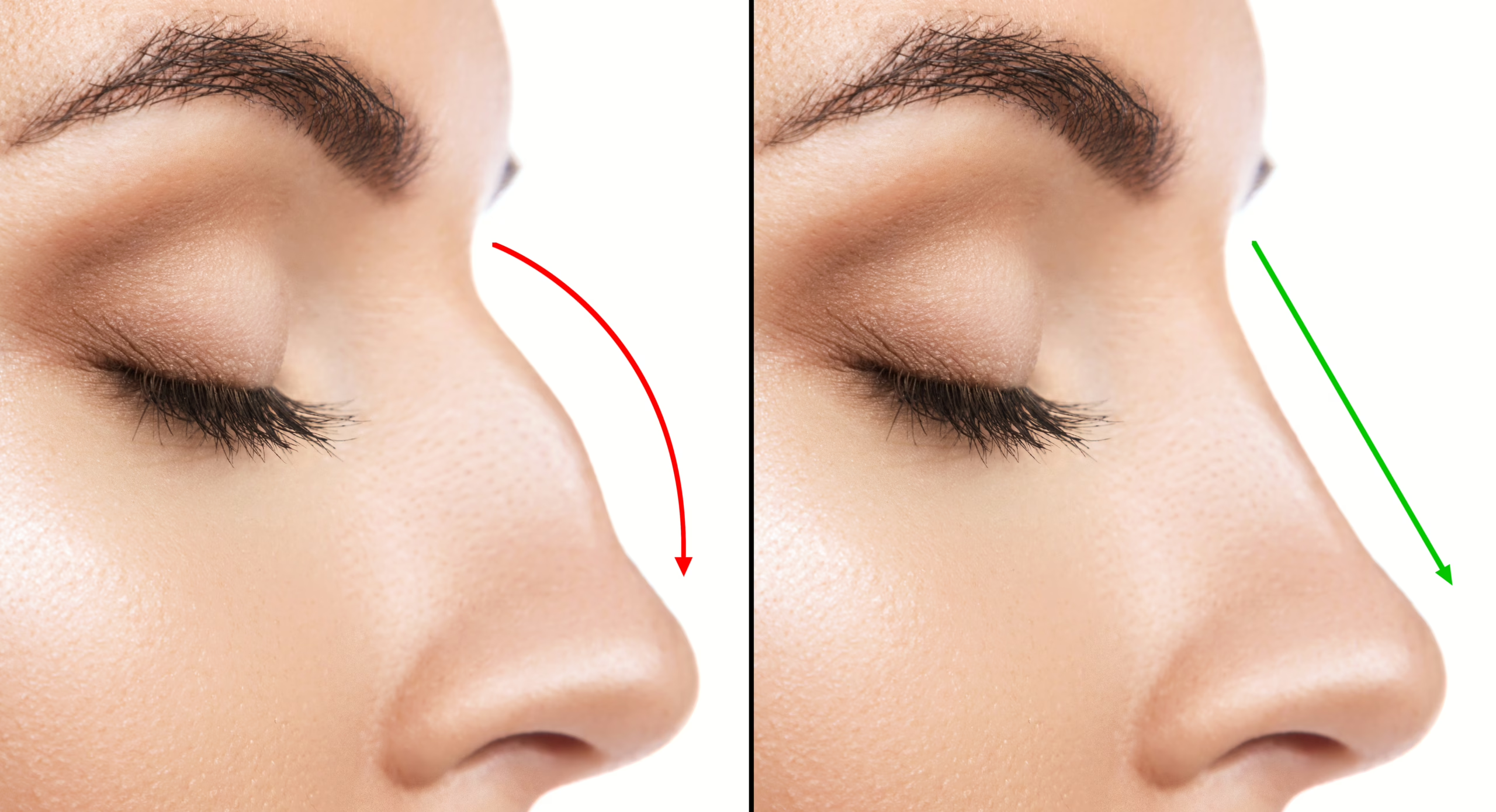
Advancements in Nasal Reconstruction Surgery
Patients can undergo nasal reconstruction surgery to address nasal deformities relating to skin cancer, accidents, or trauma to the nose. To date, many nasal reconstruction procedures have been performed around the world. And, the future of nasal reconstruction surgery looks promising, too.
Advancements in nasal reconstruction surgery are ongoing. To understand the potential impact of these advancements, let's first consider the history of nasal bone reconstruction.
The History of Nasal Bone Reconstruction: Here's What You Need to Know
Nasal bone reconstruction dates back thousands of years to the ancient Hindus. One of the punishments in ancient India was the removal of an individual’s nose. To repair the nose, the ancient Hindus used a form of nasal reconstruction that involved transposing an individual’s cheek flap.
The Branca family of Europe practiced the Indian version of nasal reconstruction during the 15th century. Meanwhile, Italians used nasal reconstruction techniques during the Renaissance, and Italian surgeon Gaspare Tagliacozzi refined nasal reconstruction surgery in the 16th century.
The first book written by Tagliacozzi was devoted to facial plastic surgery, particularly nasal reconstruction. Moreover, in a book published in 1597 that detailed his life’s work, Tagliacozzi explained his theory behind nasal reconstruction, provided details about the instruments used during the procedure, and described the steps involved in the operation. He also offered insights into post-nasal reconstruction surgery bandaging and care.
Next, the British documented Indian nasal reconstruction techniques. Gillies of England created nasal reconstruction rules and techniques that have been updated over time. These rules and techniques provide the basis for today’s version of nasal reconstruction surgery.
Nasal Bone Reconstruction Surgery Today
Nasal bone reconstruction has advanced leaps and bounds over the course of its history. Today, nasal bone reconstruction is a highly specialized procedure. Regardless of when and where the surgery is performed, it must be tailored to a patient.
There are two commonly used approaches in today's nasal reconstruction procedure: open and closed. An open approach involves placement of the incision in the skin between a patient's nostrils. Comparatively, a closed approach involves the placement of an incision inside the nostrils. A surgeon determines whether to use an open or closed approach before nasal reconstruction surgery is performed.
Prior to nasal reconstruction surgery, a patient is usually given general anesthesia. During surgery, a surgeon may lift flaps of skin or soft tissue in a patient's nose. This allows the surgeon to adjust the patient's nasal bone and/or cartilage. The surgeon may also use cartilage from a patient's ear, rib, or other parts of their body.
Nasal reconstruction surgery must be performed by an expert facial plastic and reconstructive surgeon. That way, a patient can undergo nasal reconstruction to achieve a beautiful, functional nose.
Nasal Reconstruction Surgery Recovery
Following a nasal reconstruction procedure, the surgeon closes any incisions. A splint may also be placed around the patient's nose.
Most nasal reconstruction surgery patients can resume their normal activities within about two weeks of their procedure. It can take a patient up to six months to fully heal after nasal reconstruction surgery. Postoperative care instructions are provided to a patient, and they must be followed to ensure he or she can achieve the full results of treatment.
Are You a Good Candidate for Nasal Reconstruction Surgery?
Those who are considering nasal reconstruction surgery must be in good health. Patients may be ineligible for nasal reconstruction surgery if they smoke, take blood-thinning medication, or are dealing with a vascular disorder. In addition, patients who are currently undergoing radiation therapy and/or recently underwent surgery may be ineligible for treatment.
A physical exam and other testing is required to determine a patient's eligibility for nasal bone reconstruction. If a patient is deemed a good candidate for treatment, a personalized treatment plan is created for him or her. Or, if the potential risks of nasal reconstruction surgery outweigh its potential benefits, alternative treatment options can be explored.
Nasal Reconstruction Surgery Risks
Risks associated with nasal bone reconstruction include:
- Infection
- Stroke
- Excessive bleeding
- Vocal cord damage
The risks of nasal reconstruction surgery can be significant. They must be evaluated prior to treatment.
Dr. Babak Azizzadeh of the CENTER for Advanced Facial Plastic Surgery possesses board certification in facial plastic and reconstructive surgery and otolaryngology (head and neck surgery). He has a full understanding of the underlying structures of the head, and this knowledge enables him to help nasal reconstruction patients simultaneously improve the appearance of the nose and maintain the integrity of the nasal function. Plus, for patients who lose control of the nasal function, Dr. Azizzadeh performs nasal reconstruction to help them restore smooth breathing.
How Does Dr. Azizzadeh Approach Nasal Reconstruction Surgery?
Dr. Azizzadeh takes a holistic approach to nasal reconstruction. As part of his approach, Dr. Azizzadeh focuses on the following areas:
- Listening to the Patient: Azizzadeh learns about a nasal reconstruction patient and takes a graduated approach to treatment. He first explores minimally invasive treatments, and if these options are insufficient, he then discusses surgical options.
- Facial Anatomy: The face consists of peaks, valleys, and other anatomical features that vary from person to person. Dr. Azizzadeh evaluates each area of a patient's face thoroughly to ensure nasal reconstruction helps this individual preserve his or her facial form and features.
- Tissue Replacement: Each layer of the nose has different types of tissue. A nasal reconstruction procedure requires Dr. Azizzadeh to replace affected tissue with tissue that has similar properties. As such, he sometimes uses grafts from other parts of the body for tissue replacement.
- Preservation of the Nasal Function: Azizzadeh uses the full extent of his expertise to ensure patients retain maximum nasal function.
Dr. Azizzadeh is committed to finding ways to assist nasal reconstruction surgery patients. He continuously explores advancements in nasal reconstruction and ensures his patients can get the help they need to achieve the best results.
Learn More About Nasal Reconstruction Surgery
Dr. Azizzadeh is internationally renowned for his nasal reconstruction and facial plastic surgery expertise. His goal is to provide patients with an aesthetically pleasing and functional nose, and he wants patients to be able to return to normal activities without any nasal defects. To find out more about nasal reconstruction, please contact us online or call us today at 310-657-2203.
What Causes Bags Under the Eyes and How to Get Rid of Them
Click PDF image below to download
Under-eye bags form as people age. But, people who take care of their facial skin can reduce bags under the eyes or prevent them from forming.
What Causes Bags to Form Under the Eyes?
Muscles and tissue that support the eyelids weaken over time. So, as people get older, the facial skin begins to sag, and fat surrounding the eye does the same. When this occurs, under-eye bags can form.
In addition, fluid can accumulate in the space beneath the eyes. This can cause the under-eye area to look puffy or swollen.
Other factors can impact the development of under-eye bags, too. These include:
1. Sleep
Fluids accumulate under the eyes when people are sleeping. If people fail to get sufficient rest, however, blood vessels near the eyes can leak and mix with fluids that accumulate beneath the eyes. The result: dark circles can form under the eyes that make people look older than their actual age.
2. Allergies
Allergies can cause the sinus tissue to swell. In this instance, the area beneath the eyes can become puffy.
3. Smoking
Smoking damages the skin, and it can cause crow's feet to form on the outer edges of the eyes. It can also constrict blood vessels near the eyes, which prevents oxygen from reaching skin cells and hampers the production of collagen and elastin that support skin health. Furthermore, smoking can affect sleep patterns, to the point people cannot get sufficient rest and dark circles form beneath their eyes.
4. Alcohol Use
Alcohol dehydrates the body, and it can weaken skin under the eyes and cause bags to form.
5. Makeup
Forgetting to remove makeup before going to sleep can irritate tissue under the eyes, resulting in puffiness and swelling.
How to Get Rid of Bags Under Your Eyes
Under-eye bags are problematic, but there are many things that people can do to alleviate this issue in its early stages, such as:
1. Get Sufficient Rest
Getting seven to nine hours of sleep every day can make a world of difference relative to skin health. By developing a bedtime routine and sticking to it, people are well-equipped to prevent under-eye bags from forming.
2. Use Sunscreen Regularly
Applying sunscreen any time people go outdoors can lower the risk of premature skin aging in the face. Along with using sunscreen, people can wear a hat and other accessories to guard against prolonged exposure to the sun's ultraviolet (UV) rays.
3. Maintain a Healthy Diet
Avoiding alcohol and nicotine can help people improve their skin health and their overall wellbeing. Also, people can limit their salt intake to reduce their risk of dehydration that can ultimately lead to under-eye bags.
What Under-Eye Bags Treatments Are Available?
If people are dealing with under-eye bags that cause severe puffiness, swelling, redness, or itchiness, they should seek medical support. At this point, a doctor can help a patient determine the root cause of under-eye bags and offer an appropriate treatment option.
In cases where under-eye bags are caused by allergies, a doctor may recommend medication. With regular use of medication, a patient may reduce swelling under their eyes and prevent it from becoming an ongoing issue.
Various procedures can also be used to treat under-eye bags. These procedures include:
1. Laser Skin Resurfacing
Laser skin resurfacing involves the use of DOT Deka laser skin treatments to correct under-eye bags and other visible signs of aging in the face. It enables patients to treat under-eye bags and wrinkles surrounding the eyes, mouth, and forehead. Laser skin resurfacing can also help patients improve skin tone, pigmentation, and texture.

2. Dermal Fillers
Dermal fillers are injectable treatments that can address under-eye bags and fine lines around the eyes.
3. Blepharoplasty
Blepharoplasty surgery, also referred to as an eyelid lift, can be used to remove under-eye bags and excess skin from the upper eyelids. With a lower eyelid blepharoplasty, a patient can correct puffiness in the lower eyelids.

What Is the Best Treatment for Under-Eye Bags?
The best treatment for under-eye bags depends on the patient and the severity of their symptoms. If a patient is searching for a short-term solution to correct under-eye bags for cosmetic reasons, he or she may benefit from laser skin resurfacing or facial fillers. On the other hand, if a patient is looking for a permanent solution to treat under-eye bags that contribute to a tired, worn-down facial appearance, he or she may want to pursue an eyelid lift.
For people who are considering different under-eye bags treatments, meeting with globally recognized facial plastic and reconstructive surgeon Dr. Babak Azizzadeh can be beneficial. Dr. Azizzadeh is a highly trained facial plastic and reconstructive surgeon with many years of experience treating under-eye bags and other skin aging issues. As such, Dr. Azizzadeh can evaluate a patient, find out why under-eye bags have developed, and offer a personalized treatment plan to address this issue.
What to Expect During an Under-Eye Bags Treatment Consultation with Dr. Azizzadeh
Dr. Azizzadeh encourages people dealing with under-eye bags to request a consultation. That way, Dr. Azizzadeh can conduct a full evaluation of a patient's under-eye bags and determine the best course of action to treat them.
During a consultation, Dr. Azizzadeh reviews a patient's medical history, conducts a physical exam, and evaluates their under-eye bags. Dr. Azizzadeh wants to ensure that a patient can correct their under-eye bags without putting their wellbeing in danger. So, Dr. Azizzadeh performs a thorough evaluation to learn as much as possible about a patient and their under-eye bags.
Dr. Azizzadeh may recommend one or more treatment options to help a patient address their under-eye bags. He explains each treatment recommendation and responds to his patient's concerns or questions. If a patient agrees to treatment, Dr. Azizzadeh works with him or her to deliver long-lasting results.
Learn More About Under-Eye Bags Treatments from Dr. Azizzadeh
Dr. Azizzadeh is available to discuss under-eye bags treatments and offers in-person and virtual consultations. To learn more about under-eye bags treatments or to schedule a consultation with Dr. Azizzadeh, please contact the CENTER for Advanced Facial Plastic Surgery online or call us today at 310-657-2203.