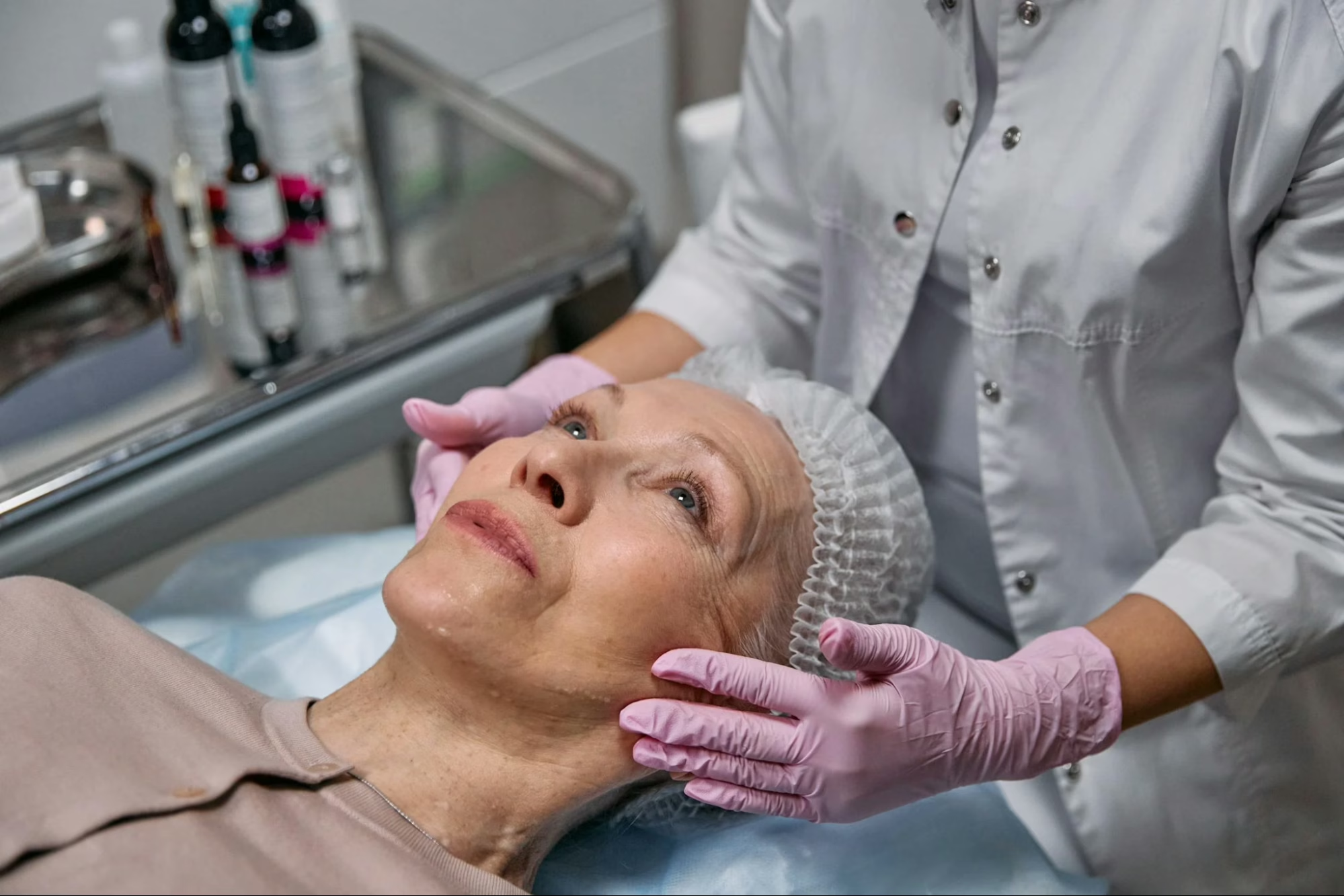
Mini Facelift vs. Full Facelift: What’s the Difference and Which Do You Need?
This article provides a detailed comparison of mini and full facelifts, highlighting their differences and their respective methods for rejuvenating the appearance and determining the best option for each individual.
Key Takeaways
- Mini facelifts are less invasive and focus on the lower face, while full facelifts address deeper areas including the neck.
- Recovery time for a mini facelift is generally shorter, around 1 to 2 weeks, compared to 3-4 weeks for a full facelift.
- While complete facelifts are better for patients with more noticeable symptoms of aging, mini facelifts are appropriate for younger patients with mild sagging.
- Both procedures carry risks like scarring and infection, but full facelifts may have a higher risk due to their invasiveness.
- Cost can vary widely, with mini facelifts typically being less expensive than full facelifts.
Understanding Facelift Procedures
What Is a Mini Facelift?
A mini facelift is designed to tackle the initial signs of aging, particularly around your jawline and lower face. Think of it as a tune-up rather than a complete overhaul. It's a less invasive surgical option that can make a noticeable difference without the extensive recovery of a full facelift.
- Targets mild sagging in the lower face.
- Uses shorter incisions, often hidden around the ears.
- Offers a refreshed look with minimal downtime.
What Is a Full Facelift?
A full facelift is a more comprehensive procedure aimed at correcting more advanced signs of aging. If you're experiencing significant sagging, deep wrinkles, and loose skin on your neck, this might be the route for you. It addresses deeper facial structures to provide a more dramatic and long-lasting rejuvenation.
- Corrects deep facial wrinkles and sagging jowls.
- Involves longer incisions along the temples, ears, and under the chin.
- Often paired with a neck lift or eyelid surgery for balanced results.
Common Goals for Each Procedure
Both mini and full facelifts aim for facial rejuvenation, with mini facelifts focusing on subtle improvements and refreshed appearance, and full facelifts addressing deeper structural issues. The choice depends on individual needs, aging, and desired outcome. Consultation with a qualified surgeon is essential.
Key Differences in Technique
When you're weighing your options between a mini facelift and a full facelift, it's important to understand the technical differences. These variations impact everything from the extent of correction to the recovery period. Let's break down the key distinctions.
Surgical Approach
The surgical approach is where the core difference lies. A mini facelift, as the name suggests, involves a less invasive approach. It primarily targets the lower face, focusing on lifting sagging skin around the jowls and neck. Think of it as a tune-up. A full facelift, on the other hand, is more comprehensive. It addresses the entire face, including the mid-face, lower face, and neck. This involves lifting and tightening deeper facial structures, repositioning fat, and removing excess skin.
Incision Locations
Mini facelifts have shorter incisions around the ears, while full facelifts require longer incisions from temples, around the ears, and under the chin, allowing for more extensive tissue manipulation for a youthful appearance.
Anesthesia Options
Anesthesia options for facelifts vary based on the procedure and surgeon's preference. Mini facelifts can be performed under local anesthesia, while full facelifts require general anesthesia. The choice is discussed during consultation, considering health status and comfort level. Matching the procedure to specific needs is crucial, and a consultation with a qualified surgeon is essential.
Duration of Results

Longevity of Mini Facelift Results
Mini facelift results can last 5-10 years, depending on genetics and lifestyle. To maximize longevity, maintain a consistent skincare routine, protect skin from the sun daily, and consider non-surgical touch-ups like Botox or fillers. Realistic expectations are essential, as a mini facelift doesn't stop aging.
Longevity of Full Facelift Results
Now, let's talk about the full facelift. If you're looking for more dramatic and longer-lasting results, this might be the way to go. A full facelift can provide noticeable rejuvenation for 10 to 15 years. This is because it addresses deeper facial structures and tissues. The full facelift surgery involves more extensive work, leading to a more enduring outcome.
Here's what you can expect:
- Significant improvement in sagging jowls.
- Reduction in deep facial wrinkles.
- A more defined jawline and neck.
To extend the results of your full facelift, consider:
- Adopting a high-quality skincare routine with SPF.
- Using retinol products to maintain skin elasticity.
- Staying hydrated to keep your skin plump and healthy.
Factors Influencing Results
Regardless of whether you choose a mini or full facelift, several factors can influence how long your results last. Genetics play a significant role, as does your overall lifestyle. Sun exposure, smoking, and diet can all impact the aging process and, consequently, the longevity of your facelift results.
Here's a quick rundown of factors to consider:
- Sun Exposure: Protect your skin with sunscreen daily.
- Smoking: Avoid smoking, as it accelerates aging.
- Skincare Routine: Maintain a consistent and effective skincare regimen.
- Diet: Eat a balanced diet rich in antioxidants.
Recovery Time and Experience
Recovery for Mini Facelift
Mini facelift offers quick recovery, typically 1 to 2 weeks, with mild swelling and bruising resolving within the first week, allowing quick return to routine.
- Light activities can often be resumed within a few days.
- Most people return to work within 7-10 days.
- Final results become noticeable in about 2-3 weeks.
It's important to follow your surgeon's instructions closely to ensure a smooth and speedy recovery. This includes taking prescribed medications, keeping the incision sites clean, and avoiding strenuous activities.
Recovery for Full Facelift
Full facelifts require a longer recovery period of 3-4 weeks, with pronounced swelling and bruising, lasting up to two weeks, and requiring patience.
- Strenuous activities should be avoided for at least 4-6 weeks.
- Full results are typically visible within 3-6 months.
- You'll need someone to drive you home after the procedure.
Post-Operative Care
Regardless of whether you opt for a mini or full facelift, proper post-operative care is essential for optimal healing and results. Here's what you can generally expect:
- Pain Management: Your surgeon will prescribe pain medication to manage any discomfort. Take it as directed.
- Wound Care: You'll receive detailed instructions on how to care for your incision sites. This usually involves gentle cleaning and applying antibiotic ointment.
- Swelling and Bruising Reduction: Keeping your head elevated, especially while sleeping, can help reduce swelling. Cold compresses can also be beneficial. Consider requesting a consultation to learn more about post-operative care.
Ideal Candidates for Each Procedure
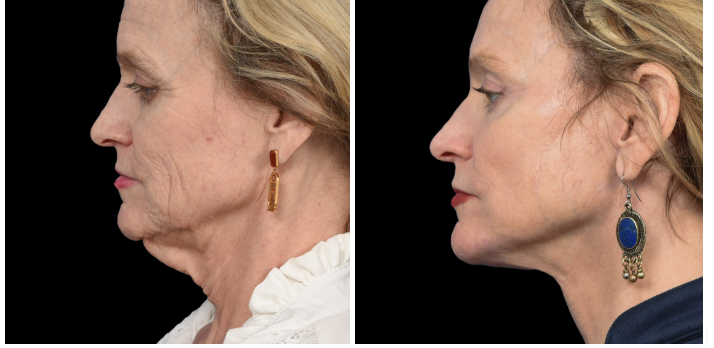
Your unique demands and objectives will ultimately determine whether you should get a full facelift or a minor facelift. There is no one-size-fits-all solution, and the secret to choosing the best operation for your face is knowing who gains the most from each one.
Who Should Consider a Mini Facelift?
A mini facelift is often a great option if you're seeing early signs of aging. Think of it as a tune-up rather than a complete overhaul. You might be a good candidate if:
- You have mild sagging in the lower face or neck.
- You're primarily concerned with jowls or a loss of definition along the jawline.
- You're looking for a less invasive procedure with a shorter recovery time.
- You're in your 40s or 50s and want to address early signs of aging before they become more pronounced.
- You’re in your 30s but experiencing premature aging due to genetics, sun exposure, or lifestyle factors.
While most mini facelift candidates are in their 40s or 50s, younger patients with more advanced aging for their age group may also benefit from early intervention.
Younger patients tend to achieve more enduring results from mini-facelifts, which can be sufficient for those seeking to enhance the lower face.
Who Should Consider a Full Facelift?
A full facelift addresses more significant signs of aging. It's a more comprehensive procedure that can provide more dramatic results. Consider a full facelift if:
- You have significant sagging skin in the face and neck.
- You have deep wrinkles and folds.
- You've noticed a loss of volume in your face.
- You want a more dramatic and long-lasting result.
- You're generally in good health and prepared for a longer recovery period.
A full facelift can address multiple areas of concern simultaneously, providing a more rejuvenated and balanced appearance. It's important to have realistic expectations and understand the extent of the procedure.
Consultation and Assessment
A consultation with a qualified facial plastic surgeon is essential for determining the right procedure. The consultation evaluates facial structure, skin elasticity, goals, and potential benefits of different facelift options. A personalized treatment plan is developed. Open communication about concerns and expectations helps determine the best course of action. A good surgeon listens and provides information for informed decision-making.
Cost Comparison
Average Cost of Mini Facelift
Generally, a mini facelift is less expensive than a full facelift. The price range can be anywhere from $3,500 to $8,000. Keep in mind that this is just an average. The final cost depends on several things, like where you're located and the surgeon you choose. For example, if you are looking for a facelift procedure, you should consider all the costs involved.
Average Cost of Full Facelift
Full facelifts usually cost more because they're more involved. You might be looking at a price range of $7,000 to $15,000 or even higher. Again, this is just an estimate. It's really important to get a personalized quote from a surgeon.
Factors Affecting Cost
Several things can change the final price of your facelift:
- Surgeon's Fees: Experienced surgeons usually charge more.
- Anesthesia Fees: The type of anesthesia used will affect the cost.
- Facility Fees: This covers the cost of using the operating room and recovery area.
- Geographic Location: Prices can be higher in certain cities or regions.
- Extent of the Procedure: More extensive work will naturally cost more.
It's important to remember that the cheapest option isn't always the best. You want to prioritize a qualified and experienced surgeon, even if it means paying a bit more. Your safety and results are worth the investment.
Don't forget to ask about payment plans or financing options. Many clinics offer these to help make the procedure more affordable. It's also a good idea to check if your health insurance covers any part of the costs, especially if the procedure is deemed medically necessary for any reason. Always get a detailed breakdown of all costs involved before making a decision.
Making the Right Choice for Your Needs
Deciding between a mini facelift and a full facelift really comes down to what you want to achieve and how much change you're looking for. If you're dealing with minor sagging and just want a little lift, a mini facelift might be the way to go. It's less invasive, has a quicker recovery, and can still give you a refreshed look. But if you have more significant concerns, like deeper wrinkles or sagging skin, a full facelift could provide the more dramatic results you're after. Remember, it’s essential to consult with a qualified surgeon who can help you weigh your options and find the best fit for your goals. No matter which path you choose, both procedures can help you feel more confident and youthful.


Microdosing Ozempic: What It Means and How It Affects Your Face
Microdosing Ozempic is becoming a hot topic, especially among those looking for weight loss solutions. But what does it really involve, and how might it change your appearance? In this article, we’ll break down what microdosing Ozempic means, its effects on your face, and what you should know before trying it out.
Key Takeaways
- Microdosing Ozempic involves taking smaller doses than usual to reduce side effects and still achieve benefits.
- It may help with weight loss without the intense side effects that come with higher doses.
- Some users report improved skin appearance, potentially due to weight loss and fat distribution changes.
- Always consult a healthcare professional before starting microdosing to ensure it's safe for you.
- Lifestyle factors like diet and exercise can significantly enhance the effects of microdosing Ozempic.
Understanding Microdosing Ozempic
What Is Microdosing?
Microdosing, in general terms, refers to taking a sub-therapeutic dose of a substance. Think of it as using just enough to potentially get some benefits, but not enough to experience the full effects – or the full side effects. In the context of Ozempic, this means using a much smaller dose than what's typically prescribed for diabetes management or even standard weight loss. It's like using 'baby Botox' for a natural look, aiming for gradual changes without drastic measures.
How Does Microdosing Work?
With Ozempic, microdosing involves carefully measuring out a very small dose, often by counting clicks on the pen. The idea is that even a tiny amount of the active ingredient, semaglutide, can still stimulate your GLP-1 receptors. These receptors play a role in regulating appetite and blood sugar. By gently nudging these receptors, you might experience reduced cravings and a slight decrease in appetite, potentially leading to weight loss over time. The goal is to achieve a subtle effect that's more manageable and less likely to cause unpleasant side effects.
Differences Between Standard Dosing and Microdosing
Standard Ozempic doses are usually 0.5 mg to 2 mg per week, prescribed by a doctor. Microdosing involves using much smaller amounts, often determined anecdotally. Here's a quick comparison:
- Dosage: Standard doses are significantly higher.
- Purpose: Standard dosing is for diabetes management and significant weight loss, while microdosing aims for subtle effects.
- Side Effects: Microdosing may reduce the intensity of side effects.
- Regulation: Standard doses are FDA-approved; microdosing is considered off-label use.
- Evidence: Standard dosing has extensive clinical trial data; microdosing relies more on anecdotal reports. You can find more information about Ozempic microdosing in various articles.
Microdosing Ozempic is an off-label use, meaning it's not officially approved for weight loss in people without diabetes. It's important to consult with a healthcare professional to determine if it's appropriate for your health needs.
Curious about real patient experiences? Explore verified reviews on our Google and RealSelf.
Potential Benefits of Microdosing Ozempic
Weight Loss Effects:
- Microdosing Ozempic can lead to weight loss, with a reduction in appetite and fewer calories.
- Even 0.5 mg of Ozempic per week can be more effective than a placebo for weight loss.
Reduced Side Effects:
- Microdosing Ozempic can minimize unpleasant side effects like nausea, vomiting, and constipation.
- This balance can make the treatment more manageable and sustainable.
Cost-Effectiveness:
- Microdosing offers a budget-friendly alternative to expensive medications.
- The same pen can last significantly longer, reducing monthly expenses.
- •Potential savings: Up to 75% monthly.
- It's important to consult with a healthcare provider for the right approach
Microdosing Ozempic and Facial Aesthetics
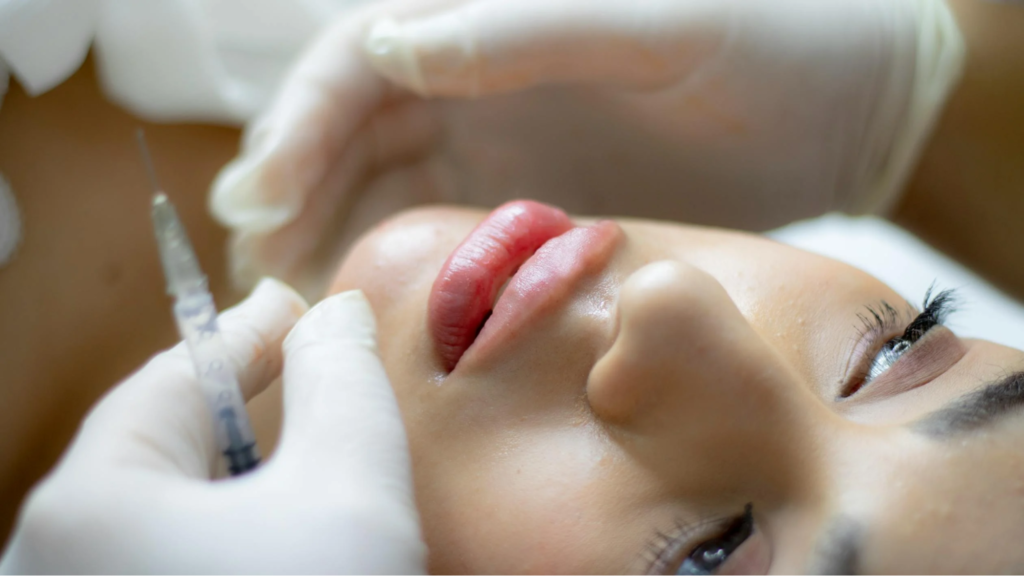
Impact on Skin Appearance
Ozempic, a weight loss medication, can impact skin appearance, with some experiencing improved texture and increased radiance, while others experience no noticeable change. Factors like age, genetics, and overall health significantly influence the skin's response to Ozempic.
Effects on Facial Fat Distribution
One of the more talked-about effects of Ozempic, even at microdoses, is its impact on facial fat. As you lose weight, you might notice changes in the fullness of your face. This can be a positive thing for some, creating a more defined look. However, it can also lead to a loss of volume, potentially making you look older. It really depends on your starting point and how your body distributes fat.
Consider this:
| Facial Area | Potential Effect |
| Cheeks | May appear less full, potentially more sculpted |
| Jawline | Could become more defined |
| Under-eye | Possible increase in hollowness |
Long-Term Aesthetic Outcomes
Long-term aesthetic outcomes of microdosing Ozempic should be considered, as it can have lasting effects on facial appearance. Skin elasticity plays a crucial role in adapting to weight loss, and maintaining a healthy lifestyle with proper hydration and skincare can mitigate potential negative effects. Consultation with a dermatologist or aesthetic professional can provide personalized advice.

Risks and Considerations of Microdosing
Common Side Effects
It's good to be aware of the potential downsides. Even at lower doses, you might still experience some of the common side effects associated with Ozempic. These can include nausea, diarrhea, constipation, and vomiting. For some people, these side effects are mild and temporary, but for others, they can be quite bothersome. It's really a roll of the dice.
- Nausea
- Diarrhea
- Constipation
- Vomiting
Consulting Healthcare Professionals
Before starting a microdosing regimen with Ozempic, consult your doctor for personalized guidance. They can evaluate your health history, assess risks, and adjust dosages based on specific needs. Avoid relying on online or friend advice, as health is paramount.
Lifestyle Factors to Enhance Microdosing Effects

Dietary Recommendations
When microdosing Ozempic, it's crucial to eat whole, unprocessed foods, prioritize protein from lean sources like chicken, fish, beans, and tofu, and consume fiber from vegetables, fruits, and whole grains. Limit processed foods, sugary drinks, and saturated fats to support microdosing's effects and promote long-term well-being. A Mediterranean-style diet is recommended for optimal results.
Exercise and Activity Levels
Ozempic is not a magic bullet; it works best when combined with regular physical activity. A mix of cardio and strength training is essential, including brisk walking, jogging, swimming, and cycling. Find activities you enjoy, such as dance classes, hiking, or team sports, to stay committed.
Hydration and Skin Care
Maintaining hydration is crucial for overall health and skin appearance while microdosing Ozempic. Proper skin care can mitigate aesthetic changes. Drinking at least eight glasses of water daily, using gentle cleansers and moisturizers, and wearing sunscreen daily can help prevent dryness and irritation.
To get the most out of microdosing, it's important to pay attention to your daily habits. Simple changes like eating healthy foods, staying active, and getting enough sleep can really boost the effects. If you're curious about how to improve your microdosing experience, visit our website for more tips and resources!
Final Thoughts on Microdosing Ozempic
Microdosing Ozempic, a medication for weight management, may be a potential solution. However, it's still under study and may reduce side effects and make the medication more tolerable. It's crucial to consult a healthcare provider before making any changes to your medication routine. Combining microdosing with a healthy lifestyle may yield better results, but caution is essential.
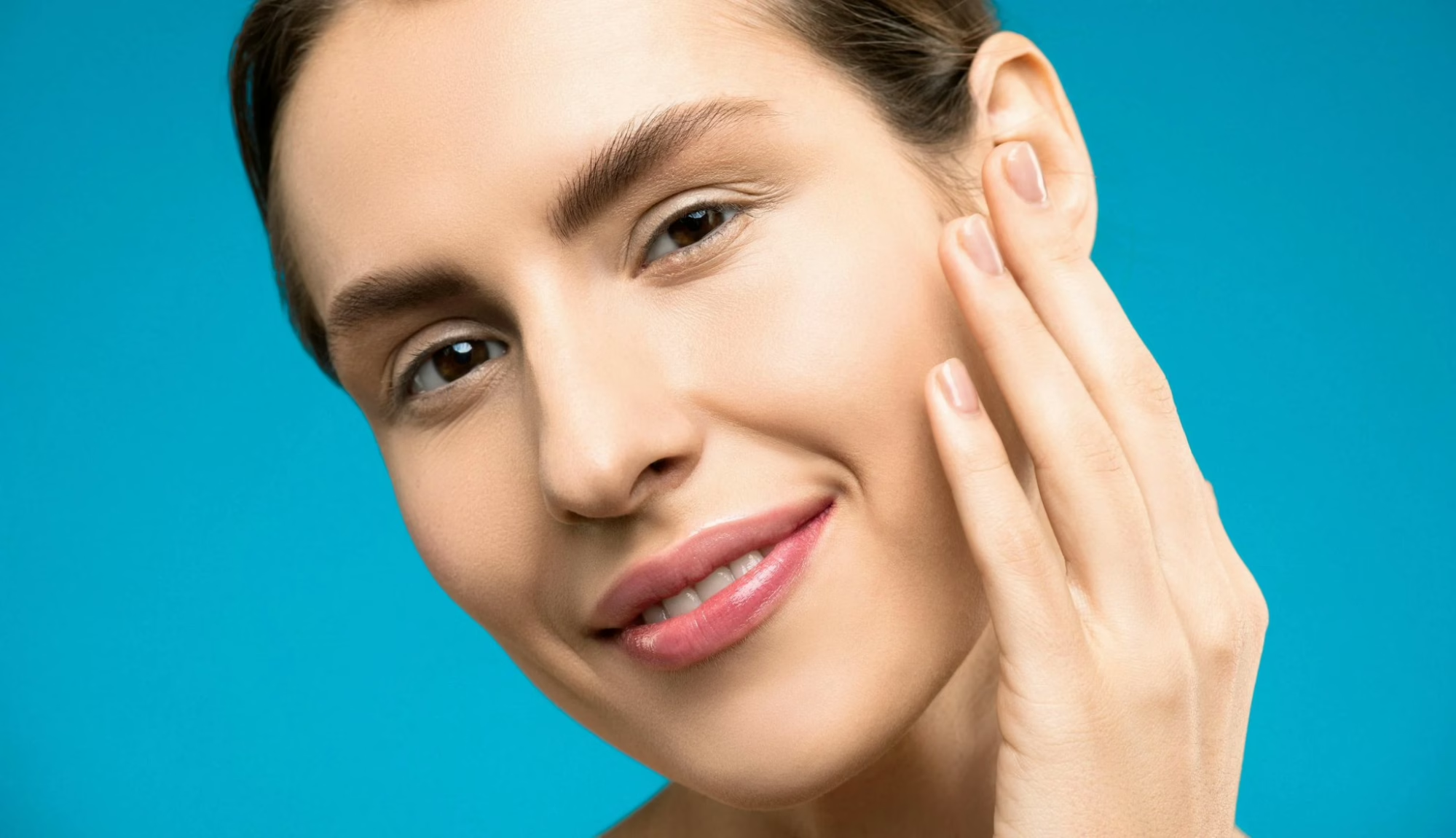
Double Chin Removal- What To Know About The Surgery
If you're considering a double chin removal surgery, it’s important to gather all the necessary information beforehand. This procedure can help enhance your facial profile by eliminating excess fat and skin under the chin. However, understanding what the surgery entails, how to prepare, and what to expect during recovery is key to achieving the best results. Here’s a breakdown of everything you need to know about double chin removal surgery.
Key Takeaways
- Double chin surgery removes excess fat and skin from the neck area.
- There are various procedures available, including liposuction and neck lifts.
- Consulting with a qualified surgeon is crucial to determine if you're a good candidate.
- Post-operative care is essential for a smooth recovery and optimal results.
- Costs can vary widely based on the procedure and location, so budgeting is important.
Understanding Double Chin Surgery
What Is Double Chin Surgery?
Double chin surgery, also known as submentoplasty, is really a set of procedures designed to improve the appearance of the area under your chin. It's not just one thing; it can involve removing excess fat, tightening muscles, and even getting rid of extra skin. The goal is to give you a smoother, more defined jawline. It's pretty common for people to consider this when diet and exercise just don't cut it.
Types of Double Chin Removal Procedures
There are a few different ways to tackle a double chin, and the best one for you depends on what's causing it. Here's a quick rundown:
- Liposuction: This is where they suck out the extra fat. It's good if you have decent skin elasticity.
- Neck Lift (Cervicoplasty): This involves removing excess skin. It's often done when there's a lot of sagging.
- Platysmaplasty: This tightens the neck muscles. It can be done through small incisions and helps create a more defined angle.
Your surgeon might use one of these, or a combination, depending on your specific needs. It's all about tailoring the approach to get the best results for you.
Who Is a Good Candidate for Surgery?
Not everyone is an ideal candidate for double chin removal. Generally, good candidates are people who:
- Are in good overall health.
- Have realistic expectations about the outcome.
- Have excess fat or loose skin in the neck area that doesn't respond to diet and exercise.
- Don't smoke, or are willing to quit before and after surgery.
If you have certain medical conditions, like bleeding disorders or a history of poor wound healing, you might not be a good fit. It's really important to have an open and honest discussion with your surgeon about your medical history to make sure it's safe for you.
Preparing for Double Chin Removal

Getting ready for double chin removal is a big deal, and it's more than just scheduling the surgery. It involves a few important steps to make sure you're in the best possible shape for the procedure and recovery. Let's walk through what you need to do.
Pre-Operative Instructions
Following your surgeon's pre-operative instructions is super important. These guidelines are designed to minimize risks and help you achieve the best possible results. Here’s what you might expect:
- Medication Adjustments: You'll likely need to stop taking certain medications, like blood thinners or anti-inflammatory drugs, a few weeks before surgery. These can increase the risk of bleeding during and after the procedure. Always consult with your doctor before stopping any medication.
- Lifestyle Changes: It's a good idea to avoid alcohol and tobacco in the weeks leading up to your surgery. These substances can interfere with healing. A healthy diet rich in vitamins and nutrients can also help your body prepare for surgery and recover more quickly.
- Arrangements: Make sure you have someone to drive you home after the surgery and stay with you for the first 24 hours. You won't be able to drive yourself, and it's good to have someone around to help you out.
Consultation with Your Surgeon
Your consultation is your chance to ask questions and get clear on what to expect. This is where you and your surgeon will discuss your goals, assess your anatomy, and determine the best approach for your double chin removal.
During this meeting, be prepared to discuss:
- Your medical history, including any health conditions, allergies, and previous surgeries.
- Any medications, vitamins, or supplements you're currently taking.
- Your expectations for the surgery and what you hope to achieve.
Your surgeon will also explain the different techniques available, such as liposuction or a neck lift, and help you decide which one is right for you. They'll also go over the potential risks and complications associated with the procedure.
Health Assessments and Tests
Before your double chin removal, you'll need to undergo a few health assessments and tests to make sure you're fit for surgery. These tests help your surgeon identify any potential issues that could affect the procedure or your recovery.
These may include:
- Blood Tests: To check your overall health and identify any underlying conditions.
- EKG (Electrocardiogram): To assess your heart function.
- Physical Examination: A thorough check-up to evaluate your general health and identify any potential risks.
Openly discuss your medical history and lifestyle with your surgeon to ensure informed care and minimize complications. Prepare for a successful double chin removal experience by committing to pre-operative steps.
The Surgical Procedure Explained
What Happens During the Surgery?
Chin Liposuction:
- Marked areas for surgery.
- Small cuts made to insert cannula for fat removal.
- Aims for smoother jawline without unnatural appearance.
- Incisions closed and bandage or chin strap applied for healing.
Submentoplasty or Neck Lift:
- Involves tightening neck muscles and removing excess skin.
- Incisions made under chin and around ears.
- Skin and tissue lifted, muscles tightened, and extra skin removed.
- Incisions closed with stitches for a more defined neck and jawline.
Anesthesia and Comfort Measures
- Anesthesia type depends on surgery extent and surgeon's preference.
- Local anesthesia with sedation for liposuction: awake, relaxed, numb to pain.
- General anesthesia for extensive procedures like neck lifts: complete sleep.
- Surgical team monitors for comfort throughout the procedure.
Duration and Location of the Procedure
Double chin removal surgery can vary in duration, depending on the amount of fat removed, skin tightened, and other procedures. Most surgeries are performed in a surgeon's office, outpatient center, or hospital. The recovery time depends on the procedure type and surgeon's preferences. Patients can typically return home the same day, but sometimes require an overnight stay. Discuss questions with your surgeon beforehand.
Post-Operative Care and Recovery

What to Expect After Surgery
Okay, so you've had your double chin removal. Now what? Expect some swelling, bruising, and maybe a little numbness. It's all part of the process. The first few days are usually the most intense, but things should start improving pretty quickly. Make sure you've got a comfy spot to rest and that you're prepared to take it easy. neck liposuction can cause swelling, so be prepared.
Managing Pain and Discomfort
Pain management is key. Your doctor will likely prescribe something to help, but don't underestimate the power of over-the-counter pain relievers too. Ice packs are your best friend for reducing swelling and numbing the area. Just be sure to wrap them in a towel to protect your skin. Also, try to keep your head elevated as much as possible. Here's a few things to keep in mind:
- Take medications as prescribed. Don't skip doses!
- Use ice packs for 20 minutes at a time, several times a day.
- Stay hydrated. It helps with healing.
Listen to your body. If something doesn't feel right, don't hesitate to call your doctor. It's always better to be safe than sorry.
Follow-Up Appointments and Care
Don't skip those follow-up appointments! They're important for making sure everything is healing correctly. Your doctor will check the incision site, remove any stitches or drains, and answer any questions you have. They'll also give you specific instructions on how to care for the area as it heals. Here's what you can expect:
- Regular check-ups to monitor healing.
- Instructions on wound care and scar management.
- Guidance on when you can resume normal activities.
- Aftercare Facilities for your post-op recovery
It's crucial to follow all post-operative instructions to ensure a smooth recovery and minimize the risk of complications. This includes things like keeping the area clean and dry, avoiding strenuous activities, and protecting the area from the sun. If you notice any signs of infection, like increased redness, swelling, or pus, contact your doctor immediately.
Potential Risks and Complications
Risks include asymmetry, bleeding, anesthesia issues, nerve damage, hair loss, hemorrhage, healing issues, infection, nerve injury, prolonged issues, heart or lung problems, unsatisfactory results, scarring, rippling, or skin discoloration, and skin irregularities.
Discussing these risks with your surgeon is crucial for informed decision-making and preparation.
How to Minimize Complications
To minimize complications, choose a qualified surgeon, ask questions during consultation, follow pre- and post-operative instructions, avoid certain medications, quit smoking, and care for incision sites. Have realistic expectations about the surgery's results and discuss them with your surgeon to ensure a clear understanding of what's achievable.
Signs of Infection and When to Seek Help
Knowing the signs of infection is really important so you can get help quickly if needed. Look out for:
- Increased pain or swelling
- Redness or warmth around the incision site
- Pus or drainage from the incision
- Fever
- Chills
If you notice any of these symptoms, contact your surgeon right away. Early treatment can prevent serious complications. Don't hesitate to reach out if you have any concerns during your recovery. It's always better to be safe than sorry.
When to Consider Additional Treatments
As you age, skin loses elasticity, leading to sagging or wrinkles. Non-surgical treatments like radiofrequency or ultrasound can improve laxity, while dermal fillers can add volume and definition. Work with your surgeon to create a plan that addresses your specific needs. Regular check-ups and doctor's advice can help maintain your new look.
Final Thoughts on Double Chin Surgery
If you're thinking about getting rid of that double chin, surgery could be a solid option for you. It's important to weigh the pros and cons and really think about what you want to achieve. Talk to a qualified plastic surgeon who can help you understand the process, the risks, and what to expect during recovery. Remember, this is about feeling good in your own skin, so take your time to make the right choice for yourself. With the right preparation and care, you can look forward to a more defined jawline and a boost in confidence.
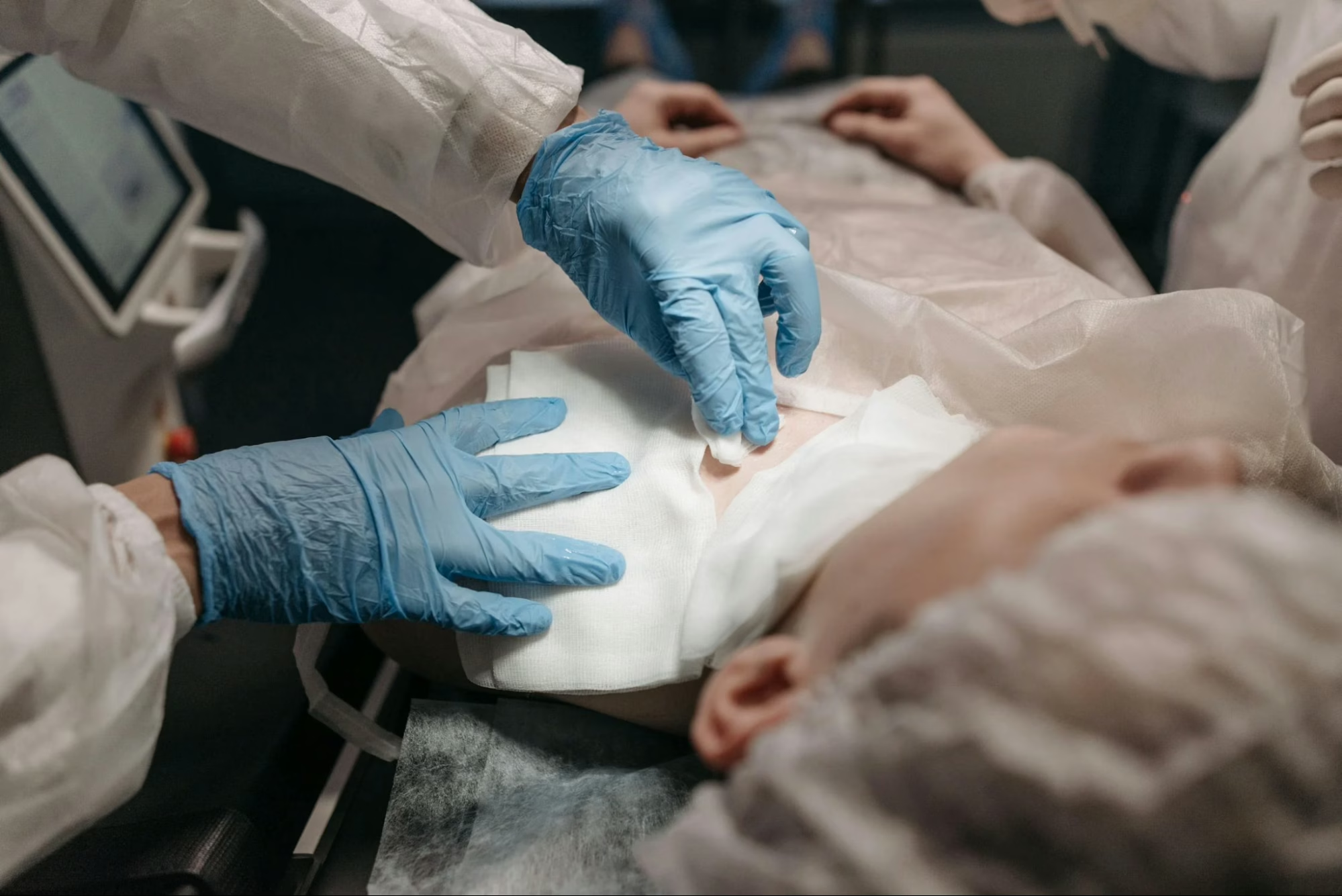
Neck Lift Recovery Timeline
If you're considering a neck lift, understanding the recovery timeline is crucial. This procedure can help rejuvenate your appearance, but the healing process is just as important as the surgery itself. In this article, we’ll break down the neck lift recovery timeline, covering what to expect at each stage and how to best care for yourself during recovery.
Key Takeaways
- Recovery begins with swelling and discomfort, typically lasting a few weeks.
- Most patients can return to normal activities within two to four weeks, but full healing takes longer.
- Following your surgeon's post-op care instructions is vital for minimizing complications.
- Regular monitoring of your healing process helps ensure a smooth recovery.
- Final results may not be visible until several months after surgery.
Immediate Post-Operative Phase
Day 1: Surgery Completion and Initial Recovery
So, you've just had your neck lift – congrats! The first day is all about getting through the initial post-op period. You'll probably feel some tenderness and discomfort in your neck; that's totally normal. Your surgeon will give you pain meds to help manage it. Make sure you have someone to drive you home because you'll likely be groggy from the anesthesia.
- Keep your head elevated, even when you're resting. This helps reduce swelling.
- Ice packs are your best friend. Use them to manage swelling and bruising.
- Follow all post-op instructions from your surgeon to a T.
It's important to rest and let your body start the healing process. Don't try to do too much too soon.
Days 2-7: Progressing Through the First Week
Okay, you're now a few days post-op. Swelling might peak around day two or three, but don't freak out – it will start to go down. This week is all about sticking to the plan and being patient. You might experience some neck banding, but that will improve over time. It's also important to monitor your neck lift incisions for any signs of infection.
- Keep icing regularly.
- Continue sleeping with your head elevated.
- Wear your compression garment if your surgeon recommended one. This gives extra support.
Managing Pain and Discomfort
Let's be real, you're going to have some pain and discomfort. It's part of the process. The key is to manage it effectively so you can rest and heal. Don't hesitate to take your prescribed pain medication as directed. Also, gentle, short walks around the house can help with circulation and prevent stiffness. Just don't overdo it! Remember, this is a marathon, not a sprint. You can also consider some deep plane facelift techniques to help with the pain.
- Take pain meds as prescribed.
- Use ice packs consistently.
- Get plenty of rest.
Short-Term Recovery Phase

The first month following your neck lift is a crucial time for healing. This period, often referred to as the short-term recovery phase, requires diligent care and attention to ensure the best possible outcome. During these weeks, your body will be actively working to heal, and your adherence to post-operative instructions is paramount.
First Two Weeks: Initial Healing
The initial two weeks post-surgery are characterized by swelling, bruising, and some discomfort. These are normal and expected side effects as your body begins the healing process. You'll likely be wearing a compression garment to help minimize swelling and support your neck. It's important to:
- Follow your surgeon's instructions when taking all recommended drugs.
- Even when you're sleeping, keep your head up to minimize swelling.
- Keep track of your progress by showing up for all planned follow-up sessions.
During this time, avoid any strenuous activities or heavy lifting that could strain your neck muscles. Rest is essential for optimal healing.
Week Three: Notable Improvements
By the third week, you should start to see noticeable improvements. The swelling and bruising will continue to subside, and you'll get a better sense of your new neck contour. Some tightness or numbness may linger, but these sensations will gradually diminish. Incision lines will begin to fade, although they will still be visible. While discomfort should be significantly less than in the first two weeks, continue to follow your surgeon's instructions regarding incision care, activity restrictions, and sun protection.
Week Four: Resuming Light Activities
Around week four, you may be able to gradually resume some light activities, such as gentle walking or light housework. However, it's crucial to listen to your body and avoid pushing yourself too hard. You might notice your energy improving, but strenuous exercises or heavy lifting should still be avoided to prevent strain on the healing neck area. Keep protecting your incisions from sun exposure with sunscreen and protective clothing. Remember that everyone heals at their own pace, so don’t be discouraged if progress feels slow—patience and consistency with your post-operative care will pay off in the long run.
Intermediate Recovery Phase
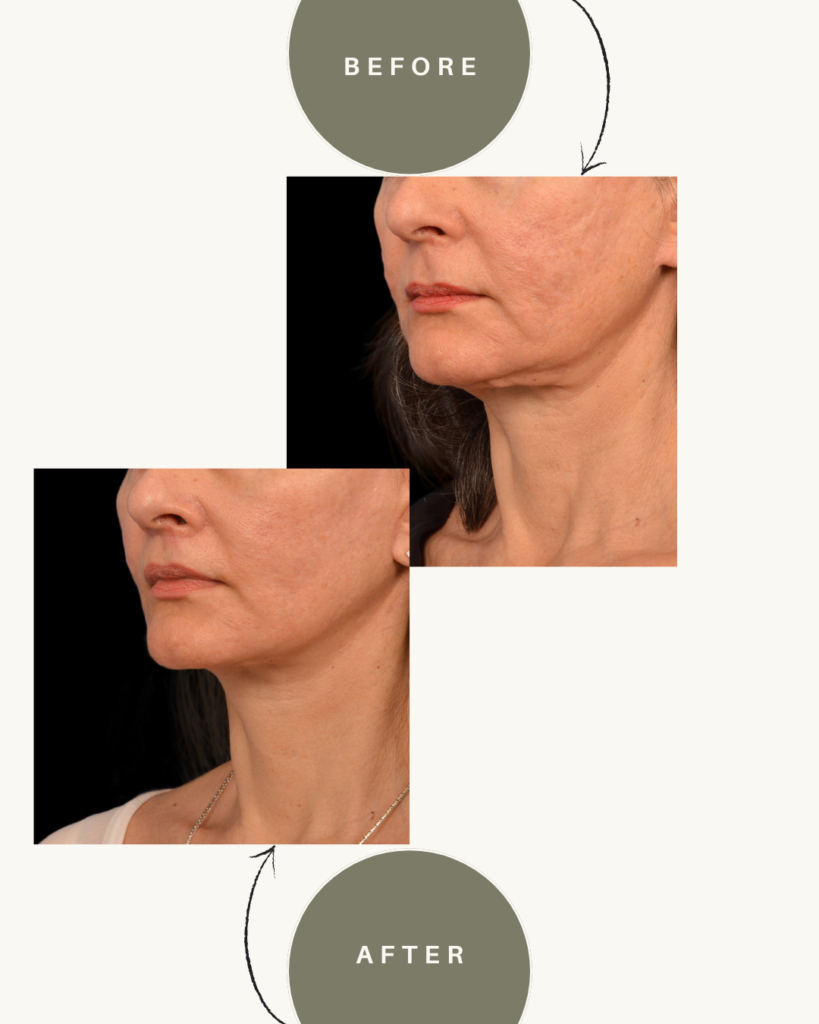
The intermediate recovery phase of neck lift recovery, spanning weeks 3-4 and months 2-3, involves gradual but significant changes, requiring patience and adherence to surgeon's instructions.
Month Two: Gradual Return to Normalcy
By month two, you should be feeling significantly better. Most of the visible signs of surgery, such as swelling and bruising, should be resolved. You'll likely be able to resume most of your normal activities, including exercise, as long as you do so gradually and listen to your body. It's important to maintain a healthy lifestyle, including a balanced diet and regular exercise, to support the healing process. You can start thinking about neck lift recovery and what that means for you.
Month Three: Enhanced Results
Month three of a neck lift recovery journey is marked by enhanced results, with more defined neck and jawline contours and a youthful appearance. The majority of the transformation is visible, and it's important to celebrate progress and maintain self-confidence. Be patient and don't compare progress to others. Contact your surgeon for guidance.
Long-Term Recovery Expectations
Understanding Full Recovery Timeline
After a neck lift, the full recovery timeline is about patience and allowing the body to heal. It can take six months to a year, but visible changes occur before that, like a final polish on a masterpiece.
Managing Scarring and Incision Care
Scars are a fact of life after surgery, but there are things you can do to minimize their appearance. Your surgeon will likely recommend specific creams or ointments to help with scar management. Sun protection is also super important. Scars can darken when exposed to the sun, so slather on that sunscreen! Also, avoid picking or scratching at the incisions. I know it's tempting, but resist! Here's a few things to keep in mind:
- Keep the area clean and moisturized.
- Use silicone strips or gel as directed by your surgeon.
- Protect the scars from sun exposure with sunscreen or clothing.
Monitoring for Complications
Neck lifts can be a smooth procedure, but it's crucial to monitor for potential complications like infection, redness, swelling, drainage, and numbness. If you experience unusual symptoms, contact your surgeon. Recovery is a marathon, not a sprint, and everyone heals at their own pace. A healthy diet, rest, and positive attitude contribute to a smoother recovery.
Post-Operative Care Guidelines

Importance of Following Surgeon Instructions
Following your surgeon's instructions is crucial for a smooth recovery and minimizing complications. They have tailored their instructions for your specific situation, so don't wing it. Read carefully, ask questions if unclear, and follow them to the letter. This is like a homework assignment for a beautiful new you.
Recommended Practices for Optimal Healing
After a neck lift procedure, it's crucial to rest, avoid strenuous activities, and get plenty of sleep. Elevate your head to reduce swelling, use pillows when resting or sleeping, and take pain medication and antibiotics as directed. Stay hydrated by drinking plenty of water. Be aware of potential complications, such as increased pain or swelling, redness, warmth, drainage, fever, numbness, tingling, and shortness of breath or chest pain. Trust your gut and contact your surgeon if something doesn't feel right. Early intervention can prevent serious problems and you're not alone in your recovery.
Lifestyle Adjustments During Recovery
After undergoing a neck lift, it's not just about the surgery itself; it's also about how you adapt your lifestyle to support optimal healing and achieve the best possible results. You'll find that making certain adjustments to your diet, physical activity, and even your mental well-being can significantly impact your recovery journey. Let's explore these areas in more detail.
Dietary Considerations for Healing
Healing requires a nutrient-dense, well-balanced diet that includes healthy grains, fruits, vegetables, and lean proteins. To promote tissue regeneration and lessen inflammation, cut back on processed foods, sugar-filled beverages, and too much salt. Maintaining proper hydration is also necessary for a successful neck lift recovery.
Physical Activity Restrictions
Following a neck lift, avoid strenuous activities and heavy lifting for the first few weeks. Gentle walking can promote circulation and healing, but listen to your body. Gradually reintroduce activities with surgeon's approval, and patience is crucial for a smooth recovery.
- Avoid bending over or lifting heavy objects for at least two weeks.
- Refrain from high-impact exercises for at least four to six weeks.
- Follow your surgeon's specific instructions regarding activity levels.
Mental Health and Emotional Support
During a surgical procedure, it's normal to experience various emotions, from excitement to anxiety. It's important to feel your emotions and seek support from friends, family, or a therapist. Healing takes time, and creating a calm environment and engaging in relaxing activities can help manage stress.
Final Results and Expectations
When to Expect Full Results
After surgery, the full results of a neck lift usually become visible between three to six months post-op. Recovery time varies based on age, overall health, lifestyle habits, the extent of the surgery, and how closely you follow your surgeon’s instructions. Patients in good health and those who maintain a healthy lifestyle may notice faster healing and longer-lasting results. It’s important to follow your surgeon’s guidelines and keep your expectations realistic.
Final Thoughts on Neck Lift Recovery
Recovering from a neck lift is a journey that takes time and patience. While the initial weeks may be tough with swelling and discomfort, most people start to see improvements fairly quickly. By following your surgeon's advice and taking it easy, you can help ensure a smoother recovery. Remember, everyone's experience is different, so don’t rush the process. Give your body the time it needs to heal, and soon enough, you'll be enjoying the results of your surgery. If you have any concerns during your recovery, don’t hesitate to reach out to your healthcare provider. They’re there to help you every step of the way.
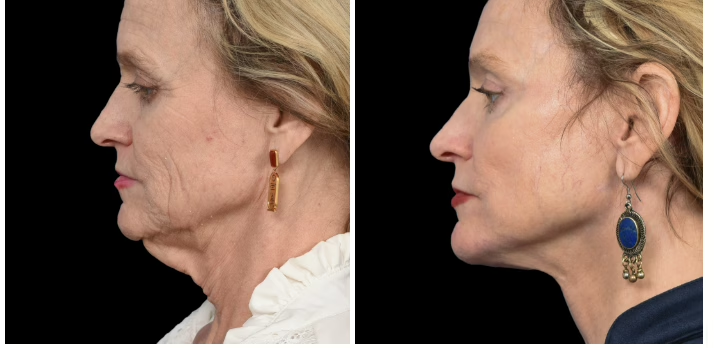
How to Know If You’re Ready for a Neck Lift
As we age, our bodies alter in ways we may not like. If your neck has drooping skin or other indications of aging, consider a neck lift. How do you know you're ready for this procedure? This guide will explain aging, analyze your health, and determine your mental preparation for a neck lift. Learn why you should consult a trained surgeon and what to expect after recuperation. Let's examine how to determine neck lift readiness.
Key Takeaways
- Look for physical signs of aging like sagging skin and wrinkles.
- Consider your overall health and any medical conditions you may have.
- Reflect on your emotional motivations and set realistic expectations.
- Consult with a qualified surgeon to discuss your options and concerns.
- Plan for recovery and understand the procedure before going ahead.
Understanding The Signs Of Aging

Physical Changes:
- Observe changes in skin texture and appearance over time.
- Notice sagging around the jawline and pronounced neck lines.
- These signs are part of the aging process.
Recognizing Emotional Impact:
- Emotions about these changes are crucial.
- Avoidance of mirrors, self-consciousness about photos, and feeling like your outside doesn't match your inside can influence your decision.
Assessing Lifestyle Factors:
- Lifestyle factors like sun worship, smoking, and diet can speed up aging and affect neck appearance.
- Smoking reduces blood flow to the skin, while sun exposure damages collagen and elastin.
- Stress and sleep habits can also impact neck aging.
- Understanding these factors is key to understanding neck aging.
Evaluating Your Physical Health
Before you seriously consider a neck lift, it's super important to take a good, hard look at your overall physical health. This isn't just about whether you want the surgery; it's about whether your body is ready for it. Let's break down what that means.
Overall Health Considerations
A neck lift requires proper health considerations, including avoiding pre-existing medical conditions like diabetes, heart problems, or autoimmune diseases. These conditions can impact healing and increase the risk of complications. Surgeons may need to manage these issues and obtain clearance from primary care doctors or specialists. Age also plays a role, with older patients needing extra screening.
Importance Of Non-Smoking
Smoking and surgery are not compatible, as nicotine constricts blood vessels, reducing oxygen and nutrients to the surgical site. This can lead to increased infection risk, poor wound healing, skin loss, and complications. It's recommended to quit smoking weeks or months before a neck lift procedure and stay smoke-free afterward. Smokers may undergo nicotine testing before surgery.
Managing Medical Conditions
Existing medical conditions need to be well-controlled before undergoing a neck lift. This involves:
- Diabetes: Keeping blood sugar levels stable is vital for proper wound healing.
- High Blood Pressure: Uncontrolled hypertension can lead to complications during and after surgery.
- Autoimmune Diseases: Conditions like lupus or rheumatoid arthritis can affect healing and increase infection risk.
Discuss medications and supplements with your surgeon, as some may increase bleeding risk. Be honest and ask questions to ensure informed decisions about your care.
Assessing Your Emotional Readiness
It's easy to focus on the physical aspects of a neck lift, but your emotional state is just as important. Are you doing this for yourself, or to please someone else? Are your expectations realistic? These are important questions to consider before moving forward.
Understanding Your Motivations
Why do you really want a neck lift? It's a question you need to answer honestly. Are you hoping it will fix deeper issues, like a lack of confidence or relationship problems? A neck lift can improve your appearance, but it won't solve everything. Make sure your motivations are grounded in a desire to feel better about yourself, not to meet someone else's expectations. It's about what you see in the mirror and how it makes you feel.
Setting Realistic Expectations
It's important to have a clear picture of what a neck lift can and can't do. While a neck lift surgery can make you look younger and more refreshed, it won't turn back time completely.
Think of it as refining what you already have, not creating a new you. Look at before-and-after photos, talk to your surgeon, and understand the potential outcomes, as well as the limitations.
Evaluating Support Systems
Having a strong support system is really important during your recovery. You'll need help with everyday tasks, emotional support, and someone to drive you to appointments. Consider who you can rely on during this time.
Here's a quick checklist to think about:
- Do you have someone who can stay with you for the first few days after surgery?
- Are your friends and family supportive of your decision?
- Do you have a way to contact your surgeon or their office if you have questions or concerns?
If you feel like you lack support, consider joining a support group or talking to a therapist. Going into this with a solid network will make the whole process much easier.
Consulting With A Qualified Surgeon
Consider a neck lift after considering changes and lifestyle adjustments. Talk to a skilled surgeon for facial procedures to achieve desired results and feel confident about the process.
Finding The Right Specialist
Finding a surgeon can feel overwhelming, but it doesn't have to be. Start by looking for a board-certified facial plastic surgeon. This means they've had extensive training and have met rigorous standards. Check their credentials and make sure they have plenty of experience with neck lifts specifically. Look at before-and-after photos of their patients – do you like what you see? Do their results look natural and in line with your goals? Don't be afraid to do your homework and read reviews from other patients.
Preparing For Your Consultation
Before visiting a surgeon, prepare by writing down questions, discussing goals, and providing medical history. This helps the surgeon assess your suitability for the procedure and tailor a plan. Consider bringing a list of financing options.
Questions To Ask Your Surgeon
Your consultation is your chance to get all your questions answered and to get a feel for the surgeon's approach. Here are a few questions to consider:
- Are you board-certified in facial plastic surgery?
- How many neck lifts have you performed?
- Can I see before-and-after photos of your patients?
- What are the risks and potential complications of the surgery?
- What type of anesthesia will be used?
- Where will the surgery be performed?
- What is the recovery process like, and what can I expect?
- What are the costs involved, including anesthesia, facility fees, and follow-up appointments?
A good surgeon should be patient, informative, and realistic about a neck lift. Trust your face and feel comfortable with their expertise, as dismissiveness or rushed responses may indicate a need for alternative options.
Preparing For The Procedure

Understanding The Surgery Process
Alright, let's break down what actually happens during a neck lift. It's not as scary as it sounds, I promise! Basically, the surgeon makes small incisions, usually under your chin and behind your ears. Then, they tighten the neck muscles, remove excess skin, and maybe even do some liposuction to get rid of extra fat. Sometimes, a neck lift is done with a facelift for a more complete makeover. The whole thing usually takes a couple of hours, and you can usually go home the same day.
Post-Operative Care Essentials
So, you've had the surgery, and now it's time to focus on healing. Here's the lowdown on post-op care:
- Pain Management: Your doctor will prescribe pain meds, so take them as directed. Don't try to tough it out!
- Wound Care: Keep the incision sites clean and dry. Follow your surgeon's instructions carefully.
- Swelling and Bruising: Expect some swelling and bruising. Ice packs can help a lot.
- Activity Restrictions: Take it easy! No heavy lifting or strenuous activities for a few weeks.
Regular Follow-Up Appointments
Don't ghost your surgeon! Regular check-ups are key to making sure everything is healing as it should and to address any concerns early on.
- Schedule follow-up appointments as recommended by your surgeon.
- Be honest about any issues you're experiencing.
- Ask questions! It's better to be informed than to worry in silence.
After surgery, it's important to keep up with your care to ensure the best results. This means following your doctor's advice, attending follow-up appointments, and making healthy choices. Staying active and eating well can help your body heal faster. If you want to learn more about how to take care of yourself after surgery, visit our website for helpful tips and resources!
Take the Next Step Towards a Youthful Neck
If you think a neck lift might be the right choice for you, don’t hesitate to start planning. It’s important to consult with a qualified plastic surgeon who can help you understand what to expect and how the procedure can meet your goals. Remember, a neck lift isn’t just about looking younger; it’s about feeling good in your skin. Take your time, do your research, and when you’re ready, you’ll be one step closer to saying goodbye to those turtlenecks for good. Your journey to a more confident you starts now!

Buccal Fat Pad Surgery 101 - Everything You Need To Know
Buccal fat pad surgery is a cosmetic treatment that reduces cheek fullness by removing fat, enhancing facial definition. It’s a popular choice for those wanting a more contoured, refined look without major surgery.
Key Takeaways
- Buccal fat pad surgery enhances facial contours by reducing cheek fullness.
- The procedure is minimally invasive and performed through incisions inside the mouth.
- Recovery takes about two to three weeks, with full results visible in a few months.
- Candidates should have rounder cheeks and be in good health.
- Results are permanent, but aging and weight fluctuations can still affect facial appearance.
What Is Buccal Fat Pad Surgery?
Buccal fat pad surgery, also called buccal fat pad removal, is a procedure that removes excess fat from the lower cheeks. This helps create a more defined look by highlighting the cheekbones and slimming the lower face.
The buccal fat pad is a natural pocket of fat located deep in the cheeks. While its size varies from person to person, it can create a rounder facial structure in some individuals. Removing this fat gives the face a sculpted and angular look.
How the Procedure Works
The procedure is done through tiny incisions inside the mouth, ensuring no visible scarring. It involves:
- Minimal Incisions – A small cut is made inside each cheek.
- Fat Removal – The buccal fat pads are carefully taken out to enhance facial definition.
- Suture Closure – Dissolvable stitches are used to close the incisions.
This is a fast procedure, typically completed in under an hour, and is usually performed with local anesthesia.
Many people seek buccal fat pad removal to achieve a slimmer facial profile and enhance their cheekbone definition. This procedure targets excess fat in the lower cheeks, helping create a more contoured, sculpted look. Since the fat pads do not grow back, results are long-lasting, making it a popular option for those looking for permanent facial refinement.

Before & After Buccal Fat Pad Surgery
Before Surgery
Before undergoing the procedure, patients often have:
- Full or rounded cheeks that make their face appear less defined.
- A lack of facial contour due to excess cheek fat.
- Concerns about appearing too youthful or "baby-faced."
After Surgery
After healing, patients notice:
- More prominent cheekbones and a structured facial profile.
- A slimmer, more contoured face.
- No visible scars, since the incisions are made inside the mouth.
Who Is a Good Candidate for Buccal Fat Pad Surgery?
This procedure is best for individuals who:
- Have naturally full cheeks and want a more sculpted look.
- Are in good health and do not have medical conditions that may affect healing.
- Have realistic expectations about their facial transformation.
- Are non-smokers, as smoking can delay healing and increase complications.
Those with very thin faces may not be ideal candidates since removing fat can make them appear gaunt over time.
Some individuals choose buccal fat pad surgery as part of a broader facial contouring plan. It’s often combined with procedures like a facelift to enhance overall facial balance and definition. A combination approach can address multiple aging concerns at once, creating a more harmonious, long-lasting result.
Not everyone is an ideal candidate for this procedure. Factors like skin elasticity, overall facial structure, and long-term aesthetic goals should be considered.
For those considering facial contouring, cosmetic procedures like buccal fat pad removal offer a way to refine facial structure and highlight natural bone definition. This surgery is particularly effective for individuals with fuller cheeks who want a more sculpted, V-shaped face.
If you're unsure whether this surgery is right for you, discussing your options with a specialist can help. Learn more about whether you’re a good candidate for plastic surgery and what factors might influence your results.
Recovery Time for Buccal Fat Pad Surgery
Recovery is typically two to three weeks, though most patients return to work within a few days. Initial swelling may make the face look fuller before the final results appear.
Post-Surgery Care
- Eat soft foods for the first few days to keep your cheeks from getting irritated.
- Rinse with an antibacterial mouthwash to lower the risk of infection.
- Keep your head propped up while sleeping to help reduce swelling.
- Take a break from intense activities for at least one to two weeks.
Swelling gradually fades over two to three months, revealing the final contoured result.
Average Cost of Buccal Fat Pad Surgery
The cost of buccal fat pad removal varies based on location, surgeon expertise, and facility fees. Prices typically range from $2,000 to $5,000.
What Affects the Cost?
- Surgeon’s experience and reputation.
- Geographic location of the practice.
- Anesthesia and facility costs.
Since this is a cosmetic procedure, insurance does not cover the cost.

Potential Risks and Complications
While generally safe, every cosmetic procedure carries some risks.
Possible Side Effects
- Swelling and bruising – Common and temporary.
- Mild pain or discomfort – Easily managed with pain medication.
- Infection – Reduced by following post-op care instructions.
- Facial asymmetry – Rare but possible if too much fat is removed.
Working with an experienced surgeon reduces these risks and ensures a smooth recovery.
Buccal Fat Pad Surgery vs. Other Procedures
Many people wonder whether buccal fat pad removal is the best option for achieving a contoured look. Here’s how it compares to other treatments:
| Procedure | Goal | Best for |
| Buccal Fat Removal | Slims the lower cheeks | Individuals with naturally round cheeks |
| Cheek Liposuction | Removes excess fat through suction | Those with more generalized facial fat |
| Facelift | Lifts sagging skin and tightens the face | Older patients with skin laxity |
| Dermal Fillers | Adds volume to enhance contours | Individuals needing volume restoration |
Consulting a qualified surgeon helps determine the best option based on your facial structure and aesthetic goals.
While buccal fat pad surgery focuses on reducing cheek volume, it’s just one of many cosmetic surgery options available for facial contouring. Other procedures, such as chin augmentation or liposuction, may be recommended depending on your facial structure and goals. Consulting with a specialist can help determine the best approach for achieving a balanced, natural-looking result.
Long-Term Results and Aging
Results from buccal fat pad removal are permanent because fat pads do not regenerate. However, aging and weight fluctuations can still impact facial shape.
- Weight gain may add volume to the face, affecting the final look.
- Aging naturally reduces facial fat, which can make the face appear gaunt over time.
Choosing an experienced surgeon ensures natural, balanced results that age well over time.
If you're considering buccal fat pad removal, consult with an expert to determine if it's right for you. Schedule a consultation today to achieve a more sculpted and defined facial appearance.
Conclusion
Buccal fat pad surgery is a reliable way to achieve a more sculpted, contoured look. It offers long-lasting results by reducing excess fullness in the lower cheeks.
While recovery is straightforward, choosing an experienced surgeon is key to a smooth procedure and balanced outcome. If you're considering buccal fat pad removal, consult with a specialist to discuss your goals and find the best approach for your facial structure.
Revision Facelift 101 - Everything You Need To Know
Aging continues even after a facelift. Over time, skin laxity, volume loss, or structural changes can impact initial facelift results. A revision facelift corrects concerns from a prior procedure, refining results and restoring a natural, youthful appearance.
Key Takeaways
- A second facelift can refine or fix the results of an earlier procedure.
- It helps with concerns like loose skin, uneven features, or scar-related issues.
- Healing usually takes a few weeks, but improvements continue to develop over time.
- The best candidates are healthy and have a clear, realistic idea of what to expect.
- A well-trained, experienced surgeon is essential for achieving natural-looking results.
What Is a Revision Facelift?
A revision facelift, sometimes referred to as a secondary facelift, is a surgery that enhances or corrects the outcome of a previous facelift. As the years pass, the effects of aging become more noticeable, or the initial procedure may not have delivered the expected results.
This surgery helps restore balance and refine facial contours for a more natural, refreshed appearance. A revision facelift can tighten sagging skin, correct asymmetry, reposition deep tissues, and improve facial contours.
This procedure is more complex than an initial facelift because scar tissue, altered anatomy, and previous surgical changes must be carefully addressed. An experienced surgeon must work around these factors to achieve a natural, balanced outcome.
Why Do People Get a Revision Facelift?
People seek secondary facelift procedures for different reasons. Some want to refine results after years of continued aging, while others need corrections from a past surgery that didn’t meet expectations. Common reasons include:
- Loose skin returning – Natural aging may cause sagging over time.
- Asymmetry – A previous facelift may have created uneven results.
- Scar tissue or irregularities – Some patients experience noticeable scarring or skin distortions.
- Unnatural results – Over-tightening or misplaced skin may cause an artificial look.
- Desire for further enhancement – Some patients simply want additional refinement.
Who Benefits from a Revision Facelift?




A revision facelift is ideal for individuals who previously had a facelift but are now experiencing new signs of aging or unsatisfactory results. Unlike an initial facelift, this procedure requires a customized approach to address previous surgical changes and evolving facial contours.
Candidates should:
- Be in good health with no conditions that impair healing.
- Have realistic expectations about improvements and the complexity of revision surgery.
- Understand that revision facelifts require a skilled surgeon due to scar tissue and altered anatomy.
- Be willing to discuss additional procedures, such as fat grafting or skin resurfacing, to optimize results.
A consultation with a qualified surgeon is essential to evaluate past procedures, assess new concerns, and create a plan tailored to your unique needs. The right approach can refine previous results and restore a youthful, natural look.
Revision Facelift Before & After Examples
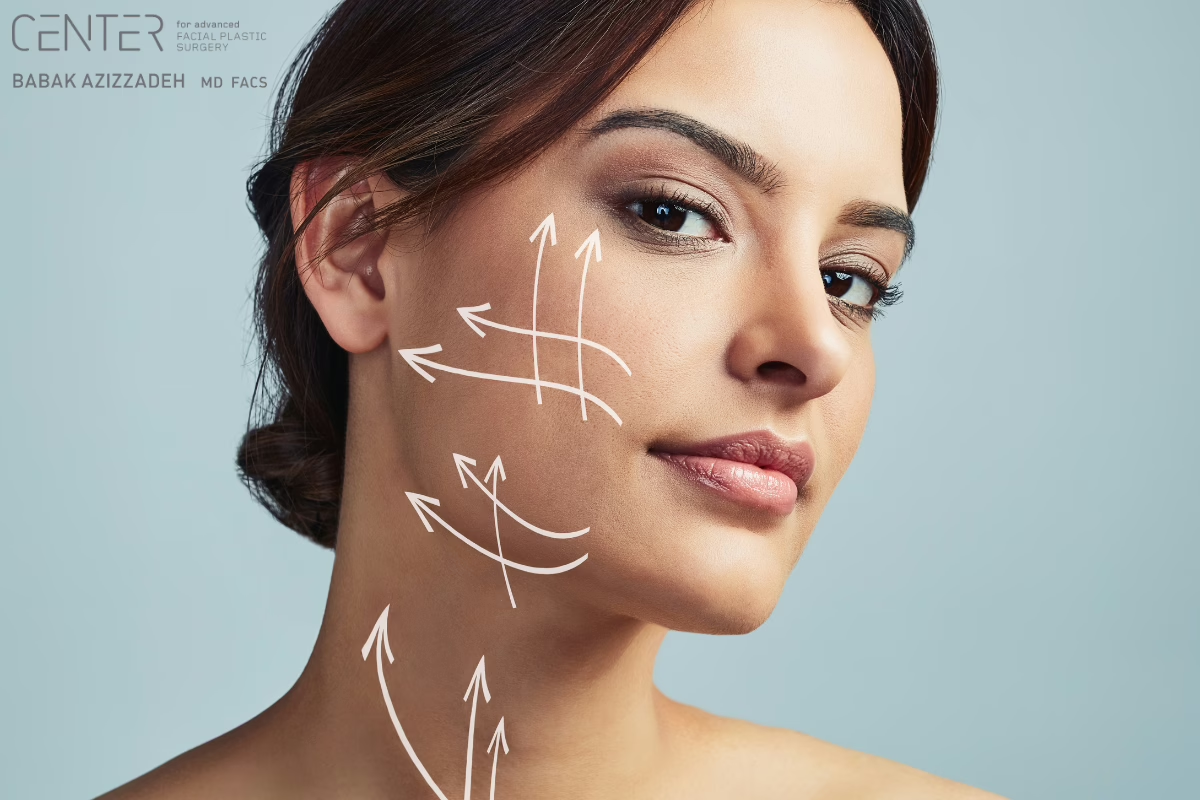
Before a revision facelift, patients often experience loose skin, facial volume loss, or visible scarring from a prior procedure. As the face continues to age, previous facelift results may become less defined, leading to sagging around the jawline, deepening folds, and diminished skin elasticity. Some patients also encounter tightness or uneven contours due to previous surgical techniques.
After surgery, the face appears smoother, more youthful, and naturally lifted, with improved balance and refined contours. The repositioning of deep tissues and careful handling of scar tissue contribute to a more seamless, long-lasting result.
The best results come from a skilled surgeon who carefully evaluates previous work, tailors the approach to each patient’s unique facial structure, and addresses any underlying issues to ensure a natural, refreshed appearance.
How Soon Can I Have a Revision Facelift?
Timing for a revision facelift depends on multiple factors, including healing from the previous surgery and the extent of concerns. Most surgeons recommend waiting at least 12 to 18 months before considering a secondary facelift. This allows the face to fully heal and settle from the first procedure, giving a clearer picture of what corrections are needed.
Factors that influence timing include:
- Healing progress from the initial surgery.
- Scar tissue maturity and skin elasticity.
- Personal aesthetic goals and concerns.
- Consultation with an experienced revision facelift surgeon.
If you are considering getting a facelift, your surgeon will assess your skin condition, past surgical results, and overall health to determine the best timeline for your procedure.
Recovery Time for a Revision Facelift
Healing from a revision facelift typically takes two to four weeks. The first week involves noticeable swelling and bruising, but most discomfort subsides within the second week. Many patients resume normal activities after three to four weeks, though final results continue to improve over the following months.
Post-surgery care includes:
- Keeping the head elevated to reduce swelling.
- Avoiding strenuous activities for a few weeks.
- Following the surgeon’s recommendations for optimal healing.
Because revision facelifts involve working around previous surgical changes, the healing process may take slightly longer than a first-time facelift.

What Does a Revision Facelift Cost?
The cost of a revision facelift depends on the complexity of the procedure, the surgeon’s expertise, and the location of the practice. On average, prices range from $15,000 to $50,000.
Factors influencing cost include:
- The surgeon’s skill and reputation.
- Additional procedures, such as fat grafting or eyelid surgery.
- Facility fees, anesthesia, and follow-up care.
A revision facelift requires a highly experienced surgeon due to its complexity, making expertise a critical factor in pricing.
Common Problems Encountered with Revision Facelift
Since revision facelifts involve previous surgical changes, there are unique challenges. Some potential complications include:
- Scar tissue limitations – Prior incisions and healing patterns can affect surgical adjustments.
- Altered facial anatomy – Past surgery may have changed the skin’s elasticity or muscle positioning.
- Blood supply concerns – Previous procedures can impact healing due to altered circulation.
- Achieving natural symmetry – Balancing results while working with past alterations requires precision.
An experienced surgeon can navigate these challenges to achieve refined, natural-looking results. If you’re considering a revision facelift, discussing possible risks and outcomes with your surgeon is crucial. Learn more about problems encountered with revision facelift to understand the complexities of the procedure.
Non-Surgical Alternatives to a Revision Facelift
For those not ready for another surgery, non-surgical facelift options can help maintain or enhance facelift results. Treatments include:
- Injectable Fillers – Restore lost volume in the cheeks and jawline.
- Botox® – Softens fine lines and helps maintain smooth skin.
- Laser Resurfacing & Microneedling – Improves skin texture and reduces wrinkles.
- Ultrasound & Radiofrequency Treatments – Tighten mild skin laxity non-invasively.
While these treatments don’t replace surgery, they can help extend the benefits of a previous facelift or serve as a temporary solution before committing to revision surgery.
If you’re unhappy with your previous facelift results or experiencing new signs of aging, a revision facelift can provide a refreshed, natural look. Working with an expert in secondary facelifts ensures balanced, long-lasting results. Contact us today to schedule a consultation.
Conclusion
A revision facelift can restore confidence by refining the results of a previous procedure. Whether addressing aging changes or correcting past surgical outcomes, this procedure requires precision and expertise. Working with a skilled surgeon ensures natural-looking, long-lasting results. If you're considering a secondary facelift, schedule a consultation to discuss your goals and explore the best options for your needs.

Buccal Fat Removal Before and After
Buccal fat removal is a cosmetic procedure that reduces cheek fullness for a slimmer, more sculpted look. It’s a popular choice for individuals who want to define their facial contours and highlight their cheekbones.
Many people opt for this surgery to achieve a more chiseled appearance, especially if they have naturally round or full cheeks. This article will cover before and after transformations, details of the procedure, and what you can expect during recovery.
What is Buccal Fat Removal?
Buccal fat removal is a minor surgical procedure that involves extracting fat pads from the cheeks to create a slimmer, more structured face.
Why Consider Buccal Fat Removal?
- Reduces excess facial fullness that doesn’t go away with weight loss.
- Enhances cheekbone definition and facial angles.
- Provides permanent results for a sculpted look.
- Suitable for individuals with naturally round or chubby cheeks.
Since the buccal fat pads don’t shrink significantly with age or weight loss, this procedure offers a long-term solution for achieving a more contoured face.
Buccal Fat Removal Before and After: Real Patient Transformations
Looking at before and after images can help you understand the subtle but impactful changes this procedure offers.
What to Expect in Results
Right After Surgery
Swelling and slight bruising are common, and your face may look puffy.
After 1-2 Weeks
Swelling subsides, and initial facial definition starts appearing.
Final Results (3-6 Months)
The full effects become visible as the skin settles and contours emerge naturally.
Who is a Good Candidate for Buccal Fat Removal?
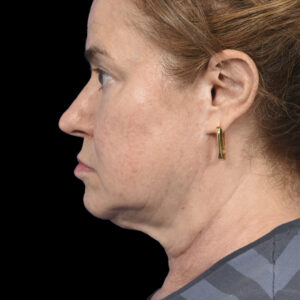
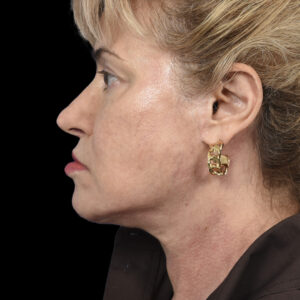
You may be a good candidate if you:
- Have excess cheek fullness that persists despite a healthy lifestyle.
- Want more prominent cheekbones and facial definition.
- Are at a stable weight and in good health.
However, this procedure may not be suitable if you:
- Already have low facial fat, as it may create a hollow appearance over time.
- Have certain medical conditions that may affect healing.
- Expect drastic, immediate changes—results take time to develop.
It’s also important to have realistic expectations about the final outcome. While the procedure enhances natural contours, it won’t completely transform facial structure. Consulting with a qualified surgeon helps determine whether this option aligns with your unique facial anatomy and long-term aesthetic goals.
What to Expect During and After the Procedure
The Buccal Fat Removal Procedure
- Anesthesia: Patients receive local anesthesia with sedation to ensure a comfortable experience.
- Incision Placement: Tiny incisions are made inside the cheeks to keep scarring hidden.
- Fat Removal: The surgeon carefully removes the buccal fat pads to enhance facial definition.
- Closure: The incisions are stitched using dissolvable sutures for a smooth healing process.
- Duration: The procedure typically takes between 30 to 60 minutes.
Recovery Timeline
First Few Days
Swelling and mild discomfort are normal. A soft food diet is recommended to avoid irritation. Keeping your head elevated and avoiding strenuous activities can help minimize swelling.
First Week
Most swelling begins to go down. Stitches start dissolving, and you can resume light activities. Some residual puffiness may still be present, but noticeable improvements begin to show.
2-4 Weeks
Your face continues to slim, and more definition appears. You may start noticing a more contoured look as swelling further diminishes and facial features become more pronounced.
3-6 Months
Final results settle, revealing a sculpted, natural-looking contour. Any remaining swelling is gone, and the changes are fully visible. By this stage, your facial proportions will look more refined, and the outcome will appear completely natural.
Buccal Fat Removal vs. Other Facial Contouring Procedures
Buccal Fat Removal
- Targets cheek fullness specifically.
- Provides permanent results.
- Best for naturally fuller faces.
Other Options
- Jawline Liposuction: Removes fat from the lower face.
- Chin Fillers/Implants: Adds volume but doesn’t remove fat.
- Botox for Masseters: Slims the jaw but doesn’t affect cheek fullness.
Common Myths & Misconceptions About Buccal Fat Removal
Myth 1: It Makes You Look Hollow
Reality: When performed by an experienced surgeon, the result is subtle and balanced.
Myth 2: Recovery is Long and Painful
Reality: Most patients recover within one to two weeks with minimal discomfort.
Myth 3: It Looks Artificial
Reality: The goal is to enhance natural facial contours, not drastically change your face.
Myth 4: It’s the Same as Losing Weight
Reality: Buccal fat pads are resistant to weight loss, making surgery the only way to remove them permanently.
How to Choose the Right Surgeon for Buccal Fat Removal
- Look for Experience: Choose a board-certified plastic surgeon specializing in facial contouring.
- Review Before and After Photos: Ensure the results look natural and proportional.
- Check Patient Testimonials: Look for feedback on recovery experiences and satisfaction.
- Ask the Right Questions:
- How often do you perform buccal fat removal?
- What’s your technique for achieving balanced results?
- What can I expect during the recovery process?
A buccal fat removal before and after transformation highlights how this procedure sculpts the face. Unlike weight loss, buccal fat removal specifically removes cheek fat for long-term contouring. If you’re considering buccal fat removal, consult a board-certified surgeon to discuss your goals.
Want to achieve a more sculpted look? Book a consultation today to learn more about buccal fat removal!
Lip Lift Before and After
A lip lift is a small surgery that reshapes the upper lip by shortening the space between your nose and mouth. Unlike fillers, which add temporary volume, a lip lift gives you a permanent enhancement. It improves lip shape, balance, and overall facial harmony.
Many people choose a lip lift for a more youthful, well-defined look. If your upper lip feels too long or lacks fullness, this procedure might be for you. Let’s break down what a lip lift is, what results you can expect, and whether it’s the right choice for you.
What is a Lip Lift?
A lip lift is a simple, minimally invasive surgery that enhances the upper lip by reducing the space between the nose and mouth. Unlike fillers, which only add temporary volume, a lip lift adjusts the lip’s position to create a more defined, youthful shape that lasts.
Types of Lip Lifts
Bullhorn Lip Lift
This is the most popular type. The surgeon makes a small cut under the nose, then lifts the upper lip slightly.
Corner Lip Lift
If your lips turn downward at the corners, this can give you a subtly happier, more youthful expression.
Gullwing Lip Lift
This method reshapes the lip border for better definition and a fuller look.
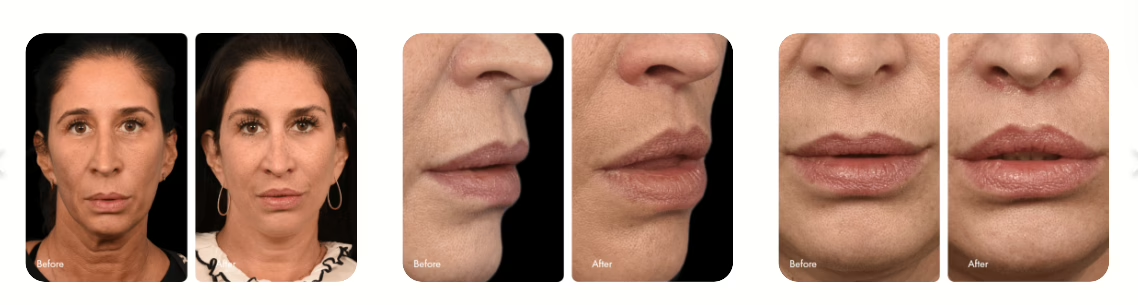
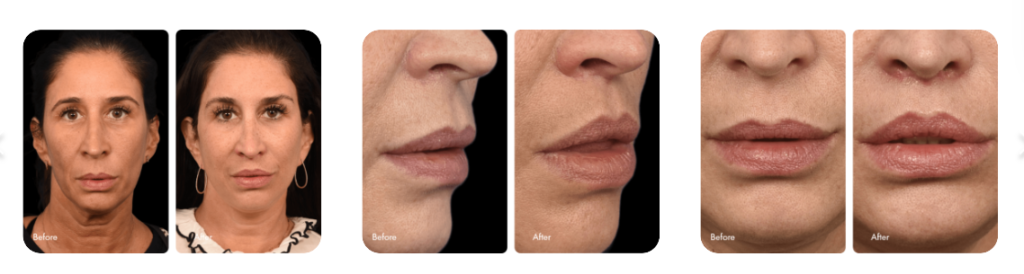
Lip Lift Before and After: Real Patient Transformations
The best way to see a lip lift’s impact is through before and after photos. The difference can be subtle yet powerful.
What to Expect in Results
Right After Surgery
Your lips may look swollen and bruised. This is normal.
After 1-2 Weeks
Swelling starts to fade. You’ll see early results, though your lips may still feel tight.
Final Results (2-3 Months)
Your lips settle into their natural shape. Any scars fade and blend with the skin.
Before Image Alt Text: A close-up of a patient’s lips before a lip lift procedure, showing a longer philtrum and less visible upper teeth.
After Image Alt Text: A close-up of the same patient’s lips after a lip lift, showing a shorter philtrum, enhanced lip shape, and more visible upper teeth.
Who is a Good Candidate for a Lip Lift?
You might be a good fit for a lip lift if you:
- Have a long philtrum and want a shorter, fuller upper lip.
- Want a permanent solution instead of repeated filler treatments.
- Notice lip volume loss due to aging.
- Want a natural-looking improvement to your face.
You may not be a good candidate if you:
- Prefer a non-surgical approach.
- Have medical conditions that slow healing.
- Expect filler-like plumpness instead of a shape change.
What to Expect During and After the Procedure
The Lip Lift Procedure
- Anesthesia: Local anesthesia keeps you comfortable.
- Incision Placement: A small cut is made under your nose.
- Skin Removal & Lifting: Excess skin is removed, lifting the upper lip.
- Suturing: The cut is closed with fine stitches.
- Duration: Surgery takes about one hour.
Recovery Timeline
First Few Days
Expect some swelling, bruising, and tightness.
First Week
Stitches come out. The swelling starts to go down.
First Month
Your lips look more natural as healing continues.
2-3 Months
Final results settle. Scars fade and blend in.
Lip Lift vs. Lip Fillers: Which is Right for You?
Key Differences
- Lip lifts last forever. Fillers need touch-ups.
- A lip lift changes lip shape. Fillers add volume.
- Lip lifts make the upper lip shorter and more defined.
Who Benefits from Each?
Lip Lift
Great for people with a long philtrum or thin upper lip.
Lip Fillers
Best for those wanting temporary plumpness without surgery.
Some people combine both for an even better look.
Common Myths & Misconceptions About Lip Lifts
Myth 1: Lip Lifts Look Fake
Reality: A skilled surgeon gives you natural-looking results.
Myth 2: The Recovery Takes Forever
Reality: Most people resume daily activities in a week.
Myth 3: Lip Lifts and Fillers Do the Same Thing
Reality: Fillers add volume, while a lip lift reshapes the lip.
Myth 4: Scars Are Obvious
Reality: The incision is hidden under the nose and fades over time.
How to Choose the Right Surgeon for a Lip Lift
- Find an expert: Choose a board-certified plastic surgeon.
- Check before and after photos: Make sure the results match your goals.
- Read reviews: Look for natural, successful outcomes.
- Ask questions:
- How many lip lifts have you done?
- Can I see patient photos?
- What’s your approach to minimizing scars?
Conclusion
A lip lift reshapes the upper lip permanently, making it shorter and fuller. If you’re looking for a long-term enhancement, it might be the right option for you.
A lip lift before and after can highlight the transformation this procedure offers. Unlike fillers, a lip lift provides a permanent solution for a youthful lip shape. If you're considering a lip lift, consult a board-certified surgeon to determine if it’s right for you.
Want to learn more about how a lip lift can enhance your appearance? Contact us today for a consultation!

Aesthetics Concierges Offer Safer Path to Cosmetic Treatments
With cosmetic procedures on the rise, 25 million minimally invasive treatments and 1.5 million surgeries performed in 2023, patients are increasingly seeking expert guidance to avoid risky outcomes. Basement Brazilian Butt Lifts, unsafe filler use, and botched surgeries abroad are becoming more common, highlighting the need for trusted referrals in the aesthetics industry.
That’s where aesthetic concierges come in. Professionals like Melinda Farina, founder of Beauty Brokers Inc., have made careers helping patients find reputable surgeons and dermatologists tailored to their needs, budgets, and goals. Farina has facilitated more than 64,000 consultations, acting as a matchmaker between patients and doctors. Beyond referrals, she supports patients with pre-op consultations, nutrition plans, and skincare regimens, creating a more holistic approach to cosmetic care.
The concierge model is also moving online. Persana, co-founded by Beverly Hills surgeon Dr. Babak Azizadeh, provides direct video consultations with peer-recommended doctors for around $300 per call. Designed as a “Resy for aesthetics,” Persana allows patients to bypass long wait times and connect directly with vetted specialists.
Experts caution that while concierge services add value, patients should still verify board certifications and review before-and-after case studies. Transparency and thorough research remain essential when considering any cosmetic procedure.
As social media increasingly shapes beauty decisions, studies suggest more than half of cosmetic patients follow surgeons on TikTok and Instagram, navigating hype versus expertise has become challenging. Concierges and platforms like Persana aim to fill that gap, offering patients a safer, more transparent way to pursue treatments.
https://facialplasticsbh.com/the-importance-of-choosing-a-board-certified-facial-plastic-surgeon/
Read the full Marie Claire article here: Marie Claire – Aesthetics Concierge


