
Everything You Need to Know About How to Choose a Plastic Surgeon
Many facial plastic surgeons are available nationwide. And it can be difficult to distinguish one surgeon from another.
Ultimately, it pays to learn how to choose a plastic surgeon. That way, those who are considering cosmetic treatment options can find a surgeon who can perform an in-depth evaluation. From here, their surgeon can offer a personalized treatment recommendation to ensure their patient can accomplish their desired results.
For those who plan to undergo facial plastic surgery, hiring a board-certified surgeon is a must.

How to Choose a Facial Plastic Surgeon That Meets or Exceeds Expectations
Choosing a facial plastic surgeon can be simple. Here are tips to help individuals select the right surgeon for their cosmetic treatment.
1. Learn About a Surgeon's Approach and Style
Schedule an in-person or virtual consultation with a facial plastic surgeon. This gives a patient an opportunity to learn about a surgeon's approach and style.
The best facial plastic surgeons can provide before and after photos of past patients. In doing so, the surgeon can give people a glimpse into what they can achieve during a cosmetic treatment.
Also, the top facial plastic surgeons are upfront and honest about their approach and style. No question is too big or too small for these surgeons, either. So, people should feel comfortable sharing any facial plastic surgery questions. They can then gather insights to help them make an informed decision regarding facial plastic surgery.
2. Visit a Surgeon's Treatment Center
Find out if a facial plastic surgeon administers treatment. Next, visit the treatment facility to get an up close look at what it has to offer.
Many cosmetic surgeries are performed outside of a hospital. Thus, it is beneficial to visit a treatment facility to ensure it follows strict quality and safety standards.
A credible cosmetic surgery treatment center is generally licensed by the state. It also may be certified by the Joint Commission on Accreditation of Healthcare Organizations (JCAHO), American Association for Accreditation of Ambulatory Surgery Facilities (AAASF), or Accreditation Association for Ambulatory Health Care.
3. Learn What Past Patients Are Saying About a Surgeon
Read a surgeon's patient testimonials and reviews. Then, an individual can gain firsthand insights into what it is like to work with a surgeon.
Facial plastic surgery patient testimonials and reviews may be published on a surgeon's website. They also can be found on RealSelf and other online sources. And Newsweek publishes an annual list of America's best plastic surgeons, too.
Patient testimonials and reviews can help people see if a facial plastic surgeon can provide outstanding experiences. Therefore, if a surgeon receives a large number of negative reviews from patients who cite recurring problems, it may be worthwhile to look elsewhere for cosmetic treatment. On the other hand, if patients frequently rave about a surgeon's commitment to excellence, it may be valuable to schedule a consultation with him or her.
4. Find a Facial Plastic Surgeon Who Fosters Trust
Seek out a facial plastic surgeon who instills confidence. This surgeon will do everything in their power to ensure a patient feels good about a cosmetic treatment. He or she can evaluate a patient to determine if he or she is a good candidate for one or more facial plastic surgeries. In some instances, the surgeon may find a patient qualifies for myriad surgical procedures. Conversely, the surgeon may recommend non-surgical cosmetic treatments. Regardless, the surgeon verifies that the patient receives insights into cosmetic treatment options, how they work, and their respective pros and cons. This allows a patient to weigh the advantages and disadvantages of treatment and determine the best course of action.
It is helpful to identify a facial plastic surgeon who is honest as well. The ideal facial plastic surgeon won't pressure a patient to get cosmetic treatment. Instead, he or she works diligently on behalf of their patient to ensure this individual can achieve a balanced and natural-looking facial appearance. The surgeon devotes the time, energy, and resources necessary to evaluate their patient's facial features. He or she reviews their patient's medical history and determines if there are any preexisting health conditions that can disqualify this individual from certain cosmetic treatments. And if a patient decides to move forward with a cosmetic procedure, the surgeon goes above and beyond the call of duty to ensure the treatment is safe and effective.
Along with the aforementioned tips, look for a board-certified surgeon for cosmetic treatment. This ensures a patient can receive expert-level care and support.
What Does “Board-Certified” Mean?
Certifications are awarded to plastic surgeons who meet training requirements and pass surgery examinations. They come from several medical organizations, including:
-
- American Board of Otolaryngology — Head and Neck Surgery (ABOHNS)
- American Board of Facial Plastic and Reconstructive Surgery (ABFPRS)
- American Board of Plastic Surgery (ABPS)
Board certification is voluntary. If a facial plastic surgeon earns one or more certifications, however, it shows that he or she has met certain criteria that validates their industry expertise.
Criteria for Board Certification
Common criteria for board certification include:
-
- Facial plastic surgery training after medical school
- Plastic surgery residency training
- Completion of written and oral exams
- Completion of ongoing medical education
- Facial plastic surgery performed at an accredited, licensed, or Medicare-certified surgical facility
It can be challenging to earn facial plastic surgery board certification. Surgeons who receive board certification show they are willing to do what it takes to advance their skill set and provide patients with superior care and support. This means patients who undergo a cosmetic treatment from a board-certified facial plastic surgeon are well-equipped to enhance their facial appearance without compromising their safety.
Reasons to Choose a Board-Certified Facial Plastic Surgeon
There is a lot to like about partnering with a board-certified facial plastic surgeon. Key reasons why patients choose board-certified facial plastic surgeons include:
-
- Specialized Training: Must complete a minimum of five years of facial plastic surgery training after medical school, along with plastic surgery residency training
- Comprehensive Experience: Can perform surgery on the face, head and neck
- Extensive Testing: Must pass rigorous written and oral exams to become certified
- Continuous Learning: Required to engage in continuing education programs to maintain their certification
- Patient Care and Safety: Committed to providing the highest levels of patient care and safety
There are no guarantees with cosmetic treatment performed by a board-certified facial plastic surgeon. Yet, this surgeon removes the guesswork from cosmetic treatment. And if individuals know how to vet board-certified facial plastic surgeons properly, they can find one that can fulfill their cosmetic treatment requests.
How to Verify a Board-Certified Plastic Surgeon Can Handle a Cosmetic Treatment Request
Here are tips to help individuals verify that a facial plastic surgeon has earned board certification and if he or she can perform their requested cosmetic treatment according to their specifications:
-
- Visit the ABFPRS website to verify that a plastic surgeon is board-certified
- Find out if the surgeon has received certifications from other medical organizations
- Ask questions to learn about the surgeon’s approach to facial plastic surgery
- Request to see before and after photos from procedures performed on past facial plastic surgery patients
- Ensure facial plastic surgery is performed at an accredited, licensed, or Medicare-certified surgical facility
Board certification should be a key consideration when choosing a facial plastic surgeon. But, it is one of many factors to consider before undergoing a cosmetic treatment. By analyzing all aspects of cosmetic treatment options and the surgeons who offer them, an individual can decide if now is a good time to move forward with one or more facial rejuvenation procedures.
Request a Facial Plastic Surgery Consultation from Dr. Azizzadeh
Dr. Babak Azizzadeh of the CENTER for Advanced Facial Plastic Surgery is a dual board-certified facial plastic and reconstructive surgeon who can teach patients about cosmetic treatment options. To request a consultation with Dr. Azizzadeh, please call us today at 310-692-9692.


Deviated Septum Sleep Apnea: What Is It, and How Is It Treated?
Deviated septum sleep apnea can occur if the nasal septum is damaged. In this instance, a crooked septum can hinder the ability to breathe through the nose. If the issue goes unaddressed, it may contribute to sleep apnea and make it virtually impossible to breathe through the nose and get a good night’s sleep.
At the CENTER for Advanced Facial Plastic Surgery in Beverly Hills, Dr. Babak Azizzadeh offers expert treatment of a deviated septum and other nose issues. Dr. Azizzadeh is a Harvard-trained and dual board-certified facial plastic and reconstructive surgeon and head and neck surgeon, and he understands what it takes to correct nose defects that can otherwise make it tough to breathe through the nose.
When it comes to deviated septum sleep apnea, Dr. Azizzadeh strives to educate his patients about this condition. That way, patients can understand the dangers associated with this problem, as well as explore safe, effective ways to treat the issue.
What Is a Deviated Septum?
A deviated septum is a medical condition in which the nasal septum, the bone and cartilage that divide the nasal cavity into two sections, becomes off-centered. When this happens, people may experience difficulty breathing, along with any of the following symptoms:
- Pain in the face
- Bloody nose
- Headaches
- Nasal congestion
A deviated septum is a common problem, and some estimates indicate approximately 80% of people have a misaligned septum. Medication may be used to treat a deviated septum. Or, if medication does not provide sufficient relief, nose surgery may be required.
Dr. Azizzadeh performs a wide range of nose procedures, including several types of rhinoplasties. For patients who are dealing with a deviated septum and require surgery, Dr. Azizzadeh may recommend a septoplasty.
With septoplasty surgery, Dr. Azizzadeh straightens the septum and ensures it is positioned in the middle of a patient’s nose. Dr. Azizzadeh may cut or remove parts of the septum to achieve the intended results of treatment. Upon successful completion of a septoplasty, a patient’s septum will be in the optimal position. Plus, the patient should have no trouble breathing through both sides of the nose after surgery.
What Is Sleep Apnea?
Sleep apnea is a sleep disorder that causes people to repeatedly start and stop breathing. It can occur if the throat muscles become too relaxed while sleeping (obstructive sleep apnea), the brain fails to deliver the proper signals to the muscles that control breathing (central sleep apnea), or both (complex sleep apnea).
People who experience sleep apnea may be prone to loud snoring, and they may wake up feeling tired, even if they get a full night’s rest. Additionally, sleep apnea can cause one or more of the following symptoms:
-
- Headache
- Irritability
- Insomnia
- Daytime sleepiness (hypersomnia)
- Difficulty concentrating while awake
There are several risk factors associated with sleep apnea as well. These include:
-
- Weight: People who are overweight or obese may have excess fat deposits on the upper airway that can restrict their breathing and contribute to sleep apnea symptoms.
- Genetics: People with blood relatives who experienced sleep apnea may be more susceptible to this sleep disorder than others.
- Age: Research indicates that older adults may be more prone to sleep apnea than others.
Sleep apnea symptoms can be severe, and they can contribute to high blood pressure, type 2 diabetes, and other long-term medical issues. Thus, people who snore loudly or experience other sleep apnea symptoms should consult with a doctor immediately. In doing so, they can find out if they are dealing with sleep apnea related to a deviated septum.
Can a Deviated Septum Cause Sleep Apnea?
Sleep apnea from deviated septum issues won't happen on their own. Rather, an individual can experience a nasal airway obstruction that contributes to sleep issues. In this instance, sleep apnea can actually help a doctor diagnose a deviated septum.
Can a Deviated Septum Contribute to Sleep Apnea Symptoms?
A deviated septum won’t cause sleep apnea, but it can make sleep apnea symptoms worse. To understand why this is the case, it is important to understand the relationship between both.
For people dealing with a deviated septum, they may have an obstruction that blocks their nasal airway. Meanwhile, if these people previously dealt with sleep apnea symptoms, the obstruction may make it more difficult than ever before to breathe through the nose. The result: sleep apnea symptoms can quickly escalate.
People who believe they may be dealing with a deviated septum, sleep apnea, or both should consult with a doctor. At this time, they can undergo an evaluation to determine the best way to treat their symptoms.
Can a Deviated Septum and Sleep Apnea Be Treated at the Same Time?
There may be times when a septoplasty is used to simultaneously treat a deviated septum and sleep apnea. During this sleep apnea surgery, the cartilage on the interior portion of a patient’s nose is straightened. Then, the size of the patient’s turbinates (curved bones on the nasal passage) is reduced, which increases the size of the nasal airway. Also, if the patient has suffered a nasal valve collapse, the nasal valves can be repaired accordingly.
Other sleep apnea surgery options are also available, and they may help patients treat a deviated septum and sleep apnea at the same time. For example, minimally invasive procedures may be performed under local anesthesia to treat issues associated with the nose, palate, or base of the tongue. In other instances, a doctor may recommend an adenoidectomy, tonsillectomy, or another surgery option.
Sleep Apnea Surgery Beverly Hills: Here's What to Expect
A septoplasty is one of the most common surgeries used to treat deviated septum sleep apnea. The procedure has a high success rate, particularly when it is performed by a highly trained facial plastic and reconstructive surgeon like Dr. Azizzadeh.
Dr. Azizzadeh provides his patient with instructions on how to prepare for a septoplasty. He may ask his patient to stop taking certain medications at least one week before surgery to reduce the risk of bleeding. Also, Dr. Azizzadeh requests his patient avoid eating, drinking, or chewing gum the night before treatment.
On the day of septoplasty surgery, a patient may receive general anesthesia. The surgery is an outpatient procedure, and it requires anywhere from 30 to 90 minutes to complete.
A patient may feel drowsy in the first few hours after a septoplasty. Nausea and minor pain also can occur immediately following surgery. These symptoms are usually temporary and subside on their own within a few days.
Nasal packing is placed inside of a septoplasty patient's nostrils. The packing stops post-surgery bleeding.
Most patients can return home the day of their septoplasty surgery. Dr. Azizzadeh may prescribe pain medication to a patient after treatment. He recommends the patient keep the head elevated while sleeping and avoid sports or other strenuous activities that otherwise increase the risk of nosebleeds. A patient may need to take time off from work or school to recover from surgery, too.
Patients may be able to resume their normal activities within about one to two weeks of surgery. Dr. Azizzadeh can perform a follow-up appointment to review their surgery results. He also is available to respond to his patient's concerns or questions in the days and weeks after a septoplasty.
Can a Rhinoplasty Be Used to Treat a Deviated Septum?
Rhinoplasty surgery can be used to correct nasal deformities that impact an individual's facial appearance and/or their ability to breathe through the nose. However, a nose job is not intended to correct a deviated septum.
What Is the Best Treatment for Deviated Septum Sleep Apnea?
The right treatment to address a deviated septum and sleep apnea depends on the patient, the severity of their symptoms, and other factors. Fortunately, Dr. Azizzadeh can assess a patient to find out if a deviated septum is causing their symptoms to worsen. He can then provide a patient with a personalized treatment plan to mitigate the symptoms of their deviated septum and sleep apnea.
Dr. Azizzadeh outlines the risks and benefits of deviated septum sleep apnea treatment options for his patients. If Dr. Azizzadeh believes a patient can benefit from a particular treatment, he develops a plan to address their sleep apnea symptoms. Next, Dr. Azizzadeh administers the treatment, evaluates the results, and ensures his patient can alleviate their sleep apnea symptoms going forward.
Schedule a Treatment Consultation with Dr. Azizzadeh
At the first sign of a deviated septum, a patient should meet with Dr. Azizzadeh. This ensures that Dr. Azizzadeh can evaluate a patient and determine if surgery can be used to correct their deviated septum. It can also allow a patient to treat their deviated septum before it leads to severe sleep apnea symptoms.
Dr. Azizzadeh is available to discuss septoplasty surgery and other procedures used to correct nose defects. To learn more or to schedule a consultation with Dr. Azizzadeh, please contact us online or call us today at 310-657-2203.
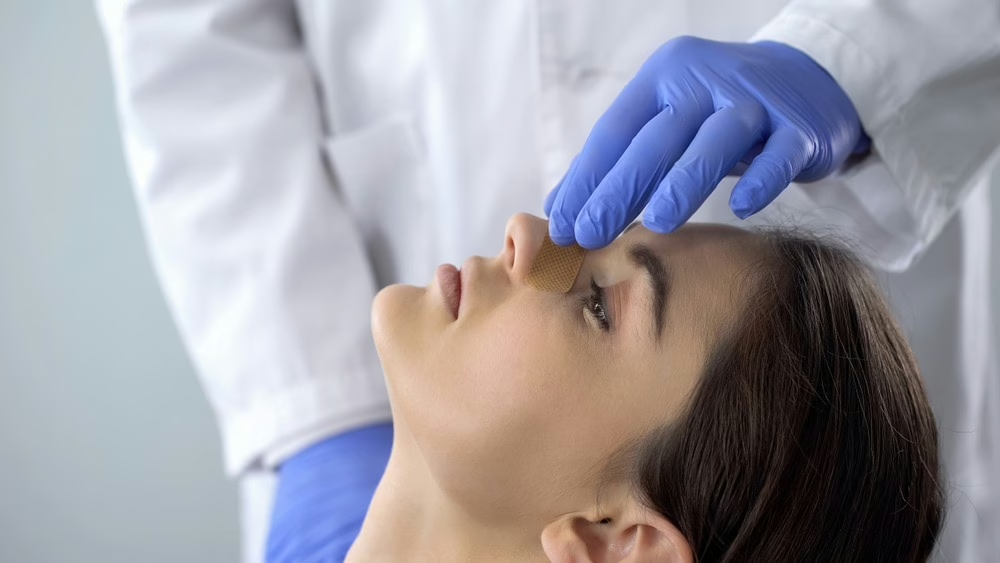
What Is the Best Nose Fracture Treatment?
Nose fractures can occur due to a car accident, sports injury, fall, or other incidents. Regardless of why a nose fracture takes place, receiving immediate diagnosis and treatment is key.
A nasal fracture is a serious problem. And the longer the problem goes unaddressed, the worse its symptoms can become.
Many nose fracture treatment options are available. Much in the same way that every nose is different, there is no surefire treatment for all nose fractures, at all times. Instead, a nose fracture treatment must be tailored to a patient. This ensures a patient can achieve a nose that works properly and complements their eyes, cheeks, and other facial features.
To determine how to treat a fractured nose, it pays to consult with Dr. Babak Azizzadeh of the CENTER for Advanced Facial Plastic Surgery. This allows a patient to undergo comprehensive testing to determine if he or she is dealing with a nose fracture or broken nose. It also enables a patient to pursue myriad nose fracture and broken nose treatment options.
Dr. Azizzadeh is a nose fracture treatment expert and a Harvard-trained and dual board-certified head and neck surgeon and facial plastic and reconstructive surgeon. He can examine a patient's nose and any nasal cracks or fractures and explore treatment options with his patient. From here, Dr. Azizzadeh and his patient can work together to correct any damage to the nose.
Thanks to his extensive knowledge of the nose and other facial features, Dr. Azizzadeh can perform a personalized nasal fracture procedure that delivers long-term results. Dr. Azizzadeh can also teach patients about nasal fractures, why they occur, and safe, effective ways to treat them.
What Is a Nasal Fracture?
A nasal fracture refers to damage to the cartilage or bone over the bridge. Or, a fracture of the nose can occur in the nose’s sidewall or septum (structure that separates the nostrils).
The nose is supported by bones and cartilage located under the skin; these structures help define the nose’s shape and size and enable people to breathe through the nostrils. If any nasal structures are fractured, they can prevent air from traveling in and out of the nostrils. Nasal structure fractures can also cause facial asymmetry, due to the fact that the size or shape of the nose can be drastically altered.
Is the Nasal Fracture the Same as a Broken Nose?
A nasal fracture and a broken nose both involve nose damage. But, there are differences between the two.
With a nasal fracture, the nose appears visibly crooked. Comparatively, a nose is considered broken if any of its bones are broken.
It is paramount to receive a proper diagnosis of any nose injuries. That way, a patient can determine if the nose is fractured or broken. He or she can then receive an appropriate nose fracture or broken nose treatment to alleviate their symptoms.
Fractured Nose Symptoms
A nasal bone fracture can cause symptoms that range from mild to severe. Common fractured nose symptoms include:
-
- Pain in and around the nose
- Misshapen nose
- Swelling on the nose’s exterior or bridge
- Nosebleeds
- Difficulty inhaling and exhaling through the nose
- Swelling or bruising around the eyes
People who believe they are dealing with nose trauma should seek immediate medical support. In doing so, they can correct nose trauma before it leads to permanent damage.
Will Fractured Nose Symptoms Disappear on Their Own?
A fractured nose is a complex problem. Even if an individual experiences a small nasal fracture, the issue can quickly escalate. If a nasal fracture goes unaddressed for days or weeks after onset, it can cause long-lasting breathing issues and other severe symptoms.
For those who believe they may be dealing with a fractured nose, meet with a doctor right away. This enables an individual to get medical help and determine the best course of action to address the issue.
What to Do If You Experience Nose Trauma
In the event that the nose is damaged, it is crucial to seek medical support to treat the issue. Before a patient meets with a doctor to evaluate and treat nasal trauma, he or she should:
-
- Apply an ice pack or cold compress to the nose to minimize bruising and swelling
- Keep the head elevated as much as possible
- Use over-the-counter pain medication as needed
By meeting with Dr. Azizzadeh, a patient can undergo a full evaluation relating to any nose trauma. At this time, Dr. Azizzadeh can diagnose a nasal fracture and determine a viable way to correct this problem.
How to Diagnose a Fractured Nose
A visual examination of a patient’s nose is the first step Dr. Azizzadeh uses to properly diagnose a nasal fracture. During the examination, Dr. Azizzadeh presses down gently on different nasal structures. He also looks inside the nasal passage to determine if there are any obstructions and to see if there are any visible fractures inside the nose.
During an examination, a nasal spray or injections may be used. Nasal spray or injections can help minimize pain as various nasal structures are evaluated.
Along with a visual examination of the nasal structures, Dr. Azizzadeh may use an X-ray and imaging tests as part of a fractured nose diagnosis. He may also order a computerized tomography (CT) scan, which allows him to assess the severity of a nasal fracture.
How to Treat a Fractured Nose
If Dr. Azizzadeh diagnoses a patient with a fractured nose, he offers a custom treatment. Since every nose fracture is different, Dr. Azizzadeh provides a treatment that accounts for the patient’s nose and other facial features, along with their overall health and wellbeing. This treatment is designed to simultaneously help a patient correct a nasal fracture, achieve a functional nose, and maintain facial symmetry.
Generally, nasal fracture treatment requires realignment of the nose. A common procedure to treat a nose fracture involves the use of medication provided to a patient via nasal spray or injection, opening of the nostrils via a nasal speculum (tool used to insert and manipulate instruments into the nostrils), and manual realignment of any fractured nasal bones or cartilage. Following the procedure, a splint is placed on the nose.
In addition to the aforementioned treatment, nasal fracture reduction may be recommended if a patient is dealing with acute nasal fractures. With nasal fracture reduction, nasal bones and cartilage are realigned to help a patient breathe comfortably through the nostrils.
If patients have experienced nasal fractures that go unaddressed for two weeks or longer, they may require reconstructive surgery. Also, if patients experience nasal septum damage and have difficulty breathing through the nose, reconstructive surgery may be recommended.
Can a Rhinoplasty Be Used to Fix a Nose Fracture?
Rhinoplasty is a popular cosmetic treatment to reshape or resize the nose. The procedure can help patients revitalize their facial appearance and achieve a nose that looks and performs great. But, a nose job is not intended to repair nose fractures.
Patients who are dealing with a nose fracture can pursue treatment options with Dr. Azizzadeh. On the other hand, individuals who are concerned about the shape or size of their nose and want to bolster facial symmetry can also meet with Dr. Azizzadeh.
Dr. Azizzadeh offers myriad nose treatments to patients. He can evaluate a patient and help this individual determine what treatment options can deliver the optimal results.
If a patient decides to undergo a nose procedure, Dr. Azizzadeh helps this individual plan accordingly. Dr. Azizzadeh ensures that his patient knows what to expect in the days and weeks following their procedure. Thus, if a patient receives treatment for a nasal fracture, he or she can take the right steps to fully recover.
What to Do After a Nose Fracture Treatment
Following treatment of a nose fracture, a patient can experience swelling. In this instance, a patient can use an ice pack or cold compress to minimize this issue. When a patient uses an ice pack or cold compress, he or she should apply only a small amount of pressure on the nose and face. This limits the risk of additional nose pain or damage.
Patients should keep the head elevated as much as possible in the first few days following a nose fracture treatment. This can help patients reduce post-treatment swelling.
Also, patients should avoid sports or other strenuous activities for at least a few weeks after treatment of a nose fracture. That way, patients can guard against further nasal damage and post-treatment complications.
How Long Does It Take to Heal After a Fractured Nose Treatment?
A fractured nose requires about six weeks to heal. To ensure the healing process goes smoothly, a patient should follow all post-treatment instructions. And if the patient has concerns or questions at any point during the recovery period, reach out to their doctor for assistance.
Dr. Azizzadeh remains accessible to patients throughout fractured nose treatment recovery. He wants his patients to feel confident in their ability to fully recover from treatment. Therefore, Dr. Azizzadeh encourages his patients to get in touch with him if they encounter any problems during this time. He also requests follow-up appointments to verify that his patients' recovery from nose fracture treatments remain on track.
What Are the Best Ways to Prevent a Nose Fracture?
Nose fractures can affect men, women, and children. Regardless, there are several things that people can do to guard against these issues.
First, people should pay attention to where they are going. Falls and walking into walls are among the leading causes of nasal fractures. But, people can avoid these problems if they focus on what's most important: going from point A to point B as safely and efficiently as possible.
It also can be helpful to wear protective gear during sports. Those who play lacrosse, football, and other sports risk getting hit in the face. Fortunately, wearing proper protective gear lowers the risk of nose fractures and other facial injuries.
Finally, go to the emergency room at the first sign of a nose fracture. This allows an individual to undergo immediate evaluation to determine if a nose fracture or broken nose treatment is required.
Explore Nose Fracture Treatment Options with Dr. Azizzadeh
A nasal fracture is uncomfortable and painful, and the symptoms associated with this issue can worsen over time. Dr. Azizzadeh is one of the world’s leading facial plastic and reconstructive surgeons, and he is happy to assist patients who are dealing with nasal fractures or other nose trauma.
The ideal treatment for a nose fracture varies. By partnering with Dr. Azizzadeh, a patient can get comprehensive support with their nasal fracture. This individual also can reap the benefits of Dr. Azizzadeh's holistic approach to patient care.
Dr. Azizzadeh offers in-person and virtual consultations to indi dealing with fractures and other nasal issues. He can conduct a thorough evaluation of a patient’s nose. Next, Dr. Azizzadeh can offer a treatment tailored to his patient.
To learn more about nasal fracture treatment options from Dr. Azizzadeh or to schedule a consultation, please contact us online or call us today at 310-564-2710.

Plastic Surgery Holidays: Why the Holiday Season Is a Great Time for a Cosmetic Procedure
For many people, the holiday season is the most wonderful time of the year. And for those who are considering plastic surgery, the holiday season can be an excellent time to undergo a cosmetic procedure.
Plastic Surgery Holidays: Reasons to Get a Cosmetic Procedure During the Holiday Season
There is a lot to like about plastic surgery during the holiday season. Key reasons why people plan plastic surgery at this time include:
1. Convenience
Many people have time off from work or school around the holidays. Thus, they have ample time to undergo a cosmetic surgery, without having to take time off from work or school.
2. Recovery
Plastic surgery recovery time varies based on the procedure and the extent of treatment. In many instances, it takes patients at least a few days to recover to the point where they can resume their normal activities. During the holiday season, people can receive cosmetic treatment and rest and recover accordingly. This ensures a patient can put himself or herself in a terrific position to realize the full results of their surgery.
3. Affordability
Some plastic surgeons offer financing for cosmetic procedures, but these treatments are rarely covered by insurance. For those who want affordable cosmetic surgery, few options may be available. Conversely, people may receive work bonuses and financial gifts during the holiday season. And these bonuses and gifts can help individuals cover some or all of the cost of a cosmetic procedure.
Of course, there can also be times when an individual wants to support a family member or friend interested in plastic surgery during the holidays. At this point, an individual can provide one or more plastic surgery gifts.
Everything You Need to Know About Plastic Surgery Gifts
The holiday season represents a time of giving. By providing plastic surgery holidays gifts, an individual can help a family member or friend take a step forward as he or she tries to revitalize their facial appearance.
There is no shortage of gifts for plastic surgery patients. Here are five holiday gift ideas plastic surgery patients may enjoy:
1. Housekeeping Coupons
Provide housekeeping coupons that ensure a plastic surgery patient receives extensive care and support after their cosmetic procedure. The patient can redeem these coupons in the days following their procedure. And the coupons ensure that this patient's cooking, cleaning, and other housekeeping tasks are handled while he or she recovers from their cosmetic treatment.
2. Jewelry
Once a plastic surgery patient receives their treatment, he or she can reap the benefits of a revitalized facial appearance. Meanwhile, earrings, a necklace, or other jewelry can help this patient feel their best after treatment. The right jewelry enables a plastic surgery patient to further revamp their facial appearance following a cosmetic procedure. It can also be meaningful and remind a plastic surgery patient that he or she has a family member or friend who cares about their health and wellbeing.
3. Pillow
Plastic surgery patients may need to keep their head elevated as much as possible after an upper eyelid surgery or other cosmetic procedures. By providing a plastic surgery patient with a plush and comfortable pillow, an individual can help a family member or friend do just that after their cosmetic treatment.
4. Telescopic Back Scratcher
Most plastic surgery patients must rest as much as possible in the days following their cosmetic procedure. They may also need to avoid strenuous body movements during this period. With a telescopic back scratcher, a plastic surgery patient can scratch their lower and upper back with ease. The back scratcher is simple to use and helps a plastic surgery patient avoid jerking motions or other extreme body movements that can potentially compromise their treatment results.
5. Books, Movies, and Music
A plastic surgery patient may spend an extended period of time away from work or school during their recovery period. By providing books, movies, and music, an individual can help a plastic surgery patient stay entertained as he or she recovers from their cosmetic treatment.
Along with considering plastic surgery gifts, offer support to family members and friends who are considering cosmetic procedures around the holidays. From here, family members and friends can evaluate myriad cosmetic treatment options and determine if the holiday season is the right time to move forward with a surgical or non-surgical facial rejuvenation treatment.
Plastic Surgery Holidays: Cosmetic Treatments to Consider
The holiday season can be the ideal time to undergo rhinoplasty surgery. In fact, there are many reasons why people choose the holiday season for nose surgery, and these reasons include:
-
- A rhinoplasty patient can minimize the risk of excess sun exposure after surgery. The sun’s ultraviolet (UV) rays can cause pigmentation issues for rhinoplasty patients post-surgery. Fortunately, the holidays usually offer ample opportunities to spend time indoors with family members and friends. This means getting a rhinoplasty during the holidays may help a rhinoplasty patient avoid excessive sun exposure, and as a result, limit the risk of post-surgery pigmentation problems.
- Warm clothing enables a rhinoplasty patient to hide post-surgery bruising and swelling. The initial recovery period following a nose job takes about one to two weeks to complete. During this time, a rhinoplasty patient may experience bruising and swelling around the nose and eyes. Scarves, ski masks and other bulky apparel enable an individual to keep warm during the holiday season, as well as hide bruising and swelling that may occur following rhinoplasty surgery.
- High school and college students can take advantage of a rhinoplasty procedure before the winter semester begins. For high school and college students who want to get a rhinoplasty but are worried about bruising and swelling post-surgery, a holiday season nose surgery offers a great option. Typically, rhinoplasty surgery bruising and swelling disappears about a week to 10 days after treatment. This means high school and college students can use a rhinoplasty to enhance their facial appearance – without having to worry about returning to school with embarrassing bruising or swelling.
- It may be easier to get time off from work during the holiday season. The holidays represent a slow period for certain businesses. As such, an individual may be better equipped to get time off from work during the holiday season so he or she can undergo and fully recover from a nose surgery.
- The holidays may enable a rhinoplasty patient to avoid using vacation or sick days or missing class. Most companies are closed on Christmas and New Year’s Day, and some businesses even provide employees with a week off during the week between Christmas and New Year’s Day. At the same time, schools generally remain closed for one or more weeks to commemorate the holiday season. So, if an individual undergoes a rhinoplasty during the holiday season, he or she may be able to avoid using vacation or sick days or missing class.
In addition to a nose job, people may consider getting a mid facelift or neck lift during the holidays. A mid facelift can revitalize the lower eyelids and cheeks, while a neck lift helps a patient rejuvenate the neck and lower face skin.
There are several non-surgical procedures that can be used to quickly enhance the facial appearance, too. For instance, Botox injections can be administered in minutes and temporarily smooth fine lines, wrinkles, and other visible signs of aging in the face. Facial fillers can be used to improve the appearance of the lips and other areas of the face. Laser skin resurfacing can even be performed to instantly address scars and other facial blemishes.
Explore Plastic Surgery Treatment Options During the Holiday Season
The holiday season is a fun, exciting time. As the aforementioned reasons show, the holidays may be the best time to undergo a surgical or non-surgical cosmetic procedure, too. And by working with an expert facial plastic and reconstructive surgeon, an individual is sure to achieve the best-possible results during a holiday season cosmetic procedure.
Dr. Babak Azizzadeh of the CENTER for Advanced Facial Plastic Surgery in Los Angeles takes a holistic approach to cosmetic procedures. As part of this approach, Dr. Azizzadeh teaches individuals about cosmetic procedures and helps them make informed treatment decisions.
Prior to performing a surgical or non-surgical cosmetic procedure, Dr. Azizzadeh requests a patient consultation. He uses the consultation to learn about a patient and find out why he or she is considering cosmetic treatments.
During a consultation, Dr. Azizzadeh analyzes a patient’s facial features, as well as their treatment goals. If a patient is a good candidate for one or more cosmetic procedures, Dr. Azizzadeh offers a personalized treatment recommendation and outlines all aspects of his cosmetic treatment plan. Dr. Azizzadeh also responds to a patient’s cosmetic treatment concerns or questions.
Schedule a Cosmetic Treatment Consultation with Dr. Azizzadeh
The holidays present many opportunities for those considering plastic surgery. Dr. Azizzadeh offers in-person and virtual consultations to people interested in surgical and non-surgical cosmetic treatments. He can help patients evaluate their cosmetic treatment options.
For those who are considering plastic surgery during the holidays, now may be a good time to meet with Dr. Azizzadeh. To schedule a treatment consultation with Dr. Azizzadeh, please contact us online or call us today at 310-564-2710.

What Is the Best Way to Treat an Aging Neck?
Sagging and wrinkled neck skin can be problematic. With the right approach to treat an aging neck, an individual can correct this issue before it causes long-lasting damage to their facial appearance.
How to Keep the Neck Young
Aging neck treatments can help people keep the neck looking young. In addition to these treatments, there are many things that people can do to limit sagging skin, excess fat deposits, and other visible signs of aging in the neck. These include:
1. Use a Collagen Supplement
Collagen is the body's most abundant protein. It supports skin health and is present in muscles, tendons, ligaments, and bones.
Research indicates collagen supplementation may improve skin elasticity. Meanwhile, collagen supplements are sold as dissolvable powders and pills. A collagen supplement can easily be incorporated into an individual's diet. And the supplement could help an individual guard against aging neck skin.
2. Exercise Regularly
Regular exercise can help people build new layers of skin that are more elastic and thicker than ever before. It also reduces the risk of obesity, minimizing a risk that an individual will experience jowls or skin issues that hamper their facial appearance.
3. Eat Nutrient-Rich Foods
Consuming fish, seeds, nuts, and other foods high in Omega-3 and -6 fatty acids can stimulate collagen production. In doing so, it can help people keep their neck skin plump and tight.
4. Exfoliate the Neck Skin
By exfoliating the neck, an individual can address clogged pores that otherwise make the skin look old and dull. A gentle exfoliator is simple to use. And it can be seamlessly integrated into an individual's skin care regimen, so he or she can keep their skin looking great long into the future.
5. Get Sufficient Rest
A good night's sleep can go a long way toward maintaining healthy and vibrant neck skin. The U.S. Centers for Disease Control and Prevention (CDC) notes adults should try to get at least seven hours of sleep per day. With an effective sleep regimen in place, an individual is well-equipped to wake up feeling refreshed and rejuvenated every day. Plus, this individual can keep the skin on their neck and face looking young.
These tips can help people improve their neck skin. If an aging neck damages an individual's facial appearance, the problem is unlikely to disappear on its own.
At this point, it pays to consult with world-renowned facial plastic and reconstructive surgeon Dr. Babak Azizzadeh of the CENTER for Advanced Facial Plastic Surgery in Los Angeles. Then, an individual can find out if he or she qualifies for various aging neck treatments.
What Types of Neck Rejuvenation Procedures Are Available?
A neck lift is used to treat loose skin, fat deposits, and other visible signs of aging present in the neck and jawline. The procedure trims excess neck skin and improves muscle laxity. As a result, a neck lift can provide a patient with improved facial contours and a youthful-looking neckline.
Neck lift surgery is intended for people dealing with excess skin or lax muscles in the neck. These people may also experience jowls and muscle banding in the neck.
On its own, neck lift surgery can help patients rejuvenate their facial appearance. But, there can be times when additional treatments are required to help a patient accomplish their facial rejuvenation treatment goals.
Facelift surgery, a brow lift, and blepharoplasty surgery are among the primary surgical procedures that can be performed in combination with a neck lift. Also, Botox, dermal fillers, and other non-surgical treatments may be required at the same time as a neck lift, so a patient can fully revitalize their appearance.
Along with a neck lift, turkey neck surgery is available to people dealing with sagging and wrinkled neck skin. Turkey neck surgery is intended for people who experience muscle weakness in the neck. For these people, the neck skin loses elasticity, and they are increasingly susceptible to sagging and wrinkled skin on the neck and jawline.
Like a neck lift, turkey neck surgery can be performed on its own or in combination with other surgical or non-surgical facial rejuvenation treatments. Exercises to strengthen muscles in the lower portion of a patient’s face may be recommended for use in lieu of or following turkey neck surgery as well.
How to Determine What Aging Neck Treatments Are Right for You
Neck tightening procedures are not interchangeable, and a patient should evaluate all of the neck rejuvenation treatments at their disposal. With an in-depth approach to neck rejuvenation, a patient can determine the best course of action to correct an aging neck.
There are several neck rejuvenation treatment questions that a patient should consider before agreeing to undergo a surgical or non-surgical procedure to treat an aging neck. These questions include:
1. Can I Correct an Aging Neck on My Own?
An aging neck may seem like a major problem, but the issue is treatable. Surgical and non-surgical procedures are viable options for many patients coping with an aging neck. However, there are times when a patient can forgo these procedures and use certain skin care products to address aging skin on the neck and jawline.
Consulting with Dr. Azizzadeh provides an excellent starting point for those who are exploring ways to correct aging neck skin. Dr. Azizzadeh can evaluate a patient’s neck and jawline and offer tips and recommendations to alleviate signs of aging in these areas. If Dr. Azizzadeh believes a patient can benefit from a neck lift, turkey neck surgery, or other surgical or non-surgical neck rejuvenation treatments, he will let him or her know. Or, if Dr. Azizzadeh believes aging skin in the neck and jawline can be addressed with alternative treatments, he will help his patient plan accordingly.
2. Are There Any Exercises That Can Be Used to Treat an Aging Neck?
A daily exercise regimen can tone muscles, improve an individual's overall health, and reduce the risk of an aging neck skin. Conversely, no research to date indicates that exercises can be used to correct an aging neck.
Dr. Azizzadeh recognizes that there is no "silver-bullet" solution to correct signs of aging in the neck. He delivers personalized assistance to patients coping with an aging neck. He conducts a thorough evaluation to learn about his patient's facial rejuvenation treatment goals. Dr. Azizzadeh then offers a custom treatment recommendation. He also verifies that his patient's treatment recovery stays on track, so he or she can achieve the best results.
3. What Are the Risks Associated with a Neck Rejuvenation Procedure?
There is no such thing as a “foolproof” neck rejuvenation procedure. There are risks associated with surgical and non-surgical neck revitalization treatments, and it is important to understand these dangers. That way, a patient knows exactly what to expect following a neck revitalization procedure.
Dr. Azizzadeh wants a patient to make an informed decision about their neck rejuvenation treatment. He educates patients about neck tightening procedures, how they are performed, and the recovery time associated with them. Dr. Azizzadeh also encourages patients to ask questions about these procedures.
4. Will a Neck Tightening Procedure Deliver Long-Lasting Results?
The results of a neck tightening procedure vary based on the treatment, the severity of a patient’s aging neck skin, and other factors. Fortunately, when patients work with Dr. Azizzadeh, they can find out when they will achieve their intended results.
Dr. Azizzadeh crafts a detailed plan for each of his neck rejuvenation patients. The plan includes information about a neck tightening procedure and how a patient can streamline their recovery process. It is also personalized to a patient and accounts for follow-up appointments in the weeks and months after a neck tightening procedure is performed.
5. How Much Does a Neck Tightening Procedure Cost?
Neck tightening procedure costs vary. Typically, a neck tightening surgery can have a greater upfront cost than a non-surgical treatment. On the other hand, a non-surgical neck tightening procedure may require regular follow-ups, which can raise the total cost of treatment over time.
Dr. Azizzadeh can help patients assess the pros and cons of surgical and non-surgical neck tightening treatments. He personalizes a treatment plan to his patient. This ensures a patient can get the most value out of any surgical or non-surgical neck tightening procedure.
Furthermore, neck tightening treatments are generally not covered by insurance. Dr. Azizzadeh can educate his patients about financing options for these procedures. This ensures a patient won't have to wait to undergo a neck tightening procedure. Instead, he or she can explore financing options to get the funds required to receive a neck tightening treatment at their convenience.
6. Where Should You Go for a Neck Tightening Treatment?
Facial plastic surgeons offer aging neck treatments in cities and towns across the United States. Regardless, it is beneficial to choose a surgeon that specializes in neck tightening treatments. This increases the likelihood that a patient can undergo a treatment that delivers their desired neck tightening results. It also minimizes the patient's risk of treatment complications.
Dr. Azizzadeh can perform simple and complex neck tightening treatments. He works diligently on behalf of his patients. Dr. Azizzadeh verifies that an aging neck treatment is safe and effective for a patient. He explains his treatment plan to his patient and ensures he or she is satisfied with it. Dr. Azizzadeh devotes extensive time, energy, and resources to perform a neck tightening procedure as well. He remains accessible after treatment and ensures a neck tightening treatment helps his patient achieve a natural-looking and beautiful facial appearance.
7. Is Now the Right Time to Undergo a Neck Tightening Procedure?
The longer an individual waits to correct an aging neck, the worse the issue can get. By consulting with a facial plastic surgeon, an individual can take the first step to improve their neck skin.
Dr. Azizzadeh encourages anyone coping with neck skin issues to seek out treatment. He can meet with a patient to evaluate their aging neck and other issues that impact their facial appearance. From here, Dr. Azizzadeh can determine the best course of action to help his patient address these problems.
Want to Learn More About Neck Tightening Procedures? Schedule a Consultation with Dr. Azizzadeh
One of the best ways to keep the neck looking young: undergo a neck rejuvenation procedure performed by Dr. Azizzadeh.
Dr. Azizzadeh is a facial plastic and reconstructive surgery and head and neck surgery expert. He understands the intricacies of aging neck treatments and offers neck tightening procedures tailored to his patients. Dr. Azizzadeh can also teach patients how to treat an aging neck before it can hamper their appearance.
The decision to undergo a neck tightening procedure is significant, and Dr. Azizzadeh can help a patient evaluate all aspects of treatment. Dr. Azizzadeh is available to discuss different neck tightening procedures and offer a custom treatment recommendation. For patients who qualify for a neck rejuvenation procedure, Dr. Azizzadeh can help them correct aging neck skin right away, too.
Dr. Azizzadeh offers in-person and virtual consultations to patients considering neck rejuvenation and other surgical and non-surgical cosmetic procedures. To find out more or to schedule a consultation with Dr. Azizzadeh, please contact us online or call us today at 310-692-9692.
What Are the Benefits of Plastic Surgery?
Plastic surgery can be performed for many reasons. To achieve the optimal results of a cosmetic procedure, it pays to learn about the benefits of plastic surgery in advance. Also, an individual should weigh the cons and pros of plastic surgery. Then, this individual can determine if the many advantages of plastic surgery align with their expectations. In this instance, the individual can move forward with a plastic surgery procedure that helps him or her enhance facial symmetry, correct facial blemishes, and more.
Why Plastic Surgery Is Good
The benefits of plastic surgery can be significant. But, it is important to note that not every cosmetic procedure is intended for every patient, every time.
To find out why plastic surgery is good for an individual, meet with a surgeon. Next, a surgeon can conduct an in-depth assessment to determine if a patient is a viable candidate for plastic surgery.
The CENTER for Advanced Facial Plastic Surgery is a leading provider of cosmetic procedures in Beverly Hills, CA. These procedures are performed by Dr. Babak Azizzadeh, a globally recognized facial plastic and reconstructive surgeon. And they can offer many benefits, including:
1. A Rejuvenated Facial Appearance
The natural aging process affects all people at different stages of their lives. There is nothing that can be done to stop the aging process; however, cosmetic procedures help people revitalize the facial appearance and minimize the appearance of wrinkles, frown lines, and other visible signs of aging in the face.
To better understand the impact of a cosmetic procedure on a patient’s facial appearance, consider Stacy Caprio, who recently dealt with acne scarring. As part of her efforts to improve her facial appearance, Caprio underwent microneedling, a non-surgical cosmetic procedure that involves the use of tiny needles.
With microneedling, tiny needles were used to accelerate the process to repair Caprio’s damaged facial skin. Microneedling helped stimulate the growth of collagen and elastin in Caprio’s facial skin, and ultimately, improved her skin texture. “I now feel much more comfortable in public and in harsh lighting,” Caprio says.
Microneedling is one of many cosmetic procedures used to enhance the facial appearance. Both surgical and non-surgical cosmetic procedures are available, and patients can learn about these procedures to determine if they qualify for one or more treatment options.
2. Improved Self-Esteem
An unbalanced facial appearance can lead to teasing and name-calling. It can also cause people to feel increasingly self-conscious about how they look. In severe cases, facial flaws may lead people to avoid social settings and feel bad about themselves.
A cosmetic procedure can help people simultaneously bolster their facial appearance and self-esteem. The results of a cosmetic procedure can be significant, and they allow patients to ensure that their cheeks, chin, and other facial features appear in perfect harmony with one another. At the same time, patients may feel better about their facial appearance after a cosmetic procedure, due to the fact that they were able to address facial flaws that may have otherwise made them feel inadequate.
There may be long-lasting effects of improved self-esteem following a cosmetic procedure as well. For instance, Jillene Luce was a behind-the-scenes pianist and studio music producer for 25 years. At age 47, Luce dreamed about what it would be like to step in front of an audience and sing. But, her boyfriend at the time told her she was “too old” to be in show business and to sing on stage.
Luce broke up with her boyfriend and underwent a mild facelift and upper and lower eyelid lift. Together, the cosmetic procedures gave Luce the fresh look and self-confidence boost she needed to sing professionally.
Following her cosmetic procedures, Luce launched a 12-year career as a lounge singer. Luce has performed in the United States, Europe, Middle East, and Asia and “had a blast” along the way, she says. Yet, none of this may have been possible without her cosmetic treatments. “I’m sure my new fresh look (through the procedures) gave me the confidence I needed to go ahead with that bold move and make it happen,” Luce points out.
3. Enhanced Mental Health
In addition to low self-esteem, people who are dissatisfied with their facial appearance may be prone to anxiety, stress, depression, and other mental health issues. By undergoing a cosmetic procedure, patients may take a step forward in their quest to address these mental health issues.
A cosmetic procedure won’t cure mental health issues, but it may help patients feel better about themselves than they did in the past. Since cosmetic procedures are available to treat cosmetic issues that impact the nose, eyes, cheeks, and other facial features, patients can undergo one or more treatments to improve their facial appearance. Meanwhile, after a cosmetic treatment is complete, a patient may experience immediate mental health benefits.
Patients who are satisfied with their facial appearance after a cosmetic procedure may be more likely to attend social gatherings with family members and friends — without fears or concerns about their facial appearance. They may also feel increasingly confident in themselves, which may lead them to make new friends, go on dates, and enjoy other social activities. Perhaps best of all, a cosmetic procedure may help patients feel comfortable in their own skin, which can go a long way toward achieving a meaningful and rewarding life.
4. Increased Physical Comfort
There may be times when a cosmetic procedure improves physical comfort. For example, if a patient experiences a broken nose, a rhinoplasty can be performed that both restores the nose function and improves the facial appearance. Or, if a patient is coping with droopy upper eyelids that make it difficult to see, an eyelid lift may be necessary to correct this issue.
For people who find it difficult to breathe through the nose or experience other forms of physical discomfort, a doctor’s consultation is paramount. At this time, a doctor can evaluate a patient and diagnose their issue. The doctor can also determine if one or more cosmetic procedures may be used to help the patient reduce or eliminate their physical discomfort.
In the event that a cosmetic procedure is recommended to help relieve a patient’s physical discomfort, Dr. Azizzadeh is available to provide assistance. Dr. Azizzadeh is Harvard-trained and dual board-certified, and he performs surgical and non-surgical cosmetic procedures tailored to his patients. With his holistic approach to cosmetic treatment, he ensures that each patient is fully supported throughout a procedure. He also works diligently to help his patients achieve their desired cosmetic treatment goals.
5. New Personal and Career Growth Opportunities
A cosmetic procedure may open the door to new personal and career opportunities — just ask Luce. She previously shied away from singing in front of an audience, but following her cosmetic procedures, was able to build a successful career as an international lounge singer.
Of course, Luce is one of many examples of patients who have benefited from cosmetic procedures to accelerate their personal or career growth. People who undergo a cosmetic procedure may quickly discover that they enjoy their facial appearance. They may then be more prone to pursue new opportunities that they may have ignored in the past. The result: these people may be better equipped than ever before to make their personal and career aspirations come true.
Is Plastic Surgery a Good Choice for You?
For those who are considering the benefits of plastic surgery, think carefully about the risks associated with cosmetic procedures as well.
Plastic surgery should only be performed by an expert surgeon. Otherwise, a patient can undergo a cosmetic procedure that endangers their health and wellbeing. The patient also risks subpar plastic surgery results.
Patients should receive an evaluation before they undergo plastic surgery, too. There may be instances in which a preexisting health condition can increase the risk of complications during a cosmetic procedure. In these instances, a surgeon may recommend non-surgical alternatives to help a patient accomplish their facial rejuvenation treatment results.
Factors to Consider Before Plastic Surgery
Along with the cons and pros of plastic surgery, there are several other factors to consider before getting a cosmetic procedure. These include:
1. Cost
The cost of plastic surgery varies based on the surgeon performing the procedure, where the treatment is administered, and other factors. A surgeon can provide details about the cost of treatment during a consultation. This enables a patient to determine if a plastic surgery corresponds to their finances.
Some plastic surgeries are covered by insurance. For example, if a patient experiences a broken nose that hampers their ability to breathe, their insurance company may cover some or all of the treatment cost.
On the other hand, most cosmetic treatments are not covered by insurance. But, financing may be available to help patients cover the upfront cost of a cosmetic procedure.
2. Recovery Time
It can take one to two years to see the full results of certain plastic surgeries. And patients need to plan ahead for all aspects of the recovery period.
A surgeon provides instructions to help a patient recover from a cosmetic procedure. The surgeon also monitors their patient's progress in the weeks and months after treatment. If a patient has concerns or questions during their recovery, he or she can reach out to their surgeon for assistance, too.
3. Treatment Expectations
Plastic surgery patients should not expect immediate results. Rather, cosmetic surgery requires patients to establish realistic expectations from the get-go. This can help a patient maintain a positive outlook throughout their plastic surgery recovery. It allows a patient to understand how a cosmetic procedure can enhance their facial appearance as well.
It helps to learn as much as possible about plastic surgery. From here, an individual can explore myriad cosmetic treatment options for women and men.
What Cosmetic Procedures Available for Women and Men?
People who are considering a cosmetic procedure can meet with Dr. Azizzadeh to discuss their treatment options. Popular cosmetic procedures for women include facial fillers, nose jobs, and facelifts. Additionally, cosmetic procedures are available for men.
Ethan Reynolds is a 30-year-old man who began cosmetic treatment at age 24. To date, he has received Botox, lip fillers, and other cosmetic treatments. Reynolds also says he “loves” cosmetic procedures.
Dr. Azizzadeh offers cosmetic procedures for both women and men. Regardless of his patient’s gender, he customizes each treatment to his patient. This ensures that a patient receives personalized care and support and can maximize the results of treatment.
Schedule a Cosmetic Treatment Consultation with Dr. Azizzadeh
Dr. Azizzadeh is available to discuss cosmetic procedures and help patients find a safe, effective way to transform their facial appearance. To learn more or to schedule an in-person or virtual consultation , please contact us online or call us today at 310-692-9692.
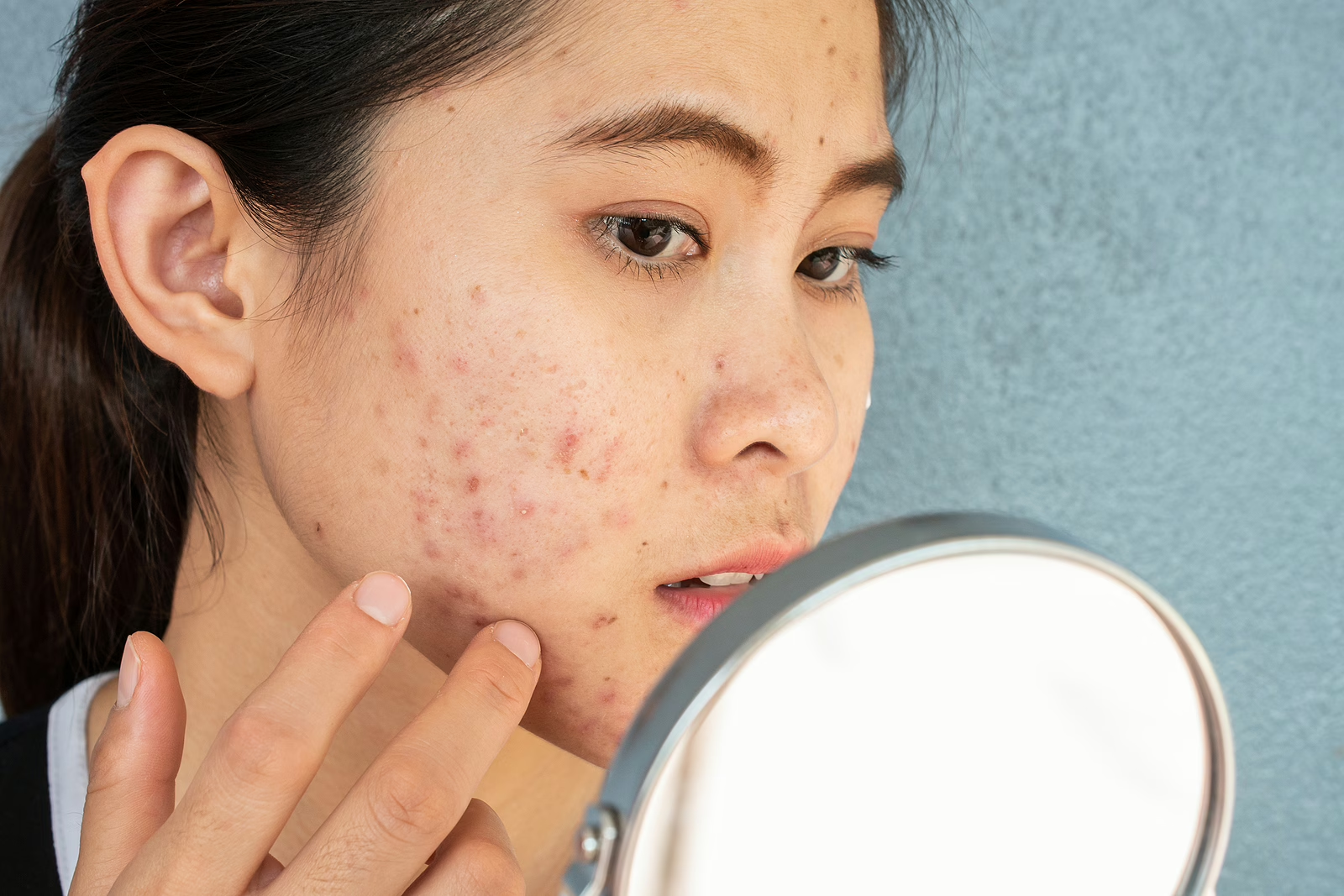
What Does Accutane Do? Here's What You Need to Know
Accutane, also referred to as Isotretinoin, is a medication used to treat moderate to severe acne. It tends to be more potent than many other acne medications. And, Isotretinoin is often used after other acne medications have failed to deliver the desired results.
For people struggling with acne and want to improve their skin health, Accutane is one of many treatment options to consider. Now, let's answer some of the key questions surrounding Isotretinoin.
What Is Accutane?
Accutane can be used to correct cystic acne, i.e. acne that has not subsided following other treatments. It is a retinoid, which is a type of chemical compound that can reduce fine lines and wrinkles and boost collagen production.
In addition, Accutane is a naturally occurring vitamin A derivative. It uses vitamin A in the bloodstream to form naturally in the body. However, the body can remove Isotretinoin from the bloodstream within nine days.
What Does Accutane Do Exactly?
Accutane shrinks the skin's oil (sebaceous) glands. In doing so, the medication limits the amount of oil that these glands can produce. This prevents the glands from producing excess oil that can otherwise lead to acne and other skin issues.
What Does Accutane Do to Your Body?
Research shows Accutane can affect the body in several ways. Regardless, the side effects of Isotretinoin are usually minimal and disappear on their own shortly after treatment.
In one study, researchers evaluated the efficacy of Accutane to treat patients coping with acne. They found that patients who received oral Isotretinoin tend to reduce or eliminate their acne within four to six months of treatment, depending on their dosage.
Furthermore, the study revealed Accutane can be safe and effective in acne patients dealing with significant systemic diseases. It also showed Isotretinoin can be used to treat myriad acne variants.
Study researchers noted there are many Accutane side effects, but they are often predictable and do not interfere with a patient's recovery. Common side effects of Isotretinoin treatment include:
- Cheilitis (inflammation of the lips)
- Conjunctivitis
- Infection
- Retinoid dermatitis (skin irritation)
Researchers reported several rare side effects of Accutane as well. These include:
- Achilles tendonitis
- Mood changes
- Night blindness
- Sticky palms
Other research has been used to examine the use of Accutane to treat acne vulgaris, a chronic skin disease that can affect the face and chest. This research showed Isotretinoin has helped millions of patients alleviate acne symptoms for more than three decades. As new Accutane studies are completed, they may further illustrate how the medication impacts the body and its overall safety and efficacy.
How Often Do You Need to Take Accutane to Cure Acne?
Accutane can be taken as a capsule. The medication may be consumed twice a day for 15 to 20 weeks as directed by a dermatologist.
Most generic forms of Accutane should be consumed with food. This can boost the absorption of Isotretinoin in the bloodstream.
Isotretinoin may be taken with a glass of water as well. In this instance, a patient should avoid lying down for at least 10 minutes after they take the medication.
The amount of Accutane required for a patient varies based on the severity of their acne, weight, and response to treatment. Isotretinoin treatment results are monitored closely. If a patient experiences severe side effects of treatment, he or she should notify their doctor immediately.
In the first few weeks after taking Isotretinoin, a patient's acne may inadvertently appear worse than before. If this occurs, there is no need to stress. Because, Accutane tends to start working within one to two months of treatment.
If a patient experiences severe acne within two months of starting an Isotretinoin program, he or she may require a second course of treatment. The patient should consult with their dermatologist to determine if Accutane should continue to be used to treat acne.
Can You Get Facial Plastic Surgery While You Are Taking Accutane?
Acne patients who are taking Accutane should wait at least one year before they undergo facial plastic surgery. This ensures patients can achieve the complete results of their Isotretinoin treatment. These patients can also minimize the risk of surgery complications.
Can You Take Accutane for Acne If You Are Pregnant?
Accutane cannot be used by women who are or may become pregnant. This is due to the fact that there is a high risk of birth defects in women who take Isotretinoin during pregnancy.
Research has linked to birth defects that affect the face, eyes, ears, and skull. It has been shown that Isotretinoin can damage the central nervous system, cardiovascular system, and thymus and parathyroid glands in newborns. Isotretinoin has also been associated with an increased risk of spontaneous abortion and premature birth.
Ultimately, women who may become pregnant should avoid Accutane, since even a small amount of Isotretinoin can increase the risk of birth defects. If a woman is taking Accutane and becomes pregnant, she should stop their acne treatment immediately. At this time, the woman should consult with an obstetrician-gynecologist for further evaluation.
What Is the iPledge Program for Accutane?
The iPledge program is designed to prevent women who may become pregnant or are pregnant from taking Isotretinoin. It is mandatory for anyone who plans to use Accutane to enroll in iPledge before they can receive treatment. Doctors who prescribe Accutane or pharmacists who dispense it must register for the program, too.
Certain requirements must be met to remain enrolled in iPledge for Accutane. These requirements can include:
- Monthly pregnancy tests
- Use of multiple forms of birth control
- Picking up an Accutane within a designated time frame
Both women and men must sign up for iPledge if they intend to use Accutane. They can learn about all iPledge requirements from their doctor before they receive Isotretinoin.
Are You a Good Candidate for Accutane for Acne?
People dealing with mild acne may benefit from a variety of medications, including:
1. Oil Control Pads
Oil control pads can remove oil from the skin. They can also reduce skin irritation and pores.
2. Acne Treatment Cream
Acne treatment cream (benzoyl peroxide) eliminates acne-causing bacteria on the skin. Many acne creams deliver results within about three weeks. People can typically achieve the full results of an acne treatment cream within eight to 12 weeks.
3. Antibiotics
Antibiotics can destroy acne-causing skin bacteria and reduce redness and inflammation. They are commonly used in combination with a retinoid and/or acne treatment cream.
For those who have used these treatments or others but are still coping with acne, consult with a dermatologist. At this time, a dermatologist can evaluate their patient's acne and offer a personalized treatment recommendation.
A dermatologist tailors an acne treatment plan to their patient. So, there may be times when a dermatologist recommends Isotretinoin. Or, the dermatologist can recommend Accutane alternatives.
What Are the Best Accutane Alternatives?
The best alternatives to Accutane treatment include:
1. Blue Light Therapy
Blue light therapy is a non-surgical treatment that uses blue light to destroy acne-causing bacteria on the skin. The therapy can treat acne and stop an outbreak. However, questions persist about the effectiveness of blue light therapy.
Research indicates blue light therapy may be beneficial when it is used in combination with a secondary acne treatment. Yet, the therapy may only deliver short-term acne relief when it is performed on its own.
2. Chemical Peel
A chemical peel can be used to exfoliate the skin. It can prevent dead skin cells and excess oil from clogging hair follicles. As a result, a chemical peel can be used to reduce acne.
3. Drainage and Extraction
A doctor can use special tools to remove whiteheads, blackheads, and cysts. This treatment can correct acne and improve the appearance of the skin. Conversely, the treatment can cause scarring.
Research has also been used to assess the use of tea tree oil, brewer's yeast, and other forms of alternative medicines to treat acne. Some of these medicines may provide immediate acne relief. But, additional research is necessary to evaluate the safety and efficacy of alternative medicines to cure acne.
Find Your Ideal Acne Treatment
Accutane for acne can be beneficial, but the treatment is not ideal for everyone. To decide if Isotretinoin is the best acne treatment, consult with Dr. Babak Azizzadeh of the CENTER for Advanced Facial Plastic Surgery in Beverly Hills.
Dr. Azizzadeh is a globally recognized facial plastic and reconstructive surgeon. He has performed many acne treatments over the years. And, Dr. Azizzadeh can evaluate a patient and determine if Accutane or another treatment option can deliver the optimal results.
Schedule an Acne Treatment Consultation with Dr. Azizzadeh
Dr. Azizzadeh has a simple goal: to help his patients achieve a balanced and natural-looking facial appearance. He can meet with a patient to discuss Accutane and other acne treatment options. Also, Dr. Azizzadeh can help a patient develop, implement, and maintain a personalized skincare regimen — and more.
If acne has been a long-term problem, Dr. Azizzadeh can provide a solution. He offers in-person acne treatment consultations in Los Angeles and virtual consultations via Zoom. That way, a patient can easily meet with Dr. Azizzadeh to explore acne treatment options. For more information or to schedule a consultation with Dr. Azizzadeh, contact us online or call us today at 310-620-3755.
Botox for Hyperhidrosis and Underarm Sweating
Hyperhidrosis refers to excessive sweating. It occurs when an individual sweats more than necessary. In this instance, a person's clothing can become extremely damp or wet due to sweat. An individual coping with hyperhidrosis can also experience social anxiety or embarrassment due to their inability to control their severe seating.
If left unaddressed, hyperhidrosis can interfere with a person’s ability to work, go to school, and perform everyday activities. It can even lead people to become self-conscious about their appearance, to the point where they avoid family members and friends and avoid social events.
Hyperhidrosis can cause major problems, but treatment options are available. In fact, Botox can provide a viable treatment to manage excessive sweating.
What Is Botox for Hyperhidrosis?
To understand the safety and efficacy of Botox for hyperhidrosis, let's first consider why people sweat.
Sweating can be embarrassing, but it is important to note that sweating is part of a natural process that affects everyone.
The body contains two sweat glands: eccrine and apocrine. There are thousands of eccrine sweat glands that regulate the body’s temperature, and they ensure the nervous system functions properly when the body’s temperature rises. As a result, an individual can start to sweat while exercising or performing other strenuous activity, and this sweat will come from the eccrine glands.
Comparatively, the apocrine glands are located in the underarm and groin areas. Like the eccrine glands, the apocrine glands are stimulated by a rise in the body’s temperature. Moreover, the apocrine glands can trigger sweat due to anxiety, stress, or hormones.
The apocrine glands also create bacteria that break down sweat but cause body odor. This is why people commonly apply deodorant under the arms and not across the entire body.
Sweat can seem unnecessary. But, it offers many health benefits, including:
-
- It helps boost endorphins. Medical Daily points out prolonged sweating releases endorphins that can help an individual feel good during physical activity.
- It detoxifies the body. Sweating allows a person to flush alcohol, salt, and other foreign substances from the body.
- It reduces the risk of kidney stones. Sweating has been shown to help an individual retain calcium in the bones and eliminate salt in the kidneys and urine, reducing the likelihood of kidney stones.
- It minimizes the risk of colds and other illnesses. Sweat boasts antimicrobial peptides that protect the body against harmful bacteria, fungi, and viruses.
- It helps eliminate zits. Sweat helps release toxins inside pores.
Clearly, there’s a lot to like about sweat. But for those who experience excess sweating, extra help may be needed to keep this problem in check.
A Saint Louis University study indicated approximately 2.8 percent of the U.S. population suffers from excessive sweating. Meanwhile, other research indicates Botox can be used to improve the quality of life in patients coping with hyperhidrosis and underarm sweating.
Botox is frequently used as a non-surgical and non-invasive cosmetic treatment to correct fine lines and wrinkles in the face. The treatment can temporarily address these issues, with results that last up to four months.
Thanks to Botox in underarm injections, hyperhidrosis patients can temporarily block nerve signals responsible for sweating. Non-surgical Botox keeps sweat glands from producing too much sweat at once. The result: Botox for sweating can be effective for patients struggling to treat hyperhidrosis.
Does Botox for Sweating Work?
Two multicenter clinical trials of more than 600 adults highlight the effectiveness of Botox for sweating. In the trials, researchers found that 91% of adults coping with hyperhidrosis reduced their sweating by 50% following Botox injections.
Botox in armpits injections can be used to alleviate excessive sweating, but there are risks associated with treatment. These risks include:
-
- Injection site pain
- Headache
- Fever
- Itching
- Anxiety
For patients coping with hyperhidrosis, Botox can be beneficial. By meeting with a Botox expert like Dr. Babak Azizzadeh of the CENTER for Advanced Facial Plastic Surgery, a hyperhidrosis patient can find out if he or she is a good candidate for this treatment.
How Does Dr. Azizzadeh Administer Botox for Sweating Treatments?
Dr. Azizzadeh requests a patient consultation before he performs Botox or any other non-surgical or surgical treatment. He uses the consultation to learn about a patient. The consultation also allows Dr. Azizzadeh to review his patient's medical history.
If Dr. Azizzadeh finds a patient can benefit from Botox for sweating, he creates a custom treatment plan for him or her. Dr. Azizzadeh determines how much Botox to use and how frequently the injections should be performed.
Dr. Azizzadeh also explains the ins and outs of a Botox treatment during a patient consultation. At this time, a patient can ask questions and receive information about what to expect during and after treatment.
Schedule a Botox in Underarm Treatment Consultation with Dr. Azizzadeh
Botox can provide a safe, reliable treatment for hyperhidrosis and underarm sweating. It is proven to perform and can help individuals limit excess sweating for an extended period of time.
Dr. Azizzadeh encourages hyperhidrosis patients to reach out to learn more about Botox injections. He offers in-person consultations in Beverly Hills or virtual consultations via Zoom. For more information or to request a consultation with Dr. Azizzadeh, contact us online or call us today at 310-683-4085.
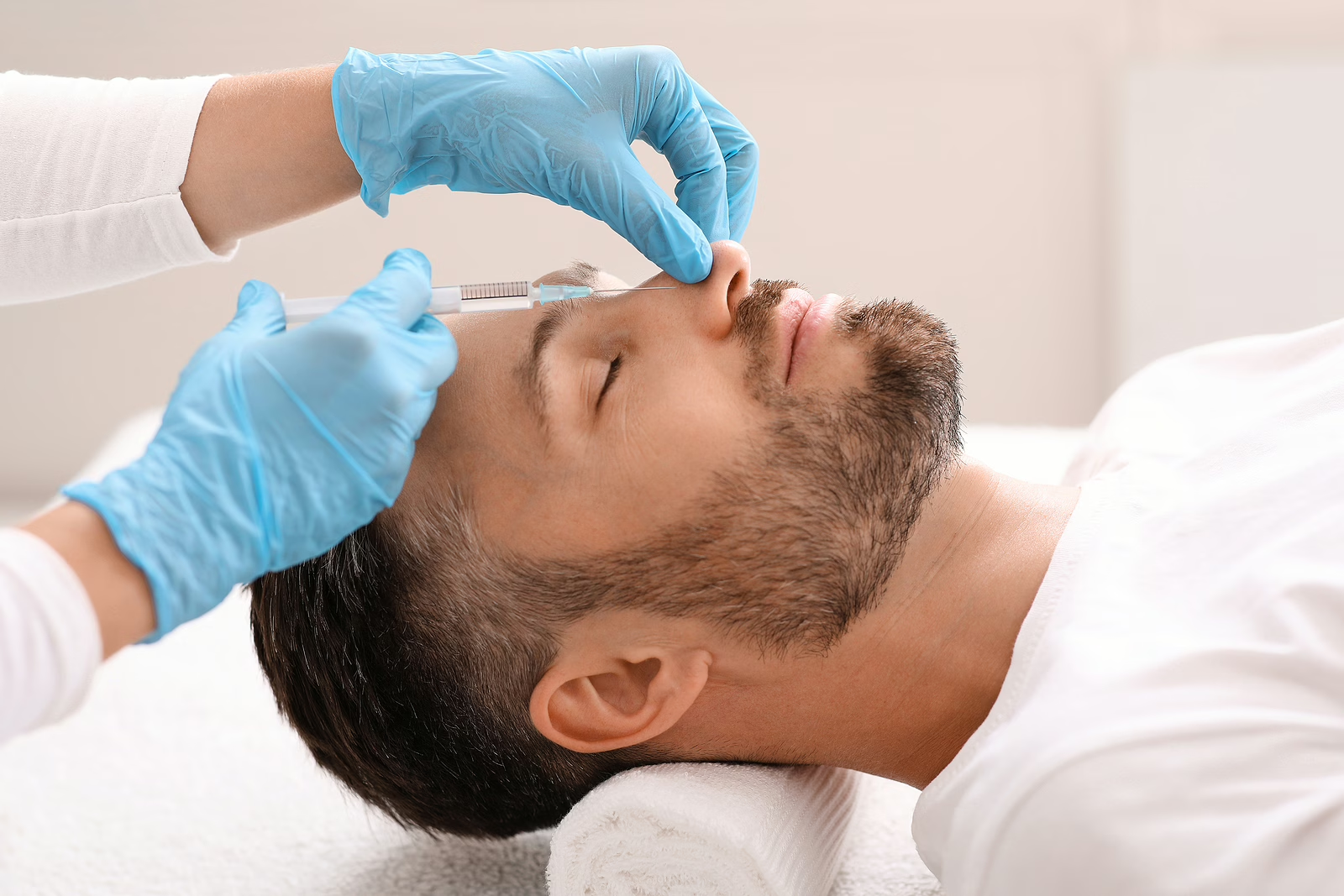
Nose Reshaping Without Surgery: Here's What You Need to Know
The nose acts as the center of the face. It should complement the eyes, cheeks, and other facial features. But, if the nose looks disproportionate to other facial features, nose reshaping can be used to treat this issue.
A patient can undergo a rhinoplasty surgery to reshape their nose without hampering its functionality. Meanwhile, for those who want to forgo a rhinoplasty, nose reshaping without surgery is also available.
Can You Reshape the Nose Without Surgery?
Dermal fillers can be used to reshape the nose without surgery. Many facial fillers contain hyaluronic acid (HA) produced by the body. Research indicates HA gel injections can provide a viable option for nose reshaping without surgery. It also shows that these injections can correct minor post-rhinoplasty defects in patients.
Voluma is one of the most common dermal filler treatments for reshaping nose cartilage without surgery. The filler contains HA and restores volume in the cheeks and midface. When used for reshaping the nose, Voluma can deliver results that last up to two years.
Like Voluma, Radiesse is an HA-based dermal filler. Radiesse can be used to treat nasolabial folds in the lower portion of the face. It can also correct wrinkles around the nose to help a patient revitalize their facial appearance.
Research indicates Botox can be used for non-surgical nose reshaping as well. Botox injections can temporarily correct small nasal deformities that otherwise damage the facial appearance. They have a low incidence of complications, too.
What Areas of the Nose Can Be Treated with a Non-Surgical Nose Job?
Non-surgical nose jobs can be used to treat any of the following issues:
-
- Bumps on the nose
- Drooping nasal tip
- Bulbous nasal tip
- Frontal asymmetry
A non-surgical rhinoplasty can treat the tip, sides, and bridge of the nose. Injectables can be applied to any area of the nose and used to modify its shape.
How Does a Non-Surgical Rhinoplasty Work?
Whereas a traditional rhinoplasty involves cutting into the skin and reshaping the cartilage, a non-surgical version of it requires injectable treatments. Before a non-surgical nose job, a topical anesthetic can be applied to a patient's nose. The anesthetic ensures the patient will feel no pain from the needle used to inject a dermal filler or Botox.
From here, the patient receives injectable treatments. The injections can be made around the nose and into the nasal bridge. During the procedure, a patient may experience a slight pinching or pressure on the nose.
The entire non-surgical rhinoplasty process takes anywhere from 15 to 45 minutes to complete. After treatment, the patient can resume their normal activities.
What Are the Benefits of Nose Reshaping Without Surgery?
Reshaping nose cartilage without surgery enables patients to improve their facial appearance in less time than what is required during a surgical procedure. In addition, non-surgical nose reshaping has fewer risks of complications than surgery. It can even be more affordable than a rhinoplasty procedure.
Is Nose Tip Reshaping Without Surgery Safe and Effective?
To understand the safety and efficacy of non-surgical nose reshaping, consider the results of a study of 52 patients treated with an HA filler. In the study, each patient received an injection of a smooth, cohesive, and viscous filler for non-surgical nose reshaping. Researchers tracked patient complications and side effects following treatment. They used a subjective scale to score patients' aesthetic treatment outcomes.
More than 96% of study participants said they were "very satisfied" with their treatment. Also, patients reported no major complications and side effects.
Another study conducted by the American Society of Plastic Surgeons (ASPS) further illustrates the safety and efficacy of nose reshaping without surgery. The study featured an analysis of 5,000 non-surgical nose jobs completed between 2015 and 2019.
Study researchers found erythema (redness of the skin) and swelling were the two most common symptoms that occurred after non-surgical rhinoplasties. These symptoms typically affected patients for up to five days after treatment and disappeared on their own.
Researchers indicated a small number of patients (0.5%) showed signs of vascular occlusion (blockage of a blood vessel) after non-surgical nose reshaping. In most of these instances, patients were able to restore blood flow.
How Long Do the Results of a Non-Surgical Rhinoplasty Last?
Non-surgical nose job results are temporary. They vary based on the injectable used and other factors.
The aforementioned ASPS study indicated most patients reported non-surgical nose job results that lasted nine to 12 months. In rare instances, patients did not require further nose reshaping without surgery injections 24 months after their initial treatment.
Are Other Non-Surgical Rhinoplasty Treatment Options Available?
Rumors persist about the use of exercises to reduce the size of the nose without surgery. There are also rumors that have cropped up regarding at-home treatments like applying toothpaste or apple cider vinegar to reshape the nose.
Ultimately, dermal fillers and Botox are proven options for people who are considering non-surgical rhinoplasty. Other options are available, but no research has been released that illustrates their safety and efficacy for non-surgical nose reshaping.
Ready to Reshape Your Nose Without Surgery? Help Is Available
The nose plays a vital role in a person's overall facial appearance. If the nose appears crooked or too big or small relative to other facial features, it can hinder the facial appearance. Over time, an individual can become self-conscious about their nose. It can even reach a point where concerns about their nose and facial appearance causes a person to avoid friends and family members.
There is no reason to let the nose cause long-lasting damage to the facial appearance. Dr. Babak Azizzadeh of the CENTER for Advanced Facial Plastic Surgery in Los Angeles can provide insights into non-surgical and surgical treatments to reshape the nose. In doing so, Dr. Azizzadeh can help a patient achieve and maintain a nose that complements their other facial features.
Dr. Azizzadeh is a globally recognized facial plastic and reconstructive surgeon. He offers in-person and virtual consultations to those who are exploring nose reshaping without surgery and other facial rejuvenation treatment options. To learn more or to schedule a consultation with Dr. Azizzadeh, please contact us online or call us today at 310-657-2203.
How to Get a Personalized Skin Care Regimen
Developing a personalized skin care regimen can seem difficult at first. However, there are many things a person can do to build and maintain a successful skin care routine.
What Is the Best Personalized Skin Care Routine?
The ideal personalized skin care routine varies based on the individual. Yet, there are several factors that people should consider when they develop their skin health routine, such as:
1. Skin Care Products
Many skin care products are available, and each has its pros and cons. It may be tempting to incorporate as myriad products into a skin care routine. But, in certain instances, doing so can inadvertently do more harm than good.
Look at the active ingredient list in skin care products. It can be beneficial to choose products with natural ingredients over other options. Don't forget to look for any warnings on skin health products as well.
2. Skin Type
There are five skin type categories:
-
- Normal: Has a consistent texture, is not too oily or too dry, and does not require special care.
-
- Sensitive: Tends to be fragile and respond to stimuli more than other skin types.
-
- Dry: Can crack more frequently than other types of skin; those coping with dry skin can be more susceptible than others to eczema.
-
- Oily: Has a porous and bright appearance; oily skin tends to be more prominent in adolescents and people under the age of 30 than others.
-
- Combination: Occurs when an individual displays characteristics of dry and oily skin.
Those who want to learn about their skin type can meet with a dermatologist. Next, the dermatologist can assess their patient's skin. He or she can next provide skin care treatment recommendations and help their patient develop and maintain a safe and effective personalized skin care routine.
3. Skin Tone
There are three skin tones:
-
- Light
- Medium
- Dark
A person's skin tone is predicated on melanin, a pigment that gives skin its color. If a person spends an extended period of time in the sun, melanin production can increase in the body. When this happens, the skin tone can become darker than ever before.
The aforementioned factors must be considered when people put together a skin care routine. Also, people must account for day and night skin care treatments. This ensures people can uncover ways to ensure their skin remains healthy around the clock.
How to Create the Best Personalized Skin Care Routine
Trial and error is common to create the optimal skin care routine. There are many things that people can do to ensure their regimen delivers their desired results now and in the future, too. Let’s look at five tips to help an individual get the most out of their personal skin care regimen.
1. Identify Your Skin Type
Evaluate the skin; that way, an individual can determine their skin type and plan accordingly. For example, if the skin is scaly or rough, an individual is likely dealing with dry skin. And in this scenario, he or she requires skin care products that contain ingredients to address dry skin.
2. Use a Gentle Cleanser
Shop around for a gentle cleanser based on skin type and follow the cleanser’s instructions to optimize its results. Additionally, rinse the cleanser with water and pat the skin dry following each use. If a person finds a gentle cleanser fails to deliver the desired results, don’t hesitate to switch to a different cleanser, either.
3. Exfoliate the Skin
Anyone – regardless of skin type – can benefit from an exfoliating cleanser, which unclogs pores and soothes irritated skin. Like a gentle cleanser, it is important to follow an exfoliating cleanser’s instructions to maximize its benefits. A person may also want to use an exfoliating polish, which eliminates dead skin cells.
4. Wear Sunscreen Regularly
In addition to using a gentle cleanser and exfoliating cleanser, sunscreen offers a great addition to a skin care regimen. Sunscreen protects the skin against excess exposure to the sun’s ultraviolet (UV) rays, which otherwise increase a person’s susceptibility to age spots, wrinkles, and other visible signs of aging. Sunscreen with a sun protection factor (SPF) of 30 or higher can safeguard the skin against excess sun exposure. It should also be applied every day – regardless of weather – and be reapplied every few hours.
5. Remove Makeup Before Bed
Makeup sometimes clogs pores and increases the risk of acne. As such, an individual should remove any makeup before bedtime. To do so, an individual can use a gentle cleanser or makeup remover in conjunction with a soft wash cloth or cotton pads.
Other Skin Care Tips to Consider
A skin care regimen is crucial for a person to maintain healthy, beautiful skin. Meanwhile, there are lots of things a person can do to further reduce their risk of skin issues, such as:
1. Avoid Tanning Beds
Tanning beds provide fast options to make the skin tan, but they can increase a person’s risk of skin cancer. Over time, extended use of tanning beds can result in skin wrinkles and age spots, among other visible signs of aging. Instead of using a tanning bed, an individual may want to consider a sunless self-tanner. This option enables a person to make the skin tan without the harmful side effects of a tanning bed. Of course, even if a person uses a sunless self-tanner, he or she should continue to protect the skin from the sun whenever possible.
2. Choose the Right Makeup Products
Review makeup product labels closely. Some makeup products are labeled as “non-acnegenic” or “non-comedogenic,” which means they are less likely than other products to cause acne or clog pores. Also, certain makeup products have expiration dates, and these products may need to be replaced more frequently than others to deliver the best-possible results.
3. Maintain a Healthy Diet
Consuming fruits, vegetables, whole grains, and other healthy foods on a regular basis can help a person keep their skin looking and feeling great. Lean proteins like chicken, fish and eggs have also been shown to promote healthy skin. Conversely, foods loaded with trans fats, cholesterol, and sugar can increase the likelihood of skin aging issues. And stay hydrated by drinking a lot of water every day!
4. Get Sufficient Sleep
A good night’s rest often helps a person feel their best, as well as minimizes the risk of dull skin, fine lines, and other visible signs of aging. It also helps lower the risk of stress that can cause a person’s skin to wear down and make this individual look older than their actual age.
5. Meet with a Facial Plastic and Reconstructive Surgeon
Dr. Babak Azizzadeh, a globally recognized facial plastic and reconstructive surgeon, is happy to meet with an individual to discuss their skin health concerns. He offers skin care products to help his patients address a wide range of skin issues. Plus, Dr. Azizzadeh crafts a personalized skin care treatment for each of his patients. As a result, Dr. Azizzadeh enables each of his patients to develop and maintain a skin health regimen that delivers long-lasting results.
Ready to Create the Best Personalized Skin Care Routine? Schedule a Treatment Consultation with Dr. Azizzadeh Today
Developing a personalized skin care regimen requires hard work and patience. And, in some instances, extra help is necessary to achieve the best-possible skin health regimen results. Fortunately, Dr. Azizzadeh can take the guesswork out of skin care. He offers skin health guidance, ensuring each of his patients can determine the best steps to maintain youthful-looking skin.
Dr. Azizzadeh is available to meet with a patient, examine their skin, and offer skin health tips and recommendations. To schedule an in-person or virtual skin care treatment consultation with Dr. Azizzadeh, please contact us online or call us today at 310-657-2203.