
Does Sun Exposure Affect Your Botox?
Those who undergo a Botox procedure want to achieve the optimal treatment results. And, they may be concerned about a potential link between Botox and sun exposure.
Ultimately, it helps to learn as much as possible about Botox before undergoing this non-surgical cosmetic treatment. If an individual knows what to expect out of the treatment, he or she can understand how to manage their sun exposure after their procedure. This individual also can take appropriate steps to limit their exposure to sun after Botox and realize the treatment's full facial rejuvenation results.
Botox and Sun Exposure: Here's What You Need to Know
Sun exposure ages the skin, but it does not interfere with Botox treatments. Prolonged exposure to the sun's ultraviolet (UV) rays causes elastin fibers in the skin to break down. When this happens, the skin sags and stretches. The skin also becomes more susceptible to bruising and tearing and requires additional time to heal. Therefore, people should avoid spending too much time in the sun to reduce the risk of wrinkles, sunspots and other visible signs of aging in the face.
What Are the Best Ways to Manage Sun Exposure After a Botox Treatment?

Botox temporarily smooths fine lines, wrinkles and furrows caused by excessive muscle movements. For Botox patients, there are many quick, easy ways to manage sun exposure following treatment. These include:
- Stay out of the sun as much as possible. Limit sun exposure to let the skin heal properly.
- Wear a high SPF sunscreen. UVA and UVB sun rays cause skin damage and sunburns. As such, use sunscreen with a sun protection factor (SPF) of at least 30.
- Use a topical antioxidant. Use a topical antioxidant to combat free radicals that cause facial wrinkles, lines and volume loss.
For those who want to get the most value out of a Botox treatment, partnering with an expert facial plastic and reconstructive surgeon is key. In fact, patients who choose Dr. Babak Azizzadeh of the CENTER for Advanced Facial Plastic Surgery in Los Angeles for Botox can reap the benefits of an unprecedented treatment experience.
How Does Dr. Azizzadeh Help Patients Manage Botox and Sun Exposure?
Dr. Azizzadeh is a globally recognized facial plastic and reconstructive surgeon who possesses extensive Botox treatment knowledge and expertise. He takes a holistic approach to Botox procedures and other facial rejuvenation treatments. By doing so, Dr. Azizzadeh educates patients about each facial rejuvenation treatment option and helps them get the best-possible results.
For example, Dr. Azizzadeh explains all aspects of a Botox procedure before administering treatment. This enables a patient to prepare for the procedure and understand its side effects.
Plus, Dr. Azizzadeh’s in-depth approach to facial rejuvenation allows patients to learn about the potential ramifications of exposure to the sun after Botox.
How Does Dr. Azizzadeh Help Botox Patients Prepare for Treatment?
Dr. Azizzadeh requests patients discontinue certain medications at least seven days prior to a Botox procedure to avoid bruising. These medications include:
-
- Aspirin
- Ibuprofen (Advil, Aleve, Motrin, etc.)
- St. John’s Wort
- Vitamin E
- Omega 3 fatty acids
- Ginger
- Ginkgo Biloba
- Ginseng
Dr. Azizzadeh’s goal with Botox procedures is to help a patient maintain their natural beauty. To accomplish this goal, Dr. Azizzadeh performs an in-depth patient evaluation prior to a Botox treatment. He then crafts a treatment plan designed to help a patient eliminate wrinkles and preserve their natural facial contours and the ability to make facial expressions.

To help a patient achieve a balanced and natural-looking facial appearance, Dr. Azizzadeh may recommend a Botox treatment be performed in combination with other facial rejuvenation procedures. Common facial rejuvenation procedures administered in conjunction with Botox include:
-
- Facial Fillers: Smooth out wrinkles and replace lost collagen in the face. Popular dermal fillers used to revitalize the facial appearance include Juvederm, Restylane, and Voluma.
- Laser Skin Resurfacing: Requires DOT Deka laser skin treatments to resurface the skin on the face and neck and improve the skin’s tone, texture and pigmentation.
- Skincare Products: Help correct medical skin conditions, minimize UV damage, and prevent the recurrence of persistent skin problems. Various skincare products are available and can be used to help patients with all types of skin.
Each of the aforementioned facial rejuvenation treatments serves a different purpose. When used in combination with Botox, these treatments can help a patient optimize their facial rejuvenation results.
Are There Botox Treatment Side Effects?
Botox patients can experience side effects that last for up to one week after treatment. These side effects can include:
-
- Stinging: Patients sometimes experience a stinging sensation at the injection site. This sensation generally lasts for only 10 to 15 minutes following treatment.
- Swelling or Tenderness: Patients may notice swelling or tenderness at the injection site. These side effects often resolve on their own within a few days of treatment.
- Redness: Patients’ skin may become red after treatment. But, makeup can be applied immediately after treatment.
Following a Botox procedure, Dr. Azizzadeh recommends frequent application of sunscreen. Patients should use sunscreen that provides broadband protection (UVA and UVB) and has a SPF of 30 or more. They should apply sunscreen 20 minutes before they go outside, once again just before they go outside and every two hours afterwards. If a patient faces direct sun exposure, he or she should wear a hat and clothing to cover the treated area. Also, Dr. Azizzadeh recommends patients avoid excess sun and heat until any initial swelling and redness has disappeared.
Botox and Sun FAQs
Dr. Azizzadeh strives to educate patients about all aspects of Botox. He wants to help each patient make an informed decision about the treatment and ensure that he or she understands what to expect following their procedure. To teach patients about this treatment, Dr. Azizzadeh provides answers to some of the most common treatment questions about the link between Botox and the sun.
Does the sun affect Botox?
Sun exposure won’t interfere with a Botox treatment. However, excess sun exposure increases a person’s risk of skin sagging and stretching. Thus, individuals – regardless of whether they undergo a Botox treatment – should avoid extended sun exposure.
Can you go in the sun after Botox?
Sunbathing after Botox is generally not recommended. Botox patients should also apply sunscreen any time they need to go outdoors following treatment.
What will happen if I'm out in the sun for an extended period of time after Botox?
Prolonged sun exposure can increase the risk of skin cancer and other long-lasting skin problems, regardless of whether an individual undergoes Botox. These issues can cause severe facial lines or other visible signs of aging. They won't necessarily be corrected by future Botox treatments, either.
What should you not do after Botox?
Some of the things to avoid immediately after Botox injections include:
-
- Exercise/Workout: Strenuous activity should be avoided for at least 24 hours following treatment.
- Excess Heat Exposure: Heat lamp procedures and sunbathing after the procedure should be avoided until post-treatment redness and swelling have disappeared.
- Lying Down on the Face: For those who want to take a short nap immediately after a Botox procedure, it is crucial to avoid lying down on the face. Otherwise, doing so could interfere with the overall results of treatment.
- Massage: Massages and other spa services may cause Botox to shift and increase post-treatment swelling, and they should be avoided for about 24 hours following treatment.
- Medications: Blood thinners and other medications sometimes interfere with Botox treatment results. Prior to a Botox procedure, a patient should notify Dr. Azizzadeh about any medications that he or she currently takes. Then, Dr. Azizzadeh can let a patient know when he or she can start to use these medications again following treatment.
Dr. Azizzadeh provides patients with detailed instructions about what to expect following treatment. He also responds to patients’ concerns or questions, ensuring they know what they should and should not do after their procedure.
Can I go swimming after treatment?
Swimming and other strenuous activities may interfere with the results of treatment. Patients should usually wait at least a few hours before they go swimming after their procedure.
Can you put on makeup after treatment?
It is typically not recommended to wear makeup during a procedure, but patients can wear makeup after treatment. Usually, patients can start wearing makeup approximately four hours following Botox injections. At this point, makeup will not interfere with a patient’s treatment results.
Can I take a shower after treatment?
Hot showers should be avoided for at least 24 hours following a Botox procedure. A hot shower may seem like a good idea after the procedure, but it may actually do more harm than good relative to treatment results. Heat from a shower may reduce blood flow to the face, causing Botox to shift. In this instance, a patient may struggle to optimize their treatment results.
Botox patients who want to keep the skin clean after treatment should use only cool or lukewarm water when showering. Also, they should apply light pressure when cleaning the skin to minimize the risk of post-treatment swelling.
Remember, it is crucial to give the skin time to rest after a Botox procedure to ensure a patient can achieve the best-possible treatment results. By waiting at least one day before taking a hot shower and resuming a typical skincare regimen, a patient can put himself or herself in position to accomplish their treatment goals.
How long after Botox can I get a microdermabrasion treatment?
Since Dr. Azizzadeh tailors each facial rejuvenation procedure to his patient, he offers microdermabrasion recommendations on a case by case basis. Dr. Azizzadeh often recommends waiting at least 24 hours to undergo microdermabrasion or any other facial rejuvenation procedure after Botox. In some instances, Dr. Azizzadeh may recommend a patient wait a few weeks for microdermabrasion or any other facial rejuvenation procedure following Botox as well.
If a patient wants to undergo a microdermabrasion procedure shortly after Botox, Dr. Azizzadeh meets with this individual and maps out a facial rejuvenation treatment plan. He also adjusts this plan as needed to help a patient rejuvenate their facial appearance as quickly as possible.
What happens if you drink alcohol after Botox?
Alcohol thins the blood and causes blood vessels in the face to dilate. If a Botox patient consumes alcohol following treatment, it may disrupt the procedure’s results.
Dr. Azizzadeh usually recommends a patient avoid alcohol consumption for approximately 24 hours after their procedure. That way, a patient can ensure alcohol won’t interfere with their treatment results.
Is a Botox treatment a good option if I'm dealing with sun-damaged skin?
Sun-damaged skin can be problematic. But, the issue may be reversed with Botox or other facial rejuvenation treatment options.
Dr. Azizzadeh requests a patient consultation to determine how to treat skin damaged by prolonged sun exposure. He uses the consultation to assess the severity of the skin damage and learn about his patient's treatment goals. Next, Dr. Azizzadeh can find out if Botox or another treatment option can be used to address the issue.
Set Up a Botox Treatment Consultation with Dr. Azizzadeh Today
Dr. Azizzadeh is a dual board-certified facial plastic and reconstructive surgeon who has exceptional insight into facial aesthetics and the anatomy of the facial muscles. He uses a specific amount of Botox to help each patient achieve naturally beautiful results. To find out more about Botox, please contact us today at 310-657-2203 to schedule a consultation with Dr. Azizzadeh.ase contact us today at 310-657-2203 to schedule a consultation with Dr. Azizzadeh.

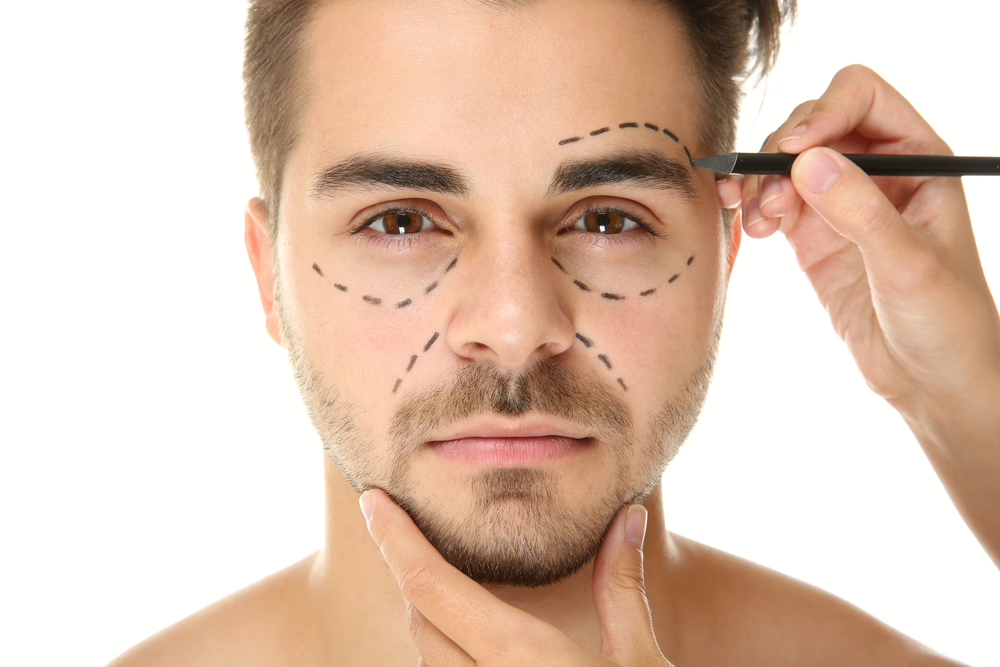
Common Plastic Surgery Procedures for Men
Plastic surgery for men is available, and it helps men revitalize their facial appearance without disrupting their masculine facial features. Some of the most common plastic surgery procedures for men include:
1. Neck Lift
A neck lift helps men reduce or eliminate loose neck skin, excess fat in the lower portion of the face, and other visible signs of aging in the neck and jawline. It often helps men enhance the jawline, as well as remove fat and skin from beneath the chin that otherwise leads to a “heavy” facial appearance.
Typically, a neck lift is recommended for a man who is dealing with excess skin and muscle laxity in the neck. In these instances, a neck lift helps a man address jowls and other neck and jawline issues that negatively impact the facial appearance. A neck lift surgery also helps correct muscle banding in the neck that sometimes makes a man appear older than his actual age.
2. Rhinoplasty
Male rhinoplasty surgery, also referred to as a male nose job, can be performed for several reasons. In some instances, a rhinoplasty helps a man correct functional issues that impact his ability to breathe through the nose. Or, men can undergo rhinoplasty surgery to reshape the nose, resulting in a rejuvenated facial appearance.
With male rhinoplasty surgery, a man can achieve a nose that appears masculine, i.e. a nose that features a straight bridge and nasal tip that projects at a 90° angle from the nose to the upper lip. Meanwhile, each male rhinoplasty procedure is customized to the patient, enabling him to achieve a nose that naturally complements his facial features.
3. Chin Augmentation
A male chin augmentation procedure is commonly used to address a weak chin. The procedure involves the placement of a small implant in the chin bone or repositioning of the chin bone. In either scenario, a chin augmentation procedure helps produce a strong, sculpted jawline.
Chin augmentation requires a man to account for the appearance of the chin and nose. Since the chin and nose are key facial features, a man must consider whether chin augmentation surgery can help him achieve a chin that appears in proportion to the nose. If a chin augmentation ultimately proves to be the best choice, it can help a man improve the appearance of the chin and bolster his overall facial appearance.
4. Blepharoplasty
Male blepharoplasty surgery is used to remove lower eyelid bags and excess skin from the upper eyelids. In doing so, a blepharoplasty helps men improve their cosmetic appearance. Sometimes, blepharoplasty surgery also helps men remove sagging upper eyelids that hamper their vision.
Multiple types of male blepharoplasty procedures are available, including upper and lower eyelid varieties. Once a patient undergoes a male blepharoplasty treatment consultation, he can find out if he qualifies for one or more eyelid lift procedures. Then, the patient can receive a custom male eyelid lift treatment plan so he can safely and effectively undergo a blepharoplasty surgery.
What Is the Most Common Plastic Surgery for Men?
Many types of plastic surgery for men are offered across the United States, and cosmetic treatment trends vary year to year. Rhinoplasty ranked first among cosmetic surgical procedures for men in 2020, according to the American Society of Plastic Surgeons (ASPS). In addition, ASPS noted facelift and blepharoplasty were among the popular plastic surgery for men procedures administered in 2020.
What Types of Plastic Surgery for Men Are Safe and Effective?
Common plastic surgery for men procedures are performed only if they are deemed safe and effective, regardless of treatment. To find out if a patient is eligible for plastic surgery, he must receive a medical evaluation in advance.
During an evaluation, a patient's medical history is reviewed. The patient also receives a physical examination. If the patient is in good overall health, he likely will qualify for one or more common plastic surgery for men procedures. Or, if a patient does not qualify for any of these procedures, non-surgical alternatives can be explored.
What Non-Surgical Facial Rejuvenation Treatment Options Are Available for Men?
Men can undergo any of the following non-surgical cosmetic treatments to revitalize their facial appearance:
1. Botox
With Botox injections, men can treat crow's feet, frown lines, and other visible signs of aging in the face. The injections can be made into different areas of the face. And, the results of these injections can remain intact for up to four months.
2. Dermal Fillers
Dermal fillers, also referred to as facial fillers, can be used to address facial wrinkles and scars. Several facial fillers are available to enhance the appearance of the chin, cheeks, and other facial areas. Dermal filler treatments can deliver results that last up to one year.
3. Laser Skin Resurfacing
A laser skin resurfacing treatment involves the use of a DOT Deka to correct sun-damaged skin, scars, and other facial flaws. The procedure can improve facial skin tone, texture, and pigmentation.
There may be instances when men qualify for surgical and non-surgical cosmetic procedures. In these instances, men can undergo both types of procedures to accomplish their facial rejuvenation treatment goals.
Is Now a Good Time to Consider a Surgical or Non-Surgical Cosmetic Procedure for Men?
Men young and old can undergo a surgical or non-surgical cosmetic procedure to improve their facial appearance. As such, men who are dealing with facial blemishes that cause an asymmetrical facial appearance or other issues can pursue cosmetic treatment options. This allows men to find out if they are eligible for surgical or non-surgical cosmetic procedures. Plus, it enables men to take the first step toward achieving a balanced, natural-looking facial appearance.
Is Plastic Surgery for Men Right for You?
Male plastic surgery sometimes seems like a fast, easy way to correct facial defects. However, plastic surgery is not intended for all men, at all times. To determine if facial plastic surgery is a good idea, it is important for men to weigh the pros and cons of treatment.
There are various factors that men need to consider as they evaluate facial plastic surgery procedures. These factors include:
- Health: In certain instances, men do not qualify for facial plastic surgery due to the fact that the potential health risks of treatment outweigh the potential benefits.
- Cost: The patient is responsible for the cost of the male plastic surgery procedure, anesthesia fees and other associated expenses.
- Recovery: Male plastic surgery recovery varies depending on the procedure, and in some cases, can require a year or longer.
At the CENTER for Advanced Facial Plastic Surgery, Dr. Babak Azizzadeh offers comprehensive plastic surgery insights to men who are considering different facial rejuvenation treatment options. Dr. Azizzadeh performs an in-depth analysis to determine if a man is a good candidate for facial plastic surgery. Next, Dr. Azizzadeh tailors a male plastic surgery treatment plan to his patient and works with this individual to help him achieve the best-possible results.
Why Should You Choose Dr. Azizzadeh for Plastic Surgery for Men?
Dr. Azizzadeh is globally recognized for his expertise in facial plastic and reconstructive surgery and head and neck surgery, and he devotes extensive time and resources to help men improve their facial appearance. First, Dr. Azizzadeh meets with a man, learns about his expectations for facial plastic surgery and conducts an evaluation. If Dr. Azizzadeh believes one or more facial plastic surgery procedures for men can help a patient enhance his facial appearance, he crafts a treatment plan accordingly. Comparatively, if Dr. Azizzadeh believes a man should not undergo a facial plastic surgery due to possible health or safety risks, he offers alternative treatment options.
To date, Dr. Azizzadeh has performed many successful male plastic surgeries. Dr. Azizzadeh continues to explore ways to help a male plastic surgery patient achieve a balanced, harmonious facial appearance. With his approach to male plastic surgery, Dr. Azizzadeh helps patients revitalize their facial appearance and enjoy the full benefits of a facial rejuvenation procedure.
Schedule a Plastic Surgery for Men Treatment Consultation with Dr. Azizzadeh
For men who are considering plastic surgery for men or non-surgical alternatives, Dr. Azizzadeh is available to discuss a wide range of treatment options. To learn more or to schedule a consultation with Dr. Azizzadeh, please contact us online or call us today at 310-657-2203.
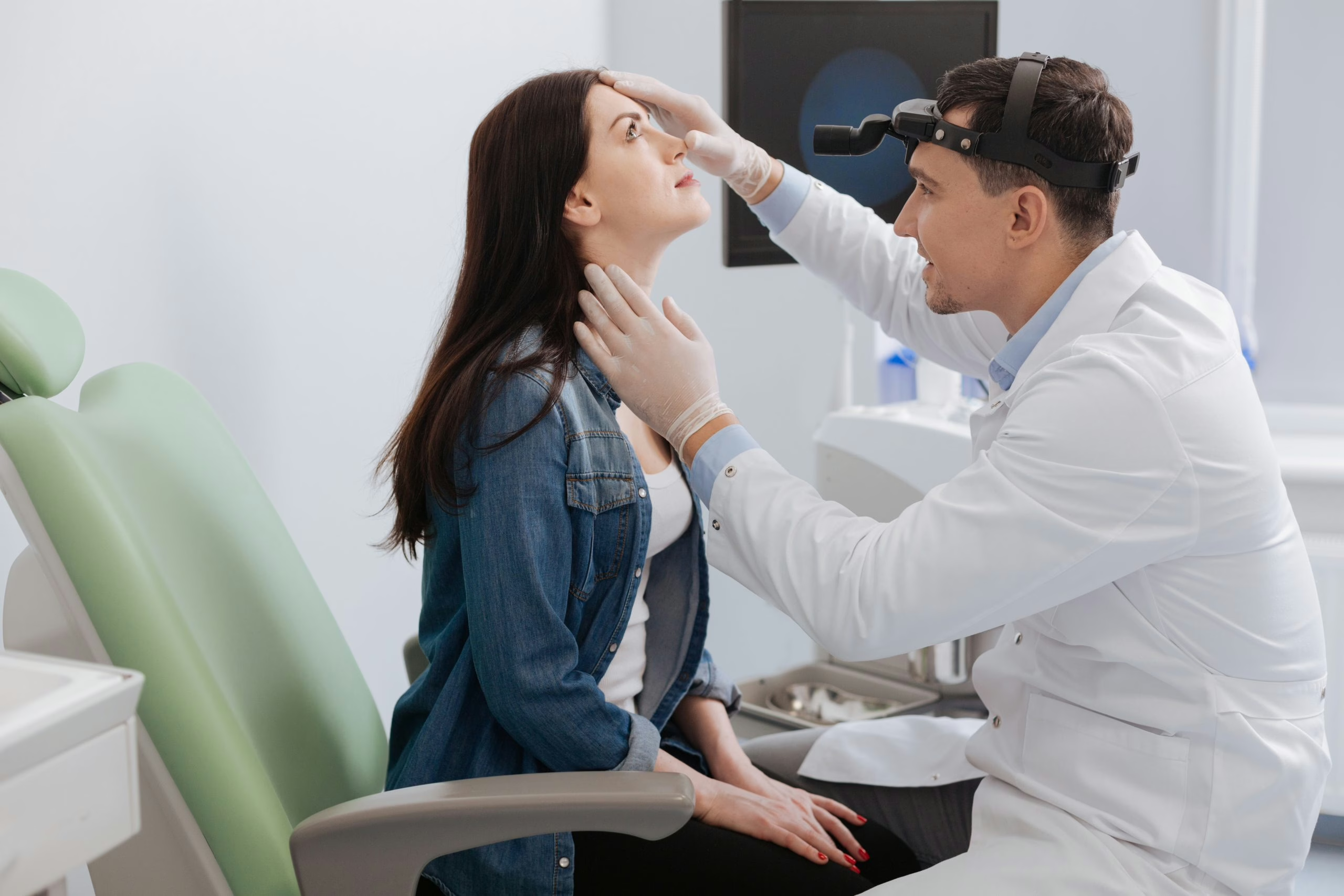
What Is a Nasal Airway Obstruction? Here's What You Need to Know
A nasal airway obstruction (NAO) is a medical condition in which a nasal passage is blocked. In this instance, a nasal obstruction can be exceedingly difficult to breathe through the nose. An NAO can also make it tough to speak, eat, and sleep.
At the CENTER for Advanced Facial Plastic Surgery in Los Angeles, Dr. Babak Azizzadeh can treat an NAO and other issues that hamper the nasal function. Dr. Azizzadeh is globally recognized for his facial plastic and reconstructive surgery and head and neck surgery expertise.
To date, Dr. Azizzadeh has performed many NAO procedures. He understands the symptoms associated with an NAO and can help patients determine the root cause of the issue. Additionally, Dr. Azizzadeh can identify a safe, effective way to treat an NAO.
Nasal Airway Obstruction Symptoms
Common nasal airway obstruction symptoms include:
-
- Stuffy nose
- Nasal congestion
- Difficulty breathing through the nose
- Trouble sleeping and/or getting sufficient air through the nose during exercise or other physical activities
People who experience one or more of the aforementioned NAO symptoms should seek medical support. Remember, the symptoms of an NAO may seem minor at first, but they can escalate over time. NAO symptoms won't disappear on their own, either. On the other hand, Dr. Azizzadeh is happy to meet with a patient and evaluate their NAO symptoms. He can also learn about a patient, find out how long these symptoms have been occurring, and determine how an NAO happened.
Nasal Airway Obstruction Risk Factors
Risk factors commonly associated with NAOs include:
-
- History of atopy (genetic tendency to develop asthma, eczema, or other allergic diseases)
- Recurrent sinus infection (sinusitis)
- Nose trauma
- Nose surgery
- Prolonged exposure to poor air quality
NAOs also have been linked to obstructive sleep apnea.
Will Nasal Airway Obstruction Symptoms Cause Obstructive Sleep Apnea?
Obstructive sleep apnea occurs when a person's throat muscles relax during sleep, to the point where they block the airway. In this instance, an individual can be susceptible to any of the following symptoms:
-
- Loud snoring
- Waking up with a dry mouth and/or sore threat
- Depression
- Irritability
- High blood pressure
Research indicates nasal surgery can improve sleep quality in patients dealing with mild obstructive sleep apnea and septal deviation. However, surgery won't necessarily cure obstructive sleep apnea and septal deviation. And, additional research is required to determine the extent of the relationship between a nasal airway obstruction and obstructive sleep apnea.
What to Do at the First Sign of Nasal Airway Obstruction Symptoms
Meeting with an ear, nose, and throat (ENT) doctor is key if any nasal airway obstruction symptoms crop up. Then, the doctor can perform appropriate testing to determine why these symptoms are occurring. If the doctor determines there is a nasal airway obstruction, he or she can craft a safe, effective treatment plan for their patient.
Dr. Azizzadeh possesses extensive experience in the diagnosis and treatment of NAOs and other ear, nose, and throat issues. He can evaluate a patient who is dealing with NAO symptoms and determine the best course of action to treat them.
What Causes a Nasal Airway Obstruction?
Nasal structure blockages can cause an obstruction of the nasal airway. These blockages can affect three areas of the nose:
Septum
The septum refers to the cartilage between the nostrils. If the septum becomes displaced on one side, one nasal passage can become smaller than the other; this condition is referred to as a deviated septum. If a deviated septum is severe, one side of the nose can be blocked. Also, people dealing with a deviated septum and swelling of the nasal tissue may experience an NAO.
Turbinates
Turbinates are nose structures that cleanse and humidify air as it moves from the nostrils into the lungs. They can become inflamed due to allergies, infection, or irritation. In any of these instances, people may experience an NAO, along with excess mucous that results in congestion.
Lateral Wall
The lateral wall of the nose helps humidify and filter air. If the lateral wall's upper or lower cartilage becomes too weak, the wall may collapse inward when people inhale.
In addition to structural blockages in these areas of the nose, people may experience an NAO due to hormonal changes, allergies, a broken or fractured nose, and environmental irritants. There may be times when multiple factors contribute to a patient's NAO, too.
Regardless of why an NAO occurs, it is crucial to pursue medical treatment. Thanks to Dr. Azizzadeh, a patient coping with NAO symptoms can immediately diagnose and treat these issues.
How Is a Nasal Airway Obstruction Diagnosed?
Initially, Dr. Azizzadeh examines a patient and learns about their NAO symptoms. He looks inside a patient's nose and may try to spread the nostrils. Dr. Azizzadeh may also assess his patient's nasal tissue before and after applying a decongestant spray.
Dr. Azizzadeh may conduct additional testing depending on the severity of his patient's NAO symptoms. For example, if a patient is dealing with a nasal fracture, Dr. Azizzadeh may perform an X-ray, CT scan, or other imaging tests that provide insights into the severity of the problem.
If Dr. Azizzadeh confirms a patient is dealing with an NAO, he offers a custom treatment. Dr. Azizzadeh explains the treatment to his patient, and he explains the benefits and risks associated with it.
At-Home Treatments for Nasal Airway Obstruction Symptoms: What Options Are Available, and Are They Effective?
Nighttime breathing strips and nasal sprays and dilators may be used to address nasal congestion. These at-home treatments may provide short-term relief for an NAO. But, they are unlikely to provide permanent results.
In the event that someone may be dealing with an NAO, it pays to consult with an ENT doctor. From here, the doctor can perform assessments of their patient's ears, nose, and throat and evaluate the severity of their symptoms. The doctor next can provide their patient with a treatment designed to deliver long-lasting results. Also, the doctor can monitor their patient's progress throughout the course of their treatment and help him or her permanently alleviate their NAO symptoms.
What Are the Best Nasal Airway Obstruction Treatment Options?
Septoplasty is a commonly used nasal airway obstruction surgery to treat an NAO. During this surgical procedure, Dr. Azizzadeh straightens and repositions the septum. At the same time, Dr. Azizzadeh may replace nasal cartilage or bone. He may also cut or remove portions of the septum and reinsert them into the proper position.
For patients who are considering NAO treatment options, it is important to note that a septoplasty differs from a rhinoplasty procedure. Whereas a septoplasty is used to correct an NAO, a nose job is a cosmetic procedure used to enhance facial symmetry and correct birth defects. The procedure helps patients achieve a harmonious facial appearance and ensure that the nose both functions properly and is aesthetically appealing.
Dr. Azizzadeh closely evaluates his patients, so he can accurately diagnose them. He takes an in-depth approach to NAOs, and he ensures that a patient can undergo the proper treatment to correct their nasal obstruction. Dr. Azizzadeh also helps his patients maximize the results of an NAO treatment.
How Long Does It Take to Recover from Nasal Airway Obstruction Surgery?
It may take a patient a few weeks to recover from nasal airway obstruction surgery to correct an NAO. In the weeks following surgery, Dr. Azizzadeh recommends a patient avoid strenuous activity. Furthermore, Dr. Azizzadeh asks a patient to keep the head elevated when sleeping, avoid blowing the nose, and take other precautions to minimize the risk of complications.
The full results of nasal airway obstruction surgery usually become transparent within about three to six months. If patients experience any pain, discomfort, or other unwanted side effects during the recovery period or fail to achieve the full results of treatment, let Dr. Azizzadeh know. At this time, Dr. Azizzadeh can evaluate the patient and determine the best course of action.
Dr. Azizzadeh requests follow-up appointments in the weeks following an NAO surgery as well. These appointments allow Dr. Azizzadeh to track his patient's progress after surgery. They also give the patient an opportunity to share their recovery concerns or questions.
Explore Nasal Airway Obstruction Treatment Options with Dr. Azizzadeh
An NAO can be problematic, but Dr. Azizzadeh is available to help patients treat this issue before it gets out of hand. To learn more or to schedule a consultation with Dr. Azizzadeh, please contact us online or call us today at 310-657-2203.
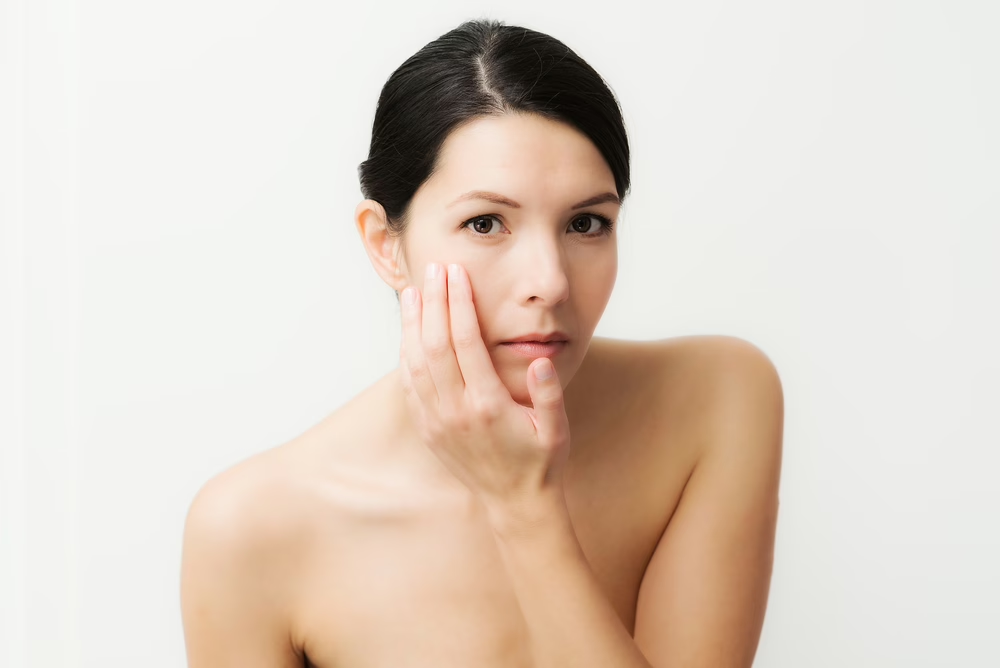
Dark Circles Under Eyes Causes and Treatment
For those who want to look their best, dark circles under the eyes can be a constant annoyance, since they can cause an individual to look old and tired. While under-eye circles are common, that does not change the fact that they detract from an individual’s facial appearance.
Even though many people have dark circles under the eyes, most are not familiar with the potential causes and best treatment methods for this aesthetic ailment. Dr. Babak Azizzadeh, an internationally renowned facial plastic and reconstructive surgeon, is an expert when it comes to treating dark under-eye circles. At his Beverly Hills office, Dr. Azizzadeh performs both non-surgical and surgical treatments for dark circles that otherwise hamper the appearance of the eyes. He has a comprehensive understanding of what causes these circles to appear. To educate those who are dealing with under-eye circles, Dr. Azizzadeh explores these issues and how to treat them below.
Are Dark Under-Eye Circles Common?
Some people may be more susceptible to dark circles under the eyes than others. Those who may be impacted by these circles include:
-
- Elderly men and women
- People who have a genetic predisposition to dark under-eye circles (referred to as "periorbital hyperpigmentation")
- People with a dark skin tone
Regardless of why circles form beneath the eyes, it is important to address them in their early stages. That way, people can limit the risk that under-eye circles cause long-lasting damage to their facial appearance.
Dark Circles Under Eyes Causes
It is difficult to pinpoint one cause for dark circles appearing under the eyes. There are a few factors that can contribute to the formation of circles under the eyes, including:
1. The Natural Aging Process
First and foremost, getting older can lead to the appearance of dark circles under the eyes. As an individual gets older, the production of crucial fats and collagen slows down to a crawl. This results in much lower fat and collagen levels in the area beneath the eyes, which means the skin loses its natural elasticity and volume.
Combine this lack of elasticity with the fact that skin also gets thinner with age, and as a result, the area under the eyes can get much more transparent. Circles under the eyes are actually dark blood vessels under the eyes seen through the skin. As an individual gets older, it is easier to see these blood vessels through increasingly translucent skin.
2. A Constant Strain on the Eyes
How well an individual treats their eyes can impact whether or not they develop dark circles. Individuals who are constantly straining their eyes to watch TV, stare at a computer screen, or read in dismal lighting have put themselves at a higher risk to develop circles beneath their eyes. Constant eye strain results in the blood vessels around the eyes having to work harder, which then causes the blood vessels to enlarge over time. As stated above, the dark circles are caused by the dark blood vessels present under the eyes. So, it makes sense that this constant straining can lead to the appearance of unwanted under-eye circles.
3. Too Much Time in the Sun
While spending time in the sun is normal and healthy, overexposure to the sun's ultraviolet (UV) rays can be hazardous for a variety of reasons. Skin cancer and other ailments are clearly the primary concern. But, spending too much time in the sun can also cause the formation of dark circles under the eyes. In fact, sun overexposure can cause the body to produce much more melanin than what is needed.
Melanin is the pigment that gives the skin color, and while this can be useful for those looking to get a nice tan for the summer, it can be troublesome to the area under the eyes. Too much sun can cause the skin around the eyes to darken and lead to dark circles appearing. That is why it is important to wear sunglasses and always apply sunscreen when out in the sun for an extended amount of time.
4. Fatigue and Sleep Deprivation
Getting the proper amount of sleep each and every night is a crucial component of maintaining good health, and this includes the health of the skin. Sleep deprivation and the resulting sense of general fatigue can lead to the appearance of dark circles under the eyes, as it causes the skin to lose some of its natural color. This can make the dark blood vessels under the eyes even more visible than usual.
5. Not Drinking Enough Water
Drink more water! Water is the lifeblood of the human race’s existence, and not drinking enough of this magical elixir can cause a host of health and wellness issues. One such issue is dark circles under the eyes. When the body is dehydrated, the skin underneath the eye tends to lose its natural vibrancy and color. This can cause the skin to look dull and the eyes to look sunken. It can also result in dark under-eye circles.
6. An Allergic Reaction That Causes Eye Dryness
An allergic reaction and any subsequent eye dryness can cause existing dark circles under the eyes to become more visible than ever before. When an individual has an allergic reaction, regardless of what triggered the allergies, the body’s reaction is essentially the same. The body will release histamines to fight off the invading bacteria, resulting in red, itchy, and puffy eyes.
Histamines also dilate all of the blood vessels in the body, which causes the blood vessels under the eyes to become much more visible. This can lead to the appearance of dark circles. Not only that, but the circles can be exacerbated by itchy eyes. Succumbing to the urge to itch the eyes can lead to inflammation and broken blood vessels, making the dark circles more prominent.
7. Genetics and Family History
There appears to be a genetic predisposition to dark circles below the eyes. If a few people in a family have a history of under-eye circles, then it increases the likelihood of another member of the family developing them. In some cases, early signs of dark under-eye circles can be detected during childhood, only for these circles to become more visible over time.
At-Home Treatment for Dark Circles Under the Eyes
Before turning to medical treatments, individuals with dark circles below their eyes should first try some home remedies. Below are a few of the most successful household treatments for under-eye circles.
- Apply a cold compress to the eyes to reduce swelling and puffiness.
- Elevate the head while sleeping to prevent fluid from accumulating under the eyes.
- Get seven to nine hours of sleep every single night.
- Apply cold tea bags to the eyes to shrink the blood vessels and stimulate blood flow.
Nonsurgical Medical Treatments for Dark Circles Under Eyes
For those who are looking for an effective treatment for dark circles under their eyes but are not interested in a surgical option, below are a few of the best nonsurgical medical treatments to address these issues.
1. Restylane
Restylane is a facial filler that consists of hyaluronic acid, and it does a great job of replacing lost volume in the face. If lost volume due to old age is the primary cause of dark circles, then replacing that lost volume should conceal these issues.
2. Fat Grafting
Fat grafting offers a natural way to add volume under the eyes. It involves taking excess fat from a different area of the patient’s body and injecting it beneath the eyes. This increases volume in the under-eye area . Fat grafting also helps patients shed fat from problem areas in different areas of the body.
3. Laser Skin Resurfacing
Laser skin resurfacing is a non-invasive treatment that can revitalize the skin on the face, specifically the area beneath the eyes. The treatment involves the use of DOT Deka lasers to improve skin tone, pigmentation, and texture and reduce the appearance of under-eye circles.
How Can a Blepharoplasty Eyelid Lift Be Used to Treat Dark Circles Under the Eyes?
Blepharoplasty, also known as eyelid surgery or an eyelid lift, may be the best way to remove dark circles from under the eyes. There are several types of blepharoplasty surgeries, including upper eyelid and revision treatments. Yet, to treat dark circles under the eyes, a patient can undergo a lower eyelid blepharoplasty.
A lower eyelid blepharoplasty surgery can be used to remove any excess skin around the lower eyelid. During this procedure, Dr. Azizzadeh repositions or removes any excess fat found under the eye. Dr. Azizzadeh is an expert at manipulating fat under the eye. As such, he ensures that dark circles can be safely removed from under his patients' eyes.
What Is the Best Way to Get Rid of Circles Under Eyes?
There may be times when plastic surgery for dark circles under eyes is the ideal treatment option. However, certain patients can benefit from nonsurgical or at-home treatments in lieu of surgical ones to address under-eye circles.
By meeting with Dr. Azizzadeh, a patient can receive an evaluation regarding their under-eye dark circles. Dr. Azizzadeh can evaluate his patient's facial appearance, medical history, and other factors. He can also teach his patient about dark circles under eyes causes and treatment options. This ensures the patient can gain insights into circles under eyes causes and treatments and make an informed decision about how to correct these problems.
Following a patient consultation, Dr. Azizzadeh can craft a custom treatment plan. Dr. Azizzadeh will consider the best course of action to help his patient alleviate under-eye circles and prevent them from recurring. He may recommend nonsurgical or surgical treatment options, or a combination of the two.
Once Dr. Azizzadeh and his patient initiate a treatment plan, the pair work together to ensure it is successful. Dr. Azizzadeh carefully administers treatment and tracks his patient's progress. He asks his patient to provide feedback regarding their treatment recovery. Dr. Azizzadeh offers tips and recommendations to ensure his patient can avoid under-eye circles long into the future, too.
Schedule a Consultation to Treat Dark Circles Under the Eyes
Dark circles under the eyes can detract from an individual’s natural beauty, making them appear older, tired, and less attractive. For those who are interested in learning more about dark circles under eyes causes and treatment options, contact Dr. Azizzadeh today.
Dr. Azizzadeh is a renowned double board-certified facial plastic and reconstructive surgeon, with patients flying from around the world for his services. He offers extensive expertise when it comes to treating any dark circles under the eyes and similar issues. Dr. Azizzadeh also provides both nonsurgical and surgical treatment options. To schedule an in-person or virtual consultation with Dr. Azizzadeh, please contact us online or call us today at 310-657-2203.
How to Relieve Pain After Blepharoplasty Surgery
Patients can undergo blepharoplasty surgery for both functional and cosmetic reasons. In some instances, an eyelid lift is used to remove sagging eyelids that hinder patients' vision. Or, in other cases, blepharoplasty is used to correct under-eye bags, excess fat deposits in the eyelids, and other visible signs of aging.
Regardless of why patients choose blepharoplasty surgery, pain in the eyes is common after treatment. Yet, patients who work with Dr. Babak Azizzadeh can get the help they need to limit pain following blepharoplasty surgery.
Dr. Azizzadeh is globally recognized for his facial plastic and reconstructive surgery expertise, particularly when it comes to eyelid lift procedures. He helps patients streamline blepharoplasty recovery, as well as limit pain and other side effects during this time.
Will Patients Experience Severe Pain During Blepharoplasty Recovery?
A study published in the Annals of Plastic Surgery was used to evaluate pain in patients who underwent an upper eyelid blepharoplasty. In the study, patients rated their pain level after upper eyelid blepharoplasty surgery based on an 11-point scale. Patient scores were collected at intervals of two to four hours, one day, two days, three days, seven days, and one month following their upper blepharoplasty procedures.
The aforementioned study revealed the time to peak pain after an upper eyelid blepharoplasty was approximately 4.4 hours. It also showed the time to the most severe pain level after an upper eyelid blepharoplasty was two to four hours.
In addition, this study indicated most upper eyelid blepharoplasty patients experienced mild to moderate pain following treatment. Most patients' pain level scores were below-average, and their pain was persistent for up to seven days after upper eyelid lift surgery.
Ultimately, the amount of pain that patients experience after blepharoplasty surgery varies. Dr. Azizzadeh takes precautionary measures to help patients reduce post-blepharoplasty pain. With his in-depth approach to eyelid lift surgery, Dr. Azizzadeh limits the risk of long-term pain.
Tips to Relieve Pain After Blepharoplasty Surgery
There are many things a patient can do to relieve pain following a blepharoplasty, such as:
- Avoid Strenuous Activities: Stay away from strenuous activities for up to four weeks after a blepharoplasty.
- Use a Cold Compress: Apply a cold compress to reduce swelling around the eyes.
- Use Eye Drops: Apply eye drops to limit eye dryness.
- Use Eye Protection: Wear sunglasses and a hat to protect the eyes against sunlight.
- Get Plenty of Rest: Try to get seven to nine hours of sleep each night to accelerate the blepharoplasty healing process.
Eyelid lift patients can reach out to Dr. Azizzadeh at any point after surgery for blepharoplasty recovery support. If a blepharoplasty patient experiences severe pain that lingers for many weeks or months after surgery, they should share their concerns with Dr. Azizzadeh.
What to Expect During Blepharoplasty Recovery
Blepharoplasty recovery takes about 10 days. Blurry vision, bruising, and swelling are among the primary side effects that patients experience immediately after an eyelid lift. These side effects are temporary, and they can last for a few days after treatment.
Patients can experience scarring following a blepharoplasty procedure as well. Dr. Azizzadeh tries to hide blepharoplasty surgical incisions in natural eyelid creases, which helps reduce the appearance of post-treatment scars.
Dr. Azizzadeh also provides comprehensive blepharoplasty recovery instructions to his patients. These instructions help patients limit the risk of complications after an eyelid lift, and they put patients in position to achieve the best results from blepharoplasty surgery.
What Postoperative Care Instructions Are Provided to Blepharoplasty Patients?
Blepharoplasty recovery should be simple, and Dr. Azizzadeh provides postoperative care instructions to take the guesswork out of the recovery period. These instructions focus on three areas:
Activity
Although blepharoplasty surgery patients likely want to work, go to school, or resume other normal activities right away, activity should be limited after treatment. That way, a patient can focus on what's most important: fully recovering from blepharoplasty surgery.
Blepharoplasty patients should try to avoid any activities that can put pressure on the eyes following surgery. Otherwise, any pressure on the eyes can lead to pain.
In the first few days after blepharoplasty surgery, patients should keep the head elevated as frequently as possible. It can also be beneficial to use two to three pillows at bedtime, so the head stays elevated when sleeping.
A patient's eyes tend to get tired easily in the initial days after a blepharoplasty, so driving should be avoided during this time. The patient should plan for someone to provide a ride home after blepharoplasty surgery, as well as find someone to drive them anywhere they need to go in the days following treatment. Also, the patient should limit reading, watching TV, and using a computer for at least a few days after blepharoplasty surgery.
For patients who wear contact lenses, they will usually need to avoid placing contact lenses in their eyes for a minimum of two weeks after blepharoplasty surgery. Dr. Azizzadeh can let a patient know when it is safe to start wearing contact lenses following a blepharoplasty. Eye makeup should be avoided for about two weeks after blepharoplasty surgery as well.
In terms of showering after a blepharoplasty, patients should do so cautiously, since shampoo, soap, and hair spray can inadvertently get into the eyes and cause severe pain. Patients should also not get their hair permed or colored for about 10 days after surgery or until Dr. Azizzadeh says it is safe to do so.
Medicine
Patients should disclose any medicines they currently take before blepharoplasty surgery is performed. Some medicines can interfere with blepharoplasty recovery, and as such, may need to be avoided in the days or weeks leading up to an eyelid lift.
If Dr. Azizzadeh believes a patient can benefit from a pain reliever during blepharoplasty recovery, he prescribes medication accordingly. In this instance, a patient should follow Dr. Azizzadeh's instructions for medication use. If the patient experiences severe side effects of medication, notify Dr. Azizzadeh immediately.
Incision Care
A bandage is placed over a patient's eyes after a blepharoplasty. The patient is then responsible for wearing and maintaining the bandage for a period determined by Dr. Azizzadeh.
Patients should keep the bandage and the area around it as clean as possible after blepharoplasty surgery. This helps limit the risk of infection and other eyelid problems following treatment.
Dr. Azizzadeh requests follow-up appointments with a blepharoplasty patient. He uses these appointments to respond to any post-eyelid lift surgery concerns and questions, as well as ensure his patient's recovery stays on course.
When Do the Full Results of a Blepharoplasty Become Visible?
Blepharoplasty recovery is complete once the full results of treatment become visible, which can occur up to one year following surgery. The results of a blepharoplasty are permanent, but some patients can experience droopy eyelids years after treatment.
The benefits of blepharoplasty can be significant, which is reflected in a retrospective study of 200 medical records of patients who underwent transcutaneous blepharoplasty procedures. This study was used to evaluate the risk of complications following blepharoplasty surgery, along with ways to avoid such issues.
In the study, researchers found the incidence of complications among blepharoplasty patients was less than 10%. Researchers noted blepharoplasty can simultaneously yield a high patient satisfaction rate and a low complication rate. They also stated that blepharoplasty surgery can provide both functional and cosmetic benefits, particularly when the procedure is performed with precision and care.
Why Do Patients Choose Dr. Azizzadeh for Blepharoplasty Surgery?
The success of a blepharoplasty is largely dependent on who a patient chooses to perform the procedure. By selecting Dr. Azizzadeh for blepharoplasty surgery, patients can work with a top facial plastic and reconstructive surgeon to correct functional or cosmetic eyelid issues.
Dr. Azizzadeh is a leading facial plastic and reconstructive surgeon for celebrities, global dignitaries, and executives, thanks in part to his commitment to patient care. He understands that each blepharoplasty patient is dealing with different eyelid issues, and he works diligently to correct these problems as safely and effectively as possible.
Before blepharoplasty surgery is performed, Dr. Azizzadeh analyzes a patient. Dr. Azizzadeh learns about the patient and identifies any functional or cosmetic issues of the eyelids. Next, Dr. Azizzadeh crafts a custom blepharoplasty treatment plan for his patient. Dr. Azizzadeh then teaches his patient about blepharoplasty surgery, eyelid lift recovery, and other aspects of treatment. If Dr. Azizzadeh and his patient agree to surgery, they work together to accomplish their desired results.
Patients who want to learn more about eyelid lift surgery can meet with Dr. Azizzadeh. To schedule a consultation with Dr. Azizzadeh, please contact us online or call us today at 310-657-2203.
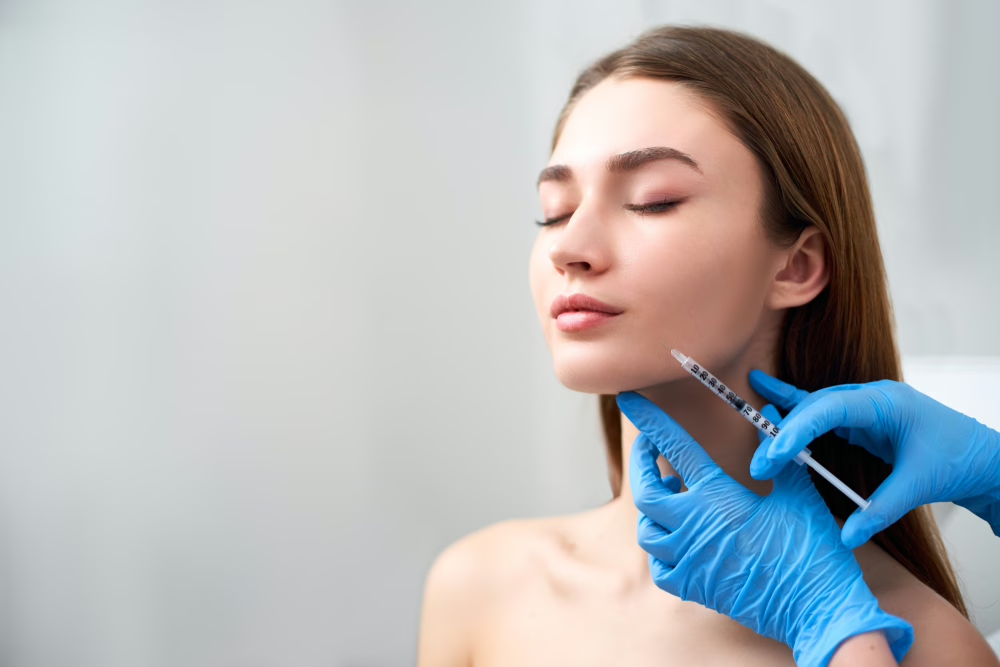
What Types of Dermal Fillers Are Used for Facial Rejuvenation?
There is an old adage that "time is undefeated." No matter what is done or what action is taken, it is impossible to stop the slow crawl of time. This can be felt most strongly while looking in a mirror, as the face that looks out from that reflective glass bears only a passing resemblance to the once vibrant and youthful appearance of day’s past. While nothing can defeat time, there are treatments that can turn back the clock on an individual’s appearance. Some of the top facial rejuvenation treatments available to men and women today: dermal fillers.
An In-Depth Look at Several Types of Dermal Fillers
Dermal fillers can reduce signs of aging in the face and rejuvenate and revitalize the facial appearance. While many refer to "dermal fillers" as a blanket statement that can cover all injectable cosmetic treatments, there are actually many different types of dermal fillers that are all uniquely formulated to treat specific signs of aging.
Dr. Babak Azizzadeh of the CENTER for Advanced Facial Plastic Surgery in Los Angeles is a leading facial plastic and reconstructive surgeon. He uses his expertise to help patients determine which types of dermal fillers can deliver the best results.
While it is unrealistic to expect patients to be able to successfully differentiate between all types of dermal fillers, it is a good idea to learn as much as possible about these non-surgical facial rejuvenation treatments. That way, an individual can meet with Dr. Azizzadeh to discuss various dermal filler treatments in detail. If Dr. Azizzadeh believes a patient is a good candidate for dermal fillers, he can then provide the patient with a personalized treatment recommendation. Plus, the patient can get responses to any dermal filler treatment questions. And, he or she can make an informed decision regarding treatment.
Below, patients can learn about the most popular and commonly used types of fillers, as well as the benefits each dermal filler offers.
Juvederm: A Top Choice for Non-Surgical Facial Rejuvenation
Patients can receive Juvederm injections to treat lost facial volume, wrinkles, and other signs of aging. Juvederm dermal fillers consist of hyaluronic acid, a naturally occuring substance found in the body. The fillers support the supple skin and collagen production.
Multiple Juvederm products are available, including Juvederm XC and Juvederm Ultra Plus. Dr. Azizzadeh can perform an assessment to determine if a patient can benefit from either of these Juvederm products.
Juvederm XC is a dermal filler that addresses moderate to severe wrinkles and folds. It is used to smooth a patient’s skin and enhance their facial appearance.
Injections of Juvederm XC can be effective to treat wrinkles around the mouth and nose, i.e. which are often referred to as nasolabial folds, smile lines, or laugh lines. These wrinkles can run from the outside of the nose to the corners of the mouth. They are usually the results of decades of making facial expressions, combined with the normal loss of volume that comes with age.
Juvederm XC injections can restore lost facial volume and plump the skin near nasolabial folds. This added volume can result in smooth skin. Furthermore, regular Juvederm XC treatments can reduce the appearance of or eradicate smile lines.
Patients can use Juvederm XC to improve the appearance of the lips and treat wrinkles and folds around them. In addition, patients with nasolabial folds can receive Juvederm XC injections to add volume to underlying facial tissue in the lips to further enhance their overall facial appearance.
Whereas Juvederm XC is used to correct visible signs of aging that affect the mouth and nose, Juvederm Ultra Plus can be used to treat thin lips.
Juvederm Ultra Plus, also known as Juvederm Ultra XC, is a stronger version of Juvederm Ultra. Even if the patient’s lips are not thinning, Juvederm Ultra Plus can make the lips appear fuller and more plump than ever before. And, Juvederm Ultra XC contains the anesthetic lidocaine, which can make treatment injectables more comfortable for patients.
How Long Does Juvederm Last?
Juvederm dermal fillers provide results that can last up to 12 months. The amount of Juvederm injected into a patient's face, the treatment site, and other factors can impact the results of treatment.
What Is Restylane for Facial Rejuvenation? Here's What You Need to Know
Restylane can add volume and fullness to the skin and correct moderate to severe facial wrinkles and folds. It can also be used for lip enhancement.
Some of the most common types of Restylane injectables include:
- Restylane Kysse: Increases lip volume and corrects upper lip lines.
- Restylane Lyft: Adds fullness to the cheeks and addresses smile lines. Restylane Defyne: Alleviates deep laugh lines and improves chin projection.
Restylane products offer results that vary. Regardless, all Restylane dermal fillers can provide a safe and effective treatment to address blemishes in different areas of the face.
In some instances, Restylane is used to correct wrinkles and lines on the forehead. Also called furrows or "frown lines," these creases are the result of repeated tension in the forehead, usually as a result of feeling angry, worried, excited, or puzzled. Frown lines can hamper an individual's facial appearance. Fortunately, Restylane can be used to immediately minimize or eliminate frown lines.
Restylane can also be used to treat any damage found on the surface of the skin, including pitting and scarring. Pitting refers to an indentation in the skin, usually caused by swelling. Meanwhile, scarring can refer to a variety of different scars, including scars from being burnt, acne scars, or other types of scars. A Restylane injection to any of these types of skin damage can reduce the appearance of scars.
Finally, Restylane can be used to address volume loss in the lips. Similar to Juvederm Ultra Plus, Restylane injections can plump the lips and soften wrinkles or fine lines around them. As a result, Restylane patients can enjoy youthful-looking and beautiful lips after their treatment.
How Does Radiesse for Facial Rejuvenation Work?
Radiesse is one of the most versatile types of dermal fillers. It can be used to treat any signs of aging present in the lower portion of the face.
Facial volume loss and the natural aging process can cause a variety of lower face problems. These can include:
- Smile lines that go from the nose to the mouth
- Marionette lines below the lips
- Sagging skin along the jawline
- Wrinkles on the corners of the mouth
- Chin wrinkles
Radiesse injections can be used to treat the aforementioned issues that impact the lower face and many others. The injections add volume to the lower face and smooth wrinkles and fine lines.
Ultimately, Radiesse provides immediate results and long-term benefits. Radiesse adds volume in the form of the injectable gel and stimulates the production of collagen. In doing so, Radiesse ensures patients can reap the benefits of a symmetrical facial appearance now and in the future.
Want to Enhance Facial Volume? Here's How Sculptra Can Help
Sculptra is yet another dermal filler that can restore lost facial volume and stimulate collagen production. With Sculptra injections, a patient can replace facial volume lost over an extended period of time. The injections can treat wrinkles, facial folds, and other signs of aging.
Typically, Sculptra is used to treat the same facial areas as Radiesse, including chin wrinkles, marionette lines, smile lines, and sagging jowls. Sculptra is also effective in adding volume to hollow temples.
Which Dermal Filler Treatment Option Is Right for You?
To determine the ideal dermal filler treatment option, meet with Dr. Azizzadeh in person or virtually. From here, Dr. Azizzadeh can conduct an evaluation to determine if a patient qualifies for a facial filler treatment.
There may be times when Dr. Azizzadeh discovers one or more dermal fillers can help a patient improve their facial appearance. Comparatively, some patients may benefit from a facelift, rhinoplasty, or another type of cosmetic surgery in lieu of or in combination with a dermal filler treatment. By meeting with Dr. Azizzadeh, a patient can receive a custom facial rejuvenation treatment recommendation. He or she can learn about myriad facial rejuvenation treatment options and their respective benefits and risks. If a patient decides to move forward with a facial rejuvenation treatment, he or she can work with Dr. Azizzadeh to get the best results out of it.
Schedule a Dermal Filler Treatment Consultation With Dr. Azizzadeh
The average patient can have a difficult time differentiating between the vast array of types of dermal fillers currently on the market. Even after reading about the different types of dermal fillers, it can be challenging to decide which ones can deliver the optimal facial rejuvenation results. That is why anyone who is considering dermal fillers or other facial rejuvenation treatments should schedule a treatment consultation with Dr. Azizzadeh.
Dr. Azizzadeh is a dual board-certified facial plastic and reconstructive surgeon. He possesses comprehensive facial rejuvenation treatment experience and expertise. And, Dr. Azizzadeh applies his knowledge and insights to provide his patients with the best facial rejuvenation treatments.
For those who are considering dermal fillers or other facial rejuvenation treatment options, Dr. Azizzadeh can help. To learn more or to schedule a consultation with Dr. Azizzadeh, please contact us online or call us today at 310-657-2203.
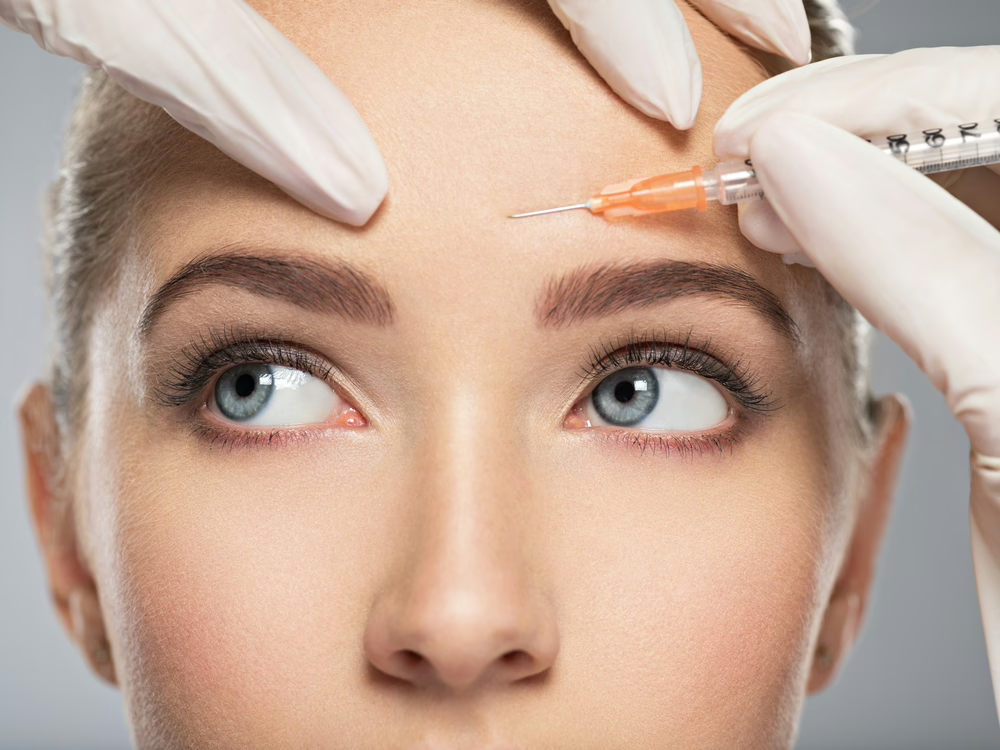
Facelift vs Botox: Which Is Right for You?
When it comes to facial rejuvenation procedures, facelift surgery and Botox injections rank among the most-popular treatments. However, for those who want to quickly and safely revitalize their facial appearance, deciding between both treatments can be difficult.
At the CENTER for Advanced Facial Plastic Surgery, Dr. Babak Azizzadeh educates men and women about all aspects of facial rejuvenation procedures. Dr. Azizzadeh is world-renowned for his expertise in facial plastic and reconstructive surgery and head and neck surgery, and he helps individuals determine if facelift surgery, Botox injections, or other facial rejuvenation treatments can deliver the desired results. Once a patient identifies the ideal facial rejuvenation procedure, Dr. Azizzadeh then crafts a custom treatment plan to revitalize the facial appearance.
So, which is better for facial rejuvenation: a facelift procedure or Botox injections? To find out, let’s examine both facial rejuvenation treatments in detail.
What Is a Facelift?
A facelift, also referred to as a rhytidectomy, treats visible signs of aging in the face and neck. The surgical procedure rejuvenates the facial appearance and ensures a patient’s facial features complement one another.
With a rhytidectomy, a patient can enhance the facial contours and repair loose skin. The procedure also improves the facial shape and tightens facial muscles, leading to a balanced, natural-looking facial appearance.
Are You a Good Candidate for a Rhytidectomy?
People who display any of the following facial issues may be a good candidate for a facelift:
- Loose skin
- Skin volume loss
- Facial wrinkles, expression lines, or other visible signs of aging
- Asymmetrical facial appearance
There is no ideal age to undergo a facelift procedure. Men and women can receive a facelift in their 30s, 40s, and 50s. Patients in their 70s and 80s have benefits from facelift surgery as well.
Although a rhytidectomy is often beneficial for men and women, the procedure is not intended for everyone. An individual can undergo the procedure to correct various signs of aging in the face, such as jowls, loss of skin elasticity, or creases that form between the corners of the mouth and base of the nose. Yet, in some instances, individuals do not qualify for this treatment.
Before a rhytidectomy is performed, a patient receives a full medical evaluation. At this time, it is determined if a patient has any medical conditions that could increase the risk of surgery complications.
Facelift surgery is not recommended if an individual is dealing with diabetes or high blood pressure. It is also not intended for people coping with any medical conditions that hamper blood clotting. If an individual smokes or has a history of frequent weight loss or gain, Botox, or other alternative facial rejuvenation treatments may be recommended.
What Is Botox?
A Botox procedure is a non-surgical alternative to facelift surgery that is noninvasive and requires only minutes to complete. As such, it is a top facial rejuvenation treatment for men and women who want to improve their facial appearance without going under the knife.
During this treatment, a patient receives injections of botulinum toxin, which helps relax muscle movements in the face. The procedure involves the use of injections in specific areas of a patient’s face, and the amount of botulinum toxin injected into the face varies based on the individual.
Thanks to the treatment, an individual can reduce the appearance of moderate to severe facial wrinkles. Botox also helps correct frown lines, bunny lines, and other visible signs of aging in the face. It can even be used to treat neck wrinkles.
Are You a Good Candidate for Botox?
Most people can qualify for Botox if they are physically healthy and do not have a history of neuromuscular disease. Also, Botox patients must be at least 18 years old and not pregnant or nursing.
In addition, there are certain facial skin issues that Botox won't necessarily correct. These include:
- Drooping eyelids (ptosis)
- Severe facial scars
- Skin disorders near potential injection sites
There may be times when one or more dermal fillers may be better options than Botox for patients, too. For instance, a patient may benefit from Juvederm injections to improve facial volume. Or, Restylane can be used to correct pitting, scarring, and damage to the skin’s surface and/or loss of lip fullness.
Regardless of whether a patient is pursuing Botox, dermal fillers, or other non-surgical or surgical facial rejuvenation treatments, it is paramount to meet with an experienced surgeon. In doing so, a patient can learn about different treatment options and find one that aligns with their treatment goals. Plus, the patient can assess the risks associated with various treatment options.
Facelift vs Botox: Which One Is the Safest Facial Rejuvenation Treatment Option?
There are risks associated with rhytidectomy and Botox injections. As such, a patient requires a full medical evaluation before treatment.
Those who qualify for a rhytidectomy are given instructions on how to prepare for treatment. Prior to the surgery, patients may be required to get lab tests or a medical assessment. They may also need to adjust their current medications and/or stop taking certain medication. Patients are required to stop smoking and avoid taking any drugs or supplements that can increase their risk of bleeding as well.
If a patient qualifies for Botox, the surgeon determines how much can be injected into the patient's facial skin to deliver their desired results. The surgeon will also provide instructions to help their patient prepare for injections.
Facelift vs Botox: How Long Do Treatment Results Last?
In terms of how long facial rejuvenation treatment results will last, a rhytidectomy is the superior option over Botox.
A rhytidectomy can deliver results that remain transparent for many years after treatment. Meanwhile, a patient can receive botulinum toxin injections that deliver facial rejuvenation results that can last three months or longer. Furthermore, a patient can continue to get these injections at regular intervals to maximize the results of treatment.
Is a Facelift Better Than Botox?
A rhytidectomy is not necessarily "better" than Botox. Rather, it is a surgical facial rejuvenation treatment, while Botox is a non-surgical option. Both treatments can help patients ensure the facial features complement one another. Yet, the results of each treatment can vary based on the treatment, where it is performed, and other factors.
The facelift vs Botox debate can make it tough to decide which facial rejuvenation treatment can deliver the ideal results. But, those who consider the pros and cons of each treatment are well-equipped to decide which one meets their expectations.
Botox vs Facelift: Which Facial Rejuvenation Treatment Should You Choose?
The benefits of facelift surgery and Botox injections can be significant. Thus, regardless of which facial rejuvenation procedure that a patient chooses, this individual can use the treatment to revitalize the facial appearance both now and in the future.
As individuals assess facelift surgery versus botulinum toxin injections, the following factors should be considered:
- Treatment Results: Rhytidectomy delivers results that last longer than those associated with botulinum toxin injections.
- Recovery Time: Botox patients can resume their normal activities immediately following treatment, while rhytidectomy surgery patients require at least a few weeks before they can do the same.
- Cost: Botox is sometimes considered a more cost-effective facial rejuvenation procedure than rhytidectomy surgery depending on the number of treatments that a patient requires.
- Side Effects: Rhytidectomy surgery often results in temporary swelling and bruising after treatment; comparatively, patients usually experience only minor side effects after they receive Botox injections.
Dr. Azizzadeh understands the challenge of choosing between different facial rejuvenation treatments. Therefore, Dr. Azizzadeh offers a consultation to analyze a patient’s facial appearance and facial rejuvenation treatment goals and provide a personalized treatment recommendation.
By working with Dr. Azizzadeh, an individual can learn about a wide range of facial rejuvenation procedures. Dr. Azizzadeh can also provide a patient with tips and recommendations to enhance the facial appearance, as well as a custom treatment plan.
Finally, Dr. Azizzadeh works with a patient to ensure this individual can quickly and safely revitalize the facial appearance.
How to Find Out If a Botox or Facelift Treatment Is Right for You
A consultation with Dr. Azizzadeh allows a patient to share their facial rejuvenation treatment goals with a globally renowned facial plastic and reconstructive surgeon. During the consultation, Dr. Azizzadeh can learn about these goals and review the patient's medical history. Dr. Azizzadeh can then help his patient determine if Botox, a rhytidectomy, or another facial rejuvenation treatment option is the best choice.
Explore the Benefits of Different Facial Rejuvenation Treatments
To learn more about facelift surgery, Botox injections, and other facial rejuvenation treatments or to schedule a consultation with Dr. Azizzadeh, please contact us online or call us at 310-657-2203.

Nose and Chin Job: Why Does Rhinoplasty Go Hand-In-Hand With Chin Augmentation?
Rhinoplasty and chin augmentation are among the most-popular facial plastic surgery procedures. In some instances, a nose job and chin augmentation go hand-in-hand, and they can be performed at the same time to help a patient achieve a balanced, natural-looking facial appearance.
How Do Rhinoplasty and Chin Implant Procedures Work?
A rhinoplasty allows a patient to reshape their nose; or, a nose job is performed to improve the nasal function or correct nasal trauma. The benefits of a rhinoplasty procedure include:
-
- Enhanced Facial Symmetry: Ensures the nose appears symmetrical relative to other facial features.
- Correction of Nasal Issues: Improves nose size relative or corrects malformations of the nose.
- Improved Breathing: Can be performed in conjunction with sinus surgery to alleviate breathing problems and chronic sinusitis.
Comparatively, chin augmentation involves placing a small implant in the front of the chin bone to increase the jawline’s length and enhance the jawline. Chin augmentation can be used to address one or more of the following issues:
-
- Double chin
- Fleshy neck
- Prominent nose
- Weak chin
- Recessed chin
- Pointed or squared chin
Patients sometimes undergo rhinoplasty and chin augmentation simultaneously to balance the facial profile. When performed together, rhinoplasty and chin implant surgery help a patient balance the size and shape of the nose and chin. Nose and chin job procedures also enable a patient to ensure the nose and chin appear proportional to the cheeks, eyebrows, and other facial features. That way, a patient can undergo both nose and chin augmentation surgeries to rejuvenate their facial appearance.
Additionally, patients who receive rhinoplasty and chin augmentation surgeries at the same time often require only a single round of anesthesia. Since both procedures are performed simultaneously, one round of anesthesia may be used. In this instance, patients generally can avoid taking extra time off from work or other activities to accommodate a second recovery cycle, too.
Let’s not forget about the cost savings associated with undergoing multiple facial plastic surgeries at the same time, either. Combining rhinoplasty and chin augmentation into a single procedure means a patient may only be charged for a single round of anesthesia and one-time fees associated with a surgical facility. Thus, it may prove to be more cost-effective for a patient to undergo rhinoplasty and chin augmentation simultaneously than it would be to receive two separate procedures.
Which Is Better: Getting a Nose and Chin Job Individually or Together?
It can be tough to decide if it is better to get a nose and chin job separately or together. To make an informed decision about whether to proceed with rhinoplasty, chin augmentation, or other facial rejuvenation treatments, meet with an expert facial plastic and reconstructive surgeon like Dr. Babak Azizzadeh.
Dr. Azizzadeh recognizes the value of facial rejuvenation treatments. He recommends a nose and chin job only if he believes the treatment can help his patient revitalize their facial appearance.
Ultimately, Dr. Azizzadeh tailors his treatment recommendation to his patient, regardless of procedure. If Dr. Azizzadeh evaluates a patient and believes rhinoplasty and chin surgery as the best course of action, he can craft a treatment plan that encompasses both procedures.
Are You a Good Candidate for a Nose and Chin Job?
For people who are considering a nose or chin job or both procedures, it is essential to meet with Dr. Azizzadeh. As a globally recognized facial plastic and reconstructive surgeon, he understands the relationship between the nose, chin, and other facial features. As such, Dr. Azizzadeh closely reviews a patient’s facial features to find the best way to improve facial harmony. If he believes a patient will benefit from rhinoplasty and chin augmentation, he then crafts a personalized treatment plan for him or her. On the other hand, if Dr. Azizzadeh believes performing both procedures at the same time won’t deliver the desired results, he offers alternative treatment options.
Dr. Azizzadeh helps patients weigh the pros and cons of rhinoplasty and chin augmentation. He teaches his patients about all aspects of rhinoplasty and chin augmentation, including:
- Preparation: Dr. Azizzadeh explains how a patient should prepare for rhinoplasty and chin augmentation procedures, as well as what this individual should expect on the day of surgery.
- How Rhinoplasty and Chin Augmentation Are Performed: Dr. Azizzadeh explains all surgical steps, along with potential risks associated with surgery.
- Recovery: Dr. Azizzadeh discusses the recovery cycle, and he provides instructions to help his patients avoid post-surgery complications.
In certain instances, patients may benefit from non-surgical facial rejuvenation procedures performed in conjunction with a rhinoplasty or chin augmentation or in lieu of these treatments. Popular non-surgical facial rejuvenation procedures include:
- Botox: Reduces facial wrinkles caused by overactive muscles.
- Facial Fillers: Smooth out fine lines and creases in the face.
There is no ideal age for rhinoplasty, chin augmentation or other facial plastic surgeries as well. Conversely, Dr. Azizzadeh tailors each treatment to his patient. If a patient can benefit from a rhinoplasty, chin augmentation or another facial plastic surgery, he will recommend the procedure, regardless of his patient’s age.
Is It Painful to Undergo a Rhinoplasty and Chin Augmentation at the Same Time?
Anesthesia can be administered before a rhinoplasty and chin augmentation to limit pain during treatment. Furthermore, a patient may be prescribed pain medication to take after their procedure.
Dr. Azizzadeh takes precautions to minimize pain during a nose job and chin augmentation. He offers guidance to help his patients prepare for all aspects of their procedure. Also, Dr. Azizzadeh explains the risks associated with rhinoplasty and chin augmentation before he administers treatment.
What Are the Risks Associated with Rhinoplasty and Chin Augmentation?
There are risks associated with any surgical procedure, and rhinoplasty and chin augmentation surgeries are no exceptions. Common risks associated with nose and chin surgeries include:
-
- Bleeding
- Infection
- Scarring
- Swelling
- Poor results
Dr. Azizzadeh does everything possible to limit the risk of complications for patients who undergo a rhinoplasty and/or chin augmentation. He won't recommend a nose and chin procedure if he believes the risks of treatment outweigh its potential benefits.
How Long Does It Take to See the Full Results of a Nose Job and Chin Augmentation?
It may take one year or longer before the full results of a rhinoplasty and chin implant surgery become visible.
Typically, rhinoplasty surgery results become apparent within one to two years of treatment. Nose job patients should schedule regular follow-up appointments in the months following their procedure. These appointments allow patients to track the status of the rhinoplasty surgery results. They also enable patients to share any post-rhinoplasty concerns or questions with their surgeon.
The full results of a chin augmentation procedure can appear within three to four months of treatment. At this time, a patient's post-surgery swelling will subside. The patient will likely have a chin that looks proportional to their cheeks, forehead, and other facial features.
In patients who undergo a nose job and chin augmentation, careful evaluation following treatment is key. Because, if an issue crops up over the course of a patient's recovery, this problem must be addressed immediately. Otherwise, it can slow down the recovery period. Even worse, the problem can hamper a patient's ability to achieve the optimal treatment results.
With proper support in the months after a rhinoplasty and chin augmentation, a patient can enjoy long-lasting results. Although the natural aging process can alter a patient's appearance over time, the results of a nose job and chin implant surgery are likely to remain intact for many years after treatment.
The Bottom Line on Rhinoplasty and Chin Augmentation
Rhinoplasty and chin augmentation are complex procedures. Before undergoing either of these procedures, it is essential for an individual to analyze all of their facial rejuvenation treatment options. For example, if a patient knows what to expect from chin augmentation surgery, this individual can determine if the procedure aligns with their treatment goals. Furthermore, a patient who works with a board-certified facial plastic and reconstructive surgeon like Dr. Azizzadeh could benefit from a rhinoplasty, chin augmentation or any other cosmetic surgery for years to come.
Dr. Azizzadeh takes a holistic approach to rhinoplasty and chin augmentation. He helps patients evaluate their treatment options and provides personalized cosmetic surgery recommendations. Plus, he does everything possible to ensure his patients can achieve the best treatment results. If rhinoplasty and chin augmentation can be performed together to help a patient achieve a harmonious facial appearance, Dr. Azizzadeh will conduct both procedures at the same time.
People who are evaluating rhinoplasty and chin augmentation can meet with Dr. Azizzadeh to review their treatment options. To schedule a free consultation with Dr. Azizzadeh, please call us today at 310-657-2203.
Should You Get a Non-Surgical Facelift in Beverly Hills? What You Need to Know
Two types of facelifts are available: surgical and non-surgical. Although facelift surgery is commonly used to help patients improve the appearance of the face and neck, a non-surgical facelift is sometimes a superior option. To understand why this may be the case, let's take a look at these facelifts and their benefits.
What Is a Non-Surgical Facelift?
Surgical and non-surgical facelifts are designed for the same purpose: to revitalize the facial appearance. Whereas a surgical facelift requires a patient to go under the knife, a non-surgical facelift does not. As such, patients who simultaneously want to avoid surgery and enhance their facial appearance may pursue this type of facelift.
For those who are considering a non-surgical facelift in Beverly Hills, many treatment options are available, including:
Botox
Botox is the number one non-surgical cosmetic procedure in the United States, according to the American Society of Plastic Surgeons. It is an injectable prescription used to temporarily smooth fine lines and wrinkles that form due to excessive muscle movements in the face.
A Botox treatment can be performed in just minutes, and patients won't have to worry about downtime after their procedure. Also, a Botox treatment can deliver results that last four months or longer.
Facial Fillers
Facial fillers are injectable treatments for different areas of the face. They can be used to correct severe facial lines and wrinkles, treat nasolabial folds, and address other visible signs of aging in the face.
Patients who are considering facial fillers will find no shortage of options at their disposal. Each dermal filler treatment must be tailored to a patient to deliver the optimal results.
Laser Skin Resurfacing
Laser skin resurfacing involves the use of DOT Deka laser treatments to rejuvenate the face and neck skin. It allows a patient to resurface the face and neck skin to correct scars and other blemishes.
A laser skin resurfacing treatment program offers a great option for patients who want to minimize the appearance of sun-damaged skin, skin texture and tone issues, and melasma (pigmentation disorder that causes brown or grey patches on the skin). Laser skin resurfacing can also be performed in combination with Botox and other non-surgical facial rejuvenation procedures.
What Are the Benefits of a Non-Surgical Facelift?
There are many reasons why patients choose non-surgical facelift options over facelift surgery, such as:
Fast Treatment
In many instances, a non-surgical treatment can be performed in minutes. Comparatively, surgery can require two hours or longer.
Short Recovery Time
The results of a non-surgical facelift usually become fully transparent within about seven to 10 days. With surgery, it can take a year or longer before a patient achieves the full results of treatment.
Less Pain
Patient discomfort is minimal both during and after a non-surgical facelift. On the other hand, a patient may require general anesthesia before surgery to reduce pain. A patient may also experience bruising, swelling, and other painful side effects and require pain medication in the first few days after facelift surgery.
Few Risks
There are risks associated with both types of facelifts. Non-surgical procedures do not require anesthesia, which helps lower the risk of complications.
Minimal Aftercare
Little to no aftercare is required after a non-surgical facelift. In fact, patients who undergo this facial rejuvenation treatment can often resume their everyday activities immediately following their procedure.
Cost
Non-surgical procedures tend to be more affordable than surgery. They require patients to pay per treatment, in lieu of a one-time, upfront cost for a surgical procedure.
Proven Results
To date, non-surgical procedures have helped many men and women around the world achieve a balanced, natural-looking facial appearance.
What Are the Risks Associated with a Non-Surgical Facelift?
There is a lot to like about non-surgical facelifts. Yet, it is important to note there are risks associated with non-surgical facial rejuvenation.
Patients can experience various side effects following a non-surgical facelift, including:
-
- Bruising
- Swelling
- Nausea
- Scarring
- Infection
Even a carefully planned and well-executed non-surgical facelift does not guarantee a patient will achieve their intended results, too. Therefore, it is paramount to weigh the pros and cons of non-surgical and surgical facelifts before undergoing treatment. This allows a patient to consider all aspects of treatment. Most importantly, it enables a patient to make an informed decision regarding whether to choose a non-surgical or surgical facelift.
Should You Choose a Non-Surgical or Surgical Facelift?
There are many reasons why patients may prefer surgical facelifts over non-surgical ones.
First, a non-surgical facelift delivers temporary results. Whereas a non-surgical facelift patient requires periodic treatments to correct facial flaws, those who undergo surgery can enjoy results that last 10 years or longer.
Along with the length of treatment results, cost is also a consideration when deciding between a non-surgical and surgical facelift.
The cost of a single non-surgical procedure may be lower than that of surgery. Conversely, surgery requires one upfront charge, while a patient is required to cover the cost of each non-surgical treatment. Both non-surgical and surgical facelifts are generally considered cosmetic procedures and are not covered by insurance. However, a facial plastic surgeon may provide financing options to help patients cover the cost of either treatment.
Learning about non-surgical and surgical facelifts and their respective advantages and disadvantages is vital. By meeting with a facial plastic surgeon who possesses extensive facelift treatment expertise, a patient can gain insights into non-surgical and surgical options.
Is a Non-Surgical Facelift in Los Angeles Right for You?
For people who are considering a non-surgical facelift for jowls or other face or neck flaws, many facial plastic surgeons are available in Los Angeles. But, not every facial plastic surgeon can perform a non-surgical procedure with the accuracy and precision necessary to deliver the best results.
When it comes to getting a non-surgical facelift in Beverly Hills, Dr. Babak Azizzadeh of the CENTER for Advanced Facial Plastic Surgery provides excellent results. Dr. Azizzadeh is one of the world's leading facial plastic and reconstructive surgeons. Those who are considering a non-surgical facelift in Los Angeles can meet with Dr. Azizzadeh to learn about all aspects of treatment. Dr. Azizzadeh can also perform an evaluation to determine if a patient is a good candidate for either type of facelift procedure.
Why Should You Choose Dr. Azizzadeh for a Non-Surgical Facelift in Beverly Hills?
Dr. Azizzadeh is globally recognized for his facial plastic and reconstructive surgery and head and neck surgery expertise. He applies his skills to his everyday work. Plus, with his comprehensive approach to facelifts, Dr. Azizzadeh ensures each patient can explore different treatment options and undergo a safe, effective procedure to accomplish their facial rejuvenation goals.
To determine if a patient can benefit from a facial rejuvenation procedure, Dr. Azizzadeh first performs an evaluation. He analyzes the patient's facial appearance, reviews their medical history, and finds out why the patient is pursuing a facial rejuvenation treatment. Once Dr. Azizzadeh learns about the patient, he lets him or her know if a facelift treatment can be used to enhance their facial appearance.
If Dr. Azizzadeh finds a patient can benefit from a non-surgical facelift, he crafts a custom treatment plan. He does the same for patients who qualify for facelift surgery.
Dr. Azizzadeh recognizes there is no one-size-fits-all facelift treatment. So, he customizes each treatment plan to his patient.
A facelift treatment can include one or more non-surgical or surgical procedures. Dr. Azizzadeh explains the plan to his patient, and he responds to his patient's treatment concerns and questions. This ensures the patient knows exactly what to expect before a facelift treatment plan is executed.
Dr. Azizzadeh monitors his patient's status during the course of a treatment program, too. He wants his patient to achieve the full benefits of a facelift and looks for any opportunities to optimize the treatment program. As a result, at the end of a facelift treatment, the patient can enjoy a beautiful facial appearance.
Schedule a Non-Surgical Facelift Treatment Consultation with Dr. Azizzadeh
Don't wait to pursue non-surgical facelift treatment options. Because, those who meet with Dr. Azizzadeh can receive an assessment to determine if they qualify for a non-surgical facelift. They can also ask questions regarding facelift rejuvenation treatment options and learn why patients frequently choose Dr. Azizzadeh for non-surgical facelift procedures in Los Angeles.
Dr. Azizzadeh is available to meet with a patient to discuss non-surgical facelift options. To learn more or to schedule an in-person or virtual consultation with Dr. Azizzadeh, please contact us online or call us today at 310-657-2203.

Best Treatments for Melasma on Face
Melasma is a pigmentation disorder that causes brown to grey, brown, and blue patches on the skin. The condition can affect the facial appearance, but it is treatable.
Immediate melasma diagnosis and treatment is key. Those who understand melasma and its symptoms are well-equipped to treat the condition before it escalates.
What Is Melasma?
Melasma is a common skin problem for women and men around the world. It causes discoloration of the skin, resulting in flat patches or freckle-like spots.
Patients can experience melasma on any part of the skin that is exposed to sunlight. Most melasma patients experience skin discoloration on the cheeks, forehead, chin, nose, and above the upper lip. In certain instances, patients experience melasma symptoms on the forearms, neck, and other parts of the body.
Melasma patches can darken and lighten over time. They can get worse in summer and improve in winter.
Is Melasma Common?
Research indicates melasma affects up to one-third of the population. Melasma symptoms usually start to appear between 20 and 40 years of age. These symptoms can be chronic.
Melasma has been referred to as the "mask of pregnancy." This is due to the fact that it frequently affects pregnant women.
Is Melasma Cancerous?
Melasma is not cancerous. But, skin cancers can mimic melasma. For those who experience any melasma symptoms, they can meet with a dermatologist. At this point, a dermatologist can assess their patient's skin to find out if melasma or other skin issues are present.
Types of Melasma
There are three types of melasma:
-
- Epidermal: Can be dark brown.
- Dermal: Can be light brown or blue.
- Mixed Melasma: Can be a combination of shades of brown and blue; mixed melasma is the most common type of melasma.
A medical evaluation can be used to determine which type of melasma is present. Once the evaluation is performed, a patient can receive a proper diagnosis. The patient can then review treatment options for melasma.
What Causes Melasma?
Melasma causes include:
-
- Excess Sun Exposure: The sun’s ultraviolet (UV) rays affect cells that control pigmentation. If people spend too much time in the sun, they are susceptible to melasma.
- Hormones: Research indicates that fluctuations in certain hormones can cause melasma; the condition has also been linked to the use of birth control pills or hormone replacement therapy.
- Skin Color: Research shows that people with darker skin are more prone than others to melasma.
- Skincare Products: A skincare product that irritates the skin may cause melasma.
For those who believe they are dealing with melasma, there is no need to wait to address the problem. In this instance, meet with Dr. Babak Azizzadeh of the CENTER for Advanced Facial Plastic Surgery to receive an expert melasma treatment recommendation.
Is Melasma on Face Permanent?
Melasma can be chronic, with symptoms that last three months or longer. In some instances, people experience melasma symptoms that last a lifetime.
Is Melasma on Face Painful?
Melasma can cause people to itch, but it is generally harmless. With appropriate diagnosis and treatment following symptomatic onset, those coping with melasma can address the condition in its early stages.
How to Address Melasma on Face: Here's What You Need to Know
To determine if melasma is present, keep an eye out for discolored spots and/or patches on the skin. These issues can crop up on different areas of the face, including:
-
- Cheeks
- Nose
- Upper lip
Melasma can also develop on the shoulders and upper arms. And, the condition has been shown to impact the neck, particularly in individuals age 50 and older. At the first sign of melasma on the face or other areas of the body, meet with a doctor. From here, a patient can receive myriad tests to determine if melasma is causing their symptoms.

How Is Melasma Diagnosed and Treated?
To diagnose melasma, a doctor will assess their patient's skin. The doctor will find out when the patient started to experience their melasma symptoms and how long they have been occurring. He or she may also use a Wood's lamp (black light) to identify any changes in the color of their patient's skin. The doctor may request thyroid testing to determine if thyroid disease is contributing to their patient's symptoms, too.
There may be times when a patient experiences a skin condition with symptoms that replicate those of melasma. Skin conditions with symptoms that appear similar to those of melasma include:
-
- Drug-induced or postinflammatory pigmentation
- Guttate hypomelanosis
- Hydroquinone-induced exogenous ochronosis
- Lentigo (age spots)
If a doctor believes a patient is dealing with melasma, a patient may require a biopsy to confirm their diagnosis. During a biopsy, a doctor will remove and examine a small portion of a patient's skin. Once a doctor verifies a patient is coping with melasma, he or she can use the Melasma Area and Severity Index to assess the severity of their patient's symptoms. Next, the doctor can determine the best course of action to help their patient address these symptoms and prevent them from recurring.
What Will Happen to Those Who Try to Ignore Melasma on Face?
Melasma can disappear on its own, without treatment. Yet, if left unaddressed, melasma symptoms can impact people physically and emotionally.
Those coping with melasma can try to use makeup to disguise melasma on the face. But, doing so offers no guarantees. Melasma symptoms will continue for an extended period of time, regardless of how much someone tries to hide them. Despite someone's best efforts, it can be difficult to prevent melasma from hampering their facial appearance.
Furthermore, melasma can impact someone's facial appearance, to the point where he or she becomes self-conscious about it. The condition may lead someone to avoid social gatherings, due to embarrassment about their facial appearance. It can even contribute to anxiety, stress, depression, and other mental health issues.
Meet with a dermatologist as soon as melasma symptoms appear. This allows a patient to identify the root cause of their symptoms and find a safe, effective way to treat them.
What Is the Best Treatment for Melasma on Face?
The best treatment for melasma varies. Common melasma treatments include:
1. Retinol for Melasma
Retinol is a vitamin A derivative that promotes skin renewal, treats acne, and boosts production of collagen, a protein that supports skin elasticity. It is available as a non-prescription topical treatment for melasma and accelerates the body’s natural cell turnover process. In doing so, retinol helps eliminate dark patches on the skin much faster than they would heal on their own.
In addition to retinol, bleaching agents that contain hydroquinone may be used to treat melasma. Hydroquinone stops the process that causes skin discoloration, and it is often used to lighten the skin. It can also be used to treat areas of the skin that are more sensitive to the sun.
Although retinol and bleaching agents to correct melasma are often sold over the counter, consulting with Dr. Azizzadeh prior to using these medications is key. Dr. Azizzadeh strives to provide a patient with a safe, effective treatment tailored to their melasma symptoms. He meets with a patient to understand their melasma symptoms, then offers a personalized treatment recommendation. Finally, Dr. Azizzadeh monitors his patient’s progress throughout melasma treatment to ensure that his patient can address their melasma symptoms.
2. Melasma Laser Treatment
Laser skin resurfacing is a non-surgical melasma treatment that can improve skin tone, texture, and pigmentation. During a laser skin resurfacing procedure, DOT Deka lasers are used to apply controlled energy to discolored portions of a melasma patient’s skin. Additionally, laser skin resurfacing helps a melasma patient tighten the skin and reduce pore size.
Downtime associated with melasma laser treatment is minimal; in most instances, patients only need about seven to 10 days to recover. Dr. Azizzadeh provides his patients with comprehensive instructions to streamline the laser skin resurfacing recovery process and limit the risk of post-treatment complications. This ensures that a melasma patient can reap the full benefits of laser skin resurfacing.
The results of laser skin resurfacing typically last up to five years. Dr. Azizzadeh provides skincare tips to help patients avoid recurring melasma following laser skin resurfacing. He is available to respond to a patient’s concerns or questions at any point during laser skin resurfacing recovery.
3. Microneedling for Melasma
Microneedling involves the use of tiny needles to stimulate collagen growth and promote the growth of elastin, a protein that supports skin elasticity and resilience. The non-surgical procedure repairs the skin via the creation of microscopic channels. It enables platelet-rich plasma and skincare products to reach the deepest layers of the skin to deliver maximum results.
During a microneedling procedure, tiny, precisely spaced needles are used to create micro-punctures in the skin, and each micro-puncture activates the skin’s natural cell regeneration properties. As a result, microneedling helps melasma patients treat skin discoloration, as well as lift, tighten, and revitalize the skin.
Microneedling is a versatile procedure, and it can be used to treat the face, neck, arms, hands, and other areas of the body. On average, it takes about 30 minutes to perform a microneedling procedure, and an entire microneedling appointment with Dr. Azizzadeh may require about 90 minutes. Once a microneedling appointment is complete, microneedling recovery usually takes about two to four days to complete, with some patients fully healing within 24 hours of treatment.
4. Skincare Products
For people who are searching for a melasma on face treatment, skincare products are available to treat sun-damaged skin. These products often contain kojic acid that exfoliates discolored skin, along with hydroquinone.
Certain skincare feature specialized formulas designed to limit the impact of sun exposure and environmental pollutants. As a result, these skincare products help individuals address melasma in its early stages.
Dr. Azizzadeh provides ZO Skin Health products that can be incorporated into a daily skincare routine. He evaluates a patient to determine if ZO Skin Health products can help his patient alleviate their melasma symptoms.
Is the Best Treatment for Melasma Plastic Surgery?
Plastic surgery for melasma won't necessarily help treat the condition. Instead, patients can pursue any of the aforementioned treatments to address their melasma symptoms.
Patients who want to undergo a facelift or other facial plastic surgeries in conjunction with a melasma treatment should meet with Dr. Azizzadeh. That way, Dr. Azizzadeh can perform a full evaluation to determine which cosmetic procedures can help a patient accomplish their desired results.


Is Melasma Preventable?
There are several things that people can do to guard against melasma, such as:
-
- Limit Sun Exposure: Excess sun exposure increases the risk of melasma; therefore, it is crucial to limit the amount of time spent in direct sunlight whenever possible.
- Apply Sunscreen: Wear sunscreen every day. Use a sunscreen with broad-spectrum protection and reapply sunscreen at least every two hours.
- Wear Protective Clothing: Wear a wide-brimmed hat and layered clothing to protect the skin against excess UV radiation that otherwise causes melasma.
- Enjoy Foods Rich in Vitamin D: Eat eggs, meat, yogurt, and other foods loaded with vitamin D; doing so can help you maintain healthy skin.
- Moisturize the Skin: Use a moisturizer to restore the skin's lipid barrier and protect the skin against damage.
Dr. Azizzadeh understands the dangers associated with melasma, and he works with patients to help them identify and treat this issue. By meeting with Dr. Azizzadeh, a patient can learn about a wide range of melasma treatment options.
How Does Dr. Azizzadeh Approach Melasma Treatment in Beverly Hills?
There is no telling when melasma symptoms will arise. These symptoms are generally painless, but they can affect how a patient looks and feels.
In some cases, melasma impacts a patient's self-confidence. It can also impact a patient's ability to maintain a balanced, natural-looking facial appearance.
Dr. Azizzadeh has a simple goal with melasma treatment: to correct melasma so that a patient feels good about their facial appearance. He takes a holistic approach to melasma treatment.
As a world-renowned facial plastic and reconstructive surgeon with extensive melasma treatment experience, Dr. Azizzadeh works closely with his patient to diagnose and treat melasma. Dr. Azizzadeh performs an in-depth assessment of a patient’s medical history and conducts a physical exam. He then crafts a custom treatment plan for his patient, and this plan is used to help a patient revitalize their facial appearance.
Dr. Azizzadeh tracks his patient’s progress throughout a melasma treatment program. He responds to his melasma patient’s concerns and questions during treatment and ensures that their progress stays on track. When a patient’s recovery from melasma treatment is complete, he or she can enjoy a revitalized facial appearance.
Identify the Best Treatment for Melasma on Face
Melasma affects people in different ways. So, the best treatment for melasma varies based on the patient, the severity of their symptoms, and other factors.
To determine if melasma is present, meet with a dermatologist. Next, the dermatologist can view changes in their patient's skin color. Also, an examination of a patient's thyroid and a biopsy can be performed as needed.
If a patient receives a melasma diagnosis, try not to worry. At this time, the dermatologist can provide personalized tips and recommendations to help their patient alleviate melasma symptoms. The dermatologist will continue to work with their patient to ensure the melasma treatment delivers the optimal results. He or she can respond to their patient's concerns and questions throughout treatment, too.
Patients dealing with ongoing melasma symptoms are encouraged to consult with Dr. Azizzadeh. Although past melasma treatments may have been ineffective, Dr. Azizzadeh can explore melasma holistic treatment options with his patient. Together, Dr. Azizzadeh and his patient can find a safe, healthy way to treat melasma symptoms.
Schedule a Melasma Holistic Treatment Consultation with Dr. Azizzadeh Today
Melasma is sometimes difficult to treat, but Dr. Azizzadeh dedicates significant time and resources to develop a personalized treatment plan for each of his melasma patients. To date, Dr. Azizzadeh has helped many patients correct their melasma symptoms, and he continues to explore ways to safely and effectively treat skin problems.
For those who have been dealing with recurring issues, Dr. Azizzadeh can help. He can meet with patients to explore the best treatment for melasma on the face and other ways to address these problems.
Dr. Azizzadeh is available to discuss treatment options for melasma and other skin issues. To schedule a treatment consultation with Dr. Azizzadeh, please call us today at 310-657-2203.
Before choosing a surgeon, reading real patient feedback matters. View verified reviews for Dr. Azizzadeh on Google and RealSelf.